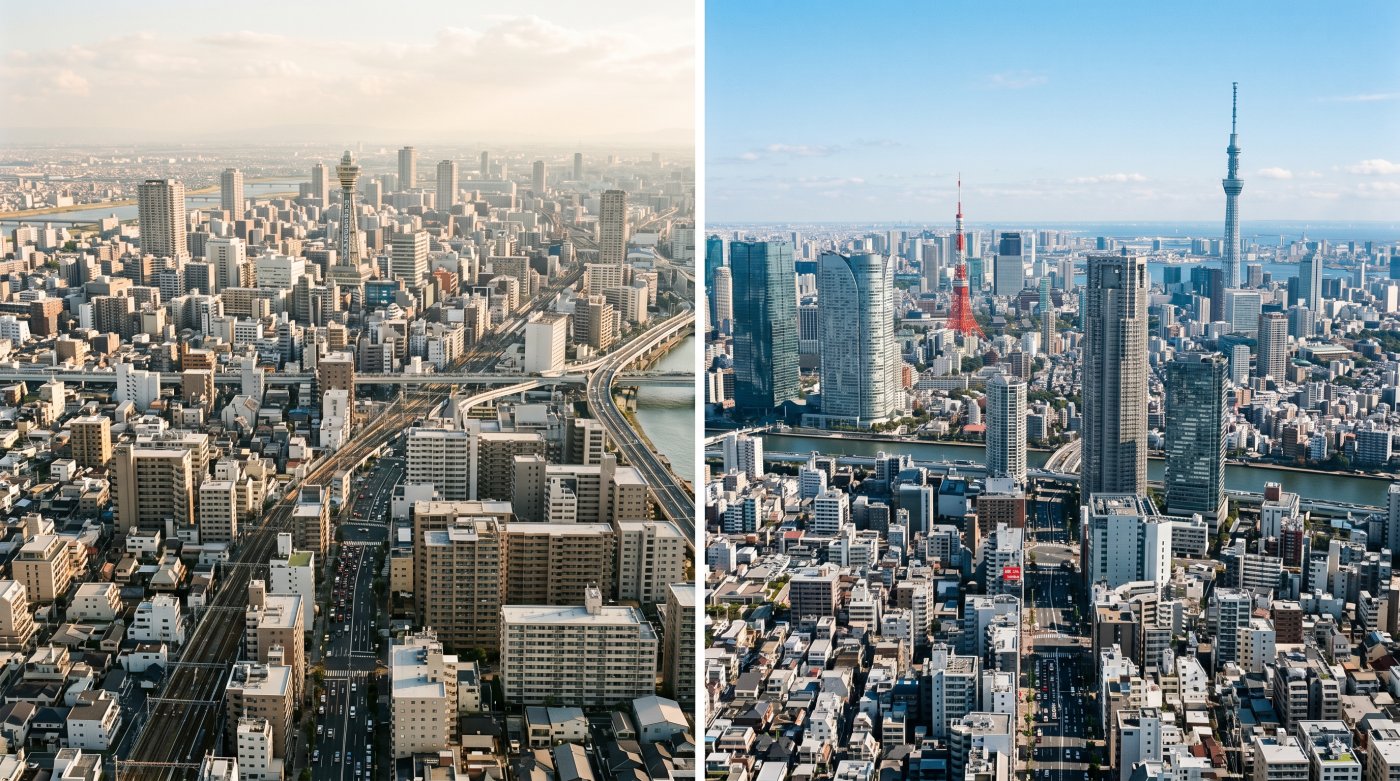











How to Visit Osaka From Tokyo: Trains, Budget & Where to Stay – Complete Travel Guide 2026
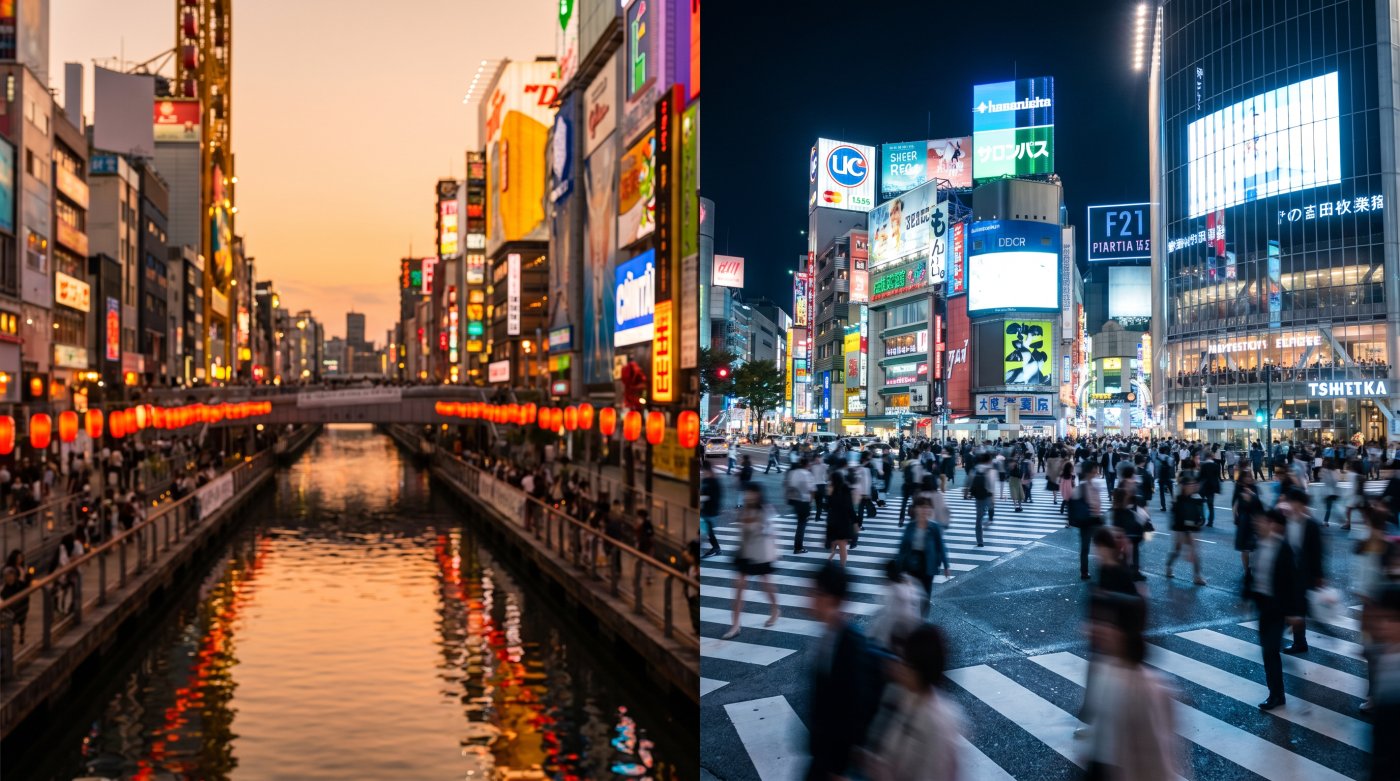
Reaching Osaka from Tokyo is the single easiest upgrade you can make to a Japan trip.
The fastest bullet train covers 515 km between the two cities in about 2 hours 27–30 minutes, station centre to station centre, with no airport check-in, no bag drop, and no security queue.
You step on in Tokyo and step off in the middle of Osaka.
Add two or three nights and you get a city that eats better, costs less, and sits within an hour of Kyoto, Nara, Kobe and Himeji.
This guide covers every part of the trip: how to get there, which bullet train to pick, how to run the JR Pass math, how long to stay, where to sleep, what to do on arrival day, and the side trips worth building your time around.
Getting From Tokyo to Osaka
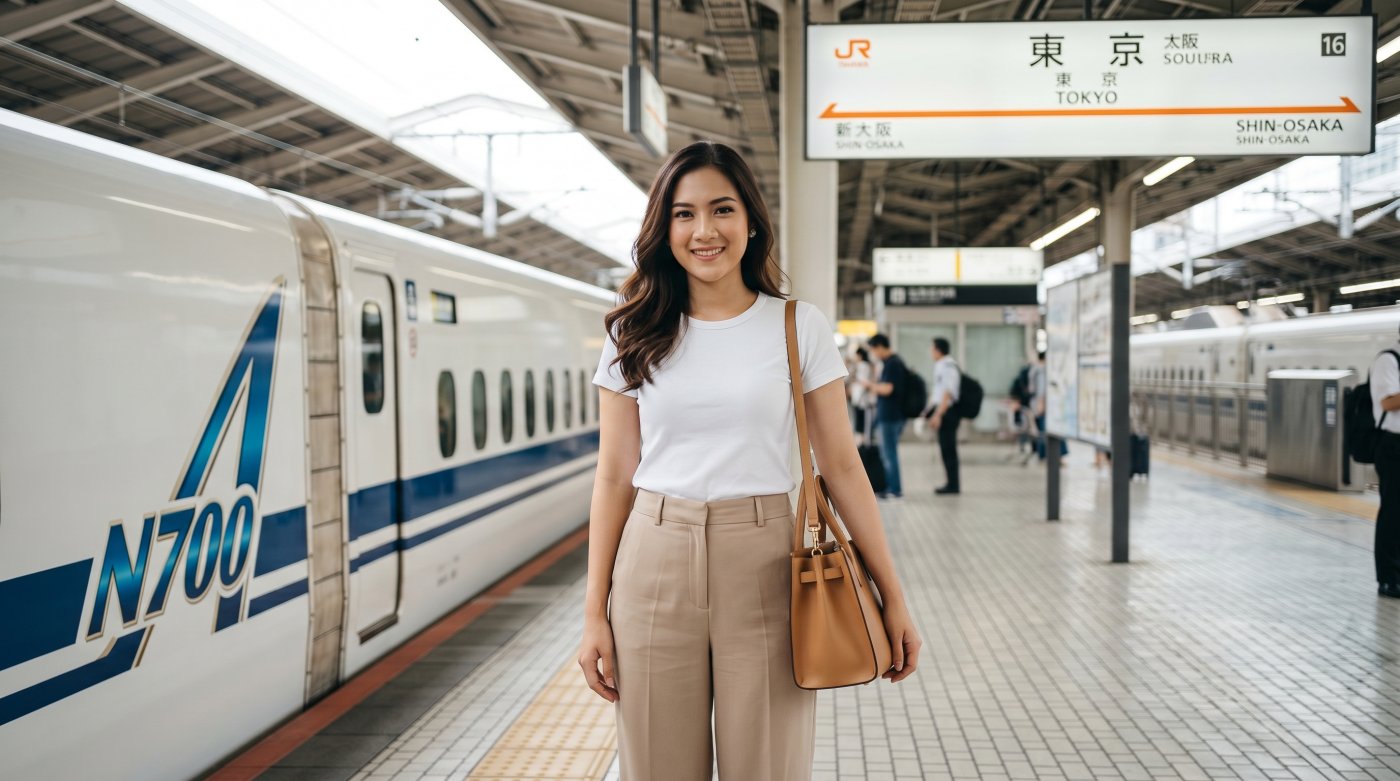
There are three real ways to travel from Tokyo to Osaka: the Shinkansen, a short-hop flight, or the overnight highway bus.
For almost every traveller, the Shinkansen wins.
Here is how all three stack up:
| Option | Duration | One-Way Cost | Best For |
|---|---|---|---|
| Shinkansen (Nozomi) | ~2h 27–30m | ¥14,000–¥15,000 | Speed + convenience |
| Shinkansen (Hikari) | ~3h | ¥13,500–¥14,500 | JR Pass holders |
| Flight (Haneda/Narita → Itami/KIX) | 3.5–4h door-to-door | ¥7,000–¥15,000 | Budget fares only |
| Overnight highway bus | 8–9h | ¥3,500–¥10,000 | Extreme budget, saves a hotel night |
The Shinkansen is the default for a reason.
The Nozomi departs every few minutes from Tokyo Station and Shinagawa, and the fare runs ¥14,000–¥15,000 for a reserved seat (as of May 2026).
Book at a JR ticket office, any green ticket machine, or the SmartEX app — the app also unlocks early-bird discounts that knock ¥2,000–¥4,000 off when you book 7–21 days ahead.
Flying looks fast on paper — the air time from Haneda or Narita to Itami or Kansai International is only 70–80 minutes — but add airport transfers, security and check-in and the door-to-door reality is 3.5 hours or more.
Flying pays off only if you score a genuinely cheap fare or happen to be staying near Haneda anyway.
If you do fly, check the transfer times: the route from Kansai Airport into central Osaka is longer than most people expect, while Itami sits much closer to the city and is the friendlier landing for a domestic hop.
The overnight highway bus is the budget pick.
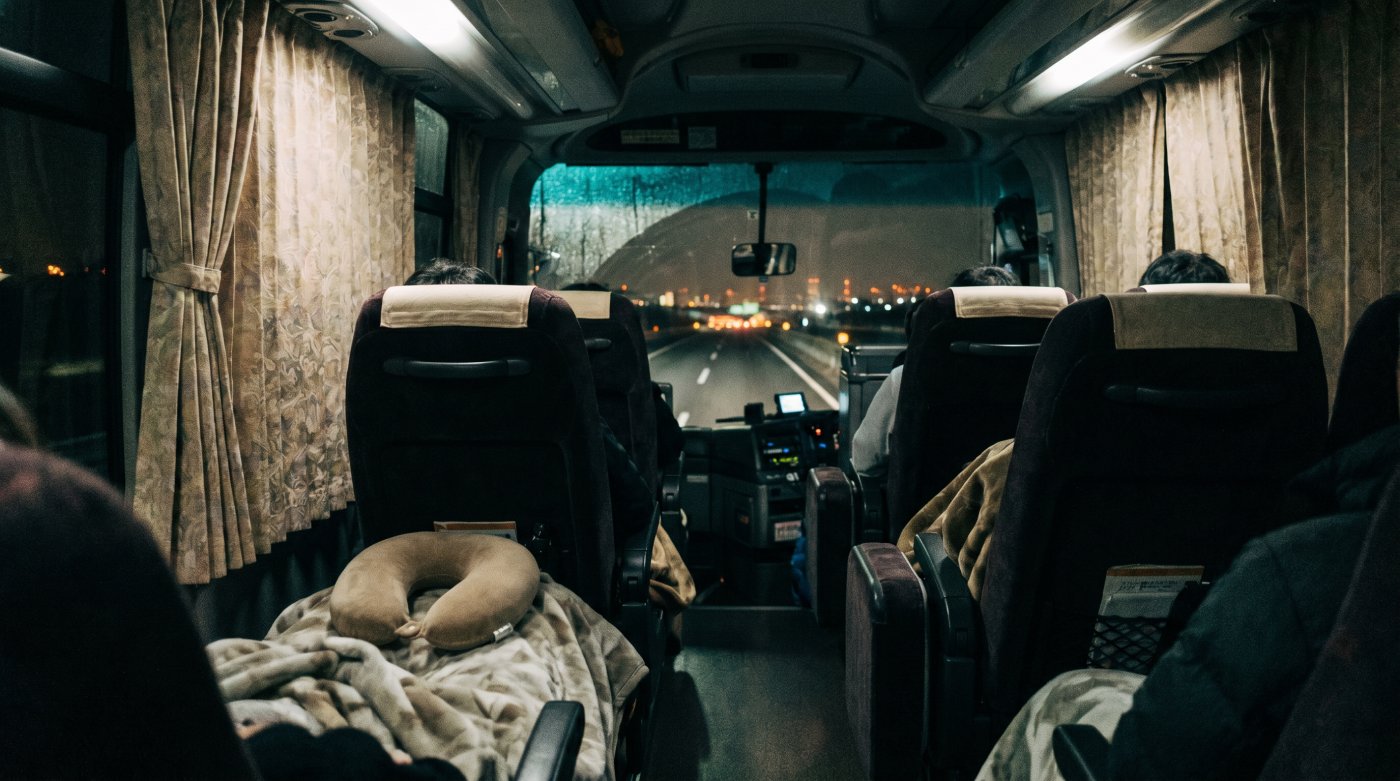
Tickets start around ¥3,500 booked early, and the 8–9 hour ride means you save a hotel night.
You lose legroom and arrive before dawn, but for travellers counting every yen it is a legitimate option.
Which Bullet Train? Nozomi vs Hikari vs Kodama
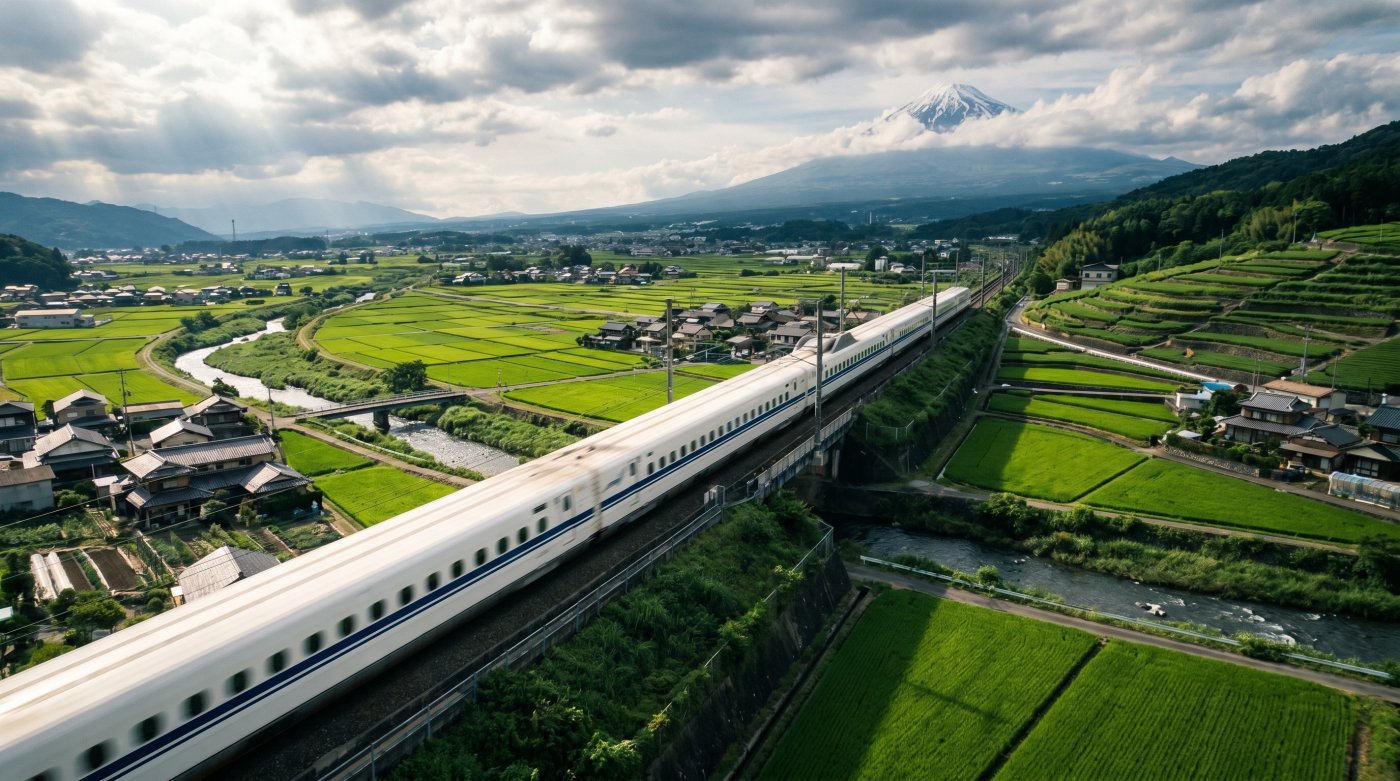
Not all Shinkansen are equal.
The three trains on the Tokyo–Osaka route differ in speed, stops, and crucially, JR Pass coverage.
| Train | Travel Time | Stops | JR Pass Covered? | Best For |
|---|---|---|---|---|
| Nozomi ★ | ~2h 27–30m | Shinagawa, Nagoya, Kyoto, Shin-Osaka | No | Everyone paying individually |
| Hikari | ~3h | More stops, varies | Yes | JR Pass holders |
| Kodama | ~4h | All stations | Yes | Slow travel, cheapest SmartEX packages |
A return Nozomi ticket runs roughly ¥28,000–¥30,000.
The 7-day Ordinary Japan Rail Pass costs ¥50,000 (as of 2026) — and it does not even cover the Nozomi.
The Pass only makes financial sense if you are chaining multiple long-distance legs in one week: for example, Tokyo → Osaka → Hiroshima → Hakata and back.
For a Tokyo-to-Osaka-and-back trip only, skip the Pass entirely and buy individual tickets.
The Hikari takes about 30 minutes longer but is fully JR Pass eligible and still comfortable.
If you hold a pass, take the Hikari.
If you are paying out of pocket, take the Nozomi and do not look back.
Tokyo vs Osaka: What Actually Changes
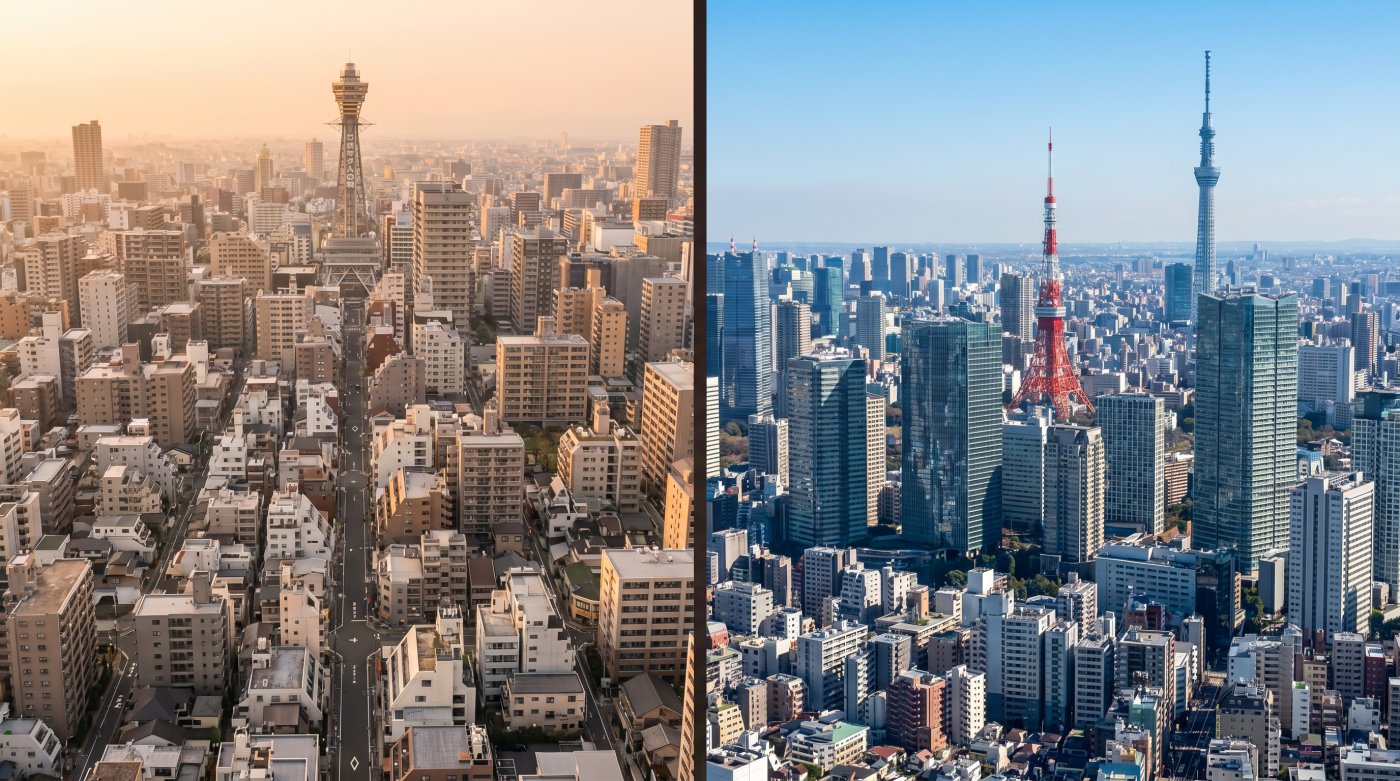
If you are deciding whether the trip is worth adding, here is the honest comparison.
Osaka is not just “Tokyo but smaller.”
| Aspect | Tokyo | Osaka |
|---|---|---|
| Food culture | Refined, restrained | Loud, generous, street-forward — kuidaore (eat until you drop) |
| Price level | Higher across the board | 10–20% cheaper for hotels, food and drinks |
| Pace | Fast, formal | Loose, direct — strangers talk to you on the street |
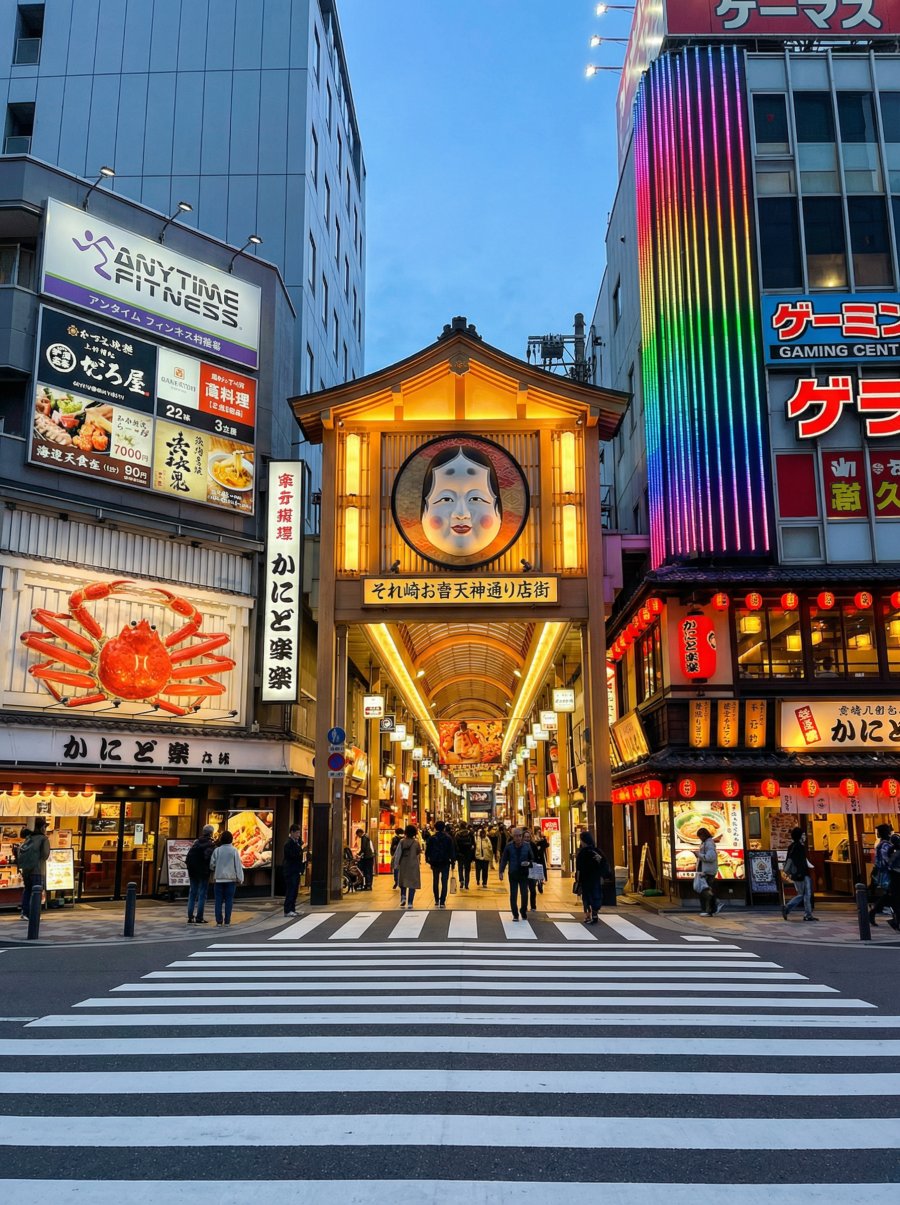
| Nightlife | Scattered, club-heavy | Dense in Dotonbori and Namba; izakaya heaven |
| Day-trip access | Good (Nikko, Kamakura) | Exceptional — Kyoto 15min, Nara 45min, Kobe 25min |
| Crowds | Dense but spread wide | Concentrated in Dotonbori; quieter everywhere else |
| Language | Standard Japanese | Osaka-ben dialect — thicker, warmer, funnier |
| Best for | First-timers to Japan | Second visits, food lovers, history buffs |
The practical upshot: Tokyo is where most international itineraries start.
Osaka is where they get interesting.
For more specific comparisons between Tokyo and Osaka, read our comprehensive article about Tokyo vs Osaka.
How Many Days Do You Need in Osaka Coming From Tokyo?
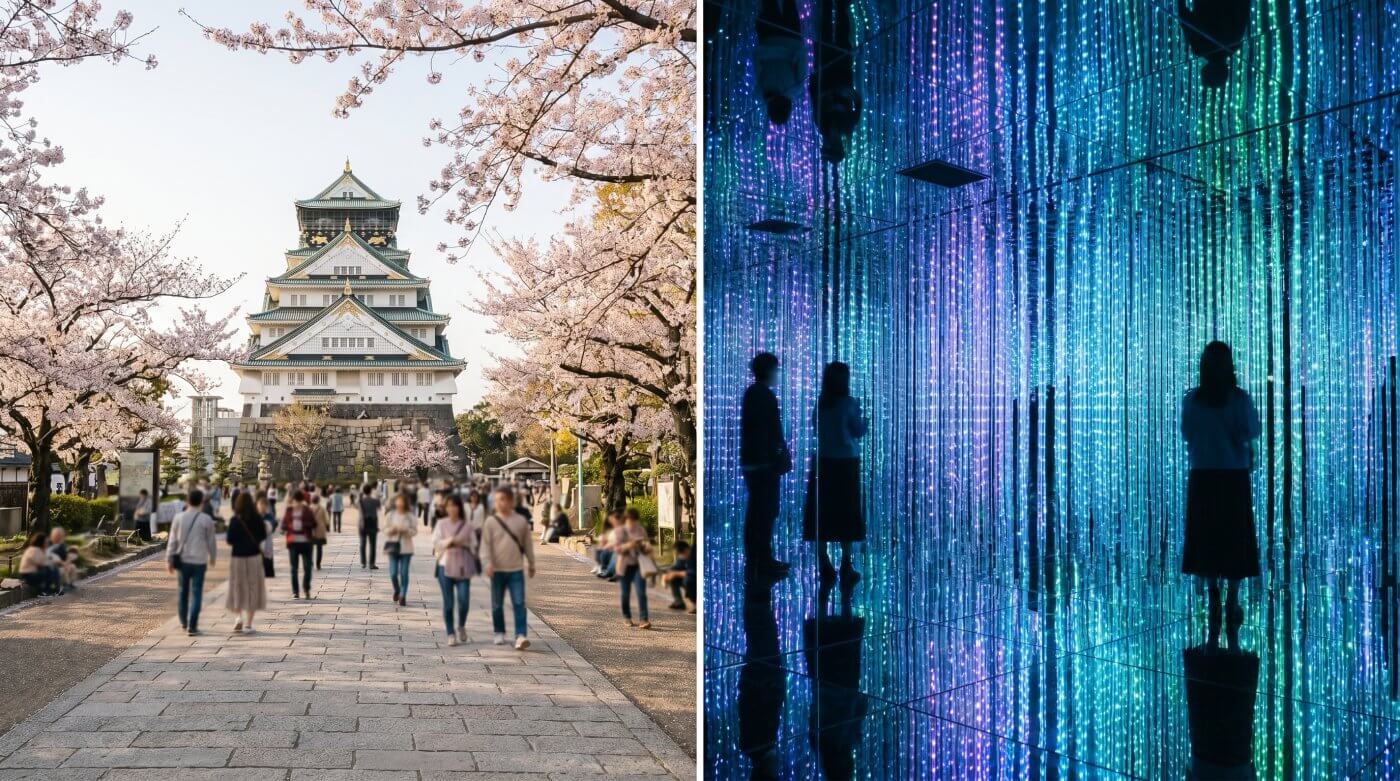
Two full days is the sweet spot for Osaka as a side trip.
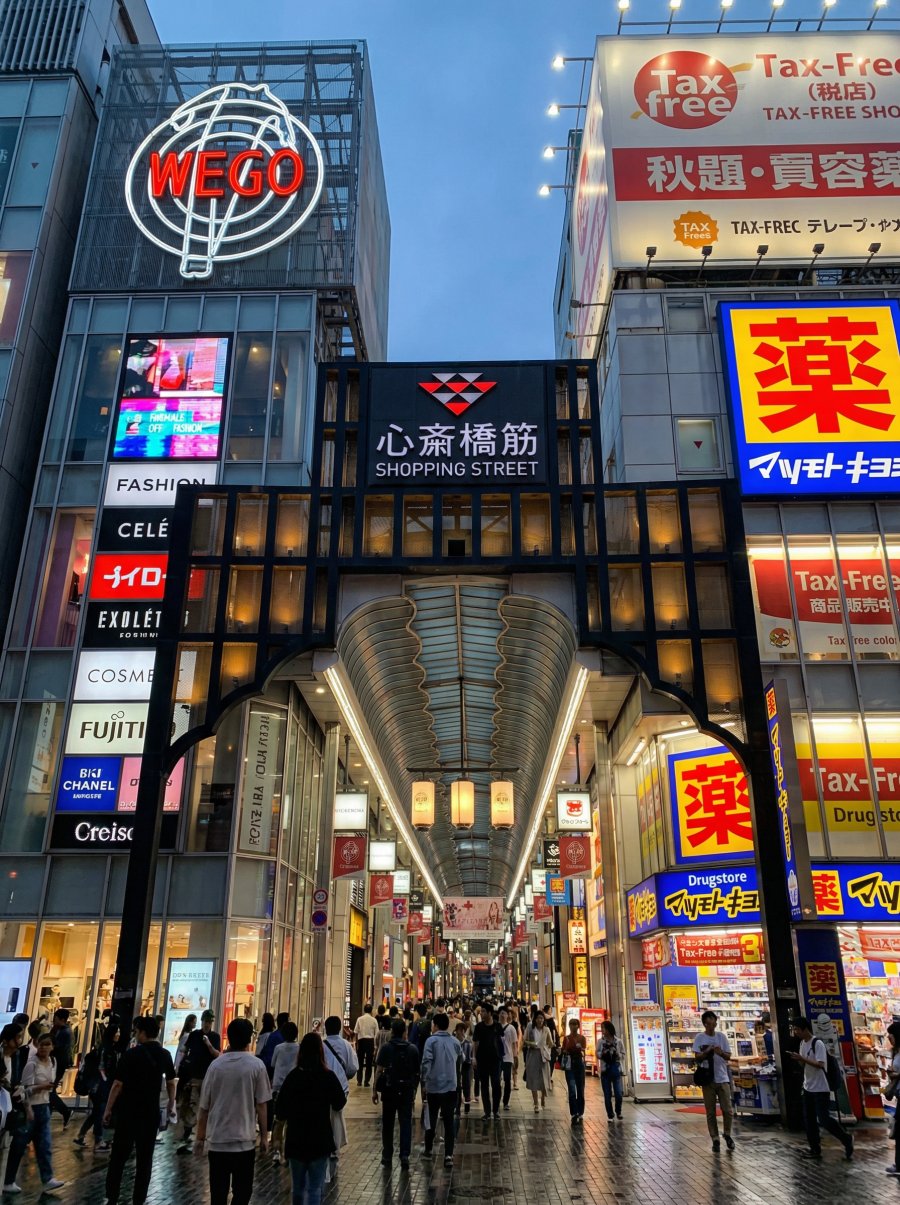
Two days covers the city core — Dotonbori, Osaka Castle, Kuromon Ichiba Market, one sunset view — and still leaves room to slow down for a meal.
One night works if you are tight.
Three nights lets you bolt on a full day trip.
Here is the honest breakdown by trip length:
- One night (two half-days): Enough for Dotonbori, dinner and one morning sight. Tight, but doable if Osaka is a stopover.
- Two nights: The natural fit. A full first day in the city, a second day for views, shopping or a theme park.
- Three nights: The first day for Osaka, a full day in Kyoto or Nara, and a relaxed third day with no train to catch.
If you are mapping a longer Kansai loop, start with the planning overview that lays out 1 to 4-day options and work backward from how many nights you can spare.
With three nights free, the three-day plan adds a proper day trip and breathing room without feeling rushed.
Daily Budget in Osaka (JPY)
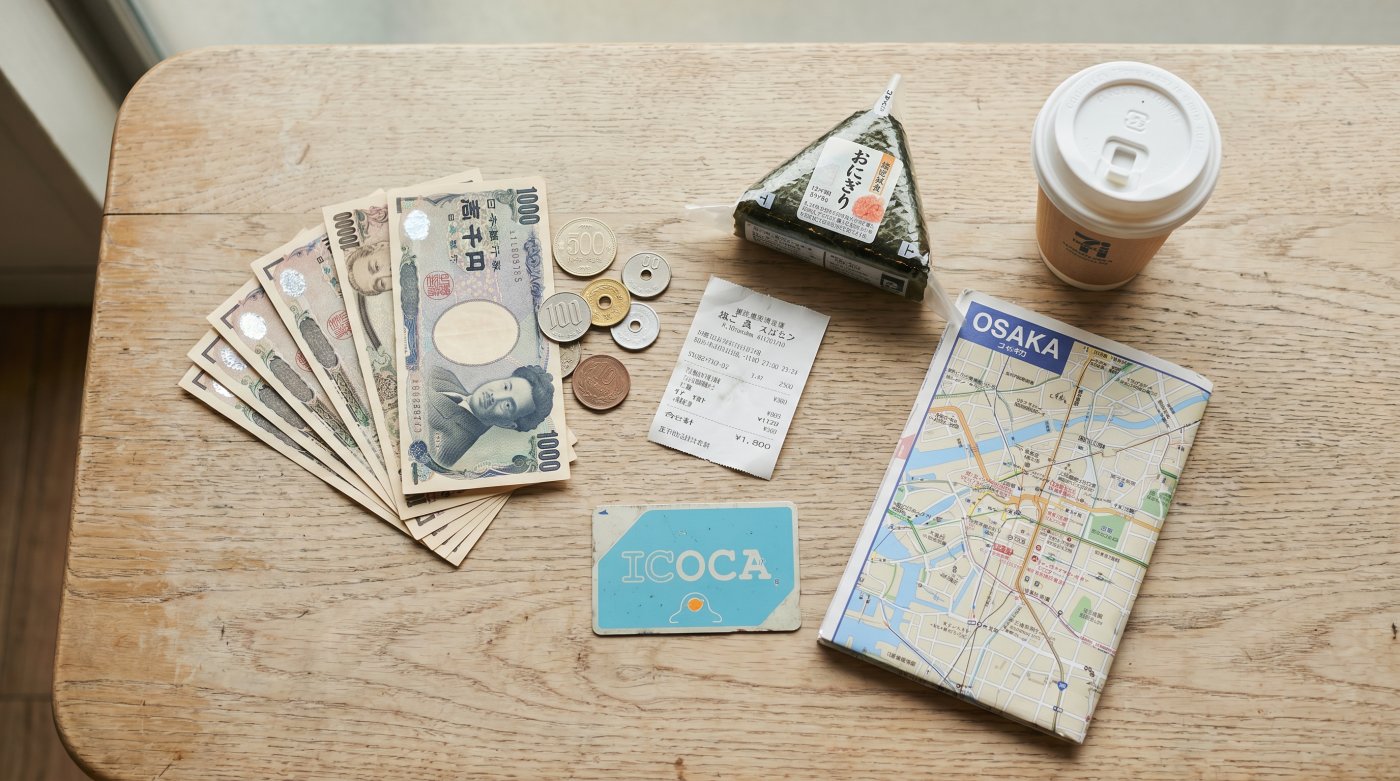
Osaka is cheaper than Tokyo across the board.
Hotels, restaurants and drinks typically run 10–20% below Tokyo prices, and the street-food culture means you can eat very well for very little.
| Traveller Type | Daily Budget (JPY) | What It Gets You |
|---|---|---|
| Backpacker | ¥8,000–¥12,000 | Capsule hotel, ramen, takoyaki, Metro day pass |
| Mid-range ★ | ¥18,000–¥30,000 | 3-star hotel, sit-down meals, one paid attraction |
| Comfort | ¥45,000+ | 4-star hotel, kaiseki dinner, taxis, premium sights |
One-off costs to factor in separately:
- Nozomi return fare: ~¥28,000–¥30,000
- Osaka Amazing Pass (1 day): ¥3,500 / (2 days): ¥5,000
- Universal Studios Japan: ¥9,800–¥12,800 depending on date
- Day trip to Kyoto (Shinkansen): ¥1,150–¥2,270 each way
For a full breakdown with real numbers on where the money actually goes, see what a few days in the city actually costs.
Still deciding which city deserves more of your trip?
The side-by-side look at how the two compare goes deeper than price, covering food, pace and day-trip access.
What the Bullet Train Ride Is Actually Like
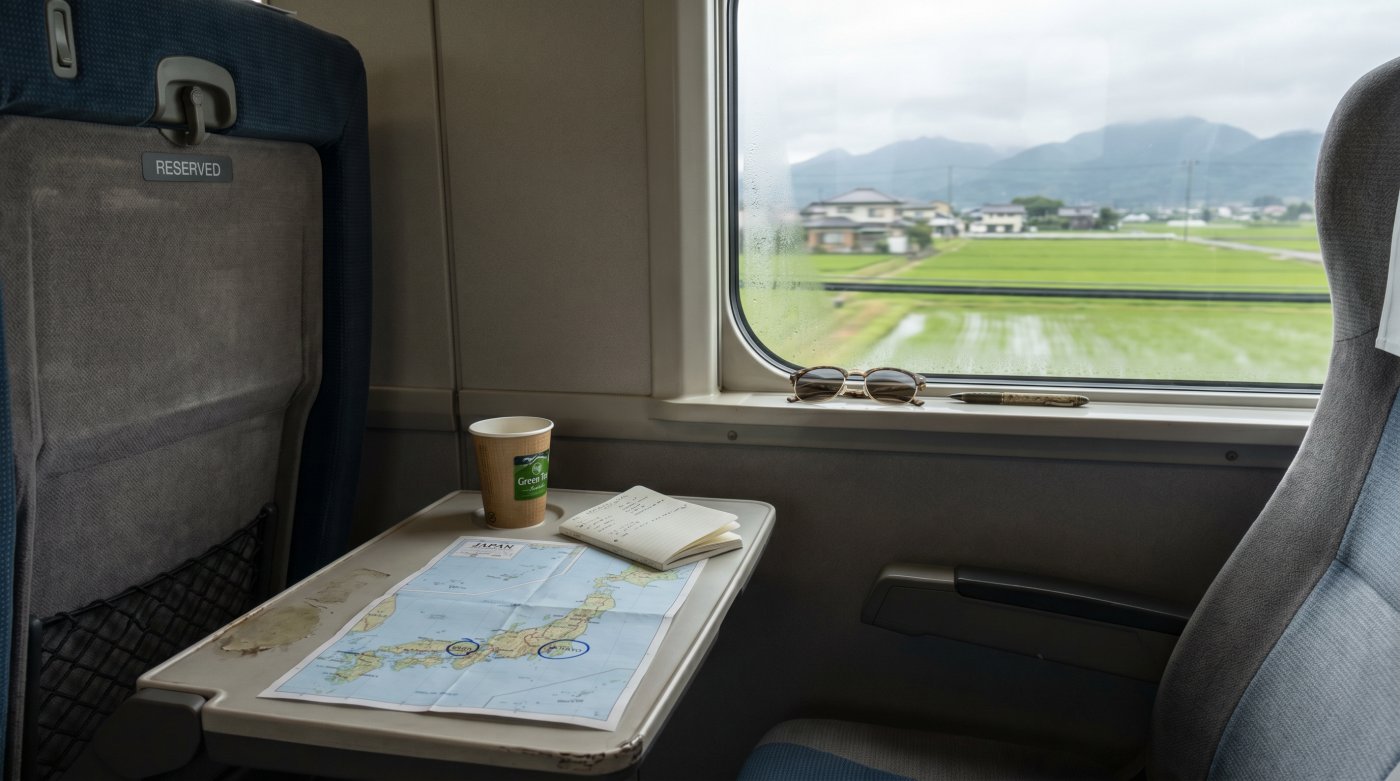
The Tokyo to Osaka bullet train is calm, quiet and almost boringly punctual.
You arrive on the platform a few minutes before departure, find your car number painted on the floor, and board.
Every seat has a reclining backrest, a tray table, and a power outlet at window and row-end seats.
There is far more legroom than any economy flight.
The train pulls into Shin-Osaka, which sits north of the action — not in the city centre.
From there, cross to the red Midosuji subway line: about 5 minutes to Umeda, 10 minutes to Namba.
The platform layout looks busy on day one, but the subway reads easily once you learn the colour-coded lines.
A few things worth knowing before you board:
- Mount Fuji view: Book an E window seat (the two-seat side, right heading toward Osaka). Fuji appears about 40 minutes out of Tokyo, near Shin-Fuji and Shizuoka, when the sky cooperates.
- Ekiben: Pick up a station lunchbox at Tokyo Station before boarding. Eating on the move is part of the ritual, and the selection at Ecute Tokyo and the Gransta basement is genuinely good.
- Luggage forwarding: Send your large suitcase ahead by takkyubin for around ¥2,000 the day before. You ride hands-free, and the bag is waiting at your Osaka hotel front desk when you arrive.
- Coin lockers: If you skip takkyubin, lockers at Shin-Osaka run ¥400–¥900 per day depending on size.
- Last train back: The last Nozomi from Shin-Osaka to Tokyo departs around 21:24. If you are day-tripping (not recommended — see below), that is your hard deadline.
Store your bags and actually enjoy Osaka
100+ storage spots across Osaka -- train stations, cafés, shops, and delivery lockers. Book online, drop off in minutes, and spend the day walking Dotonbori without a 10kg backpack slowing you down.
Where to Stay in Osaka Coming Off the Shinkansen
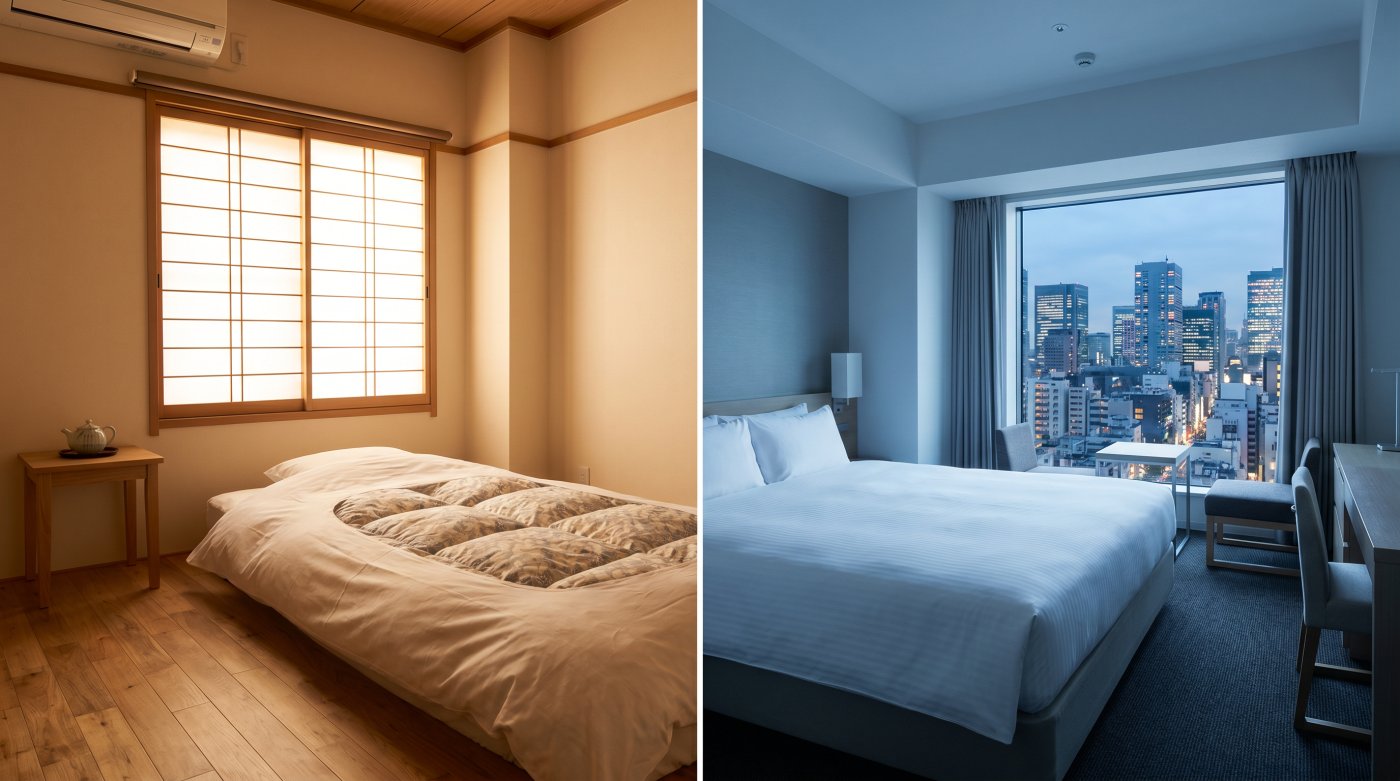
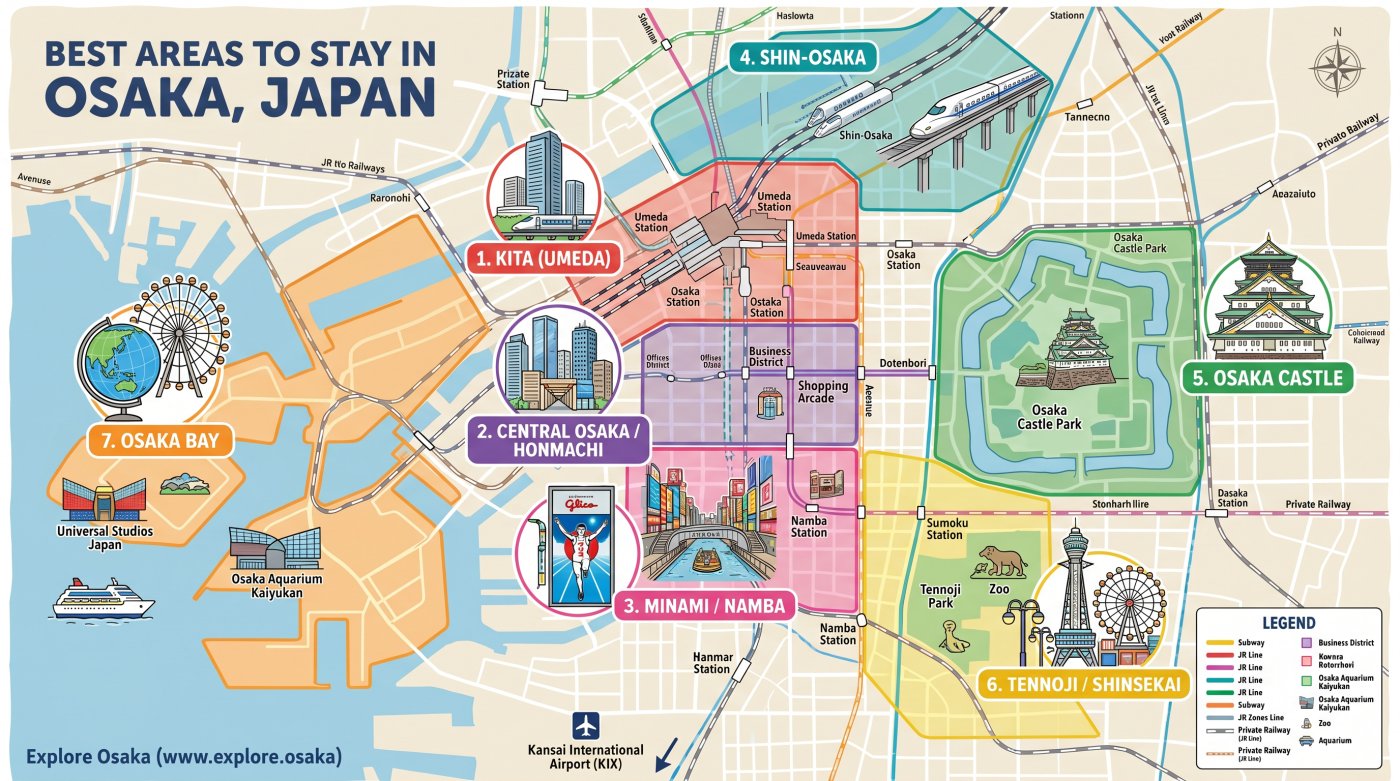
Base yourself in Namba or Umeda, not next to Shin-Osaka station.
Shin-Osaka is a transfer point with little around it.
Each district carries its own character, so it helps to read how the neighborhoods differ before you pick a base.
| Area | Character | Nightly Rate (budget–mid) | Best For |
|---|---|---|---|
| Namba / Dotonbori | Food, nightlife, neon | ¥7,000–¥22,000 | First-timers |
| Umeda / Kita | Shopping, transport hub | ¥8,000–¥25,000 | Day-trippers, shoppers |
| Shinsaibashi | Boutiques, central | ¥10,000–¥28,000 | Style-focused travellers |
| Tennoji | Budget, south-end access | ¥6,000–¥18,000 | Budget travellers, families |
Book via Agoda or Booking.com for the widest inventory and flexible cancellation.


Book before you leave Tokyo in cherry-blossom season (late March to early April), autumn (October to November), and around Universal Studios events — Namba and Umeda sell out fast during peak periods.
Booking Things to Do: Klook vs KKday
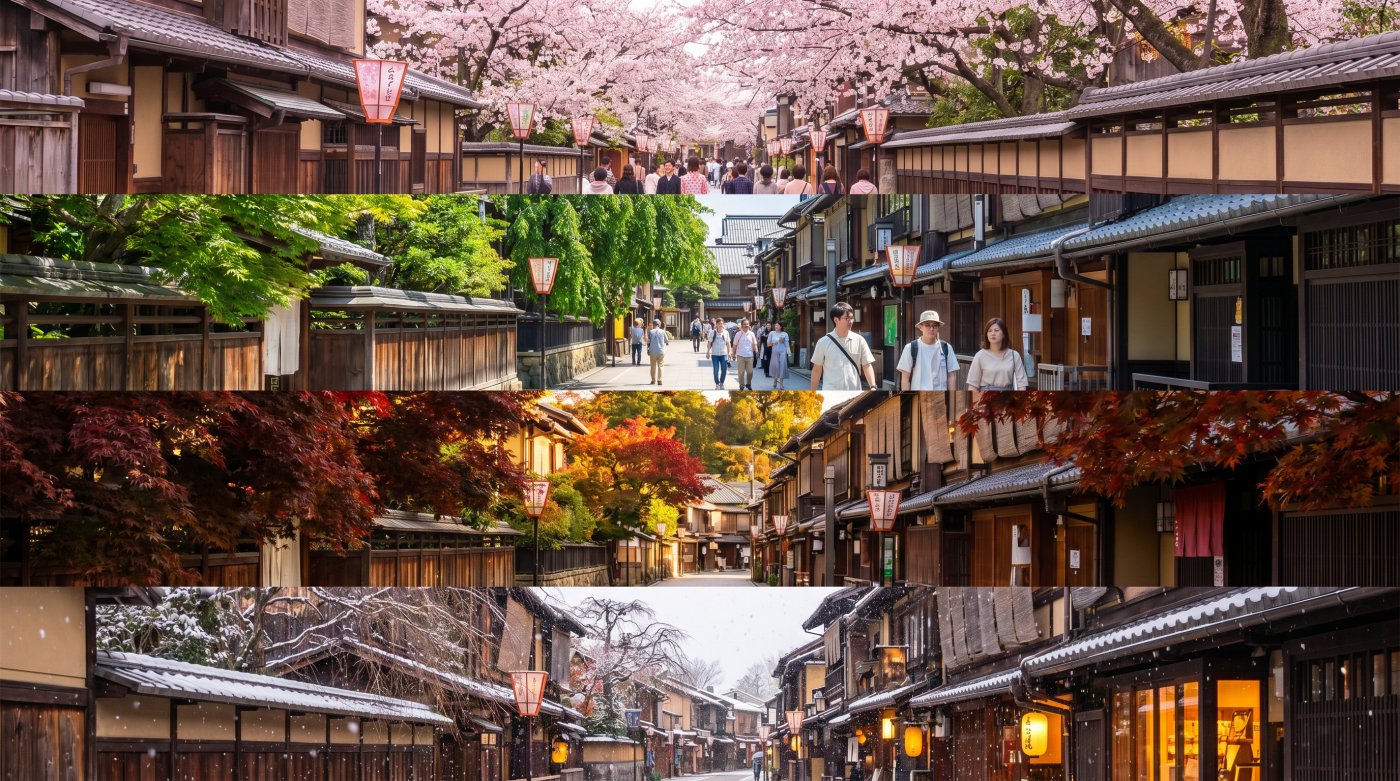
Both platforms cover Osaka well, and for a Japan-based traveller both are legitimate options.
Here is how they differ in practice for Osaka activities:
| Klook | KKday | |
|---|---|---|
| Osaka Amazing Pass | Yes — digital, instant delivery | Yes — QR code delivery |
| USJ tickets | Yes, date-flexible | Yes, often with combo deals |
| Day trip tours | Wide selection | Strong Kyoto/Nara options |
| Pricing | Generally competitive | Often slightly cheaper on Japan-specific tours |
| App experience | Polished, fast | Good, slightly busier UI |
| Best for | First bookings, popular attractions | Niche experiences, KKday exclusives |
For the Osaka Amazing Pass specifically, Klook’s digital delivery is the smoothest experience — the QR code lives in the app and activates on first scan.
Both platforms integrate with TravelPayouts.
Osaka Travel Passes
Two passes are worth knowing about for a short Tokyo-to-Osaka trip:
Osaka Amazing Pass
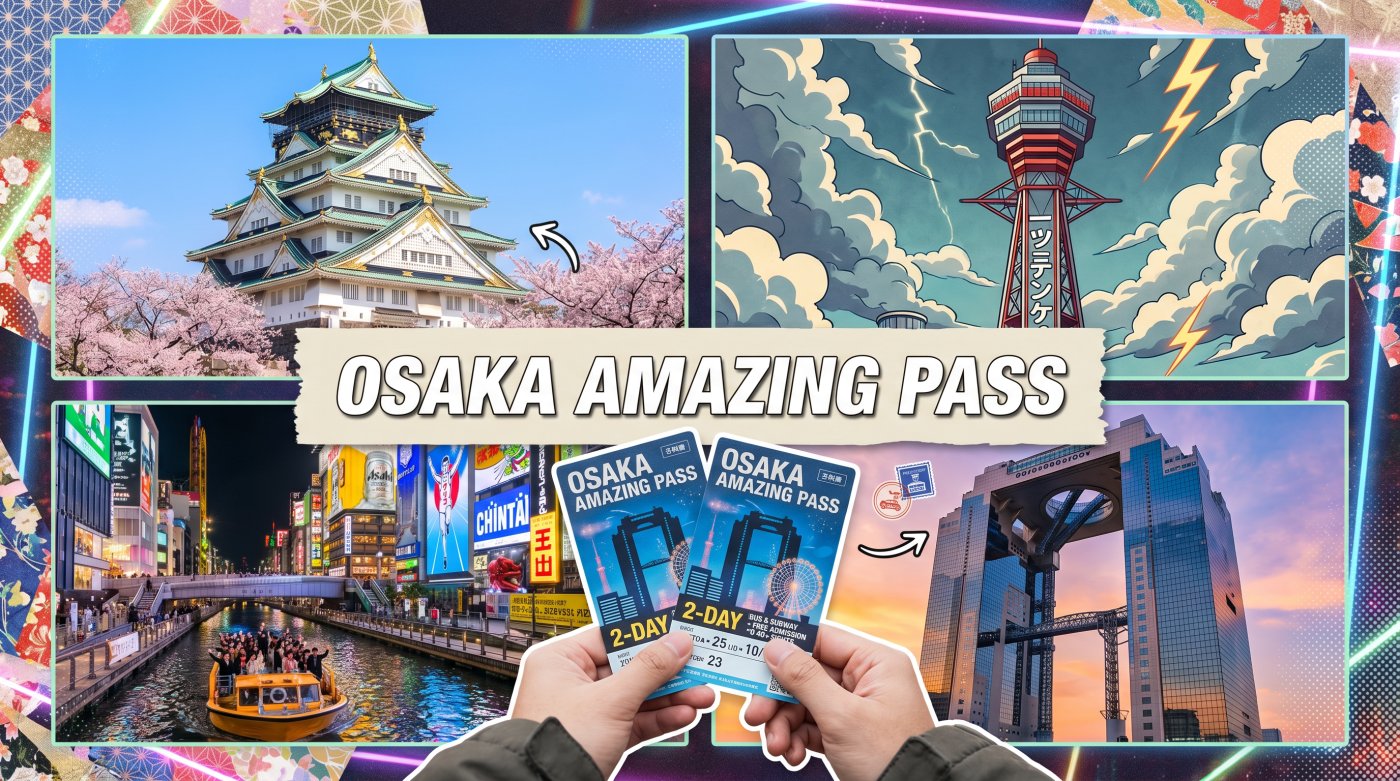
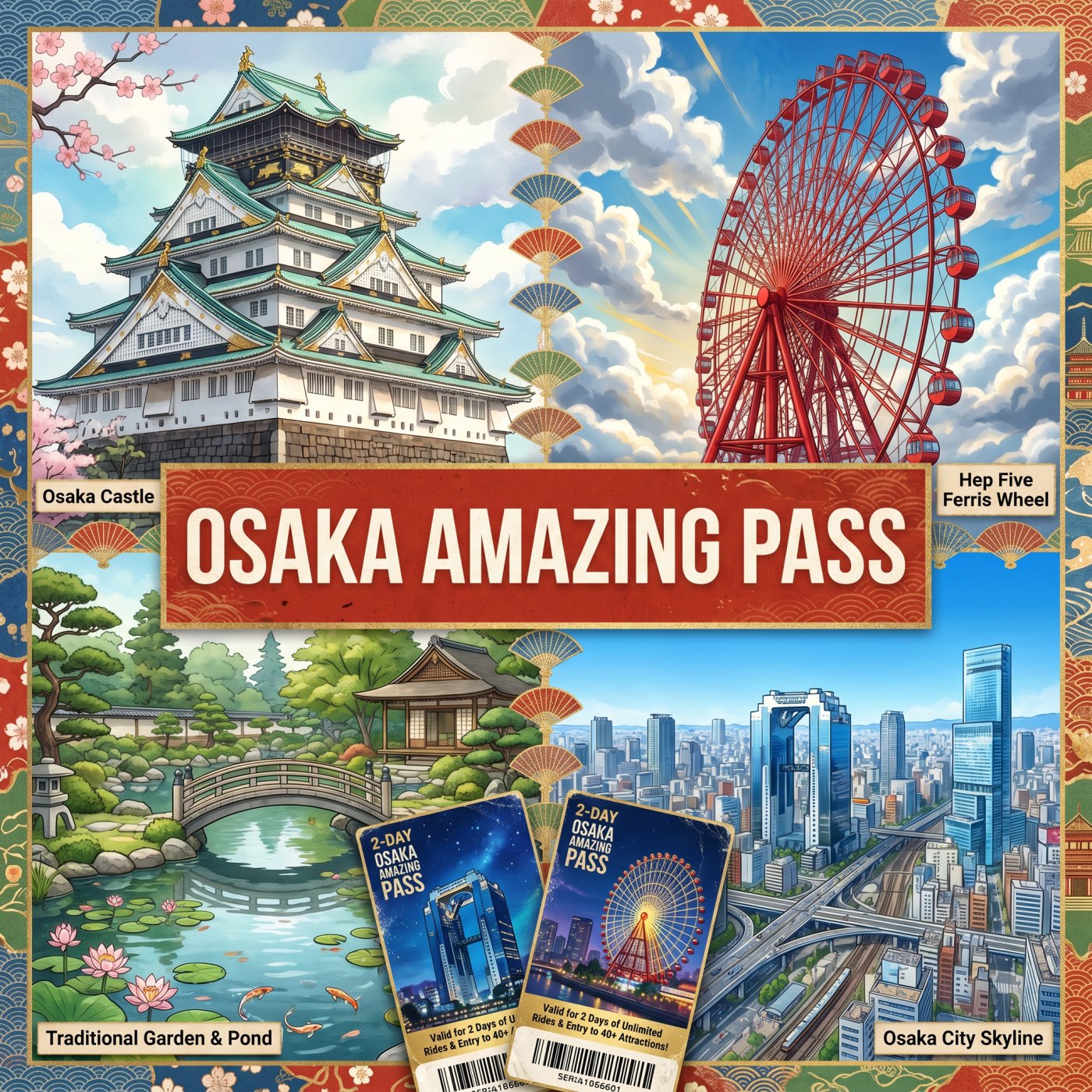
The Osaka Amazing Pass combines unlimited transit (Osaka Metro, city buses, New Tram, selected private lines) with free admission to 40+ attractions including Osaka Castle, Umeda Sky Building and Tsutenkaku Tower.
- 1-day pass: ¥3,500
- 2-day pass: ¥5,000
- Itami Airport version: ¥3,800 / ¥5,400 (valid March 2026 – March 2027)
Whether it beats a plain IC top-up depends on how many paid sights you hit.
Weigh the pass against a simple ICOCA card before you commit.
For a heavy sightseeing day covering three or more paid attractions, the math usually favours the pass.
Buy it on Klook or KKday before you leave Tokyo.
Osaka Amazing Pass — the one pass worth buying
Unlimited subway rides plus free entry to 40+ attractions including Osaka Castle, Umeda Sky Building, and the Dotonbori River Cruise. If you're spending more than a day sightseeing, it pays for itself before lunch.
Suica and Pasmo
No new card needed.
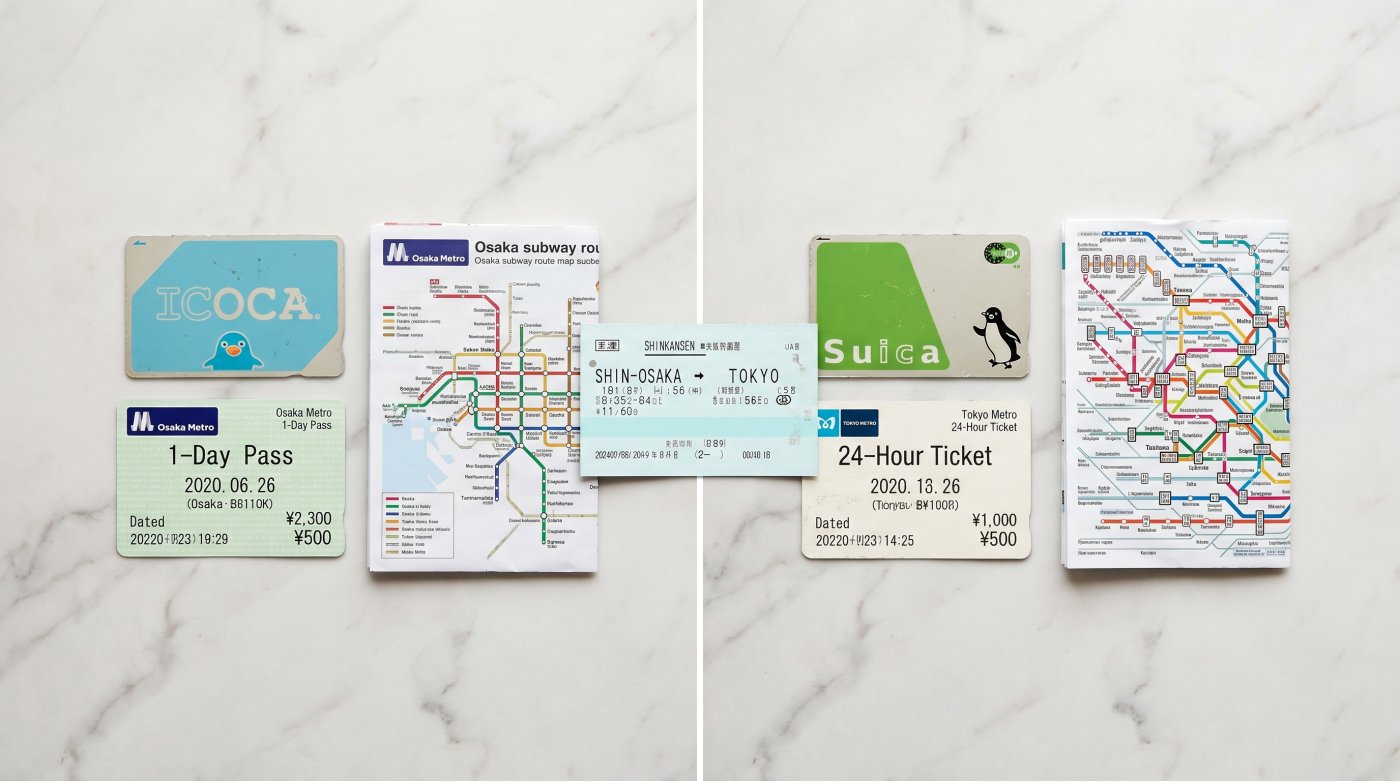
The Suica or Pasmo you have been tapping in Tokyo works straight away on Osaka’s subways, buses, and convenience stores.
The balance transfers, the tap-in behaviour is identical, and there is zero setup.
This is one of the small things that makes the Tokyo-to-Osaka trip feel genuinely seamless.
A 2-Day Osaka Itinerary Built Around Your Arrival
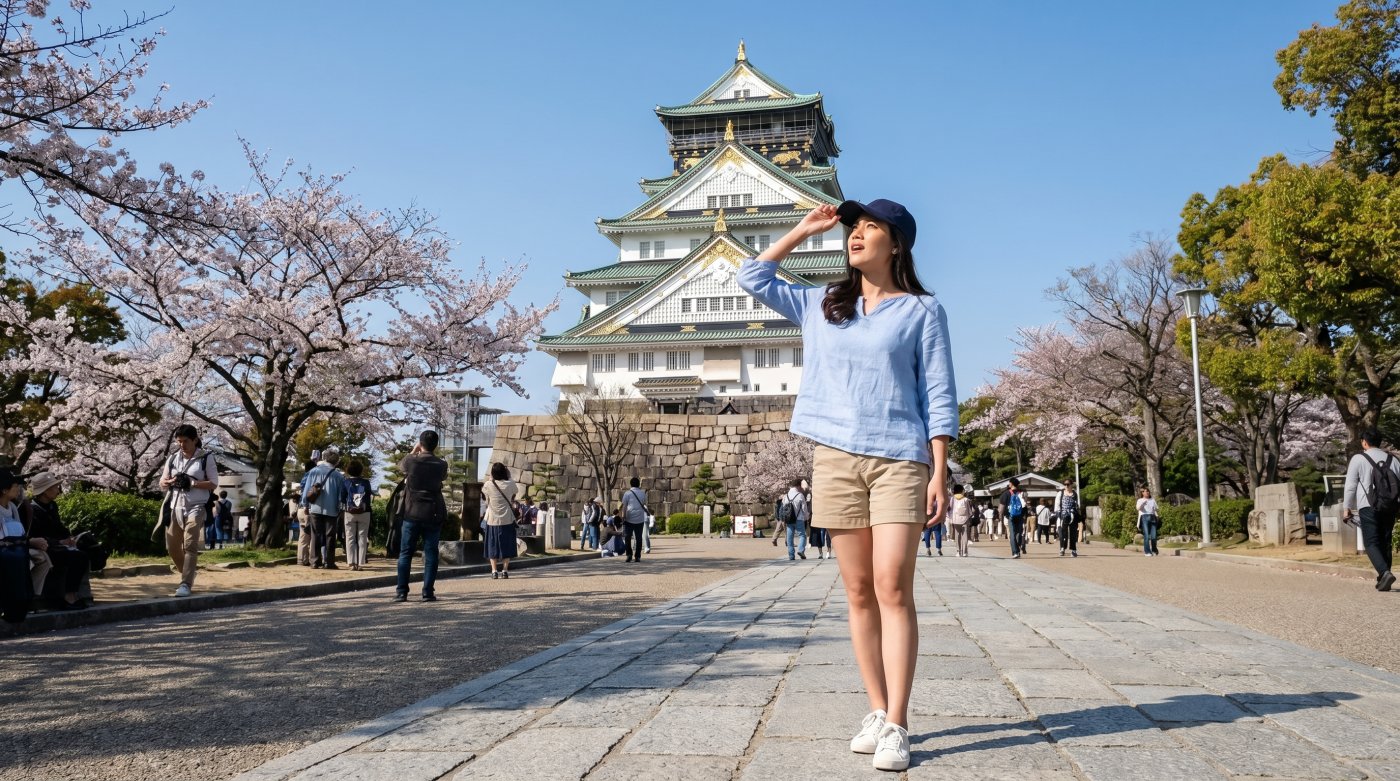
This is a relaxed two-day route designed for a mid-morning Shinkansen arrival and a Namba or Umeda base.
Treat it as the skeleton for your own Osaka from Tokyo itinerary and swap in whatever suits you.
Day 1 — the classic core:
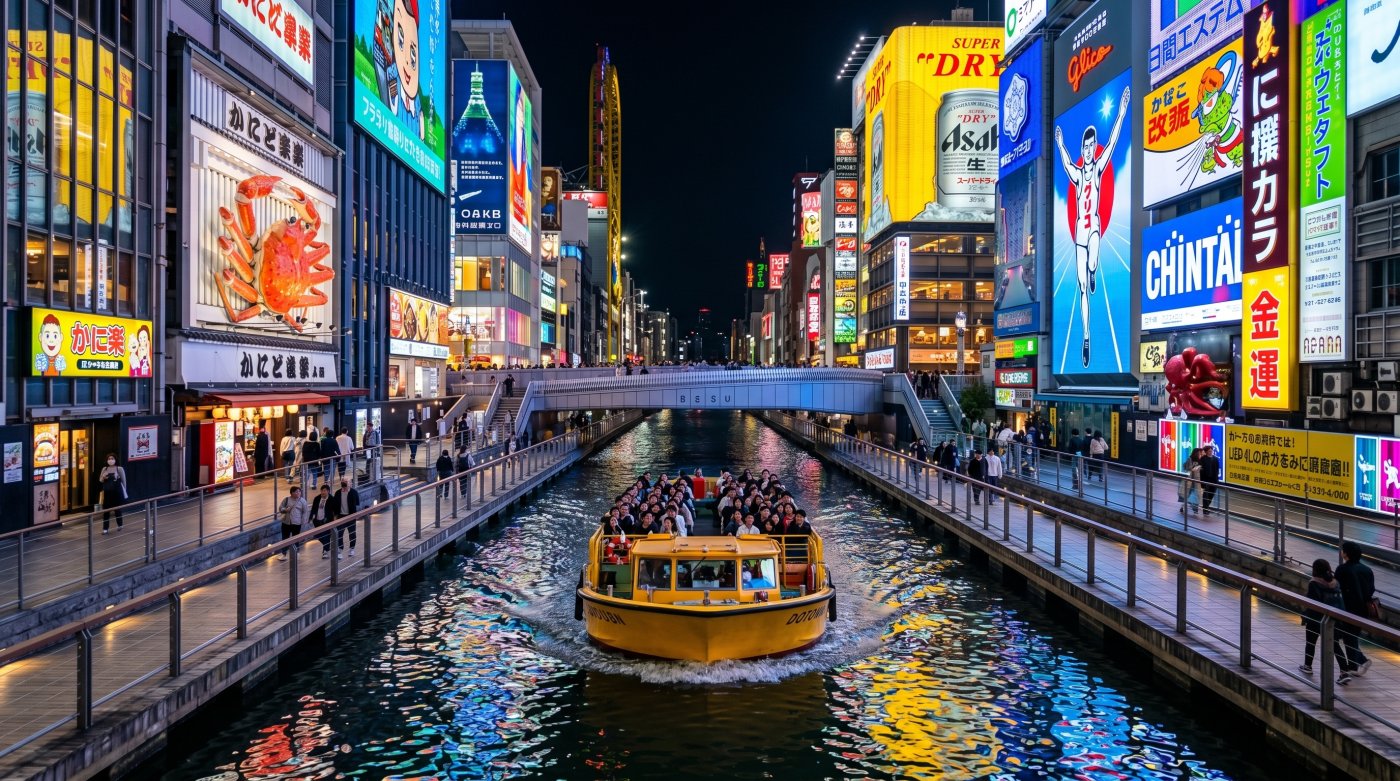
- Drop your bag, then start at Osaka Castle where the castle keep and its surrounding park while your legs are fresh.
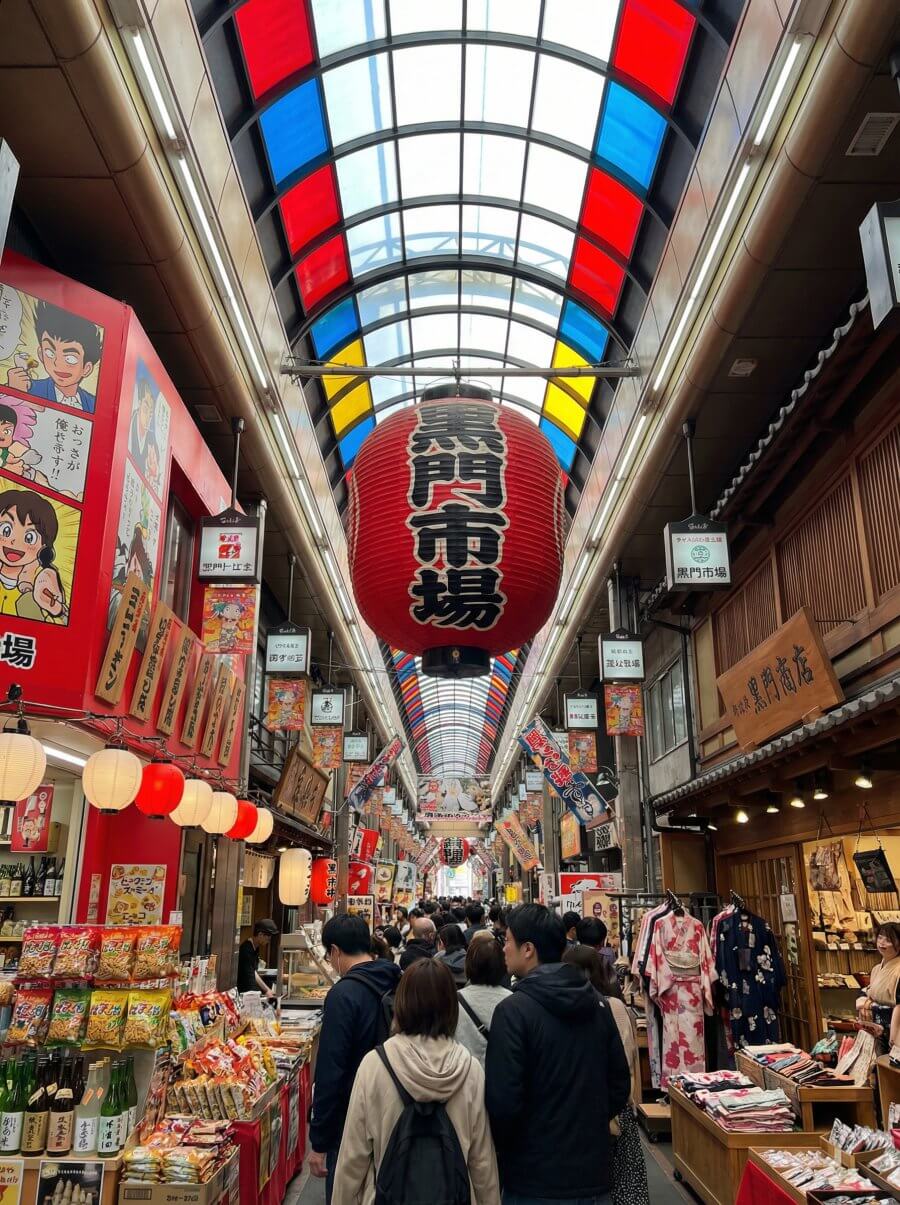
- Head to the covered market locals call Osaka’s kitchen for a stand-up seafood lunch.
- Walk off the meal along the shopping arcade that runs north from Dotonbori.
- As the lanterns come on, slip into the stone-paved alley beside Hozen-ji temple for a quieter drink.
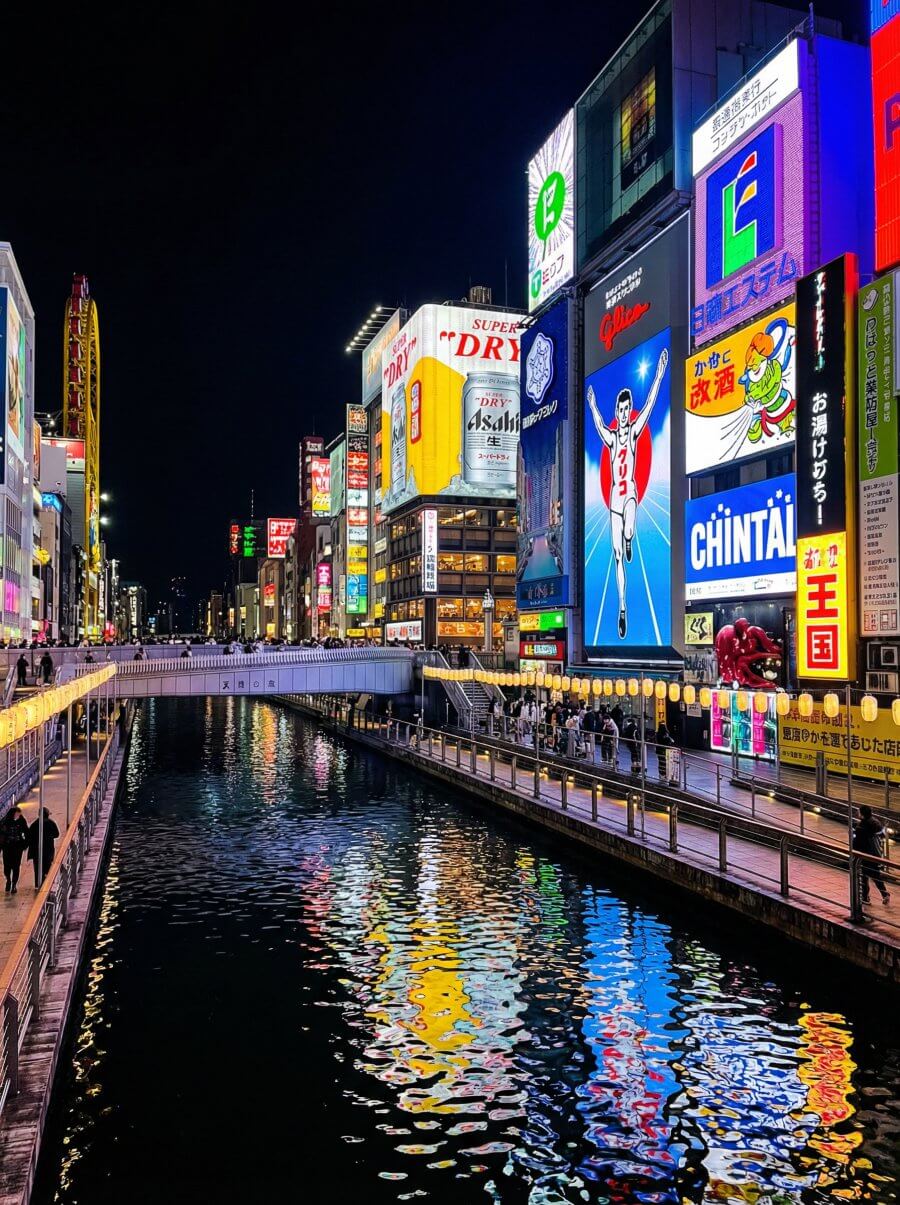
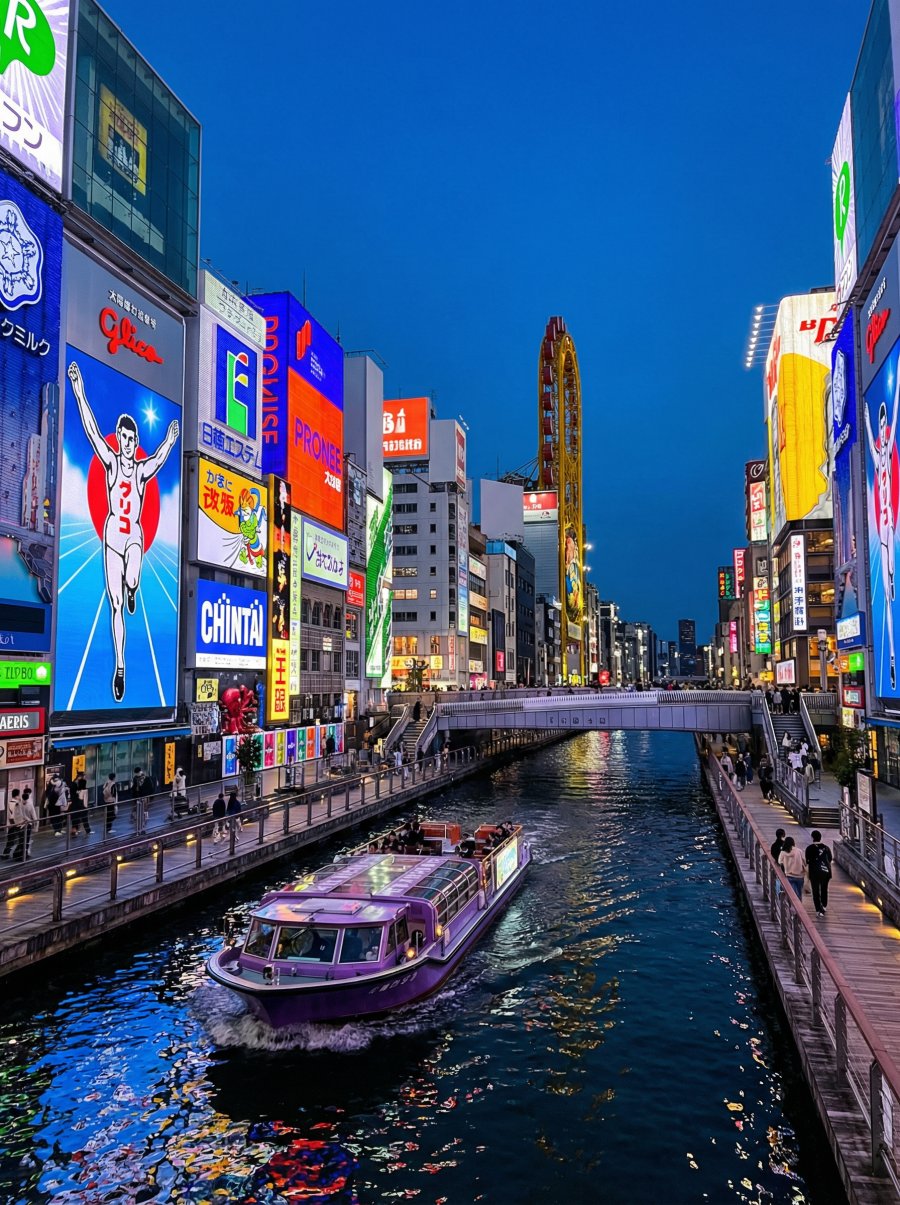
- End the night on the 20-minute cruise along the Dotonbori canal under the neon and the Glico sign.
Day 2 — views, retro Osaka, or theme-park thrills:
- For a skyline at sunset, go up the open-air rooftop observatory in Umeda.
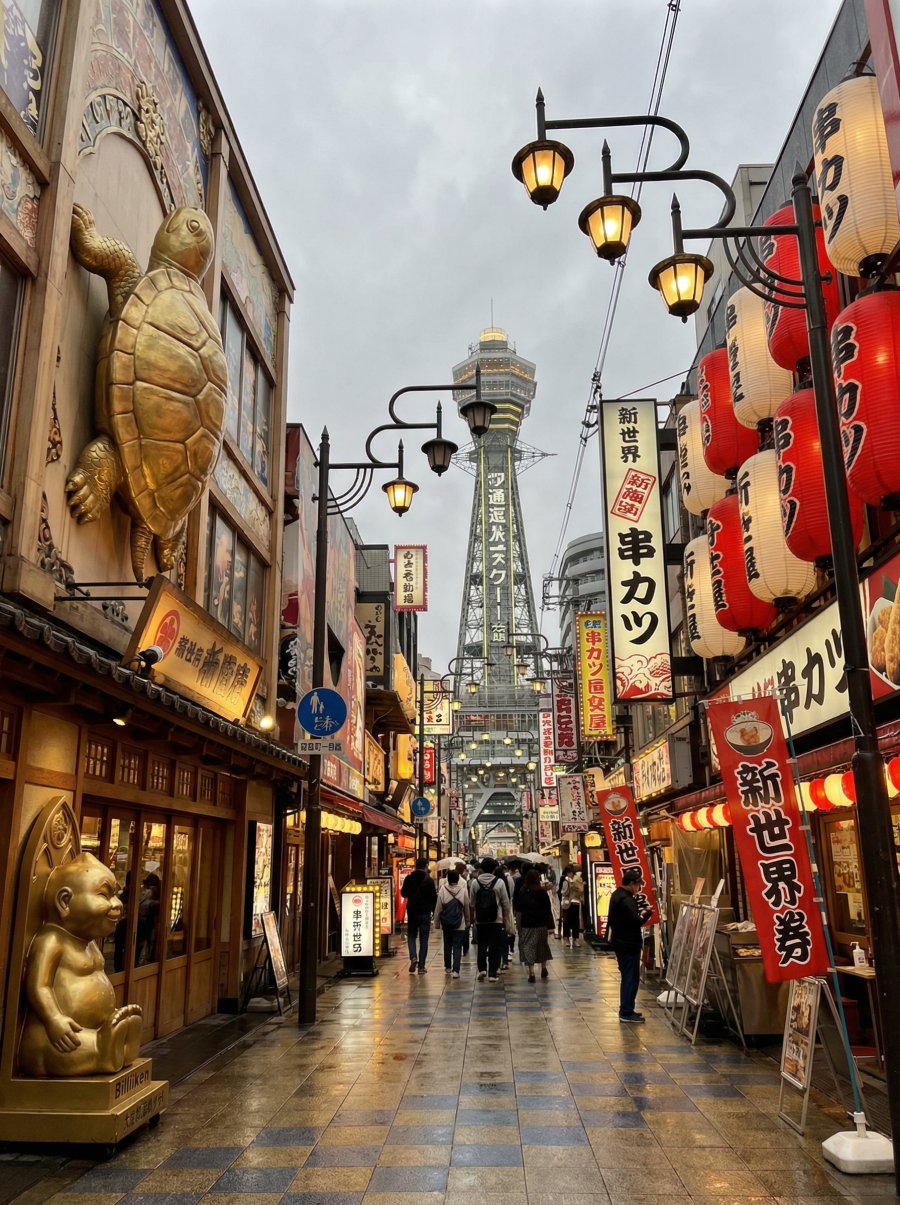
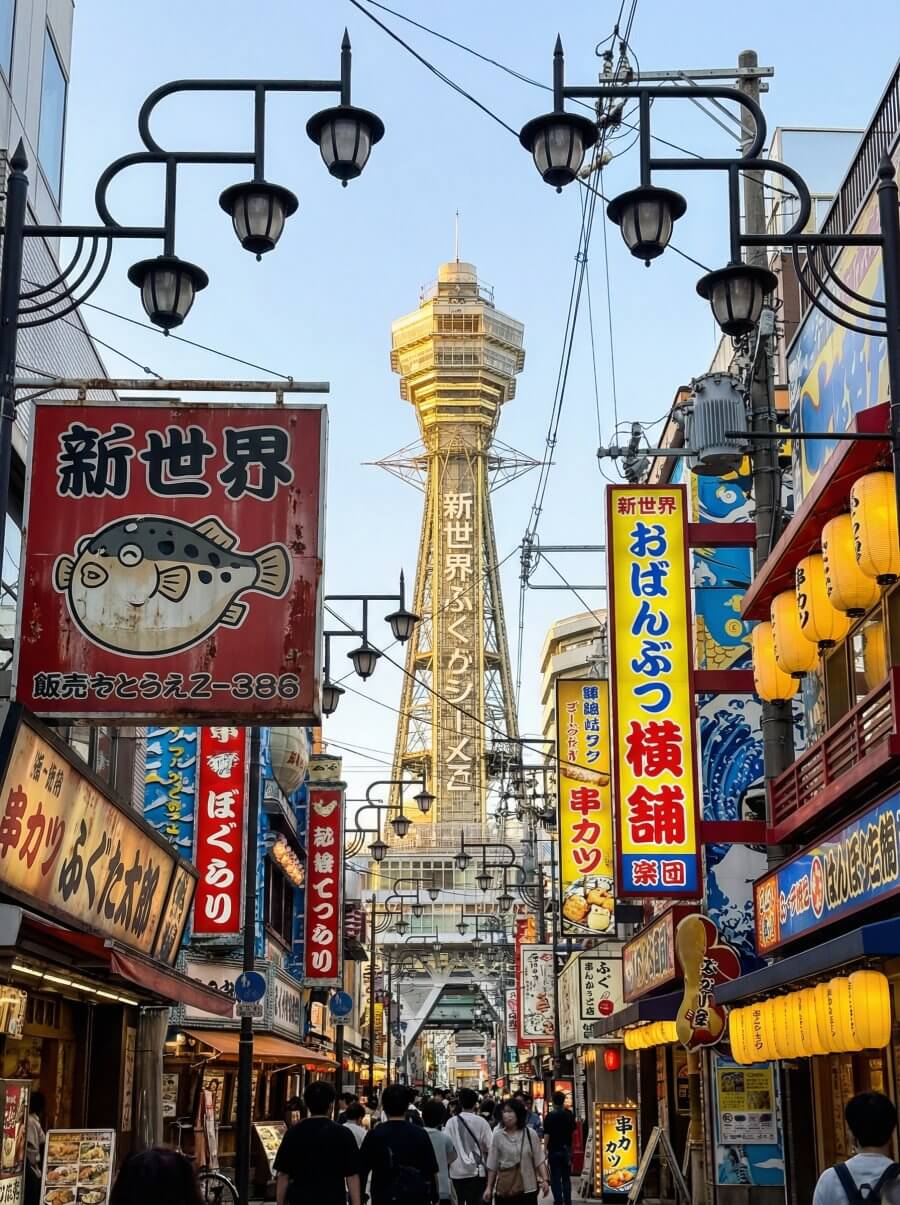
- For old-school Osaka, climb the retro tower at the heart of Shinsekai and eat kushikatsu underneath it.
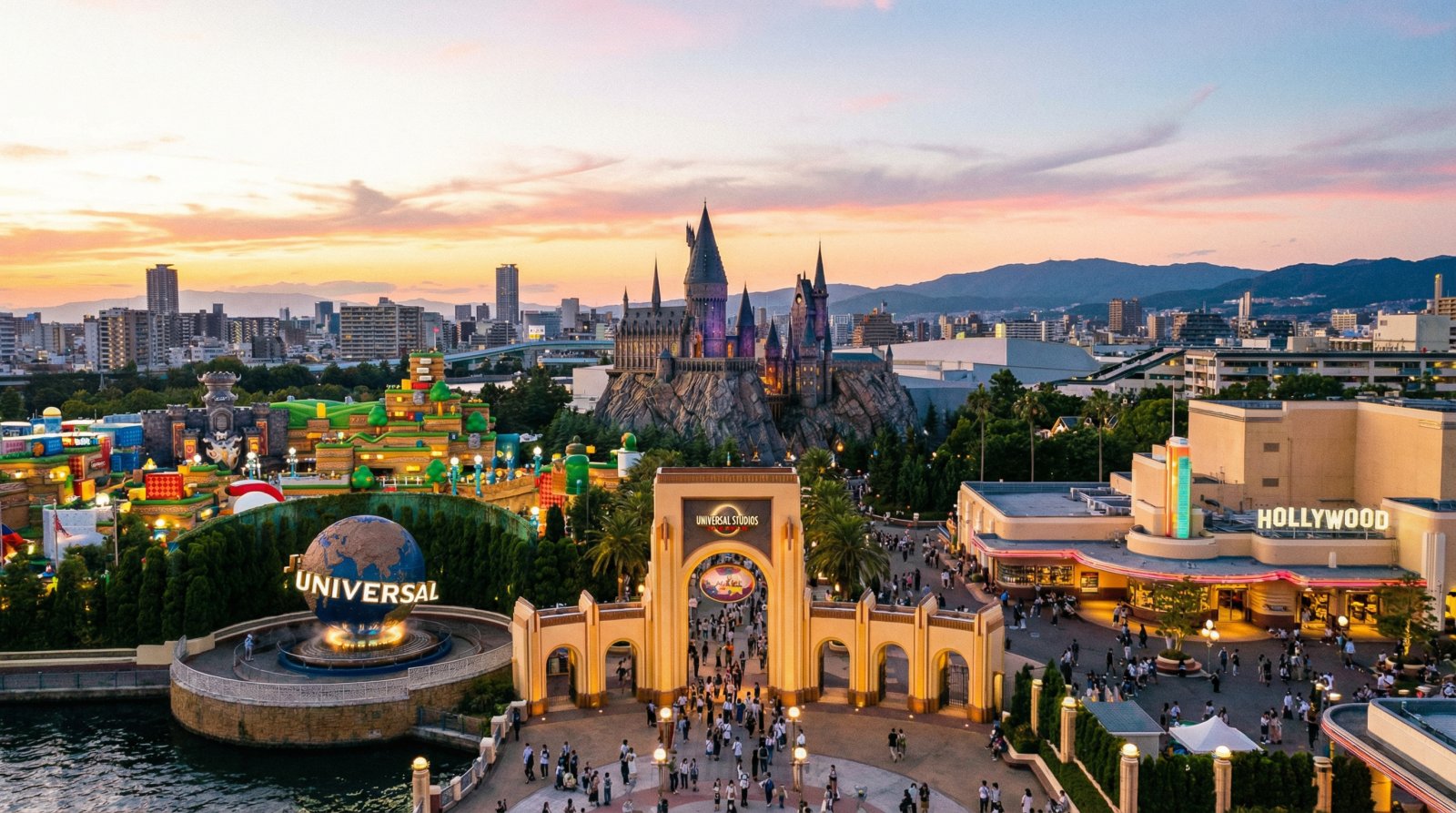
- Travelling with kids or coaster fans? Give the whole day to Universal Studios Japan — book tickets in advance online, they are cheaper and you skip the queue.
If your trip is shorter, you can compress the best of both days into a single well-planned 24 hours.
For the version with exact timings, transit notes and meal stops, follow the full 48-hour walkthrough.
Best Things to Do in Osaka Beyond the Highlights
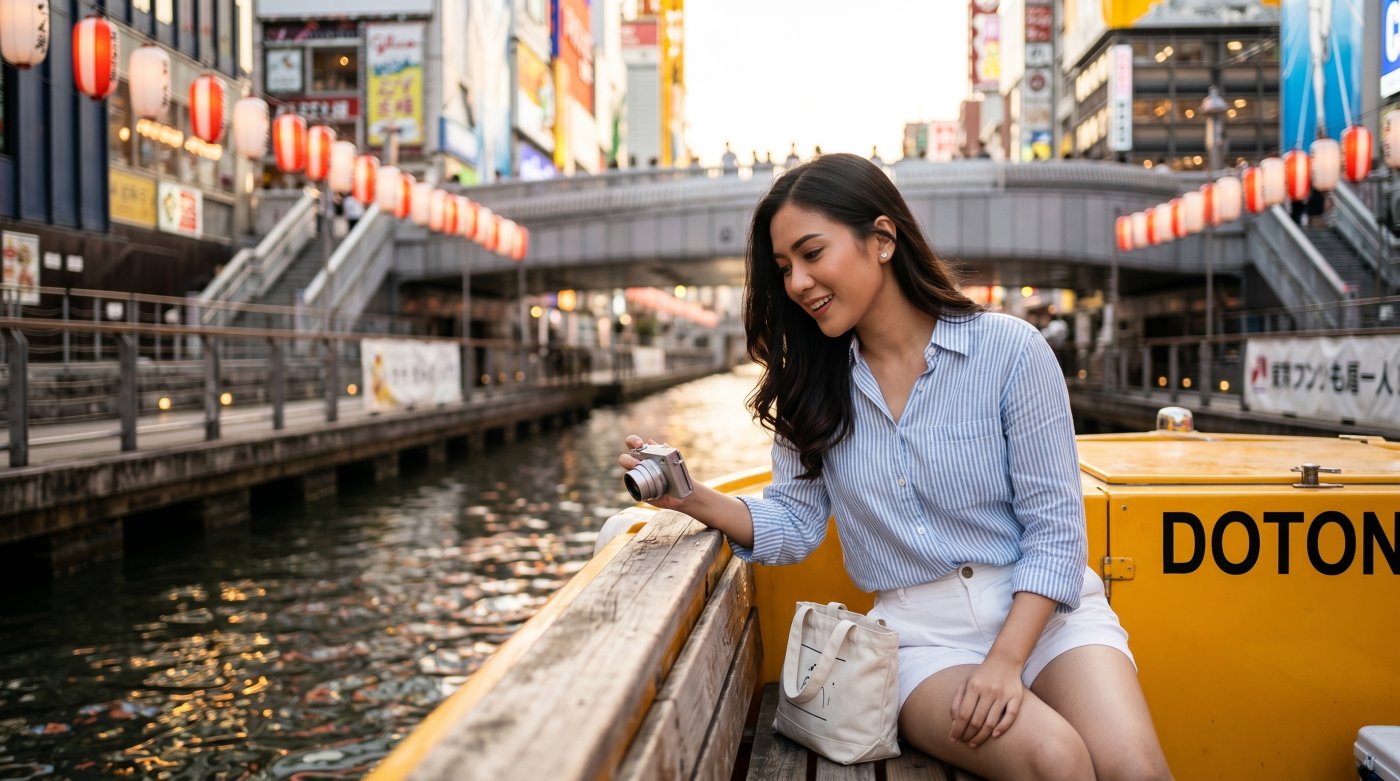
Osaka rewards a second day with more than its postcard sights.
Once you have done the castle and Dotonbori, the city opens up by theme — bay, anime, history, families.
Start from the running list of the city’s top experiences and pick what fits your group.
A few standouts worth building a half-day around:
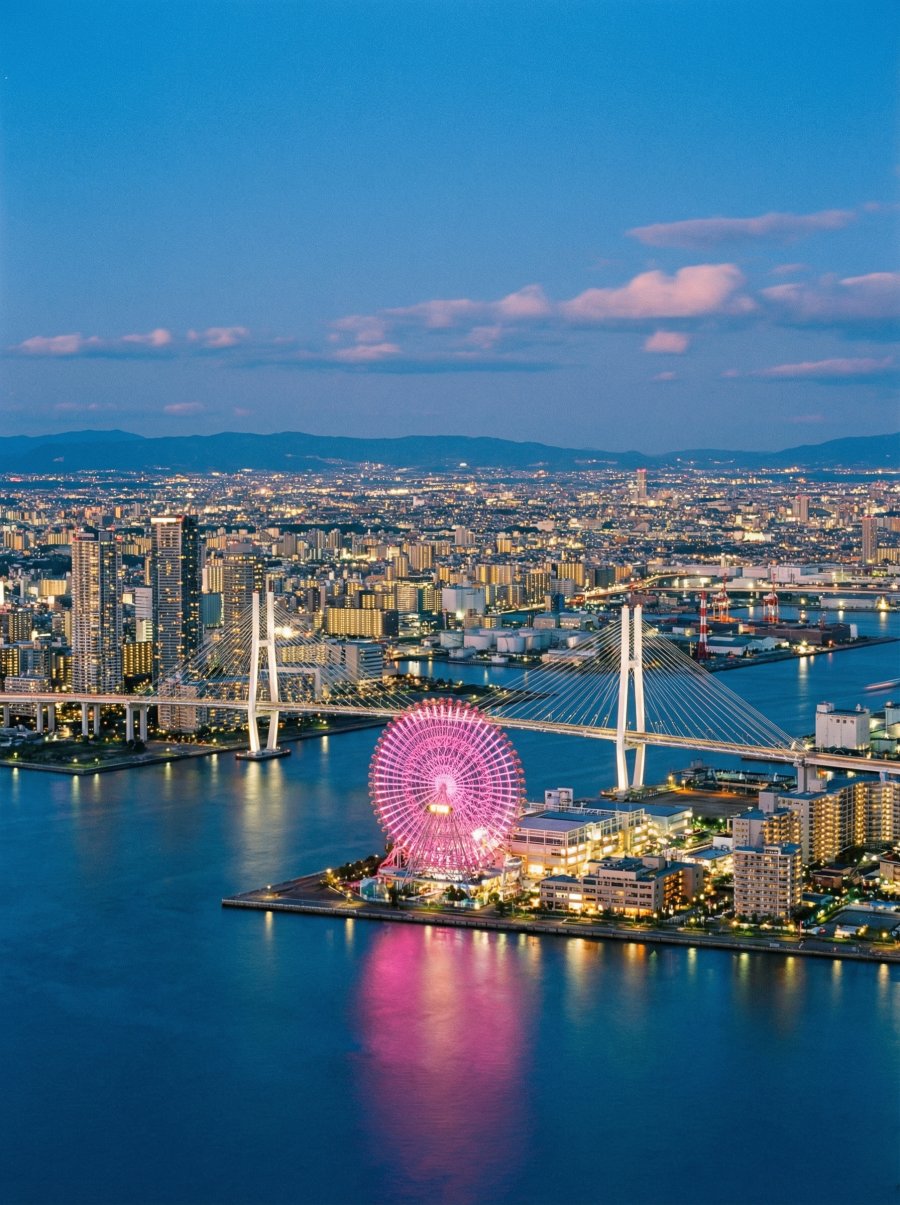
- At the bay: One of the world’s largest aquariums anchors the harbour, with a giant Ferris wheel next door.
- Anime and electronics: Den Den Town is Osaka’s answer to Akihabara — good for figures, retro games and gadgets.
- Quiet history: Sumiyoshi Taisha shrine — ancient, vermilion-bridged, calm. A genuine break from the Dotonbori noise.
- With young kids: The hands-on exhibits at Kids Plaza Osaka buy you a few easy hours.
The Best Day Trips From Osaka
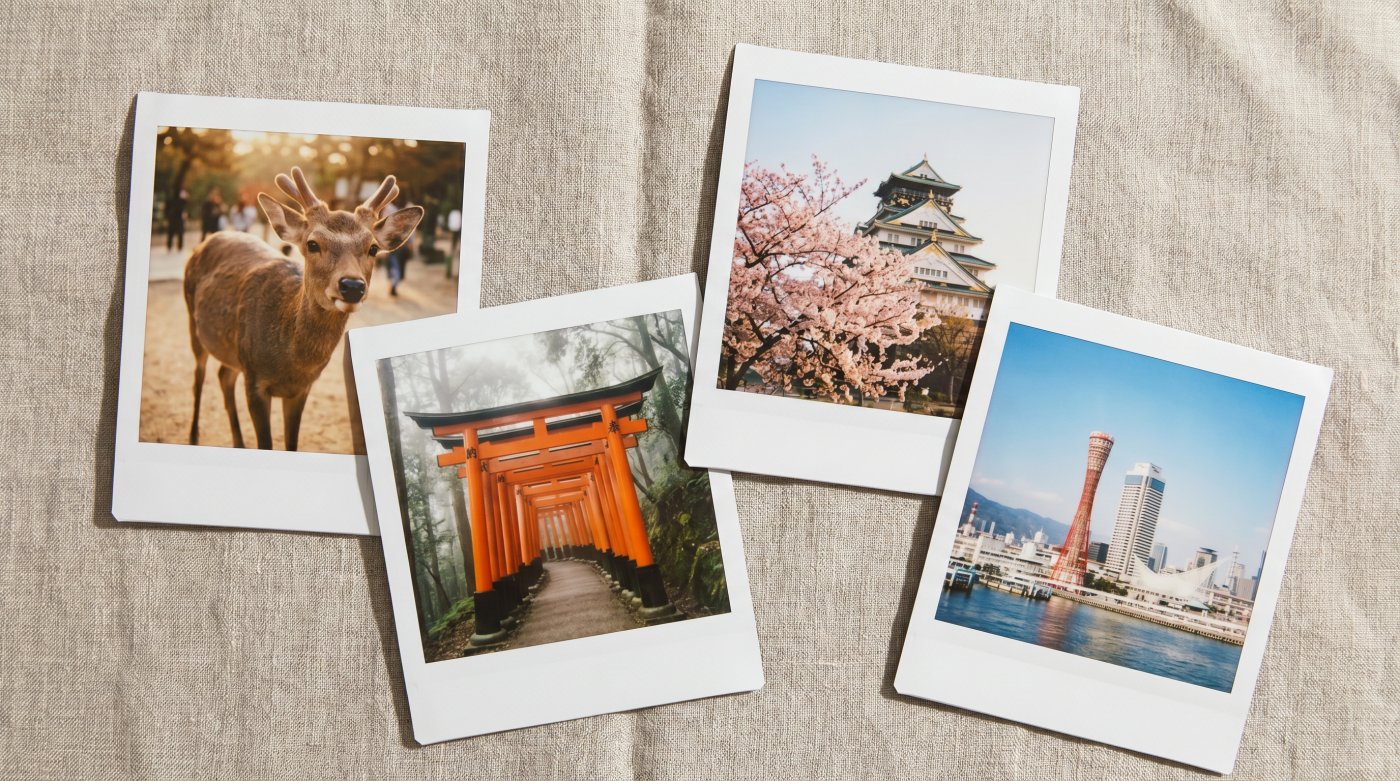
Osaka’s real edge over Tokyo is its location.
It sits at the heart of Kansai, and some of Japan’s most famous cities and landscapes are a train ride away — most of them under an hour.
That is exactly why an extra night in Osaka pays off so well.
For the full ranked list with trip-planning details, see the dedicated day trips from Osaka guide.
Kyoto
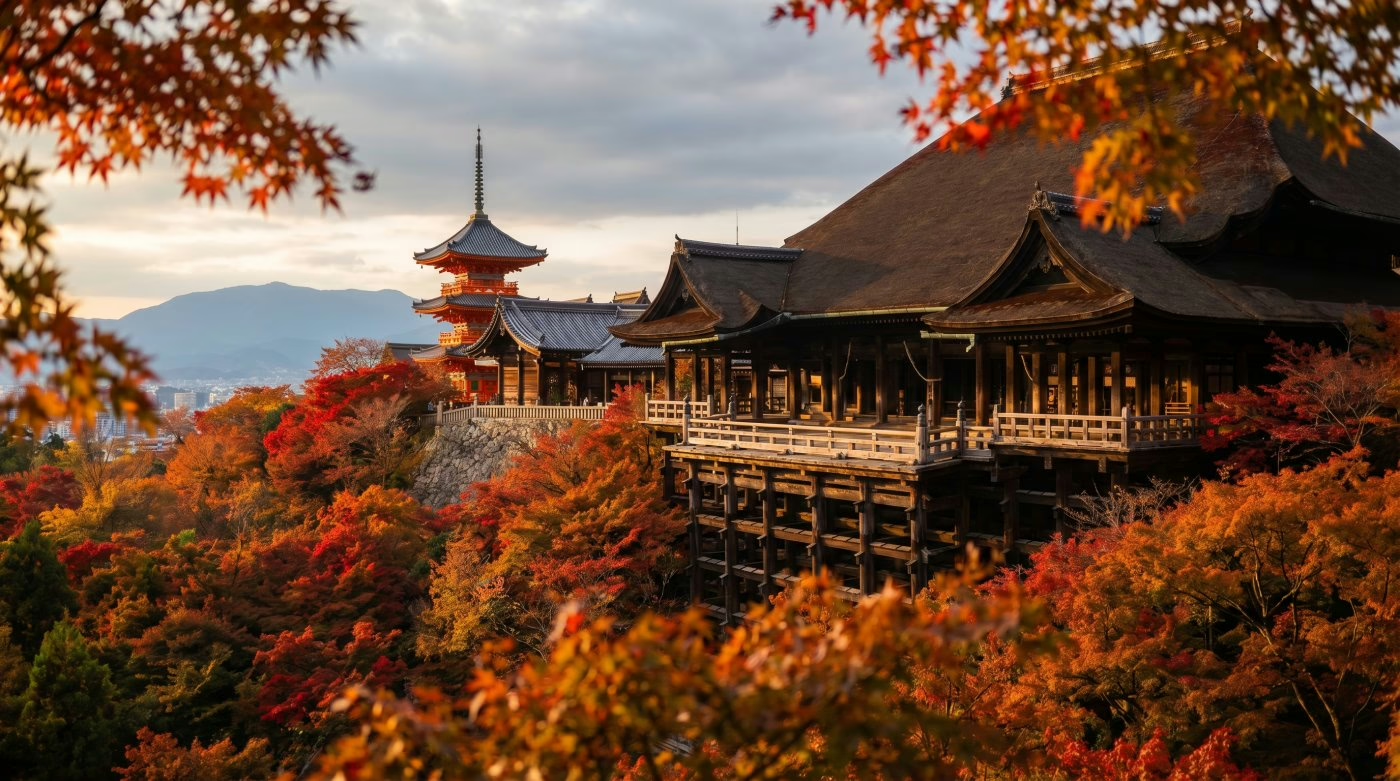
The headline destination, and deservedly so.
Day trip to Kyoto from Osaka roughly takes around 15 minutes by Shinkansen from Shin-Osaka, or about 30 minutes on a JR Special Rapid for under ¥600.
Temples, shrines, bamboo groves, geisha districts — there is more than a full day’s worth here, so choose your focus before you go.
Plan it with a first-timer’s route through the temples and shrines.
Nara
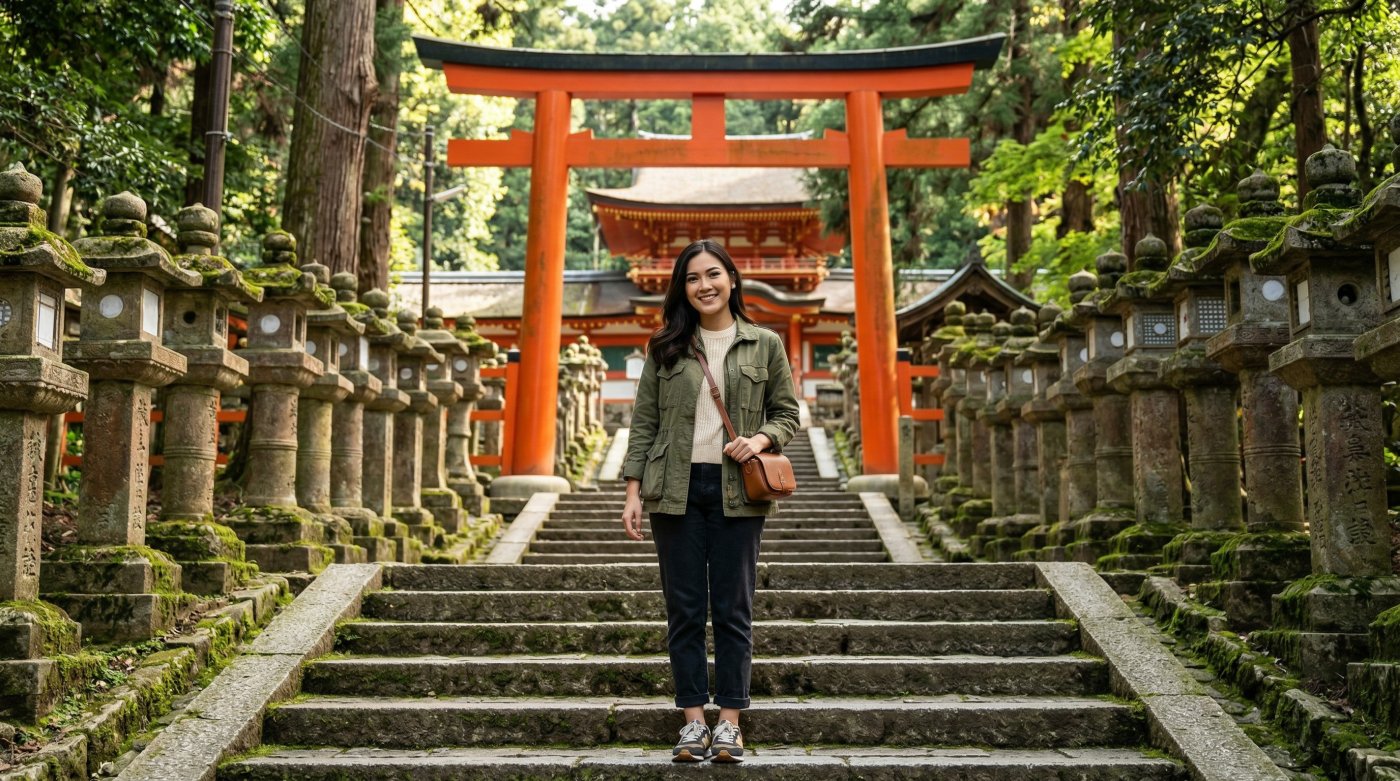
A day trip from Osaka to Nara takes about 45 minutes away by express train, Nara trades elaborate temples for free-roaming deer and a giant bronze Buddha at Todai-ji.
The deer genuinely outnumber the tourists outside peak season, and the pace is a welcome reset after Osaka and Kyoto.
Kobe
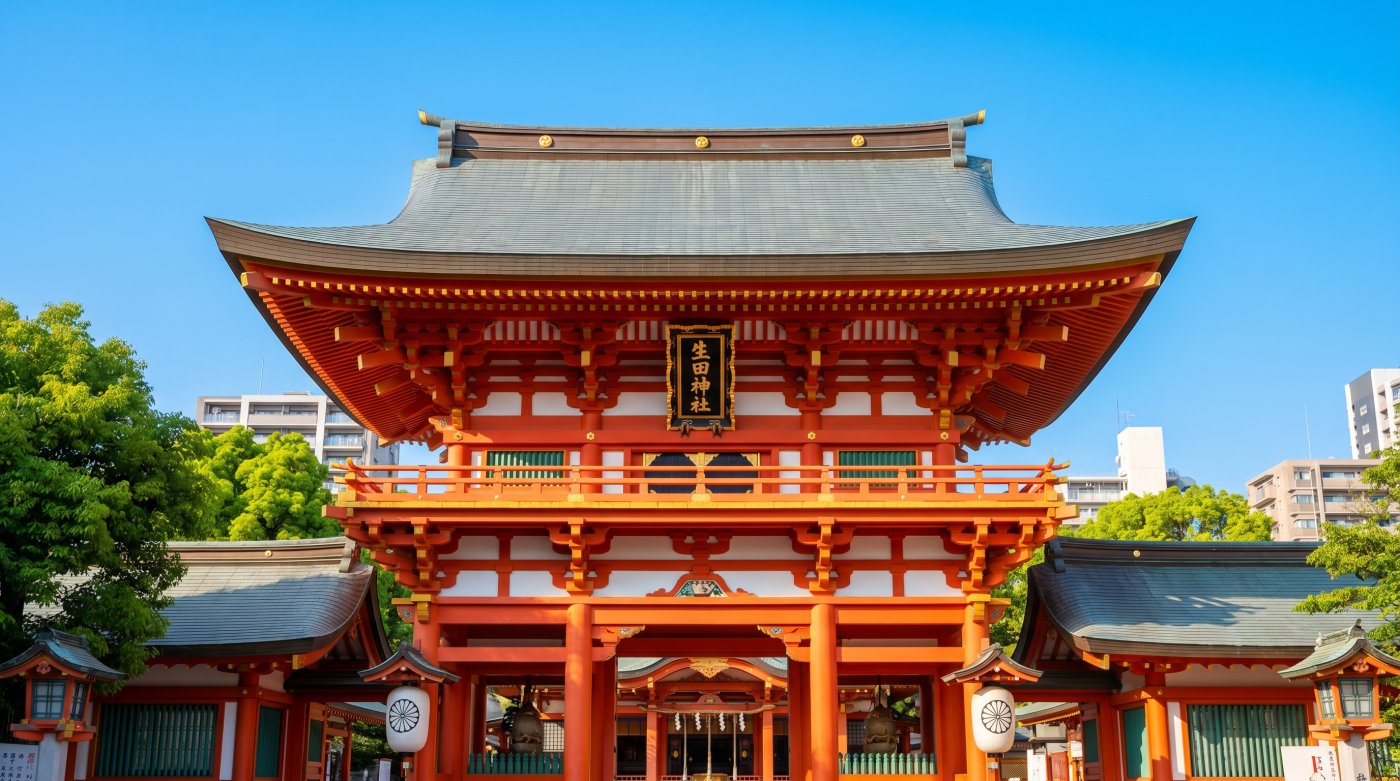
Kobe is only 20–30 minutes from Osaka — 14 minutes by Shinkansen from Shin-Osaka to Shin-Kobe, or 30 minutes on the private Hankyu Line from Umeda to Sannomiya.
Known for its world-famous wagyu beef, a European-flavoured harbour district (Kitano-Ijinkan), and one of the best night views in Japan from Mount Rokko.
Kobe pairs well with a half-day in Osaka on the same day.
Himeji
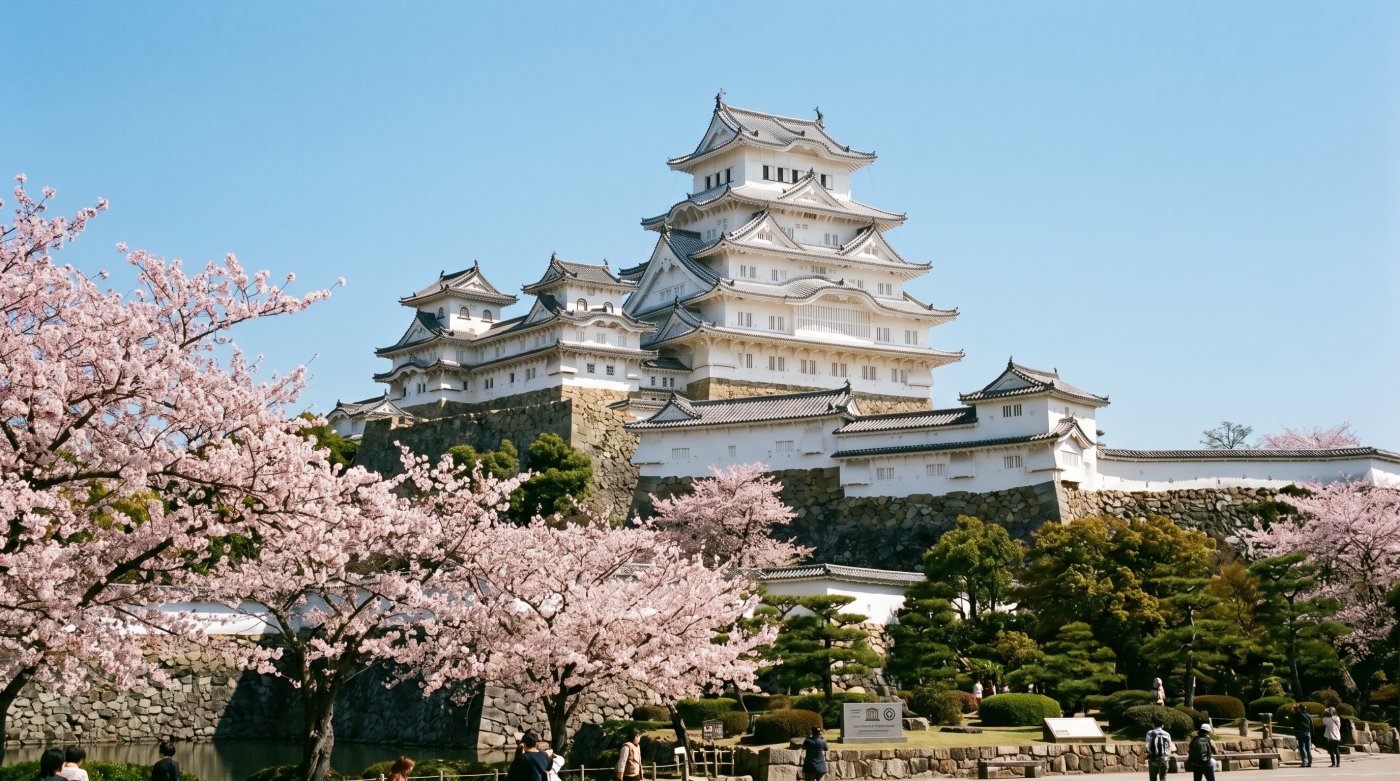
Day trip to Himeji from Osaka takes around 30 minutes by Shinkansen from Shin-Osaka.
Japan’s finest surviving feudal castle, Himeji-jo, is a UNESCO World Heritage Site and arguably the most photogenic castle in the country.
Pair it with Koko-en Garden next door, which combo tickets cover at a discount.
Hiroshima (and Miyajima Island)
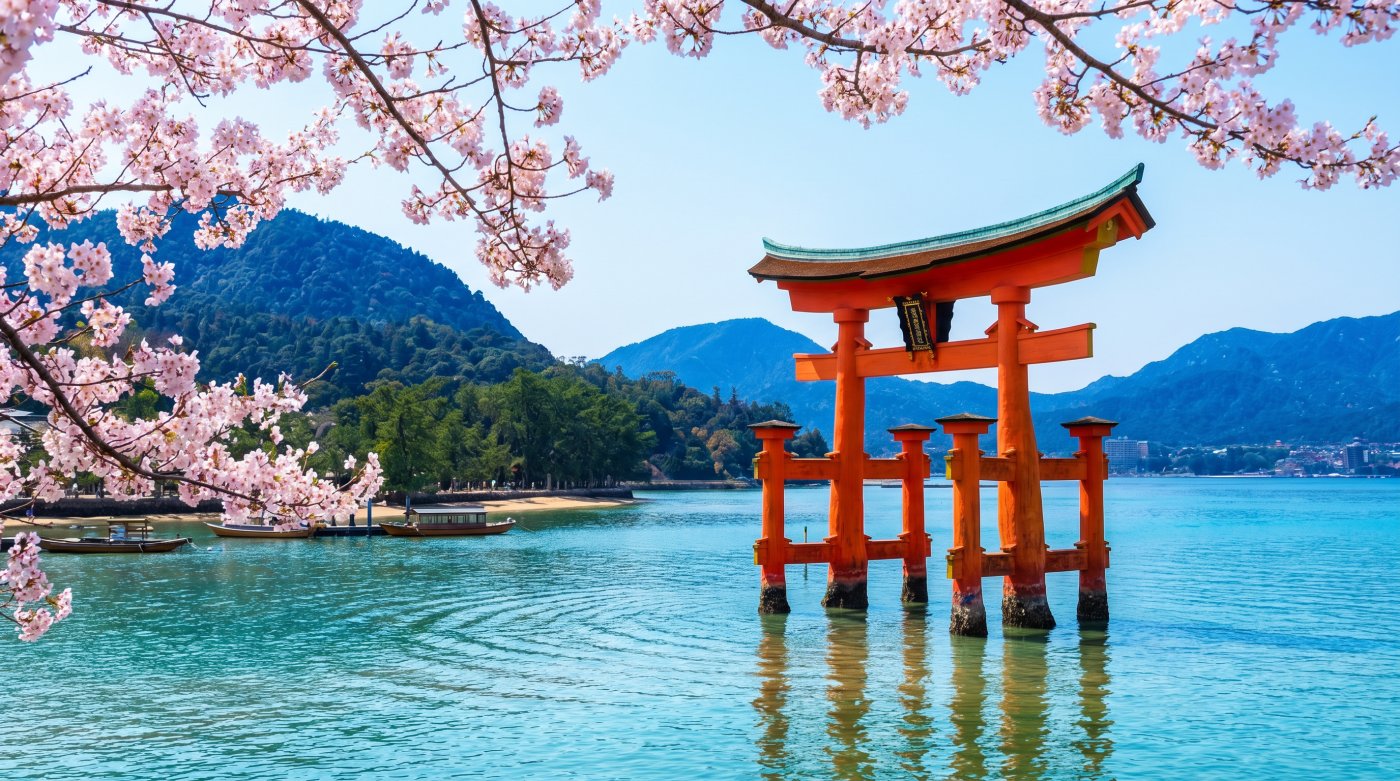
About 1 hour 30 minutes by Shinkansen from Shin-Osaka — longer than the others, but absolutely worth it for the full-day trip.
Hiroshima’s Peace Memorial Park and Museum carry real weight; Miyajima Island with its floating torii gate is 10 minutes by ferry from Hiroshima and deserves at least two hours.
Most visitors combine both in a single long day.
JR Pass holders can cover the entire route for free.
Koyasan (Mount Koya)
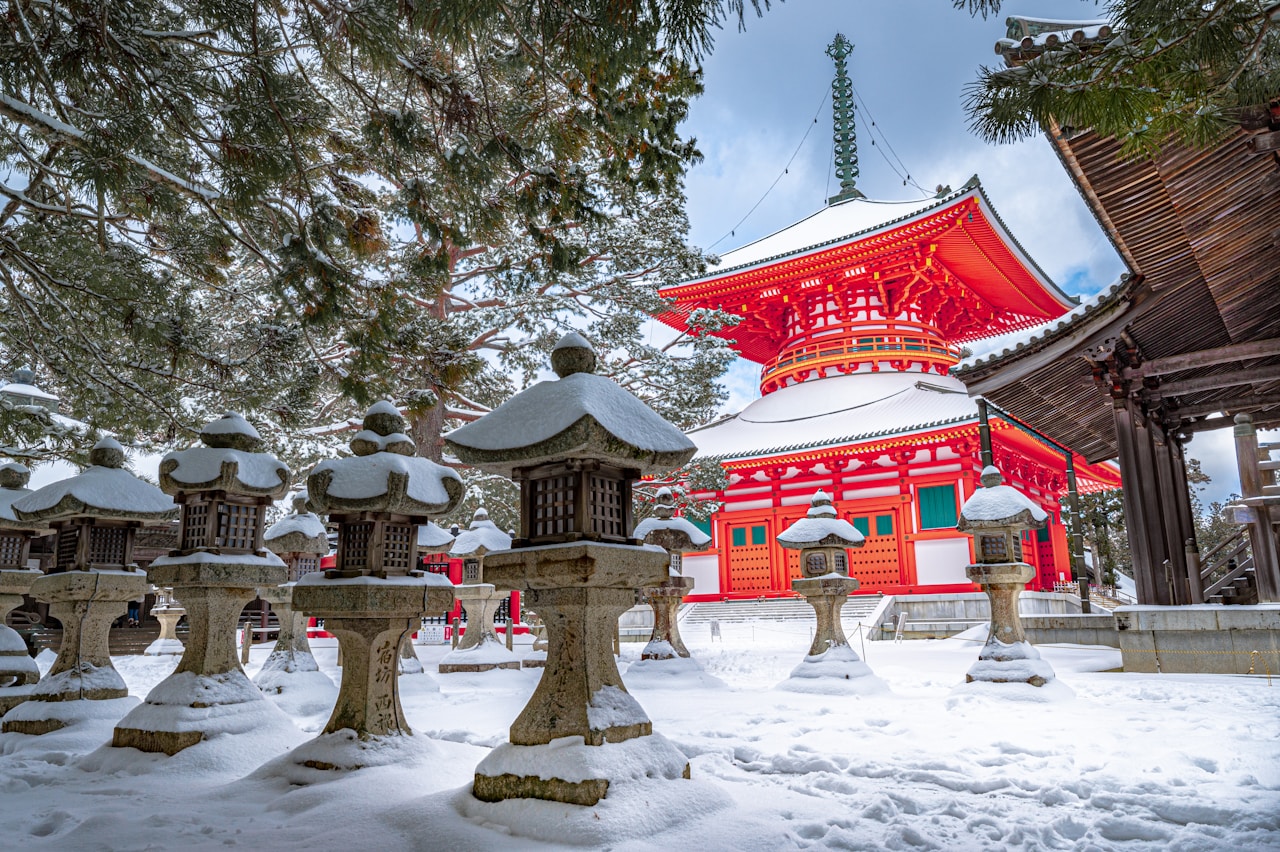
A completely different energy from everywhere else on this list.
About 2 hours from Namba by Nankai Railway, Koyasan is a UNESCO-listed mountain monastery town with over 100 temples, atmospheric cemetery paths and traditional shukubo temple lodgings.
Best done as an overnight stay if you can spare it, but a long day trip is feasible — just leave Osaka early.
Arashiyama (Kyoto Outskirts)
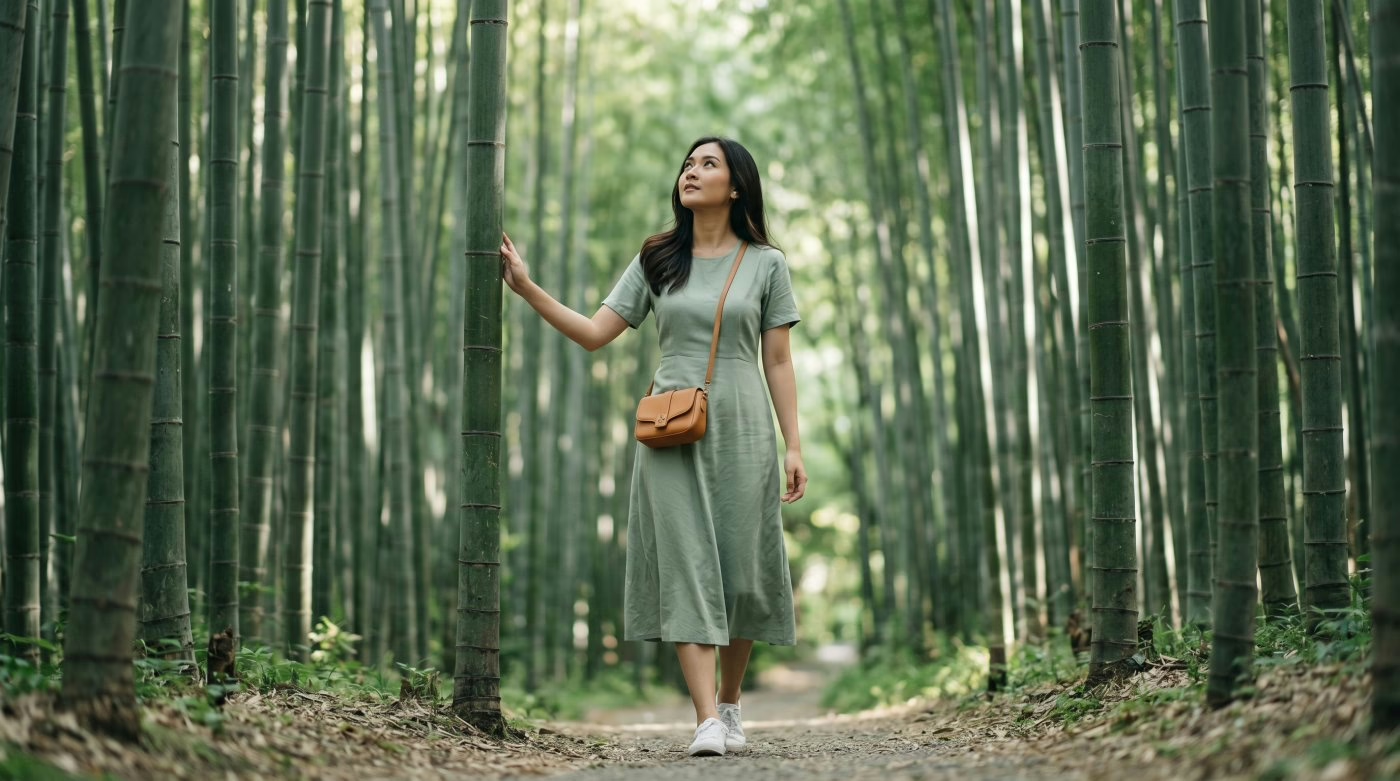
Arashiyama is technically part of Kyoto, but warrants its own entry because it has a completely different feel from central Kyoto — bamboo groves, riverside scenery, the Tenryu-ji Zen garden and a monkey park on the hillside.
About 1 hour 40 minutes by Hankyu from Umeda (change at Katsura).
Worth combining with a Kyoto day trip, or treating as a standalone half-day if you have already covered Kyoto’s core.
Wakayama and Shirasaki Coast
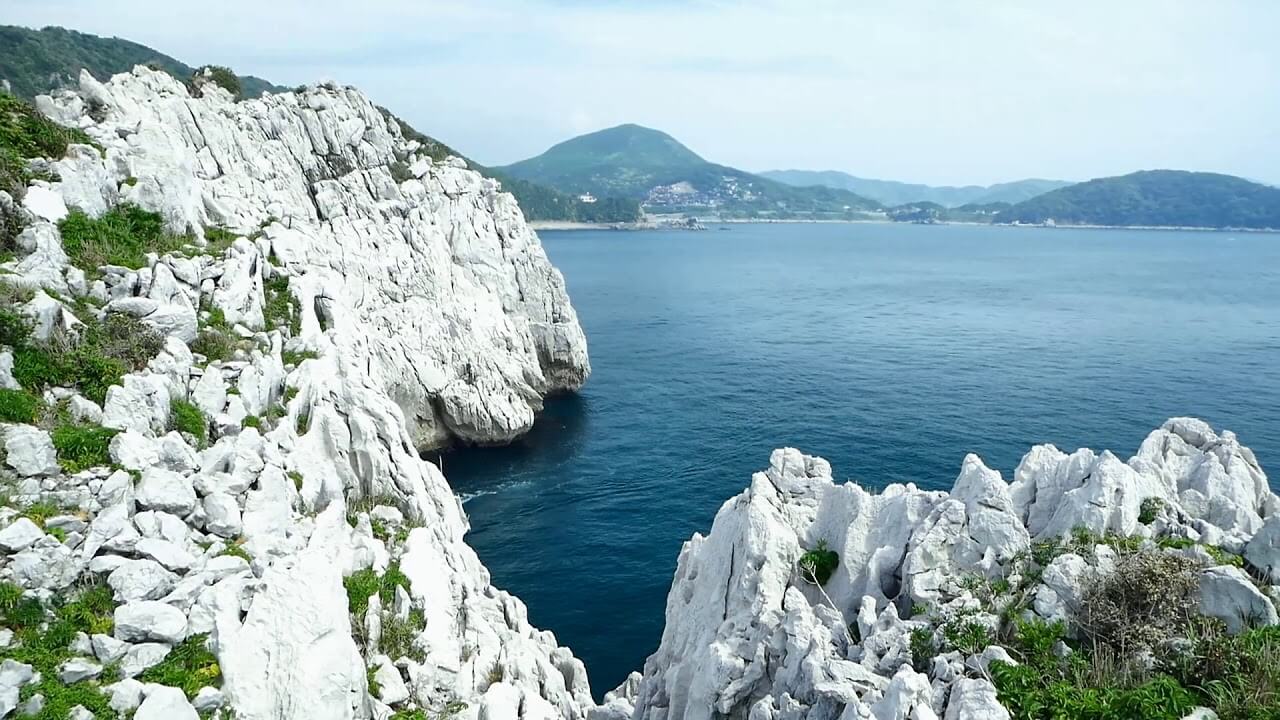
About 1 hour south of Osaka by JR or Nankai.
Wakayama Castle is underrated among day-trippers, and the Shirasaki coast is within reach for anyone wanting to escape cities entirely for a day.
Lower crowds than every other option on this list.
Every trip above is doable as a day trip from an Osaka base. For ranked itineraries, transport breakdowns and ticket advice for each destination, the full day trips from Osaka has a dedicated guide for each one.
Smart Moves for the Tokyo–Osaka Trip
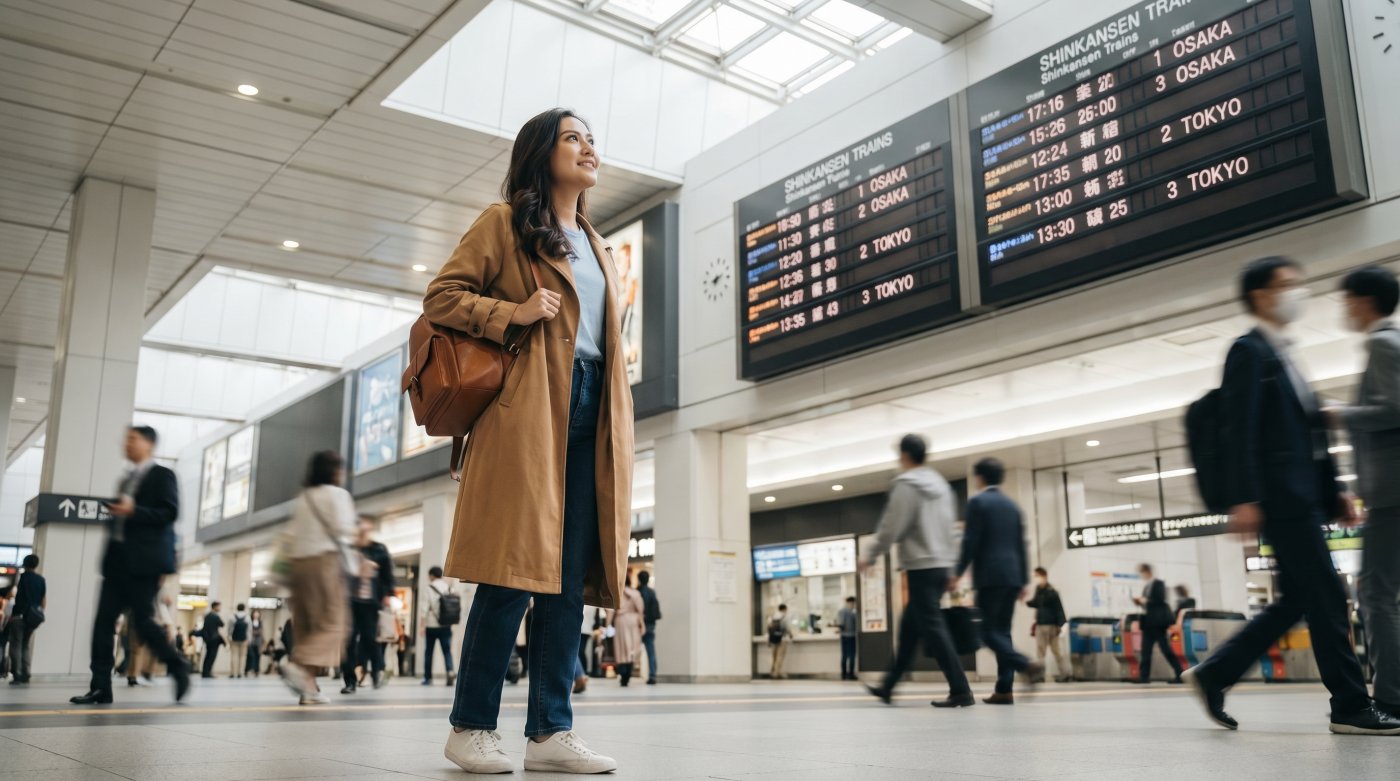
A few small decisions make the Osaka leg noticeably smoother.
None take long, and skipping them is where first-timers lose an hour or two.
- Book your Shinkansen seat: Walk-ups work, but reserved seats guarantee you sit together and get the window if you want the Fuji view. Book on SmartEX for the best early-bird discounts.
- Book activities ahead: USJ tickets, Osaka Amazing Pass, and Dotonbori River Cruise are all easier and cheaper pre-booked on Klook or KKday than on the day.
- Luggage forwarding: Send big bags ahead by takkyubin the night before. Around ¥2,000, and you board hands-free.
- Coin lockers: Shin-Osaka has large coin lockers on B1. ¥600–¥900 per day. Useful if you are just passing through for a day.
- Suica works in Osaka: No new card needed. Your Tokyo IC card works on all Osaka Metro lines, city buses and convenience stores.
- Stand on the right: Osaka escalator etiquette flips Tokyo’s. In Osaka you stand on the right, walk on the left. Get it wrong and locals will silently (but pointedly) make room.
- Last train: The last Nozomi from Shin-Osaka to Tokyo departs around 21:24. If you have a morning flight from Narita the next day, do not cut this close.
For the full practical picture before you arrive, the things to know before traveling to Osaka covers common first-timer mistakes.
And Osaka’s safety record is strong — day or night — though the usual crowd awareness applies around Dotonbori.
When Is the Best Time to Visit Osaka?
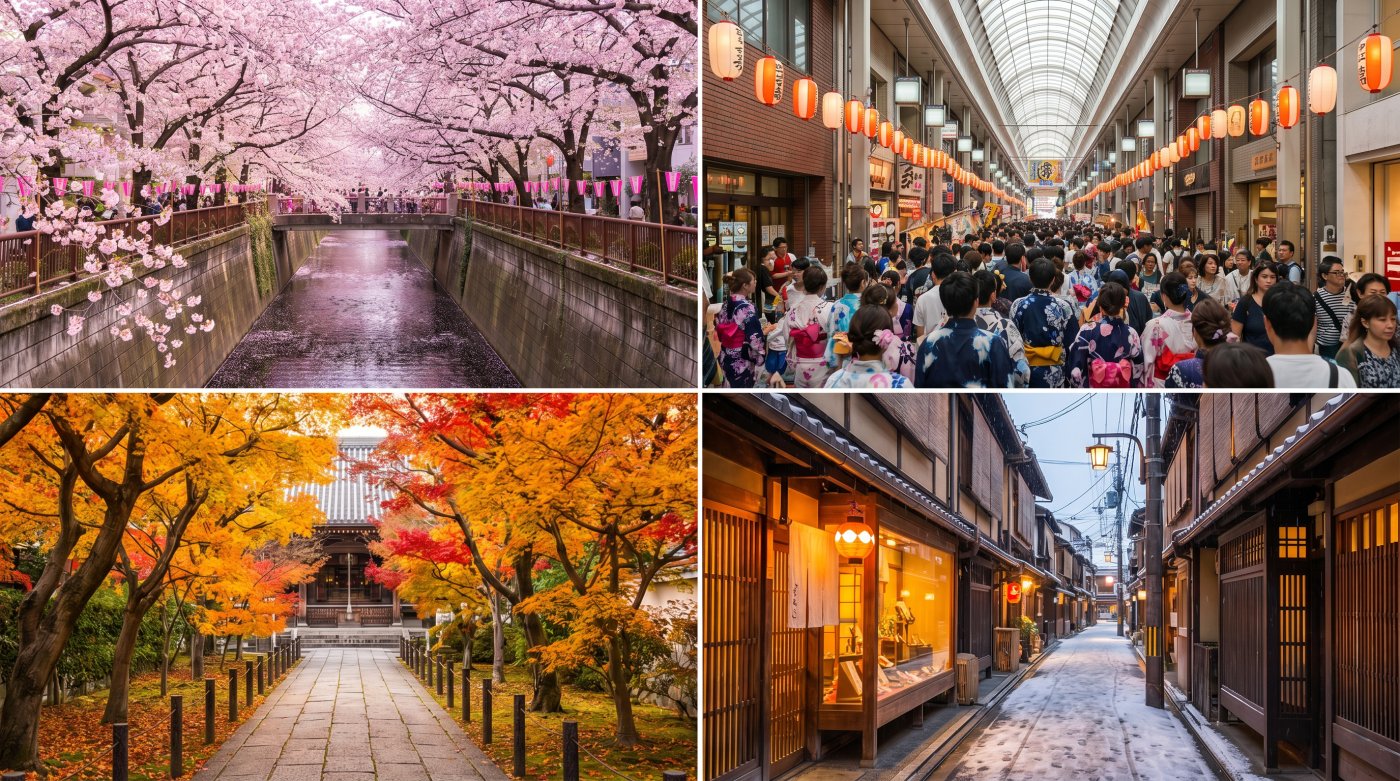
The best time to visit Osaka is spring (late March to early April) for cherry blossoms, or autumn (late October to November) for cool, clear weather and foliage.
Both seasons bring crowds and elevated hotel prices.
Summer is hot and humid; winter is cold but significantly cheaper and quieter.
A few dates to plan around:
- Golden Week (late April to early May): Domestic travel peaks. Shinkansen seats fill fast and hotels spike. Book or shift your dates.
- Obon (mid-August): A second domestic travel surge. Similar problems, similar advice.
- Cherry blossom season: Book Namba and Umeda hotels at least 6–8 weeks ahead if your dates land in late March to early April.
For the full month-by-month picture, including festivals and rainfall, check how each season actually feels on the ground.
Can You Visit Osaka as a Day Trip From Tokyo?
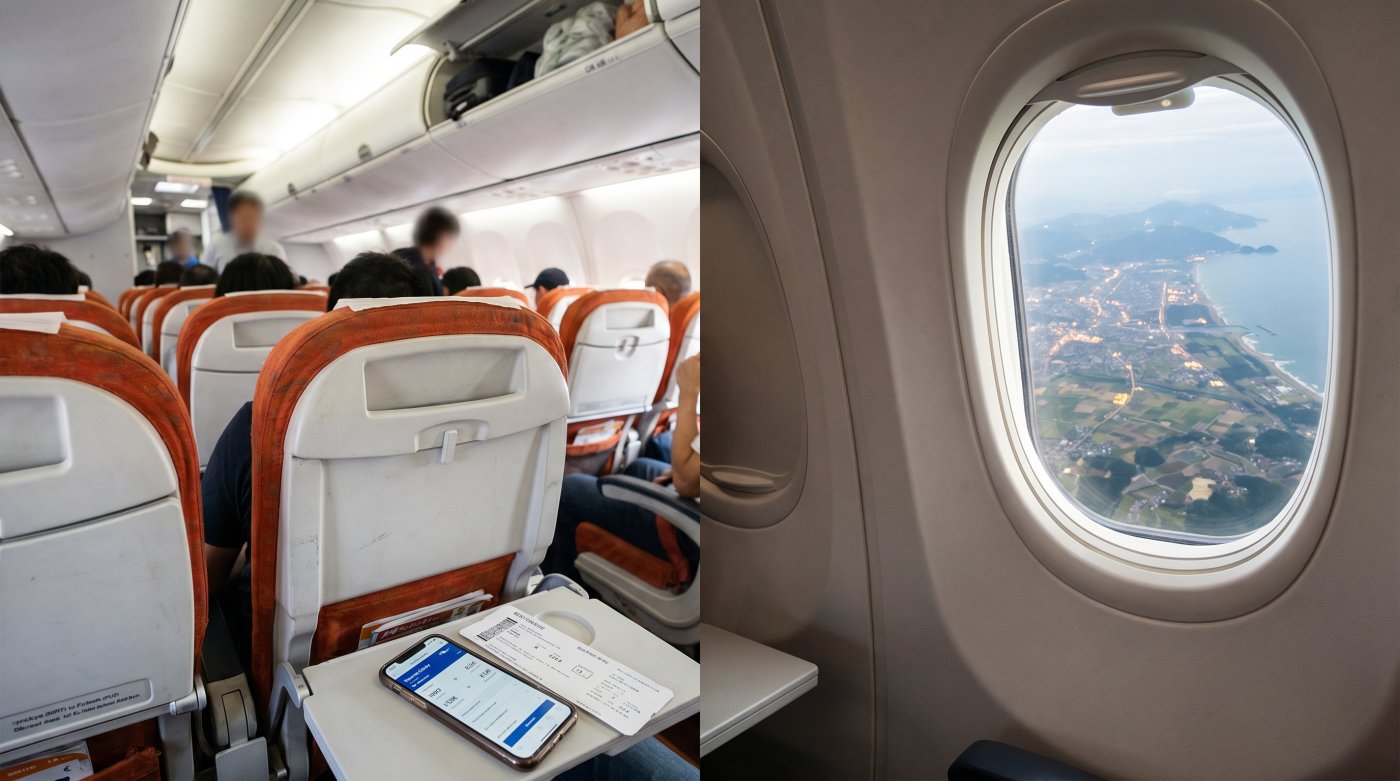
Technically yes.
Practically, no — it is a poor trade.
A same-day return burns close to 5 hours on trains and around ¥28,000–¥30,000 in fares for maybe seven hours in the city.
You would see Dotonbori and one castle, then turn straight around.
Osaka pays off with an overnight stay.
The food scene comes alive after dark, and a single night unlocks the Kyoto and Nara day trips above.
Treat Osaka as a two to three-night extension to your Tokyo trip, not a day excursion.
Getting Around Osaka Once You Arrive
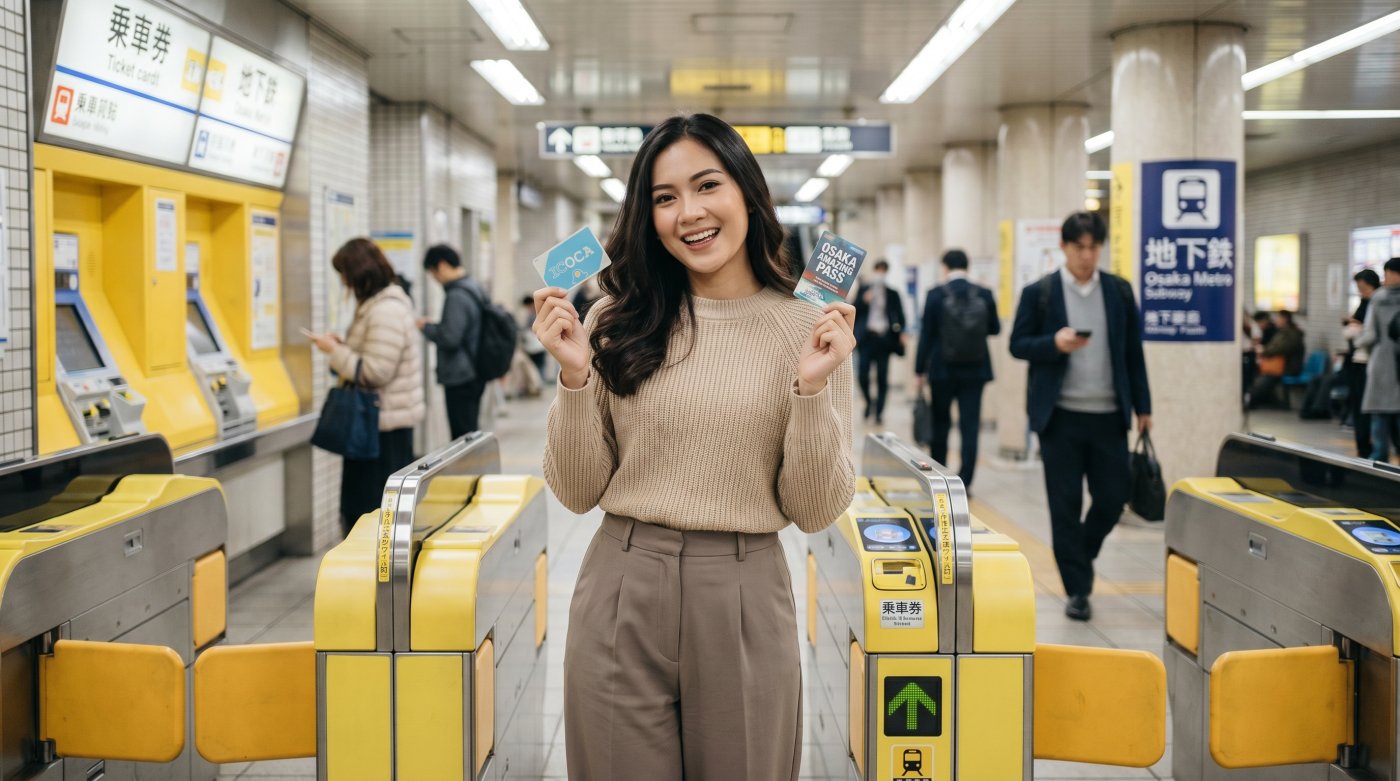
Osaka runs on the same prepaid IC cards as Tokyo, so the Suica or Pasmo you have been using works straight away on Osaka’s subways, buses and at convenience stores.
No new card, no setup, no balance transfer headaches.
For two days of heavy sightseeing, the Osaka Amazing Pass gives unlimited transit plus free entry to 40+ attractions for ¥3,500 a day (2-day for ¥5,000).
Whether it beats a plain IC top-up depends on how many paid sights you hit, so weigh the pass against a simple ICOCA card before you buy.
Plan Your Osaka Travel From Tokyo
Ready to book?
Our trusted partners below cover the whole trip from a single Japan base:
Hotels and Accommodations
Browse curated hotels, guesthouses, and machiya stays from our partner platforms. Best prices, verified reviews, instant booking.







Tours Packages and Activities
Skip ticket lines and secure your spot at Osaka's top attractions. Reserve tours, day trips, and experiences in advance.





Essential Osaka Travel Passes
Powered by KlookThe passes worth buying before you land — curated for first-timers.
Osaka Amazing Pass
Unlimited subway + free entry to 40+ attractions. The only pass most visitors actually need.
Osaka e-Pass
Attractions-only digital pass. Pair with a Metro Pass if skipping the Amazing Pass.
Osaka Metro Pass
1 or 2-day unlimited Metro rides. Best standalone transit value if you already have an attractions pass.
JR West Kansai Area Pass (WEST QR)
Unlimited JR trains for 1 to 4 days. Covers Kyoto, Nara, Kobe, and Himeji from Osaka.
JR Haruka Express
KIX to Umeda/Shin-Osaka in ~50 min. Best if staying in Umeda or heading straight to Kyoto.
Nankai Rapi:t Express
KIX to Namba in 34 min, reserved seat. Better if staying in Namba or Shinsaibashi.
Navigate Osaka With Ease
Book airport transfers, train passes, and local transport before you arrive. Skip the queues and language barriers.
Osaka Travel Connectivity Essentials
Instant eSIM activation for Japan. Get mobile data before you land — no SIM swaps, no roaming fees, complete peace of mind.



Travel Insurance
Protect your Osaka trip with comprehensive travel insurance. Coverage for medical emergencies, cancellations, and lost luggage.

Riding down from Tokyo is the most common way into Osaka, but not the only one. If you are flying in from overseas instead, there are dedicated guides for travellers traveling from Singapore to Osaka and others. Either way, your reward is the same: Japan’s best-value, best-eating city, two and a half hours from the capital.