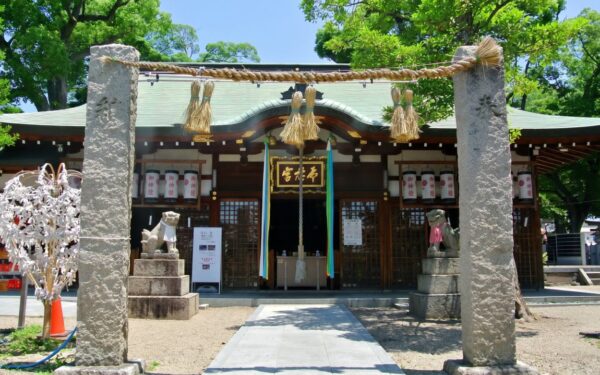
Sumiyoshi Taisha
Osaka's ancient head shrine, revered across Japan for over 1,800 years.
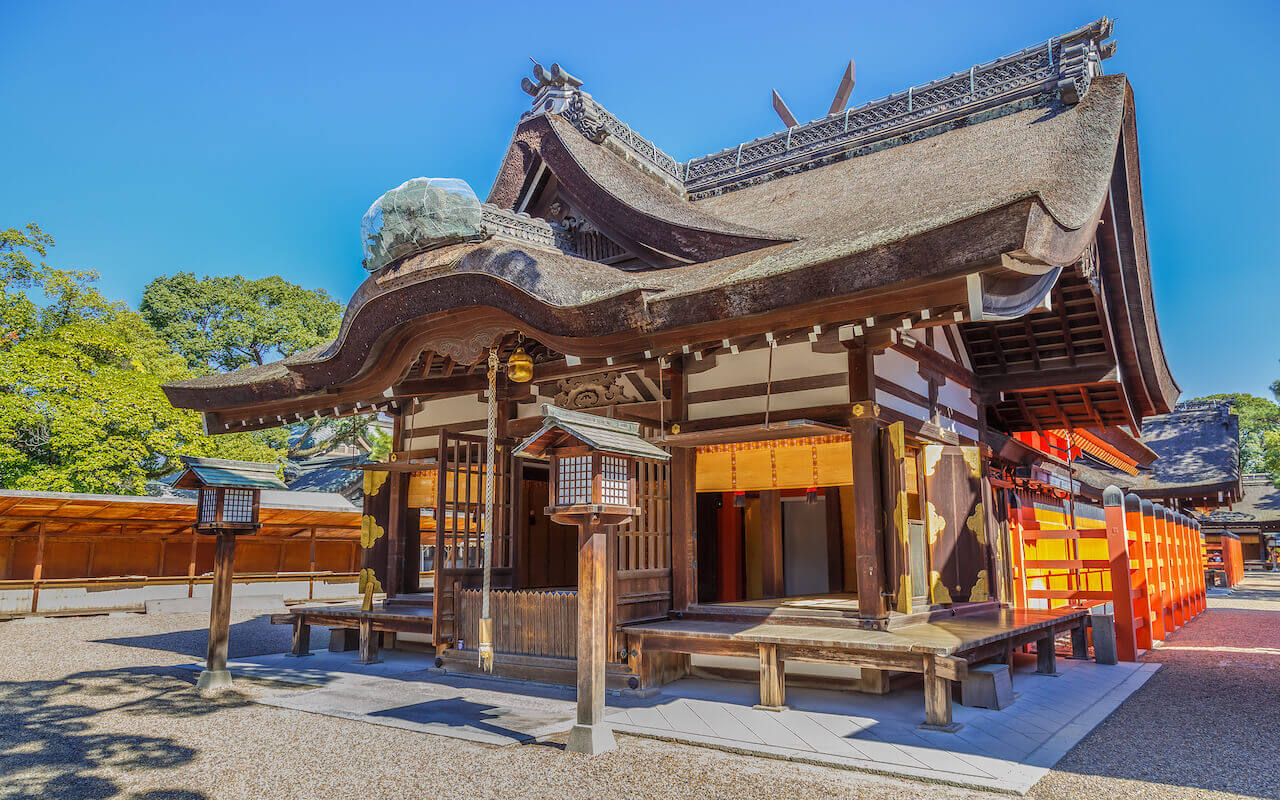









Sumiyoshi Taisha — officially 住吉大社 — is the grand head shrine of approximately 2,300 Sumiyoshi shrines scattered across Japan, and one of the country’s oldest Shinto sanctuaries, predating Chinese architectural influence on Japanese design.
Dedicated to three sea gods and the Empress Jingu, it has been a place of worship since at least the 3rd century, drawing sailors seeking safe passage and, today, visitors from every corner of the world.
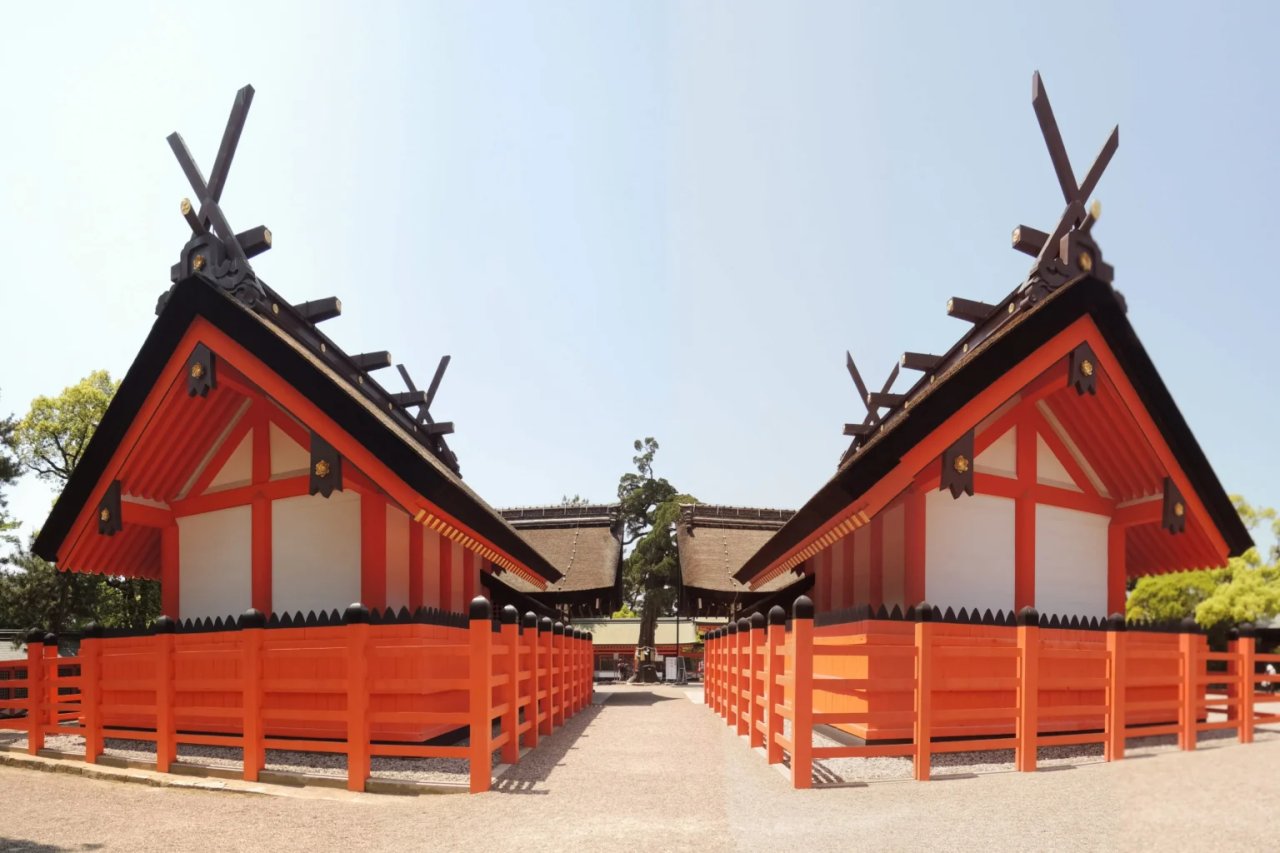
What sets this shrine apart physically is its architecture: the four main halls are built in the rare “Sumiyoshi-zukuri” style — straight rooflines, unpainted wood, and a purity of form that feels utterly different from the ornate shrines you might know from Kyoto.
The iconic Sorihashi Bridge, a dramatically steep arched bridge over a pond at the entrance, is the shrine’s most photographed feature — and yes, the climb is steeper than it looks.
The grounds are expansive and genuinely peaceful outside of festival season, with stone lanterns lining shaded paths, small sub-shrines tucked into every corner, and a sense of layered history you can actually feel.
New Year’s hatsumode draws close to 2 million visitors over three days, so if crowds are not your thing, aim for a weekday morning in late autumn or early spring.
The souvenir shop opens from 9am if you’re after an omamori (protective charm).
Sumiyoshi Taisha Osaka: Japan’s Oldest Shrine Awaits
Sumiyoshi Taisha is the head shrine of roughly 2,300 Sumiyoshi-jinja (住吉大社) sanctuaries across Japan, and spending a morning here is one of the most rewarding free experiences the city has to offer.
According to this Explore Osaka guide and the shrine’s own historical records, it has stood on this site in Sumiyoshi Ward since at least the 3rd century, making it significantly older than many of Kyoto’s famous temples.
Free to enter, easy to reach from central Osaka, and genuinely uncrowded on a weekday morning, it deserves a spot in almost any Osaka itinerary.
Highlights
Hide- Address: 2-9-89 Sumiyoshi, Sumiyoshi Ward, Osaka, 558-0045
- Opening hours: 06:00-17:00 (Apr-Sep) / 06:30-17:00 (Oct-Mar), open daily
- Admission: Free
- Nearest station: Sumiyoshi Taisha Station (Nankai Main Line), 2-min walk
- Time needed: 1 to 1.5 hours
- Best season: Spring (March-April), Autumn (October-November)
- Official website: sumiyoshitaisha.net/en
- Osaka Amazing Pass: Not included (not required -- entry is free)
Why Visit Sumiyoshi Taisha
Most visitors to Osaka spend their time around Namba or the neon-lit canals of Dotonbori, which makes sense — those areas are genuinely great.
But Sumiyoshi Taisha offers something those places simply cannot: a direct, quiet connection to over 18 centuries of continuous religious practice.
The shrine is built in the Sumiyoshi-zukuri style, one of the oldest architectural forms in Japan, predating the curved rooflines and vivid vermillion lacquer that most visitors associate with Shinto shrines.
The four main halls feature straight, clean rooflines, unpainted timber, and a structural confidence that feels almost severe by comparison.
It is rare to see this style preserved at this scale, and that alone makes the trip worthwhile.
The Architecture Tells a Different Story
Most of the famous shrines in Japan, including Fushimi Inari and Heian Jingu in Kyoto, reflect heavy continental Chinese influence absorbed from the 7th century onward.
Sumiyoshi Taisha’s design predates that shift, and you can see it clearly in the way the buildings sit on the land: grounded, unadorned, and built for permanence rather than spectacle.
The roof decorations, called katsuogi (crossed wooden beams), are one of the defining features of this ancient style.
This is also a working shrine, not a museum.
Locals visit regularly for omamori (protective charms), prayer, and the monthly 1st and 15th day ceremonies.
On those days, expect more worshippers and a livelier, more ceremonial atmosphere than on an ordinary Tuesday.
What to See and Do at Sumiyoshi Taisha
The grounds cover a substantial area and there is more to explore here than a quick circuit of the main halls.
Give yourself at least an hour to do it properly, and resist the urge to rush.
The Sorihashi Bridge
The first thing you see after passing through the main torii gate is the Sorihashi (反橋), a dramatically arched wooden bridge over a small pond.
The bridge rises at a 45-degree angle, which sounds fine until you’re actually climbing it in sandals or leather-soled shoes.
Take the slope at a diagonal if it’s wet — the handrails are there for a reason, and the view from the top, looking back toward the torii gate, is worth the slight indignity.
The bridge dates to the early Edo period and has been reconstructed several times, but the current form follows the traditional design.
Photographers tend to arrive in the early morning when the angle of the light catches the arch cleanly against the treeline.
The Four Main Halls
Beyond the bridge, the shrine’s four primary halls are arranged in a specific sequence that you follow from south to north.
Each is dedicated to a different deity: the three sea gods Sokotsutsu-no-o, Nakatsutsu-no-o, and Uwatsutsu-no-o, and the Empress Jingu (神功皇后) herself.
The halls have been designated as National Important Cultural Properties and have undergone careful restoration, but they retain their ancient proportions and materials.
You cannot enter the main halls, but you can approach closely, observe the shimenawa (thick rope decorations marking sacred space), and participate in the customary two bows, two claps, one bow ritual of Shinto prayer.
There is no pressure and no instruction — follow what the person before you does if you’re unsure.
Sub-Shrines and Stone Lanterns
Scattered throughout the grounds are dozens of smaller sub-shrines (sessha and massha), many of which have their own specific purposes: shrines for safe childbirth, for business success, for academic achievement.
The stone lanterns lining the paths are donated by sailors and merchants over centuries and still bear their original inscriptions.
It is an easy place to wander without a fixed route.
The Omikuji and Souvenir Shop
The on-site shop opens at 9am and stocks omamori (good luck charms) and ema (wooden wishing plaques), priced generally between 500 and 1,000 yen. Omikuji
(fortune slips) are available from vending-style dispensers for 100 yen.
If you draw a kyo (bad fortune), tie it to the wire rack near the dispenser and leave the bad luck behind — it’s a genuinely satisfying ritual even for committed skeptics.
Getting There
Sumiyoshi Taisha sits in Sumiyoshi Ward, about 5 kilometers south of central Osaka, and it is easy to reach from multiple directions.
Most visitors arrive via the Nankai Main Line, which runs directly from Nankai Namba Station.
Take a local train (not the limited express or rapid) and ride four stops to Sumiyoshi Taisha Station (NK8).
The journey takes roughly 10 minutes and costs 240 yen.
The shrine’s main torii gate is a two-minute walk from the station exit.
The Hankai Tram Option
For a more atmospheric journey, take the Hankai Uemachi Line tram from Tennoji.
This is one of the last surviving streetcar lines in Osaka, running at ground level through residential Sumiyoshi Ward at a pace that actually lets you look out the window.
Alight at Sumiyoshitorii-mae (住吉鳥居前) and the main gate is directly in front of you.
The tram ride takes around 20 minutes from Tennoji and costs 230 yen.
It is slower than the Nankai Line but considerably more interesting.
By Subway
The nearest Osaka Metro stop is Tamade Station on the Yotsubashi Line (Y19), about 15 minutes on foot.
It is not the most convenient option, but it works well if you’re combining the shrine with other stops in the south of the city.
Practical Tips For Visiting Sumiyoshi Taisha
The shrine grounds open at 6am from April through September, and 6:30am from October through March.
That early opening is genuinely useful.
Arriving just after opening means you’ll share the stone paths with a handful of regulars and almost no tourists, and the morning light through the trees is at its most atmospheric.
The omamori shop opens at 9am, so if that’s a priority, plan to arrive a little before then.
When to Avoid
New Year’s hatsumode (初詣) brings approximately 2 million visitors to Sumiyoshi Taisha over the first three days of January, making it the third-most visited shrine in Japan during that period.
Unless you specifically want that experience — and it is genuinely spectacular in a very crowded, very human way — avoid the first week of January entirely.
The Sumiyoshi Matsuri festival in late July similarly draws large crowds, particularly on the last day of the month.
What to Bring
The grounds have no coat-check, coin lockers, or on-site cafe.
Bring water in summer, as Sumiyoshi Ward in July and August is genuinely hot and the paths offer limited shade.
Wear comfortable shoes — the Sorihashi Bridge’s steep slope in particular does not favor heels or smooth-soled footwear.
Photography is permitted throughout the grounds, though entering the inner sanctums for photos is not.
Admission and Costs
Standard entry to the shrine grounds is completely free.
Specific ceremonies, such as the monthly Hattatsu Mairi prayer service held on the first and fifteenth of each month, involve a donation of around 1,000 yen.
Parking is available on-site for approximately 200 vehicles, but the car parks close during major festivals and the New Year period.
Paid parking begins at around 300 yen for the first 30 minutes.
Nearby Attractions
Sumiyoshi Ward is not the most visited part of Osaka, which works in your favour.
A few places within easy reach are worth adding to the same morning or afternoon.
Sumiyoshi Park (住吉公園)
Directly adjacent to the shrine, Sumiyoshi Park is a small, well-kept public park with a pond, walking paths, and cherry trees that make it particularly attractive in late March and early April.
It is free to enter and takes about 20 minutes to walk through properly.
Locals use it for morning exercises and afternoon strolls, and it sees a fraction of the visitor numbers that nearby tourist parks attract.
Tennoji Zoo and Tennoji Park
About 15 minutes north by tram or 20 minutes by bus, Tennoji is one of Osaka’s most underrated neighbourhoods.
Tennoji Zoo, one of the oldest zoos in Japan, charges 500 yen for adults and is genuinely well-maintained for its age.
Tennoji Park and the surrounding Tsutenkaku tower area give you a full afternoon of sightseeing for minimal cost.
The neighbourhood also has some of the best kushikatsu (deep-fried skewers on sticks) restaurants in the city — if you want to eat well without going far, the Osaka food guide has specific restaurant picks in this area.
Abeno Harukas
A 10-minute tram ride north from Sumiyoshi Taisha, Abeno Harukas is the tallest building in Japan at 300 metres. There’s Harukas 300 Observatory you can visit.
The observation deck on the 58th to 60th floors charges 2,000 yen for adults and offers clear-day views across the entire Osaka Plain to the Kii Peninsula mountains.
It opens at 9am and is less crowded on weekday mornings than at weekends.
Combining a shrine visit in the early morning with the observation deck mid-morning makes for an efficient and varied few hours.
Sakai City (Accessible by Nankai Line)
If you take the Nankai Line one stop south past Sumiyoshi Taisha, you’re on your way to Sakai, the historic city famous for its enormous kofun burial mounds, including the Daisen Kofun (the largest burial mound by area in the world).
Sakai is undervisited and genuinely fascinating — a half-day extension from Sumiyoshi Taisha adds real historical depth to a day spent in Osaka’s south.
If Sumiyoshi Taisha has convinced you there’s more to Osaka than its famous eating streets, you’re right.
The south of the city is full of quieter, less-photographed places that reward the effort to get there.
For a broader view of how to spend your time in the city, the Osaka itineraries section has day-by-day plans that incorporate both the central highlights and the neighbourhood finds.
And if you’re still deciding where to base yourself, the where to stay in Osaka guide breaks down the options by location, budget, and travel style.
What's Available
Frequently Asked Questions
Yes, entry to the shrine grounds is completely free, with no admission fee required. The on-site souvenir shop — where you can pick up omamori protective charms and ofuda — is open from 9am to 5pm daily.
Some specific prayer ceremonies carry a donation fee, such as the Hattatsu Mairi at ¥1,000, but simply visiting and exploring the grounds costs nothing.
No. The current structure dates from 1931 and is a ferroconcrete reconstruction, not the original Toyotomi-era castle.
The original was destroyed during Japan’s feudal conflicts.
The reconstruction is historically detailed and houses a genuine museum, but it is not a surviving historic structure in the way that, for example, Himeji Castle is.
If original castle architecture matters to you, the day trip to Himeji from Osaka is worth adding to your itinerary.
Weekday mornings are your best bet for a calm, crowd-free experience — the grounds open at 6am (6:30am in winter) and the early hours carry a genuinely meditative atmosphere.
Autumn brings colourful foliage, and spring draws visitors for seasonal blooms in nearby Sumiyoshi Park.
Avoid the New Year period entirely unless you actually want to join the roughly 2 million worshippers who descend during hatsumode — it is memorable, but bring comfortable shoes and your patience.
Editor's Review
Sumiyoshi Taisha earns its reputation without trying to.
The architecture alone is worth the trip — clean, ancient, structurally confident in a way that flashier shrines rarely are.
The Sorihashi Bridge is a genuine visual payoff, and the scale of the grounds means you can actually wander without feeling herded through a tourist conveyor belt.It does sit further south than most Osaka itineraries tend to reach, which is honestly part of the appeal — you’ll share it with locals far more than tourists.
Best suited to anyone who wants a shrine experience that feels earned rather than packaged.
Come on a weekday morning, arrive before 9am, and you’ll have the stone paths almost entirely to yourself.
Related Attractions
Ikukunitama Shrine
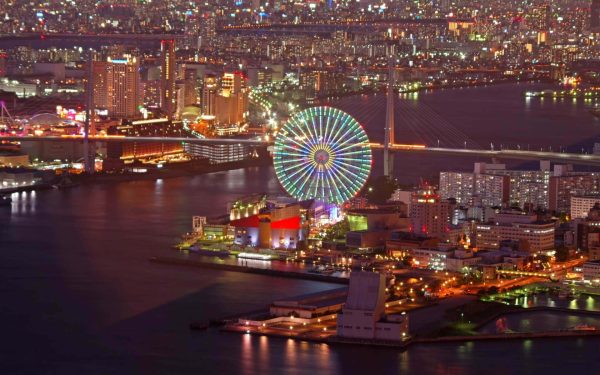
Tempozan Harbor Village

Osaka Bay Cruise Santa Maria
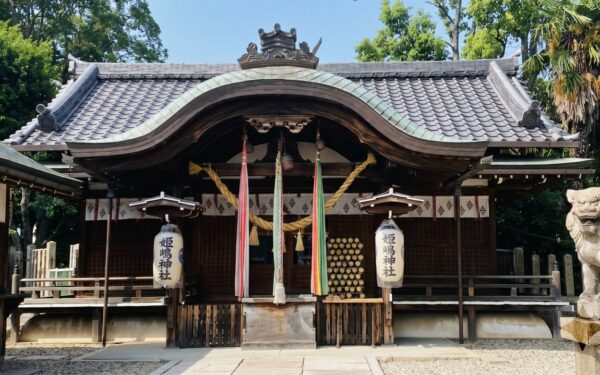
Himejima Shrine
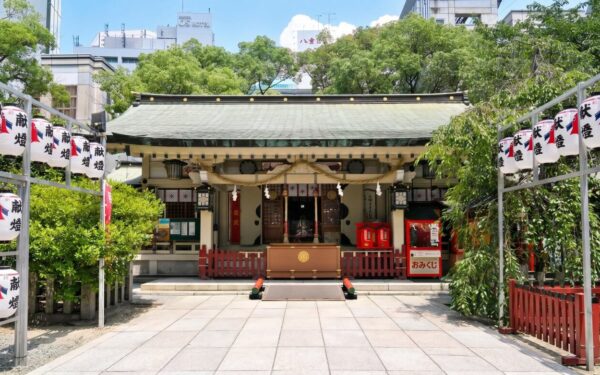
Tsuyuno Tenjinsya (Ohatsu Tenjin)
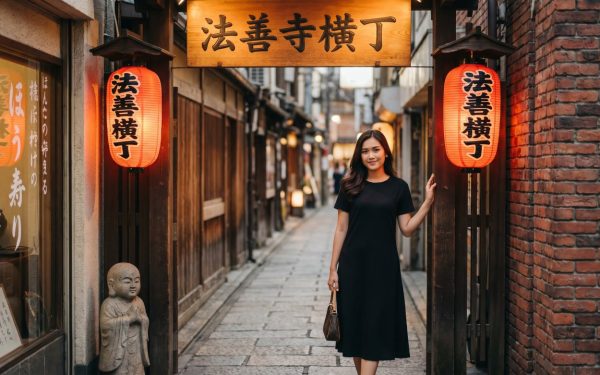
Hozenji Temple and Hozenji Yokocho

Universal Studios Japan
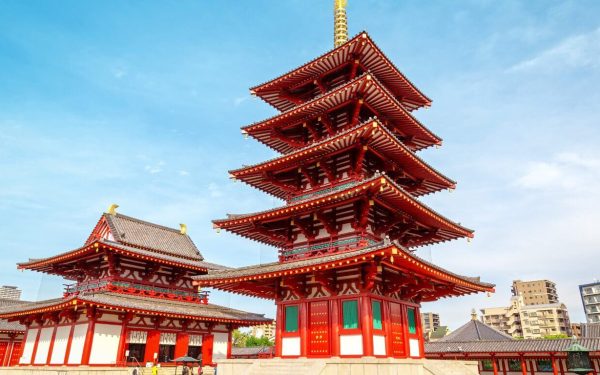
Shitennoji Temple