3-Day Osaka Itinerary: The Complete First-Timer’s Plan (2026)
A 3-day mid-range Osaka itinerary for first-time visitors that covers Osaka Castle, Dotonbori, Umeda, Shinsekai, and the bay area across three geographically logical days. You get the city's headline experiences, from kushikatsu in Shinsekai to the Kuchu Teien Observatory at sunset, without burning out or repeating the same neighborhoods twice. Priced realistically for ¥12,000-20,000 per day including transport, meals, and admissions.
3 Days First-Timers Mid-range Mixed
Estimated Total Cost: ¥36,000-60,000 total





Trip Overview
This itinerary is built for first-time visitors to Osaka who want to cover the city’s most iconic ground without feeling like they’re sprinting through a checklist.
Osaka is genuinely one of the best cities in Japan for first-timers because the food, history, and street energy are all accessible, affordable, and close together.
You get a real sense of the city’s personality fast. The three days are structured to move through distinct neighborhoods rather than looping back on the same streets.
Day 1 anchors you in the historic centre, starting at Osaka Castle and the Museum of History before heading south into the Namba and Dotonbori evening scene.
Day 2 shifts north to Umeda for the Kuchu Teien Observatory, then swings back through Shinsaibashi and Amerikamura.
Day 3 heads south to Shinsekai and Tsutenkaku in the morning, then out to the bay area at Tempozan in the afternoon.
Each day has a clear geographical logic so you spend your time actually seeing things, not riding the metro in circles.
Three moments that tend to stick with people: standing on the roof deck of the Umeda Sky Building at dusk as the city grid lights up below you, eating kushikatsu at a counter in Shinsekai where the no-double-dipping rule is enforced with genuine seriousness, and just wandering Dotonbori at night when the canal reflections and giant mechanical crab create that specific Osaka sensory overload you’ll recognise from every travel photo but still find surprisingly fun in person.
A practical note on budget: mid-range in Osaka is very manageable, but food costs can creep up quickly if you eat at sit-down restaurants for every meal.
Mixing one proper sit-down meal per day with market snacks and convenience store stops keeps you comfortably within the ¥12,000-20,000 daily target without any real sacrifice in quality.
3-Day Osaka Itinerary: The Complete First-Timer’s Plan (2026)
If this is your first time in Osaka and you want a trip that feels full without turning into a blur of train platforms and convenience store dinners, this is the plan to follow.
Over three days, you’ll cover Osaka Castle, Kuromon Market, Dotonbori, Umeda, Shinsekai, and the bay area at a pace that feels busy but still human.
What makes it worth reading over the usual generic itinerary roundups is simple: the route is built from real opening hours, real attraction costs, and neighbourhood logic that cuts down on stupid backtracking.
What to Expect from This 3-Day Osaka Itinerary
This itinerary is for first-timers who want a broad, satisfying read on Osaka rather than a niche version of the city.
It works especially well for solo travellers, couples, and small groups in their twenties, thirties, and early forties who like a mix of history, food, street life, city views, and shopping without spending luxury-level money.
If you are still building out the bigger shape of your trip, the wider Osaka travel guide helps put this plan into the context of seasons, side trips, and city basics.
The pace is active, but not absurd.
You will cover several of the most useful Osaka neighborhoods over three days, with mornings that start cleanly, afternoons that keep travel time short, and evenings that land you somewhere worth lingering.
Expect castle museums, market snacks, skyline views, retro alleys, loud neon, and at least one moment a day where you think, yes, this is exactly why I came to Osaka.
What you will not get here is a theme-park itinerary, a Kyoto day trip, or a shopping marathon focused on department stores alone.
This route also leaves out a few very good things to do in Osaka simply because three days is not a magic trick, and pretending otherwise is how bad itineraries happen.
You will still come away having seen the city’s major icons, eaten the food people actually associate with Osaka, and learned how its districts feel different from one another.
Before You Go: Set Yourself Up for an Easy 3 Days
A good Osaka itinerary lives or dies on where you sleep, how you move around, and which tickets you buy before landing.
Sort those three things out early and the rest becomes pleasantly straightforward.
Ignore them and you will spend part of every day debating station exits, which is a tragically common hobby among visitors.
Trip Essentials
Osaka Travel Add-ons
Equip yourself for the ultimate Osaka adventure with the following add-ons, curated just for you.
Flights to Osaka
Powered by Expedia
Airport Transfer
Powered by Klook
ICOCA IC Card
Powered by Klook
Suica IC Card
Powered by Klook
Osaka Tours
Powered by Klook
Luggage Storage
Powered by Radical Storage
Travel Insurance
Powered by VisitorsCoverage
Data Security
Powered by NordVPN

Japan eSIM
Powered by NINJA WiFi
Japan SIM Card
Powered by NINJA WiFi
Pocket WiFi Rental
Powered by NINJA WiFi
Japan eSIM
Powered by Airalo
Where to Stay for the Least Backtracking
For this specific route, the smartest base is the Namba area.
It sits close to Dotonbori, Kuromon Market, and the southern stretch of the city, while still keeping you on the Midosuji Line for quick access north to Umeda and easy connections toward Tennoji and Osaka Bay.
In practice, that means shorter mornings, easier late-night returns, and less dead time between neighbourhoods.
At a mid-range budget, aim for a business hotel or compact boutique stay in Namba, Shinsaibashi, or just north of Daikokucho.
That usually gets you a clean private room, strong transport access, and enough restaurant choice nearby that you never need to force a mediocre meal.
If you are still weighing districts, the full where to stay in Osaka breakdown is the better place to compare bases by travel style rather than guessing from a map.
Should You Buy the Osaka Amazing Pass for This Route?
For this itinerary, the Osaka Amazing Pass makes sense only if you actually use it with intent.
The current 2026 official price is ¥3,500 for one day or ¥5,000 for two days, and this route includes several pass-covered stops: Osaka Castle Main Tower at ¥1,200, Osaka Museum of History at ¥600, Umeda Sky Building Kuchu Teien Observatory at ¥2,000, Tsutenkaku Tower at ¥1,000, and the Tempozan Giant Ferris Wheel at ¥1,000.
That is ¥5,800 in attraction value before counting the transport side, so the two-day pass can work well if you place it on Day 2 and Day 3, or on Day 1 and Day 3 depending on your exact pace.
If you do not plan to hit at least three paid pass-covered attractions, skip it and use the Osaka Metro day pass instead.
The Enjoy Eco Card costs ¥820 on weekdays and ¥620 on weekends, and that is often the better fit for travellers who prefer spontaneous food stops or longer shopping sessions.
The pass is useful here, but it is not a religious obligation, despite how some travel forums talk about it.
What to Book in Advance
- Reserve your Umeda Sky Building Kuchu Teien Observatory ticket online if you want a weekend sunset slot, because that queue can chew through 30 to 45 minutes.
- Book your first hotel nights in Namba or Shinsaibashi as early as you can if you are travelling in late March to mid-April, when cherry blossom demand pushes mid-range rooms up fast.
- Hold a place at Mizuno in Dotonbori if you dislike lining up for okonomiyaki, especially on Friday and Saturday evenings.
- Buy the Osaka Amazing Pass online before arrival if you already know you will use it, since digital setup is easier in your hotel than at a station gate with people behind you.
Klook City Pass
Osaka Amazing Pass — the one pass worth buying
Unlimited subway rides plus free entry to 40+ attractions including Osaka Castle, Umeda Sky Building, and the Dotonbori River Cruise. If you're spending more than a day sightseeing, it pays for itself before lunch.
From ¥2,800/ person
Book on Klook Osaka Passes
Essential Osaka Travel Passes
Powered by KlookThe passes worth buying before you land — curated for first-timers.
Top Pick
Osaka Amazing Pass
Unlimited subway + free entry to 40+ attractions. The only pass most visitors actually need.
Top Pick
Osaka e-Pass
Attractions-only digital pass. Pair with a Metro Pass if skipping the Amazing Pass.
Transit
Osaka Metro Pass
1 or 2-day unlimited Metro rides. Best standalone transit value if you already have an attractions pass.
Day Trips
JR West Kansai Area Pass
Unlimited JR trains for 1–4 days. Covers Kyoto, Nara, Kobe, and Himeji from Osaka.
Airport
JR Haruka Express
KIX to Umeda/Shin-Osaka in ~50 min. Best if staying in Umeda or heading straight to Kyoto.
Airport
Nankai Rapi:t Express
KIX to Namba in 34 min, reserved seat. Better if staying in Namba or Shinsaibashi.
Day 1: Castle History, Kuromon Bites, and a Dotonbori Night
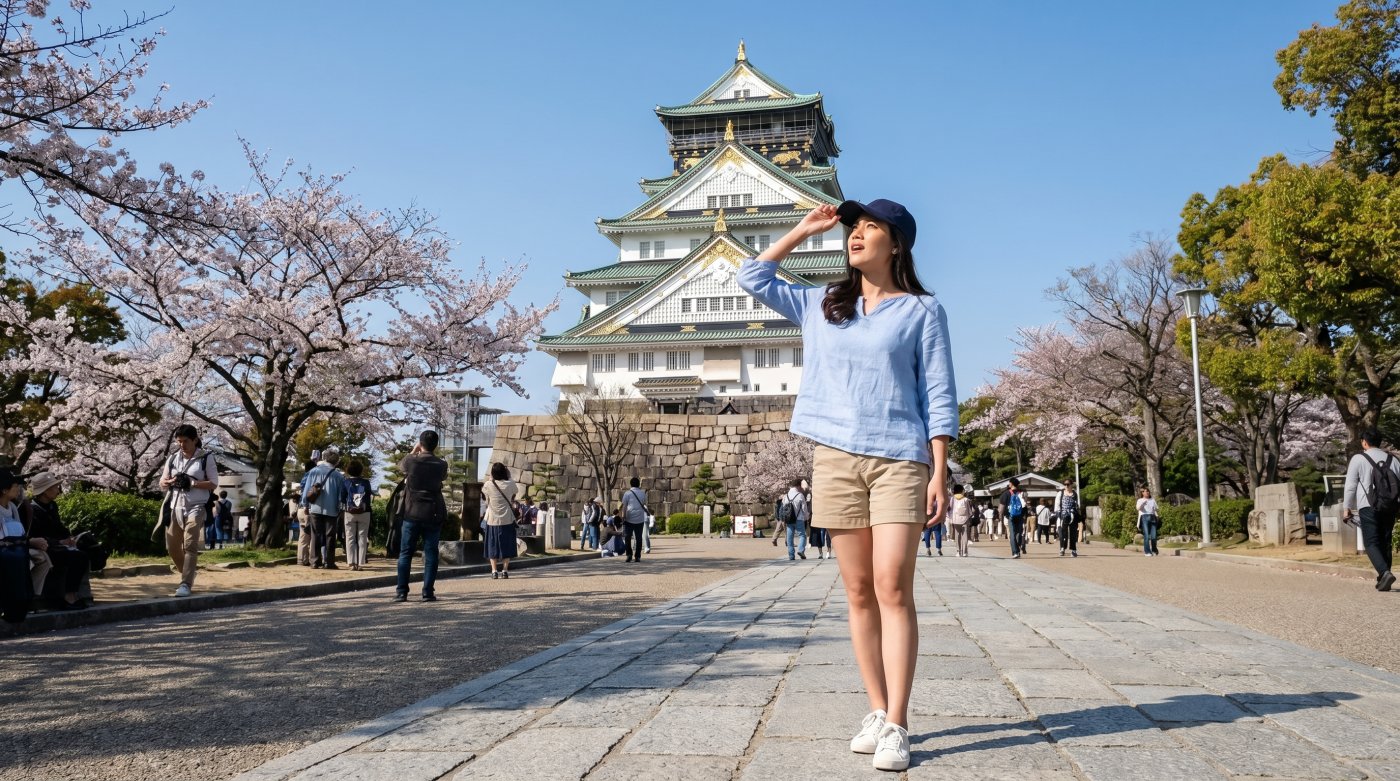
Day 1 is built to make Osaka feel instantly legible.
You start in the city centre with its most famous historic sight, move south into one of its best-known food corridors, and finish where most first-time visitors secretly want to end up anyway, under canal lights in Dotonbori with sauce on their fingers.
The rhythm is front-loaded in the morning, then loosens up steadily as the day goes on.
Morning: Osaka Castle and the City Behind It
Start by taking the Osaka Metro to Tanimachi 4-chome Station, which puts you within easy walking distance of both the castle grounds and the museum across the road.
If you are paying per ride, expect around ¥230 to ¥280 depending on where you board, though this is also a solid day to use a metro pass if you know you will keep moving.
Getting here by 9:00 AM matters, because Osaka Castle gets crowded quickly and is far more enjoyable before the tour groups arrive in force.
The Osaka Castle Main Tower charges ¥1,200 per adult, and this one is covered by the Amazing Pass.
Inside, it functions as a museum rather than an empty shell, with floors dedicated to Toyotomi Hideyoshi, military history, folding screens, armour, and the long political struggle that shaped the site.
Give yourself a full 90 minutes to two hours here, not because every display is life-changing, but because the observation deck at the top and the walk back down through the exhibits make the visit feel complete rather than rushed.
From there, cross to the Osaka Museum of History while you are still in the same area.
Admission is ¥600 and also covered by the Amazing Pass, which is helpful because this is exactly the sort of museum people skip when they are tired, then later wish they had seen.
The upper floors reconstruct ancient Osaka with large-scale models and streetscapes, and the windows frame one of the best side views of the castle in the whole district.
It closes at 5:00 PM with final entry at 4:30 PM, but morning is the right time for it anyway, when your attention span still has some dignity.
Afternoon: Market Grazing and Shinsaibashi Browsing
After the museum, take the Tanimachi Line south to Nipponbashi Station.
The ride is only a few minutes, and that short jump is the reason this day works so well geographically.
By the time you reach Kuromon, you should be hungry enough to do the market properly rather than wandering around clutching a coffee and pretending lunch is optional.
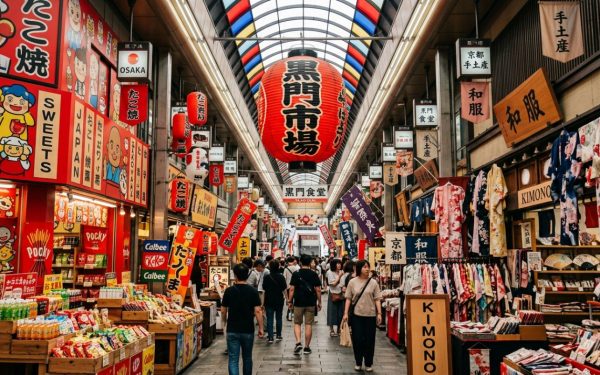
Kuromon Ichiba Market is not a single meal, it is a series of edible bad decisions that somehow add up beautifully.
Plan on ¥1,500 to ¥3,000 per person for a decent graze, which might mean grilled scallops, a wagyu skewer, tamagoyaki, cut fruit, or a sweet finish if you still have space.
Many vendors start winding down by 3:00 PM or 4:00 PM, so getting here around 1:15 PM is ideal, when the selection is still strong but the lunch rush has eased.
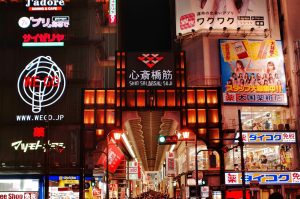
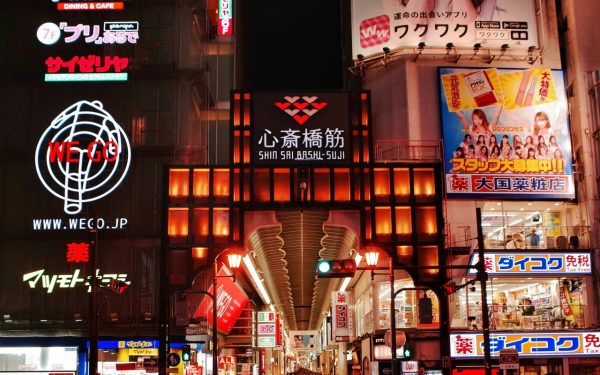
From Kuromon, walk or ride north-west into Shinsaibashi, where the covered shopping arcade gives the day a lighter, more flexible middle stretch.
Even if you are not a serious shopper, this is useful territory for cosmetics, sneakers, omiyage, and the sort of practical items travellers always realise they need after day one.
Give it an hour or two, browse without urgency, and let the arcade pull you gradually toward the southern core of the city.
Evening: Ramen, Canal Walks, and Dotonbori After Dark
By early evening, drift into the Dotonbori district through Namba and settle in for dinner before the full nighttime crush peaks.
Hanamaruken Namba Houzenji is a strong first-night pick, with ramen in the ¥1,000 to ¥1,500 range and a signature slow-cooked pork rib that lands somewhere between comfort food and theatre.
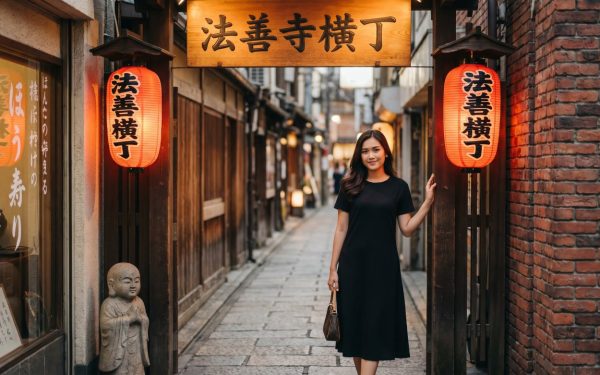
It is also close to Hozenji Yokocho, which gives you a quieter, lantern-lit counterpoint to the noise outside.
Once you have eaten, Dotonbori becomes less of a checklist sight and more of a mood.
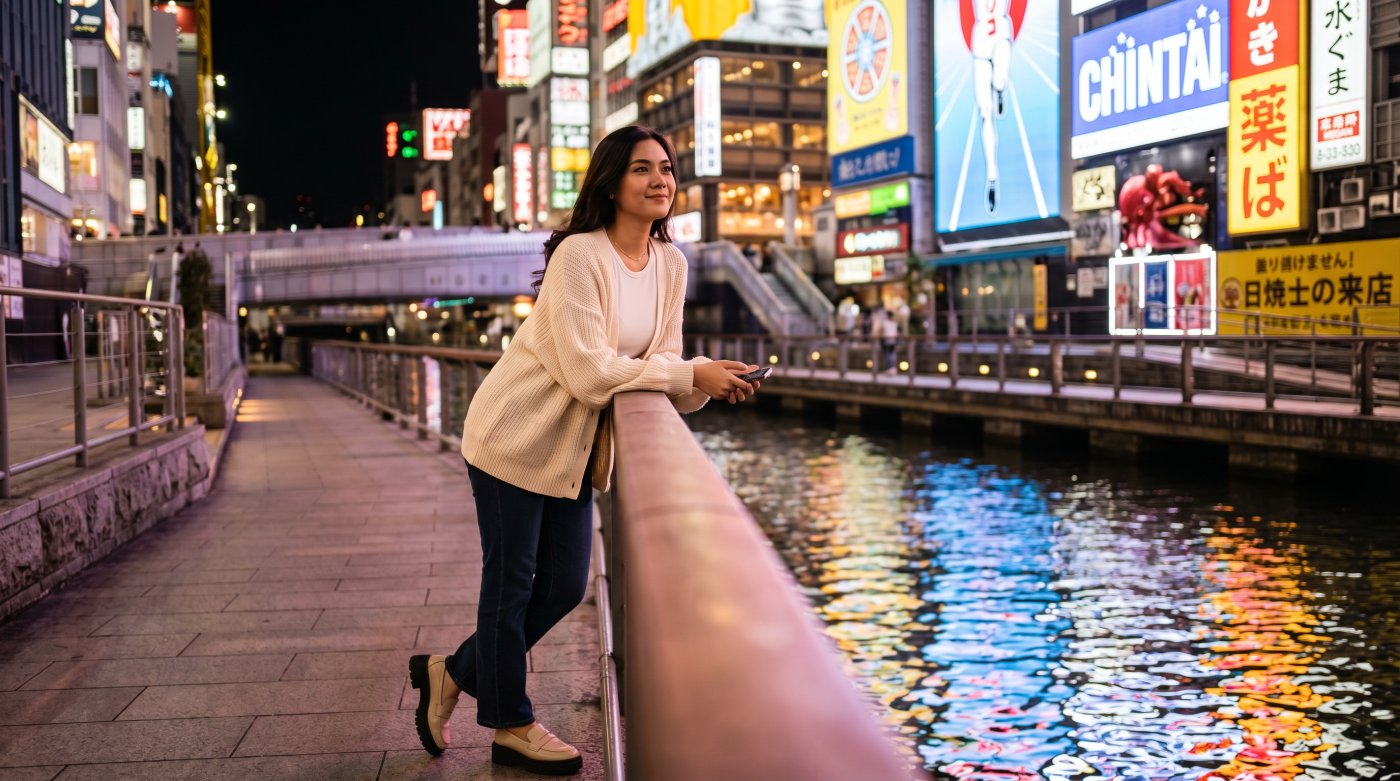
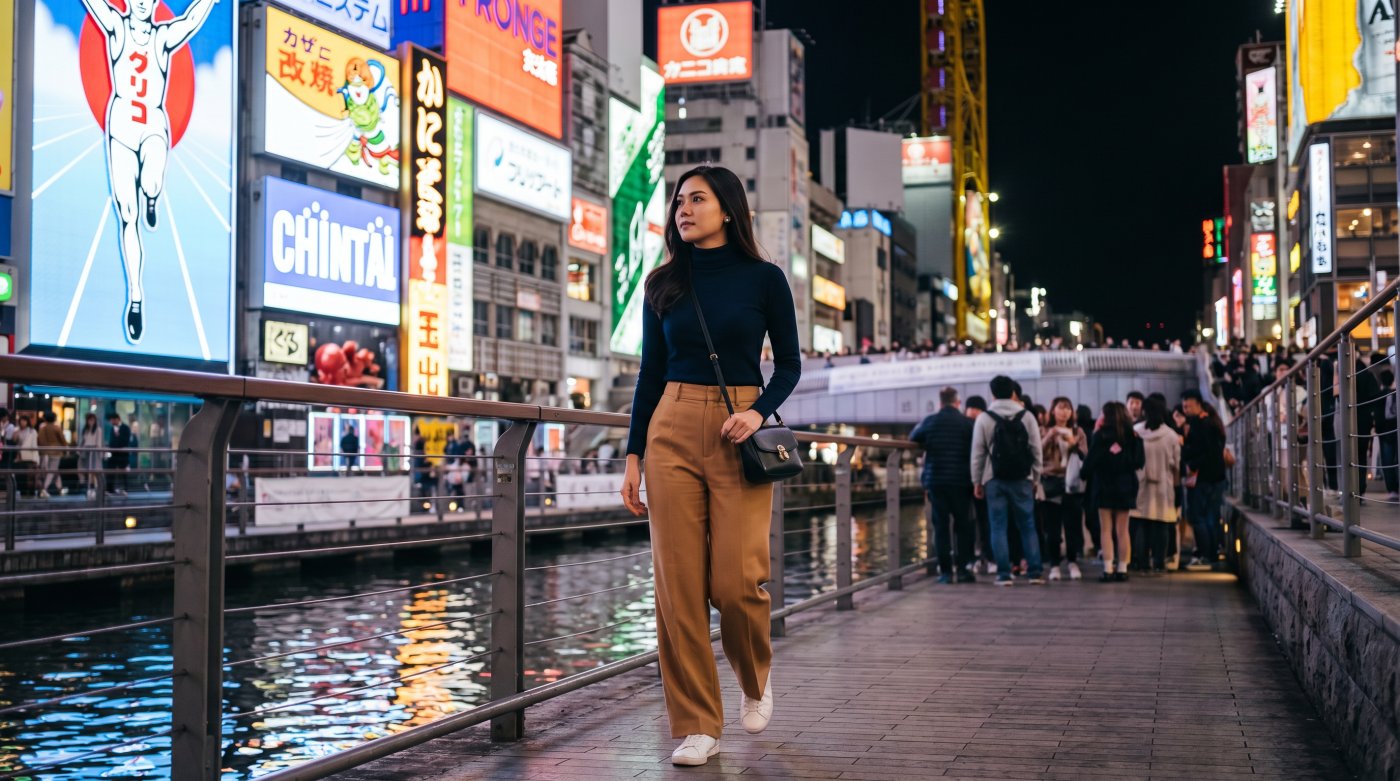
Walk the canal, pause on Ebisubashi Bridge, watch the animated signs flicker across the water, and accept that yes, the giant crab really is that ridiculous in person.
If you still want one more bite, Takoya Dotonbori Kukuru’s takoyaki is about ¥980 for a tray, and it does exactly what you want late in the evening, which is to be hot, soft, messy, and worth the shirt risk.
If you are staying in Namba, this is the easiest possible end to a first day in Osaka.
You can keep walking, stop for a drink, or head back to your hotel on foot instead of figuring out one last train when your legs are finished.
Small mercy, big impact.
Day 2: Skyline Views, Smart Shopping, and Old-Lane Calm
The second day shifts north and feels cleaner in shape.
You begin in Umeda with one of Osaka’s best city views, eat lunch in the station maze where office workers actually eat, then come back south for fashion, side streets, and a calmer kind of evening in the same general area you explored last night.
It is a good day for people who like contrast, because the glass-and-steel business district up north gives way to more personal, street-level Osaka by mid-afternoon.
Morning: Umeda from Above
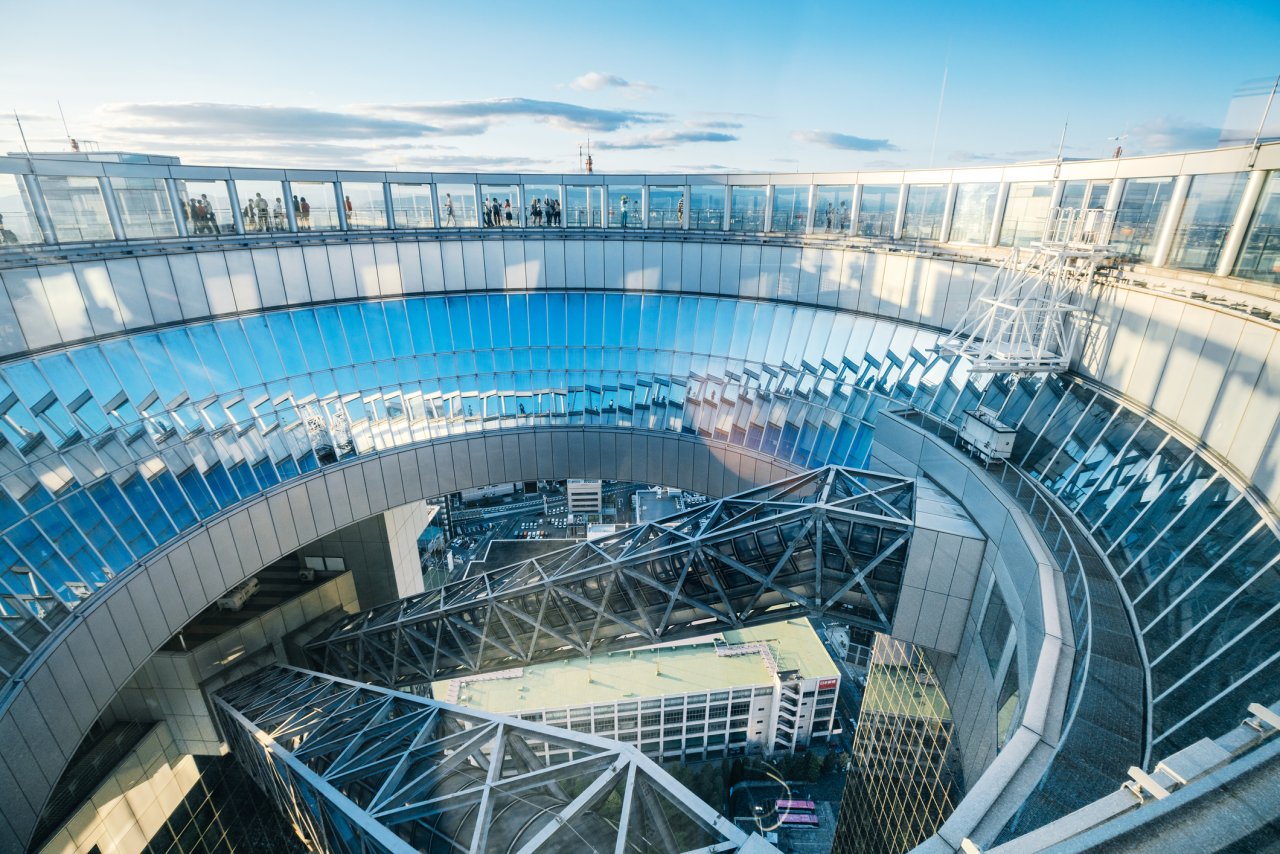
Take the Midosuji Line to Umeda in the morning and treat the station itself as part of the experience rather than an obstacle.
Umeda’s underground passages are sprawling, but once you break out at street level and walk about ten minutes to the Umeda Sky Building, the route makes sense.
Start a little later than Day 1 if you want, because the observatory opens at 9:30 AM and still feels pleasantly calm in the first hour.
The Kuchu Teien Observatory costs ¥2,000 per adult and is covered by the Amazing Pass, which immediately makes that ticket feel better.
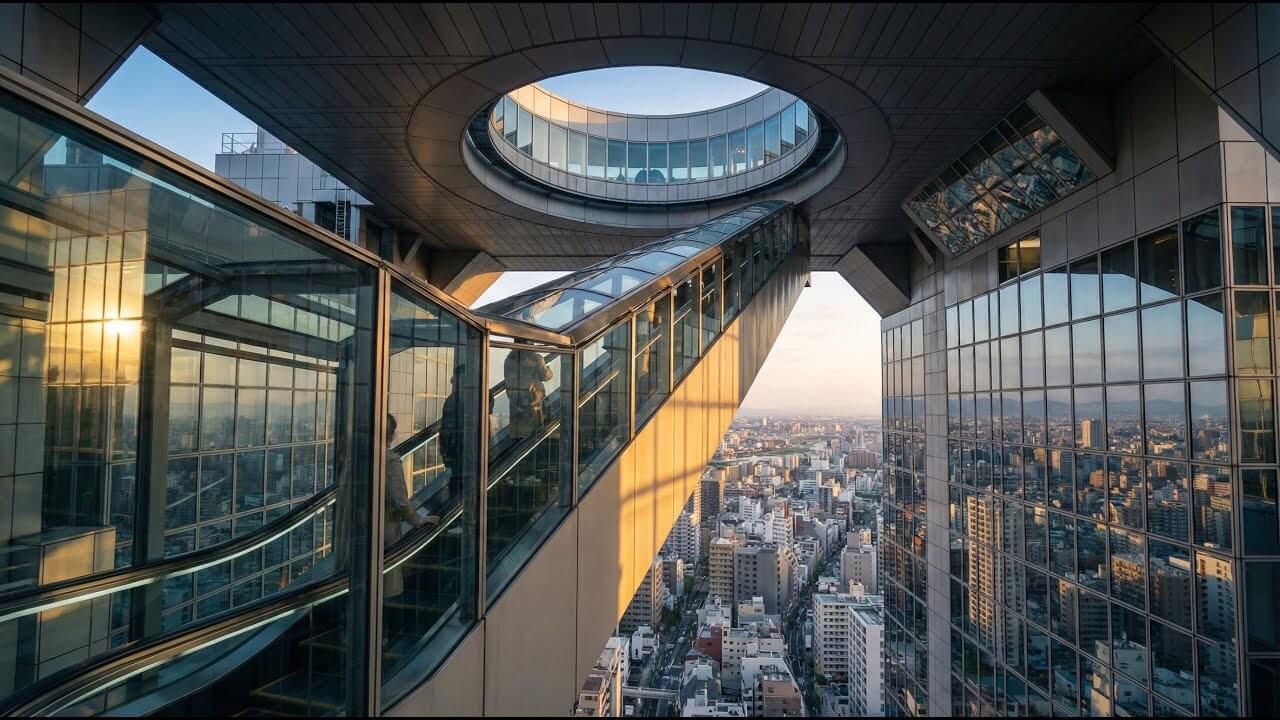
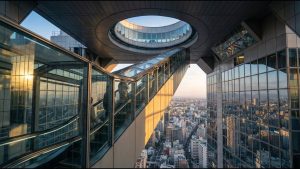
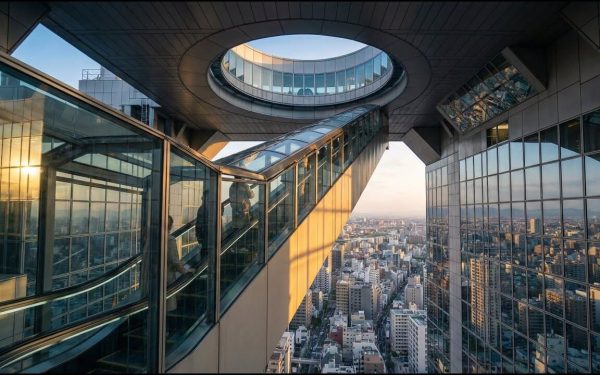
The building’s connecting escalator tunnel still has a slightly retro-futurist look, and the rooftop deck delivers the kind of full-basin city view that helps first-timers understand Osaka’s scale in one sweep.
If you have clear weather, spend real time here rather than grabbing a quick photo and leaving, because this is one of the rare places where standing still actually is the activity.
Keep an eye on the clock, because the observatory stays open until 10:30 PM with last admission at 10:00 PM, but you do not need to save it for sunset to justify the stop.
Morning works beautifully when the light is cleaner and the crowds are lighter.
You can always come back another trip for a dusk version if you get addicted to rooftops, which happens.
Afternoon: Station Lunch and Amerikamura Wandering
Lunch in Umeda is best handled underground.
The food halls and restaurant corridors around Whity Umeda and Diamor Osaka are full of reliable counters serving teishoku sets, tonkatsu, curry, and noodle lunches in the ¥900 to ¥1,500 range, and they do not require a social media trend cycle to be good.
This is exactly the kind of mid-range meal slot Osaka does well, satisfying, efficient, and usually far better than whatever sits beside a major landmark.
After lunch, hop back on the Midosuji Line to Shinsaibashi, a ride of about ten minutes from Umeda, then walk into Amerikamura.
This pocket west of the arcade is where vintage shops, streetwear, record stores, and a rotating cast of stylish people collide in a way that feels loose rather than polished.
Triangle Park sits in the middle like an urban pause button, and it is worth stopping there for ten minutes just to watch the neighbourhood doing its thing.
This part of the day is intentionally open-ended.
Some travellers will spend two hours flipping through vintage racks; others will get what they need in forty minutes and move on.
Either approach is fine.
The point is to give you a slice of modern, youth-driven Osaka that feels nothing like the castle or the corporate heft of Umeda.
Evening: A Quiet Lane and Proper Okonomiyaki
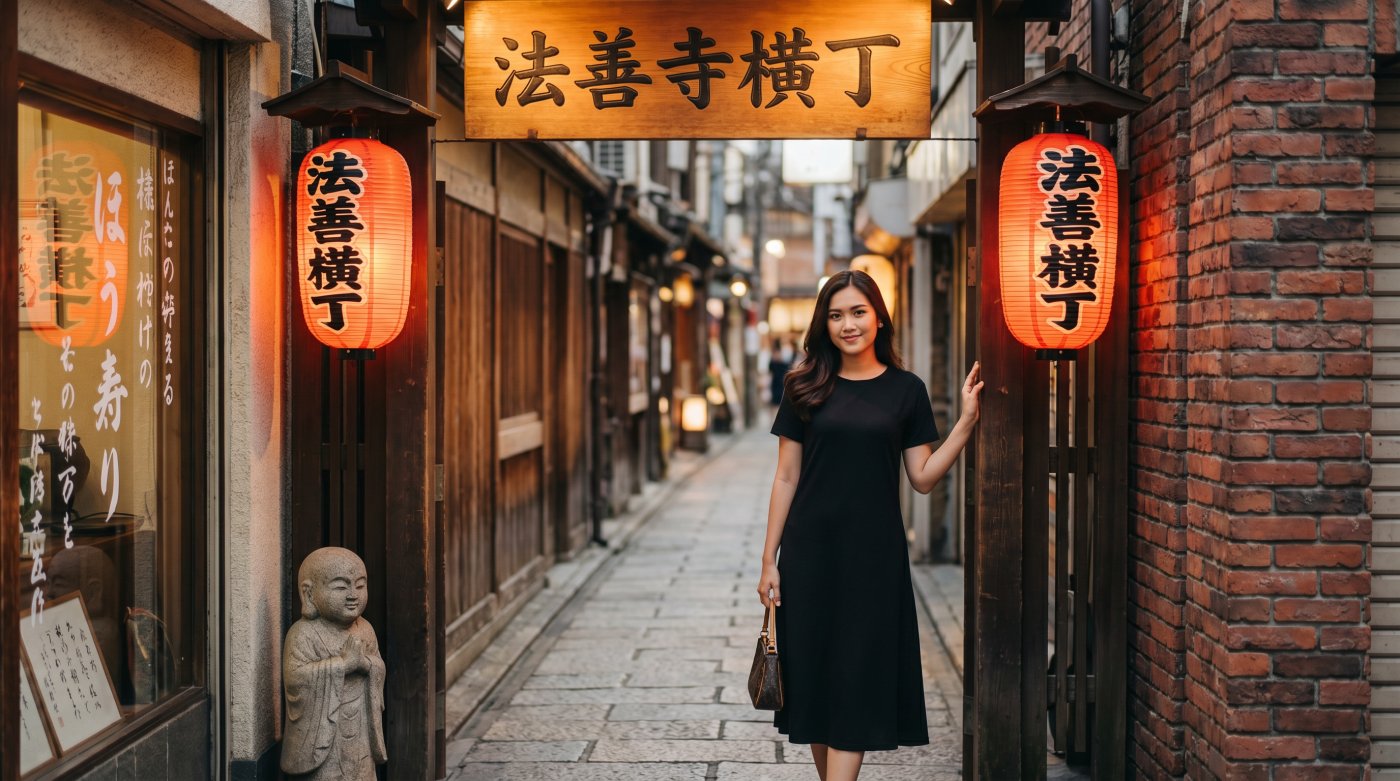
Before dinner, step back into Hozenji Yokocho if you skipped it last night, or give it more time if you did not.
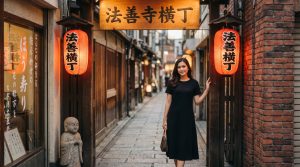
The stone paving, small restaurant fronts, and moss-covered Fudo Myo-o statue at Hozenji Temple create a pocket of stillness that lands well after the brighter, louder feel of Amerikamura and Dotonbori.
Around 4:00 PM to 5:00 PM, it is especially good, because the area has energy but not yet a full crush.
For dinner, Mizuno is one of the most dependable okonomiyaki addresses in central Osaka, with mains in the ¥1,200 to ¥2,000 range depending on what you add.
It has been cooking on Dotonbori since 1945, and the yamaimo-laced batter gives the pancake a lighter texture than the heavier versions many visitors expect.
If you hate queues, aim for opening time or go later in the evening, because weekend lines start building from around 5:30 PM and can become a full test of character.
You do not need a huge after-dinner plan tonight.
Walk the canal again if you want the lights, or slip back toward Namba through smaller lanes and call it early.
Day 3 still has ground to cover, and Osaka rewards travellers who know when to sit down.
Day 3: Retro Osaka and a Bayfront Finish
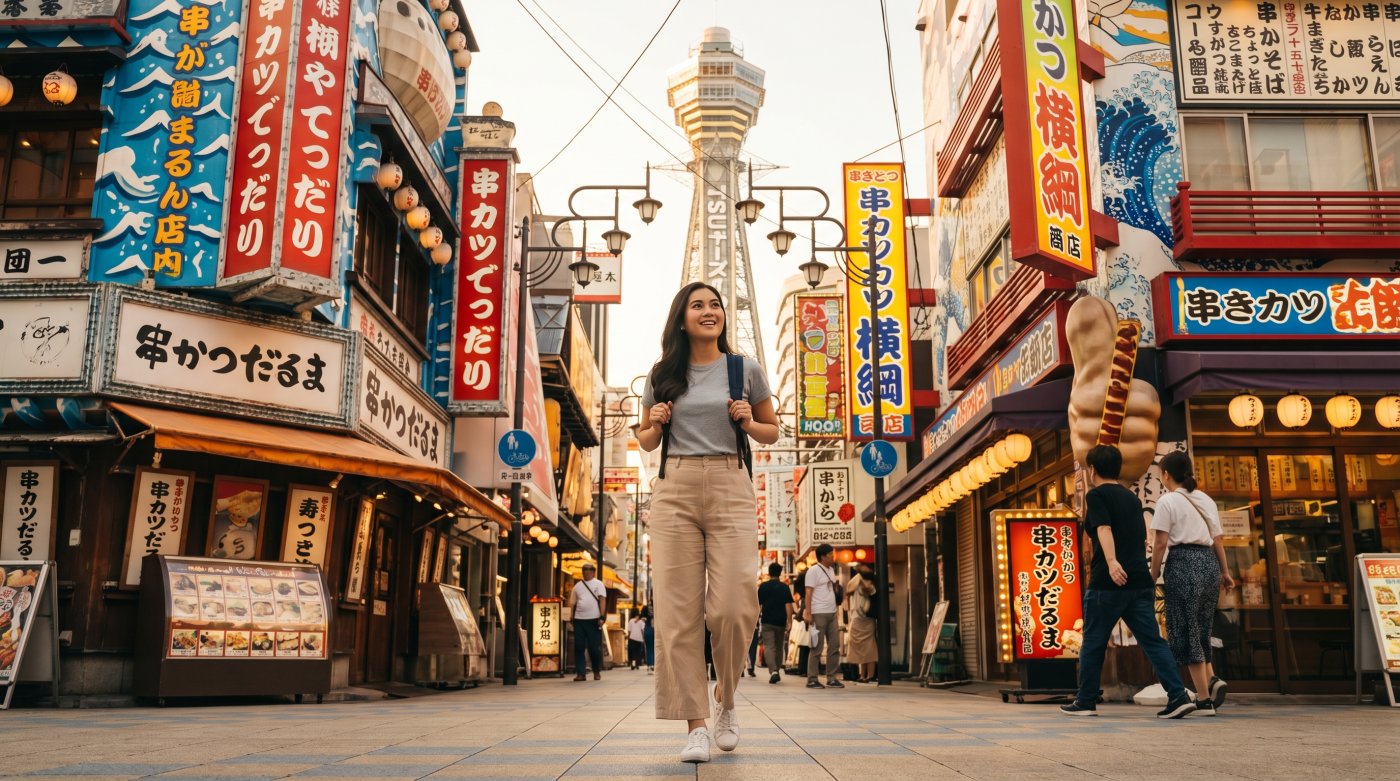
Your final day begins in older-feeling south Osaka and ends out by the water, which gives the trip a satisfying sense of range.
This is the day where the city shows off its rougher, more playful side in Shinsekai, then lets you decompress by Osaka Bay with open views and a slower pace.
It is the easiest day to trim if you wake up tired, but done in full, it rounds out the itinerary beautifully.
Morning: Shinsekai Streets and Tsutenkaku
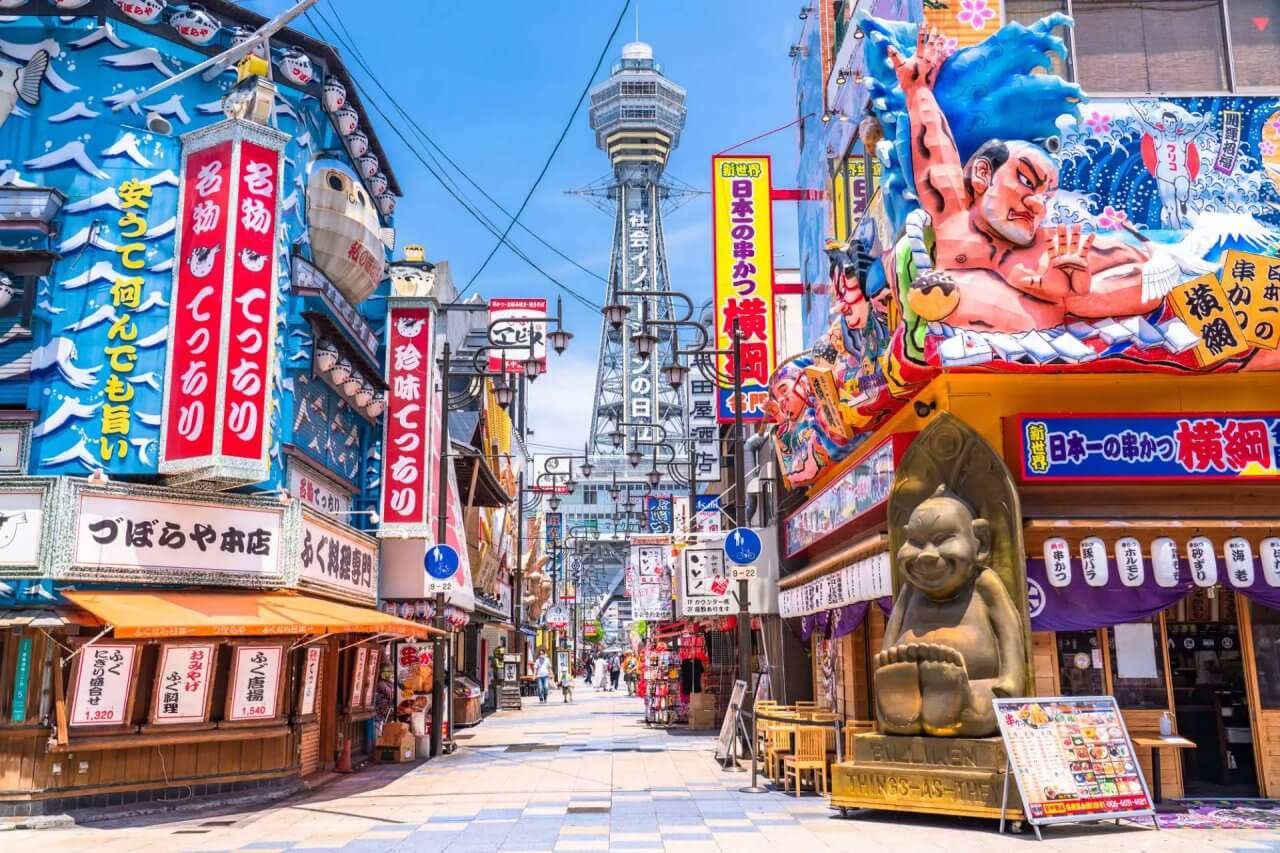
Take the Sakaisuji Line to Ebisucho Station and step straight into Shinsekai, one of the parts of Osaka that still feels proudly odd in the best way.
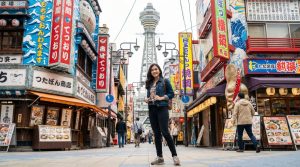
Old signage, game arcades, Billiken statues, and showy restaurant fronts give the area a slightly frozen-in-time look, as if the neighbourhood collectively agreed that modern minimalism was a terrible idea.
Arriving around 9:30 AM lets you walk the streets before the lunch crowd and after the commuters have disappeared.
Tsutenkaku Tower opens at 10:00 AM, and standard admission is ¥1,000 per adult.
It is covered by the Amazing Pass, which helps because the visit is short but very worthwhile for the atmosphere as much as the view.
You ride up to the observation deck, look out across the city grid, and inevitably end up face to face with Billiken, the luck-bringing figure whose feet people rub with the seriousness usually reserved for financial planning.
Keep this section of the day loose enough for wandering.
Shinsekai is not a place you should treat like a museum corridor where every minute needs assignment.
Walk, look, pause under the tower, and let the district’s slightly scruffy charm do its job.
Afternoon: Kushikatsu and the Ride to Osaka Bay
Kushikatsu Daruma Shinsekai is the obvious lunch stop for a reason.
A proper meal here usually lands around ¥1,500 to ¥2,500 per person depending on how ambitious you get with skewers, and the counter setup with shared sauce is part of the ritual.
Beef, prawn, lotus root, and cheese are all reliable picks, and yes, the no-double-dipping rule is real, not a cute bit of branding cooked up for tourists.
After lunch, make your way toward the Chuo Line and head for Osaka Bay.
The metro journey takes roughly 25 to 30 minutes depending on your connection, which is long enough to rest your feet and short enough not to feel like half the day has vanished.
It is a smart placement for the bay because you are moving from dense, visual Osaka into something broader and airier at exactly the point your energy usually dips.
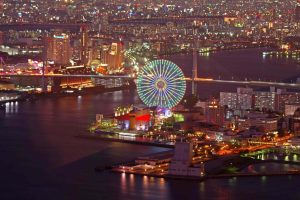
The Tempozan Giant Ferris Wheel costs ¥1,000 and is also covered by the Amazing Pass.
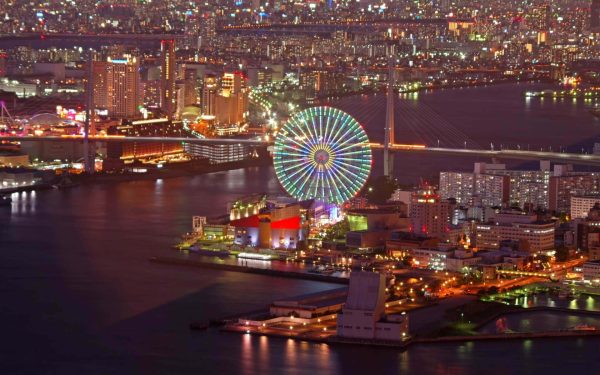
One full rotation takes about 15 minutes, and on a clear day the views stretch over Osaka Bay toward the Akashi Kaikyo Bridge.
If you end up in one of the transparent-floor cabins, you will find out quite quickly how confident you really are about heights.
It stays open until 9:00 PM on weekdays and 10:00 PM on weekends and holidays, with final boarding 15 minutes before closing, so there is room to move this later if the weather looks better in the evening.
Evening: Waterfront Breathing Room and a Final Meal in Namba
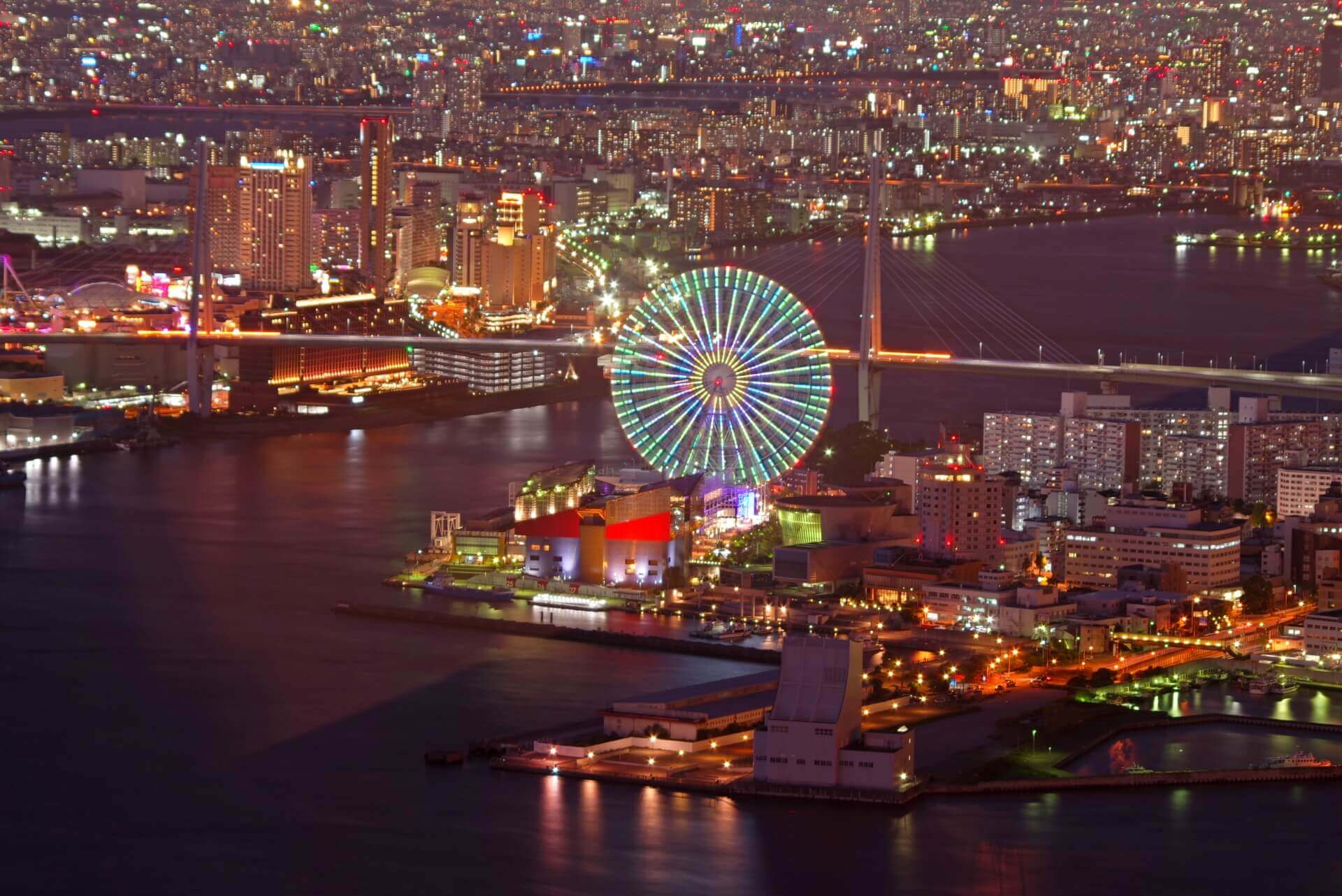
After the Ferris wheel, spend a little time around the waterfront plaza instead of rushing straight back.
This is one of the few points in the itinerary where simply sitting down and looking out counts as a valid use of your time.
If you want to expand the afternoon, Osaka Aquarium Kaiyukan is right here and makes an excellent add-on, though it is not required for the itinerary to feel finished.
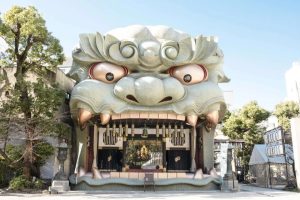
When you are ready, return to Namba for one last dinner in the back streets around Namba Yasaka Shrine.
Budget about ¥2,000 to ¥3,500 per person for a casual izakaya meal with small plates, skewers, egg dishes, tofu, and a drink.
This final dinner works well because it feels more local and more relaxed than a third straight night directly on the Dotonbori strip, and by now you have earned something slower.
If you are extending your stay after this, you can branch out from here into different Osaka trip itineraries without repeating too much of what you have already seen.
If you are flying out the next morning, you have ended in a part of the city that still gives you easy access to transport, food, and one last late-night walk if you are not ready to say goodbye.
How Much Will This Itinerary Cost?
A realistic all-in budget for this route is ¥36,000 to ¥60,000 total per person over three days, not including flights and hotel.
That range comes from the research itinerary itself and assumes a mid-range travel style, meaning you are paying for the main attractions, eating well without chasing luxury restaurants, using city transport normally, and leaving space for snacks, shopping, and the small costs that always appear.
Your actual number will tilt lower if you keep shopping modest and use metro day passes smartly, or higher if every market snack turns into a full seafood feast.
Transport
Transport on this itinerary runs about ¥3,000 to ¥5,000 in total.
That covers regular Osaka Metro rides across the three days, plus the option of using one or two day passes when the schedule is transit-heavy.
Day 1 and Day 3 are the strongest candidates for a pass because you are crossing multiple districts, while Day 2 can go either way depending on how long you stay in Umeda and whether you walk much of the central south stretch.
Attractions
Expect attraction costs of about ¥8,000 to ¥12,000 across the trip.
The main paid stops are Osaka Castle Main Tower at ¥1,200, Osaka Museum of History at ¥600, Umeda Sky Building Kuchu Teien Observatory at ¥2,000, Tsutenkaku Tower at ¥1,000, and the Tempozan Giant Ferris Wheel at ¥1,000.
Several of those are Amazing Pass-eligible, so if you group them sensibly, the pass can save you a decent chunk rather than just making you feel organised.
Food
Food lands around ¥12,000 to ¥18,000 over three days, which is very reasonable for Osaka if you mix sit-down meals with market grazing.
A typical day here might look like a ¥900 to ¥1,500 lunch, a ¥1,200 to ¥3,500 dinner, plus snacks from Kuromon or Dotonbori that quietly add another ¥1,000 to ¥2,000.
This is why Osaka can feel cheap and expensive at the same time, because street food is affordable until you accidentally eat six separate things.
Shopping and Extras
Shopping is the least fixed part of the budget, which is why the itinerary allows ¥6,000 to ¥15,000 for purchases and another ¥2,000 to ¥4,000 for extras.
Shinsaibashi and Amerikamura can stay very restrained if you are buying only snacks and toiletries, or become much more dangerous if vintage clothing and sneakers are involved.
Add a little buffer for drinks, lockers, convenience store breakfasts, and the small cash-only moments that still crop up around the city.
Total Realistic Budget
Taken together, ¥36,000 to ¥60,000 is an honest target for three enjoyable days in Osaka at a mid-range level.
For many Osaka travellers from Singapore, the US, UK, Australia, or Western Europe, that ends up feeling slightly cheaper than expected once they see how much good food and local transport they can fit into a day.
The city has a reputation for eating well, and for once the reputation is doing useful work.
Tips for This 3-Day Osaka Itinerary For First-Timers
A map will show you where places are, but it will not tell you when they feel best, when they start to clog up, or which small choices make the day smoother.
That is where planning matters.
The details below are the bits that tend to separate a satisfying Osaka trip from one that feels a little more chaotic than it needed to.
Timing matters more than distance on this route.
Osaka Castle is far better right at its 9:00 AM opening, when the grounds are calmer and the upper floors feel manageable rather than packed.
Kuromon also rewards early-ish timing, because many seafood vendors start winding down by mid-afternoon, and Dotonbori only really clicks after dark when the signs hit the canal.
If you only have one evening slot to spend there, make it count.
Money decisions are mostly about not overbuying passes and not sleepwalking into snack inflation.
The Osaka Metro Enjoy Eco Card at ¥820 on weekdays or ¥620 on weekends is excellent on high-movement days, while the Amazing Pass works only if you actually line up enough pass-covered attractions to beat the entry costs.
Food spending is similar.
One proper sit-down meal a day plus market bites is a sweet spot.
Three full restaurant meals daily sounds ambitious on paper and strangely exhausting by night two.
The small practical habits matter too.
Book the Umeda Sky Building online if you want a weekend sunset view.
Use the cabbage at Kushikatsu Daruma instead of double-dipping into the communal sauce unless you want a very brief cultural lesson.
And if your energy dips on Day 3, cut the bay section rather than forcing it, because Shinsekai and Tsutenkaku already give the day a complete shape on their own.
Is This Itinerary Right for You?
This itinerary suits first-timers who want a little bit of everything and are happy to stay in motion for most of the day.
If your ideal city break includes a strong mix of food, street atmosphere, history, and big urban views, it fits very well.
It is also a good match for travellers who like structure but still want enough open pockets to browse shops, pause for snacks, or stop when a side street looks interesting.
It is less suitable if you hate changing neighbourhoods, need long slow mornings, or want deep museum time at every stop.
Families with very young children may want to trim the evening walking and reduce the number of district changes on Day 1.
Travellers focused heavily on luxury dining, anime shopping, or day trips beyond Osaka should treat this as a base model and rework it around their priorities.
For most people visiting Osaka for the first time, though, this is a very solid way to meet the city.
You get the history, the food, the noise, the skyline, the retro weirdness, and the bay, all inside three days that actually make geographic sense.
That is a better outcome than chasing twice as many stops and remembering half as much.
Duration
3 Days
Best For
First-Timers
Budget
Mid-range
Theme
Mixed
Trip Highlights
Transport
- Osaka Metro to Tanimachi 4-chome Station
- Osaka Metro to Nipponbashi Station
- Osaka Metro to Umeda Station
Attraction
- Osaka Castle Main Tower
- Osaka Museum of History
- Dotonbori Canal Evening Walk
Dining
- Kuromon Ichiba Market
- Hanamaruken Namba Houzenji
- Umeda Underground Food Hall
Shopping
- Shinsaibashi Shopping Arcade
- Amerikamura (Amerika Mura)
Itinerary Map
🗾 3-Day Osaka Itinerary: The Complete First-Timer’s Plan (2026)
All
Day 1
Day 2
Day 3
Day-by-Day Itinerary
09:00 AM - 09:30 AM
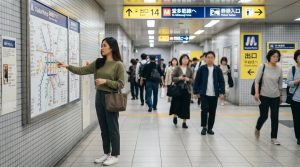
Transport Osaka Metro to Tanimachi 4-chome Station
Take the Tanimachi Line to Tanimachi 4-chome Station, which puts you a short walk from both Osaka Castle Park and the Museum of History. This is your base for the morning, so get here first and orient yourself before the crowds arrive.
09:00 AM - 11:00 AM
Attraction Osaka Castle Main Tower
The eight-story castle tower is a functioning museum inside, tracing the rise and fall of Toyotomi Hideyoshi across well-presented floors of armour, weapons, and paintings. Take the elevator up and walk down, stopping at each floor, then spend the last 20 minutes at the top-floor observation deck before the tour groups start piling in around 10:00 AM.
Last entry is 4:30 PM, but go first thing in the morning to beat the crowds. The surrounding castle park is free to walk through at any time.
11:00 AM - 12:30 PM
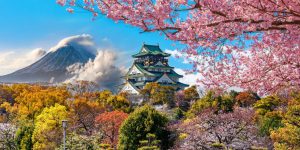
Attraction Osaka Museum of History
Directly across from the castle, this ten-floor museum walks you through Osaka's history from its ancient Naniwa Palace days right up to the modern city, with genuinely good scale models and reproduced ancient streetscapes on the upper floors. The view of Osaka Castle from the windows on the upper floors is one of the better photo spots in the area.
Closed on Tuesdays. Enter by 4:30 PM as the museum closes at 5:00 PM.
12:30 PM - 01:15 PM
Transport Osaka Metro to Nipponbashi Station
From Tanimachi 4-chome, take the Tanimachi Line two stops south to Nipponbashi Station, which drops you right at the entrance to Kuromon Ichiba Market. The ride is about four minutes.
01:15 PM - 02:30 PM
Dining Kuromon Ichiba Market
This covered market stretches about 580 metres and is packed with fresh seafood stalls, butchers, and produce vendors, many of which cook and serve food on the spot. Graze your way through, picking up a scallop on the half shell here, a skewer of wagyu there, and maybe a fresh strawberry daifuku from one of the confectionery shops at the end.
Most seafood vendors close by 3:00-4:00 PM, so arriving between 10:00 AM and 2:00 PM gives you the best selection. Many stalls are cash only.
03:00 PM - 05:00 PM
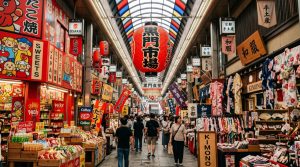
Shopping Shinsaibashi Shopping Arcade
Japan's longest covered shopping arcade runs about 600 metres and mixes mid-range fashion chains like Uniqlo and GU with cosmetics shops, sneaker stores, and the occasional takoyaki stall to keep things interesting. It is genuinely useful for picking up omiyage (souvenir snacks), drugstore beauty products, and anything you forgot to pack.
06:30 PM - 08:00 PM
Dining Hanamaruken Namba Houzenji
This 24-hour ramen shop near Hozenji Yokocho serves a rich, slow-cooked pork bone broth topped with a fall-apart pork rib that makes most other ramen joints look like they gave up halfway. Order the toro kotsu ramen with soft-boiled egg and sit at the counter, which is the correct way to eat ramen in Osaka.
08:00 PM - 09:30 PM
Attraction Dotonbori Canal Evening Walk
Walk the length of the Dotonbori canal from the Ebisubashi bridge and take in the neon-lit pharmacy signs, the rotating Kani Doraku crab, and the Glico running man billboard that has been making people pose for the same photo since 1935. Stop at Takoya Dotonbori Kukuru on the strip for a tray of eight takoyaki with large octopus pieces if you have room left after dinner.
10:00 AM - 11:30 AM
Attraction Umeda Sky Building Kuchu Teien Observatory
The rooftop circular observatory sits between two towers on the 40th floor, open to the sky with views across the entire Osaka plain to the mountains on clear days. The walkway around the outer ring is genuinely thrilling if you have any relationship with heights, and the interior has an escalator tunnel connecting the towers that looks like something from a 1970s science fiction film.
Open 9:30 AM to 10:30 PM, last admission 10:00 PM. Book online in advance for weekends to skip the ticket counter queue. Best visited either in the morning before haze builds or at sunset.
11:30 AM - 12:30 PM
Dining Umeda Underground Food Hall
The basement floors of the Whity Umeda and Diamor Osaka underground mall connect to a sprawling network of lunch counters and casual restaurants, covering everything from Osaka-style okonomiyaki to tonkatsu teishoku sets. The lunchtime sets between 11:30 AM and 2:00 PM typically come with rice, miso soup, and a side dish for around ¥900-1,200, which is solid value by any measure.
01:00 PM - 01:30 PM
Transport Osaka Metro to Shinsaibashi Station
From Umeda, take the Midosuji Line south six stops to Shinsaibashi Station. The ride takes about ten minutes and deposits you directly beneath the covered arcade.
01:30 PM - 03:30 PM
Shopping Amerikamura (Amerika Mura)
A short walk west of Shinsaibashi arcade, Amerikamura is where Osaka's youth fashion scene concentrates, with streets full of vintage clothing stores, streetwear boutiques, record shops, and street art. Triangle Park at the centre is a good place to sit and people-watch for a few minutes before diving into the surrounding side streets, where the more interesting shops tend to hide.
03:30 PM - 05:00 PM
Relaxation Hozenji Yokocho Lane
This narrow stone-paved alley just off Dotonbori is lined with small traditional restaurants and bars, and at one end sits Hozenji Temple, a compact moss-covered shrine where locals stop to pour water over the statue of Fudo Myo-o, leaving him perpetually draped in green. It is one of the quieter pockets in this part of the city, which makes it all the more noticeable at 4 PM when the surrounding streets are already humming.
06:00 PM - 07:30 PM
Dining Mizuno Okonomiyaki
Mizuno has been making Osaka-style okonomiyaki on the same Dotonbori stretch since 1945, and the technique is visible from the counter seats where you can watch the cooks layer batter, cabbage, and seafood on flat iron griddles. Order the yamaimo-iri (with grated mountain yam) version if it is available, which gives the batter a lighter, almost airy texture compared to the standard mix.
Queues form outside from around 5:30 PM on weekends. Arriving at opening time around 11:00 AM or after 7:30 PM usually means a shorter wait.
09:00 AM - 09:30 AM
Transport Osaka Metro to Ebisucho Station
Take the Sakaisuji Line to Ebisucho Station, which puts you at the edge of the Shinsekai district and a five-minute walk from both Tsutenkaku Tower and Kushikatsu Daruma. Get here by 9:30 AM and walk through Shinsekai before the lunch crowd arrives.
09:30 AM - 10:30 AM
Cultural Experience Shinsekai Neighbourhood Walk
Shinsekai was built in 1912 as an entertainment district modelled loosely on Paris and New York, and the retro arcade aesthetic, fugu restaurant signage, and Billiken luck statues in every second shop window make it feel like a time capsule from Showa-era Osaka. Walk the main street north toward Tsutenkaku Tower and poke into a few of the old-school game arcades and souvenir shops before heading to the observation deck.
10:30 AM - 11:30 AM
Attraction Tsutenkaku Tower
Tsutenkaku is Shinsekai's defining landmark, a compact tower with an observation deck at 87.5 metres that gives you clear views south toward Osaka Bay and north over the city grid. Buy your ticket in the basement and ride up, and if you want the full experience, rub the foot of the Billiken statue on the observation deck for good luck, an Osaka ritual that has been going on since the original tower opened.
Open 10:00 AM to 8:00 PM, last admission 7:30 PM. Weekdays are noticeably less crowded than weekends.
11:30 AM - 01:00 PM
Dining Kushikatsu Daruma Shinsekai
The original Kushikatsu Daruma location in Shinsekai is where this dish, deep-fried skewers of meat and vegetables in a thin, crispy panko batter, was effectively popularised, and the counter-seat setup with a shared communal dipping sauce in front of you is the proper way to eat it. Order a mix of beef, prawn, lotus root, and cheese skewers at roughly ¥130-300 per piece, and use the cabbage to scoop extra sauce rather than re-dipping.
Open 11:00 AM to 9:00 PM. The no double-dipping rule is strictly enforced, and the staff will tell you firmly if you forget.
01:30 PM - 02:15 PM
Transport Osaka Metro to Osakako Station
From Shitennoji-mae Yuhigaoka or Namba, transfer onto the Chuo Line heading west toward the bay area and ride to Osakako Station. The journey takes around 25-30 minutes and ends right at the Tempozan Harbour Village complex.
02:15 PM - 03:00 PM
Attraction Tempozan Giant Ferris Wheel
At 112.5 metres high with a 15-minute rotation, this is one of the largest Ferris wheels in Japan and the views on a clear afternoon stretch from Osaka Bay westward to the Akashi Kaikyo Bridge. Some cabins are transparent-floored, which tends to sort people into two very distinct camps within about 30 seconds of departure.
Open 10:00 AM to 10:00 PM on weekends and holidays, 10:00 AM to 9:00 PM on weekdays. Last boarding is 15 minutes before closing.
03:00 PM - 04:30 PM
Relaxation Tempozan Harbour Village Waterfront
The waterfront plaza next to the Ferris wheel is a good place to slow down after three days of solid city movement, with benches facing the bay, a marketplace building with food stalls and shops, and views of container ships passing through the harbour. If you have energy left, the Osaka Aquarium Kaiyukan is right here and is one of the best aquariums in Asia, with a whale shark tank that takes up the full height of the building.
06:30 PM - 08:00 PM
Dining Namba Yasaka Shrine and Surrounding Izakayas
Head back to Namba for a final evening meal at one of the izakayas lining the back streets around Namba Yasaka Shrine, where the crowds thin out and the prices drop compared to the main Dotonbori strip. Order a selection of small dishes, from dashimaki tamago to grilled skewers and cold tofu, with a beer or cold barley tea, which is the correct way to end three days in Osaka.
Budget Breakdown
Estimated Total Cost: ¥36,000-60,000 total JPY
- Attractions
- ¥8,000-12,000
- Meals
- ¥12,000-18,000
- Transport
- ¥3,000-5,000
- Shopping
- ¥6,000-15,000
- Other
- ¥2,000-4,000
Travel Tips
- Buy an Osaka Metro Enjoy Eco Card at any station vending machine for ¥820 on weekdays or ¥620 on weekends. It covers unlimited rides on all Osaka Metro lines and most city buses for one day, and it pays for itself after three or four trips.
- At Kushikatsu Daruma in Shinsekai, the shared dipping sauce is communal, and double-dipping your skewer is genuinely not acceptable. Use the cabbage leaves at your table to scoop extra sauce onto your food instead.
- The Osaka Castle Main Tower gets crowded between 10:00 AM and 2:00 PM. Arriving right at the 9:00 AM opening gives you the upper floors almost to yourself, and the views from the top are noticeably better before the midday haze builds up.
- Dotonbori is best visited in the evening when the neon signs are lit and the canal reflects the lights. Save it for after dinner rather than treating it as a daytime sightseeing stop.
- Kuromon Ichiba Market winds down fast after 2:00 PM, with many seafood vendors packing up by 3:00 PM. Get there by 10:00 AM if you want to eat fresh seafood on a stick and have the pick of what's available.
- Book the Umeda Sky Building Kuchu Teien Observatory online in advance if you're visiting on a weekend or during cherry blossom season (late March to mid-April). Ticket lines at the counter can add 30 to 45 minutes to your visit.
Where to Stay
Air Osaka Hostel
Suminoe-ku Kitakagaya 2-9-19, Osaka 559-0011, Japan
View Hotel →
Akasaka Ryokan
1-7-11 Haginochaya, Nishinari Ward, Osaka 557-0004, Japan
View Hotel →
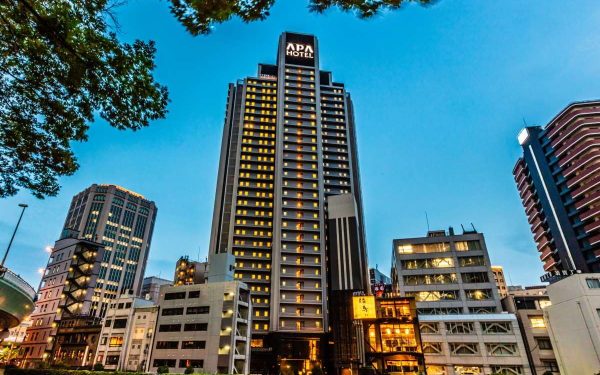
Apa Hotel Osaka Higobashi Ekimae
1-2-1 Tosabori, Nishi-ku, Osaka-shi, Osaka, 550-0001, Japan
View Hotel →
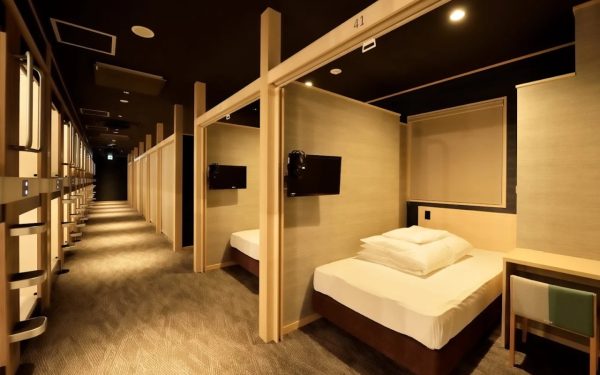
Cabin & Capsule Hotel J-Ship Osaka Namba
2-2-14 Minatomachi, Osaka 556-0017, Japan
View Hotel →
Things to Do
Museum & Gallery
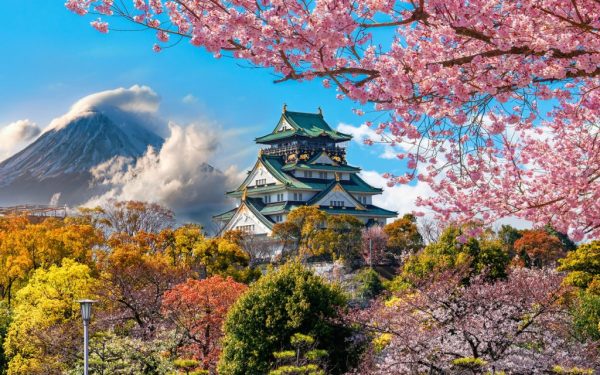
Osaka Castle
Osaka's sixteenth-century fortress and the city's most recognizable historical icon.
Full Guide →
Temple & Shrine
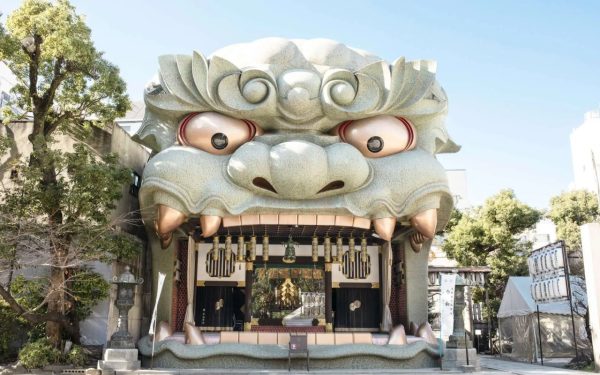
Namba Yasaka Shrine
Osaka's ancient guardian shrine, famous for its colossal lion-head performance stage.
Full Guide →
Shopping & Streets
Kuromon Ichiba Market
Osaka's legendary 580-metre covered food market serving locals and visitors since 1822.
Full Guide →
Temple & Shrine
Hozenji Temple and Hozenji Yokocho
A moss-covered Buddhist temple and Edo-period cobblestone alley in the heart of Namba.
Full Guide →
Shopping & Streets
Shinsaibashi-suji Shopping Arcade
Osaka's iconic 600-metre covered shopping street with over 180 stores.
Full Guide →
Nature & Waterfront
Tempozan Harbor Village
Osaka's bayside entertainment complex where world-class aquarium meets giant Ferris wheel and waterfront dining.
Full Guide →
Cultural Experience
Umeda Sky Building
Osaka's futuristic twin-tower landmark with a dramatic open-air rooftop observatory at 173 metres.
Full Guide →
Where to Eat
Practical Tips
Practical Tips
Best Time to Visit Osaka: Month-by-Month Guide
Read More →

Getting Around
Itami Airport (ITM) to Osaka City: Every Way to Get There
Read More →
Getting Around
Kansai Airport to Osaka: Every Transport Option, Compared
Read More →
Getting Around
Osaka Amazing Pass vs. ICOCA Card: Which One Should You Actually Buy?
Read More →
Getting Around
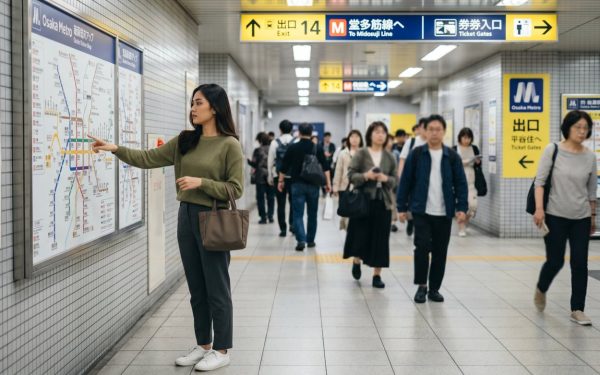
Osaka Metro Guide 2026: Interactive Map, Fares, and How Not to Get Lost
Read More →
Practical Tips
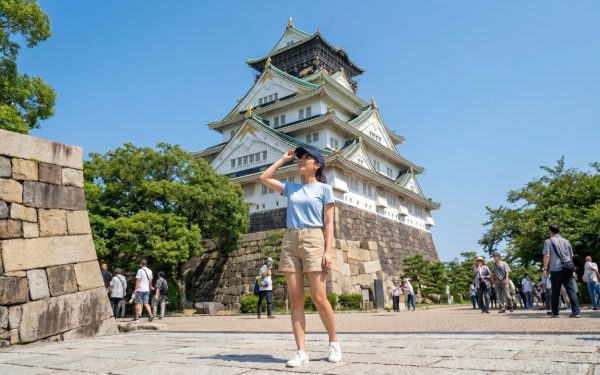
Osaka Travel Budget: How Much Does a Trip to Osaka Actually Cost?
Read More →
FAQs About This Osaka Itinerary
You’re realistically looking at ¥36,000–60,000 for three full days, covering transport, admissions, meals, and a modest amount of shopping.
The wide range comes down to how much you graze at markets versus sit down for full meals, and whether you pick up Osaka Amazing Pass to offset attraction costs.
Stick to the ¥12,000–20,000 per day target by eating one sit-down meal daily and filling the rest with konbini snacks and market food.
No. The current structure dates from 1931 and is a ferroconcrete reconstruction, not the original Toyotomi-era castle.
The original was destroyed during Japan’s feudal conflicts.
The reconstruction is historically detailed and houses a genuine museum, but it is not a surviving historic structure in the way that, for example, Himeji Castle is.
If original castle architecture matters to you, the day trip to Himeji from Osaka is worth adding to your itinerary.
The Umeda Sky Building Kuchu Teien Observatory on Day 2 makes the strongest case, especially if you time it for late afternoon before sunset.
At ¥2,000 per adult, the open-air rooftop deck between the two connected towers gives you a 360-degree view of the entire Osaka basin that no ground-level street or castle window can replicate.
Osaka Castle is historically richer, but the Sky Building is the one most first-timers mention by name when they get home.
It depends on which days you use it. This itinerary includes four attractions currently covered by the pass: Osaka Castle Main Tower (¥1,200), Osaka Museum of History (¥600), Umeda Sky Building Kuchu Teien Observatory (¥2,000), and Tsutenkaku Tower (¥1,000).
That’s ¥4,800 in admissions, and the 2-day pass costs ¥3,600, so you break even as long as you spread your Amazing Pass days across Day 1 and Day 2 or Day 3. The Tempozan Giant Ferris Wheel (¥1,000) is also covered if you add a day.
Day 3 has the most built-in flexibility. Shinsekai and Tsutenkaku wrap up naturally by early afternoon, and skipping the Tempozan bay excursion won’t leave you with a sense of missing something critical.
If you’re running on fumes by Day 3, stay in the Namba and Hozenji Yokocho area for a slow evening meal instead of making the 30-minute metro trip to the bay, and you’ll still finish the trip on a genuinely good note.
While we do our best to provide accurate itinerary details, costs and availability may vary. Always confirm prices and bookings directly with providers. Some links may earn us a small commission at no extra cost to you.