2-Day Osaka Itinerary: The Perfect 48-Hour Plan (2026)
Two days, south to north to bay: the real Osaka arc that covers food markets, castle history, and harbor views for first-timers on a mid-range budget.
2 Days First-Timers Mid-range Mixed
Estimated Total Cost: ¥24,000-36,000 total





Trip Overview
This itinerary is built for first-time visitors to Osaka who want a real cross-section of the city, not just a Dotonbori selfie and a takoyaki.
You get two full days that move with intention: south Osaka’s food markets and neon streets on Day 1, then north and bay on Day 2 where the pace shifts and the crowds thin out.
Mid-range budget means you eat properly at least once a day, skip the tourist traps, and still walk away with change.
The structure is deliberately geographic. Day 1 keeps you in Chuo and Naniwa wards, threading south from Kuromon Market through Dotonbori and down into Shinsekai.
Day 2 swings north to Osaka Castle and Nakanoshima before pushing west to the Bay Area, which most two-day guides completely ignore.
The Osaka Amazing Pass makes Day 2 genuinely smart value if you hit the Aquarium, the Tempozan Ferris Wheel, and the Umeda Sky Building across two days.
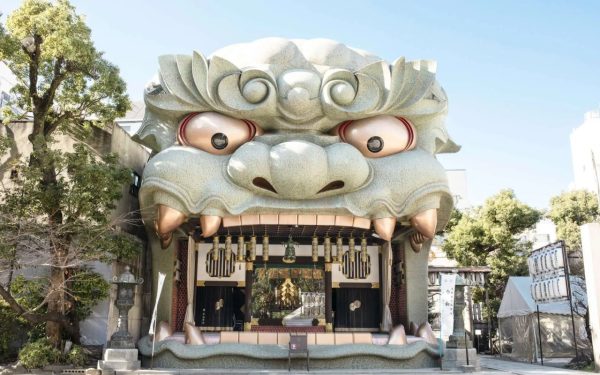
Two moments you’ll likely remember: standing in front of the giant lion-head stage at Namba Yasaka Shrine at night when the lanterns are lit, and watching whale sharks drift overhead in the Pacific Ocean Tank at Kaiyukan.
Neither one requires a reservation or a lucky break, just showing up at the right time.
One honest note on budget: mid-range in Osaka is comfortable but not lavish.
Expect to spend ¥12,000 to ¥18,000 per day once you factor in one sit-down meal, transit, and entry fees.
Street food and konbini meals fill the gaps well, and the Osaka Amazing Pass pays for itself on Day 2 if you use it properly.
48 Hours in Osaka: The Complete First-Timer’s Guide for 2026
If you’re visiting Osaka for the first time and want more than a rushed checklist, this 2-day plan is built for you.
It covers the city’s best food streets, classic history, neon-heavy nightlife, calmer riverside pockets, and a Bay Area detour that most cookie-cutter itineraries skip.
That last part is exactly why this is worth reading over the usual copy-paste Osaka posts that act like the city ends at Dotonbori.
What to Expect from This 2-Day Osaka Itinerary
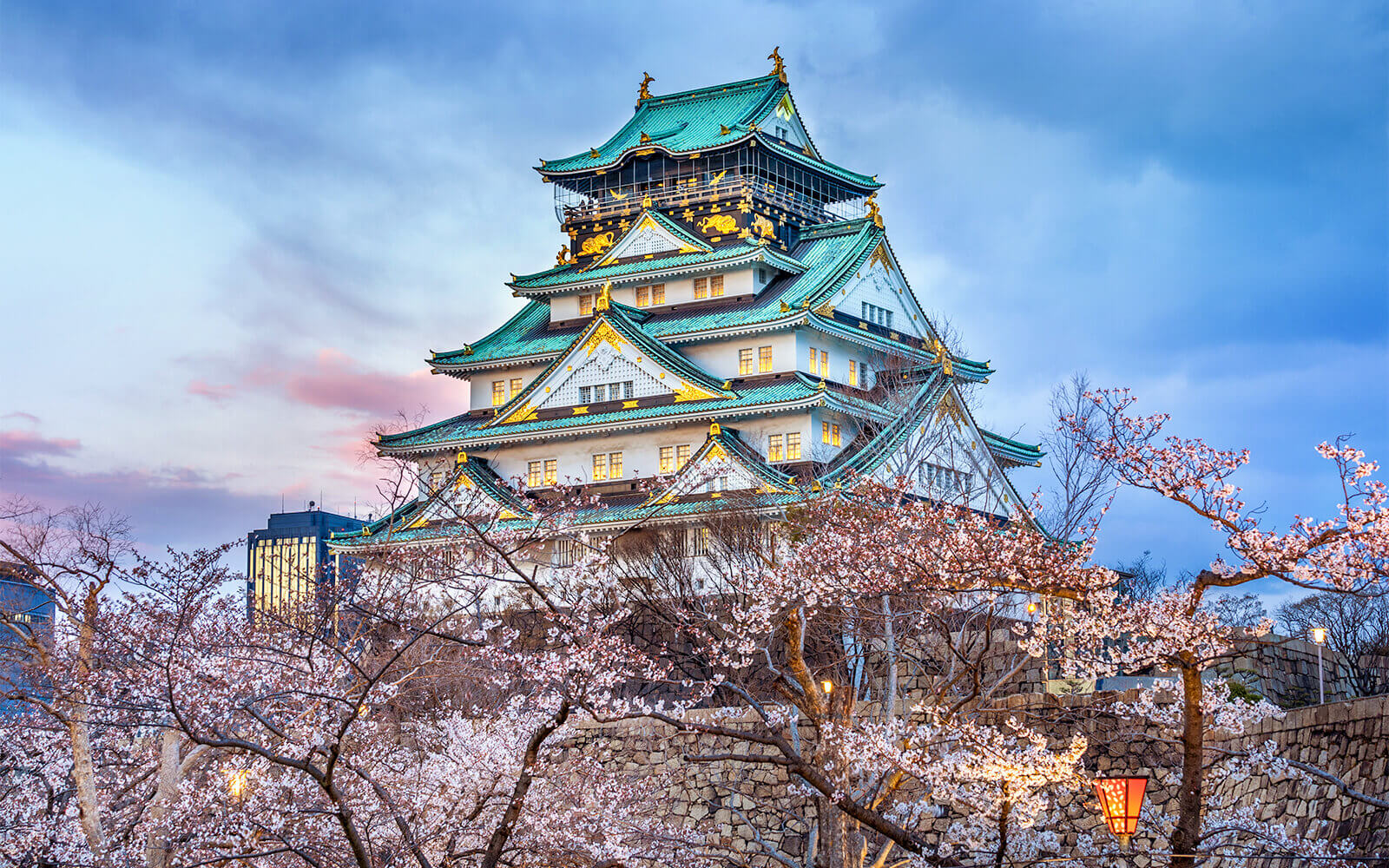
This itinerary is for first-timers with a mid-range budget who want a mixed trip, not two days of temple-hopping and not two days of shopping until their feet file a complaint.
You get food and culture in the south on Day 1, then history, skyline views, and Osaka Bay on Day 2.
It works especially well for solo travelers, couples, and small groups who like walking, eating, and seeing different sides of the city without turning the whole trip into a logistics exam.
The pace is full but manageable.
Most stops sit in logical clusters, and when you do cross the city, the Osaka Metro keeps it simple.
You’re not trying to cram in Universal Studios Japan, every museum, and three side trips before dinner, which is how a lot of 48-hour plans end up reading like a dare.
By the end of these two days, you’ll have eaten in Kuromon and Shinsekai, walked Dotonbori both by day and at night, stood inside Osaka Castle’s history museum, and seen the city from both the harbor and the Umeda skyline.
What this itinerary does not cover is a full shopping binge, a deep nightlife crawl, or half-day detours to Kyoto or Nara.
If that’s your priority, browse the wider Osaka itinerary archive and adjust from there.
Before You Go: Set Yourself Up for Two Smooth Days
A little prep makes this itinerary feel relaxed instead of chaotic.
You’re crossing a few major districts, using the metro often, and mixing free sights with paid attractions, so your hotel base and pass strategy matter more than people like to admit.
Osaka is forgiving, but it still helps to start from the right neighborhood with the right expectations.
Where to Stay: Base Yourself Between Namba and Umeda
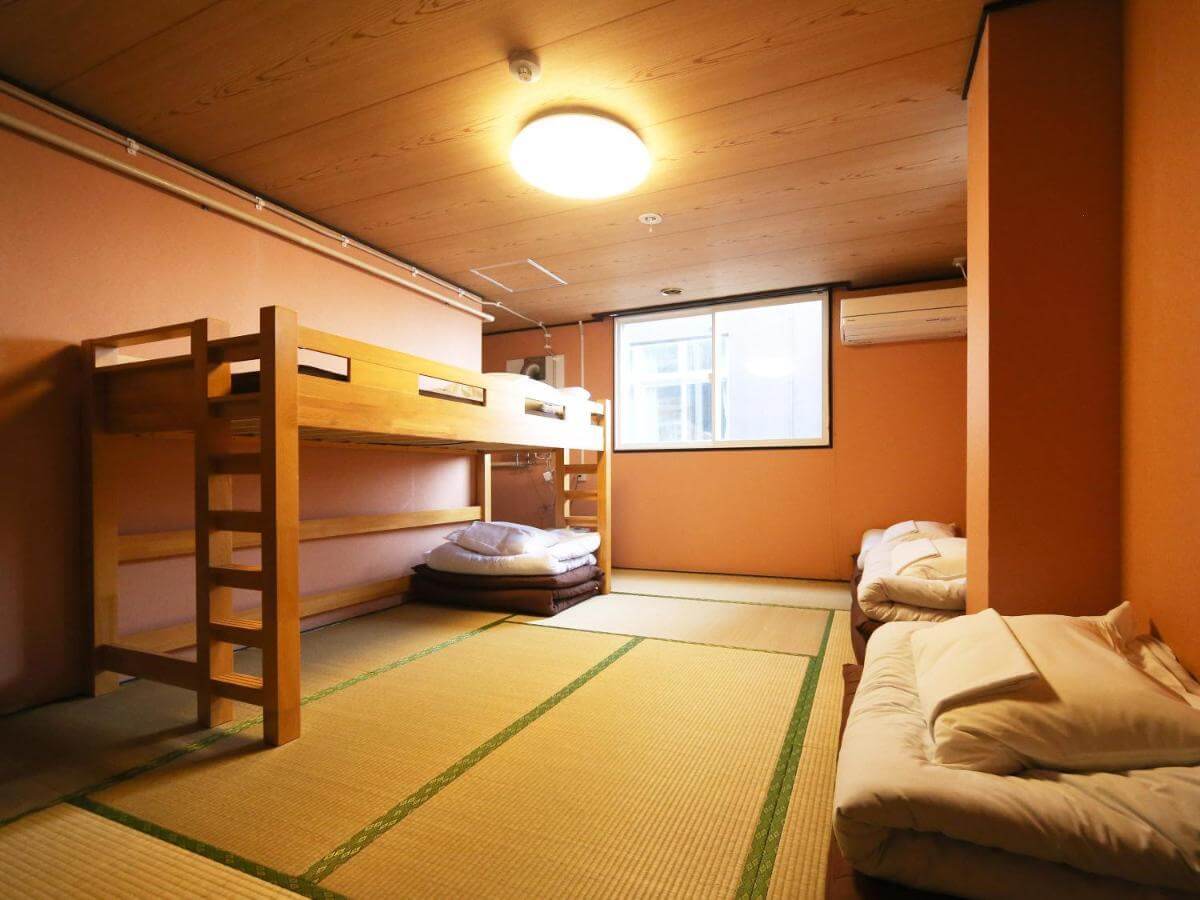
For this specific route, Namba is the strongest base.
Day 1 starts right in south Osaka around Kuromon, Dotonbori, and Shinsekai, and even on Day 2 you can get to Osaka Castle, Osaka Port, and Umeda easily by metro.
If you want the sweet spot between nightlife, food, and station access, the where to stay in Osaka guide breaks down the pros and cons in more detail.
Mid-range travelers should look for hotels in Namba, Shinsaibashi, or the wider Namba area, where rooms usually give you decent comfort without wiping out your meal budget.
Umeda also works if you prefer a cleaner business-district feel and easier airport bus access, but for this itinerary, being closer to the south saves time and lets you wander back after dinner without doing late-night train arithmetic.
Transport Pass: The Osaka Amazing Pass Actually Makes Sense Here
Klook City Pass
Osaka Amazing Pass — the one pass worth buying
Unlimited subway rides plus free entry to 40+ attractions including Osaka Castle, Umeda Sky Building, and the Dotonbori River Cruise. If you're spending more than a day sightseeing, it pays for itself before lunch.
From ¥2,800/ person
Book on Klook This is one of those itineraries where the Osaka Amazing Pass is not just a nice extra, it makes real financial sense.
On Day 1, Tsutenkaku Tower is covered.
On Day 2, Osaka Castle, the Tempozan Giant Ferris Wheel, and Umeda Sky Building are all covered, and you also get unlimited city transport during the pass period.
That is enough value to justify the pass without any heroic effort.
The rough break-even math is pretty friendly.
Tsutenkaku costs ¥1,200, Osaka Castle is ¥1,200, the Ferris wheel is ¥900, and Umeda Sky Building is ¥2,000, which already gives you ¥5,300 in attraction value before counting metro rides.
Add several train trips across two days and the pass starts looking less like a tourist gimmick and more like one rare case where the brochure is not lying.
What to Book in Advance: Save Your Best Time Slots
A few parts of this itinerary are better when you book ahead, even if Osaka often feels more casual than Tokyo.
- Book your Osaka Aquarium Kaiyukan ticket online if you’re visiting on a weekend or holiday, because entry slots can back up and the whale shark crowd waits for no one.
- Reserve your hotel in Namba or Shinsaibashi early if you’re traveling in spring or autumn, because mid-range rooms in the best areas disappear quickly.
- Book a sunset slot for Umeda Sky Building only if you’re visiting during a peak holiday period, otherwise weekday evenings are usually manageable.
- Make restaurant reservations for any famous kushikatsu or okonomiyaki place if eating at prime dinner time matters more to you than spontaneity.
Trip Essentials
Osaka Travel Add-ons
Equip yourself for the ultimate Osaka adventure with the following add-ons, curated just for you.
Flights to Osaka
Powered by Expedia
Airport Transfer
Powered by Klook
ICOCA IC Card
Powered by Klook
Suica IC Card
Powered by Klook
Osaka Tours
Powered by Klook
Luggage Storage
Powered by Radical Storage
Travel Insurance
Powered by VisitorsCoverage
Data Security
Powered by NordVPN

Japan eSIM
Powered by NINJA WiFi
Japan SIM Card
Powered by NINJA WiFi
Pocket WiFi Rental
Powered by NINJA WiFi
Japan eSIM
Powered by Airalo
Osaka Passes
Essential Osaka Travel Passes
Powered by KlookThe passes worth buying before you land — curated for first-timers.
Top Pick
Osaka Amazing Pass
Unlimited subway + free entry to 40+ attractions. The only pass most visitors actually need.
Top Pick
Osaka e-Pass
Attractions-only digital pass. Pair with a Metro Pass if skipping the Amazing Pass.
Transit
Osaka Metro Pass
1 or 2-day unlimited Metro rides. Best standalone transit value if you already have an attractions pass.
Day Trips
JR West Kansai Area Pass
Unlimited JR trains for 1–4 days. Covers Kyoto, Nara, Kobe, and Himeji from Osaka.
Airport
JR Haruka Express
KIX to Umeda/Shin-Osaka in ~50 min. Best if staying in Umeda or heading straight to Kyoto.
Airport
Nankai Rapi:t Express
KIX to Namba in 34 min, reserved seat. Better if staying in Namba or Shinsaibashi.
Day 1: Your First Day Tour in Osaka
Overview
A full sweep of south Osaka from a century-old food market through Dotonbori’s neon chaos and down to the retro street scene of Shinsekai at night.
Day 1 is all about south Osaka, which is exactly where most first-timers fall for the city.
The geography makes sense: you start with food in Kuromon while the market is still active, move through the center of Namba and Dotonbori on foot, then ride one short metro hop down to Shinsekai for a grittier, funnier, more old-school Osaka finish.
Expect a lively day with lots of sensory overload, good snacks, and very little dead time between stops.
Morning: Market Breakfast and Old Osaka Corners
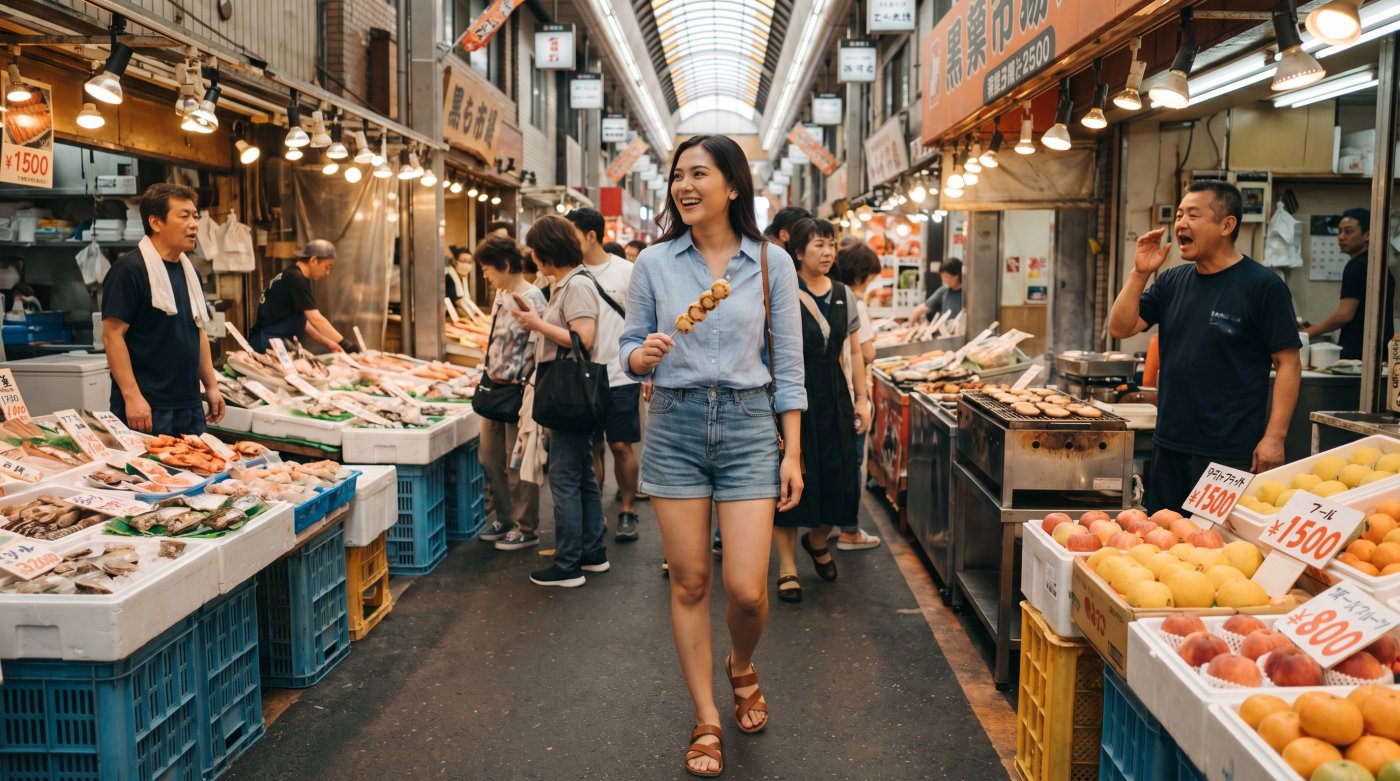
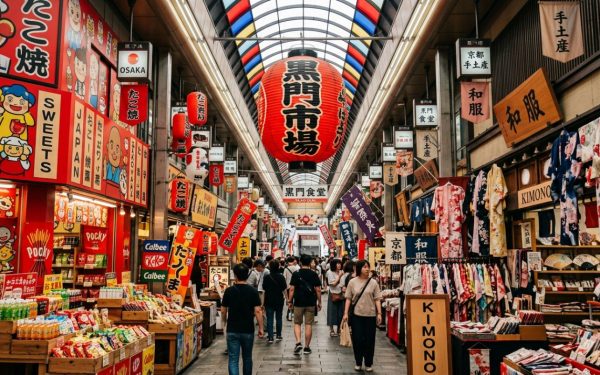
Start at Kuromon Ichiba Market from 9:00 AM to 10:30 AM, when the covered arcade still feels like a real market rather than a photo set with skewers.
Entry is free, and spending around ¥1,000 to ¥1,500 on breakfast-sized bites gets you a pretty great spread of grilled seafood, tamagoyaki, fruit, and whatever else catches your eye.
Arriving later is possible, but a lot of stalls start winding down after 2 PM, which is Osaka’s polite way of telling you that procrastination has consequences.
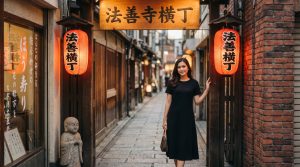
From there, walk toward Hozenji Yokocho Alley and Hozenji Temple between 10:45 AM and noon.
This little lane behind Dotonbori is one of the best palate cleansers in the city, with stone paving, lanterns, and the moss-covered Fudo-Myo-o statue that locals have been splashing with water for years.
It’s free, compact, and a great reminder that Osaka is not only neon signs and frying oil, even if those two things do a lot of heavy lifting.
Afternoon: Dotonbori Lunch and a Quick Shrine Detour
Around noon, settle in for your proper sit-down meal in Dotonbori.
A realistic mid-range lunch here costs about ¥1,200 to ¥2,500 per person, and this is a good time for tonkatsu, okonomiyaki, or another classic Osaka dish that comes as a full meal instead of a skewer in your hand.
If a place has a line of local office workers and a photo menu in the window, that’s usually a better bet than the restaurant yelling the loudest from the street.
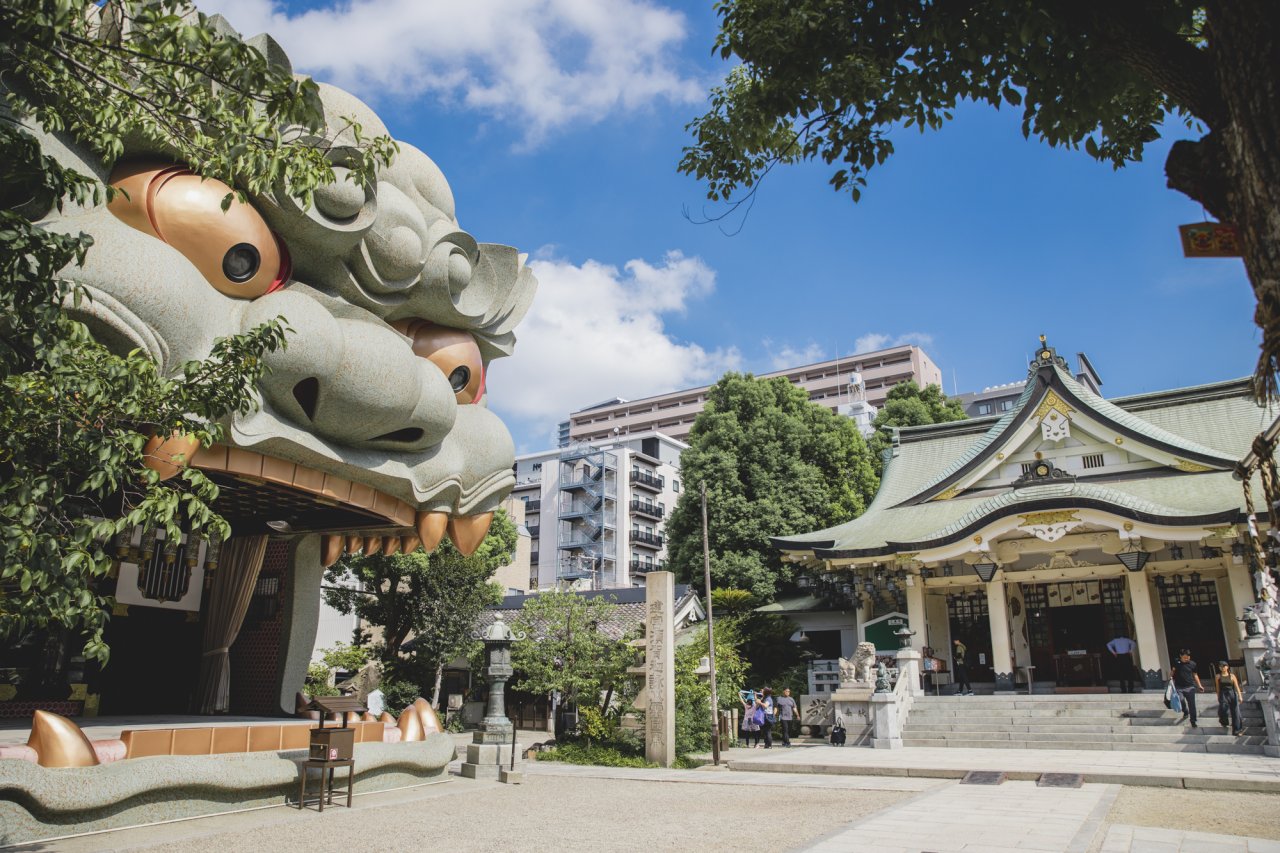
After lunch, make your way to Namba Yasaka Shrine from 1:45 PM to 2:30 PM.
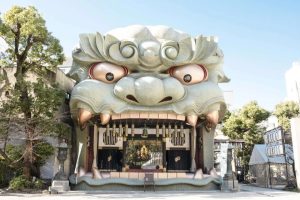
The huge lion-head stage is the reason people come, and yes, it really is that strange and memorable in person.
The shrine grounds are free and open daily from 9 AM to 5 PM, so this is an easy, low-stress stop that gives the day a cultural pause before things get greasy again.
Evening: Shinsekai, Tsutenkaku, and Neon After Dark
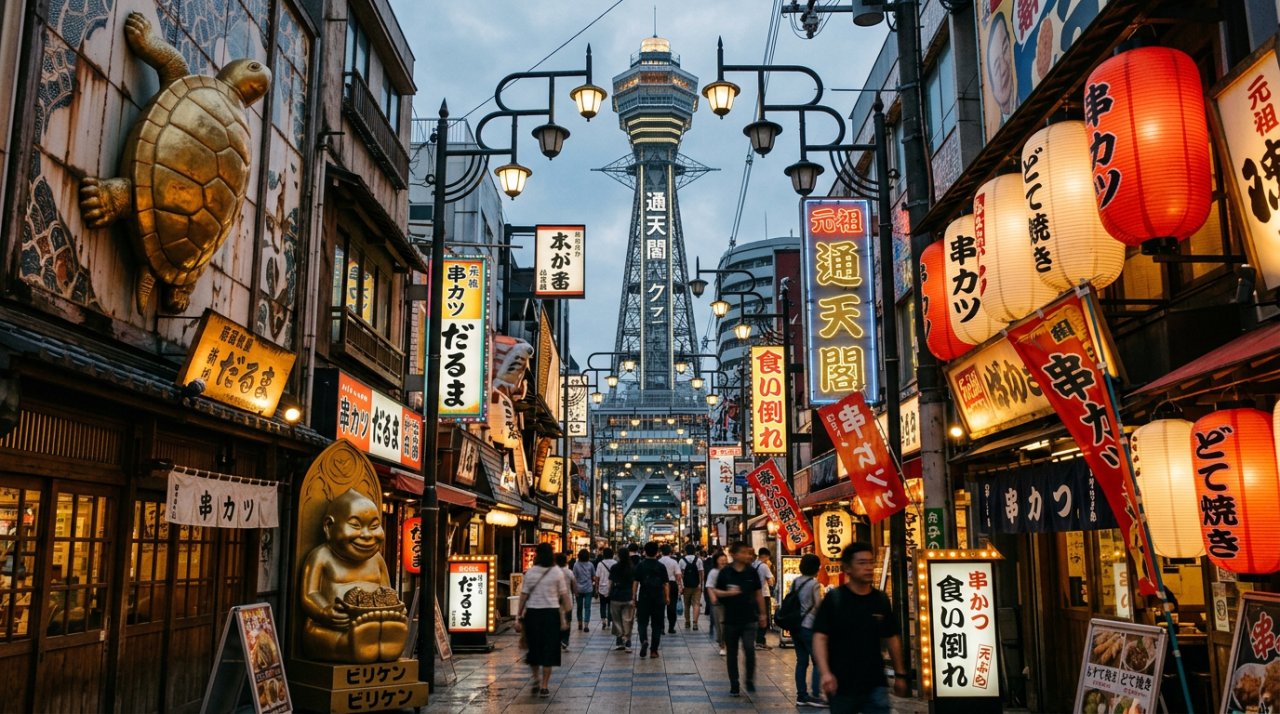
At 2:45 PM, hop on the Midosuji Line from Namba to Dobutsuen-mae.
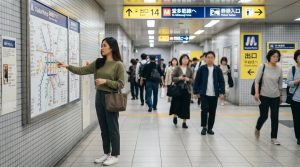
It is only one stop, about three minutes on the train, then roughly a ten-minute walk into Shinsekai, so the metro part of the day stays pleasantly painless.
If you’re using a transport pass, this ride is covered, and even without one you’re only paying ¥190.
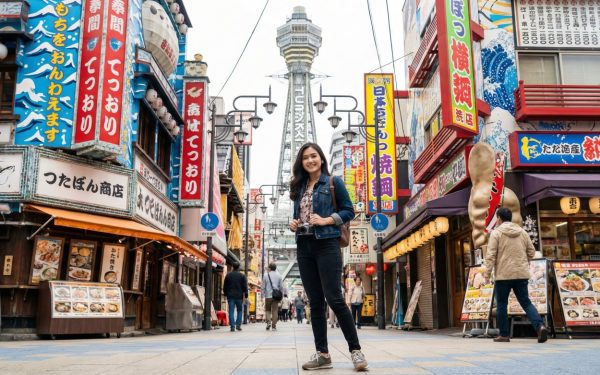
From 3:00 PM to 5:00 PM, explore Shinsekai and ride Tsutenkaku Tower.
The district itself is half retro charm, half cheerful chaos, packed with faded signs, game arcades, and restaurants devoted to kushikatsu.
Tsutenkaku is open from 10 AM to 8 PM, with last entry at 7:30 PM, and adult entry is ¥1,200, though this one is covered by the Amazing Pass, so go ahead and tick it off.
Stay for dinner in Shinsekai from about 6:30 PM to 8:30 PM and make this your classic kushikatsu night.
A proper meal here usually lands around ¥1,500 to ¥2,500 per person, depending on how enthusiastically you order, and the fun is in the variety: meat, lotus root, shrimp, mushrooms, asparagus, all breaded and fried in small rounds.
Many places are cash only, and the no double-dipping rule on the communal sauce is taken far more seriously than some public laws.
If you still have energy, circle back to Dotonbori for an evening walk from 9:00 PM to 10:30 PM.
The stroll is free, a tray of takoyaki costs around ¥500 to ¥700, and the whole canal area looks much better after dark when the signs reflect on the water and the crowds get that slightly unhinged holiday energy.
Head back to your hotel after this, ideally full, slightly tired, and much clearer on why south Osaka dominates so many people’s memory of the city.
Day 2: From the feudal stone walls of Osaka Castle through the riverside calm of Nakanoshima and out to the Bay Area’s world-class aquarium and giant Ferris wheel.
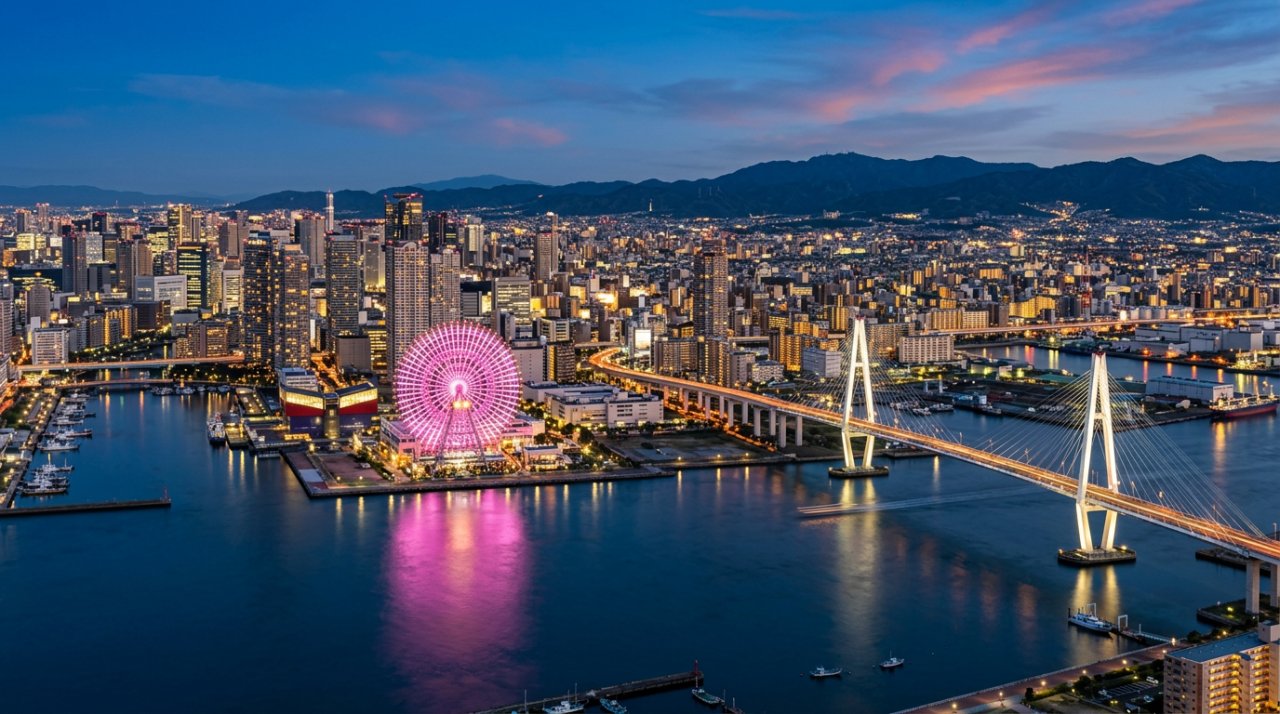
Day 2 changes the rhythm.
You start with Osaka’s headline historical sight, slow down with a riverside walk in Nakanoshima, then head west to Osaka Bay for the aquarium and harbor views before ending high above the city in Umeda.
It is a longer cross-city day, but the sequence keeps backtracking low and gives you a version of Osaka that feels broader than the standard castle-plus-Dotonbori formula.
Morning: Castle History and a Quiet Riverside Walk
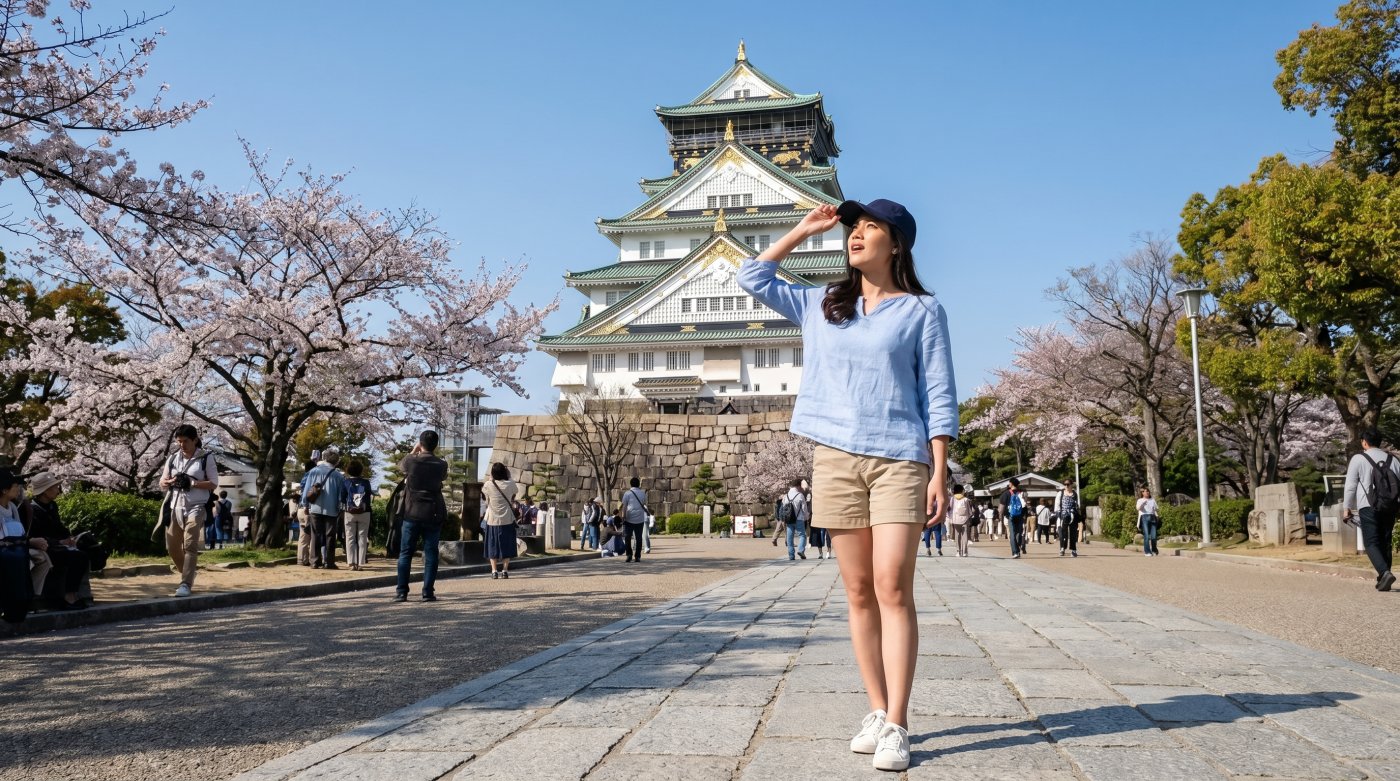
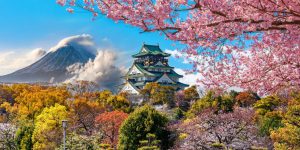
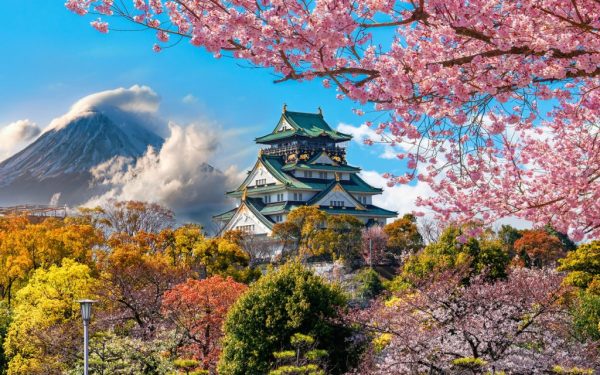
Begin at Osaka Castle from 9:00 AM to 11:00 AM.
The museum inside the main keep takes you through the story of Toyotomi Hideyoshi and Japan’s unification in a way that’s easy to follow even if your samurai knowledge starts and ends with television.
Adult entry is ¥1,200, the surrounding park is free, and this stop is covered by the Amazing Pass, which already makes your pass look smarter than many people’s packing lists.
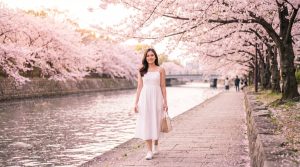
After the castle, shift to Nakanoshima for a riverside walk from 11:15 AM to noon.
This is the soft reset in the itinerary, a quieter strip of central Osaka where the city loosens its collar a little and lets you stroll between the Dojima and Tosabori rivers.
It’s completely free, takes about 20 minutes at an easy pace, and stops the day from becoming one long queue of ticketed sights.
Afternoon: Osaka Bay and the Aquarium That Justifies the Detour
Head west for lunch near Osaka Port from 12:15 PM to 1:00 PM, ideally in Tempozan Marketplace.
Around ¥1,000 to ¥1,800 gets you a decent meal, and eating here keeps the rest of the afternoon tight and efficient because everything is clustered around the harbor.
If you’re curious about how the city spreads beyond the center, the Osaka Bay district is exactly where the skyline starts opening up.
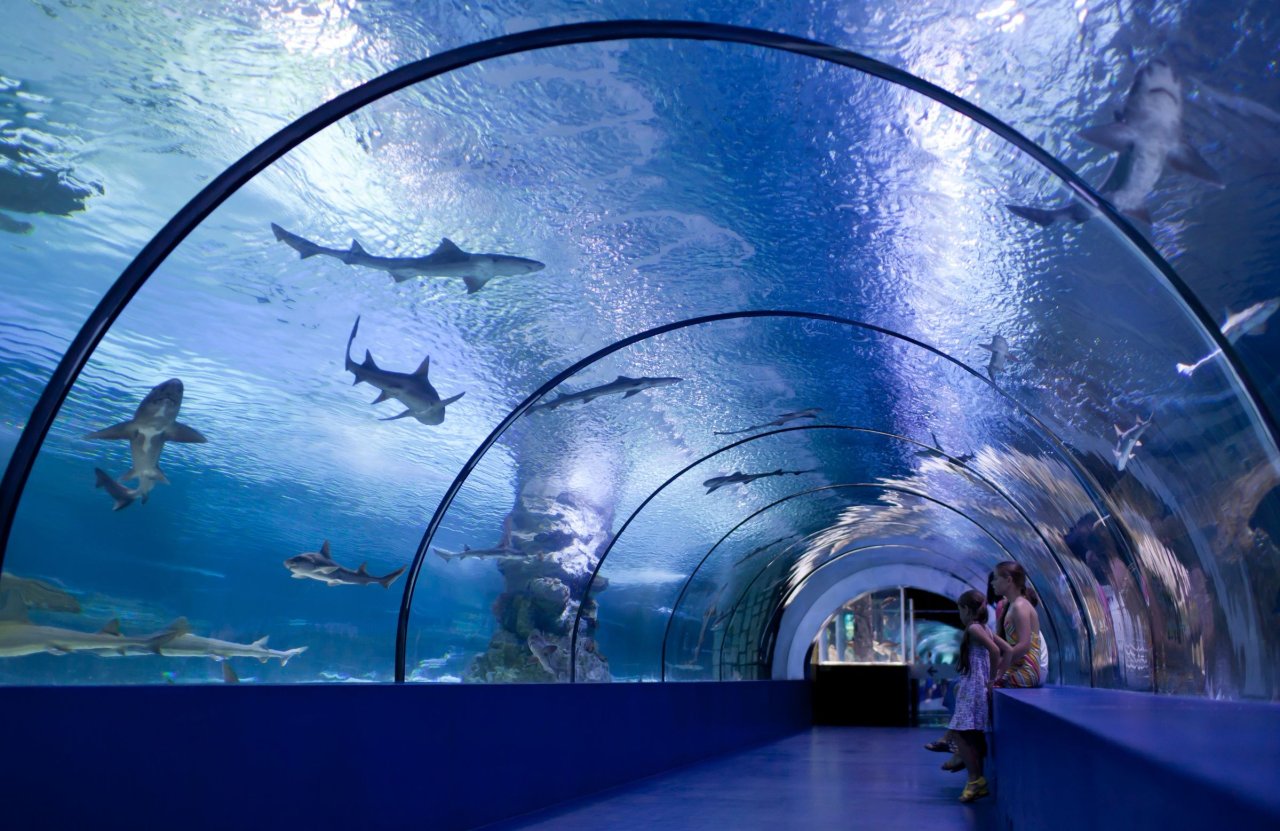
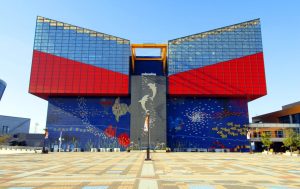
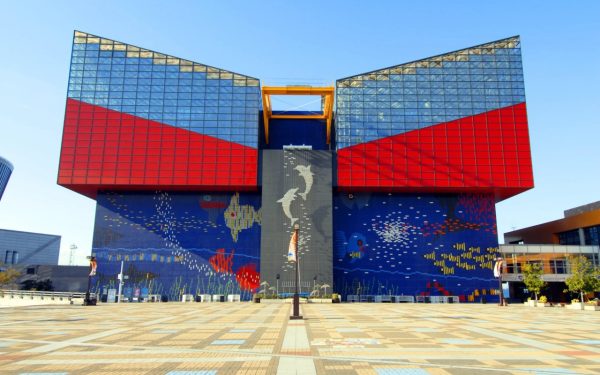
From 1:00 PM to 3:30 PM, visit Osaka Aquarium Kaiyukan, one of the best stops in the city for first-timers and one of the reasons this itinerary stands out a bit.
The aquarium is open from 10 AM to 8 PM, with last entry at 7 PM, and standard adult admission is ¥2,700.
It is not covered by the Amazing Pass, which is mildly annoying, but the central Pacific Ocean tank with the whale sharks is good enough that nobody leaves saying, “Well, that was a waste of my afternoon.”
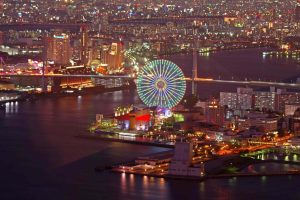
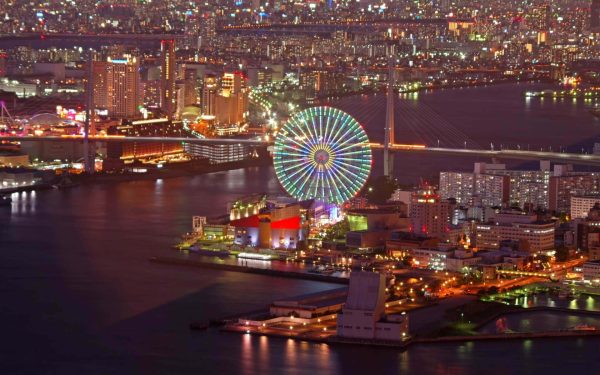
Right next door, ride the Tempozan Giant Ferris Wheel from 3:30 PM to 4:15 PM.
A weekday ticket is ¥900, the ride lasts about 15 minutes, and this one is covered by the Amazing Pass, so you might as well use the pass where it shines.
The views over the bay, the bridge line, and the broader city grid give you a perspective that most two-day Osaka plans completely skip.
Evening: Umeda Views and a Final Shopping Session
From Osakako, take the Chuo Line to Hommachi and change to the Midosuji Line for Umeda.
The full ride is about 25 minutes and costs ¥280 if you’re paying out of pocket, though the Amazing Pass covers it.
By this point, the pass is doing a decent impression of a financial advisor, which is not a phrase I expected to write either.
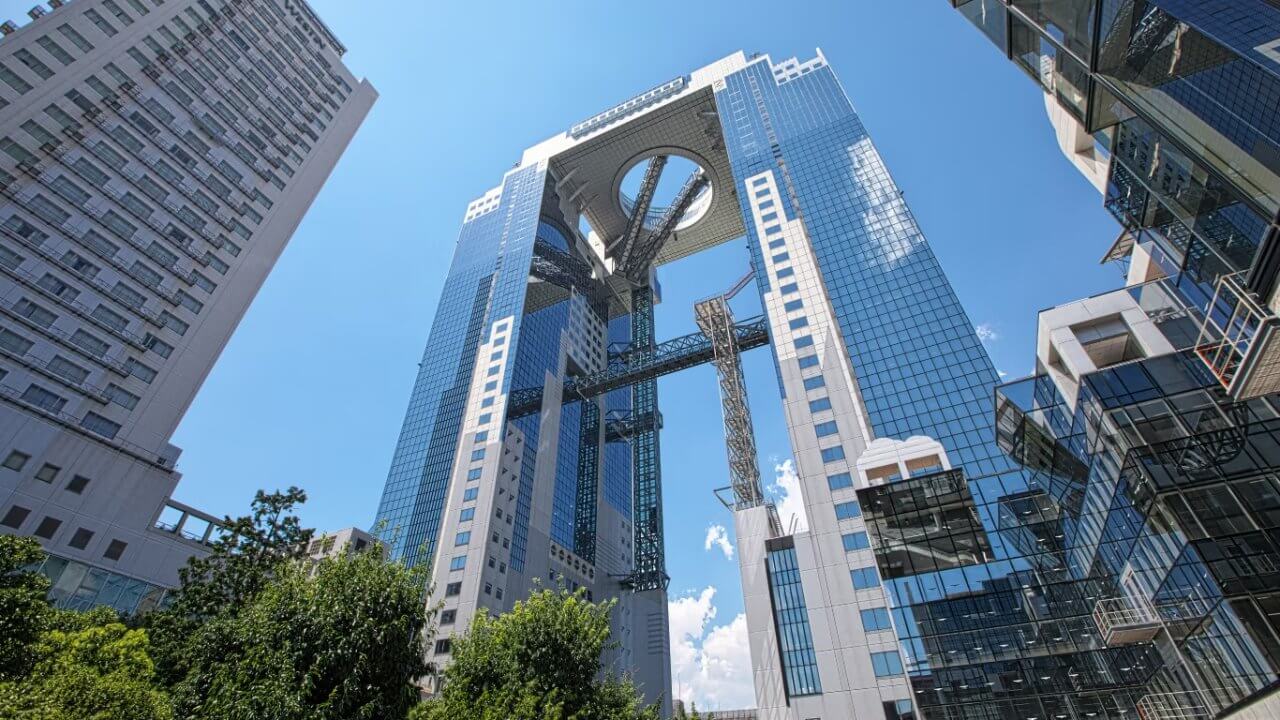
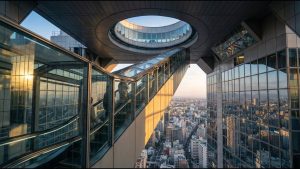
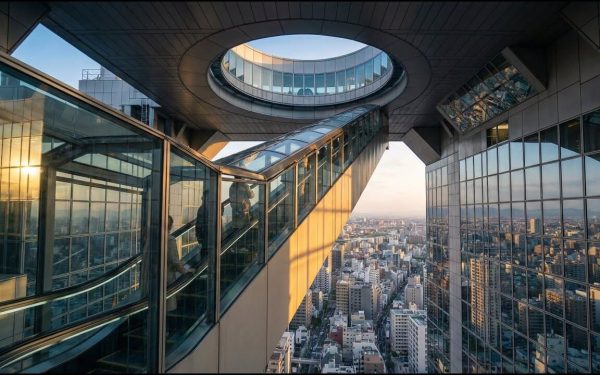
Aim for Umeda Sky Building’s Kuchu-Teien Observatory between 5:30 PM and 7:30 PM, ideally close to sunset.
Adult entry is ¥2,000, it’s covered by the Amazing Pass, and opening hours run from 9:30 AM to 10:30 PM with last entry at 10 PM.
The open-air rooftop is the payoff, especially once the city lights switch on and Osaka suddenly looks endless.
Finish the night with shopping around the Umeda and Osaka Station area from 8:00 PM to 9:30 PM.
If you want souvenirs, cosmetics, fashion, or snacks to take home, this is one of the easiest zones to browse without getting swallowed by the crowds in south Osaka.
A realistic spend is ¥2,000 to ¥5,000 if you’re shopping at all, and even if you buy nothing, it is a good last walk through the polished, modern side of the city before heading back to your hotel.
How Much Will This Itinerary Cost? A Real Mid-Range Budget Breakdown
For two days, a realistic total lands around ¥24,000 to ¥36,000 in JPY.
That range assumes a mid-range travel style, one proper restaurant meal per day, local transport within Osaka, several paid attractions, and some light shopping or snack damage along the way.
Your actual total swings based on how hard you go on food and whether “just one souvenir” turns into a full shopping bag.
Transport: Simple City Moves, Not Big Splurges
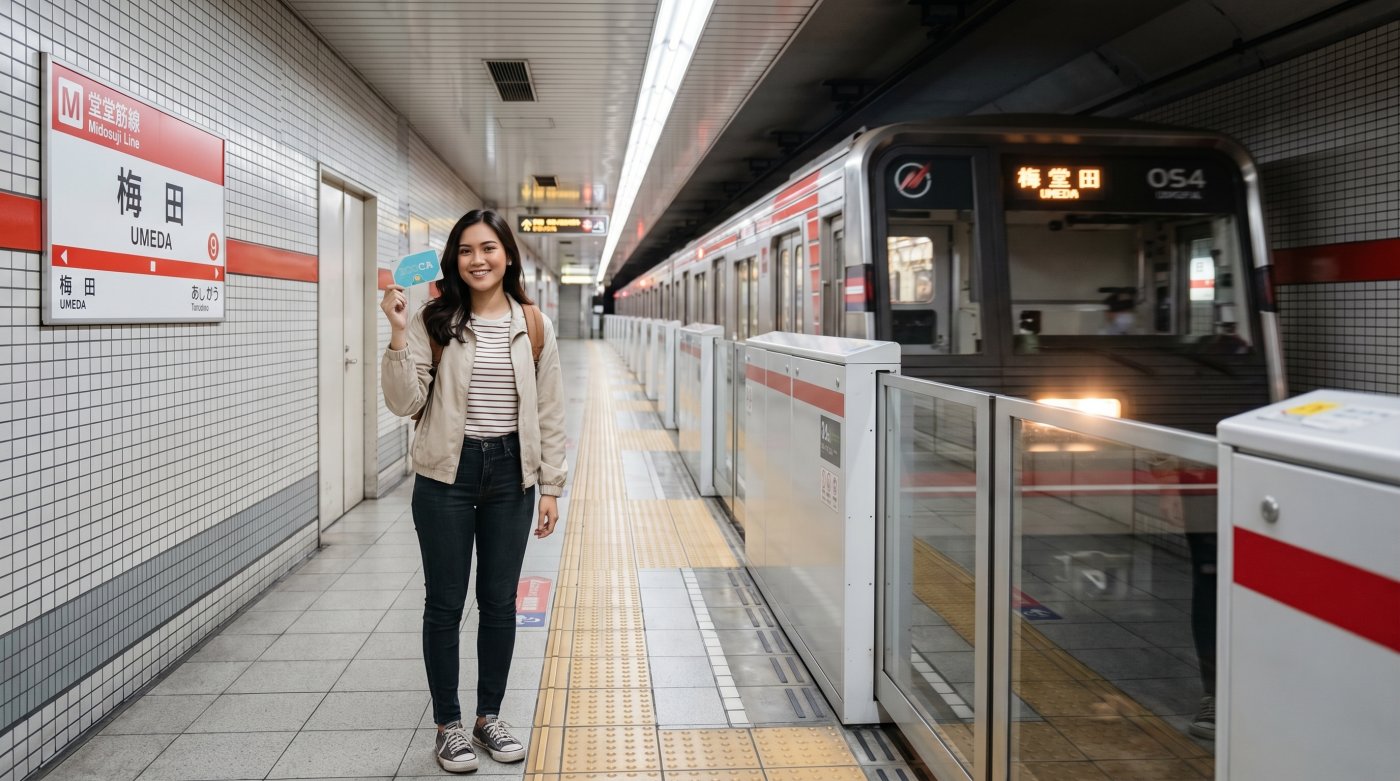
Transport for this itinerary sits around ¥2,000 to ¥3,500 total.
That includes metro rides between the major districts, plus short hops like Namba to Dobutsuen-mae on Day 1 and the Osakako to Umeda run on Day 2.
If you use the Amazing Pass well, that number stays toward the lower end.
Attractions: Where the Pass Does the Heavy Lifting
Attractions come to about ¥8,000 to ¥12,000 total.
The main paid sights are Tsutenkaku Tower at ¥1,200, Osaka Castle at ¥1,200, Osaka Aquarium Kaiyukan at ¥2,700, Tempozan Giant Ferris Wheel at ¥900, and Umeda Sky Building at ¥2,000.
Because Tsutenkaku, Osaka Castle, the Ferris wheel, and Umeda Sky Building are all Amazing Pass eligible, the Osaka Amazing Pass worth it question gets a pretty clear answer for this route.
Food: Street Snacks Plus One Proper Meal a Day
Food lands around ¥6,000 to ¥10,000 total for two days, which feels fair for a mid-range plan in Osaka.
Think ¥1,000 to ¥1,500 for Kuromon grazing, ¥1,200 to ¥2,500 for a proper lunch in Dotonbori, ¥1,500 to ¥2,500 for kushikatsu in Shinsekai, and ¥1,000 to ¥1,800 for lunch near Osaka Port.
If you want more ideas beyond what’s built into this plan, the Osaka food guide is useful once you start plotting extra snacks between stops.
Shopping and Extras: The Flexible Part of the Budget
Shopping and extras together add roughly ¥5,000 to ¥9,000, made up of ¥4,000 to ¥7,000 for shopping and another ¥1,000 to ¥2,000 for incidentals.
That covers small souvenirs, arcade games, convenience store runs, and the sort of miscellaneous spending that always shows up once you start telling yourself a matcha kitkat is basically a cultural purchase.
Total Realistic Budget: What You Will Probably Spend
Put it all together and most first-timers will spend around ¥24,000 to ¥36,000 for the full two days.
That is not shoestring travel, but it is still very reasonable for a city break that includes headline sights, proper meals, and enough flexibility to feel fun instead of rigid.
A lot of travelers expect Osaka to be cheaper than this, then meet their first round of entry fees and realize the math has entered the chat.
Tips for This Itinerary: Small Moves That Make the Days Better
The little details matter more than they seem on a map.
Timing changes the mood of Kuromon, Dotonbori, and Kaiyukan a lot, and a few pass and payment choices can save you money without making the trip feel overplanned.
This is the part people usually figure out after making the avoidable mistake, which is touching but inefficient.
Buy the Osaka Amazing Pass before you leave your hotel on Day 1 if you plan to use it across both days.
With Tsutenkaku on Day 1 and Osaka Castle, the Tempozan Ferris Wheel, and Umeda Sky Building on Day 2, the pass gives you well over ¥5,000 in attraction value before metro rides are even counted.
That means you can stop doing mental arithmetic at every ticket gate and get on with the day.
For Kuromon, morning matters.
The market is liveliest from around 9 AM and works best Monday through Saturday before noon, while many seafood and produce stalls start closing or selling out after 2 PM.
Save it for late afternoon and you will still find food, but not the full version of the place that makes it worth the stop.
Crowd timing matters in Dotonbori and Kaiyukan too.
Dotonbori gets packed after 7 PM on weekends, so if you want the neon with slightly less shoulder-to-shoulder chaos, walk it around 6 PM and then return later after 9 PM when the big tour groups thin out.
At Kaiyukan, head straight to the whale shark tank early in your visit, then let everyone else shuffle past while you loop through the rest of the aquarium at your own pace.
One practical food note: many Shinsekai kushikatsu places still prefer cash.
Pull out yen before dinner, keep your order simple to start, and remember the house rule about the shared sauce.
Osaka is relaxed in many ways, but it has drawn a very clear moral line at double-dipping.
Is This Itinerary Right for You?
This itinerary suits first-timers who want a broad, satisfying Osaka introduction in two days without turning the city into a speedrun.
If you like food markets, bright nightlife streets, a bit of history, skyline views, and one polished major attraction in the form of Kaiyukan, this route fits very well.
It also works nicely for travelers deciding whether they prefer the older, rougher charm of the south or the sleeker energy of Umeda and the bay.
It is less ideal for anyone who wants a slow, cafe-heavy city break with long shopping sessions or museum marathons.
Families with very young kids may want to trim the late-night Dotonbori return, and travelers obsessed with nightlife could swap the Umeda shopping hour for a bar crawl back in Namba.
If theme parks are your whole reason for coming, start with the wider things to do in Osaka list and build around Universal Studios Japan instead.
For most first visits, though, this is a smart 48 hours.
You get the food, the history, the harbor, the skyline, and the neon, and you do it in an order that feels natural rather than stitched together from search results.
If you want one planning starting point for a first trip, this is a pretty convincing case for Explore Osaka as your base camp.
Duration
2 Days
Best For
First-Timers
Budget
Mid-range
Theme
Mixed
Trip Highlights
Attraction
- Kuromon Ichiba Market
- Shinsekai and Tsutenkaku Tower
- Osaka Castle Museum and Grounds
Cultural Experience
- Hozenji Yokocho Alley and Hozenji Temple
- Namba Yasaka Shrine
- Dotonbori Evening Walk
Dining
- Lunch at Dotonbori
- Kushikatsu Dinner in Shinsekai
- Lunch near Osaka Port
Transport
- Osaka Metro to Shinsekai
- Osaka Metro to Umeda
Itinerary Map
🗾 2-Day Osaka Itinerary: The Perfect 48-Hour Plan (2026)
All
Day 1
Day 2
Day-by-Day Itinerary
09:00 AM - 10:30 AM
Attraction Kuromon Ichiba Market
Kuromon is Osaka's working food market, a covered arcade of roughly 170 stalls selling fresh seafood, pickles, grilled skewers, and tamagoyaki hot off the pan. Arrive early and you eat alongside the chefs and restaurant buyers who actually shop here. Budget ¥1,000 to ¥1,500 for grazing and you will leave more full than you expect.
Most stalls open by 9 AM and start winding down after 2 PM. Sundays see reduced vendors, so weekday or Saturday morning visits are better.
10:45 AM - 12:00 PM
Cultural Experience Hozenji Yokocho Alley and Hozenji Temple
This narrow stone-paved alley running behind Dotonbori is where old Osaka feels completely intact. The moss-covered Fudo-Myo-o statue at Hozenji Temple has been splashed with water by locals praying for luck in love and business for so long that it's entirely green. It takes maybe 20 minutes to walk and take it all in, and it costs nothing.
12:00 PM - 01:30 PM
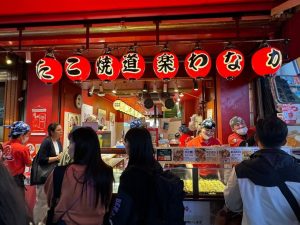
Dining Lunch at Dotonbori
This is your proper sit-down meal of the day. The stretch of restaurants along and just behind the main Dotonbori canal has everything from thick-cut tonkatsu sets to Osaka-style okonomiyaki cooked on a griddle at your table. Aim for somewhere that shows a plastic food display or a picture menu and seats fewer than 30 people so you know it's not purely running on tourist volume.
Lunchtime queues form fast at well-reviewed spots. If you see a line of local office workers, that's your signal to join it.
01:45 PM - 02:30 PM
Cultural Experience Namba Yasaka Shrine
The enormous lion-head stage structure at this shrine is genuinely striking, built in 1974 as a performance space and now one of the more photographed spots in Osaka that most first-timers walk straight past. The grounds are calm and compact, so you can take it all in within 30 to 40 minutes and still feel like you actually paused rather than just snapped a photo. Free entry, cash donations optional.
The shrine grounds are open daily 9 AM to 5 PM. The exterior of the lion stage is viewable any time.
03:00 PM - 05:00 PM
Attraction Shinsekai and Tsutenkaku Tower
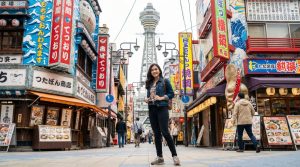
Shinsekai is Osaka's nostalgic retro district, a patchwork of kushikatsu restaurants, old-school game parlors, and faded advertising signs that make it feel like the 1970s never entirely left. The Tsutenkaku Tower (100 metres tall, open 10 AM to 8 PM) gives you a clear view across south Osaka and includes the Billiken lucky god statue that locals actually rub for good fortune. Entry to the tower is ¥1,200 for adults and covered by the Osaka Amazing Pass.
Last entry to Tsutenkaku is 7:30 PM. Weekday afternoons are significantly quieter than weekends.
06:30 PM - 08:30 PM
Dining Kushikatsu Dinner in Shinsekai
Kushikatsu, breaded and deep-fried skewers of meat, vegetables, and seafood, was essentially invented in this neighbourhood and eating it here still feels like the right context. Restaurants like Daruma and Yaekatsu have been running for decades and charge ¥100 to ¥200 per skewer. Order in rounds of five or six, keep track of what you've eaten, and under no circumstances double-dip the communal sauce.
Most Shinsekai kushikatsu joints are cash only. Bring yen before sitting down.
09:00 PM - 10:30 PM
Cultural Experience Dotonbori Evening Walk
Dotonbori after dark is a different place from the lunchtime version, the canal reflects the neon signs and the Glico Running Man billboard in a way that photographs itself. Walk the canal path from the Ebisubashi bridge eastward, grab a takoyaki from one of the canalside stalls, and take your time. This is when the Osaka you came to see actually shows up.
09:00 AM - 11:00 AM
Attraction Osaka Castle Museum and Grounds
The castle tower houses eight floors of exhibits on Toyotomi Hideyoshi and the unification of Japan, laid out clearly enough that you don't need to know any history going in. The view from the top floor observation deck across the city and moat is the payoff for the climb. Entry is ¥1,200 per adult and covered by the Osaka Amazing Pass, and the surrounding park grounds are free.
Last admission to the main tower is 4:30 PM. Arrive before 9:30 AM if you want to beat the tour groups that arrive mid-morning.
11:15 AM - 12:00 PM
Relaxation Nakanoshima Riverside Walk
Nakanoshima is a narrow island wedged between the Dojima and Tosabori rivers, and walking its riverside path between the old Bank of Japan building and the rose garden is one of the quieter ways to move through central Osaka without any agenda. It's around a 20-minute walk to pass through the island, and the western end drops you close to a subway connection toward the bay. Completely free, worth the detour.
12:15 PM - 01:00 PM
Dining Lunch near Osaka Port
The Tempozan Marketplace food court attached to the Kaiyukan complex has a solid range of options from Osaka-style ramen to fresh sushi sets without the inflated prices you'd expect this close to a major tourist attraction. Get there before the noon rush and you'll find a table easily. Budget ¥1,000 to ¥1,800 and you eat well.
01:00 PM - 03:30 PM
Attraction Osaka Aquarium Kaiyukan
Kaiyukan is built around a spiralling walkthrough structure that takes you from the mountain cloud forest at the top down through ocean zones to the Antarctic floor at the bottom, and the central Pacific Ocean tank is large enough to hold a pair of whale sharks. Open 10 AM to 8 PM with last entry at 7 PM, tickets are ¥2,700 per adult. Two to two-and-a-half hours gives you enough time to see everything without rushing.
Kaiyukan uses dynamic pricing, with slightly higher rates on weekends and holidays. Buying tickets online in advance can sometimes save ¥200-300.
03:30 PM - 04:15 PM
Attraction Tempozan Giant Ferris Wheel
At 112.5 metres tall with a 100-metre diameter, this is one of the largest Ferris wheels in the world and it sits directly next to Kaiyukan, so there's no extra transit required. The ride lasts about 15 minutes and on clear days you can see Akashi Kaikyo Bridge to the west and the Ikoma mountains to the east. Weekday tickets are ¥900 per adult and it's covered by the Osaka Amazing Pass.
Operating hours are 10 AM to 9 PM weekdays and 10 PM on weekends, with boarding ending 15 minutes before closing.
04:30 PM - 04:50 PM
Transport Osaka Metro to Umeda
Take the Chuo Line from Osakako Station eastbound to Hommachi, then switch to the Midosuji Line north to Umeda. The whole journey is about 25 minutes.
05:30 PM - 07:30 PM
Attraction Umeda Sky Building Kuchu-Teien Observatory
The Floating Garden Observatory sits on an open-air rooftop linking two 40-storey towers and gives you a 360-degree unobstructed view of the entire city, better at dusk when the Osaka grid lights up below you in every direction. Open 9:30 AM to 10:30 PM with last entry at 10 PM, tickets are ¥2,000 per adult and covered by the Osaka Amazing Pass. Arrive around sunset, roughly 6 to 6:30 PM, and you get the full transition from golden hour to city lights.
Weekday evenings are noticeably less crowded than weekends. The rooftop is open-air so wind can be cold, especially in autumn and spring evenings.
08:00 PM - 09:30 PM
Shopping Umeda and Osaka Station Shopping
The Osaka Station City complex and the underground Whity Umeda shopping mall form one of the most navigable shopping zones in the city for picking up clothing, cosmetics, and food souvenirs without having to fight Namba crowds. Loft and HEP Five are within a short walk if you want department store browsing. Most shops run until 9 PM, some until 10 PM.
Budget Breakdown
Estimated Total Cost: ¥24,000-36,000 total JPY
- Attractions
- ¥8,000-12,000
- Meals
- ¥6,000-10,000
- Transport
- ¥2,000-3,500
- Shopping
- ¥4,000-7,000
- Other
- ¥1,000-2,000
Travel Tips
- Buy the Osaka Amazing Pass (2-day version) before you leave your hotel on Day 1 so it covers Tsutenkaku on Day 1 and Osaka Castle, Tempozan Ferris Wheel, and Umeda Sky Building on Day 2. That single pass easily saves you ¥5,000 or more.
- Kuromon Market is liveliest Monday through Saturday before noon. Many seafood and produce stalls start closing or running out of stock after 2 PM, so do not save it for the afternoon.
- Dotonbori gets genuinely packed after 7 PM on weekends. If you want the neon glow without the elbow-to-elbow crowds, walk through around 6 PM and come back after 9 PM when tour groups thin out.
- The Osaka Metro Day Pass (¥820 for one day) covers all your Day 1 transit within the city. On Day 2 the Amazing Pass includes unlimited metro rides, so you do not need to buy anything extra.
- At Kaiyukan, the whale shark tank is on the 4th floor and draws the longest crowds at opening time. Head there first, let others drift past, then work your way down through the other tanks at your own pace.
- Shinsekai restaurants around Tsutenkaku are cash-only at many kushikatsu spots. Pull out yen before you get there, and remember the one iron rule: no double-dipping the shared sauce.
Where to Stay
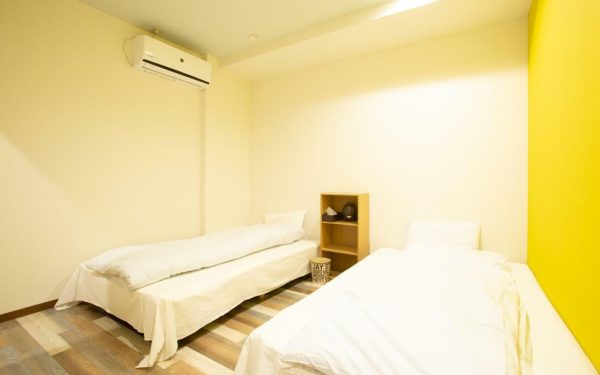
123 Guesthouse
3f Shiba Building, Osaka 542-0073, Japan
View Hotel →
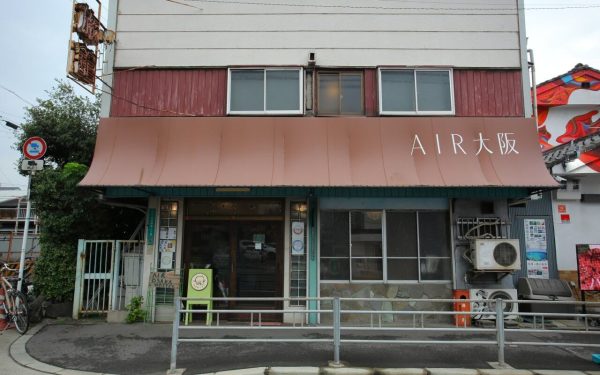
Air Osaka Hostel
Suminoe-ku Kitakagaya 2-9-19, Osaka 559-0011, Japan
View Hotel →
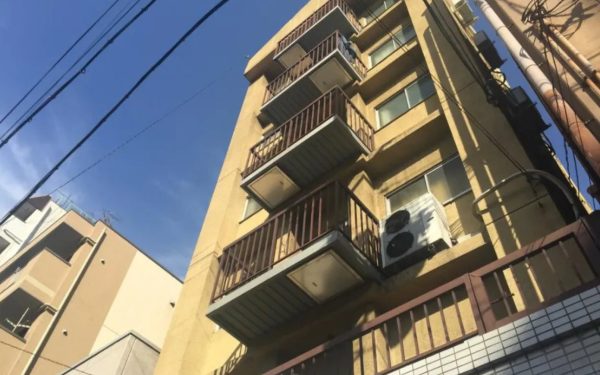
Akasaka Ryokan
1-7-11 Haginochaya, Nishinari Ward, Osaka 557-0004, Japan
View Hotel →
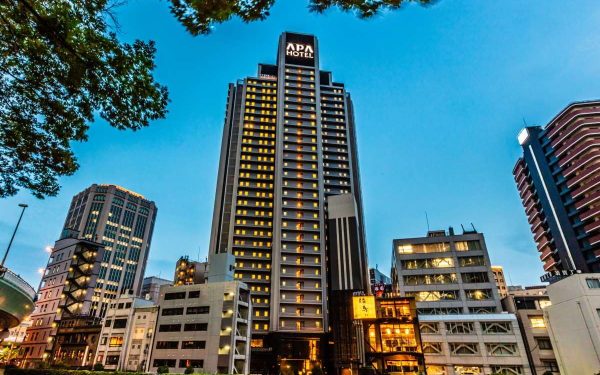
Apa Hotel Osaka Higobashi Ekimae
1-2-1 Tosabori, Nishi-ku, Osaka-shi, Osaka, 550-0001, Japan
View Hotel →
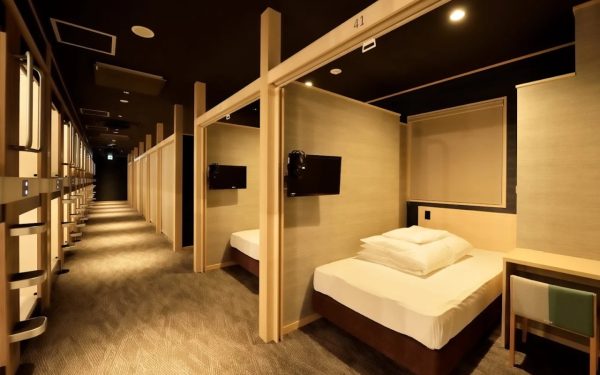
Cabin & Capsule Hotel J-Ship Osaka Namba
2-2-14 Minatomachi, Osaka 556-0017, Japan
View Hotel →
Things to Do
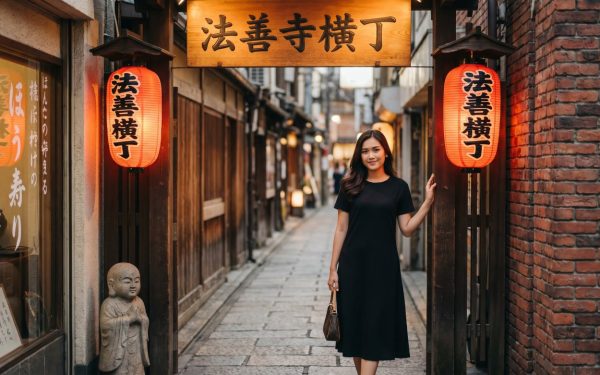
Temple & Shrine
Hozenji Temple and Hozenji Yokocho
A moss-covered Buddhist temple and Edo-period cobblestone alley in the heart of Namba.
Full Guide →
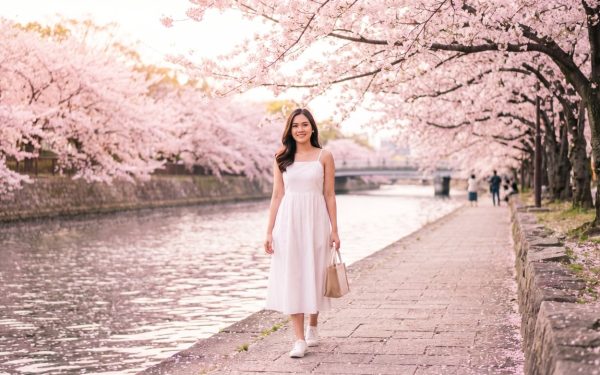
Park & Garden
Kema Sakuranomiya Park
Osaka's 4.2-kilometre riverside park and most celebrated cherry blossom promenade.
Full Guide →
Shopping & Streets
Kuromon Ichiba Market
Osaka's legendary 580-metre covered food market serving locals and visitors since 1822.
Full Guide →
Temple & Shrine
Namba Yasaka Shrine
Osaka's ancient guardian shrine, famous for its colossal lion-head performance stage.
Full Guide →
Museum & Gallery
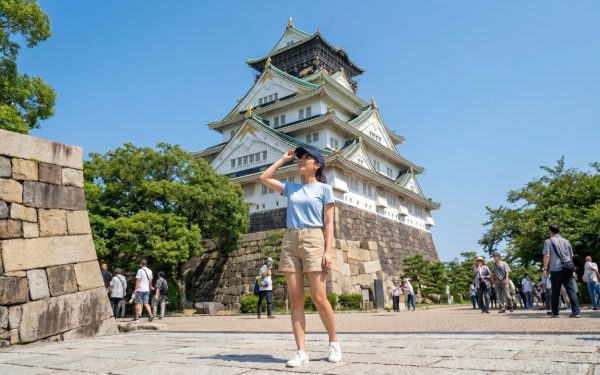
Osaka Castle
Osaka's sixteenth-century fortress and the city's most recognizable historical icon.
Full Guide →
Entertainment & Theme Park
Osaka Aquarium Kaiyukan
One of the world's largest aquariums, built around a towering whale shark tank and 15 Pacific Rim ecosystems.
Full Guide →
Nature & Waterfront
Tempozan Harbor Village
Osaka's bayside entertainment complex where world-class aquarium meets giant Ferris wheel and waterfront dining.
Full Guide →
Cultural Experience
Tsutenkaku Tower
Osaka's retro 103-metre landmark and the cultural heartbeat of Shinsekai district.
Full Guide →
Cultural Experience
Umeda Sky Building
Osaka's futuristic twin-tower landmark with a dramatic open-air rooftop observatory at 173 metres.
Full Guide →
Where to Eat
Practical Tips
Practical Tips
Best Time to Visit Osaka: Month-by-Month Guide
Read More →

Getting Around
Itami Airport (ITM) to Osaka City: Every Way to Get There
Read More →
Getting Around
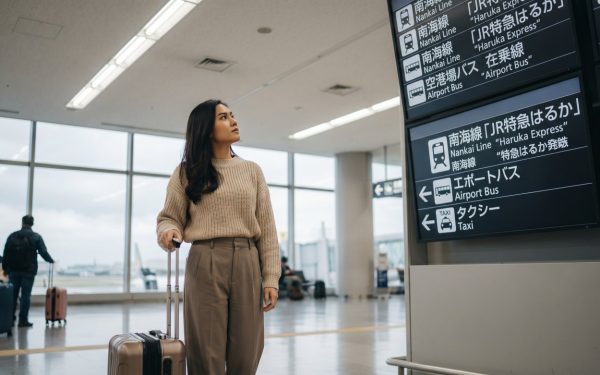
Kansai Airport to Osaka: Every Transport Option, Compared
Read More →
Getting Around
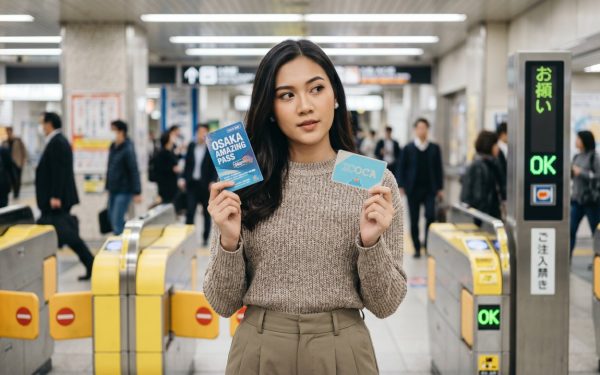
Osaka Amazing Pass vs. ICOCA Card: Which One Should You Actually Buy?
Read More →
Getting Around
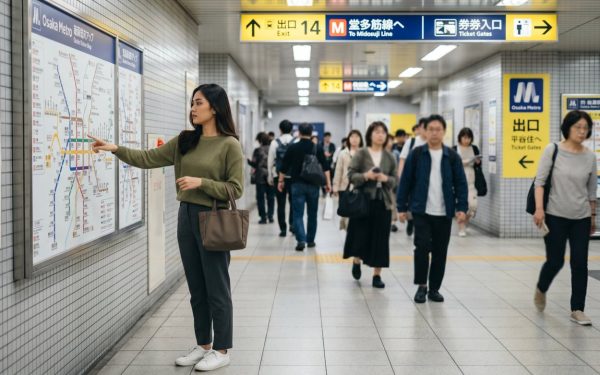
Osaka Metro Guide 2026: Interactive Map, Fares, and How Not to Get Lost
Read More →
Practical Tips
Osaka Travel Budget: How Much Does a Trip to Osaka Actually Cost?
Read More →
Frequently Asked Questions (FAQs)
Yes, two days is enough for a strong first visit to Osaka if you focus on a few key districts instead of trying to see everything.
This itinerary covers classic food areas, nightlife streets, major history, a quieter riverside break, and Osaka Bay, which gives you a rounded feel for the city.
You will not cover every museum or neighborhood, but you will see enough to understand Osaka’s character.
No. The current structure dates from 1931 and is a ferroconcrete reconstruction, not the original Toyotomi-era castle.
The original was destroyed during Japan’s feudal conflicts.
The reconstruction is historically detailed and houses a genuine museum, but it is not a surviving historic structure in the way that, for example, Himeji Castle is.
If original castle architecture matters to you, the day trip to Himeji from Osaka is worth adding to your itinerary.
Yes, it is worth it for this itinerary because several paid attractions are covered and you will use the metro often. Tsutenkaku, Osaka Castle, Tempozan Giant Ferris Wheel, and Umeda Sky Building already add up to ¥5,300 in attraction value before you count train rides.
The pass is much less useful if you replace these stops with shopping or long cafe breaks.
A realistic mid-range budget for this itinerary is about ¥24,000 to ¥36,000 total, not including your hotel.
That covers attractions, local transport, meals, snacks, and some light shopping or extras.
You can spend less by cutting shopping and sticking to cheaper meals, or more if you book nicer restaurants and buy more souvenirs.
Spring and autumn are the easiest seasons for this itinerary because the walking sections in Kuromon, Nakanoshima, Osaka Castle Park, and Osaka Bay feel much more comfortable.
Summer is still workable, but the heat and humidity make the outdoor parts slower and sweatier.
Winter is fine too, especially for clear skyline views from Umeda, but evening rooftop visits can feel pretty cold.
Yes, Osaka is generally very safe for solo travelers, including solo female travelers, and this itinerary sticks to well-trafficked areas with plenty of transport and foot traffic. Namba, Dotonbori, Umeda, Osaka Castle, and Osaka Bay are all straightforward places to move through alone.
The usual city common sense still applies at night, especially around crowded entertainment streets.
While we do our best to provide accurate itinerary details, costs and availability may vary. Always confirm prices and bookings directly with providers. Some links may earn us a small commission at no extra cost to you.