Osaka Castle
Osaka's sixteenth-century fortress and the city's most recognizable historical icon.
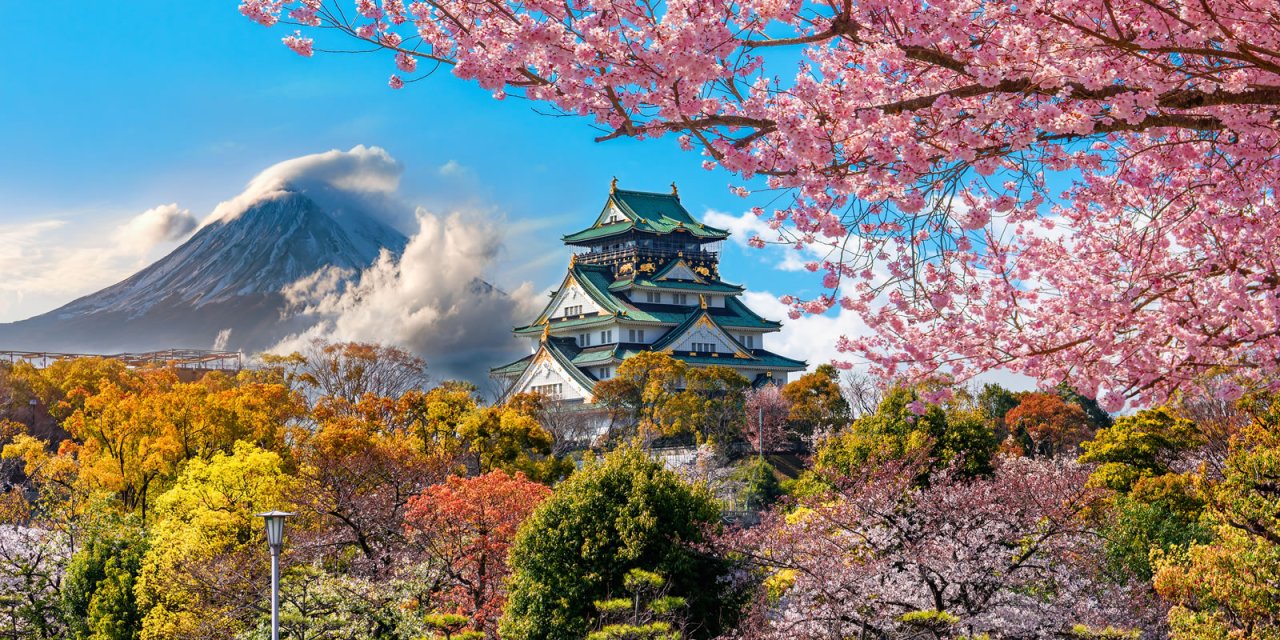
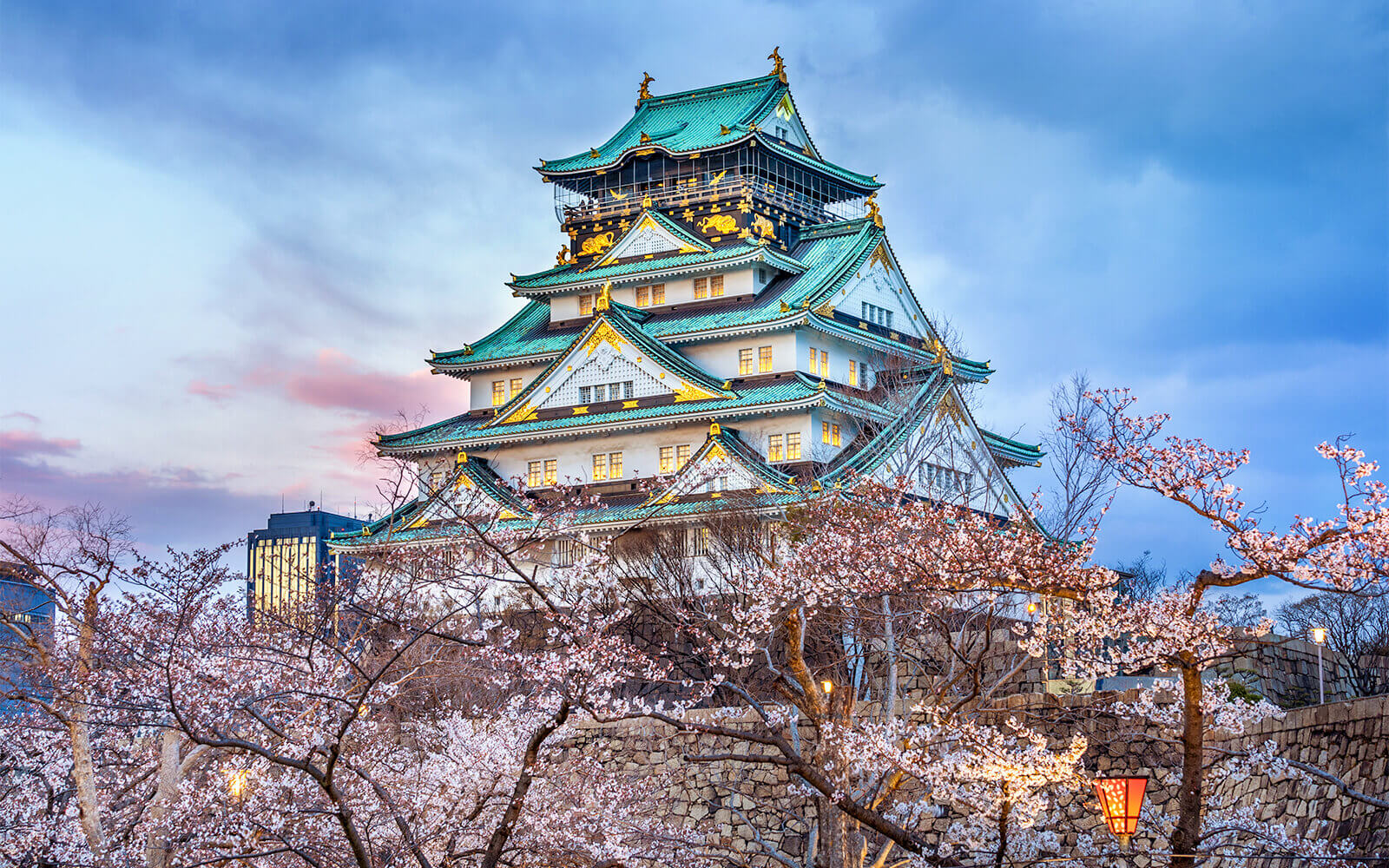
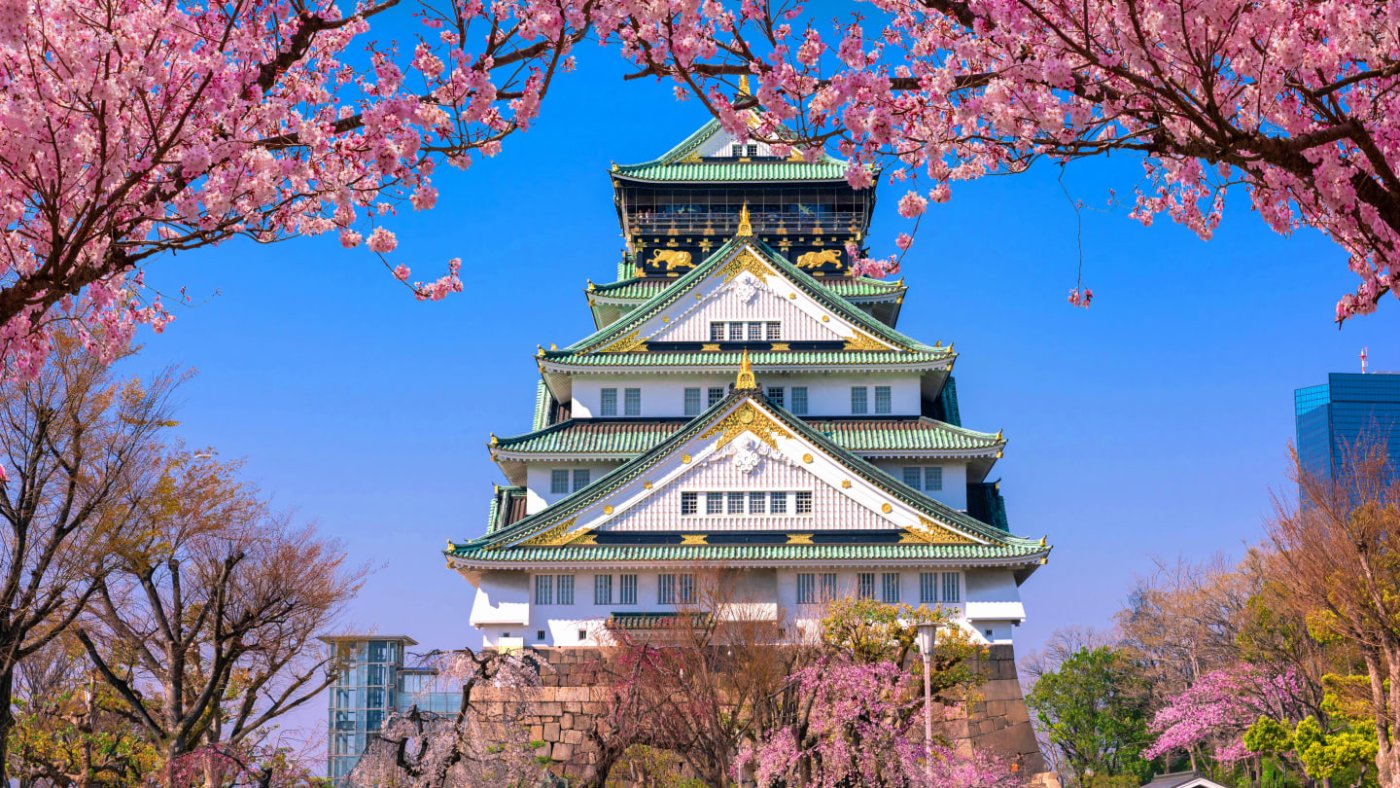
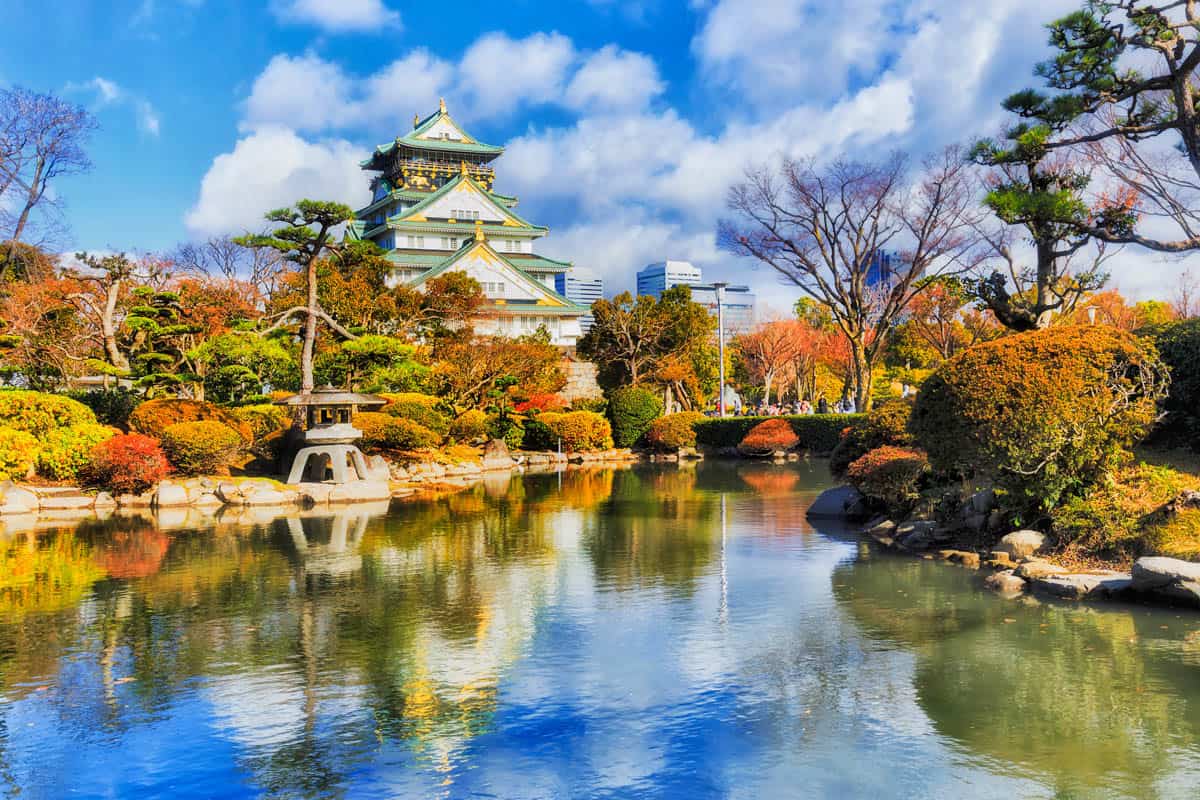
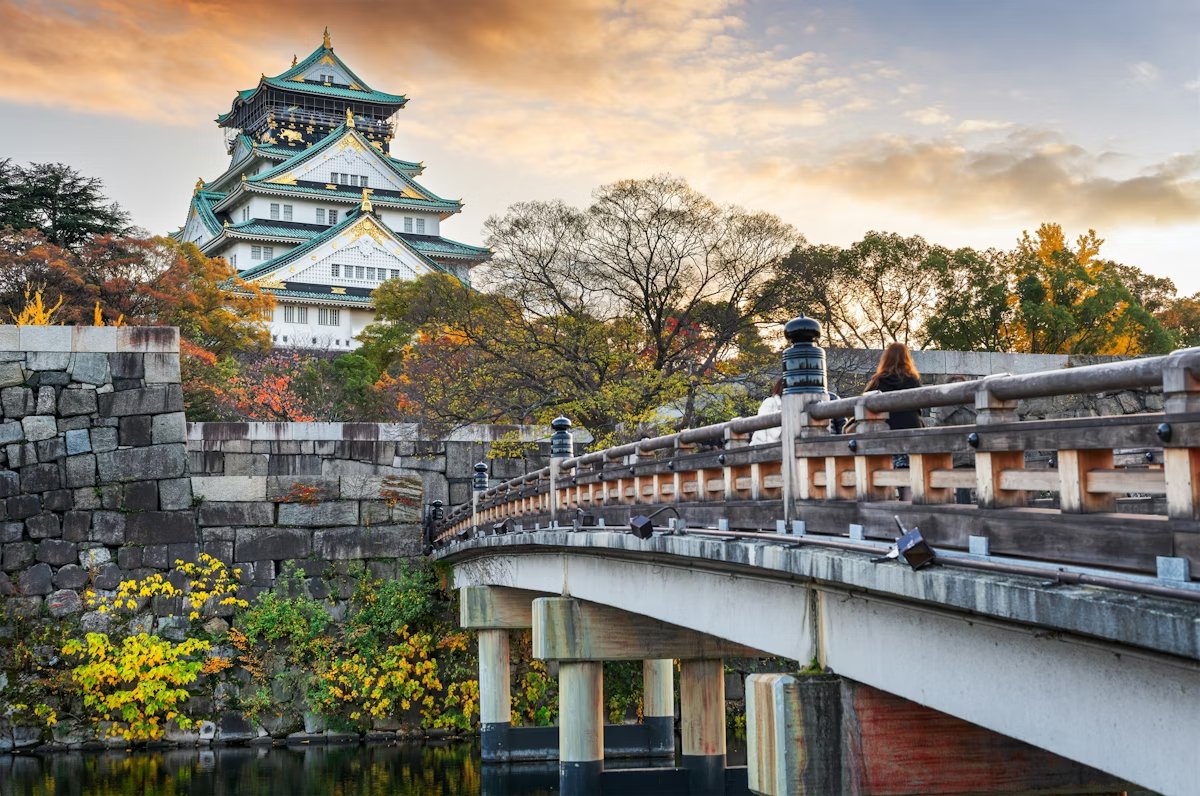
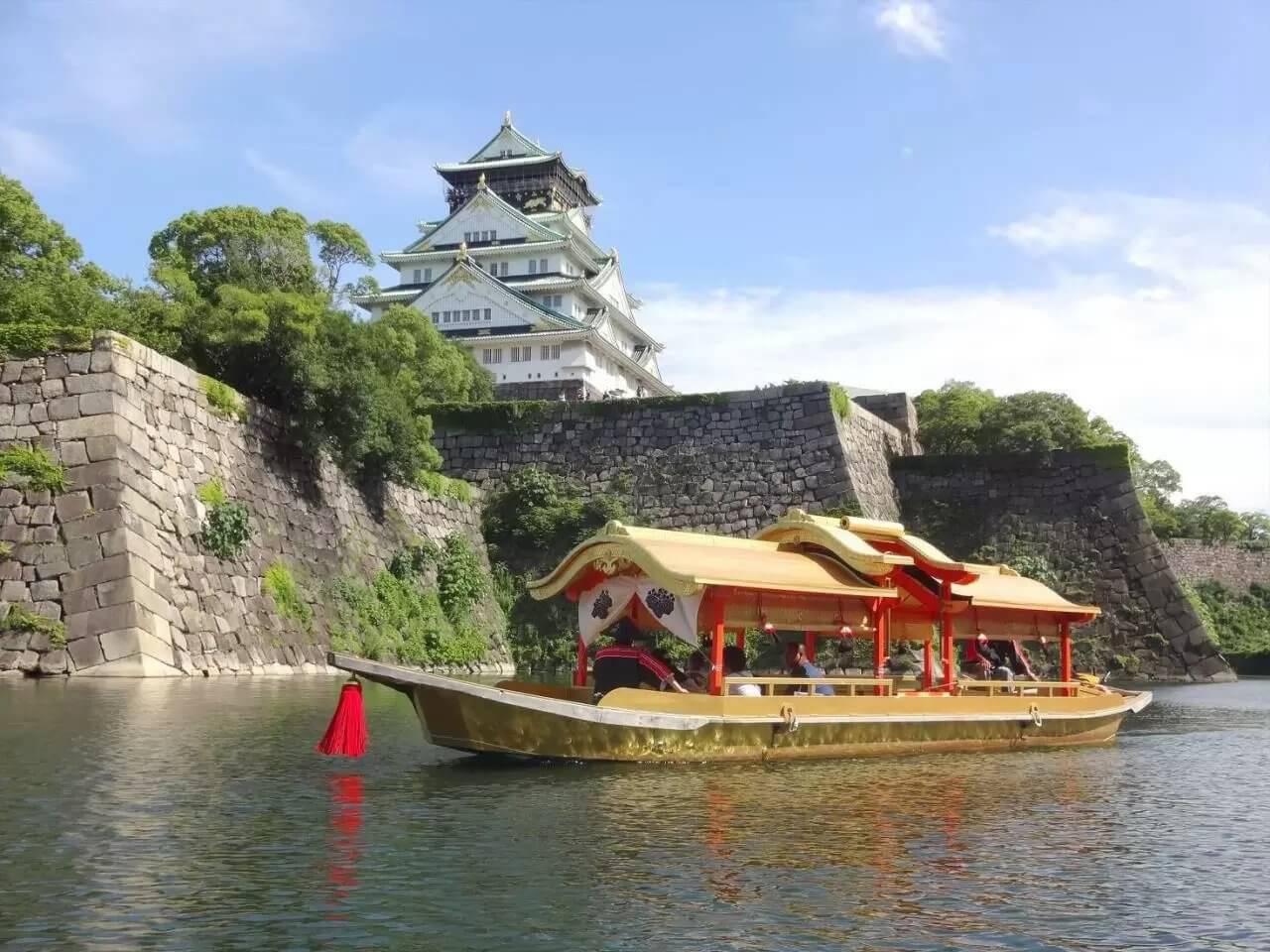









Osaka Castle (大阪城) has stood at the center of Japanese history since 1583, when Toyotomi Hideyoshi broke ground on what would become the country’s most formidable fortress. The main tower you see today is a 1931 reconstruction, but don’t let that diminish the experience.
When Toyotomi Hideyoshi first ordered construction of Osaka Castle in 1583, he envisioned a fortress that would cement his power over a newly unified Japan.
While the original structure fell to siege and fire, the castle that towers over modern Osaka still captures that same audacious spirit.
This is where Japanese history turned on critical battles, political intrigue, and architectural ambition that refused to accept limitations.
Today’s Osaka Castle offers something surprisingly balanced: a reconstruction honest about its 1931 origins, yet powerful enough to make you understand why this location mattered so profoundly.
You’ll find a museum that respects your intelligence, parkland that changes character with the seasons, and views that stretch across one of the world’s largest metropolitan areas.
Osaka Castle: Tickets, Hours, Getting There & What to Expect Inside
Osaka Castle (大阪城) has stood at the center of Japanese history since 1583, when Toyotomi Hideyoshi broke ground on what would become the country’s most formidable fortress.
The main tower you see today is a 1931 reconstruction, but don’t let that diminish the experience.
When Toyotomi Hideyoshi first ordered construction of Osaka Castle in 1583, he envisioned a fortress that would cement his power over a newly unified Japan.
While the original structure fell to siege and fire, the castle that towers over modern Osaka still captures that same audacious spirit.
This is where Japanese history turned on critical battles, political intrigue, and architectural ambition that refused to accept limitations.
Today’s Osaka Castle offers something surprisingly balanced: a reconstruction honest about its 1931 origins, yet powerful enough to make you understand why this location mattered so profoundly.
You’ll find a museum that respects your intelligence, parkland that changes character with the seasons, and views that stretch across one of the world’s largest metropolitan areas.
Below you’ll find transport directions, ticket options, what’s inside the tower, seasonal tips, and the best photography spots in the park.
Osaka Castle at a Glance
| Detail | Info |
|---|---|
| Address | 1-1 Osakajo, Chuo Ward, Osaka 540-0002 |
| Nearest Stations | Tanimachi Yonchome (Osaka Metro, Exit 1B) · Osakajokoen (JR Loop Line) |
| Tower Hours | Daily 9:00 AM – 5:00 PM (last entry 4:30 PM) |
| Closed | December 28 – January 1 |
| Park Hours | Open 24 hours, free entry |
| Adult Admission | ¥600 |
| Children (15 and under) | Free |
| Osaka Amazing Pass | Included |
| Phone | +81-6-6941-3044 |
| Official Website | osakacastle.net |
A Quick History of Osaka Castle (And Why It Still Matters)
Toyotomi Hideyoshi began construction on Osaka Castle in 1583, with an ambition that matched his military reputation — this was designed to be the largest, most impregnable fortress in all of Japan.
It didn’t quite work out that way.
The castle was destroyed, rebuilt, and burned during the upheaval of Japan’s turbulent feudal era, making its history as dramatic as any samurai film you’ve ever watched.
The reconstruction you visit today dates from 1931, built in ferroconcrete and meticulously outfitted with a museum that does real justice to the story of Toyotomi and the Osaka Campaigns of 1614 and 1615.
Understanding even a sliver of that background transforms what you see inside from “old stuff in display cases” into a narrative with genuine stakes.
Reading up briefly before you go pays dividends.
How to Get to Osaka Castle
The official address is 1-1 Osakajo, Chuo Ward — but knowing the address matters less than knowing which station to use and which gate to enter through.
Best option — Osaka Metro (recommended)
Take the Tanimachi Line or Chuo Line to Tanimachi Yonchome Station, Exit 1B.
It’s approximately a 5-minute walk to Otemon Gate on the western side of the castle grounds.
This is the approach that delivers on the anticipation — across the bridge over the outer moat, through the gate, and up toward the main tower.
Alternative — JR Loop Line
Take the JR Osaka Loop Line to Osakajokoen Station.
It’s roughly a 10-minute walk through the northern section of the park to the main tower.
The route is pleasant but lacks the dramatic frontal approach of the Otemon Gate entrance.
From Namba or Dotonbori
The Metro is your cleanest option — approximately 15 minutes to Tanimachi Yonchome with one transfer.
For full navigation guidance, the Osaka Metro guide covering lines and fares has everything you need.
Taxis
Drop-off near Otemon Gate is practical.
Budget 15–20 minutes from central Osaka depending on traffic.
Essential Osaka Travel Passes
Powered by KlookThe passes worth buying before you land — curated for first-timers.
Osaka Amazing Pass
Unlimited subway + free entry to 40+ attractions. The only pass most visitors actually need.
Osaka e-Pass
Attractions-only digital pass. Pair with a Metro Pass if skipping the Amazing Pass.
Osaka Metro Pass
1 or 2-day unlimited Metro rides. Best standalone transit value if you already have an attractions pass.
JR West Kansai Area Pass
Unlimited JR trains for 1–4 days. Covers Kyoto, Nara, Kobe, and Himeji from Osaka.
JR Haruka Express
KIX to Umeda/Shin-Osaka in ~50 min. Best if staying in Umeda or heading straight to Kyoto.
Nankai Rapi:t Express
KIX to Namba in 34 min, reserved seat. Better if staying in Namba or Shinsaibashi.
Buying Tickets: What You Need to Know
Standard adult admission is ¥600; children 15 and under enter free.
Tickets are purchased at the tower entrance — no advance booking is required or available for standard entry.
Queues move efficiently outside peak periods.
Book Your Visit to Osaka Castle
Check the current pricing and availabity, tour options, and starting point from our most trusted travel partners.





During cherry blossom season (late March–early April) and Golden Week (late April–early May), waits of 20–30 minutes at the tower entrance are common.
Arriving before 9:30 AM on those dates is the most reliable way to avoid the worst of it.
Osaka Amazing Pass holders enter the main tower at no extra cost — show your pass at the gate.
If you’re planning two or more full days of sightseeing, the Osaka Amazing Pass guide breaks down exactly which attractions are covered and whether it pays for itself on your itinerary.
The Nishinomaru Garden on the western grounds charges a separate entry fee, particularly during cherry blossom season when it operates as a ticketed hanami viewing area.
Osaka Amazing Pass — the one pass worth buying
Unlimited subway rides plus free entry to 40+ attractions including Osaka Castle, Umeda Sky Building, and the Dotonbori River Cruise. If you're spending more than a day sightseeing, it pays for itself before lunch.
What’s Inside the Main Tower
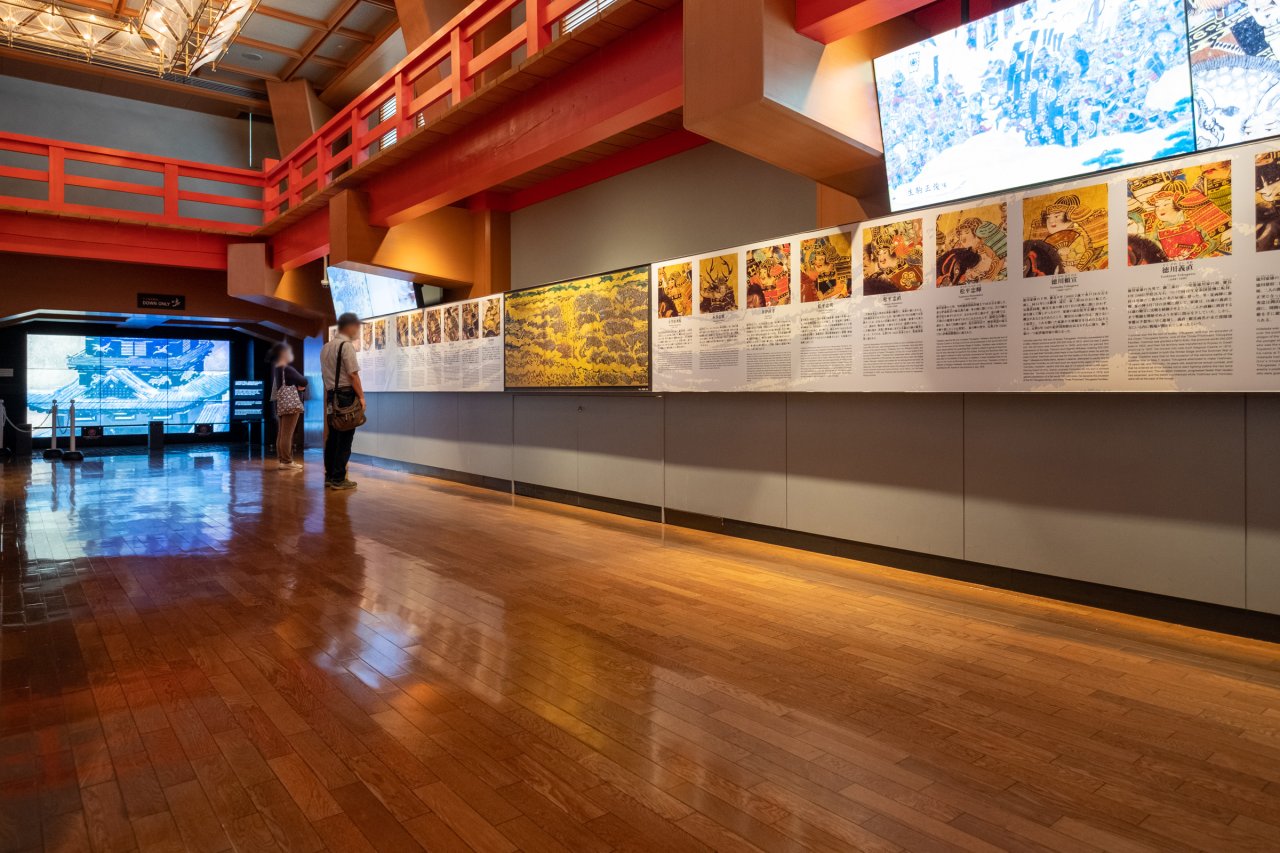
The main tower functions as a museum across seven floors, and it moves at a surprisingly good pace if you take your time with it.
Each floor focuses on a different aspect of Osaka’s history — from Hideyoshi’s political maneuvering to the architecture of the castle itself — with original armor, weapons, tea ceremony artifacts, and palanquins displayed in well-lit, clearly labeled cases.
English translations are thorough throughout, which you’ll appreciate more than you might expect.
The eighth floor is the observation deck, and it earns its climb.
Wrap-around windows give you a 360-degree view across the Osaka cityscape — the park below, the towers of the business district to the west, the distant sprawl of the city in every direction.
On a clear day, you can see all the way to the mountains rimming the Kyoto basin.
One genuinely useful insider move: take the elevator up and walk down the stairs.
The stairwell on the descent passes small exhibits and window cutouts with excellent angles on the stone walls and moat below that most visitors miss entirely.
How Long Should You Spend?
Most visitors need 2–3 hours for the tower and a park walk combined.
Here’s a practical breakdown by how much time you have:
- Tower only: 45–60 minutes is enough to move through all eight floors without rushing.
- Tower + park walk: Allow 2 hours. This gives you time to walk the inner grounds, examine the stone walls up close, and cross the moat bridges properly.
- Full experience (tower + Nishinomaru Garden + picnic or cycling): Half a day. This is the version worth doing during cherry blossom season or autumn foliage.
Build in extra time for photography — most visitors spend longer than planned once they’re actually in the park.
The Osaka Castle Park: The Part Everyone Rushes Past
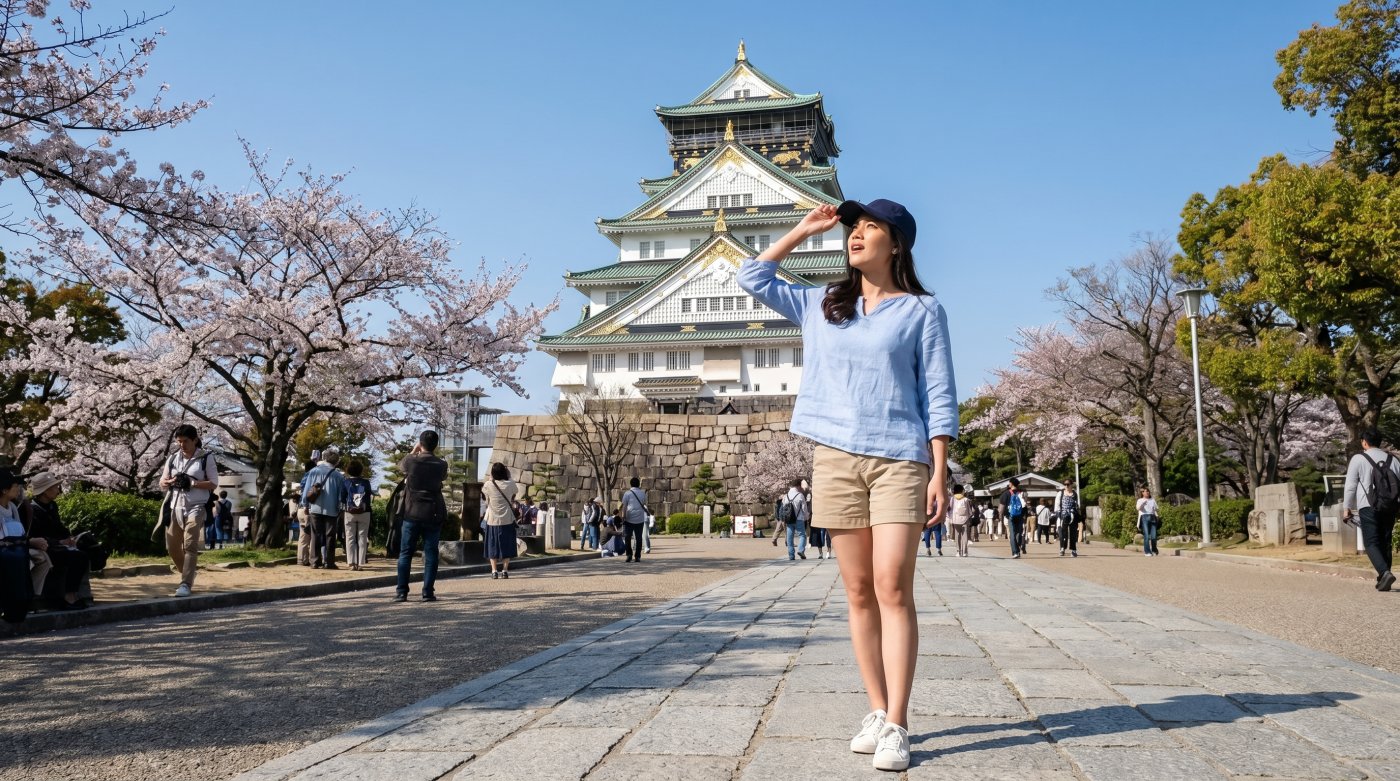
Here’s where the majority of visitors leave time on the table.
The 106-hectare green space surrounding the castle is free to enter, open 24 hours, and worth far more of your time than most people give it.
The massive stone walls — some individual blocks weighing hundreds of tonnes, fitted without mortar using a technique called nozurazumi — are an engineering achievement the indoor exhibits can only gesture toward.
Seeing them up close, with the scale that only proximity delivers, is something else entirely.
The Nishinomaru Garden on the western side is where spring crowds converge, and justifiably so.
Around 300 Somei Yoshino cherry trees create a canopy of pink that frames the main tower like an overwrought postcard — except it’s real, and you’re standing in it.
The park also contains a plum grove, a cultural center, an outdoor music venue, and cycling paths.
It functions as an everyday recreation space for Osaka residents in a way that gives it a lived-in energy that purely tourist spaces rarely have.
Osaka Castle by Season
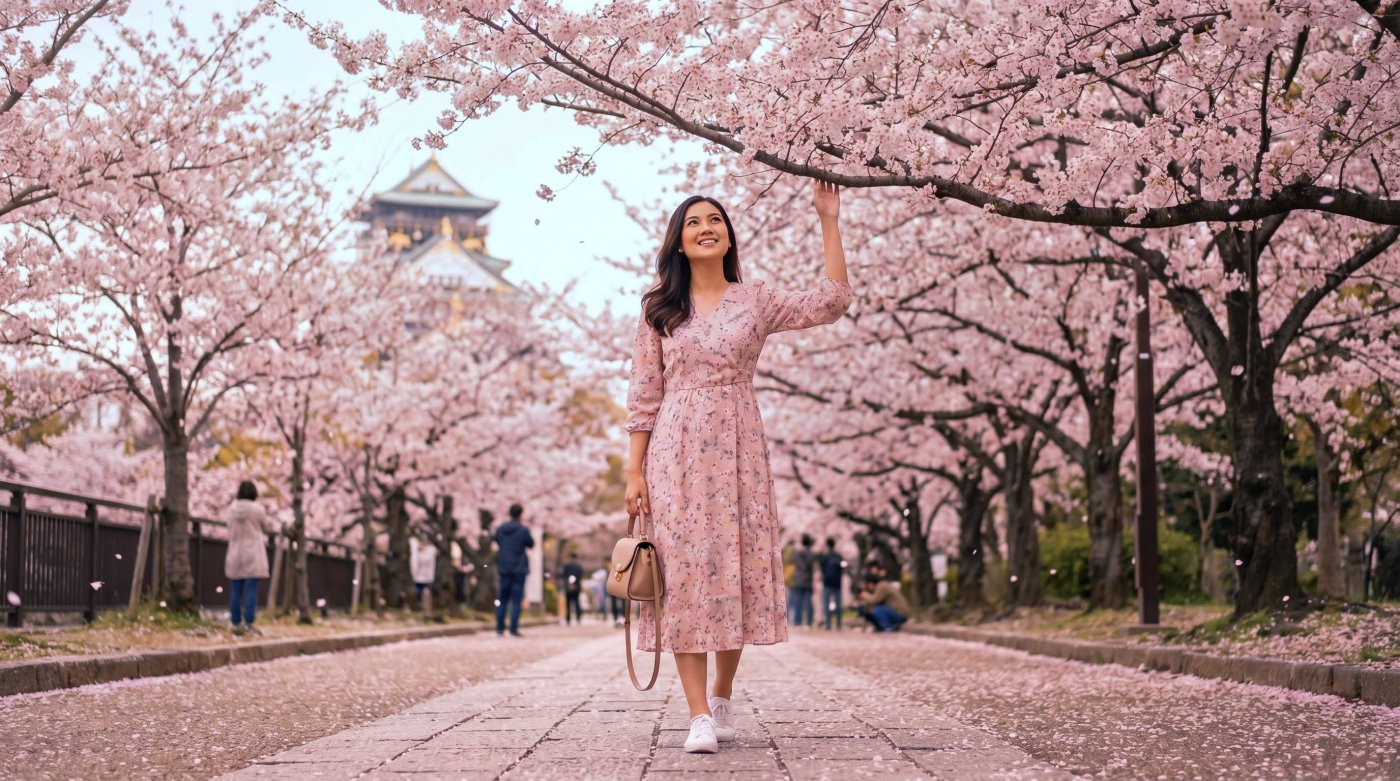
Here’s the details to timing your visit:
Spring (Late March – Early April)
This is peak season, and deservedly so.
The Nishinomaru Garden’s ~300 cherry trees create one of Osaka’s premier hanami settings, with the main tower framed by blossoms in every direction.
Crowds are significant — arrive before 9:00 AM to beat the queues and catch the best morning light.
For a broader picture of what else is in bloom across the city, the best time to visit Osaka guide is worth reading before you finalize dates.
Summer (July – August)
The Osaka Castle Summer Festival brings outdoor events and occasional evening illuminations to the grounds.
Midday heat can be oppressive — early morning visits are strongly recommended.
The park is quiet before 8:30 AM and the air is marginally cooler.
Autumn (Mid-November – Early December)
The underrated season.
Maple and ginkgo foliage turns the park gold and amber without quite the same tourist density as spring.
The moat reflections during this period are particularly good for photography.
Winter (December – February)
Quiet, clear, and underappreciated.
Crisp visibility from the observation deck on clear days, occasional light-up events, and noticeably fewer visitors make a compelling case for off-peak travel.
The castle closes December 28 – January 1.
Best Spots Around Osaka Castle for Photos
The castle rewards photographers who move beyond the obvious front-on shot.
Here are the specific locations worth seeking out:
- Otemon Gate approach: The classic frontal composition. Walk through the gate and stop midway across the bridge for the most balanced framing of the main tower.
- South side of the inner moat: The reflection shot. Morning light from the east hits the tower face-on from this angle — arrive before 9:00 AM for the cleanest reflections before foot traffic disturbs the water.
- Eighth-floor observation deck: The aerial perspective. The park’s geometry — the moat, the stone walls, the tree canopy — reads completely differently from above.
- Nishinomaru Garden lawn (spring only): The castle-framed-by-blossoms composition that fills every Osaka travel article in late March. The garden’s ticketed entry keeps it slightly less crowded than the main park paths.
- Golden hour: The tower’s gold-leaf trim responds well to late afternoon light from the west. Plan accordingly if you’re visiting in autumn or winter when the sun sets earlier.
Getting the Most Out of Your Visit
A few things worth knowing before you arrive:
- Stand at the base of the stone walls and look straight up. The granite blocks, some quarried from as far as Shikoku and Kyushu, were assembled without mortar. The scale makes the engineering feel almost personal.
- Consider renting a bicycle. The castle park has rental options, and cycling the perimeter of the outer moat gives you a sense of the fortress’s footprint that walking simply doesn’t.
- The Toyotomi Stone Wall Museum is included with the Osaka Amazing Pass. It’s slightly off the main path but deserves 20 minutes — excavated remnants of the original Toyotomi-era castle walls, displayed in situ underground.
- Coin lockers are available near the main tower. Stow your day bag before climbing — the stairwells narrow uncomfortably during busy periods.
- Accessibility: The main tower has elevator access to all floors. The park paths are largely flat and paved, though some sections near the stone walls involve uneven ground.
Where to Base Yourself
Osaka Castle sits roughly equidistant between the city’s two main tourist cores: the buzz of Namba and Dotonbori to the south, and the commercial energy of Umeda to the north.
Both areas have extensive accommodation options across every price point.
If you’d rather stay close to the castle itself, the Osaka Business Park district immediately to the west has several solid mid-range and business hotels.
The where to stay in Osaka guide organizes all the options by neighborhood and budget, so you’re not guessing from a search results page.
After Visiting Osaka Castle: What Else Is Nearby?
A morning at Osaka Castle pairs naturally with an afternoon further south.
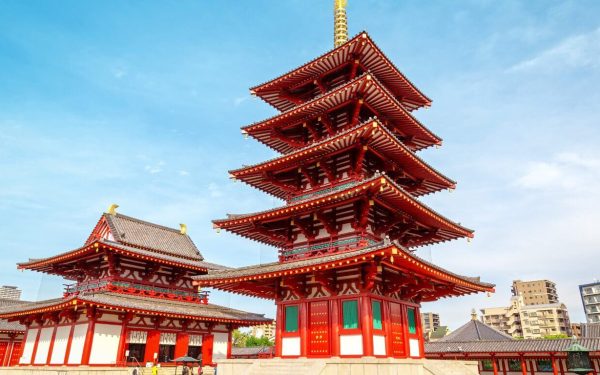
Shitennoji Temple, roughly 2 kilometers away — is one of Japan’s oldest Buddhist temples and makes for a natural second stop.
Tennoji Zoo and the retro-futurist atmosphere of Shinsekai are within easy reach from there.
If you’re building a wider day around the castle, the 3-day Osaka itinerary sequences the major neighborhoods and attractions so you’re not doubling back across the city unnecessarily.
The castle anchors Day 1 in that plan for good reason.
For a shorter trip, the 1-day Osaka itinerary shows how to combine the castle with Dotonbori and Namba in a single efficient circuit.
What's Available
Frequently Asked Questions
The castle grounds and Osaka Castle Park are completely free to enter and open 24 hours a day.
The main tower museum costs ¥600 for adults; children 15 and under enter free.
If you hold an Osaka Amazing Pass, the tower admission is included at no extra cost, along with access to the Toyotomi Stone Wall Museum.
No. The current structure dates from 1931 and is a ferroconcrete reconstruction, not the original Toyotomi-era castle.
The original was destroyed during Japan’s feudal conflicts.
The reconstruction is historically detailed and houses a genuine museum, but it is not a surviving historic structure in the way that, for example, Himeji Castle is.
If original castle architecture matters to you, the day trip to Himeji from Osaka is worth adding to your itinerary.
The main tower holds a museum spread across seven floors, covering the life of Toyotomi Hideyoshi, the castle’s turbulent history, and the sieges that forged Japan’s Edo period.
You’ll find original armor, weapons, and historical artifacts, all labelled in English.
The eighth-floor observation deck caps the visit with a wide panorama of Osaka in every direction.
Tower only: 45–60 minutes. Tower plus a proper park walk: 2 hours. Full experience including Nishinomaru Garden: half a day.
For cherry blossoms, late March to early April — arrive before 9:00 AM to beat crowds.
For fewer visitors and good foliage, mid-November to early December. Winter offers the clearest observation deck views.
Summer is the least recommended season due to heat and peak crowds, though early morning visits remain manageable.
The quickest route from JR Osaka Station is the JR Osaka Loop Line to Osakajokoen Station, roughly a 10-minute ride followed by a 10-minute walk to the main tower.
For a more scenic approach, take the Osaka Metro Tanimachi Line to Tanimachi Yonchome Station and enter through Otemon Gate on the western side. Budget 20–30 minutes total from central Osaka either way.
Yes. The main tower has elevator access to all floors, making the museum accessible for wheelchair users and strollers.
The main park paths are largely flat and paved, though some areas near the outer stone walls and grounds involve uneven terrain.
Editor's Review
The museum inside is better than you’d expect from a 1931 concrete reconstruction. Exhibits are genuinely informative, English signage is solid, and the observation deck views justify the ¥600 admission on their own.
Peak-season crowds can tip from lively to genuinely oppressive, though, so timing your visit for early morning or late afternoon is not optional advice.
The real underrated element here is the park itself, which most visitors sprint past in a rush to reach the tower. Spend time with the stone walls, the moats, and the outer grounds, and the scale of what was once Japan’s mightiest fortress hits you properly.
History lovers and architecture fans will absorb plenty; casual visitors just ticking a box might find the tower interior a little dry without historical context going in.
Related Attractions
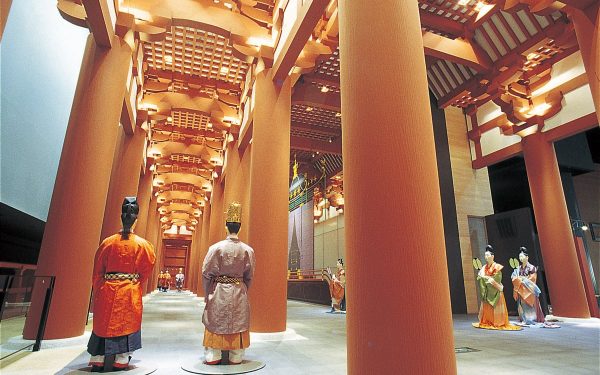
Osaka Museum of History
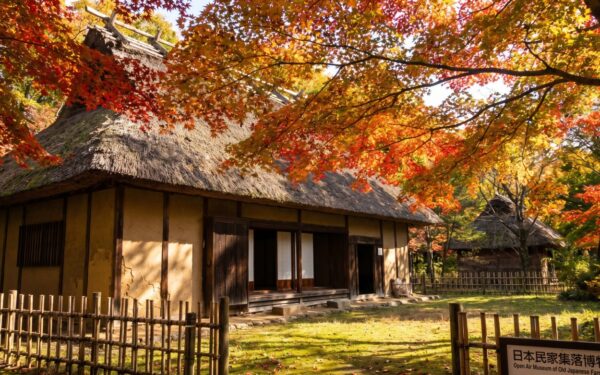
Open Air Museum of Old Japanese Farm Houses

Osaka Science Museum
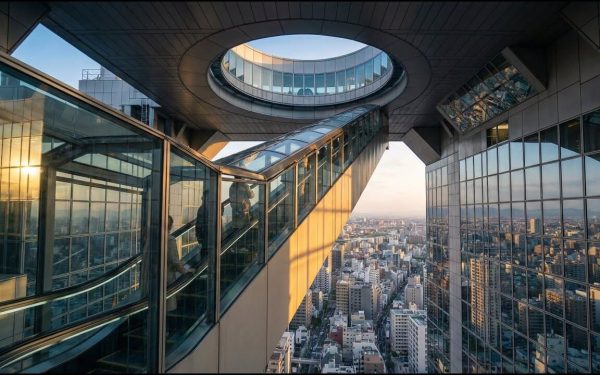
Umeda Sky Building
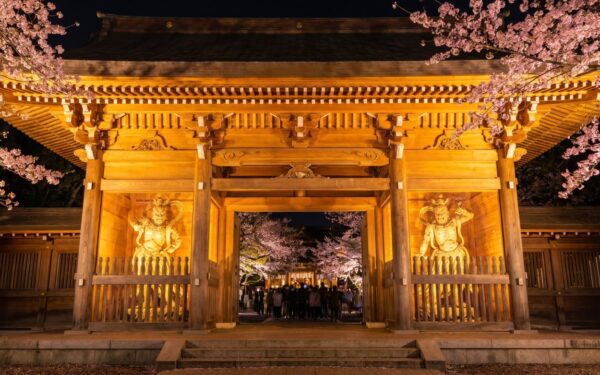
Ikukunitama Shrine
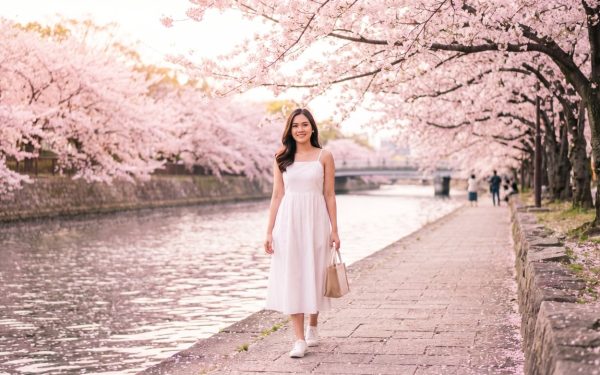
Kema Sakuranomiya Park
Tennoji Park
Harukas 300 Observatory