

Horie is a fashionable urban neighborhood located in Nishi Ward, Osaka, roughly a 10-minute walk west of Shinsaibashi.
The area is centered around Minami-Horie and is well known among locals for its concentration of independent boutiques, specialty coffee shops, gallery spaces, and design-forward restaurants.
Unlike the commercial intensity of Namba or the retail scale of Umeda, Horie has a distinctly residential character that gives it a relaxed, unhurried atmosphere.
The neighborhood is particularly popular with Osaka’s creative and design communities, and its dining scene skews toward Japanese fusion, farm-to-table, and craft beverage concepts.
Horie is easily accessible via Yotsubashi Station on the Osaka Metro Yotsubashi Line and makes a natural complement to a Shinsaibashi shopping itinerary for visitors who want to explore beyond the main tourist corridor.
Horie is one of those neighborhoods that rewards slowing down. In this Explore Osaka guide, you’ll find everything you need to spend a half-day or a full day in one of the city’s most thoughtfully curated corners.
Tucked into Nishi-ku, just a short walk west of Shinsaibashi, Horie sits close enough to central Osaka to be convenient, but far enough from the tourist trail to feel genuinely local.
Horie at a Glance
- Best for: Design lovers, independent coffee drinkers, fashion-forward shoppers, slow travelers
- Nearest stations: Yotsubashi Station (Osaka Metro Yotsubashi Line, Exit 5 or 6), Shinsaibashi Station (Osaka Metro Midosuji/Nagahori Tsurumi-ryokuchi Line, Exit 7)
- Walkability: 9/10 — most of the neighborhood is comfortably covered on foot
- Best time to visit: Weekday mornings to early afternoon; weekends get noticeably busier from noon onward
- Approximate area: Nishi-ku, Osaka; centered on Minami Horie 1- and 2-chome
Getting to Know Horie
Horie (堀江) takes its name from the old canals, hori, that once ran through this part of Osaka’s Nishi-ku ward. The area has reinvented itself several times over the past few decades.
Through the 1990s it was known more for furniture warehouses and small workshops than for boutique coffee. The shift came gradually as independent interior design shops began clustering along Tachibana-dori, a street that picked up the nickname Orange Street from an orange-painted building that once stood at its entrance.
Cafes followed the shops, then clothing stores, then small art spaces.
Orange Street (Tachibana-dori): The Heart of Horie
Orange Street runs roughly north to south through the center of the neighborhood, and it remains the main reason most visitors come here. The street is lined with furniture and lifestyle stores selling everything from mid-century Scandinavian reproductions to handmade Japanese ceramics.
Shops tend to open around 11:00 and stay open until 20:00. The atmosphere is quieter than Shinsaibashi by several degrees, which is part of the appeal.
The Side Streets Worth Exploring
The blocks east and west of Orange Street are where Horie gets more interesting. You’ll find vintage clothing stores, small gallery spaces, and the kind of barbershops and record stores that suggest a neighborhood with strong opinions about aesthetics. Minami Horie
(南堀江) is the specific address you’ll see most often on shop listings. The streets here are narrow, generally flat, and easy to navigate without a map once you have the rough grid in your head.
Top Things to Do in Horie
Horie doesn’t run on a list of headline attractions. There’s no castle, no theme park, no single landmark that everyone queues for.
What it offers instead is a concentrated stretch of well-edited independent businesses and the kind of low-pressure street life that makes a neighborhood genuinely pleasant to be in. If you’re building a broader Osaka trip, the Osaka neighborhood guide gives useful context on how Horie fits alongside the city’s other distinct areas.
Browse Orange Street’s Design and Lifestyle Shops
The furniture and interior design stores along Tachibana-dori are the anchor of the whole district. Shops like Truck Furniture (a Horie institution since 1997, at 2-chome, known for solid-wood pieces made in their own factory) draw both locals furnishing apartments and visitors looking for well-made Japanese homeware they can actually carry home.
Further along the street, smaller lifestyle stores sell tableware, stationery, plants, and clothing that leans toward the minimal and considered. Budget an hour just for this strip; it’s genuinely hard to rush.
Visit Horie Park
Horie Koen (堀江公園) is a compact neighborhood park at the northern end of the district. It’s not spectacular by park standards, but it functions as the neighborhood’s living room.
On weekday mornings, you’ll see dog walkers, office workers eating breakfast on benches, and the occasional skater. On weekends, it fills up with young families and people spilling out of the surrounding cafes with takeaway cups.
It’s a useful landmark for orienting yourself and a decent place to sit if you need to rest between shops.
Explore the Vintage and Independent Fashion Scene
Horie has a well-established vintage clothing circuit that operates largely under the radar compared to the more famous secondhand shopping in Namba. The stores here tend toward curated, slightly higher-priced vintage rather than bulk racks, with a strong emphasis on American workwear, 90s Japanese streetwear, and European deadstock.
Most are concentrated in the blocks immediately north and east of Orange Street. They open late by neighborhood standards, typically around noon, so plan your vintage shopping for the afternoon.
Catch a Small Exhibition or Pop-Up
Horie has a rotating calendar of small gallery shows, pop-up markets, and design events, particularly on weekends. These aren’t always listed prominently in English, but walking the streets you’ll often come across handwritten signs in shop windows announcing a weekend show or a one-day market.
The neighborhood’s creative density makes it one of the better places in Osaka to stumble across local artists and designers showing work without gallery fanfare.
Where to Eat in Horie
The food scene in Horie is solid and unpretentious. This isn’t a neighborhood chasing Michelin stars or Instagram moments, though several spots here have earned both.
For a deeper look at what Osaka does with food across the city, the Osaka food guide covers everything from street snacks to kaiseki. In Horie, the options skew toward specialty coffee, all-day brunch, and the kind of small, chef-run lunch spots that fill up by 12:30 and close when the food runs out.
Specialty Coffee and Cafe Culture
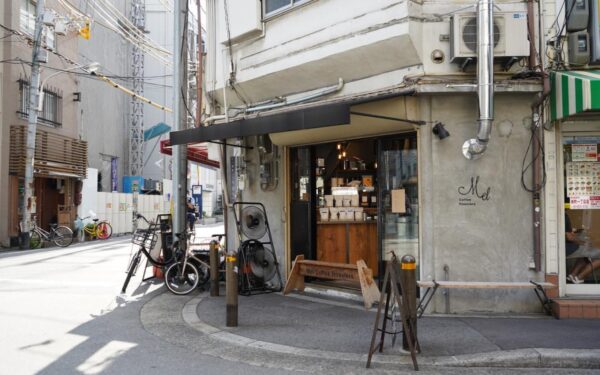
Horie has a higher concentration of serious coffee shops per block than almost anywhere else in Osaka. Arabica Osaka operated a location near the neighborhood for a period, and several independent roasters have set up here in the last five years.
What you’ll find in most of these places is a calm, well-designed interior, pour-over or espresso-based drinks made by people who care, and food that goes beyond a croissant from a bag. Expect to pay around 600 to 900 JPY for a specialty coffee and 1,200 to 1,800 JPY for a light brunch plate.
All-Day Brunch and Western-Influenced Restaurants
Horie was doing brunch before most of Osaka caught on. There’s a cluster of Western-influenced restaurants around the Minami Horie 1-chome area that serve eggs, grain bowls, and seasonal plates from morning through late afternoon.
Many of these have menus in both Japanese and English, and the staff often have enough English to handle a straightforward order. The food quality is generally high relative to price: lunch for two will typically run 3,000 to 4,500 JPY with drinks.
Bagels, Bakeries, and Grab-and-Go
One of the quieter food trends in Horie over the past few years has been the arrival of serious bagel shops. These aren’t novelty items.
Several Horie bagel spots source their own flour, ferment their dough overnight, and sell out before 14:00 on most days. The neighborhood also has a handful of small bakeries producing naturally leavened bread.
If you’re heading to Horie in the morning, arriving by 10:00 is worth it just for access to fresh bread and a less crowded seat at a cafe.
Evening Dining and Bar Options
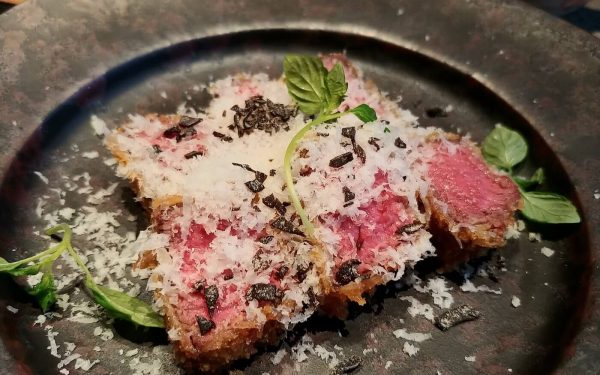
Horie quiets down in the evening compared to its afternoon energy, but a handful of restaurants and natural wine bars stay busy until late. The area around the southern end of Orange Street has a small cluster of dinner spots that range from Japanese izakaya (居酒屋) to Italian-influenced small plates.
These aren’t tourist-oriented places. Reservations are a good idea for Friday and Saturday evenings, particularly for the smaller chef-driven spots that seat fewer than 20 people.
Where to Stay in Horie
Horie itself doesn’t have a large inventory of hotels, but its position between Shinsaibashi and Namba means that staying in either of those adjacent areas puts you within easy walking distance. For a full breakdown of hotel zones and which neighborhoods suit which travel styles, the where to stay in Osaka guide is the most useful starting point.
The Bridge Hotel Shinsaibashi (Mid-Range)
Located on the edge of the Horie and Shinsaibashi boundary, The Bridge Hotel Shinsaibashi is one of the most convenient bases for exploring the neighborhood. Rooms are compact but well-designed, with rates typically ranging from 12,000 to 18,000 JPY per night for a double.
The hotel is a 5-minute walk from Yotsubashi Station and close enough to Orange Street that you can reach the main cafe strip in under 10 minutes on foot.
Cross Hotel Osaka (Mid-Range)
Cross Hotel Osaka sits in the Shinsaibashi area and is roughly a 10-minute walk from the core of Horie. It’s a reliable mid-range option with clean, modern rooms and rates that generally fall between 10,000 and 16,000 JPY per night.
The location works well if you want to split time between Horie’s quieter streets and the more energetic Shinsaibashi and Dotonbori shopping corridors.
Boutique Guesthouses and Vacation Rentals (Budget to Mid-Range)
A small number of well-reviewed guesthouses and furnished apartment rentals operate within Horie itself, primarily in the Minami Horie 2-chome area. These tend to be smaller operations with 5 to 15 rooms, and they fill quickly on weekends.
Rates typically start around 7,000 JPY per night for a private room. Booking 3 to 4 weeks ahead is advisable for weekend stays, particularly during cherry blossom season (late March to early April) and autumn foliage season (mid-November).
Getting There and Getting Around
Yotsubashi Station on the Osaka Metro Yotsubashi Line is the most direct access point for Horie. From Exit 5 or 6, Orange Street is roughly a 3-minute walk south.
The journey from Namba Station takes about 3 minutes by subway and costs 230 JPY. From Umeda, you’ll need to change lines: take the Midosuji Line south to Shinsaibashi (about 7 minutes, 280 JPY), then walk west into Horie in around 12 minutes, or connect to the Yotsubashi Line.
Shinsaibashi Station (Exit 7, Nagahori Tsurumi-ryokuchi Line) also works well and puts you at the eastern edge of the neighborhood in about 10 minutes on foot. If you’re coming from Dotonbori, the walk takes roughly 15 minutes heading northwest through the back streets.
Getting Around the Neighborhood
Horie is almost entirely flat and compact enough that a full exploration covers maybe 2 kilometers. Walking is the only sensible way to see it.
Bicycles are common here and can be rented from several chariChari (シェアサイクル, docked bike-share) stations in the area for 110 JPY per 30 minutes. Taxis are available but unnecessary given the scale.
There is no bus route that serves the neighborhood’s interior streets usefully.
Practical Tips and Best Time to Visit
Horie is genuinely a year-round neighborhood, but the experience changes depending on when you go. Spring (late March to early April) brings soft light and the Horie Park cherry blossoms, and the cafes set out extra outdoor seating.
Summer (July to August) is hot and humid, with temperatures regularly above 33°C; the shaded interior of a well-air-conditioned cafe becomes a destination in itself. Autumn (October to November) is probably the most comfortable season, with cooler temperatures and low humidity.
Weekday vs. Weekend
On weekdays before noon, Horie runs at a pace that makes it easy to browse without crowds. Most cafes have seats available, shops aren’t rushed, and the neighborhood feels like a functioning residential area rather than a destination.
Weekends from noon onward see noticeably more foot traffic, particularly around Orange Street and Horie Park, and popular cafes can have a 20 to 30-minute wait for seating by early afternoon.
What to Bring and Budget
Most shops and cafes in Horie accept IC cards (ICOCA or Suica) and major credit cards. A small number of older establishments are cash only, so carrying 3,000 to 5,000 JPY in cash is sensible.
A half-day in Horie (two coffees, lunch, and light shopping) will typically cost 5,000 to 10,000 JPY per person before any significant retail purchases. For planning a fuller Osaka itinerary that builds Horie into a multi-day trip, the Osaka itinerary guide has practical day-by-day frameworks.
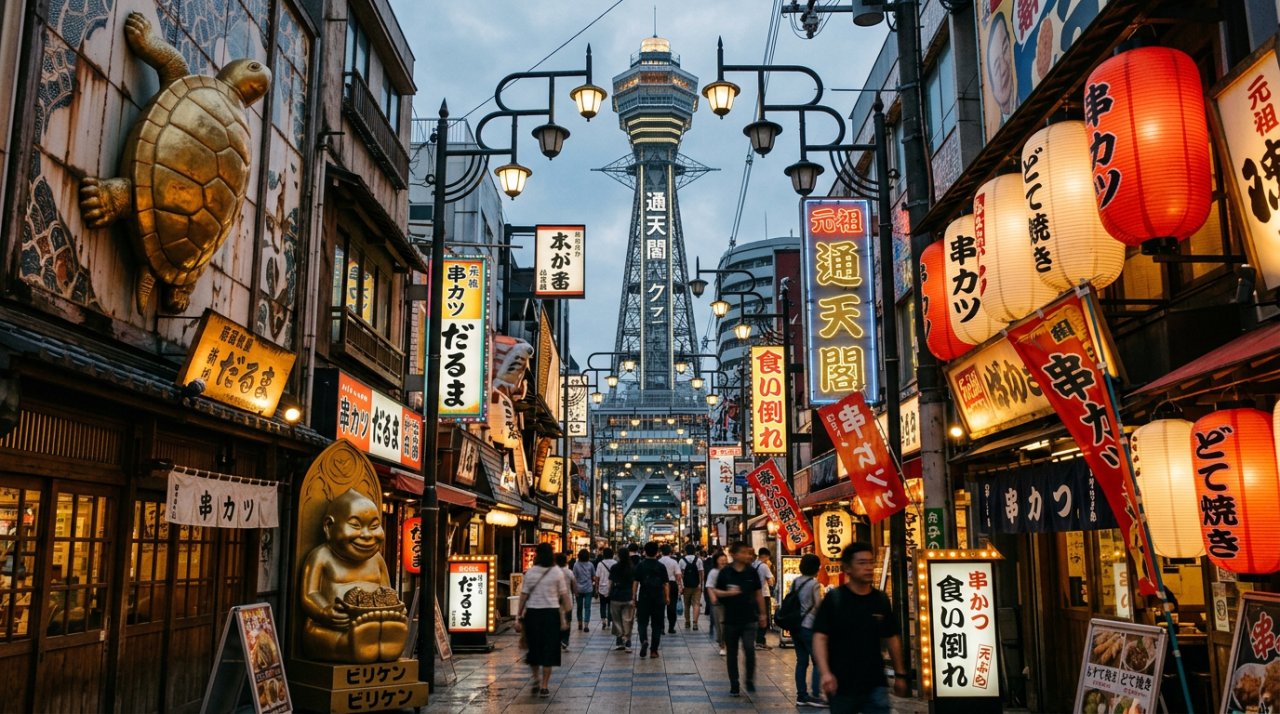
Horie won’t give you the full-blast Osaka experience of neon signs and street food vendors shouting across a crowded alley. What it gives you instead is a neighborhood that has developed its own clear sense of what it wants to be.
The coffee is taken seriously here. The shops are edited, not exhaustive.
The streets are quiet enough that you can actually hear your thoughts, which, after a few days in central Osaka, feels like a genuine luxury. Spend a morning here, stay for lunch, and you’ll probably find yourself back before your trip is over.