




A realistic Osaka travel budget runs anywhere from ¥8,000 per day for a tight backpacker setup to ¥30,000+ per day if you're eating well and staying somewhere decent. This guide breaks down what accommodation, food, transport, and activities actually cost in 2025-2026 — with real numbers, not vague ranges — so you can plan your trip without the guesswork. Osaka punches above its weight for value, and whether you're in a capsule hotel eating from konbini shelves or sitting down to a proper multi-course dinner, the city accommodates both without apology.
A realistic Osaka travel budget runs anywhere from ¥8,000 per day for a tight backpacker setup to ¥30,000+ per day if you’re eating well and staying somewhere decent.
In this Explore Osaka guide, you’ll find a full breakdown of what accommodation, food, transport, and activities actually cost in 2025 and 2026 — with real numbers, not vague ranges — so you can plan your trip without the guesswork.
Osaka punches above its weight for value. Compared to Tokyo, prices for food and transit skew noticeably lower, and street food is some of the best you’ll find anywhere in Japan.
Whether you’re sleeping in a capsule hotel and eating from konbini shelves, or booking a room at a well-regarded business hotel and sitting down to proper kaiseki meals, the city accommodates both without apology.
How Much Does Osaka Cost Per Day?
Daily costs in Osaka vary a lot depending on your style, but three clear tiers cover most travelers. The figures below assume a solo traveler and use approximate 2025-2026 pricing.
| Budget Type | Accommodation | Food | Transport | Attractions | Daily Total |
|---|---|---|---|---|---|
| Budget | ¥3,000-5,000 | ¥2,000-3,500 | ¥800-1,000 | ¥500-1,000 | ¥6,300-10,500 |
| Mid-Range | ¥12,000-25,000 | ¥5,000-8,000 | ¥1,000-1,500 | ¥2,000-3,000 | ¥20,000-37,500 |
| Luxury | ¥40,000+ | ¥15,000+ | ¥1,500-3,000 | ¥3,000-5,000 | ¥59,500+ |
Budget travelers can get by on around ¥8,400 per day if they’re disciplined — hostel dormitory, convenience store meals mixed with cheap ramen, and day passes on the subway.
A mid-range traveler spending ¥25,000-30,000 per day will eat at sit-down restaurants, sleep in a private room in a decent business hotel, and do a couple of paid attractions.
Those numbers translate to roughly $55-200 USD per day at current exchange rates.
For a 7-day trip, expect to spend approximately ¥58,000-73,500 on a budget, ¥175,000 on a comfortable mid-range trip, or ¥415,000+ if you’re going proper luxury — all excluding flights.
Trip Essentials
Osaka Travel Add-ons
Equip yourself for the ultimate Osaka adventure with the following add-ons, curated just for you.
Flights to Osaka
Airport Transfer
ICOCA IC Card
Suica IC Card
Osaka Tours
Luggage Storage
Travel Insurance
Data Security

Japan eSIM
Japan SIM Card
Pocket WiFi Rental
Japan eSIM
Accommodation Costs in Osaka
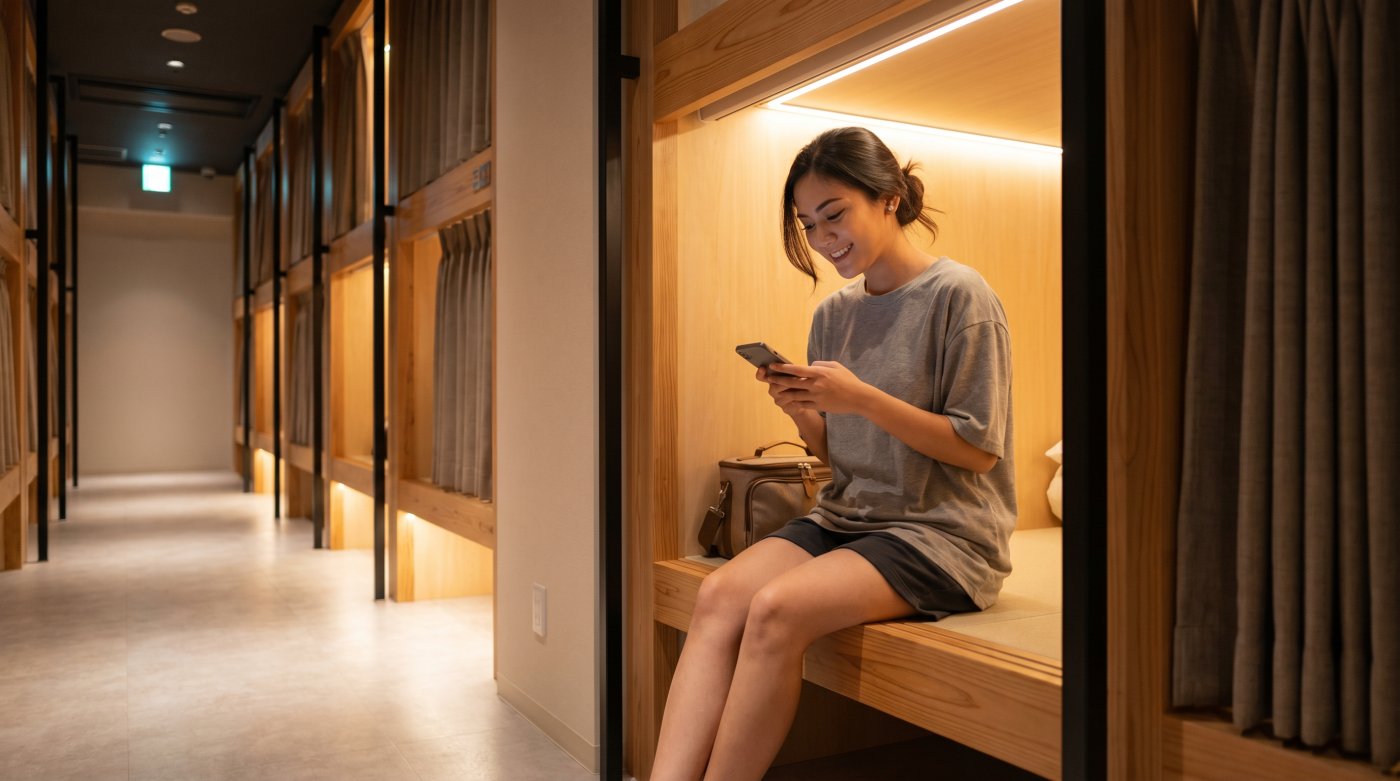
Osaka’s accommodation market runs wide. Hostels with dormitory beds start at ¥2,800-3,500 per night in areas like Namba and Shinsaibashi.
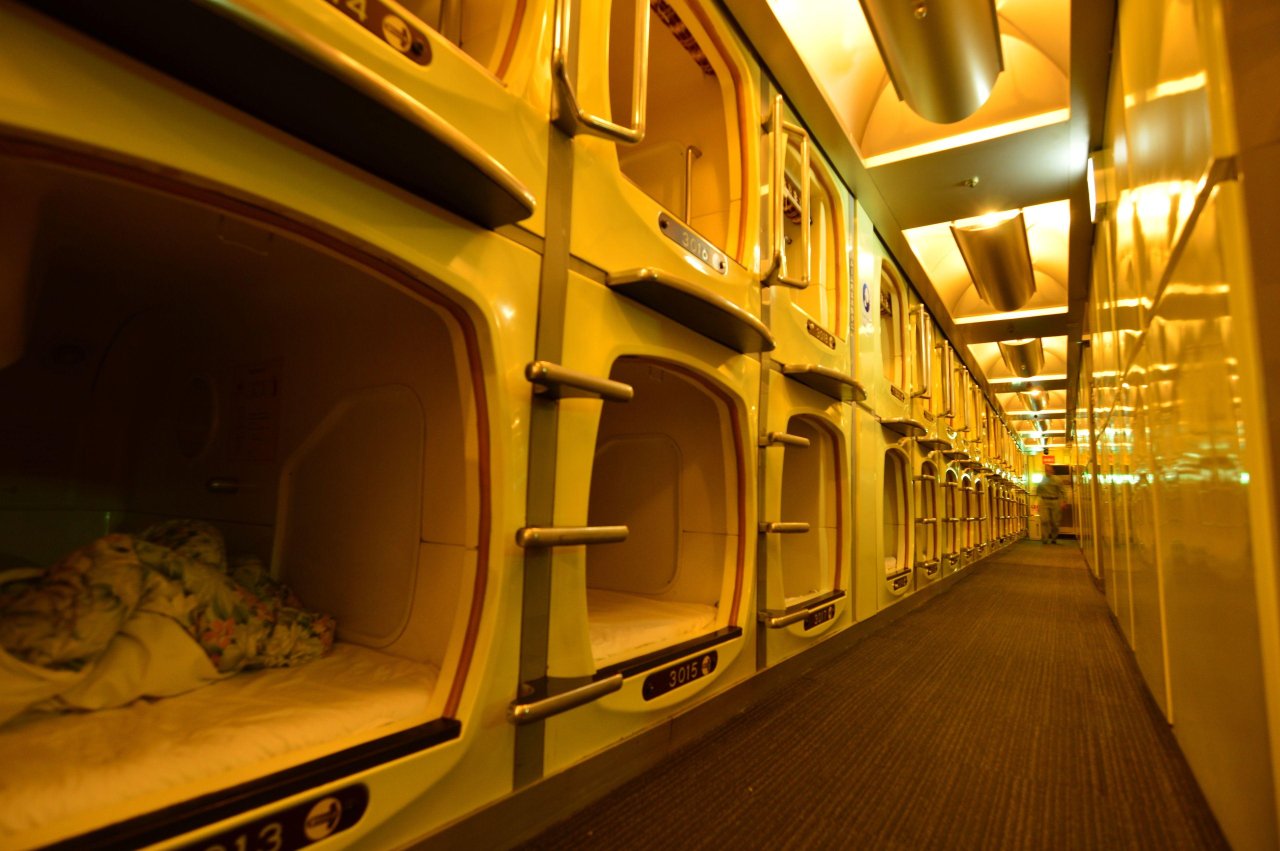
Capsule hotels, which are genuinely comfortable for solo travelers and not at all as claustrophobic as they sound, typically cost ¥3,000-5,000 per night.
The legendary Capsule Inn Osaka near Umeda is one of the originals, running from around ¥2,800 per night.
Private rooms at budget guesthouses and Airbnb-style stays sit around ¥6,000-10,000 per night for a simple single.
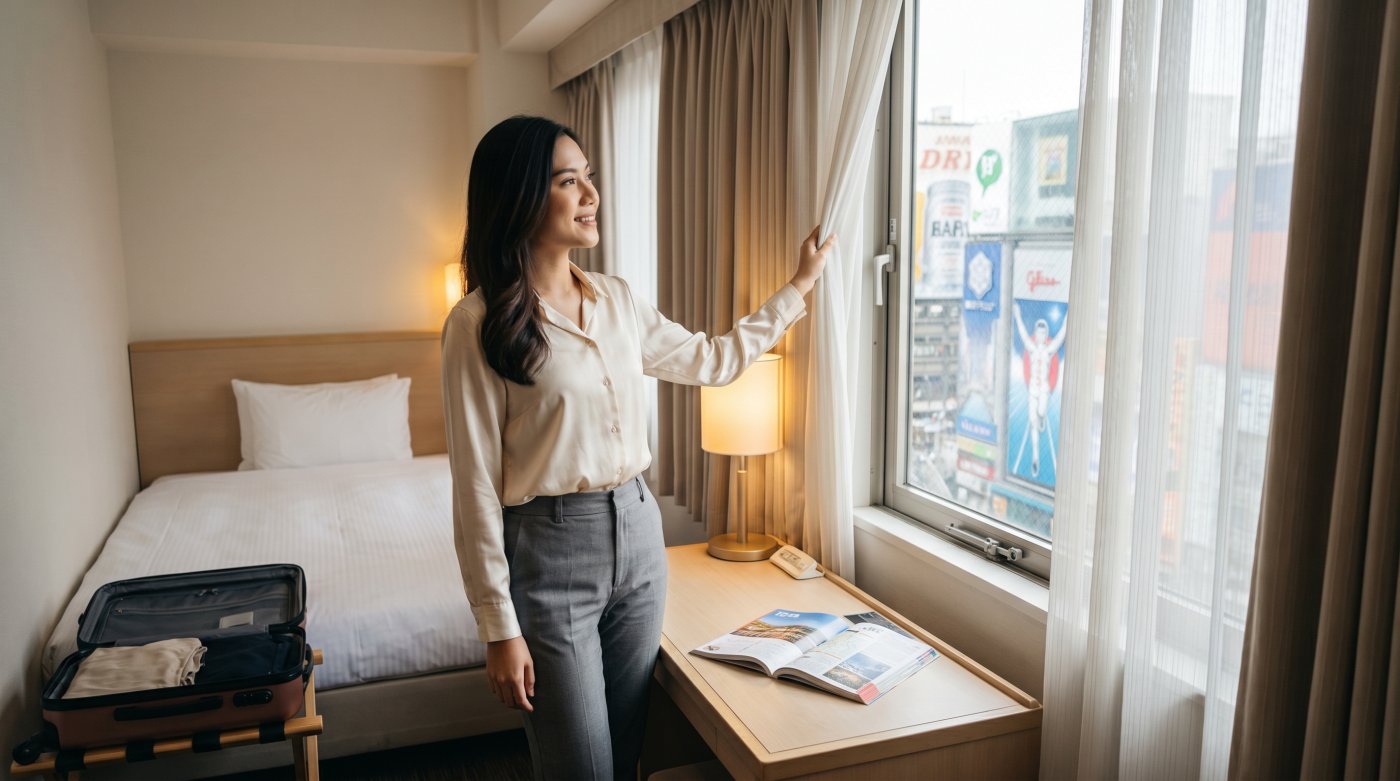
Mid-range business hotels — the sweet spot for most travelers — charge ¥12,000-25,000 per night for a private room.
At ¥20,000-50,000 per room per night, you’re in genuinely comfortable territory with reliable service, quality beds, and often a great central location.
Where You Stay Affects More Than Your Hotel Bill
Staying in Namba or Dotonbori puts you within walking distance of most of the food and nightlife, which cuts your daily transport spend.
Hotels in Tennoji and Shinsekai tend to run 15-20% cheaper than equivalent options in Namba, with easy subway access to the rest of the city.
Quick Accommodation Reference (Per Night, Solo Traveler)
- Hostel dorm bed: ¥2,800-5,000
- Capsule hotel: ¥3,000-5,500
- Budget private room (guesthouse/hostel): ¥6,000-10,000
- Mid-range business hotel (private room): ¥12,000-25,000
- 3-star hotel: ¥18,000-35,000
- 4-star hotel: ¥40,000-80,000
- Luxury property: ¥80,000+
The where to stay in Osaka guide breaks down every neighborhood by budget and travel style if you want a deeper look at which area makes sense for your trip.
Book Your Osaka Stay Today
Browse curated hotels, guesthouses, and machiya stays from our partner platforms. Best prices, verified reviews, instant booking.








Food Costs: Eating Well Without Burning Through Cash
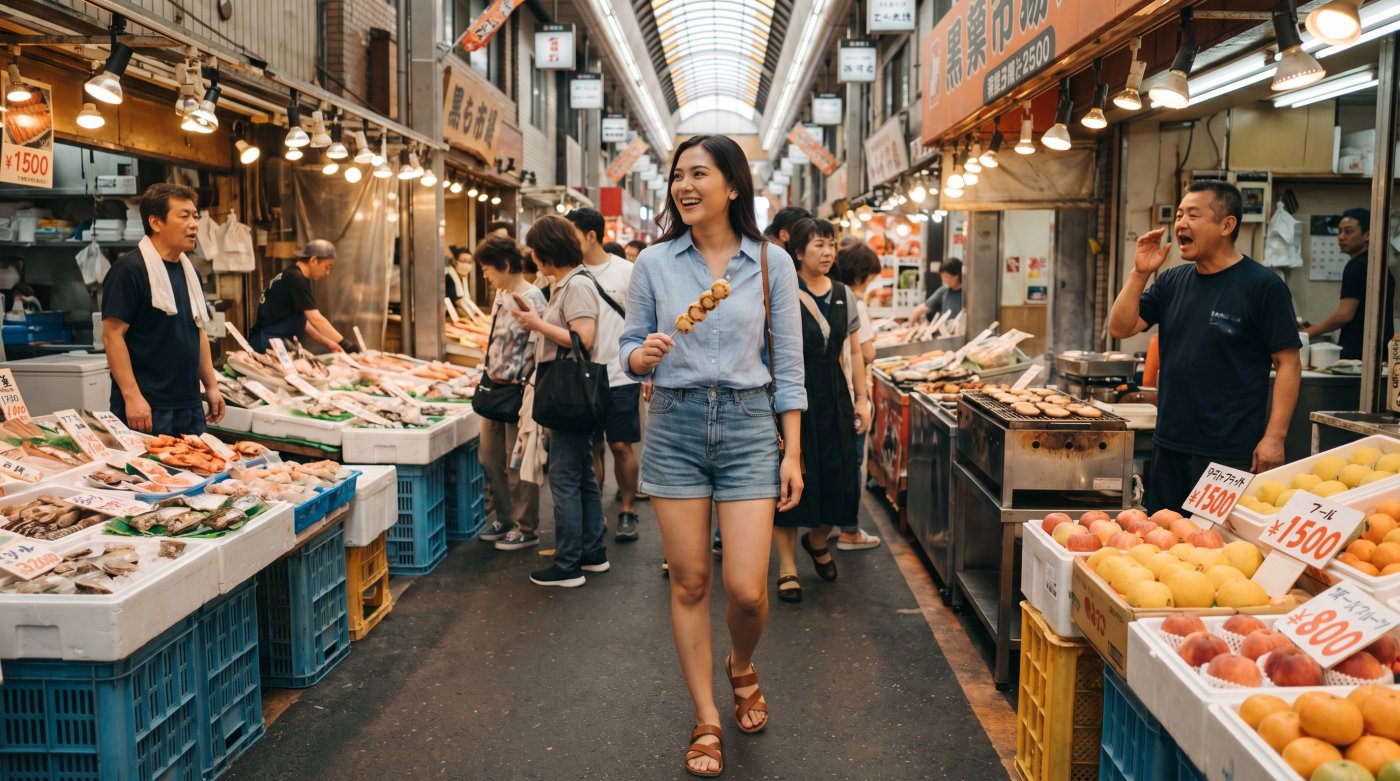
This is where Osaka genuinely earns its reputation as Japan’s kuidaore city — roughly translated as “eat yourself broke.”
Fortunately, the city makes eating cheaply easy without punishing you with mediocre food.
A convenience store breakfast (onigiri, yogurt, coffee) will run you ¥400-600. Street food like takoyaki (octopus balls) from a proper vendor in Dotonbori costs ¥500-800 for 6-8 pieces.
A solid bowl of ramen at a sit-down shop runs ¥800-1,200. Teishoku set lunches at regular restaurants — rice, miso soup, main dish — are widely available for ¥900-1,500 and are genuinely filling.
Budget Food: ¥2,000-3,500 Per Day
If you’re watching spending closely, combining konbini meals with one proper restaurant meal per day is the standard move.
Grocery stores and supermarkets (look for Gyomu Super, LIFE, or Daiei) sell prepared foods at low prices.
A full day eating this way costs ¥1,800-2,500. You won’t be eating badly — Japanese convenience stores, konbini, stock better ready meals than most countries manage at restaurants.
Mid-Range Food: ¥5,000-8,000 Per Day
Three proper restaurant meals per day, including one izakaya dinner with drinks, sits comfortably in this range.
Osaka’s Kuromon market is worth a visit for fresh seafood and produce that you can eat on the spot at reasonable prices.
A decent dinner for two at a mid-range restaurant, with a couple of drinks each, typically costs ¥4,000-8,000 total.
Splurging on Food in Osaka
Osaka has exceptional high-end dining, including 56 Michelin-starred restaurants as of the 2025 guide.
An omakase sushi counter or a proper kaiseki meal runs ¥15,000-50,000 per person.
That said, you can have a truly memorable meal at a well-regarded local restaurant for ¥3,000-6,000 per person — and for food-focused travelers, that’s often the better value call.
The Osaka food guide covers the best spots across every budget and neighborhood.
Transport Costs in Osaka
Getting around Osaka is efficient and relatively affordable. The Osaka Metro subway network covers most tourist areas well, and single rides cost ¥190-390 depending on distance.
The Enjoy Eco Card (the Osaka Metro 1-day pass) costs ¥820 on weekdays and ¥620 on weekends and public holidays — children pay ¥310. If you’re taking three or more subway trips in a day, the day pass pays for itself.
Essential Osaka Travel Passes
Powered by KlookThe passes worth buying before you land — curated for first-timers.
Osaka Amazing Pass
Unlimited subway + free entry to 40+ attractions. The only pass most visitors actually need.
Osaka e-Pass
Attractions-only digital pass. Pair with a Metro Pass if skipping the Amazing Pass.
Osaka Metro Pass
1 or 2-day unlimited Metro rides. Best standalone transit value if you already have an attractions pass.
JR West Kansai Area Pass
Unlimited JR trains for 1–4 days. Covers Kyoto, Nara, Kobe, and Himeji from Osaka.
JR Haruka Express
KIX to Umeda/Shin-Osaka in ~50 min. Best if staying in Umeda or heading straight to Kyoto.
Nankai Rapi:t Express
KIX to Namba in 34 min, reserved seat. Better if staying in Namba or Shinsaibashi.
The card is sold at ticket machines in every subway station.
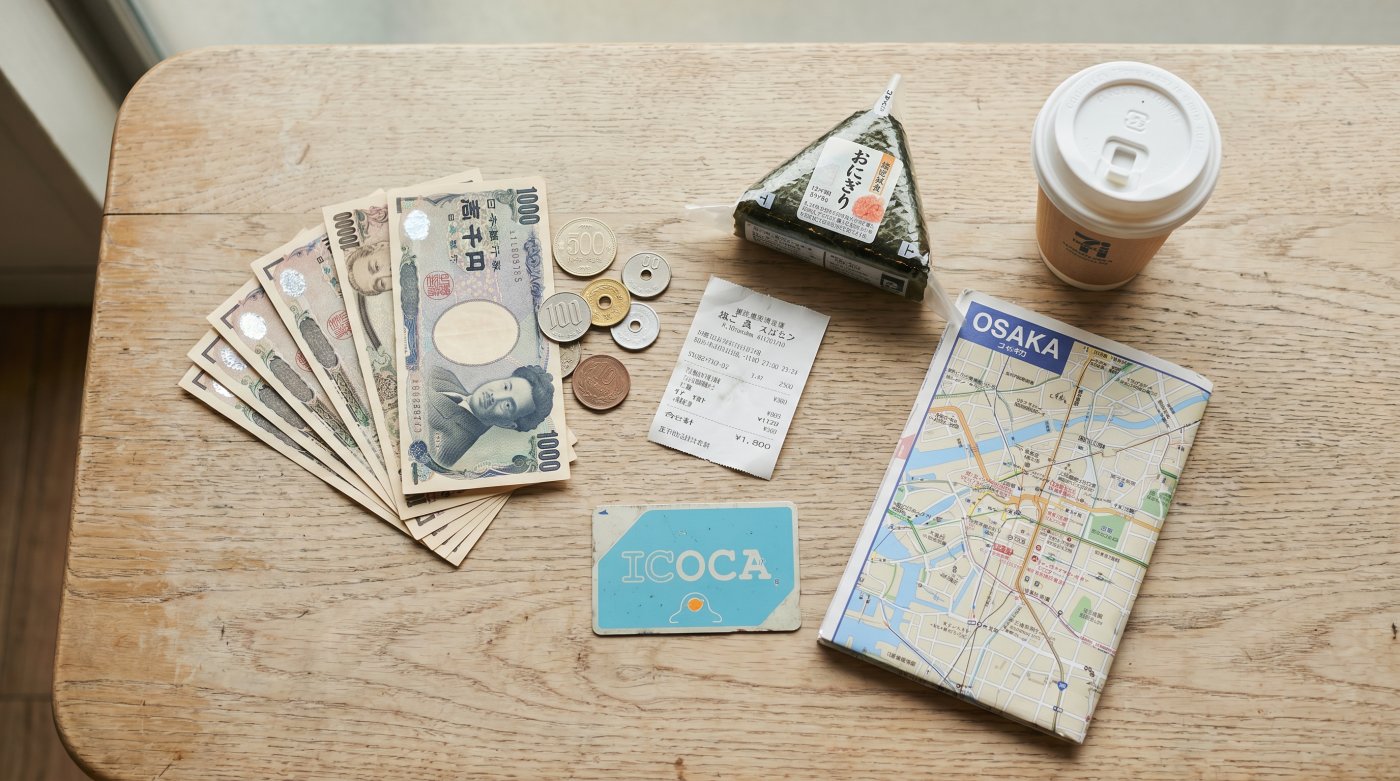
For visitors coming from Kansai International Airport, the ICOCA IC card costs ¥2,000 (¥500 is a refundable deposit, ¥1,500 is loaded credit) and works on trains, subways, buses, and even vending machines and convenience store payments across Japan.
Transport Budget by Traveler Type
- Budget traveler: ¥700-1,000/day (subway day pass, walking heavy)
- Mid-range traveler: ¥1,000-1,500/day (subway + occasional taxi)
- Airport transfer: ¥1,200-1,600 one way by Nankai Rapi:t express (Kansai Airport to Namba)
- Day trip to Kyoto (JR): ¥560 one way by rapid train; ¥1,490 by shinkansen
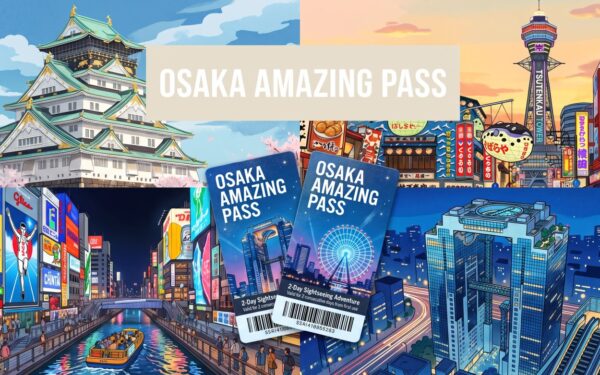
The Osaka Amazing Pass
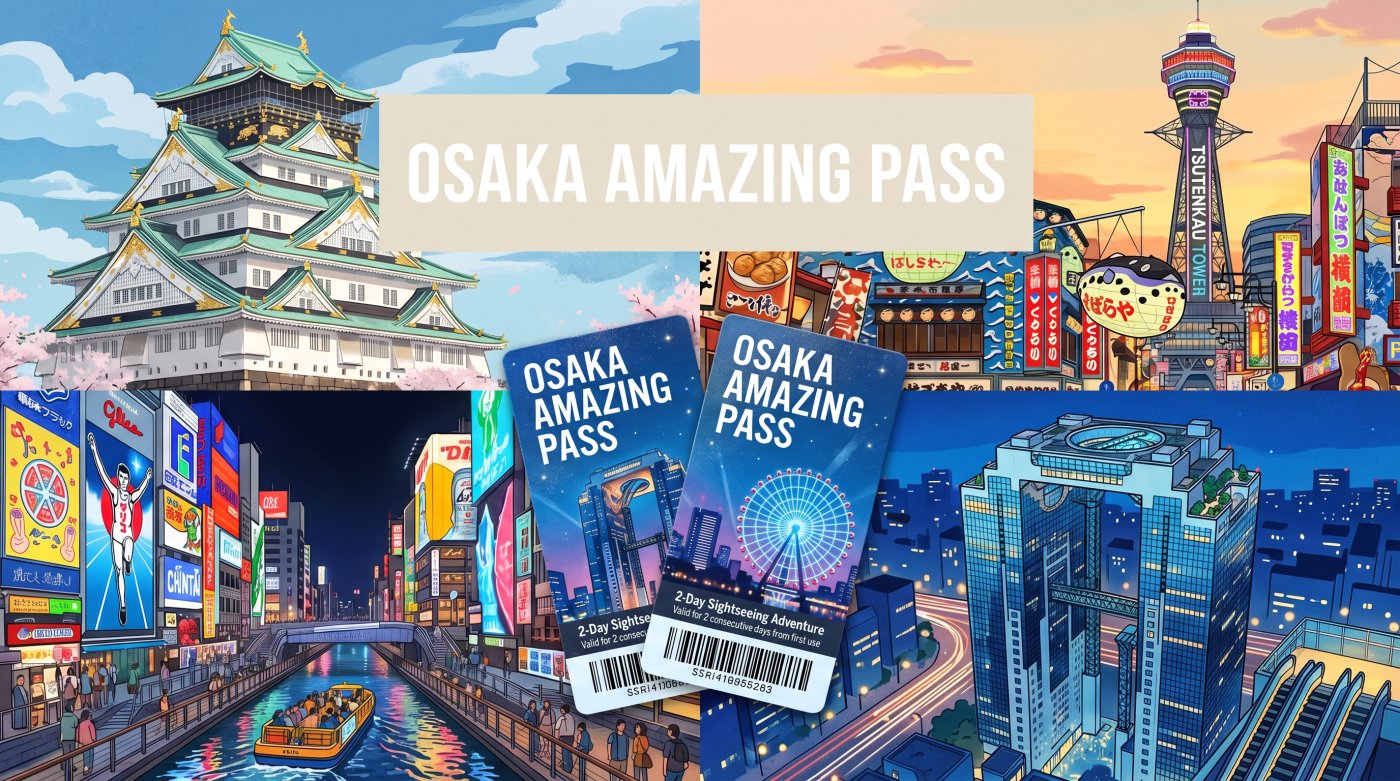
Osaka Amazing Pass — the one pass worth buying
Unlimited subway rides plus free entry to 40+ attractions including Osaka Castle, Umeda Sky Building, and the Dotonbori River Cruise. If you're spending more than a day sightseeing, it pays for itself before lunch.
For a sightseeing-heavy day, the Osaka Amazing Pass (¥3,300 for 1 day, ¥4,700 for 2 days) gives you unlimited subway rides plus free entry to over 40 attractions.
If you’re planning to hit Osaka Castle, Sumiyoshi Taisha, Tennoji Zoo, and a few other paid sights on the same day, it pays for itself quickly.
It’s sold at tourist information centers near major stations and online through Klook.
Navigate Osaka With Ease
Book airport transfers, train passes, and local transport before you arrive. Skip the queues and language barriers.




Osaka Attractions: What You’ll Spend on Sightseeing
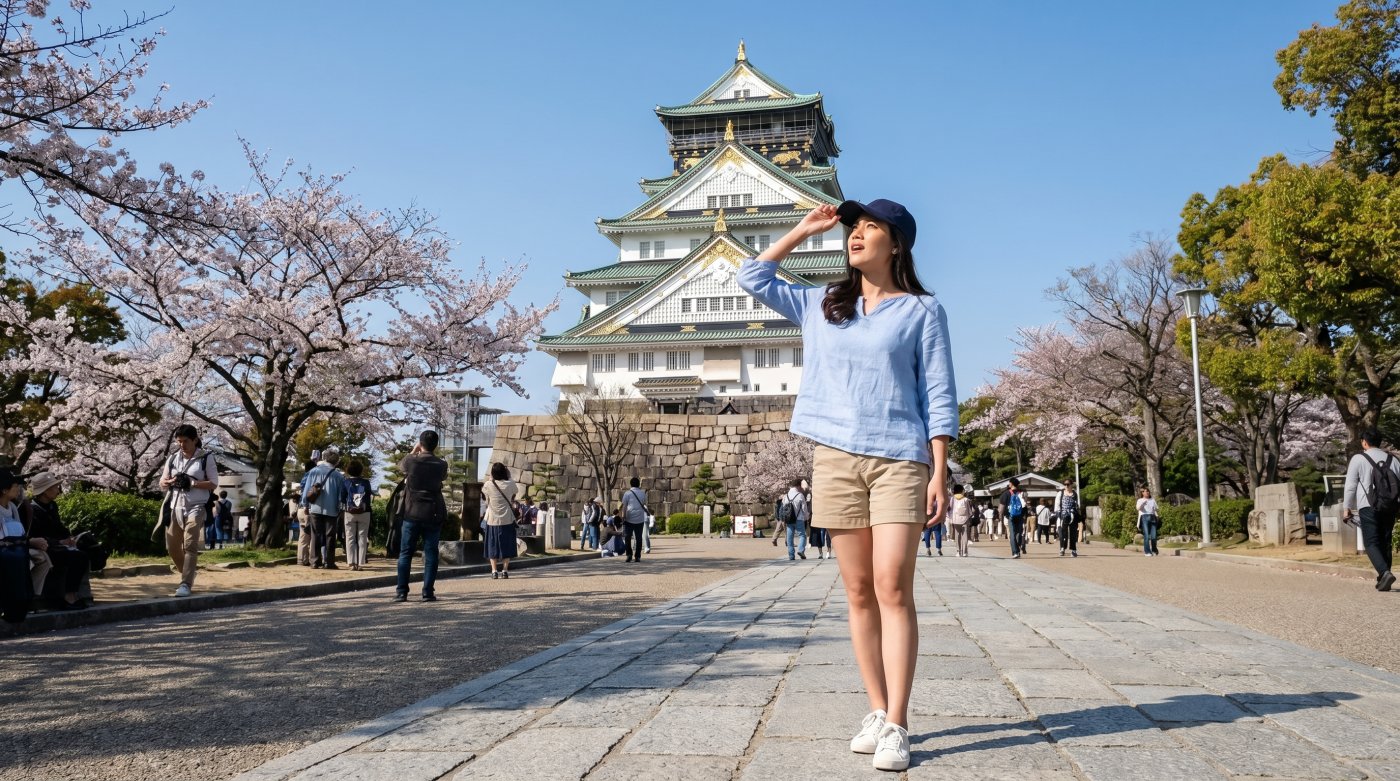
Osaka has a solid range of free and low-cost sights alongside a few bigger-ticket experiences.
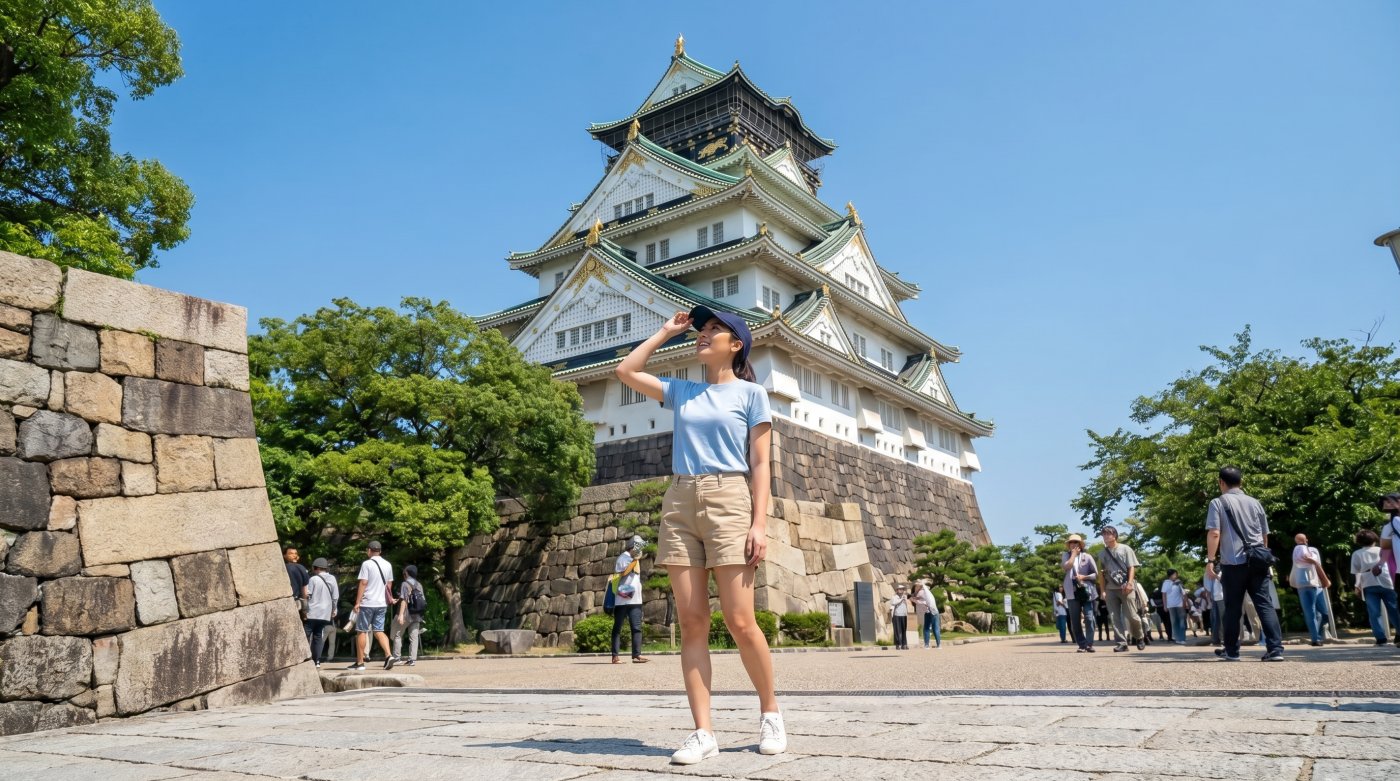
Osaka Castle main tower admission is ¥1,200 for adults (raised from ¥600 in April 2025), and ¥600 for high school and university students. The surrounding Osaka-jo park is free to walk through year-round — the stone walls and moats are worth seeing even without the tower ticket.
The castle museum inside the tenshu chronicles the Toyotomi Hideyoshi era through armor, maps, and artifacts across eight floors.
Universal Studios Japan (USJ) day tickets start at around ¥8,600-9,800 for a standard 1-Day Studio Pass, though prices vary by date and ticket type. USJ in the Osaka Bay area takes a full day and is genuinely one of the better theme parks in Asia.
Factor this in as a significant single-day spend.
Free and Low-Cost Sights Worth Your Time
Several of Osaka’s best experiences cost nothing or close to it:
- Dotonbori canal walk: Free. The neon signs, Glico Man running man billboard, and street food vendors are all there without a ticket.
- Shinsekai neighborhood: Free to walk around; food and drinks are the only spend.
- Sumiyoshi Taisha shrine: Free entry. One of Japan’s oldest Shinto shrines, with a distinctive arched bridge and cedar forests.
- Harukas 300 observation deck: ¥1,500 adult entry, atop the 300-meter Abeno Harukas skyscraper in Tennoji.
- Osaka Aquarium Kaiyukan: Osaka Aquarium Kaiyukan admission is ¥2,700 for adults, located in the Tempozan area near Osaka Bay. One of the best aquariums in Japan, and worth the price.
- Namba Parks rooftop gardens: Free access. A surprisingly pleasant slice of green above a commercial complex.
For a broader look at what to fill your days with, the guide to things to do in Osaka covers attractions across every budget.
Book Osaka Attractions Now
Skip ticket lines and secure your spot at Osaka's top attractions. Reserve tours, day trips, and experiences in advance.


Sample Osaka Trip Budgets by Travel Style
Here’s how a 5-day Osaka trip breaks down in practice, per person, excluding flights.
Budget Traveler (5 Days)
| Category | Estimated Cost (JPY) |
|---|---|
| Accommodation (hostel dorm x5 nights @ ¥3,500) | ¥17,500 |
| Food (¥2,500/day avg) | ¥12,500 |
| Transport (day passes + airport transfer) | ¥5,500 |
| Attractions (Osaka Castle, free sights) | ¥2,500 |
| Miscellaneous (coffee, souvenirs) | ¥3,000 |
| Total | ¥41,000 (~$275 USD) |
Mid-Range Traveler (5 Days)
| Category | Estimated Cost (JPY) |
|---|---|
| Accommodation (business hotel x5 nights @ ¥18,000) | ¥90,000 |
| Food (¥7,000/day avg) | ¥35,000 |
| Transport (Amazing Pass x2 + other days) | ¥8,000 |
| Attractions (Castle, USJ, Kaiyukan) | ¥22,000 |
| Miscellaneous (shopping, drinks) | ¥15,000 |
| Total | ¥170,000 (~$1,130 USD) |
Tips to Keep Your Osaka Travel Budget Under Control
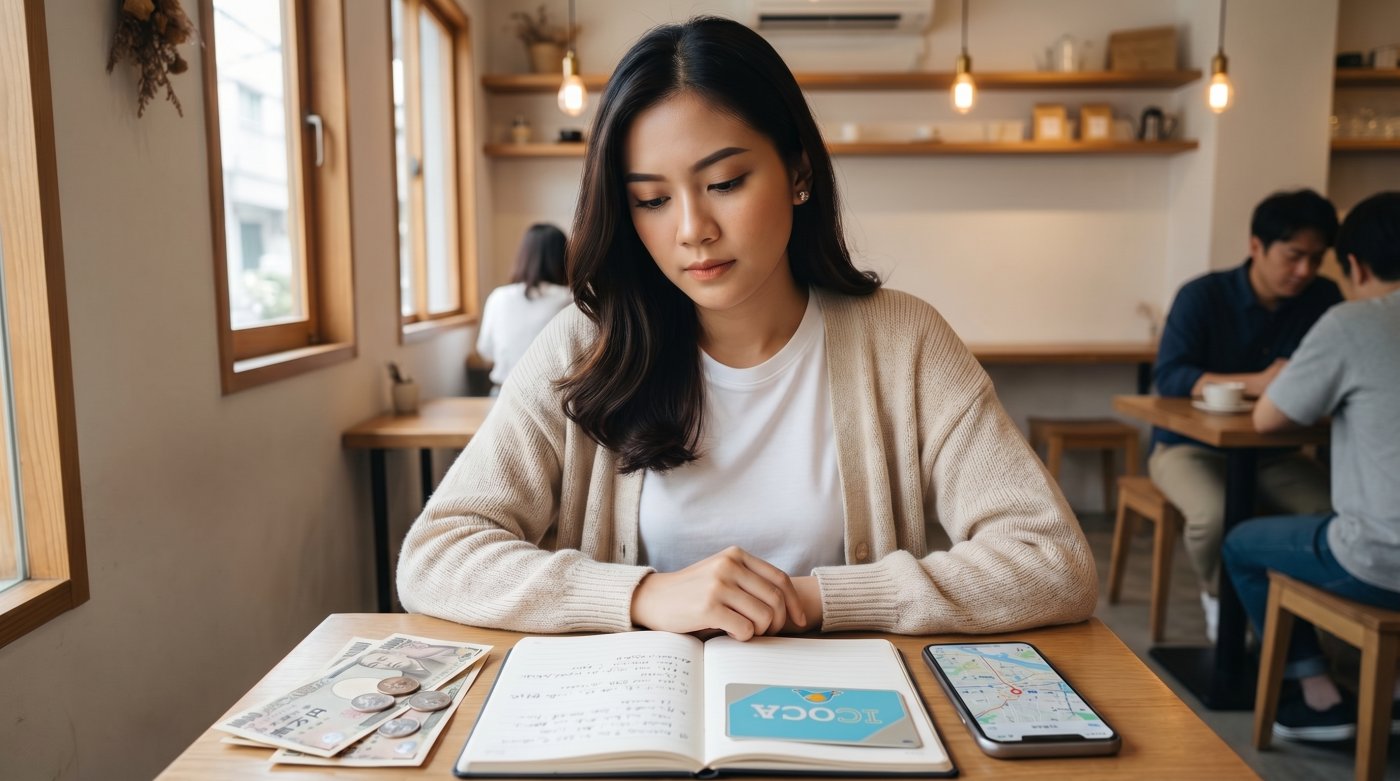
Osaka rewards travelers who know a few simple habits. These aren’t exotic hacks — just sensible moves that people who live here take for granted.
Get an IC card on arrival. Loading an ICOCA card at Kansai Airport before you leave the arrivals hall means you skip the ticket machine queue at every station for the rest of the trip. It also works for purchases at vending machines and konbini across the country.
Eat where the locals eat at lunch. Most Japanese restaurants offer teishoku set lunches at prices 20-30% lower than dinner, and the quality is identical. The 12:00-1:30 rush means the food is always fresh.
Use the Enjoy Eco Card on heavy sightseeing days. On a weekday, ¥820 covers unlimited subway rides. If you ride the subway three or more times, you’re ahead.
On weekends and holidays it drops to ¥620, which is an easy win.
Skip the tourist-trap areas for snacks. Takoyaki in the heart of Dotonbori gets a tourist markup. Walk three streets back into Namba or toward Shinsaibashi and prices drop noticeably for the same food.
The Osaka Amazing Pass is genuinely useful — but only on the right day. It pays off if you’re hitting four or more paid attractions in a single day. On a relaxed day with mostly free sights, the day pass alone is enough.
Cash is still king at smaller restaurants. Many family-run izakaya, street food stalls, and smaller restaurants remain cash-only in 2025-2026. Keep ¥5,000-10,000 in notes on you at all times.
7-Eleven and Japan Post ATMs accept foreign cards reliably.
To put together a day-by-day plan that makes the most of your budget, the Osaka itinerary section maps out efficient routes by trip length.
When You Go Affects How Much You Spend
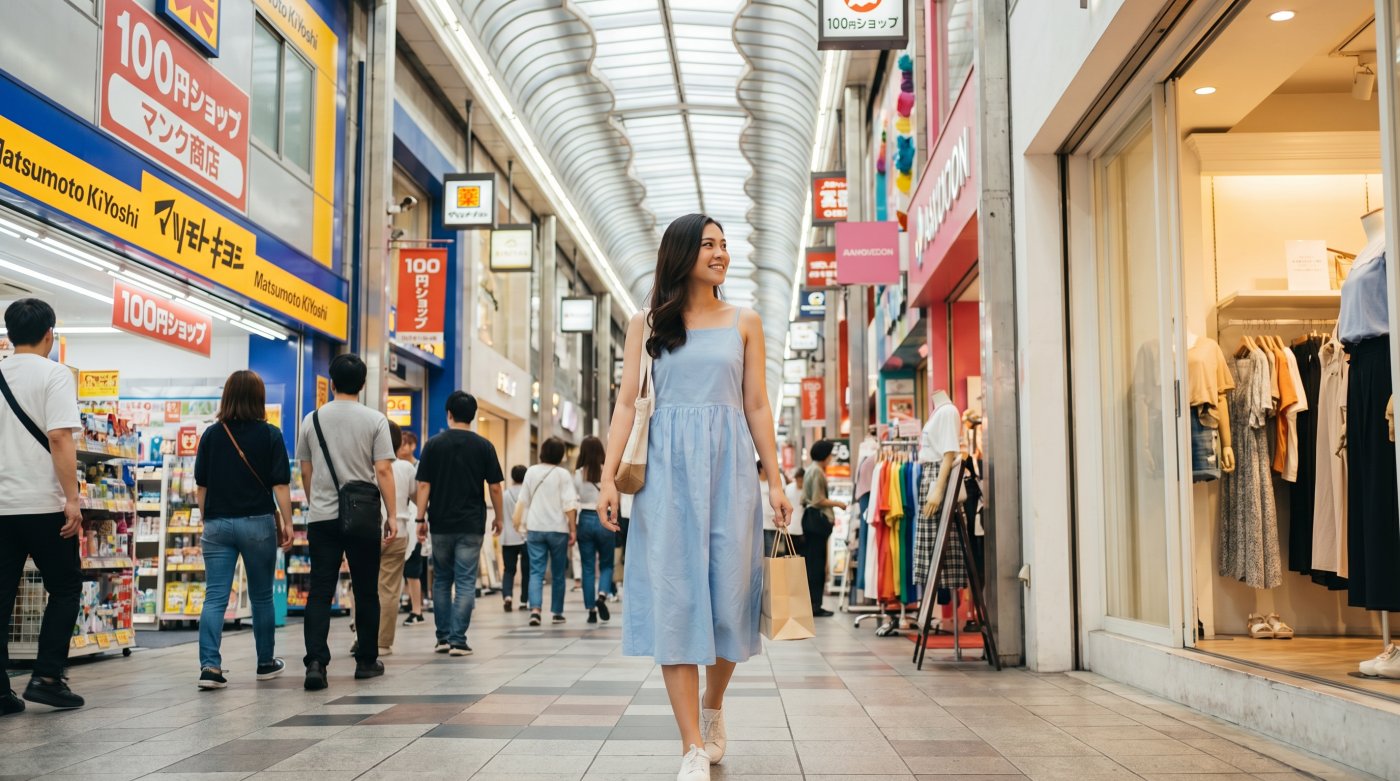
Accommodation prices in Osaka shift with the seasons. October and November are the most expensive months, driven by autumn foliage crowds and major trade events at Intex Osaka.
Cherry blossom season (late March to early April) pushes hotel rates up significantly — budget 25-40% more on accommodation during peak weeks.
June and early July (rainy season) and February are the cheapest months to visit. Hotel rates drop, popular spots are less crowded, and flights tend to be lower.
The trade-off is rain, occasionally heavy, and humidity building through June. If your goal is to stretch the Osaka travel budget as far as it goes, an early February trip or a mid-June visit gives the best value.
Summer (July-August) is hot and humid, with temperatures regularly above 35°C and high humidity that makes midday sightseeing uncomfortable. Shoulder seasons — May, September, and early October — tend to offer the best balance of cost and weather.
For more information, read our full guide on when is the best time to visit Osaka.