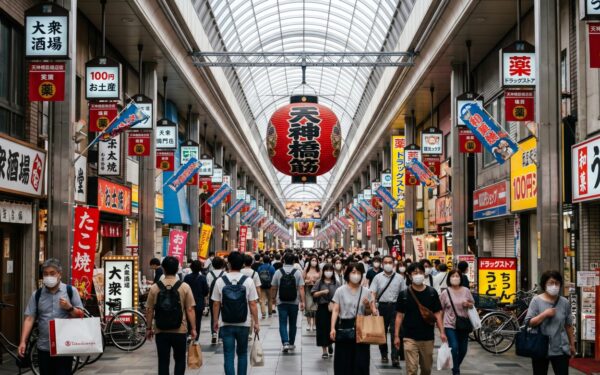
Umeda Sky Building
Osaka's futuristic twin-tower landmark with a dramatic open-air rooftop observatory at 173 metres.
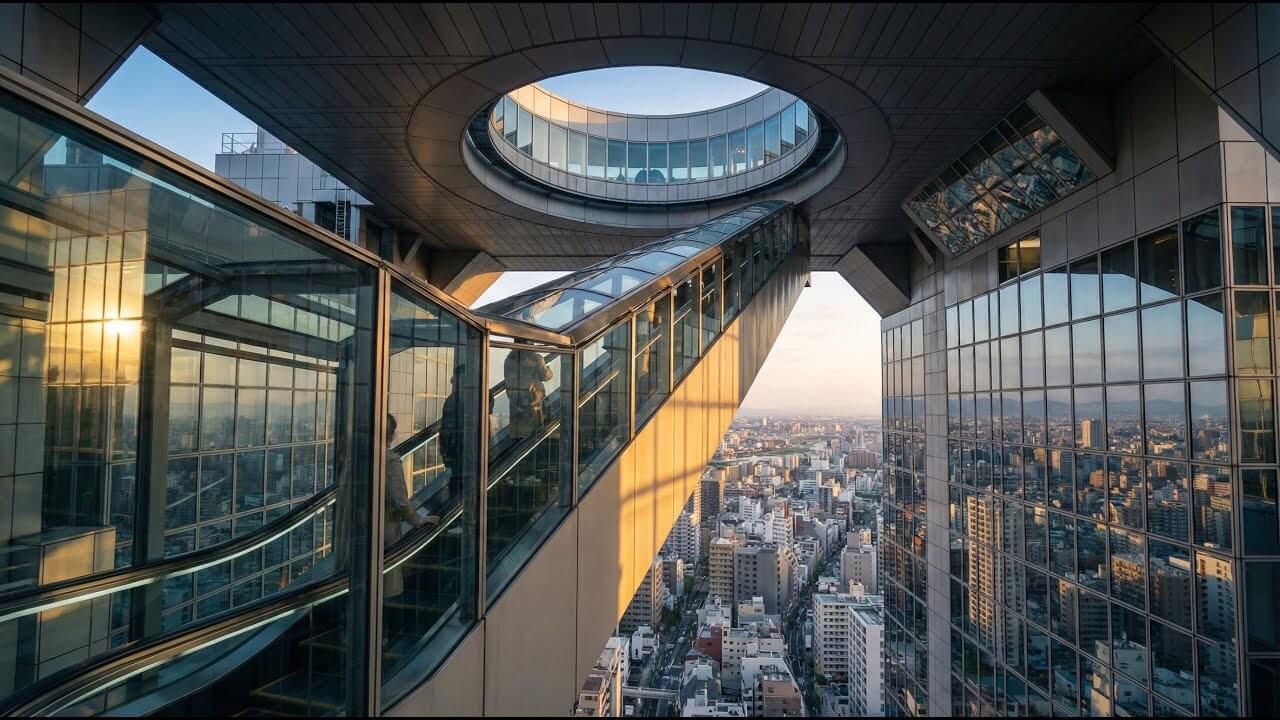
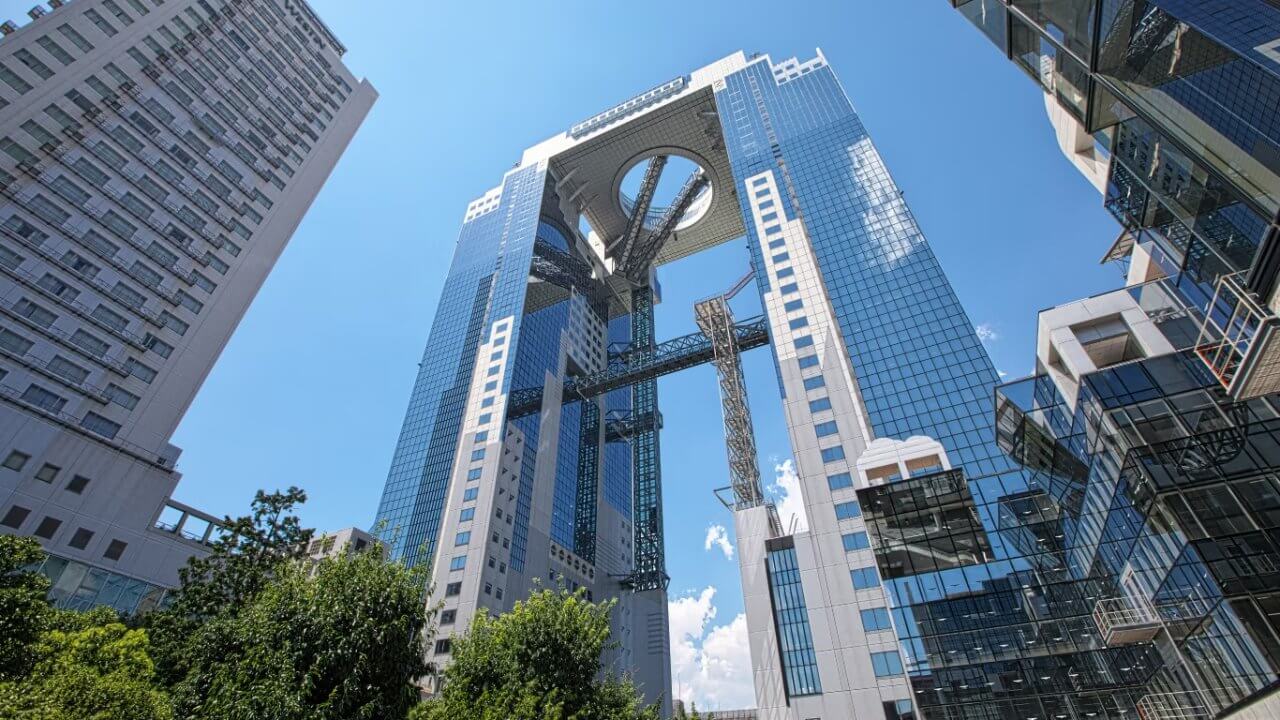
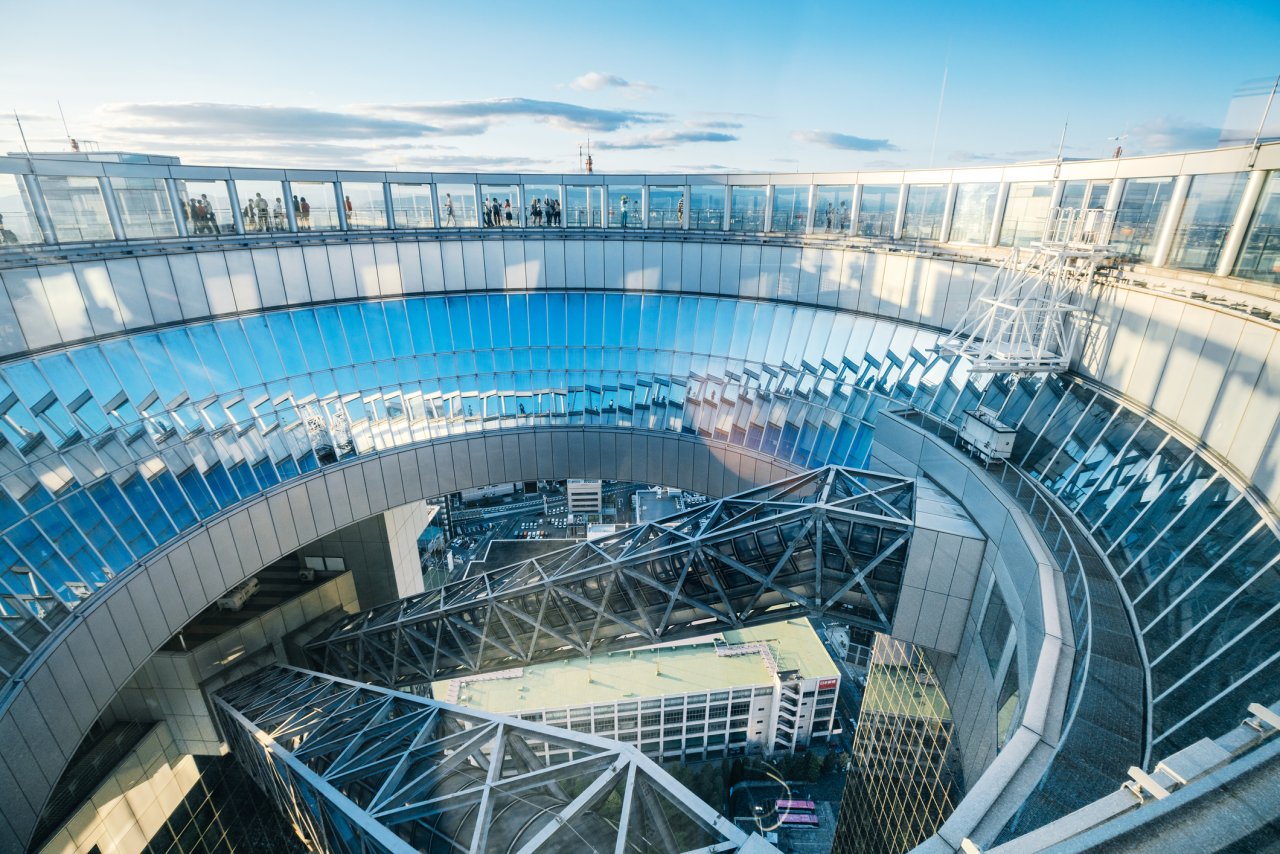









The Umeda Sky Building (梅田スカイビル) is one of Osaka’s most recognisable architectural statements — two 40-storey towers linked at the top by the Kuchu Teien Observatory, a name that translates to “Floating Garden.” Clad in around 17,000 half-mirrored glass panels, the building reflects the sky so convincingly it earned a place on the global “Top 20 Buildings Around the World” list.
It was completed in 1993, designed by architect Hiroshi Hara, and it still looks like something from a decade that hasn’t happened yet.The observatory spans the 39th and 40th floors plus a fully open-air rooftop, giving you unobstructed 360-degree views of Osaka, the Yodo River, and on clear days, the Rokko mountain range.
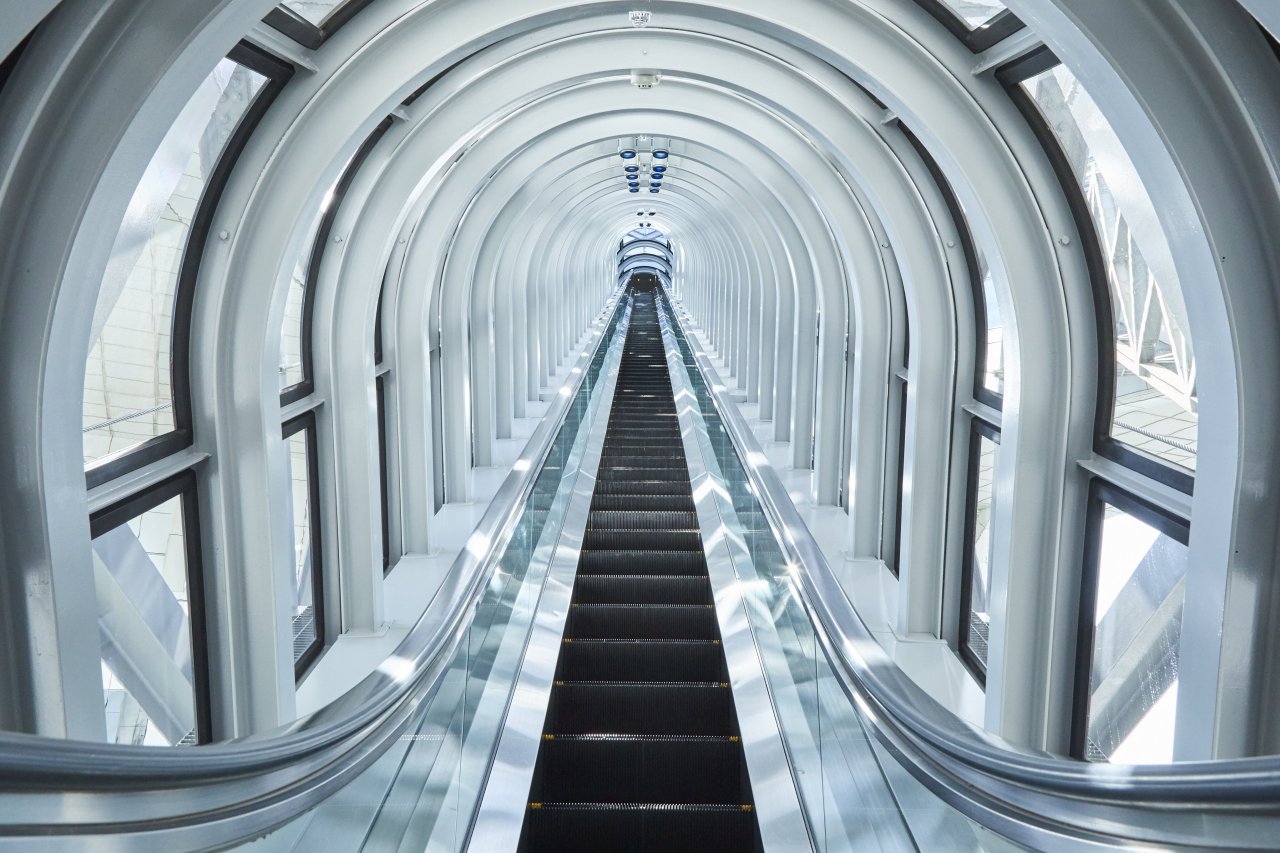
Getting up there is half the experience — a see-through glass escalator carries you through open air between the 35th and 39th floors, which is either thrilling or mildly terrifying depending on your relationship with heights.
The rooftop walkway has no glass barriers between you and the skyline, just low steel rails and the wind.Come at sunset for the “magic hour” — when the sky shifts from orange to deep blue and the city lights gradually ignite below you.
It’s the most popular window, so expect crowds.
If you’d rather have the place mostly to yourself, a mid-morning visit on a weekday offers clearer skies and shorter queues, and the daytime views stretch impressively far.Below ground, the Showa Retro Shopping Street recreates the nostalgic streetscapes of mid-20th century Japan, with old-style restaurants and shops tucked into a basement arcade.
It’s a surprisingly effective contrast to the tower above it, and worth 20 minutes of your time even if you’re not hungry.
Umeda Sky Building Osaka: Open-Air Observatory Guide (2026)
The Umeda Sky Building stands 173 meters above Osaka as one of Japan’s most architecturally distinctive landmarks. Unlike typical enclosed observatories, its rooftop platform exposes you directly to the sky—real wind, unobstructed views, and the genuine sensation of standing atop a major city.
Designed by architect Hiroshi Hara and completed in 1993, this twin-tower structure offers something rare in urban Japan: an open-air experience at serious altitude.
This guide covers everything you need to know for a visit in 2026, from current ticket prices and booking strategies to the best times for photography, plus the often-overlooked basement dining street that deserves more attention than it gets.
Quick Facts
Hide- Address: 1-1-88 Oyodonaka, Kita Ward, Osaka 531-0076
- Opening hours: 09:30 to 22:30 daily (last admission 22:00; rooftop closes during heavy rain)
- Admission: ¥2,000 adults, ¥500 children aged 4 to 12, free for children under 4
- Nearest station: JR Osaka Station (Central North Exit, 7-minute walk)
- Time needed: 1.5 to 2 hours
- Best season: Year-round; strongest at sunset and during the winter illumination period
- Osaka Amazing Pass: Free admission before 15:00, 10% discount after
- Official website: skybldg.co.jp/en
Arrive at opening (09:00) to get ahead of the queues. During cherry blossom season in late March to early April, wait times inside can stretch to 60-90 minutes on peak days.
Why the Umeda Sky Building Stands Out
Most observation decks in Japan seal you behind glass panels. The Umeda Sky Building takes a different approach.
The rooftop Kuchu Teien (空中庭園), or “Floating Garden Observatory,” features transparent acrylic barriers at waist height with nothing above you but open sky. You feel the weather, hear the city below, and experience altitude in a way that climate-controlled towers simply can’t replicate.
The building’s architecture earned recognition from CNN Travel as one of the world’s top 20 buildings, and the claim holds up in person. Hiroshi Hara connected two 40-story towers with a bridging structure clad in approximately 17,000 half-mirrored glass panels that reflect the sky with startling accuracy.
Depending on the light and cloud cover, the upper section appears to dissolve into the atmosphere—a visual trick that works far better than most architectural attempts at blending structure with sky.
Beyond the rooftop views, the basement level houses Takimi-koji, a meticulously recreated Showa-era street lined with traditional restaurants and bars. Most visitors skip this section entirely, which means you often get the best dining atmosphere in the building without the crowds.
The combination of architectural merit, genuine open-air access, and thoughtful additional spaces makes this worth 1.5 to 2 hours of your Osaka schedule.
What You’ll Experience at the Observatory
The Umeda Sky Building observatory spans multiple levels, each serving a specific function in the overall experience.
The journey upward begins on the 35th floor with a suspended escalator system that carries you through open air between the two towers—a quietly dramatic 90-second ride with the city visible on all sides.
The 39th Floor Indoor Observatory
The 39th floor functions as the enclosed observation level and transition space before you reach the rooftop.
This floor houses the UMEDA SKYBLDG GALLERY SHOP, where you can browse Sky Building merchandise and souvenirs, plus the Heart Lock installation where couples attach engraved padlocks to designated frames—exactly as sentimental as it sounds, though well-contained to one area.
The Sky Lounge Stardust operates here from 17:00 onward, serving cocktails and light meals with floor-to-ceiling windows overlooking Umeda below.
The Open-Air Rooftop Platform (40th Floor)
The 40th floor rooftop delivers what you came for: a circular walkway completely open to the sky above, edged only by transparent acrylic panels at waist height.
You get unobstructed 360-degree views across Osaka without glass distortion or reflections interfering with your sight lines or camera work.
On clear days, the Yodo River traces a visible line northward through the city, the Rokko mountain range forms a pale ridge on the northwestern horizon, and you can identify Osaka Bay if visibility cooperates.
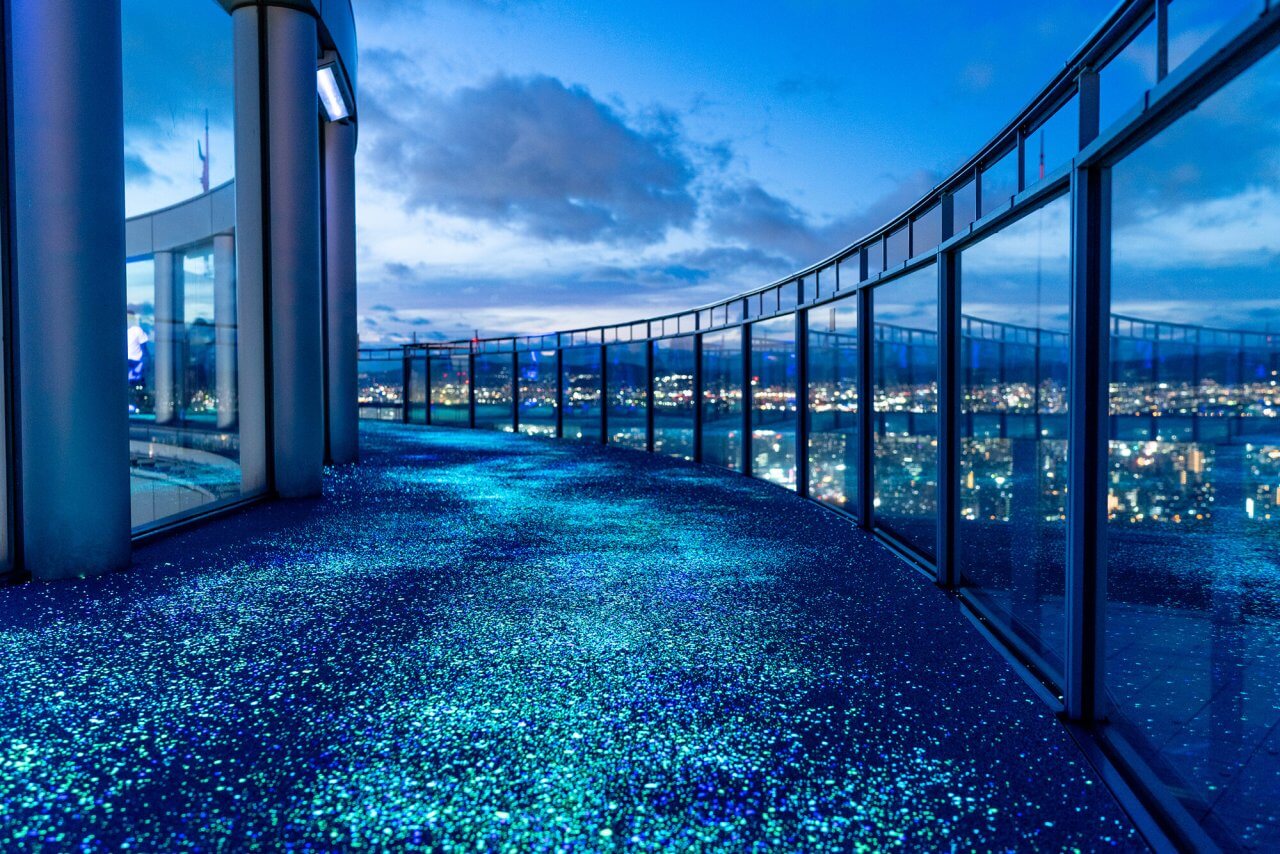
After sunset, fiber-optic lights embedded in the floor activate, shifting the atmosphere from functional viewing platform to something considerably more atmospheric.
The lighting design avoids the garish illumination common to many tourist attractions, instead creating a subdued glow that doesn’t interfere with the city views below.
Weather Considerations
The rooftop is fully exposed to weather conditions. Wind at 173 meters is noticeably stronger than street level, particularly from October through March.
An extra layer is worth packing for sunset or evening visits, even if the forecast looks mild.
The observatory does occasionally close the outdoor section during severe weather, in which case the 39th floor windows provide a complete panoramic view as a backup option.
Takimi-koji: The Basement Dining Street
One level below ground, Takimi-koji (滝見小路) recreates a narrow lane from mid-20th century Japan with surprising attention to period detail. The corridor features aged wooden signage, retro advertising posters, vintage vending machines, and atmospheric lighting that genuinely evokes the Showa era (1926-1989).
Unlike many themed dining areas attached to tourist sites, the restaurants here serve quality food at reasonable prices—a rare combination.
The ramen shops, izakayas, and small bars lining the street offer solid examples of traditional Japanese comfort food without inflated pricing. Plan at least 20 to 30 minutes to explore this area before or after your observatory visit.
If you want to explore Osaka’s broader culinary landscape beyond this single street, the Osaka food guide covers the city’s full dining spectrum from street food to fine dining.
Café SKY 40 and Evening Bar Options
Café SKY 40 operates on the observation level, serving drinks, desserts, and light meals at prices that reflect the altitude rather than the menu complexity. This works better as a spot for a single coffee or soft drink with a view than a serious dining destination.
The Sky Lounge Stardust on the 39th floor offers a more developed evening experience with cocktails, wine, and small plates in a quieter atmosphere with extensive city views through large windows.
Timing Your Visit for Maximum Impact
The observatory delivers noticeably different experiences depending on when you arrive, and choosing the right time window is one of the few decisions that genuinely affects the quality of your visit.
Daytime visits, roughly 10:00 to 15:00, provide the sharpest visibility across the city. You can identify specific landmarks like Osaka Castle Park to the southeast, trace the Yodo River’s northward curve, and on particularly clear days, make out Osaka Bay.
Weekday mornings represent the quietest period, giving you genuine space on the rooftop to move freely and photograph without navigating around other visitors’ camera positions.
Sunset: The Peak Experience
The sunset window draws the largest crowds for good reason. As light shifts from golden hour to twilight to full darkness, the city below illuminates in stages, and the open rooftop gives you an unobstructed view of the entire transition.
Local sunset times vary from approximately 17:00 in December to 19:10 in late June. Arrive 30 to 40 minutes before sunset to secure a favorable position along the outer walkway.
Weekend sunset visits can feel crowded, particularly during popular travel seasons. The rooftop has sufficient space to accommodate visitors, but prime photography positions along the western edge fill up quickly.
If crowds are a concern and you have schedule flexibility, weekday sunsets offer the same visual experience with significantly fewer people competing for space.
Night Visits: The Quieter Alternative
After 20:30 on weekdays, the observatory quiets down considerably. The city is fully illuminated, the rooftop floor lighting is active, and the Sky Lounge Stardust is running.
The last admission is at 22:00, which provides enough time for a genuine nighttime visit without rushing through the experience. If sunset crowds are a deal-breaker but you still want the nighttime city view, a late weekday arrival produces the same visual result with a fraction of the competition for space.
Getting to the Umeda Sky Building
The building sits in the Oyodonaka district just north of the main Umeda transport hub and is walkable from three major stations. All routes are straightforward, though the walk takes you through urban development zones rather than traditional Osaka streetscapes.
From JR Osaka Station, exit through the Central North Exit and walk toward Grand Front Osaka. Pass through the corridor between the Grand Front North and South Buildings, cross the main road at street level, and take the covered underground walkway for the final section.
The twin towers become visible well before you reach the entrance. Total walking time: 7 minutes.
From Osaka Metro Umeda Station (Midosuji Line, station code M16), use Exit 5 and follow signs toward the Umekita area. The walk takes approximately 9 minutes.
From Hankyu Osaka Umeda Station, the Chayamachi Exit puts you on a straightforward 9-minute route. All three approaches take you through the Umekita development zone, a large urban renewal project that’s genuinely interesting to walk through if you have a few extra minutes.
There is no dedicated on-site parking. Metered street parking and nearby multi-story facilities exist in the surrounding area, but the train connections from central Osaka are fast and frequent enough that driving adds complication without benefit.
If you’re staying in Umeda itself, you’re within easy walking distance.
Practical Information for Your Visit
Planning your visit requires attention to a few specific details that can affect both your experience and your budget. The ticketing system offers several options, and understanding them in advance saves time and occasionally money.
Ticket Prices and Purchase Options
Standard adult admission is ¥2,000. Children aged 4 to 12 pay ¥500, and children under 4 enter free.
Disability concession tickets reduce the adult rate to ¥1,000, but these must be purchased at the on-site window with a valid disability certificate. Osaka Amazing Pass holders enter free before 15:00 and receive a 10% discount after that window.
Purchasing tickets in advance through the official website, Klook, or Traveloka skips the on-site queue entirely. At peak times, particularly on sunset weekends, the walk-in queue for tickets can add 20 to 30 minutes to your visit.
IC cards (ICOCA, Suica) are accepted for on-site purchases, and coin lockers are available near the observatory entrance for bags and larger items.
Should You Book in Advance?
For weekday daytime visits, walk-in tickets are generally fine. For any sunset visit, especially on weekends or during Japanese public holidays, pre-booking is the sensible choice.
The observatory doesn’t sell out the way ticketed events do, but queue time at the counter during peak hours is a real cost to your schedule and potentially eats into your optimal viewing window.
Photography and Equipment
Photography is permitted throughout the observatory, including the open-air rooftop. Tripods are generally tolerated during off-peak hours, though staff may ask you to relocate if you’re blocking walkways during busy periods.
The transparent acrylic barriers at the rooftop edge are clean and don’t create significant distortion issues for photography, though positioning your lens directly against the barrier eliminates any potential reflection.
The fiber-optic floor lighting after dark creates interesting foreground elements for night photography, though you’ll need to adjust your camera settings to prevent the lights from overwhelming the city view. A basic understanding of long-exposure photography improves your nighttime results considerably.
What’s Nearby? Nearby Attractions
Grand Front Osaka sits directly between JR Osaka Station and the Sky Building, a large mixed-use complex with shopping, casual restaurants, outdoor plazas, and coffee shops. The dining options span a wide price range across the lower floors, making this a practical stop for a pre-visit coffee or post-visit meal.
The outdoor plaza provides open seating when weather permits.
HEP Five stands on Midosuji Boulevard, about 15 minutes on foot from the Sky Building, identifiable by the red Ferris wheel mounted on its roof. The wheel offers a lower-altitude view over the Umeda area and works well if you have younger visitors in your group who want a second rooftop experience at a more manageable height.
The shopping complex below targets a younger demographic with fashion boutiques and casual dining.
The Osaka Museum of Housing and Living (大阪くらしの今昔館) is reachable in about 10 minutes by metro from Umeda Station. This museum recreates a full-scale Edo-period Osaka streetscape across its upper floors, complete with traditional houses you can enter and explore.
The museum is quieter than its quality warrants and pairs well thematically with the Showa nostalgia of Takimi-koji. For a broader look at the best things to do in Osaka across every district, the city’s range extends far beyond what’s within walking distance of the Sky Building.
Making It Part of Your Osaka Trip
The Umeda Sky Building rewards a small amount of planning. Pick your time window deliberately based on whether you prioritize crowd levels or specific lighting conditions, book your tickets in advance if you’re aiming for sunset, and leave room in your schedule for the Takimi-koji basement before or after you go up.
The building works well as either a standalone attraction or as part of a larger Umeda exploration day.
If you’re still working out how to structure your days in Osaka, the Osaka itineraries section covers sample routes organized by length and travel style. And if you’re deciding where to base yourself in the city, the where to stay in Osaka guide provides a full breakdown by neighborhood characteristics and budget considerations.
The open-air rooftop makes this more than just another observation deck—it’s one of the few places in urban Japan where altitude feels genuinely physical rather than merely visual. Have you experienced other open-air observatories that compare, or does the enclosed approach feel safer at serious heights?
What's Available
Frequently Asked Questions
Adult admission to the Kuchu Teien Observatory is ¥2,000, and children aged 4 to 12 pay ¥500.
Kids under 4 get in free.
If you’re travelling with a disability certificate, the adult price drops to ¥1,000 — but you’ll need to purchase that ticket at the on-site window rather than online.Osaka Amazing Pass holders can enter for free before 15:00, and get 10% off the standard admission price after that.
Pre-purchasing your tickets online via the official website is recommended, especially if you’re planning a sunset visit when queues at the counter can slow things down considerably.
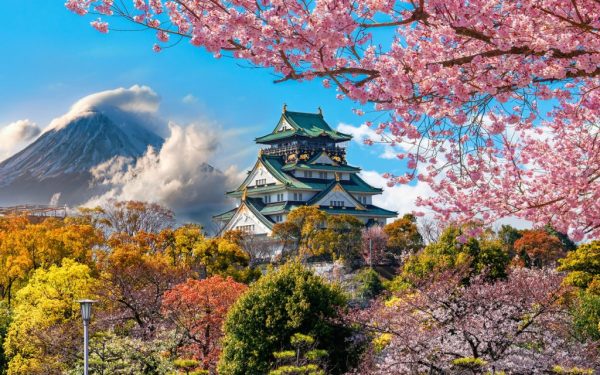
No. The current structure dates from 1931 and is a ferroconcrete reconstruction, not the original Toyotomi-era castle.
The original was destroyed during Japan’s feudal conflicts.
The reconstruction is historically detailed and houses a genuine museum, but it is not a surviving historic structure in the way that, for example, Himeji Castle is.
If original castle architecture matters to you, the day trip to Himeji from Osaka is worth adding to your itinerary.
From JR Osaka Station, it’s a 7-minute walk via the Central North Exit — head toward Grand Front Osaka, pass between the North and South Buildings, cross the main road, and take the underground walkway for the final stretch.
The building’s distinctive silhouette will orient you well before you arrive.From Osaka Metro Umeda Station (Midosuji Line), use Exit 5 and follow signs toward the Umekita area — it’s about a 9-minute walk.
Hankyu Osaka Umeda Station is similarly close at 9 minutes via the Chayamachi Exit.
All three stations connect directly to the developing Umekita district, so the walk itself passes through one of Osaka’s more interesting urban renovation projects.
Editor's Review
The Umeda Sky Building earns its reputation — not because it has the highest vantage point in Osaka (Harukas 300 has that covered), but because the experience of being up there feels genuinely different.
The open-air rooftop, the glass escalator cutting through open sky, the way the twin-tower framing gives you a view you simply can’t get from a sealed glass box.
It’s architecturally thoughtful in a way that most observatories are not.The crowds at sunset are the one real downside — arrive 30 to 40 minutes before golden hour if you want a good spot on the rooftop without elbowing for position.
For couples, the Heart Lock activity is cheesy in the most sincere and endearing way possible.
For solo visitors or photography enthusiasts, a clear weekday morning gives you the city in full detail with a fraction of the foot traffic.
The ¥2,000 admission is fair for what you get.
Related Attractions
Kema Sakuranomiya Park
Kids Plaza Osaka
Open Air Museum of Old Japanese Farm Houses
Osaka Castle
teamLab Botanical Garden Osaka
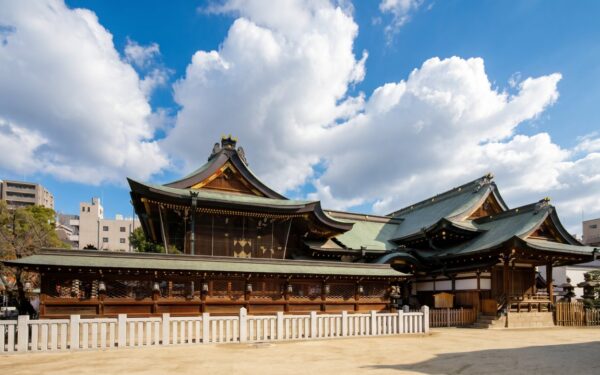
Osaka Tenmangu Shrine
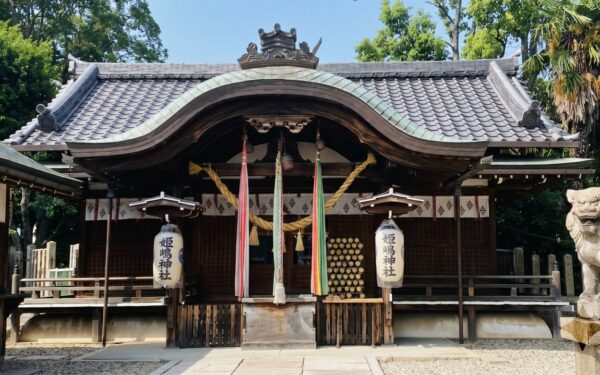
Himejima Shrine
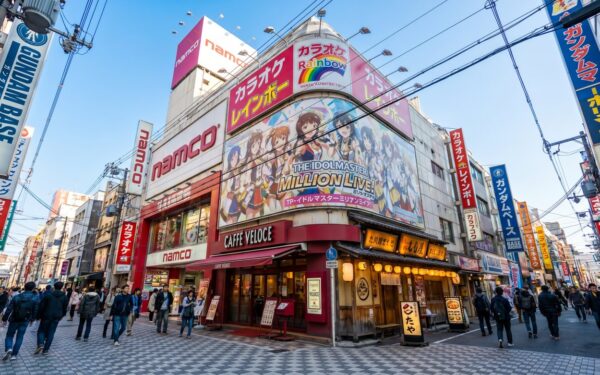
Den Den Town