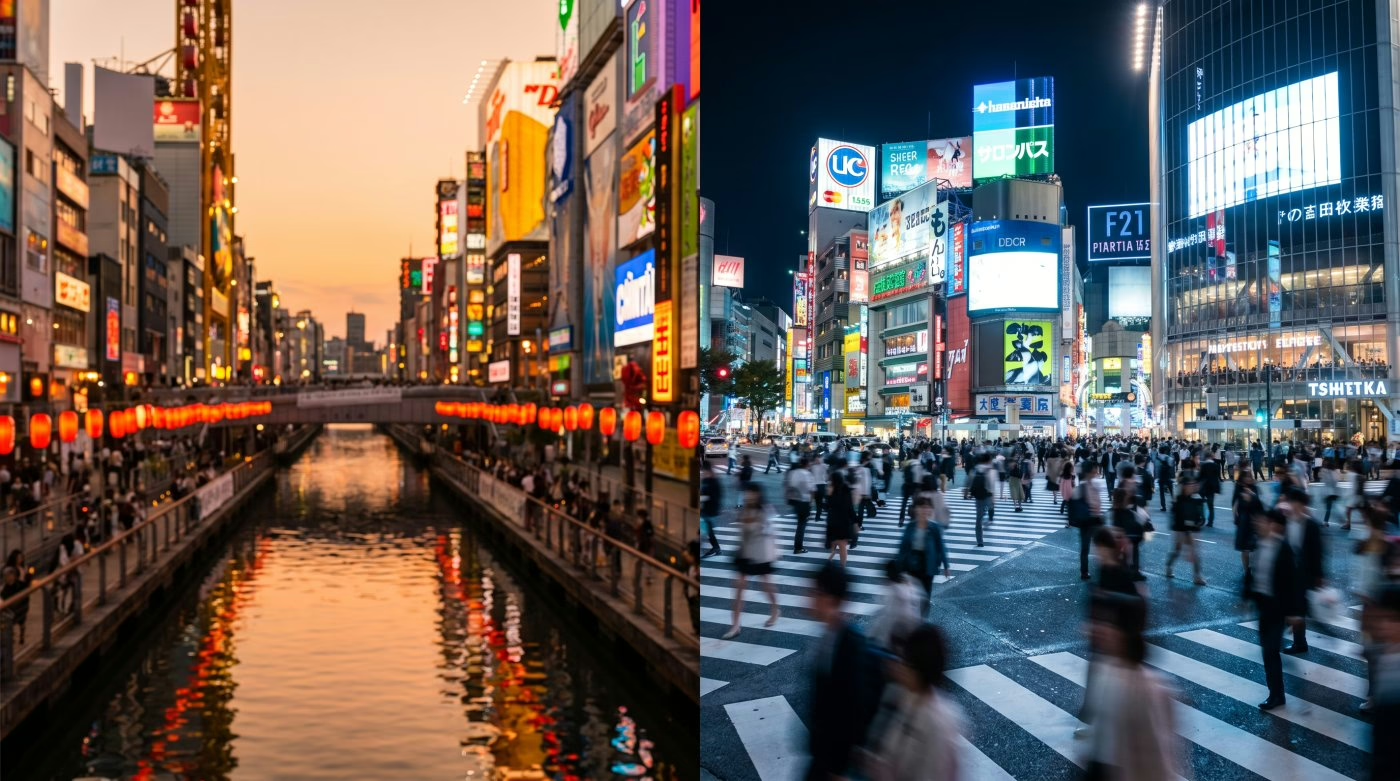





Osaka vs Tokyo is the most useful question a first-time Japan visitor can ask. Osaka is cheaper, more compact, and sits at the dead center of Kansai — Kyoto is 15 minutes away, Nara is 40. Tokyo is bigger, more layered, and could swallow a full two weeks without repeating itself. Neither city is wrong. But the right starting point depends entirely on how you travel, how long you have, and which airport you fly into.
Osaka vs Tokyo: The First-Timer’s Guide to Choosing Where to Start – Osaka vs Tokyo is the question every first-time Japan visitor eventually asks, and this guide gives you a direct answer without hiding behind “it depends.” Both cities are worth visiting.
But if you’re flying into Kansai with 10 to 14 days, starting in Osaka gives you faster access to more of what makes Japan remarkable.
If you’re flying into Tokyo with 14 days or more, start there. Also, if you’re looking for comprehensive Tokyo travel guide, we recommend you to visit Tokyo Trip Guide. Also, to help your Osaka trip planning better, read our guide on things to know before traveling to Osaka.
If you’re traveling to Osaka from Tokyo, read our comprehensive guide on traveling to Osaka from Tokyo, covering all essential things from transportations, budget, and where to stay.
Essential facts before you start planning
Hide- Recommended stay: 4 to 5 days Osaka, 5 to 7 days Tokyo; plan for both if you have 10+ days
- Osaka daily budget: ¥11,000–¥15,000 budget tier; ¥25,000–¥35,000 mid-range; ¥50,000+ luxury
- Tokyo daily budget: Roughly 20–30% higher than Osaka across all tiers
- Best time to visit: Late March to early May (cherry blossoms), October to November (autumn foliage)
- Visa: Most Western passport holders enter Japan visa-free for up to 90 days
- Currency: Japanese yen (JPY). Cash is still required for many temples, traditional markets, and small eateries, but most major shops now accept credit or IC cards
- Tipping: Do not tip. In Japan it is considered rude, not modest
- Language: Major stations, menus, and attractions are signed in English; conversational English is limited outside tourist areas
How Many Days Do You Need in Each City?
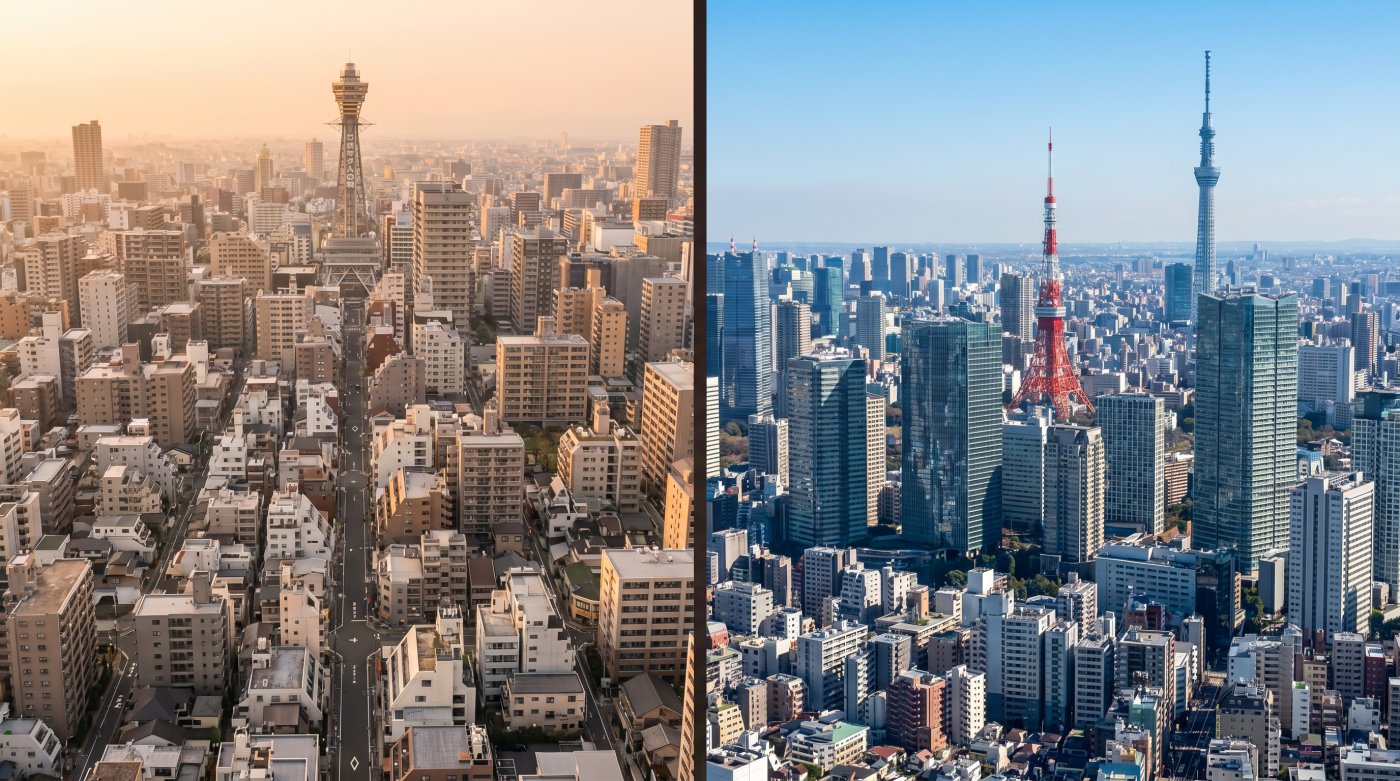
For Osaka, four to five days is a practical minimum if you want to go beyond the obvious.
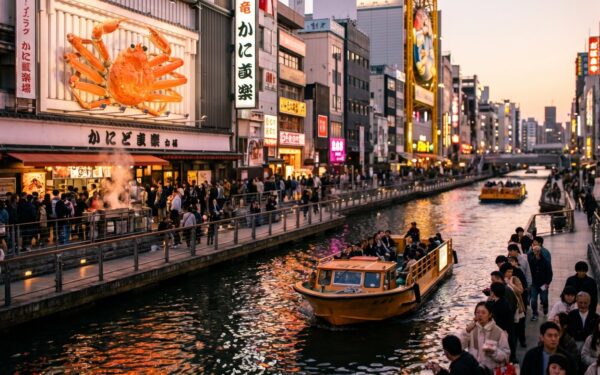
That gets you through Dotonbori, Osaka Castle, Kuromon, a half-day in Shinsekai, and at least one day trip to Kyoto or Nara without feeling like you’re racing a timer.
Tokyo is a different calculation.
It’s made up of 23 distinct wards, each with its own personality, and the standard highlights itinerary alone fills five to six days without rushing.
Seven days is the comfortable recommendation for first-timers.
Trip Essentials
Osaka Travel Add-ons
Equip yourself for the ultimate Osaka adventure with the following add-ons, curated just for you.
Flights to Osaka
Airport Transfer
ICOCA IC Card
Suica IC Card
Osaka Tours
Luggage Storage
Travel Insurance
Data Security

Japan eSIM
Japan SIM Card
Pocket WiFi Rental
Japan eSIM
If You Have 10 Days Total
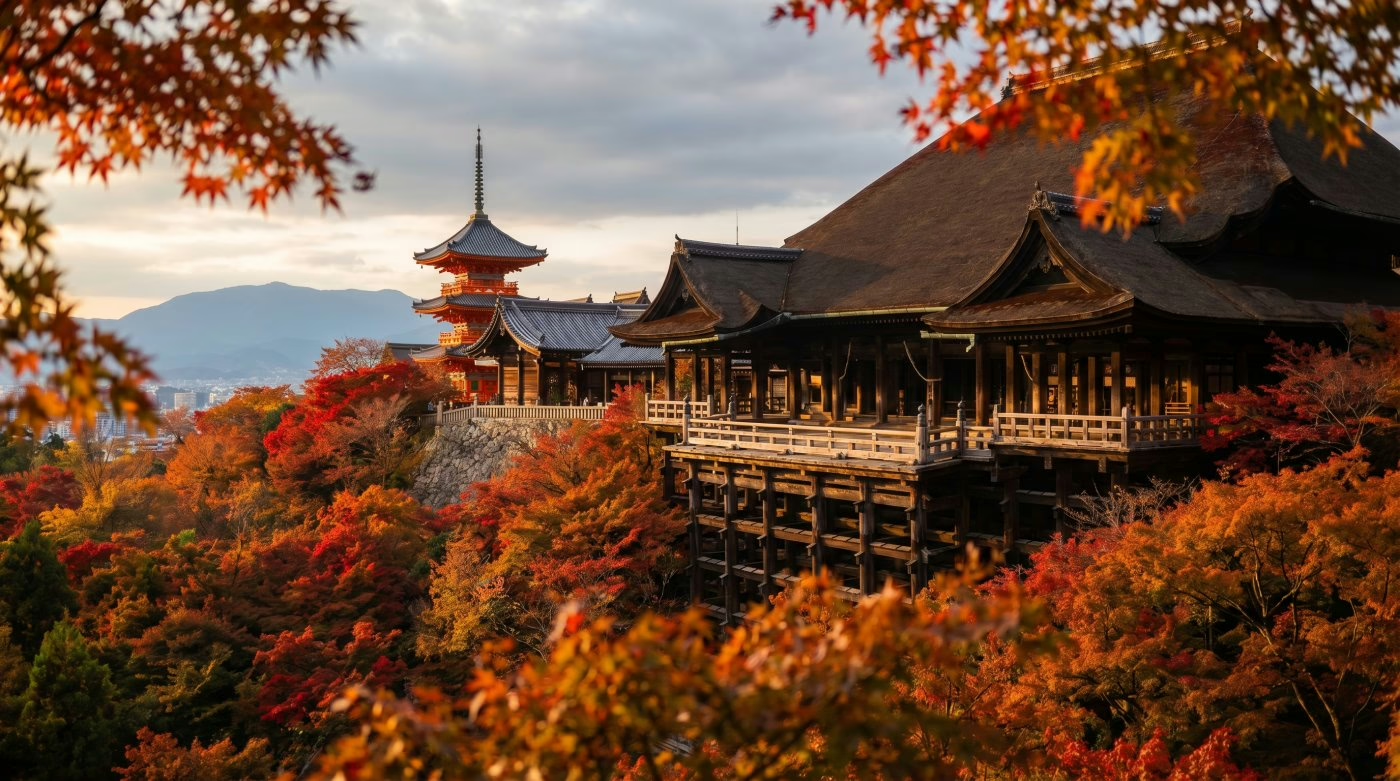
Split roughly five days Osaka, five days Tokyo.
Use one Osaka day for a full-day Kyoto trip.
The shinkansen between Shin-Osaka and Tokyo Station takes 2 hours 22 minutes on the Nozomi or 2 hours 50 minutes on the Hikari.
One-way reserved fare is approximately ¥14,720.
Osaka Safety Guide: What Solo Travelers, Women, and First-Timers Should Know
Peek into Osaka’s surprising safety story for solo and first-time travelers, but there’s one common … Read More
If You Have 14 Days or More
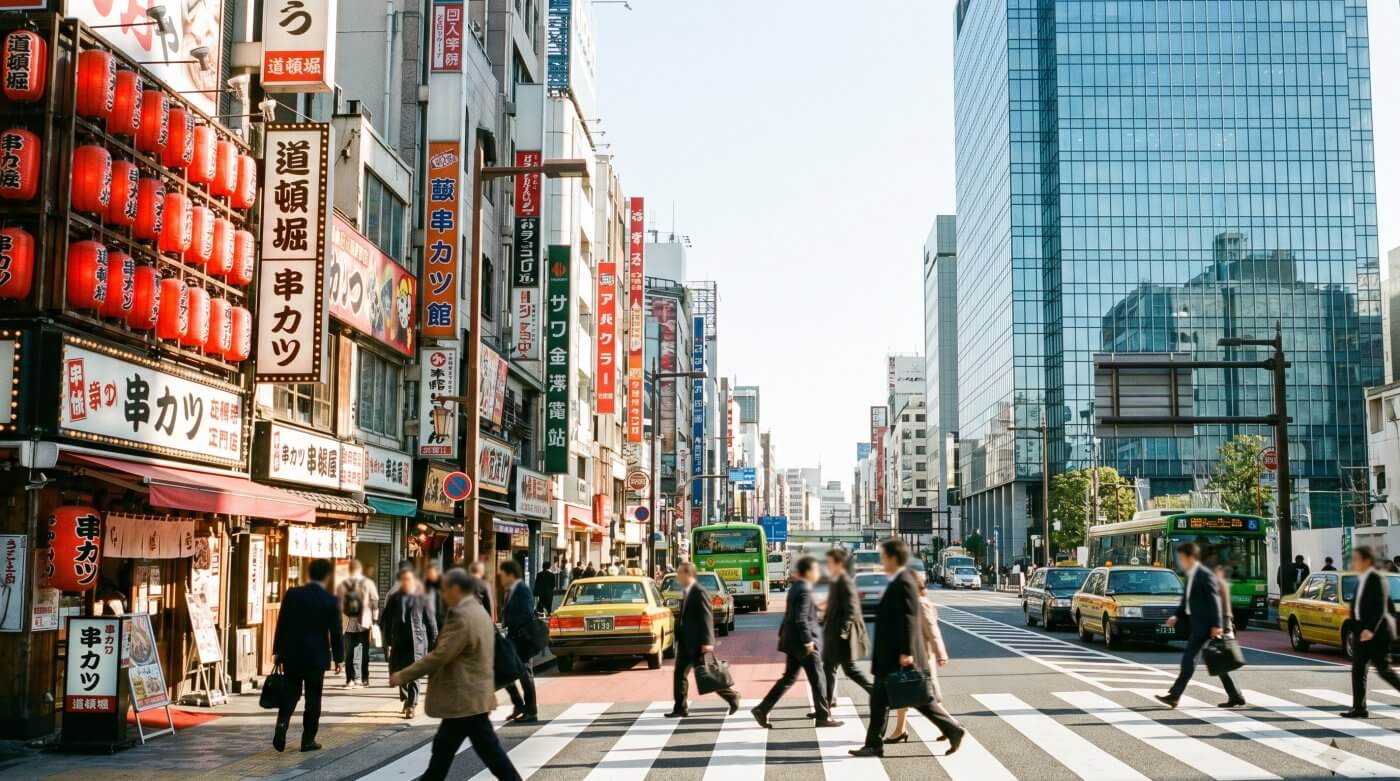
Base yourself in Osaka for seven days.
Spend the first day or two recovering from the flight, then use three to four days on Osaka day trips — Kyoto alone is worth two separate visits.
Take the shinkansen to Tokyo for your final five to six days.
The Osaka itinerary guide has ready-to-use day plans for 3, 5, and 7-day trips if you want a pre-built framework.
The where to stay in Osaka guide breaks down every neighborhood by budget and travel style to help you choose the right base.
Osaka vs Tokyo: What’s the Real Difference?
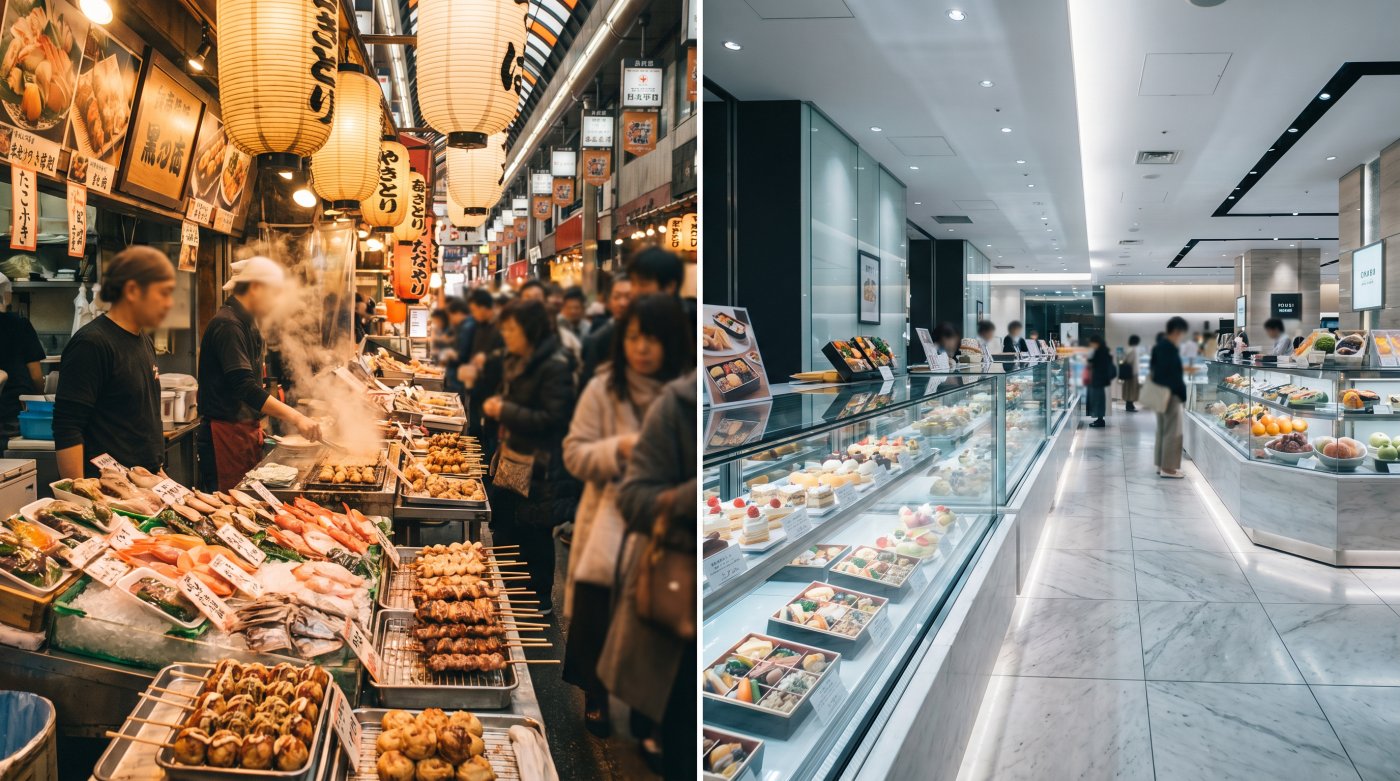
The cities feel nothing alike, and that’s not a cliché.
Osaka is Japan’s “Nation’s Kitchen” — a city that runs on food, directness, and something locals call osaka-rashii: bluntness and warmth at the same time.
Strangers start conversations at izakayas.
Street food gets eaten standing up outside the stall. The humor is louder. The prices are lower.
Tokyo is a high-tech international metropolis — more anonymous, more polished, and in some ways harder to get a read on.
Its energy comes from sheer scale and variety.
Every neighborhood is a different world: Yanaka’s narrow wooden backstreets, Shimokitazawa’s record stores and small theaters, Shibuya’s crossing at rush hour, Tsukiji Outer Market before 7 a.m.
- Who should prioritize Osaka: Foodies, theme park fans (USJ is here), and travelers who want a relaxed, sociable base for Kansai day trips.
- Who should prioritize Tokyo: Anime and pop-culture fans, luxury shoppers, and travelers drawn to cutting-edge architecture and nightlife variety.
Food Culture: Osaka Wins on Access and Value
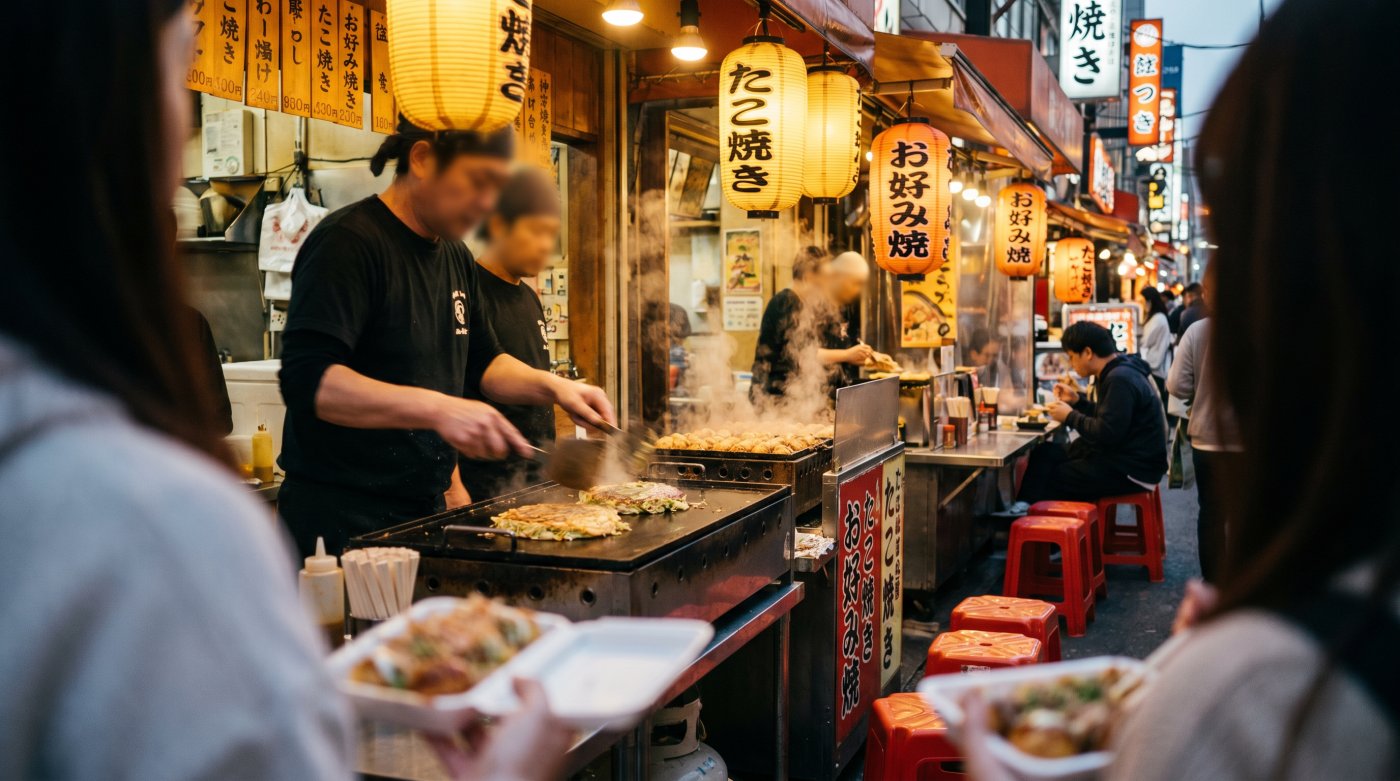
Osaka earned the nickname kuidaore no machi — “the city that ruins you through eating” — for a reason that becomes obvious within three hours of arriving.
Takoyaki, okonomiyaki, kushikatsu, and fugu are all native to Kansai, and the concentration of great, affordable restaurants around Namba and Kuromon Ichiba Market is hard to match anywhere in Japan.
Osaka’s nightlife is also more concentrated than Tokyo’s.
The Namba and Dotonbori corridor puts bars, izakayas, and late-night street food within a short walk of each other — far easier to navigate than Tokyo’s sprawling districts like Shinjuku and Roppongi.
Tokyo’s food scene is technically richer — it holds more Michelin-starred restaurants than any city on earth — but the price ceiling is higher and the accessible everyday food culture is less concentrated.
Tokyo is better if you’re booking omakase dinners.
Osaka is better if you want great food at every meal without thinking too hard about where to go.
For a full breakdown of where to eat across every neighborhood and budget level, the Osaka food guide covers all of it.
Day Trips: Osaka Wins Clearly
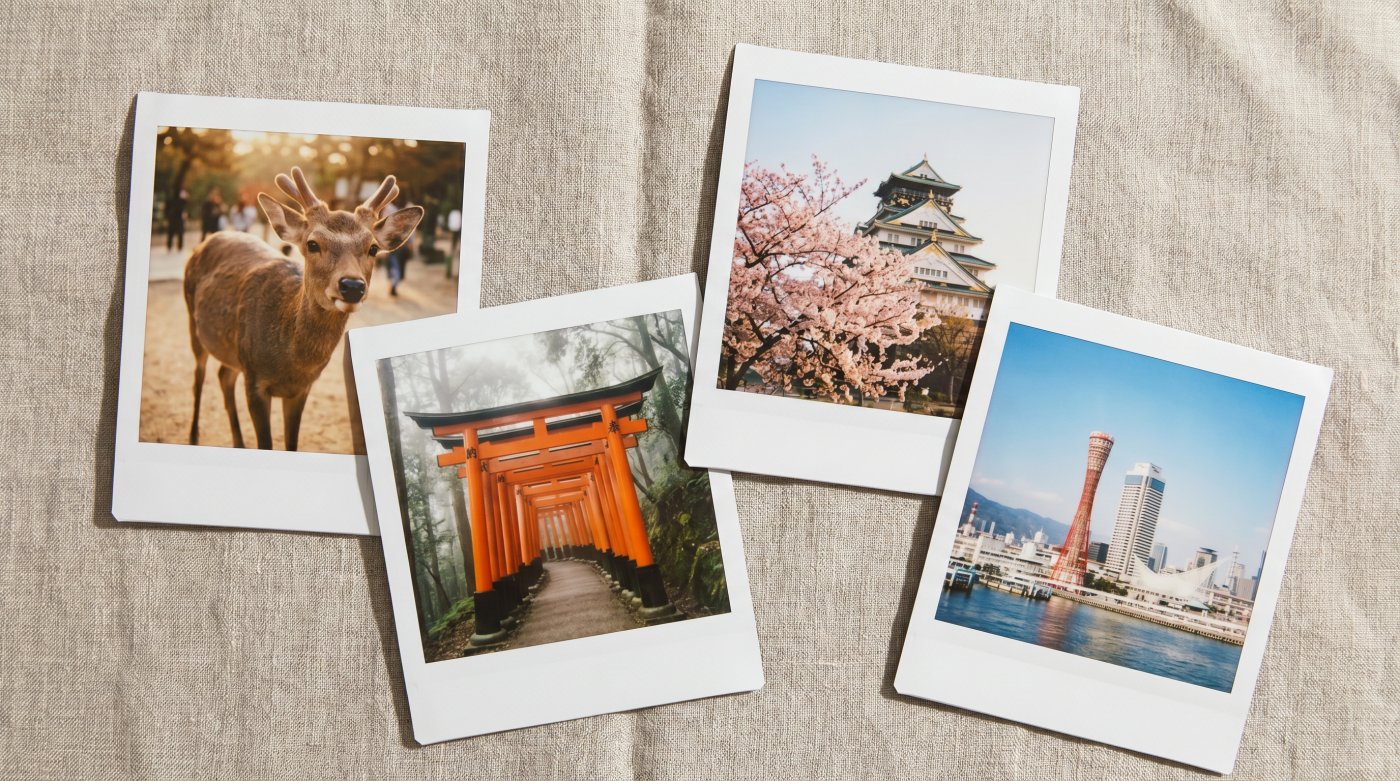
This is where Osaka’s geography becomes a genuine competitive advantage.
Kyoto is 15 minutes by shinkansen or 30–40 minutes by the Hankyu Limited Express.
Nara takes 40–60 minutes by train. Kobe is 30 minutes on the JR Kobe Line.
Himeji Castle — one of Japan’s finest surviving feudal fortresses — is under an hour by shinkansen.
You can have breakfast in Osaka, spend the afternoon at Fushimi Inari, and be back at a standing kushikatsu bar in Shinsekai before 8 p.m.
Tokyo’s day trip options are excellent — Nikko, Kamakura, Hakone, and Yokohama are all reachable — but travel times are longer and the time cost of getting out of central Tokyo eats into your day more than it does in Osaka.
Is Osaka Cheaper Than Tokyo?
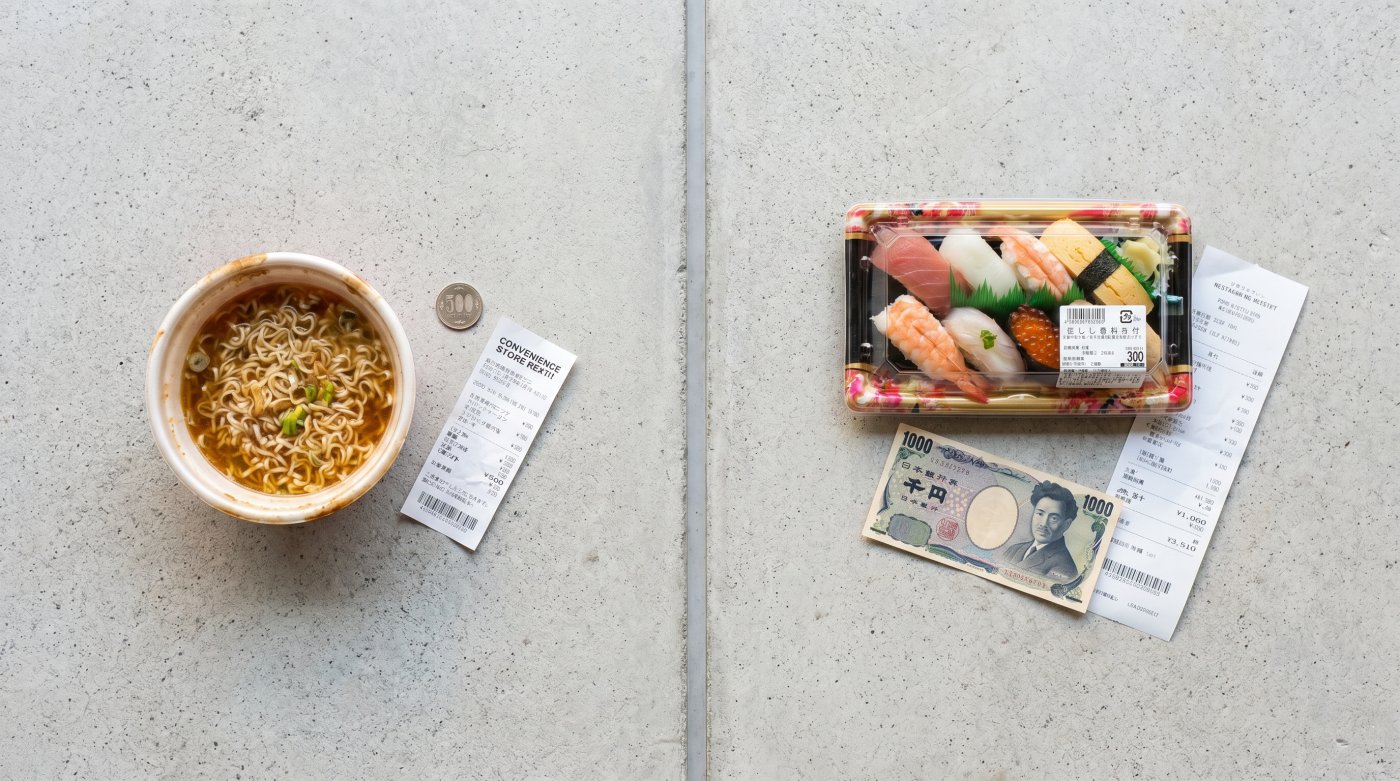
Osaka is consistently 20–30% cheaper than Tokyo across accommodation, food, and nightlife.
Over a 10-day trip, that gap adds up to a meaningful amount.
The figures below are per-person daily estimates for 2026, excluding flights.
Accommodation
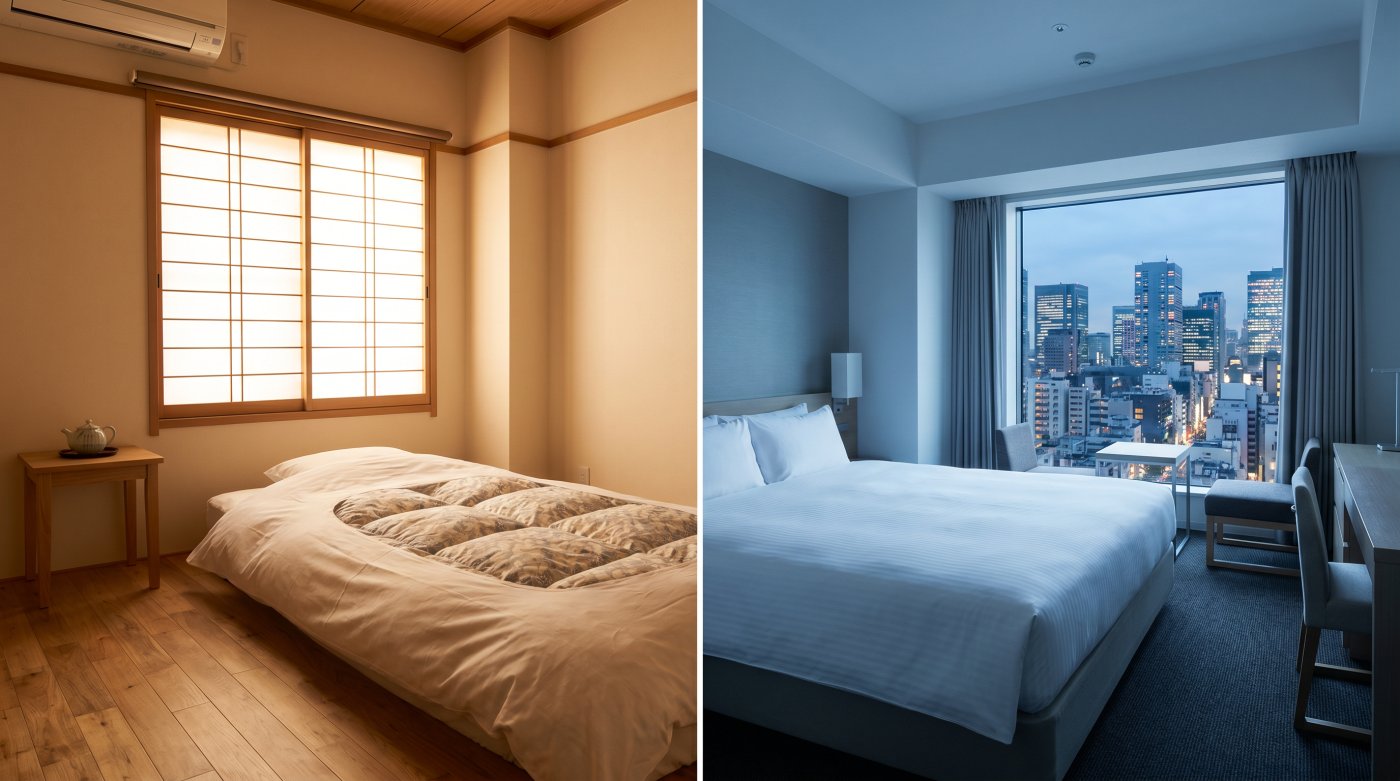
In Osaka, a clean hostel dorm runs ¥3,000–¥5,000 per night.
Budget private rooms near Tennoji or Shin-Imamiya go for ¥6,000–¥10,000.
Mid-range hotels in Namba or Umeda run ¥12,000–¥22,000.
Tokyo prices run roughly ¥1,000–¥3,000 higher per night at every tier.
A comparable mid-range hotel in Shinjuku or Shibuya frequently starts at ¥16,000 and rises fast on weekends or during peak seasons.
Book Your Osaka Stay Today
Browse curated hotels, guesthouses, and machiya stays from our partner platforms. Best prices, verified reviews, instant booking.








Food
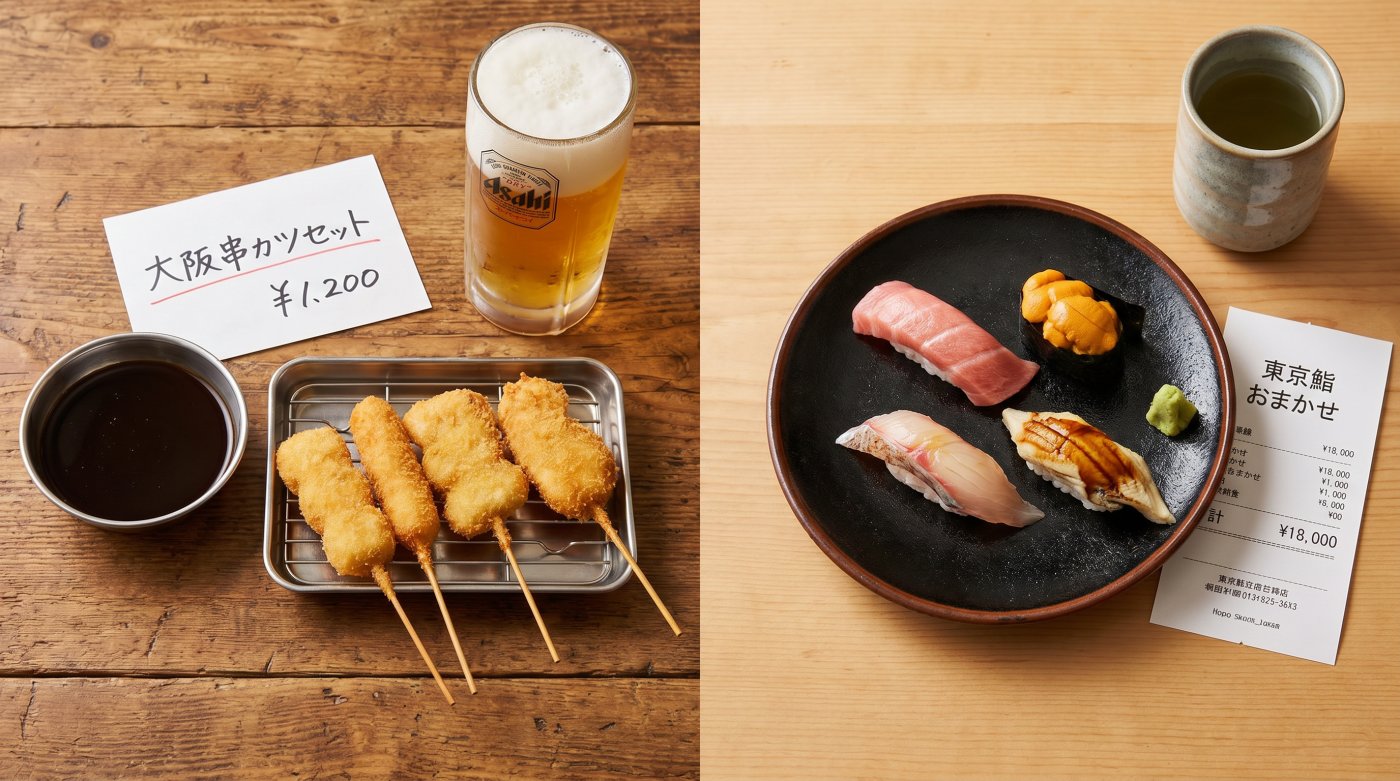
A teishoku lunch in Osaka costs ¥800–¥1,200.
Street food at Dotonbori — takoyaki at around ¥600 for six pieces, grilled skewers from ¥300 — makes it easy to eat well for ¥2,000–¥3,500 per day if you eat the way locals eat.
Tokyo’s equivalent meals run ¥1,000–¥1,500 for a basic lunch, and the temptation to spend more is everywhere.
Transport
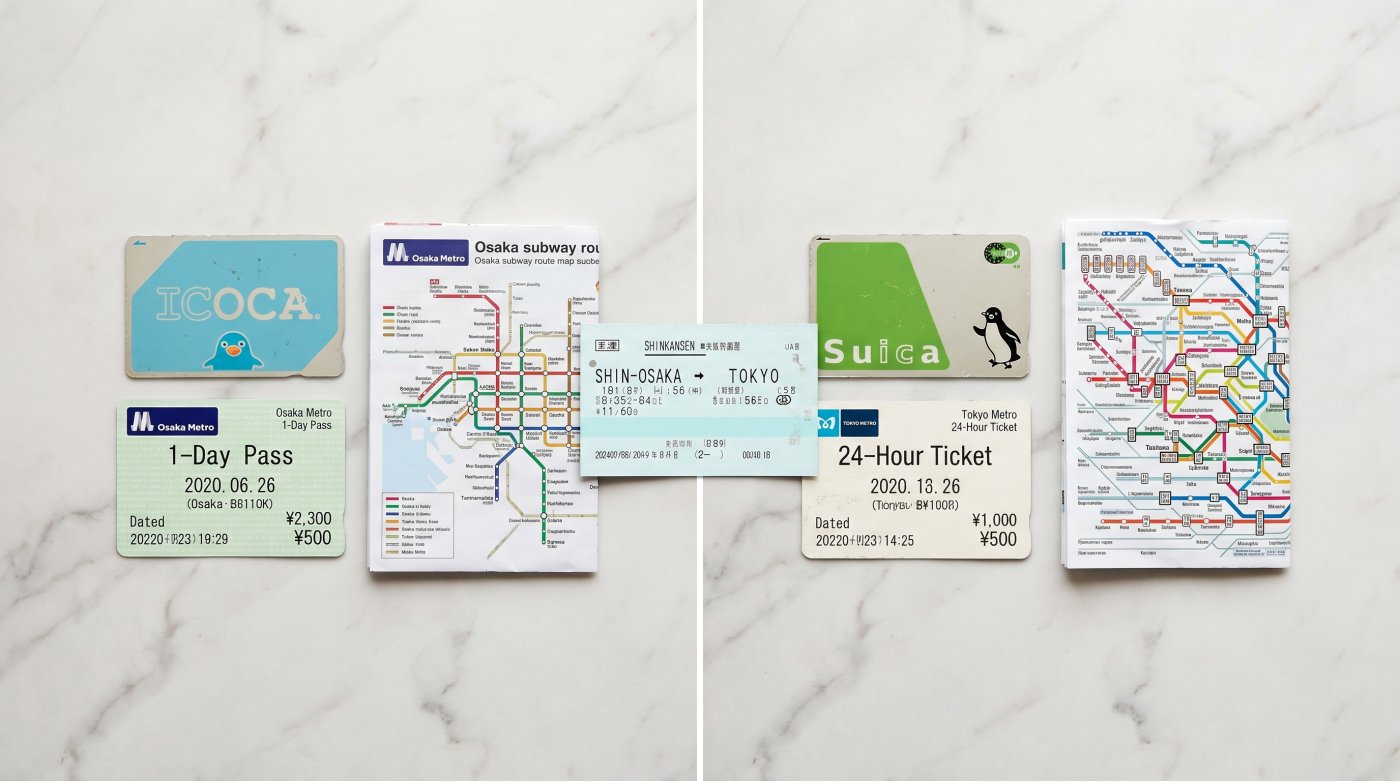
A day’s worth of subway rides in Osaka rarely exceeds ¥700–¥900.
The Osaka Amazing Pass costs ¥2,800 for one day or ¥3,600 for two days and covers unlimited subway rides plus free entry to major attractions including Osaka Aquarium Kaiyukan (regular adult entry ¥2,400) and the Umeda Sky Building observation deck.
Tokyo Metro day passes run ¥800 and the network is larger, meaning daily transport costs typically land between ¥800 and ¥1,500.
Navigate Osaka With Ease
Book airport transfers, train passes, and local transport before you arrive. Skip the queues and language barriers.




Attractions
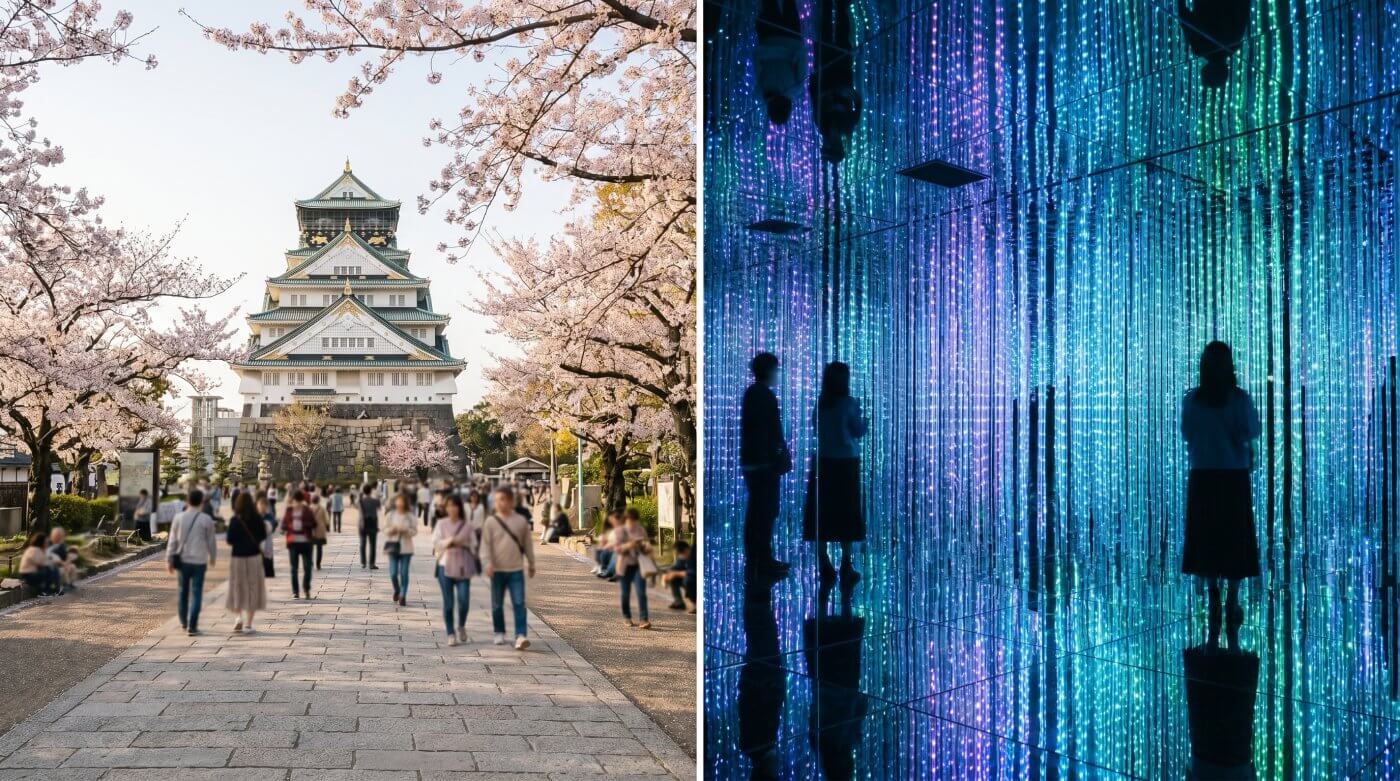
Osaka Castle tower entry costs ¥600.
Universal Studios Japan starts at ¥8,600 for a standard one-day adult pass and climbs sharply with express options — see the Universal Studios Japan guide for current pricing and booking tips.
Kyoto temples on a day trip generally charge ¥500–¥1,000 per site.
In Tokyo, paid attractions like teamLab Borderless (¥3,200), Shibuya Sky (¥2,000), Tokyo Disneyland (¥7,900 to ¥10,900) and Tokyo DisneySea (¥10,900 adult one-day) cover a wide range but skew higher on average.
Book Osaka Attractions Now
Skip ticket lines and secure your spot at Osaka's top attractions. Reserve tours, day trips, and experiences in advance.


When Is the Best Time to Visit?
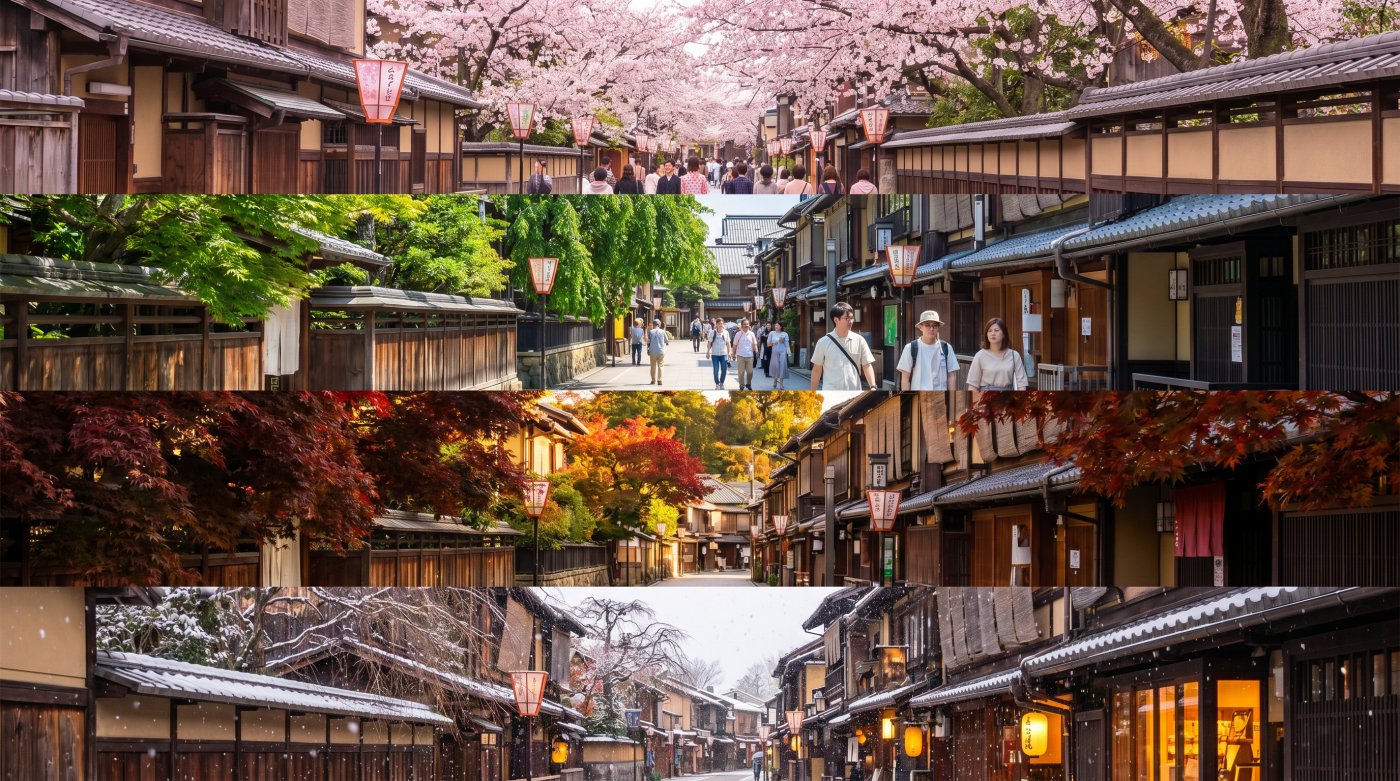
Spring and autumn are the consensus winners, but the specifics matter.
Late March through early April brings cherry blossoms (sakura).
In Osaka, the main viewing spots are the grounds of Osaka Castle Park and the Okawa River promenade in Nakanoshima.
In Tokyo, Shinjuku Gyoen, Ueno Park, and Chidorigafuchi are the main draws.
Both cities get genuinely crowded during peak bloom — hotel prices spike by 30–50% and queues at major attractions can reach 60 minutes or more on weekends.
Book accommodation at least two to three months in advance if you’re visiting in late March to mid-April.
October through mid-November brings autumn foliage (koyo) with far fewer tourists than spring and comfortable walking temperatures — highs of 18°C–22°C in Osaka, slightly cooler in Tokyo.
This is arguably the strongest season if you’re choosing on logistics alone.
Summer (June to August) is hot, humid, and tiring. Osaka regularly hits 35°C in July and August.
That said, Osaka’s Tenjin Matsuri on July 24–25 is one of the largest festivals in Japan — over 100 boats, portable shrines, and fireworks along the Okawa River — and is a genuine reason to visit in summer.
Winter from mid-January through February is cold but uncrowded, and most outdoor attractions are far more manageable.
Ranked recommendation for first-time visitors: October to November first; late March to early April second; late November to December third.
For more detailed information, refer to our previous guide on the best time to visit Osaka. Also, read the detailed guide on the best time to visit Tokyo.
Getting Between Osaka and Tokyo
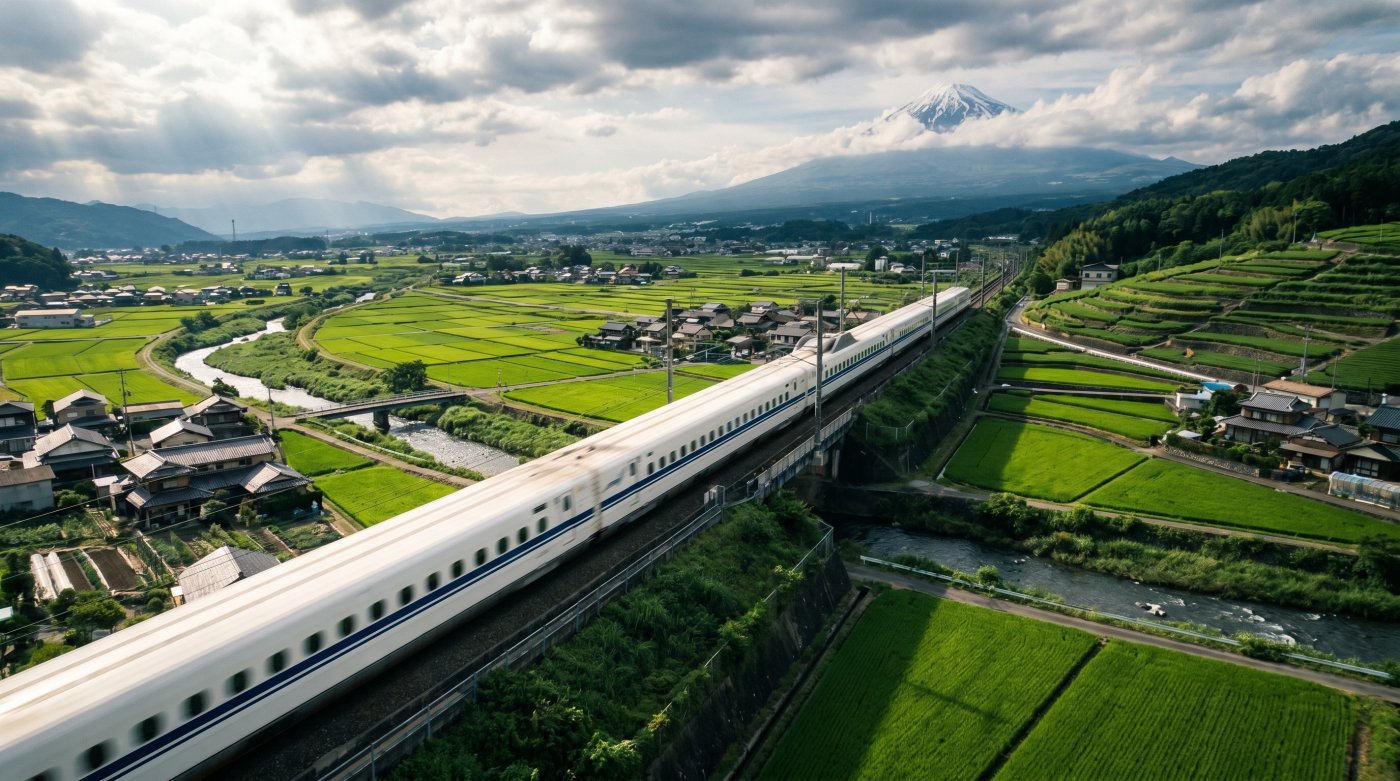
Most first-timers follow what travel planners call the Golden Route — a Tokyo–Osaka–Kyoto circuit that covers Japan’s most iconic destinations in a single trip.
The move between Osaka and Tokyo is the backbone of that route.
Shinkansen (Tokaido-Sanyo Line)
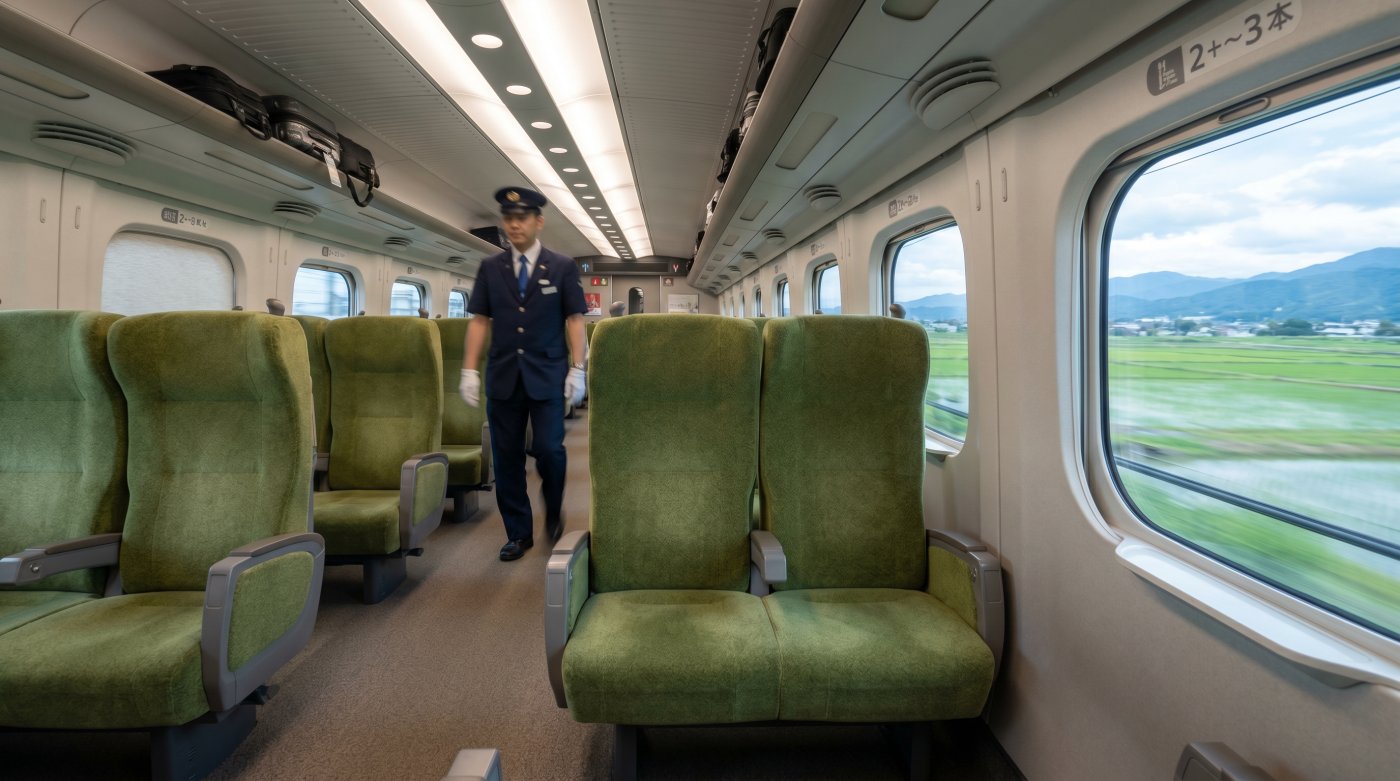
The Nozomi covers 515 km between Shin-Osaka and Tokyo Station in 2 hours 22 minutes.
The Hikari takes about 2 hours 50 minutes.
One-way reserved fare is approximately ¥14,720.
The Hikari is covered by the Japan Rail Pass; the Nozomi is not.
However, the national JR Pass underwent a major price hike in 2023 — the standard 7-day pass now costs ¥50,000.
For a trip focused only on Osaka and Tokyo, buying individual tickets is cheaper than the pass.
Do the math carefully before purchasing.
Budget Flights
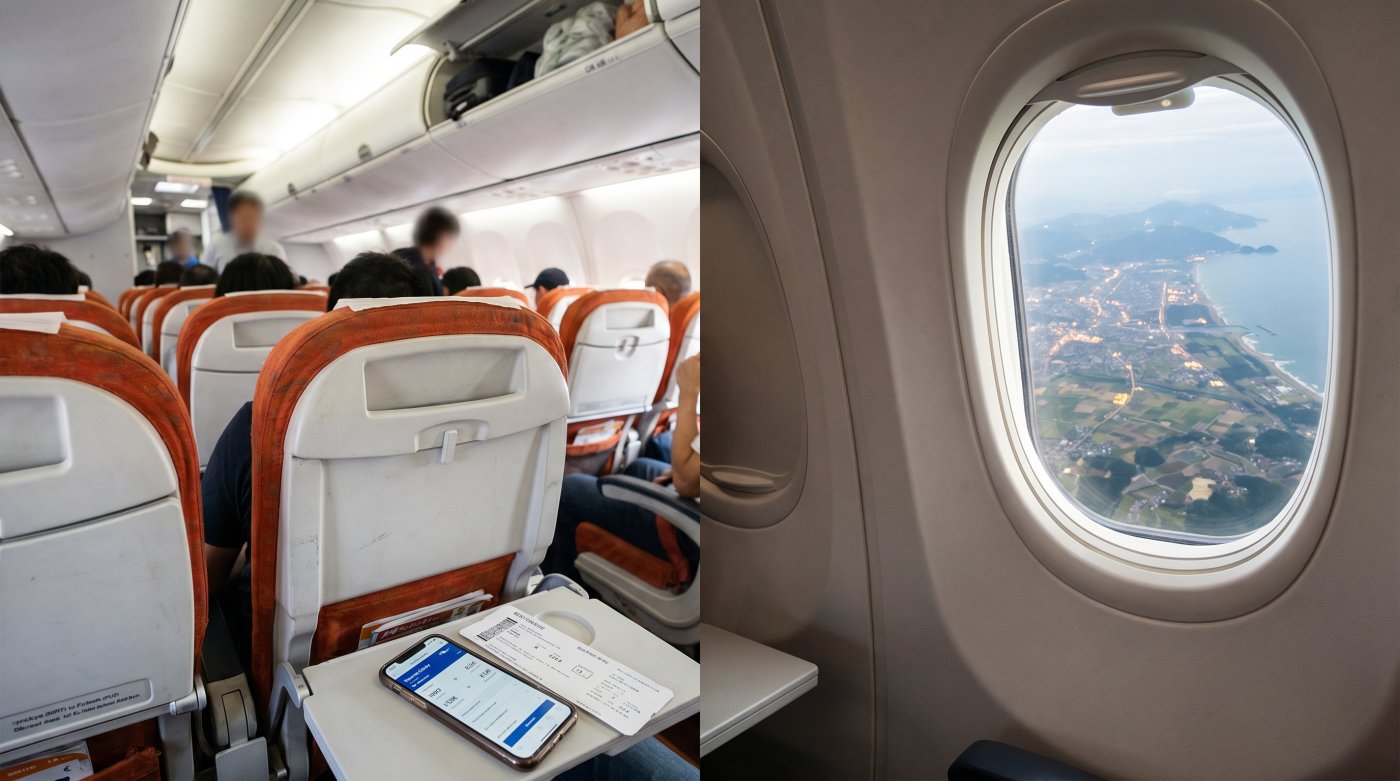
Peach Aviation and Skymark run routes between Osaka Itami (ITM) and Tokyo Haneda.
Fares can be as low as ¥4,000 one-way when booked well in advance.
The catch: airport transit adds 60–90 minutes at each end, which largely erases the time advantage over the shinkansen.
Overnight Bus
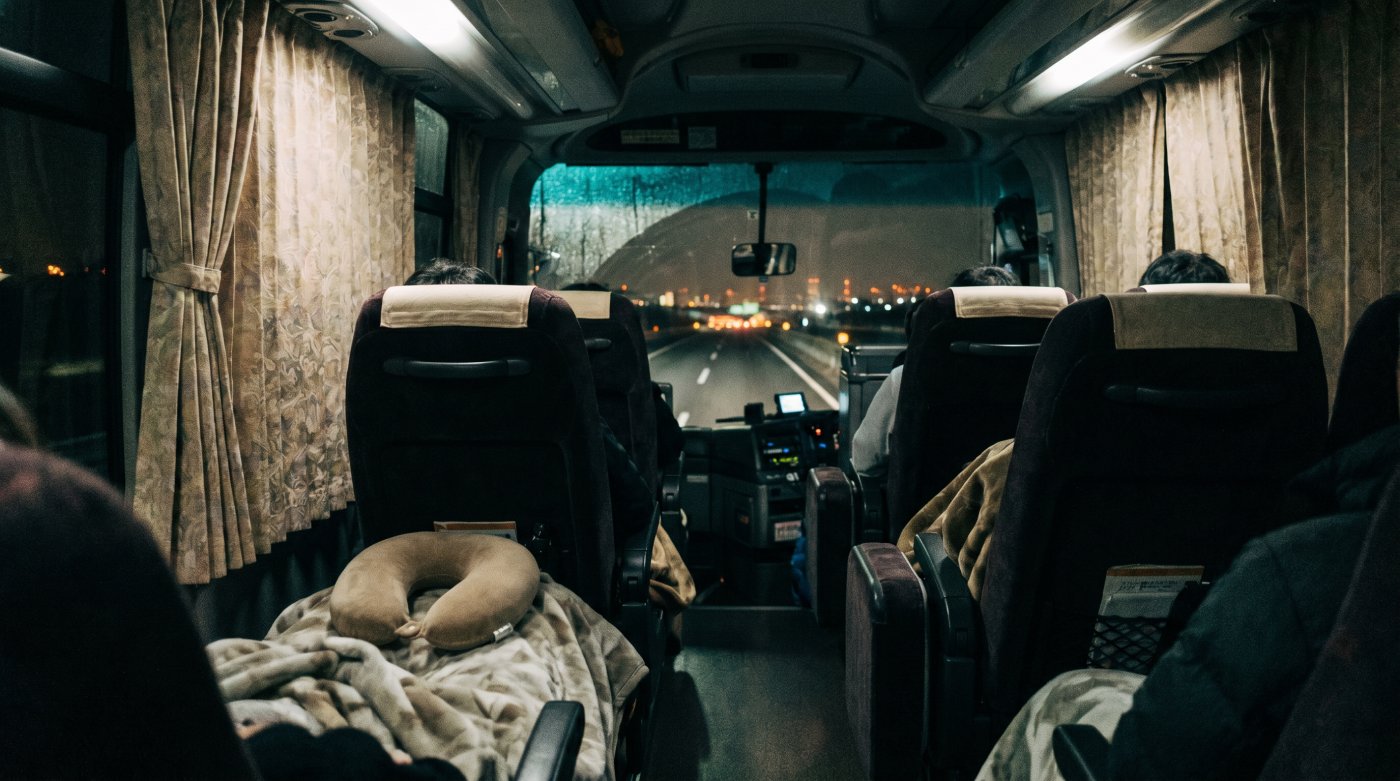
The kousokubus (highway bus) runs overnight between Osaka and Tokyo for ¥3,000–¥5,000.
Travel time is seven to eight hours.
Worth considering strictly for budget reasons, not comfort.
Essential Osaka Travel Passes
Powered by KlookThe passes worth buying before you land — curated for first-timers.
Osaka Amazing Pass
Unlimited subway + free entry to 40+ attractions. The only pass most visitors actually need.
Osaka e-Pass
Attractions-only digital pass. Pair with a Metro Pass if skipping the Amazing Pass.
Osaka Metro Pass
1 or 2-day unlimited Metro rides. Best standalone transit value if you already have an attractions pass.
JR West Kansai Area Pass
Unlimited JR trains for 1–4 days. Covers Kyoto, Nara, Kobe, and Himeji from Osaka.
JR Haruka Express
KIX to Umeda/Shin-Osaka in ~50 min. Best if staying in Umeda or heading straight to Kyoto.
Nankai Rapi:t Express
KIX to Namba in 34 min, reserved seat. Better if staying in Namba or Shinsaibashi.
Which City Should You Visit First?
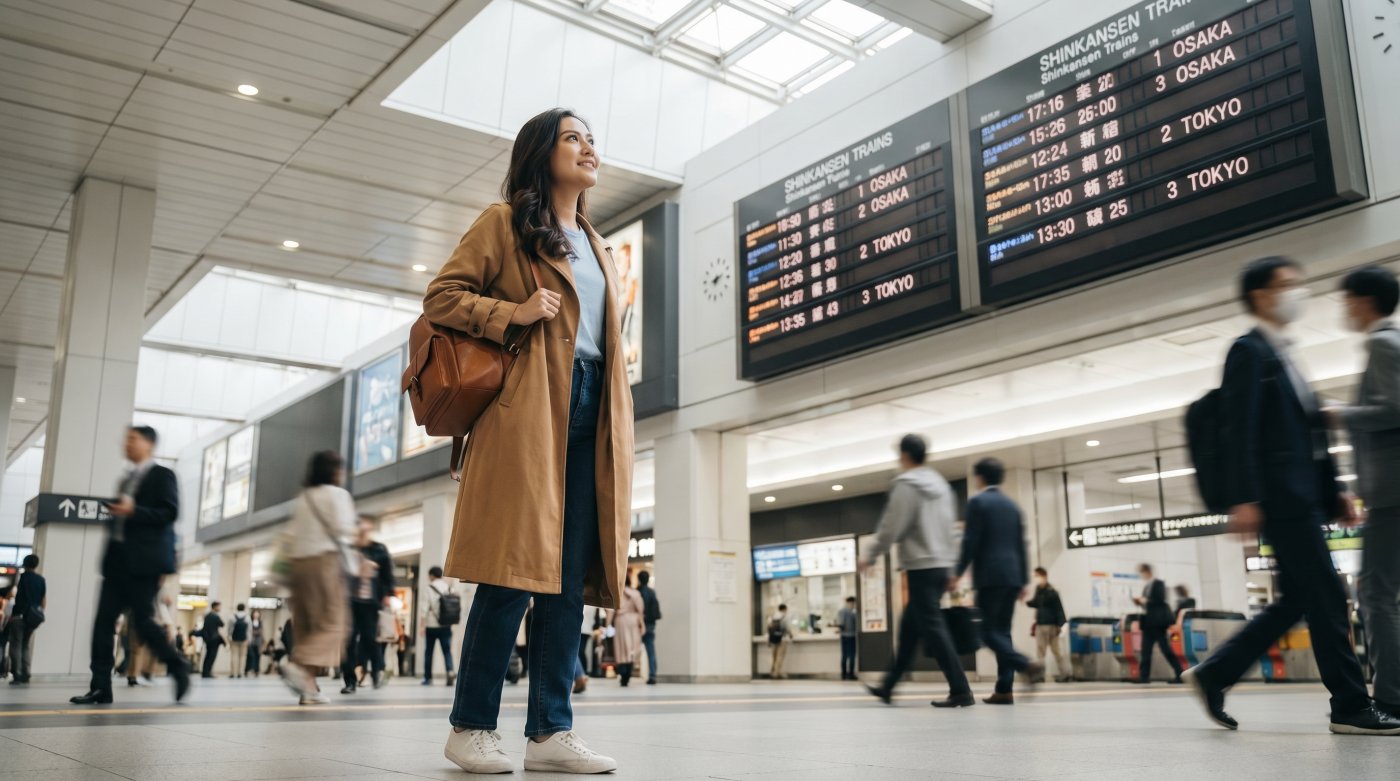
If you have genuine flexibility on airports, start in Osaka.
It’s more compact, easier to orientate yourself in after a long flight, and your first few days punch above their weight because Kyoto and Nara are right there.
First-timers who start in Tokyo and end in Osaka frequently describe Osaka as a relief — smaller, cheaper, easier to connect with people.
Reversing that experience means starting in the warmth and building toward the scale.
Psychologically, that tends to feel like a natural escalation rather than a step down.
Most of the things to do in Osaka that regularly surprise visitors sit outside the immediate Dotonbori-Namba corridor.
The Osaka neighborhoods guide is a useful next step once you know roughly how long you’re staying — it breaks down every area so you can match your accommodation to the parts of the city you actually plan to use.