Den Den Town
Osaka's premier electronics and otaku culture district spanning Nipponbashi's iconic streets.
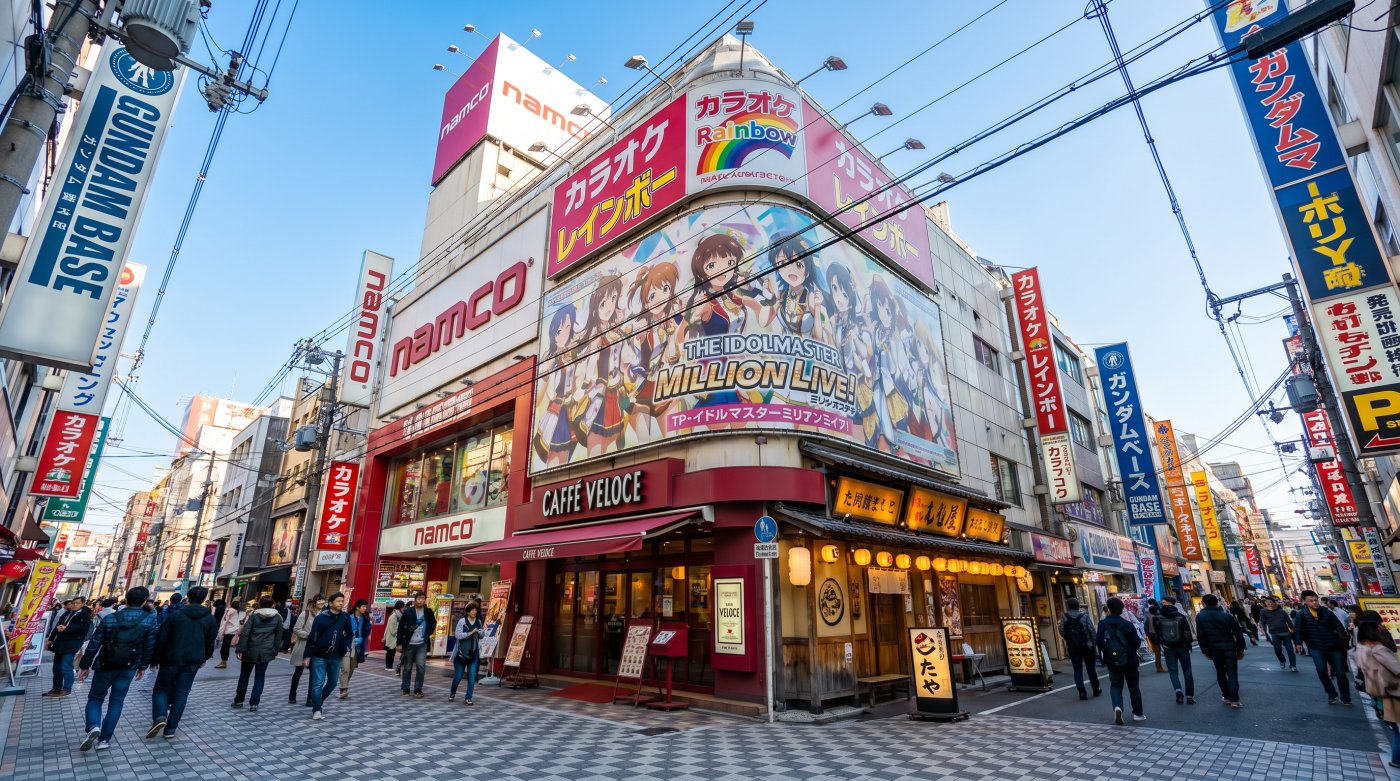
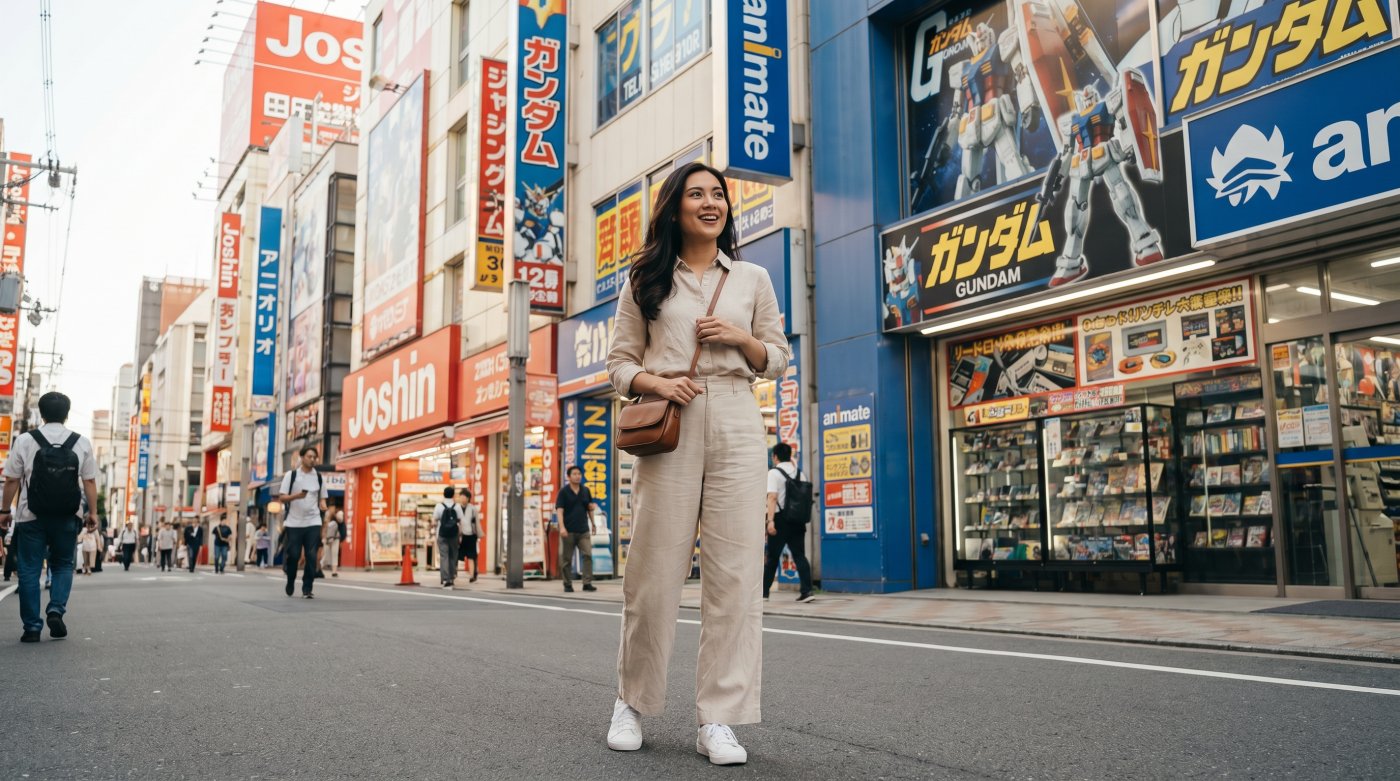
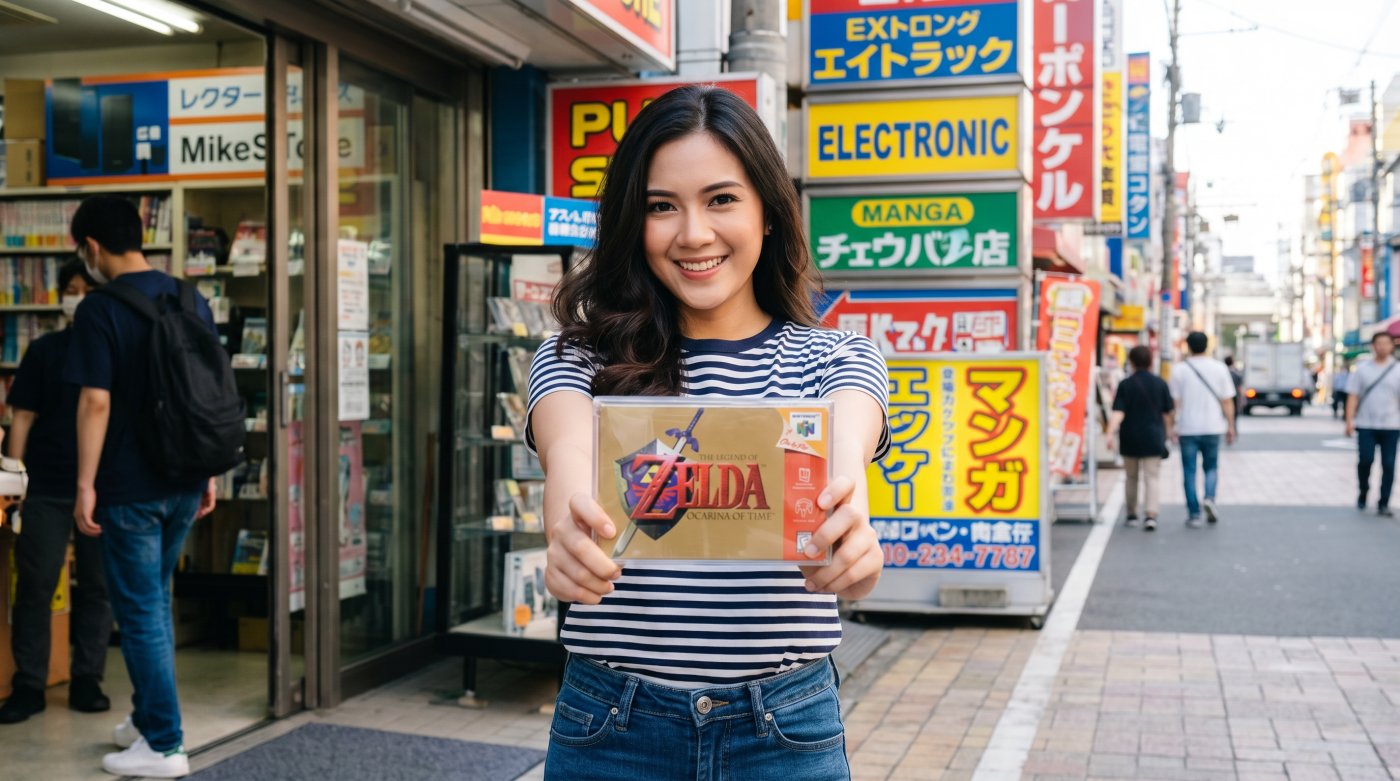
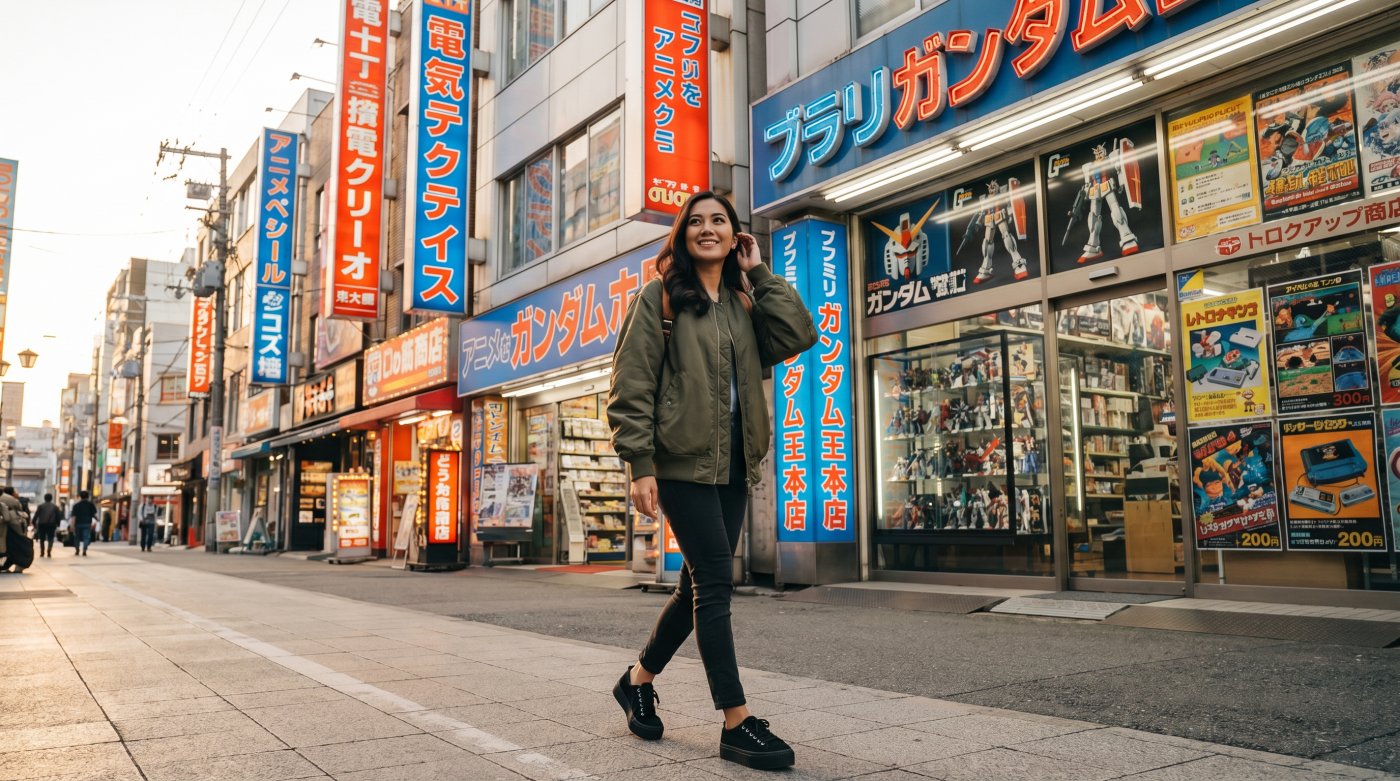








Den Den Town — short for “Denki no Machi,” or Electric Town — is west Japan’s largest electronics and otaku district, stretching along Sakaisuji (Nipponbashisuji Shopping Mall) and the parallel Ota Road in Naniwa Ward.
More than 150 stores pack this roughly one-kilometre corridor, selling everything from cutting-edge electronics and vintage camera gear to anime figures, trading cards, Gunpla model kits, doujinshi, and retro video games.
What makes Den Den Town genuinely interesting is how it has evolved.
What started as a postwar black market for electronics components has transformed into a hub of Japanese pop culture, where mainstream chains like Animate and Yodobashi Camera coexist with tiny specialist shops you won’t find anywhere else.
Ota Road, in particular, has become the heartbeat of Osaka’s cosplay and maid cafe scene — walk it on a weekend afternoon and you’ll see why.Shops typically open around 11:00 and close by 20:00, and the district genuinely comes alive in the early evening when neon signs flicker on and the foot traffic thickens.
The best time to visit is on weekends, especially during the annual Nipponbashi Street Festa in spring, when the whole district closes to traffic for one of Japan’s largest cosplay events.
Budget a half-day minimum — there’s no shortage of rabbit holes to fall into here.
Osaka’s go-to district for anime merch, retro games, electronics, and side-street finds that reward curious browsing.
Den Den Town is Osaka’s main hub for anime, retro games, figures, and electronics, and it’s worth visiting even if you’re only mildly into otaku culture.
Centered on Nipponbashi in the Namba side of the city, this district is easy to reach, free to explore, and packed with shops that range from polished chains to gloriously cluttered treasure caves.
Den Den Town Osaka Guide: What to See, Buy, and Skip
Den Den Town is Osaka’s best area for anime merchandise, retro games, hobby shops, and old-school electronics, and it’s far more interesting than a quick photo stop.
In this Explore Osaka guide, you’ll get the practical stuff first, where it is, how long to spend, what shops are actually worth your time, and when the district feels lively instead of just crowded.
If you’re deciding whether to fit it into your trip, the short answer is yes, especially if you like gaming, manga, figures, cameras, keyboards, or any form of highly specific collecting that somehow becomes very serious very fast.
This part of the city sits in Nipponbashi, just south of central Namba, and the official Japanese name you’ll often see is Nipponbashi Denden Town, or 日本橋でんでんタウン.
It grew from an electronics market into Osaka’s main otaku district, which means you’ll find maid cafes, capsule toy walls, trading card stores, used game shops, model kits, and enough plastic character faces to feel mildly judged by a shelf.
Even if you are not deeply into anime, the area is still fun for people-watching, bargain hunting, and getting a more specific sense of Osaka’s subcultures than you’d get from generic shopping arcades.
Den Den Town at a Glance
Hide- Address: Nipponbashi 3 to 5 chome, Naniwa Ward, Osaka 556-0005
- Hours: The district itself is open at all times, but most shops run roughly 11:00 to 20:00, with some variation by store and day
- Admission: Free
- Nearest stations: Ebisucho Station about 5 to 7 minutes on foot, Nipponbashi Station about 8 to 10 minutes, Namba Station about 10 to 14 minutes
- Time needed: 2 to 4 hours, longer if you collect anything expensive and fragile
- Best season: Year-round, with spring standing out because of Nipponbashi Street Festa
- Official website: https://www.nippombashi.jp/
- Best for: Anime fans, retro gamers, hobby shoppers, electronics browsers, and curious first-timers
Trip Essentials
Osaka Travel Add-ons
Equip yourself for the ultimate Osaka adventure with the following add-ons, curated just for you.
Flights to Osaka
Airport Transfer
ICOCA IC Card
Suica IC Card
Osaka Tours
Luggage Storage
Travel Insurance
Data Security

Japan eSIM
Japan SIM Card
Pocket WiFi Rental
Japan eSIM
Why Visit Den Den Town
Den Den Town works because it feels specific.
Osaka has plenty of shopping, but this district has a clear personality, and that personality is somewhere between hobby paradise, secondhand treasure hunt, and cheerful sensory overload.
If you want a tidy luxury retail experience, go elsewhere.
If you want shelves stuffed with Famicom cartridges, rare figures, discounted cables, and stores so niche they seem powered entirely by obsession, you’re in the right place.
Another reason to come is that it gives you a different angle on the city than the usual food-first, neon-first image.
You can absolutely spend your nights in Dotonbori and your mornings eating through the Osaka food guide, but Den Den Town shows off Osaka’s pop culture and collector side in a way that feels lived-in rather than staged.
It’s not polished to perfection, and honestly, that’s part of the appeal.
If you’re choosing between Den Den Town and Tokyo’s Akihabara, the Osaka version is smaller, scruffier, and easier to handle in one afternoon.
That means less spectacle, yes, but also less tourist theater and more actual browsing.
You can duck into a cramped second-floor shop, find something weird and brilliant, then emerge onto Ota Road wondering whether you need another tote bag for things you definitely did not plan to buy.
What to See and Do at Den Den Town
The area follows two main spines, Sakaisuji to the east and Ota Road to the west, with side streets in between.
You do not need a strict route, but it helps to understand what each part does best, otherwise you’ll spend half your time zigzagging and pretending that was intentional.
Den Den Town along Sakaisuji
Sakaisuji is the main drag, and it’s where first-time visitors usually get their bearings.
You’ll see larger retailers, electronics shops, hobby stores, arcades, and the unmistakable run of signs announcing games, figures, manga, and gadgets in giant lettering that leaves little to the imagination.
If your interests lean practical, this strip is useful for cameras, PC parts, headphones, cables, keyboard gear, and general electronics browsing.
Prices can be solid, especially in used sections, but don’t assume every item is a bargain just because it looks technical.
Compare before you buy.
Human beings remain surprisingly emotional around discounted plastic and blinking lights.
Den Den Town stores worth prioritizing first
Start with a broad sweep instead of buying at the first decent shelf.
Shops change stock constantly, especially for secondhand figures, retro software, and trading cards, so the same item can vary a lot in condition and price within a few blocks.
Look out for major anime and hobby retailers, used game chains, model kit specialists, and electronics counters with tax-free signage.
If you’re shopping for gifts, this stretch is also the easiest place to find recognizable, safely packable items that won’t terrify your luggage.
Ota Road and otaku culture
Ota Road is where the district gets more character.
This side street cluster is the social and visual heart of the area, lined with anime shops, doujin stores, figure retailers, maid cafe flyers, capsule machines, and the kind of storefront art that makes it impossible to pretend you’re just casually passing through.
This is also the better zone for people-watching.
On weekends, especially afternoons, you’ll see cosplay-adjacent fashion, hobby groups moving in packs, and visitors comparing haul bags outside convenience stores with the seriousness of museum curators.
If you want the version of Den Den Town that feels most distinct from ordinary shopping streets, spend extra time here.
Den Den Town and Nipponbashi Street Festa
If you’re visiting in spring, keep an eye on Nipponbashi Street Festa, the district’s biggest annual event.
The festival has been held since 2005, usually in late March or spring, and turns the streets around Nipponbashi Denden Town and Ota Road into a giant cosplay-filled pedestrian zone.
It is fun, photogenic, and very crowded, so go early if you want room to move and later if you want pure chaotic energy.
Retro games, figures, and secondhand finds
For many visitors, this is the real reason to come.
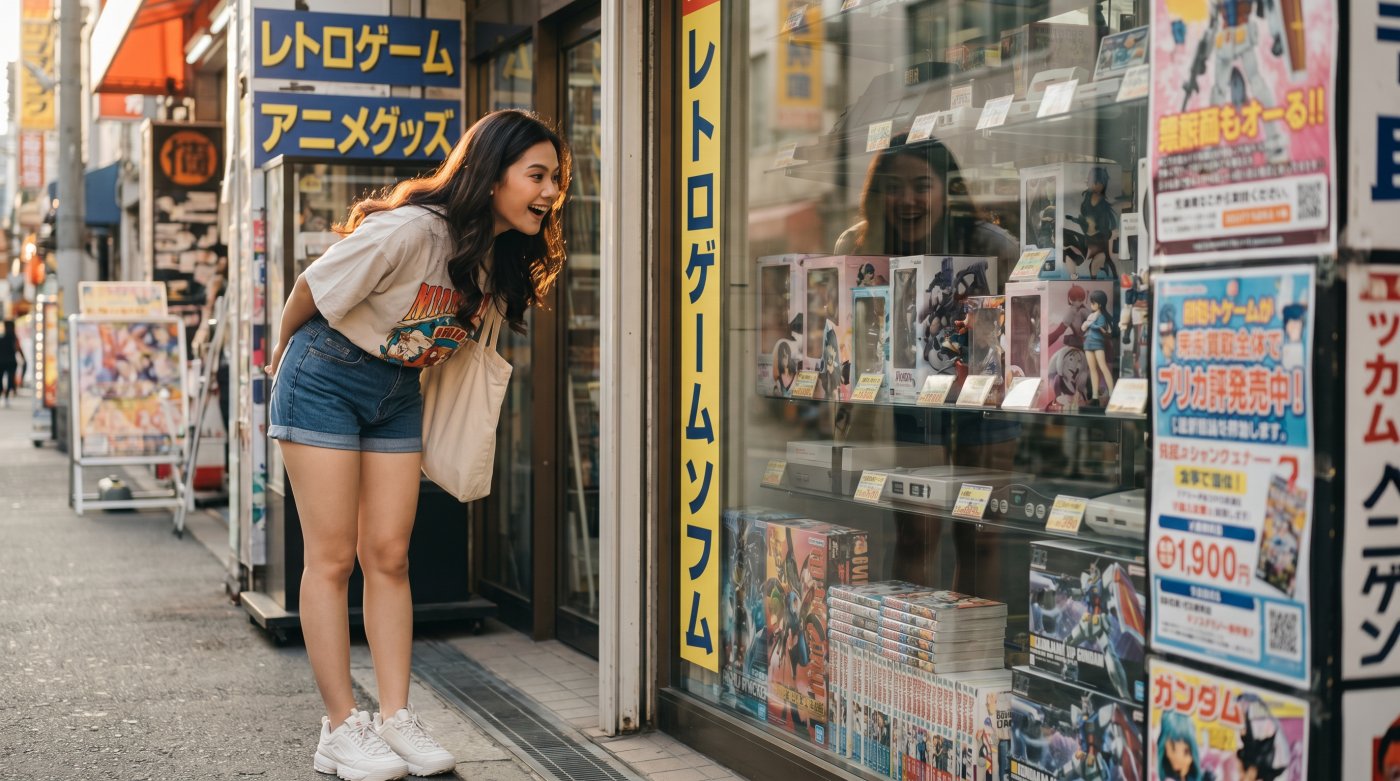
Den Den Town is one of the best places in Osaka to shop for used games, old consoles, art books, soundtracks, idol goods, card sleeves, model kits, and pre-owned figures that may be pristine, slightly dusty, or carrying the emotional residue of another collector’s apartment.
Condition matters.
Boxed items cost more, limited editions disappear quickly, and tax-free shopping rules vary by store, so keep your passport handy if you’re making bigger purchases.
If you’re hunting retro games, inspect labels, cases, region compatibility, and accessory completeness before you head to the register, because excitement has a way of making fine print invisible.
Maid cafes and themed spots
You do not need to visit a maid cafe for Den Den Town to be worth your time, but the option is very much part of the area’s identity.
Staff members often hand out flyers near Ota Road, and while some places lean playful and beginner-friendly, others are more niche and less comfortable if you don’t know the format.
If you’re curious, pick a venue with clear pricing posted outside and treat it as a short cultural side quest rather than the centerpiece of your day.
If that scene is not for you, no problem.
You can still enjoy the street atmosphere, arcade noise, and glorious concentration of hobby shops without committing to a themed drink and a ketchup drawing.
How to Getting to Den Den Town
Den Den Town sits in Nipponbashi, in Naniwa Ward, on the southeastern side of the Namba area.
For most visitors, the easiest access point is Ebisucho Station on the Osaka Metro Sakaisuji Line, which puts you near the southern end of the district in about 5 to 7 minutes on foot.
Nipponbashi Station on the Sakaisuji and Sennichimae lines is also convenient for the northern side, while Namba Station works well if you’re combining the area with shopping, food, or an evening in central Minami.
From Namba, you can simply walk.
Expect about 10 to 14 minutes depending on which exit you use and how often you get distracted by side streets, snack shops, or claw machines making unreasonable promises.
If you’re still sorting out where each district fits together, the Osaka neighborhood guide is useful for understanding how Namba, Kuromon, Shinsekai, and Shinsaibashi connect on foot and by subway.
If you’re arriving by bus or staying farther out, aim for Namba as your transfer hub, then walk or hop on the subway one stop depending on your energy level.
For most itineraries, pairing Den Den Town with nearby central neighborhoods makes more sense than treating it as a standalone half-day expedition.
Practical Tips When Visiting Den Den Town
Den Den Town is free to enter because it is a district, not a ticketed attraction, and that makes timing more important than budgeting.
Most shops open around 11:00 and close by 20:00, though smaller stores may open later, close earlier, or take one weekday off.
If you show up at 9:00 expecting full anime chaos, you’ll mostly meet shutters and your own planning errors.
The best time to go is weekday afternoons if you want easier browsing, or weekend late afternoons if you want the area at its liveliest.
Spring is especially good because of Street Festa, but the district works year-round, and rainy days are fine as long as you don’t mind hopping in and out of shops with an umbrella.
Summer is still doable, though the heat on the main roads can turn casual browsing into a small endurance event.
Bring a charged phone, a small day bag, and enough patience to compare prices.
Some smaller stores still prefer cash, many larger ones accept cards and IC payments, and tax-free counters usually require your passport.
If you collect fragile figures or electronics, consider buying a padded tote or stopping by a luggage store later, because plastic clamshell packaging has an almost supernatural ability to become awkward at the exact moment you feel overconfident.
Crowd strategy and shopping tactics
Start at one end and move steadily instead of pinballing between buildings.
A north-to-south or south-to-north sweep helps you notice price differences, and it prevents that classic mistake where you buy something early, see it cheaper later, and spend the next hour conducting emotional archaeology.
If you are shopping seriously, photograph price tags and shelf labels, especially for secondhand items.
That makes comparing stores much easier, and it helps if you need to remember which branch had the cleaner box, better controller condition, or less alarming sun fade.
Best time for different visitors
If you’re a casual visitor, aim for 2 to 3 hours and combine Den Den Town with nearby food stops or a walk into Namba.
If you’re a collector, builder, or retro game hunter, give yourself at least half a day, because specialist shops reward slow browsing and sudden detours.
Den Den Town for first-time visitors
First-timers should not try to cover every building.
Pick three priorities, maybe retro games, figures, and capsule toys, then browse outward from there.
The district is compact enough to explore freely, but focused wandering beats random exhaustion every time.
Nearby Attractions
Den Den Town works best when you pair it with nearby neighborhoods instead of treating it like an isolated shopping strip.
This whole part of south Osaka is dense, walkable, and full of quick transitions, which means you can go from retro game shelves to market snacks to old-school tower views in the same afternoon without doing anything heroic.
Kuromon Ichiba Market
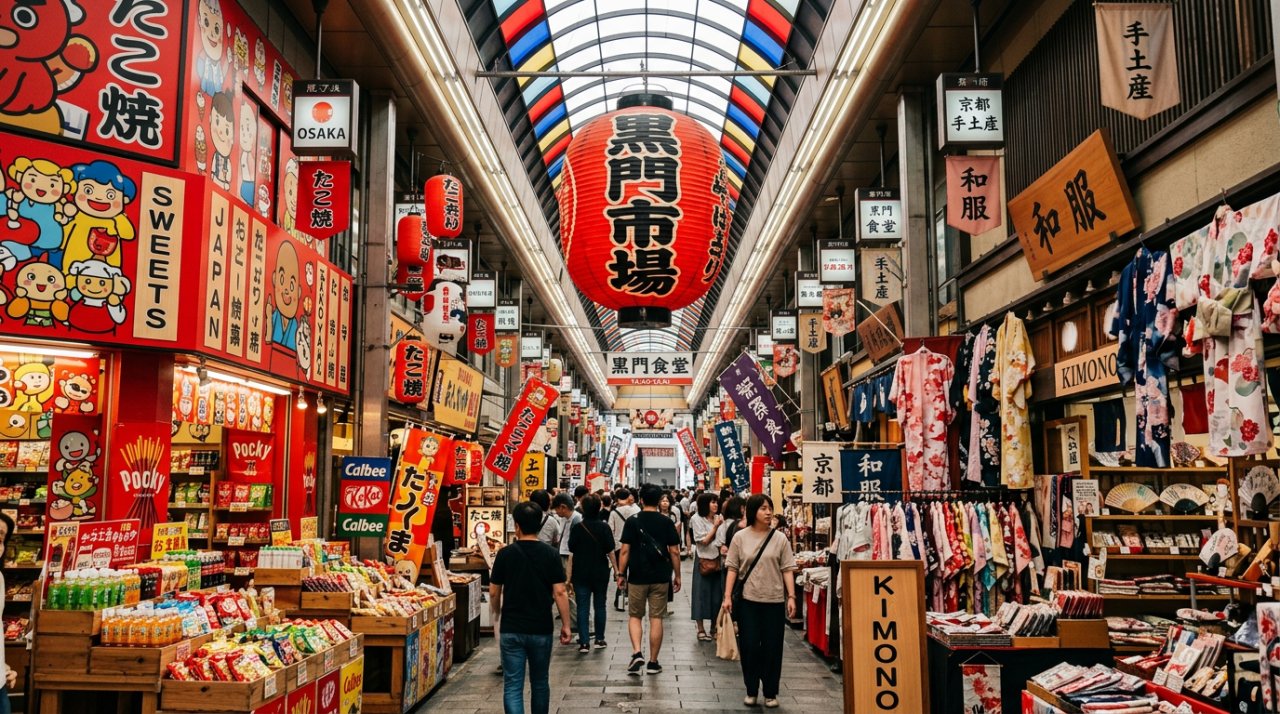
A 10 to 15 minute walk north, Kuromon is your easiest pivot if shopping makes you hungry especially if you’re visiting Kuromon Ichiba Market.
It is more food-focused than Den Den Town, obviously, and better for grilled seafood, fruit cups, skewers, and fast market grazing than for sitting down quietly and reflecting on your purchases.
Shinsekai
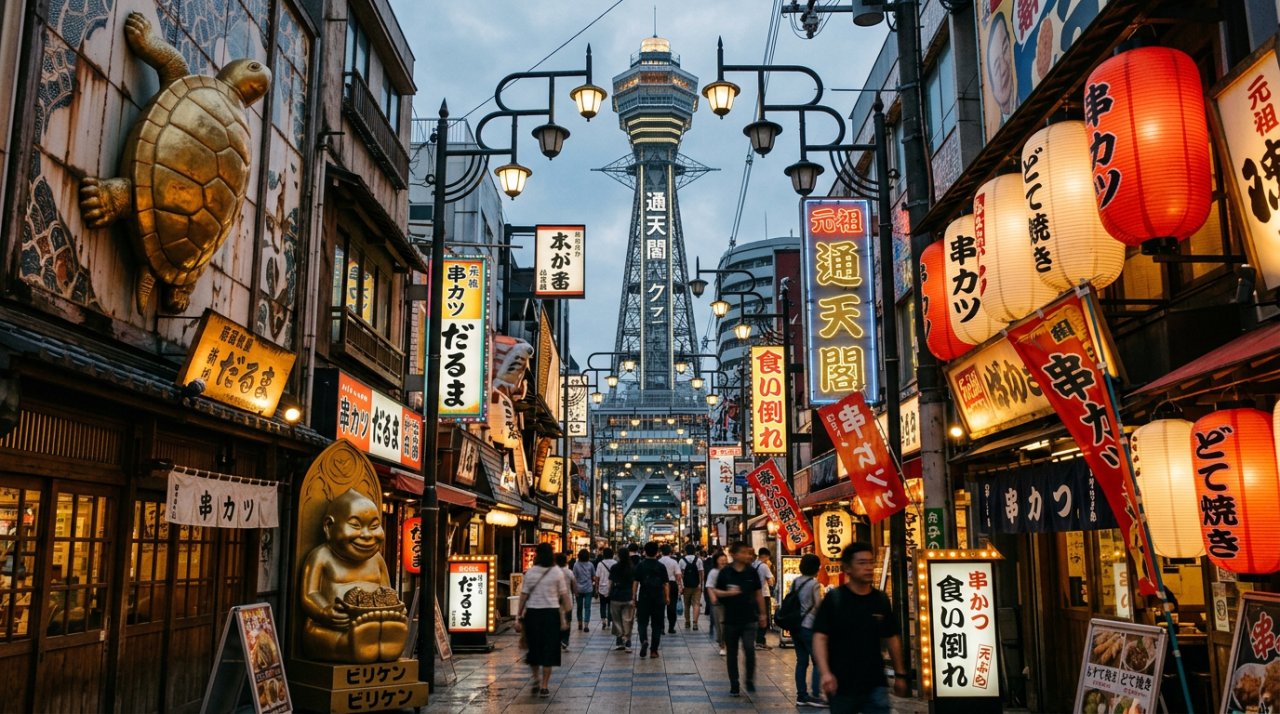
Head south or southwest and you’ll reach Shinsekai in roughly 15 minutes on foot, depending on your route.
This area has a scruffier old-Osaka feel, plenty of kushikatsu shops, and easy access to Tsutenkaku Tower, so it pairs well if you want your day to shift from pop culture retail into retro neon and deep-fried dinner.
Dotonbori
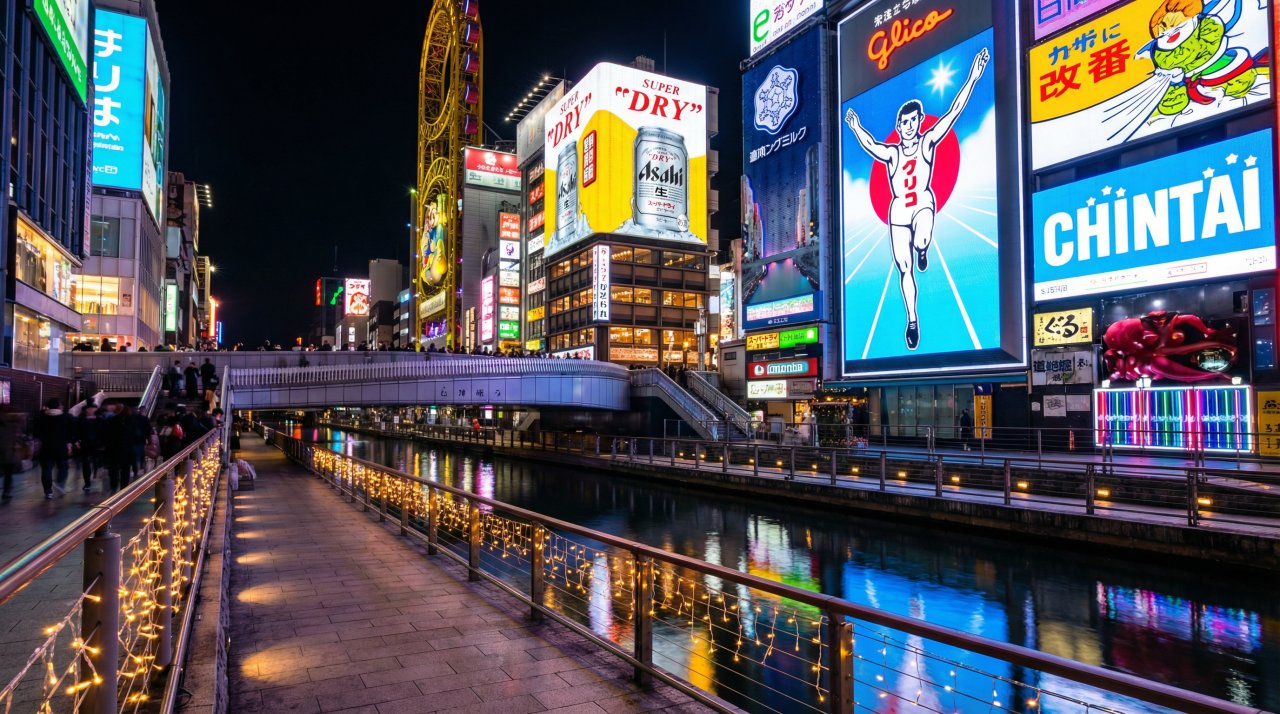
If you want to end the day with signs, canal views, and maximum Minami energy, best things to do in Osaka often start with a walk through Dotonbori, and Den Den Town is close enough to reach on foot in around 15 to 20 minutes.
It is louder, more touristy, and less specific than Nipponbashi, but for a first trip, the contrast is useful.
One district sells collectible mecha parts, the other sells giant crab signage and late-night snack decisions.
Tennoji
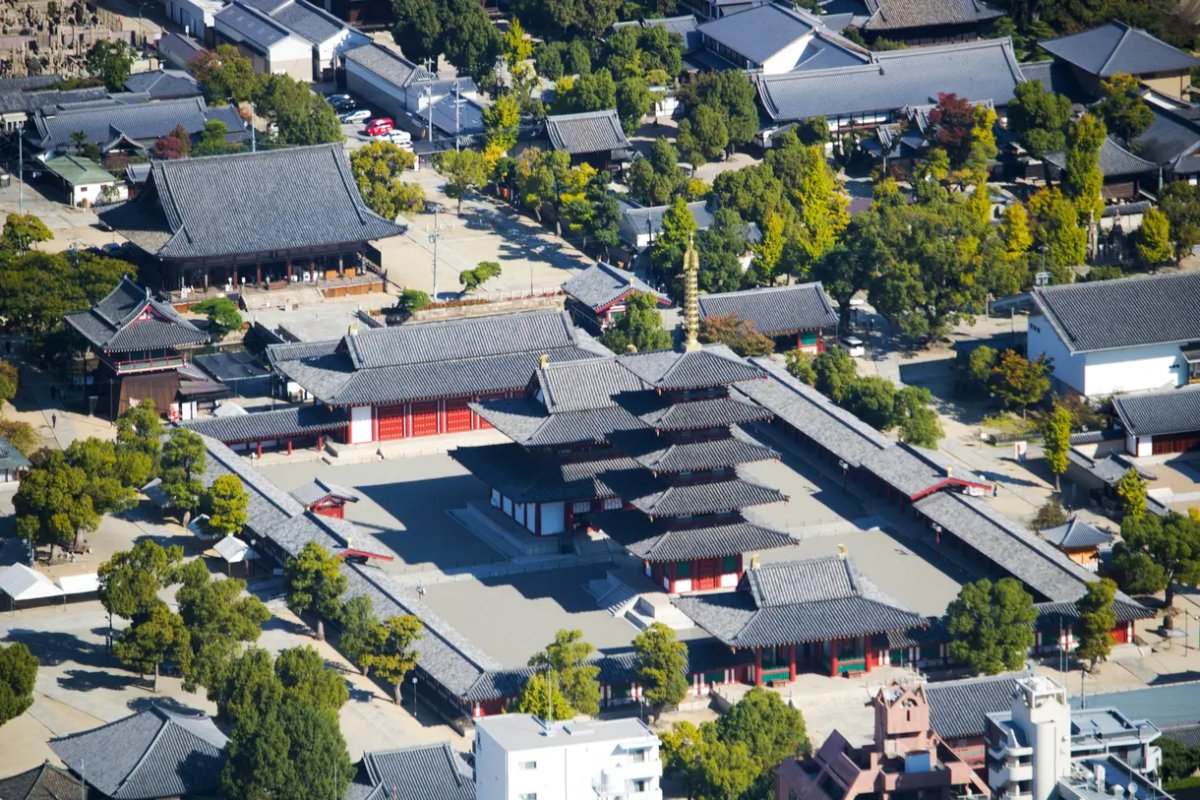
Tennoji is only a short subway hop or a longer walk away, and it gives you a very different pace. There’s the legendary Shitennoji Temple you can visit there.
If you want gardens, museums, wider streets, and a cleaner contrast to Den Den Town’s sensory clutter, it fits nicely into a split day, especially if you’re using a broader Osaka itinerary to organize your time efficiently.
Den Den Town is one of the easiest places in Osaka to enjoy without overplanning, but it rewards a little structure.
Give it at least a few hours, stay flexible, and pair it with nearby neighborhoods so the day feels varied rather than overly niche.
If you’re mapping out the rest of your trip, where to stay in Osaka helps you choose a base that keeps Namba, Nipponbashi, and the rest of Minami within easy reach.
What's Available
Frequently Asked Questions
Den Den Town is an open street district, so there are no gates or closing times for the area itself. Individual shops generally open around 11:00 and close by 20:00, with some larger stores staying open a little later on weekends.
A handful of smaller retailers may close one day a week, so if you have a specific shop in mind, it’s worth checking directly before you go.
No. The current structure dates from 1931 and is a ferroconcrete reconstruction, not the original Toyotomi-era castle.
The original was destroyed during Japan’s feudal conflicts.
The reconstruction is historically detailed and houses a genuine museum, but it is not a surviving historic structure in the way that, for example, Himeji Castle is.
If original castle architecture matters to you, the day trip to Himeji from Osaka is worth adding to your itinerary.
From Namba Station on the Osaka Metro Midosuji Line, take Exit 4 and walk east for about five minutes — you’ll hit the top of Den Den Town near the crossing at Sakaisuji.
Alternatively, Nipponbashi Station on the Sakaisuji and Sennichimae Lines drops you directly into the district via Exit 5.
If you’re coming from central Namba, the walk is honestly faster than waiting for a train.
Editor's Review
Den Den Town earns its reputation as west Japan’s otaku capital — and it largely delivers.
The density of specialist shops along Sakaisuji and Ota Road is genuinely impressive, and unlike Akihabara, it doesn’t feel like it’s been sanitised for tourists.
You can spend hours here and still miss things, which is either a feature or a problem depending on your self-control around limited-edition merchandise.
The district is best suited for anime fans, retro game collectors, and electronics enthusiasts.
Casual visitors may find it slightly overwhelming or niche.
The insider tip worth knowing: skip the big-name chain stores on the main street first and head straight down Ota Road — that’s where the smaller, stranger, more interesting shops actually live.
Related Attractions
Umeda Sky Building
Nakaza Kuidaore Building
LUCUA SOUTH
Shinsaibashi-suji Shopping Arcade
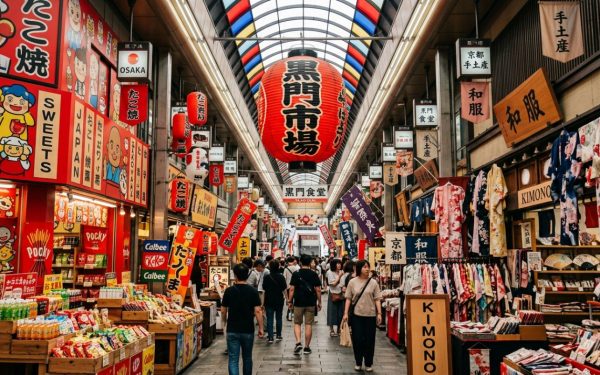
Kuromon Ichiba Market
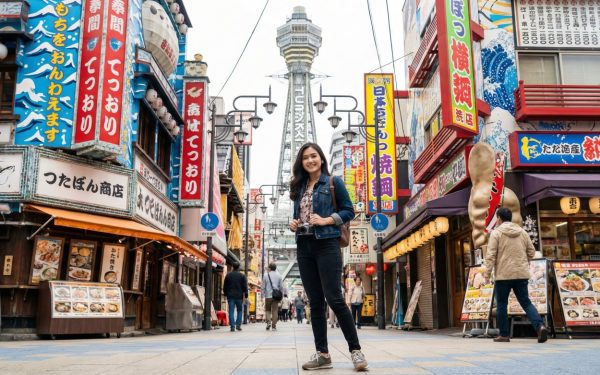
Tsutenkaku Tower
Hozenji Temple and Hozenji Yokocho
Tenjinbashisuji Shopping Street