Day Trips from Osaka: Best Destinations and How to Get There
Osaka sits at the center of the Kansai region, which means you can reach Kyoto, Nara, Kobe, Hiroshima, and Himeji all in under two hours by train.
Most visitors underestimate how much ground they can cover while keeping Osaka as their base.
A day trip here isn’t a consolation prize — for several of these destinations, a focused day visit covers everything you actually need to see.
If you’re building out your full trip, the Osaka itinerary guide covers how to slot these day trips into a longer stay without burning yourself out.
Kyoto: Temples, Bamboo, and 15 Minutes of Shinkansen
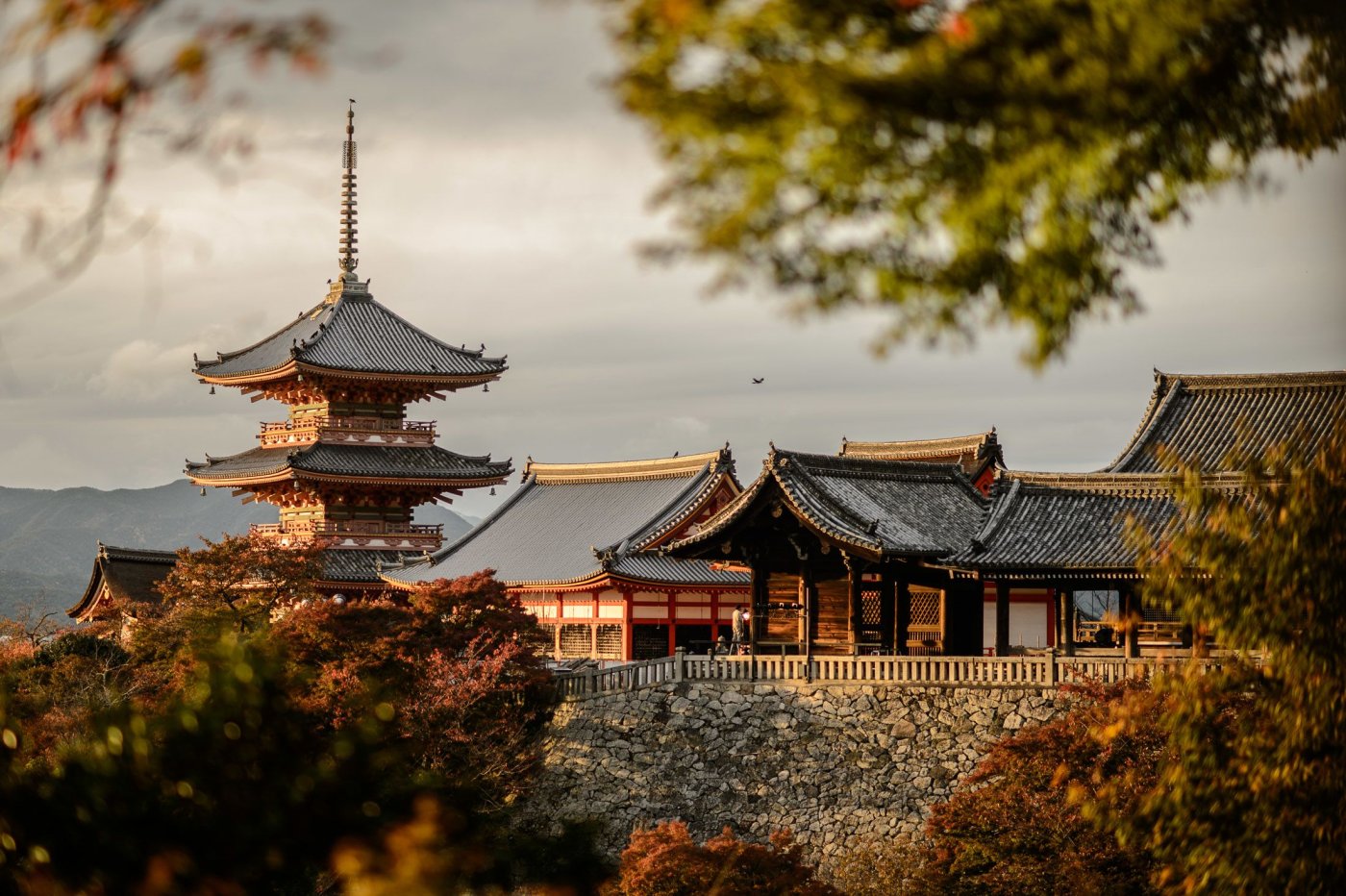
Kyoto is the most popular day trip from Osaka, and the train ride is almost offensively short. The Hikari or Sakura shinkansen from Shin-Osaka gets you to Kyoto Station in 15 minutes.
The slower Shinkaisoku (rapid train) on the JR Biwako Line runs from Osaka Station and takes about 28 minutes for roughly 580 yen, making it the better choice if you’re watching your transport budget.
What to prioritize on a day visit
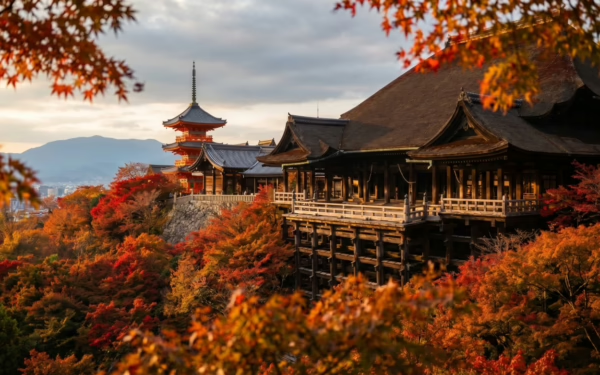
Kyoto has over 1,600 Buddhist temples and 400 Shinto shrines. You will not see most of them. A focused day visit works best if you pick one area and go deep rather than map-hopping.
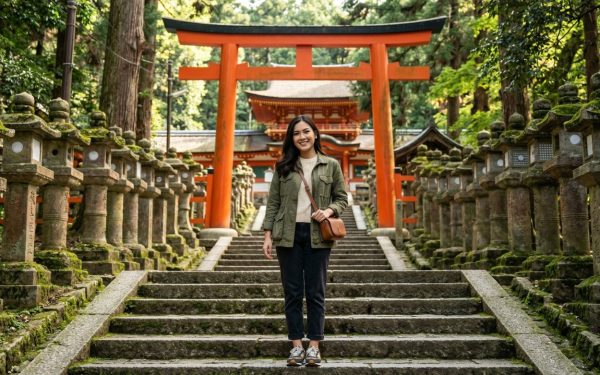
Fushimi Inari Taisha is the one everyone photographs: thousands of vermillion torii gates winding up Mount Inari in the city’s south. The lower section takes 30 minutes; the full summit hike is about two hours. Go before 8:00am to have the gates to yourself or close to it.
Arashiyama is the bamboo grove district in the city’s west. The bamboo path itself takes about ten minutes to walk through, but the surrounding area, which includes Tenryu-ji temple (1,000 yen entry) and the Togetsukyo bridge over the Oi River, justifies a full morning.
Gion is the geisha district in central Kyoto. It’s worth an early evening stroll if your day trip extends into dinnertime, but it’s overpowered by day visitors from late morning onward.
- Train: Shinkansen from Shin-Osaka, 15 min / JR Shinkaisoku from Osaka Station, 28 min.
- Cost: 580 yen (local) to 1,470 yen (shinkansen non-reserved).
- JR Pass validity: Yes, for both routes.
Nara: Sacred Deer and Japan’s Largest Buddha Hall
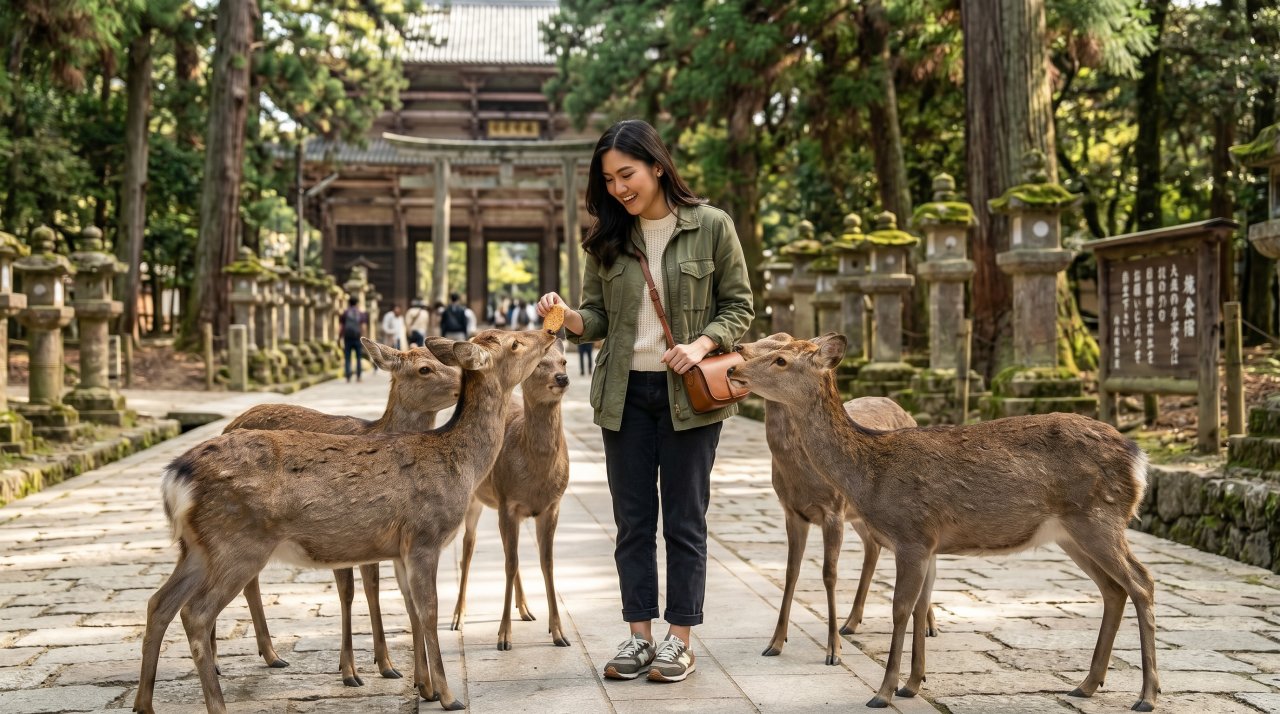
Nara is the easiest half-day trip from Osaka. The Kintetsu Nara Line from Osaka-Namba Station runs directly to Nara in 39 minutes for 680 yen. The JR Yamatoji Rapid from Osaka or Tennoji takes 45 to 50 minutes for 760 yen.
Nara Park is where the deer roam freely. There are around 1,300 sika deer living in and around the park grounds, and they are semi-wild enough to be pushy about the shika senbei (deer crackers) sold by vendors for 200 yen per bundle. Keep your crackers out of sight until you’re ready to be swarmed.
Todaiji and Kasuga Taisha
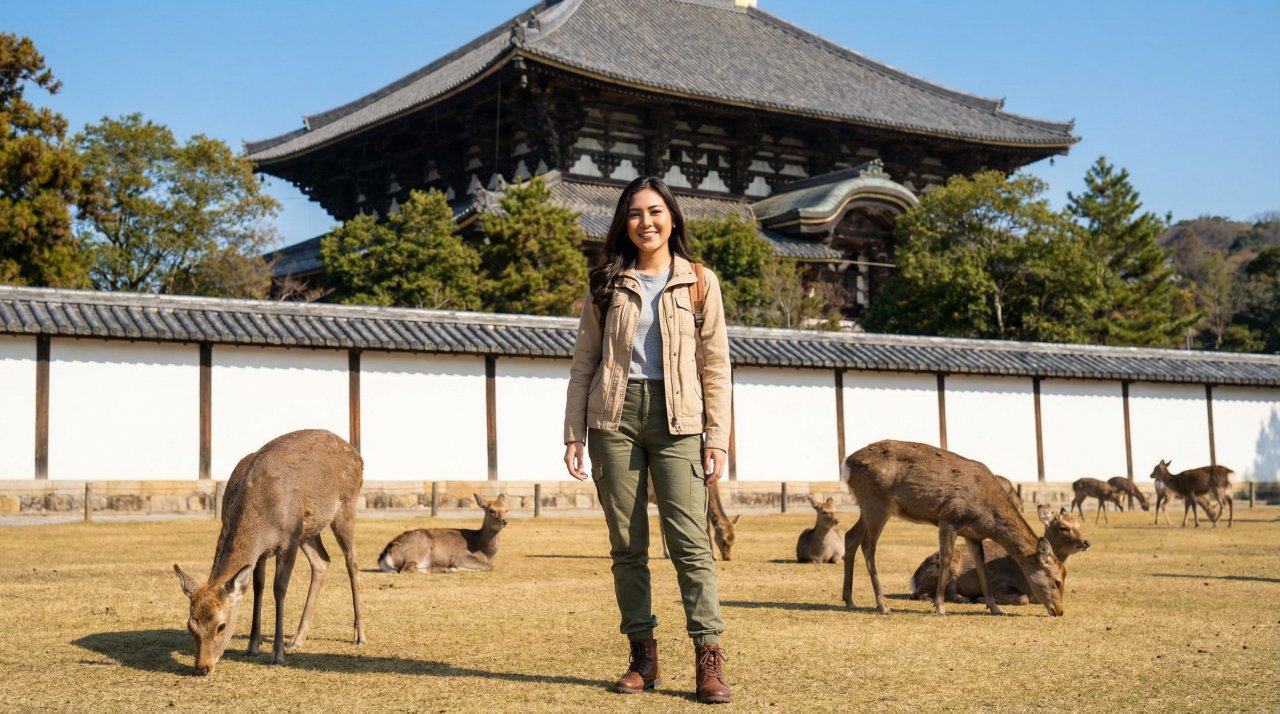
Todaiji Temple contains the Daibutsuden (Great Buddha Hall), which, at 57 meters tall, is the world’s largest wooden building. The bronze Buddha inside is 14.7 meters high and was cast in 752 AD. Entry is 600 yen and takes about 45 minutes to see properly.
Kasuga Taisha is a quieter Shinto shrine at the eastern edge of the park, known for its 3,000 stone and bronze lanterns. It takes about 20 minutes to walk there from Todaiji and is worth the detour if crowds are heavy near the deer park.
Budget three to four hours total in Nara. That’s enough for the deer, Todaiji, a walk through the park, and lunch in town before heading back.
- Train: Kintetsu from Namba, 39 min / JR from Osaka or Tennoji, 45-50 min.
- Cost: 680 yen (Kintetsu) or 760 yen (JR).
- JR Pass validity: JR route only.
Kobe: Harborfront, Wagyu, and a Hillside Foreign District
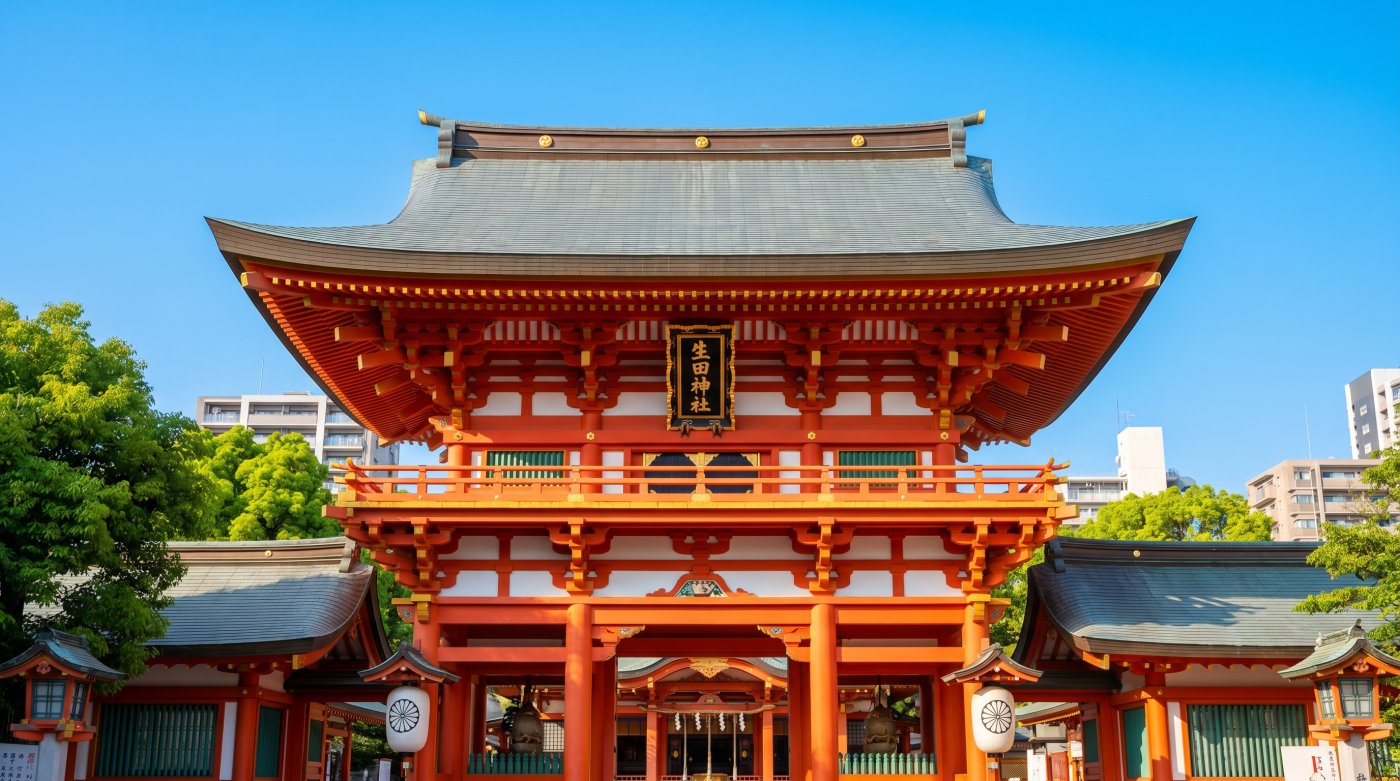
Kobe is 30 minutes from Osaka-Sannomiya by the Hankyu Kobe Line or the JR Tokaido-Sanyo Line, both running for around 400 to 420 yen. It’s the closest major city to Osaka and often overlooked because it lacks a single headline attraction. That’s the point. Kobe rewards slower exploration.
Kitano-cho is the old foreign settlement district on the hillside north of Sannomiya Station. Western-style Victorian and Edwardian houses called ijinkan line the lanes, some open as museums for 700 to 1,000 yen each. The walk up from the station takes about 20 minutes on foot.
Harborland and Meriken Park sit at the waterfront south of the station. The Kobe Port Tower, recently renovated and reopened in 2024, stands 108 meters tall and offers harbor views for 1,000 yen entry.
Kobe is also where Kobe beef originated. Teppanyaki lunch sets in the city run from 4,000 yen for a genuine experience.
It’s expensive compared to Osaka’s street food culture, but if you’re going to eat wagyu anywhere, this is the place.
If you want to balance out the food spending, what to eat in Osaka covers where the better value lies back in the city.
- Train: Hankyu from Umeda to Sannomiya, 28 min / JR from Osaka to Sannomiya, 22 min.
- Cost: 320 yen (Hankyu) or 420 yen (JR).
- JR Pass validity: JR route only.
Hiroshima and Miyajima: The Longer Day Trip
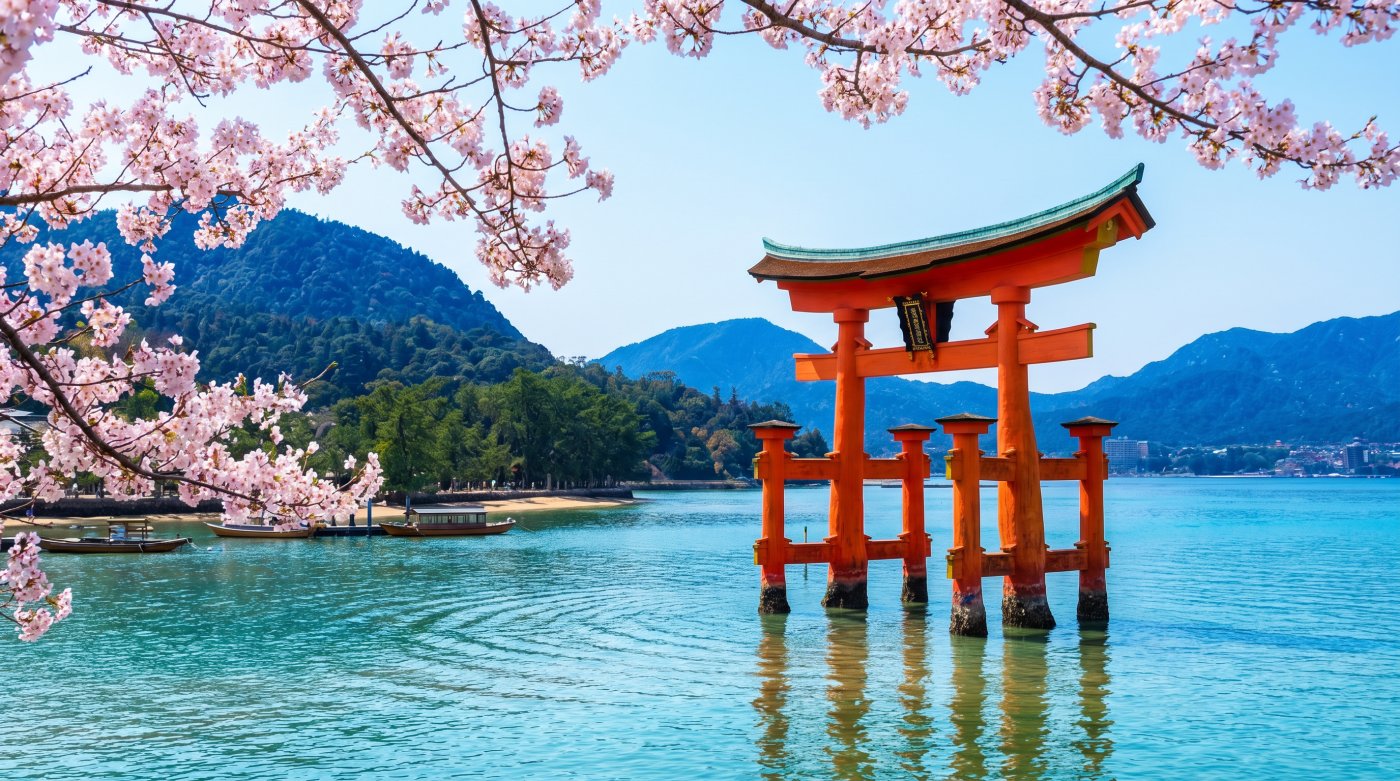
Hiroshima is 85 minutes from Shin-Osaka on the Sakura or Nozomi shinkansen. It’s a full day commitment, which means leaving Osaka by 7:30am and returning by 8:00pm to cover both the Peace Memorial Park in Hiroshima and Miyajima Island.
Hiroshima Peace Memorial Park contains the Atomic Bomb Dome (Genbaku Domu), the Hiroshima Peace Memorial Museum (200 yen entry), and the Cenotaph. Budget 90 minutes minimum. The museum is genuinely difficult viewing and genuinely necessary. The exhibits have been substantially updated in recent years and are among the most thoughtfully presented memorial displays in Japan.
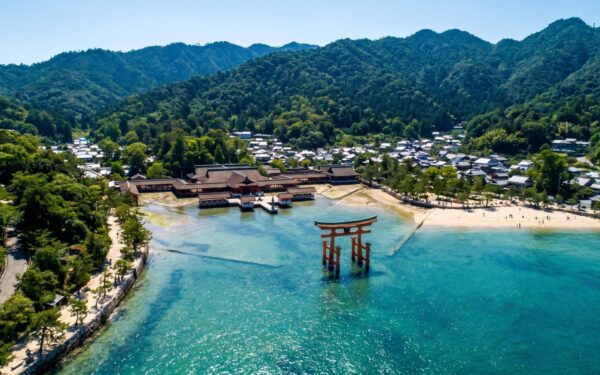
Miyajima Island (officially Itsukushima) is 25 minutes from Hiroshima by train and ferry. The floating torii gate of Itsukushima Shrine stands in the tidal flats and is photographed endlessly for good reason. At low tide you can walk to it. Deer roam this island too, less densely than Nara. Entry to Itsukushima Shrine is 300 yen.
This day trip is achievable but not leisurely. If you’re using a JR Pass, the shinkansen is covered; without one, the return fare from Shin-Osaka to Hiroshima is around 18,480 yen.
- Train: Nozomi/Sakura shinkansen from Shin-Osaka, 85 min.
- Cost: 9,240 yen one way (non-reserved).
- JR Pass validity: Nozomi excluded; Hikari or Sakura covered.
Himeji: One Castle, One Garden, Done
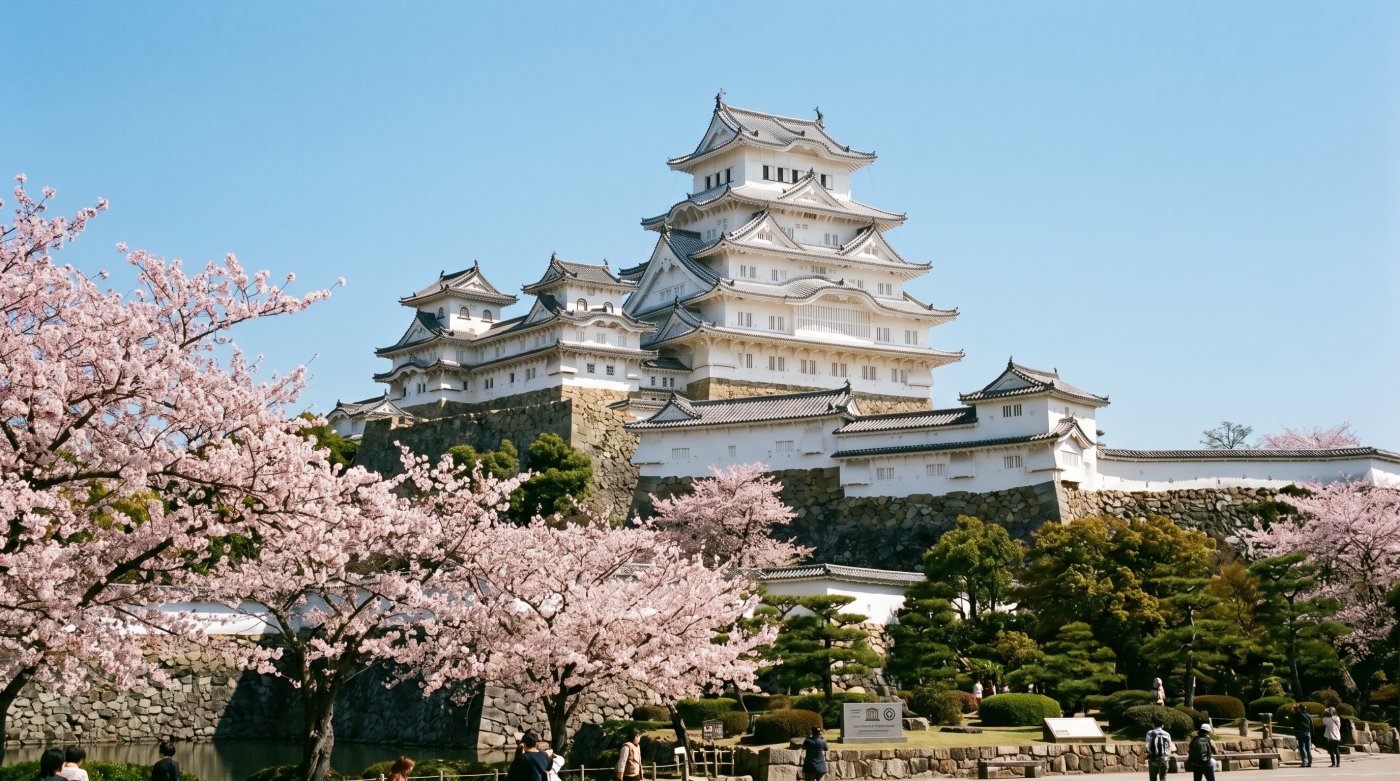
Himeji is 35 minutes from Shin-Osaka on the Shinkaisoku rapid train or 30 minutes on the shinkansen.
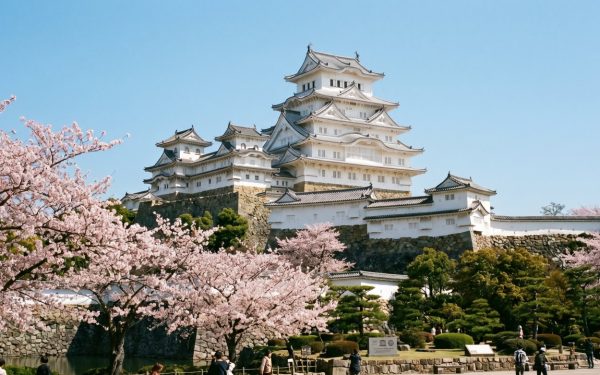
Himeji Castle is considered Japan’s most complete original castle, surviving both the feudal era and World War II intact.
The tenshu (main keep) was built in 1609 and is classified as a UNESCO World Heritage Site along with the adjacent Koko-en Garden.
Entry to the castle is 1,000 yen. Koko-en, a reconstructed garden of nine separate enclosures beside the castle moat, adds 310 yen.
The castle itself takes 60 to 90 minutes to walk through. The view from the seventh floor of the keep is strong, particularly in cherry blossom season when the surrounding trees are in bloom.
Himeji is a focused day trip: arrive, walk to the castle (15 minutes from the station), spend a morning, have lunch in the covered shopping street near the station, return to Osaka by early afternoon. You don’t need a full day here, which makes it a good pairing with Kobe if you’re ambitious.
- Train: JR Shinkaisoku from Osaka Station, 57 min / Shinkansen from Shin-Osaka, 30 min.
- Cost: 1,520 yen (Shinkaisoku) or around 2,530 yen (shinkansen).
- JR Pass validity: Yes, both routes.
How to Plan Day Trips from Osaka
The practical pattern for day trips from Osaka is: leave early, see the one or two things that genuinely require the journey, eat something regional that you can’t get in Osaka, and return before 7:00pm to avoid rush-hour trains.
If you’re staying in Namba or Shinsaibashi, the Kintetsu Line from Namba gives you direct access to Nara and Kyoto without touching JR infrastructure.
If you’re staying in Umeda or near Osaka Station, JR trains give you better coverage. The areas of Osaka you base yourself in will shape which lines are most convenient.
For JR Pass holders, the Kansai Area Pass (1 to 4 days, from 2,400 yen) covers unlimited JR trains within the Kansai region including Kyoto, Nara, Kobe, and Himeji.
It does not cover shinkansen. The wider JR Pass covers shinkansen and is worth the math if you’re also traveling to Hiroshima or Tokyo.
If you’re still putting together the full picture of how day trips fit into your time here, the things to do in Osaka guide covers what’s worth prioritizing in the city itself before heading out.
Day trips are often best positioned on day three or four, once you’ve got your Osaka bearings.
Quick Comparison: Day Trips by Travel Time and Effort
Kyoto: 15-28 min by train, full day, high reward for first-time Japan visitors, gets very crowded.
Nara: 39-50 min, half day or short full day, easy, suits all ages, the deer are genuinely enjoyable.
Kobe: 22-28 min, half day to full day, low-key, best for food and harbor atmosphere.
Hiroshima + Miyajima: 85 min by shinkansen, requires a full day, the most emotionally significant trip on this list.
Himeji: 30-57 min by train, half day, castle is the main event, efficient and satisfying.