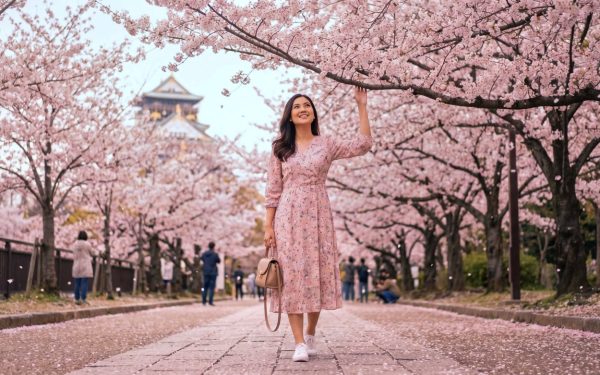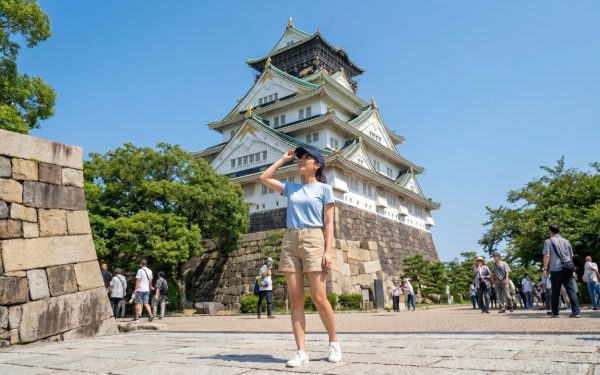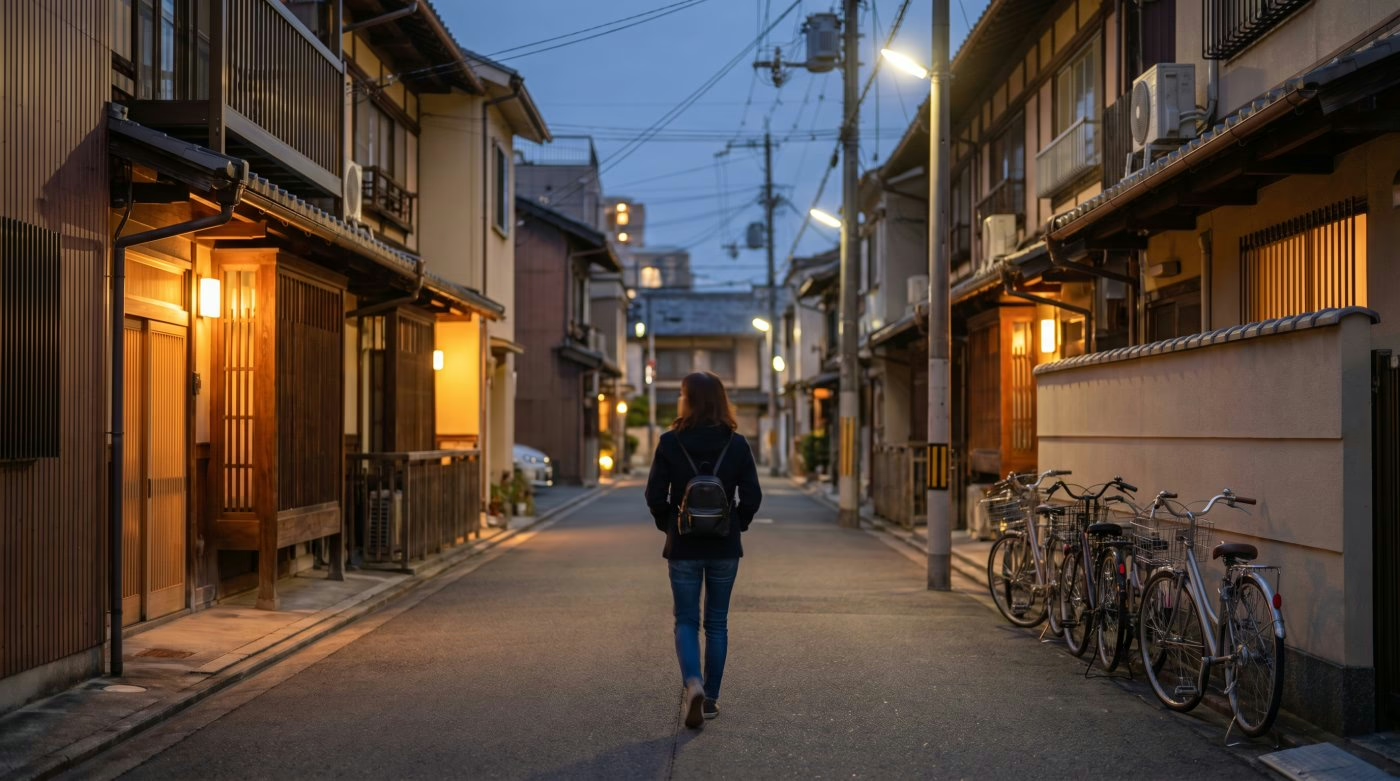





Is Osaka Safe to Visit? An Honest Guide for Solo and First-Time Travelers – Osaka is widely considered very safe for solo and first-time travelers, with low violent crime, dependable public transport, and a relaxed, friendly urban rhythm.
Most concerns are predictable big-city issues — especially pickpocketing in Dotonbori, Namba, and busy stations, plus the occasional pushy bar tout.
Staying on well-lit streets, using licensed taxis, and watching weather alerts during typhoon season usually keeps trips smooth. Combining with our previous guide on things to know before traveling to Osaka, this article will help you to stay safe and comfortable when visiting Osaka.
Key Highlights
Hide- Osaka is one of the world's safest big cities, with low violent crime and a generally calm, orderly atmosphere for visitors.
- Petty theft and minor scams mostly occur in Dotonbori, Namba, and transit hubs, so keep valuables secure and avoid persistent touts.
- Solo travelers usually feel comfortable, especially on well-lit main streets, though women should stay alert in entertainment districts at night.
- Most train lines depart their origin stations by midnight — there are no 24-hour trains, so plan late nights carefully.
- Tap water, food hygiene, and healthcare are reliable, but stay aware of earthquakes, typhoons, and flooding during heavy rain.
Why Osaka Has a Reputation as One of the Safest Big Cities in the World
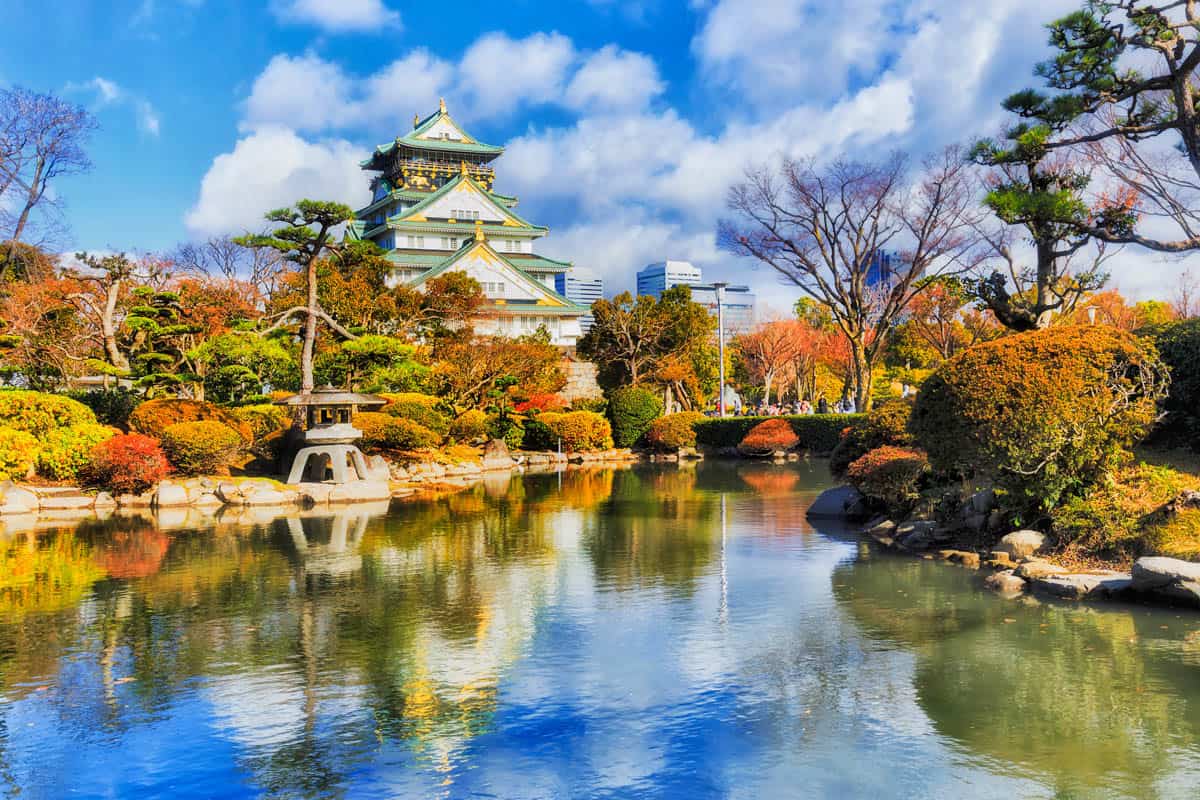
Osaka is widely regarded as one of the safest big cities in the world, but that reputation makes more sense when measured against Tokyo and other major urban hubs.
This section outlines how Osaka actually compares in everyday safety — from street crime to late-night transit — and clarifies which travelers will find this guide most useful: first-time visitors, solo women, families, and night-owl food hunters.
The picture is reassuring overall, and yes, it is easier to relax here than in many global cities.
Trip Essentials
Osaka Travel Add-ons
Equip yourself for the ultimate Osaka adventure with the following add-ons, curated just for you.
Flights to Osaka
Airport Transfer
ICOCA IC Card
Suica IC Card
Osaka Tours
Luggage Storage
Travel Insurance
Data Security

Japan eSIM
Japan SIM Card
Pocket WiFi Rental
Japan eSIM
How Does Osaka Safety Compare to Tokyo and Other Major Cities?
Osaka is very safe by global standards — crime stays low, transit feels orderly, and nightlife districts remain surprisingly manageable.
Tokyo often feels more polished, but local perceptions describe Osaka as warmer, looser, and easier to navigate freely.
| City | Street Feel |
|---|---|
| Osaka | Lively, watchful |
| Tokyo | Smooth, crowded |
| Seoul | Fast, bright |
| London | Busy, uneven |
Traveler experiences often highlight that Osaka’s risks are less about danger and more about ordinary big-city awareness.
Cultural differences matter too — what seems casual here still runs on quiet rules, social courtesy, and sharp station efficiency.
One practical note most guides skip: Osaka drivers are statistically more likely to jump red lights than Tokyo drivers.
Cross at pedestrian crossings only, wait for the green signal, and look both ways even when the light changes.
A Tombori River Cruise offers a relaxed way to see Dotonbori while staying in one of the city’s busiest areas.
Who This Osaka Safety Guide Is For
This guide is aimed at first-time Japan visitors, solo travelers, women exploring at night, families juggling stations and strollers, and cautious night-owls heading into Dotonbori, Namba, or Umeda after dark.
It also serves anyone wanting independence without unnecessary stress.
The focus stays on solo travel confidence, local customs, cultural differences, emergency preparedness, and practical resources that keep plans flexible.
A budget traveler can often manage daily spending in Osaka on roughly ¥8,000–¥10,000 excluding accommodations in Osaka — covering street food meals, metro fares, and a paid attraction or two — which makes staying flexible without overspending much easier.
Add a hostel dorm bed (¥3,000–¥5,000) and total daily costs land around ¥11,000–¥15,000 for a realistic budget visit.
- Osaka Metro Guide 2026: Interactive Map, Fares, and How Not to Get Lost
- Osaka Travel Budget: How Much Does a Trip to Osaka Actually Cost?
- Day Trip to Kyoto from Osaka: The Complete First-Timer’s Guide
- Pocket WiFi vs SIM Card vs eSIM in Osaka: Which One to Get?
- Kansai Airport to Osaka: Every Transport Option, Compared
- Osaka Amazing Pass 2026: Prices, Attractions, and Whether It’s Worth Buying
Crime in Osaka: What the Statistics Actually Say
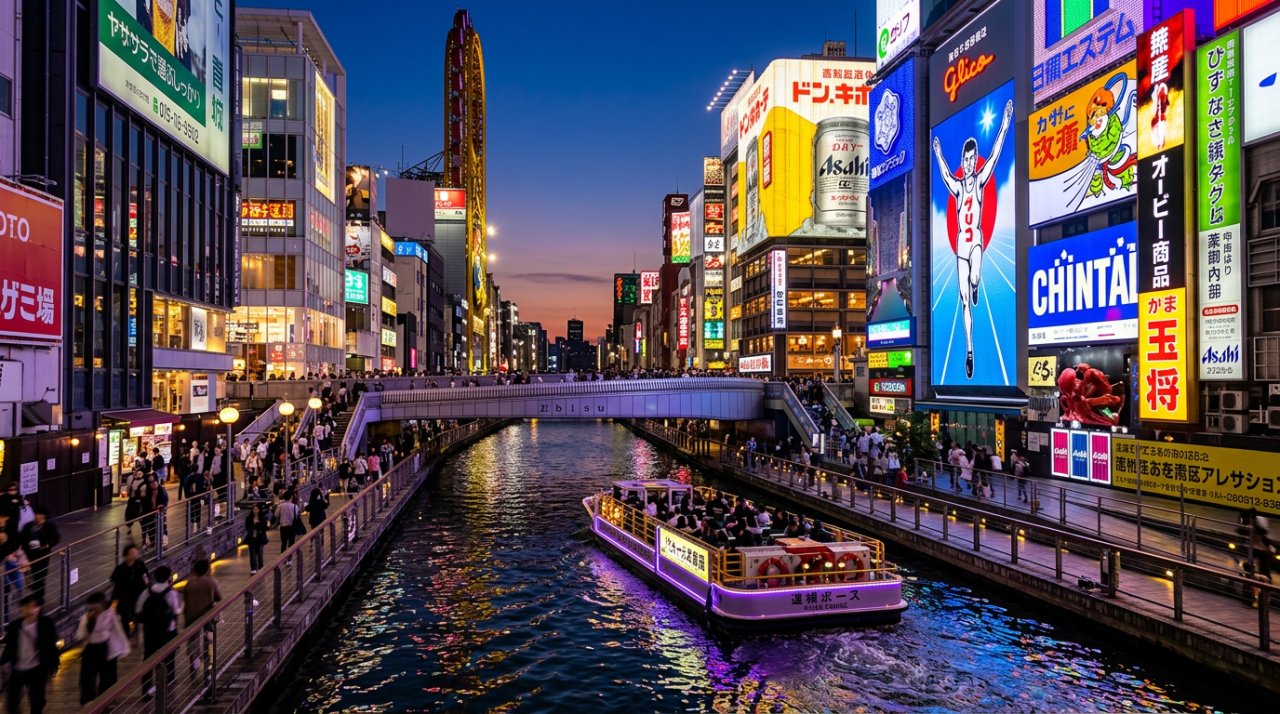
The numbers paint a reassuring picture: violent crime in Osaka remains low enough that it rarely becomes headline material.
The more relevant issues for visitors are minor ones, with pickpocketing tending to cluster in busy nightlife and transit areas rather than across the city as a whole.
A closer look also helps separate exaggerated fears from the small set of tourist scams that travelers are actually most likely to encounter.
For many first-time visitors, busy areas like Dotonbori are more about managing crowds and keeping an eye on belongings than worrying about serious danger.
Why Violent Crime in Osaka Rarely Makes Headlines
Statistically, serious assaults and random attacks remain uncommon in Osaka, especially in the central districts most visitors explore.
Osaka crime data consistently shows lower violent offense rates than many major global cities.
That does not mean travelers should drift through the night without thought.
Sensible travel precautions still matter: staying aware, avoiding confrontations, and using licensed taxis after very late hours.
Local perspectives emphasize social order, visible policing, and community accountability.
For solo and first-time visitors, that creates a city atmosphere that feels energetic and refreshingly low on menace.
Petty Crime and Pickpocketing: Where It Actually Happens
In Osaka, petty theft is not spread evenly across the city — it clusters in the busiest nightlife corridors and major transit hubs.
Dotonbori and Namba after dark deserve extra attention.
Crowds, bright signs, and late-night distractions can make an unattended bag far too tempting.
Umeda and Namba Stations are also more vulnerable to pickpocketing because constant foot traffic, rushed transfers, and packed platforms create the exact conditions thieves prefer.
Namba’s major transit interchange status adds to that risk, pulling in dense crowds from multiple rail lines and airport-bound travelers.
Dotonbori and Namba at Night: The Two Spots Worth Watching Your Bag
Dotonbori and Namba, especially after dark, draw the densest crowds, the most distracted visitors, and the easiest opportunities for quick-handed theft.
Namba safety depends on simple tourist awareness: practiced bag security, zipped closures, and phones kept off tables.
Osaka’s street food scene makes these neighborhoods even busier at night, so staying alert matters.
One specific risk worth noting: in Shinsaibashi and the Soemon-cho area, touts occasionally offer suspiciously cheap “all you can drink” (nomihodai) deals — typically pitched at under ¥3,000 and sometimes as low as ¥1,000–¥2,000.
These pitches often lead to kyabakura (hostess clubs) or “girls bars” where bills inflate dramatically once you’re inside.
Not every tout is running a scam — some are legitimately promoting real venues — but the risk rises sharply when the pitch involves the word “girls,” comes from an aggressive stranger, or the venue cannot show a printed menu before entry.
Never accept drinks from strangers or follow touts into unfamiliar venues, as spiked drink incidents, while rare, have been reported in these areas.
Train Station Pickpocketing: Why Umeda and Namba Stations Get Targeted
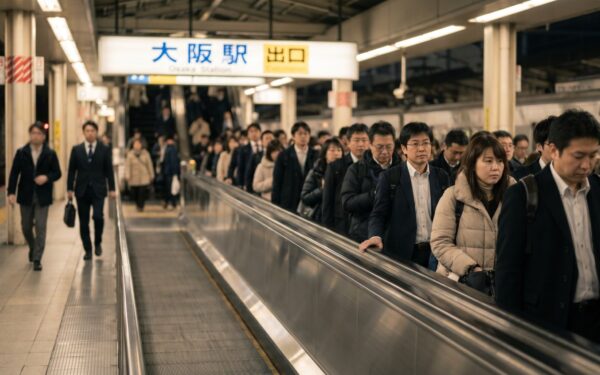
Most station-related pickpocketing in Osaka clusters around Umeda and Namba — not because these hubs are especially dangerous, but because they are enormous, fast-moving funnels packed with commuters, shoppers, and travelers dragging luggage while glancing at signs.
- Umeda tactics exploit distraction during peak hours
- Namba crowds create cover for quick-handed theft
- Simple bag security and awareness are the best prevention
Our Osaka Metro and IC card guide explains alphanumeric station codes and clear English signage, which can make busy transfers easier to navigate and reduce the confusion thieves often exploit.
Scams in Osaka: The Three Tourists Actually Run Into
How risky is Osaka for the average visitor?
Fairly low, yet a few tourist scams still interrupt carefree exploring.
The three most common are bar tout overcharges in Namba and Soemon-cho, fake charity approaches near busy arcades, and taxi padding through unnecessary loops.
| Scam | Smart Response |
|---|---|
| Bar touts / kyabakura pitches | Decline firmly, walk on |
| Fake charity pitches | Verify, then refuse |
| Taxi padding | Confirm route on maps app first |
Local advice is straightforward: choose licensed venues, confirm taxi routes before departure, and ignore pressure.
When hailing a taxi, look for the illuminated rooftop sign and the LED dash display — red means vacant (空車).
Unlicensed “white taxis” (shiro-taku) are an emerging issue at Kansai International Airport and major hubs; avoid any vehicle without a metered display and rooftop sign.
For reporting incidents, kōban police boxes and station staff are practical first stops for visitors.
Key locations include the kōban near Namba Station (near Takashimaya) and the kōban near Umeda’s Midosuji exit — both are staffed and easy to find.
Is Osaka Safe for Solo Travelers?
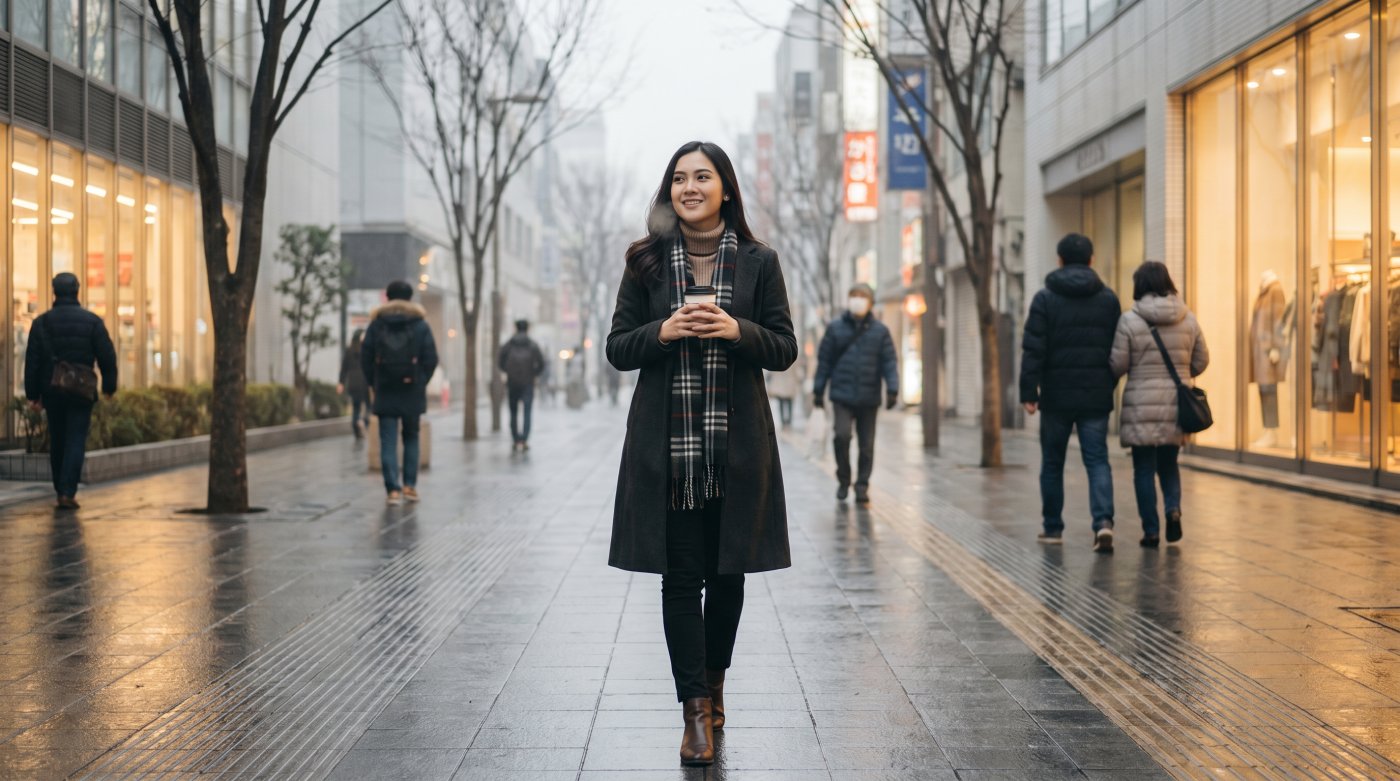
For solo travelers, Osaka is generally approachable and easy to navigate, with busy entertainment districts, late-running transit, and a street atmosphere that often feels lively rather than threatening.
Solo male travelers will usually find evenings straightforward in well-trafficked areas, while solo seniors may want a closer look at practical comforts such as station access, walking distances, and quieter places to stay.
Our guide to getting around Osaka at night covers Metro connections between Umeda, Namba, and Tennoji in detail — including how to check the last train before heading out.
Solo Male Travelers in Osaka: What to Expect on the Street and at Night
Osaka’s streets after dark stay lively, well-lit, and surprisingly easygoing, especially around Namba, Umeda, and the buzzing lanes of Shinsaibashi.
Osaka nightlife feels energetic, not menacing, though confidence works best when paired with awareness and respect.
- Street etiquette matters: keep voices low in residential areas
- Public behavior should stay relaxed, not rowdy
- Cultural differences appear in quieter social cues
- Late trains and busy stations feel straightforward
Touts near entertainment strips are usually more annoying than threatening.
The smart move: ignore hard sells, watch your drinks, stay on main roads, and enjoy the freedom.
Solo Senior Travelers in Osaka: Practical Safety and Comfort Notes
Many senior travelers find Osaka one of Japan’s easier big cities to navigate alone, because the pace in central areas like Umeda, Namba, and Tennoji feels organized, bright, and refreshingly low-drama.
Stations can be busy, yet clear signs, elevators, and accessibility options make independent movement realistic and liberating.
Useful tips include traveling outside rush hour, keeping hotel cards handy, and choosing underground malls or arcades during rain or summer heat.
Senior-friendly activities — river cruises, museum visits, temple walks, and gentle park strolls — offer freedom without exhaustion.
The grounds around Osaka Castle are particularly well-lit and easy to walk in the early evening.
For local dining, depachika food halls, counter sushi spots, and quiet kissaten cafés make relaxed meals easy.
Is Osaka Safe for Solo Female Travelers?
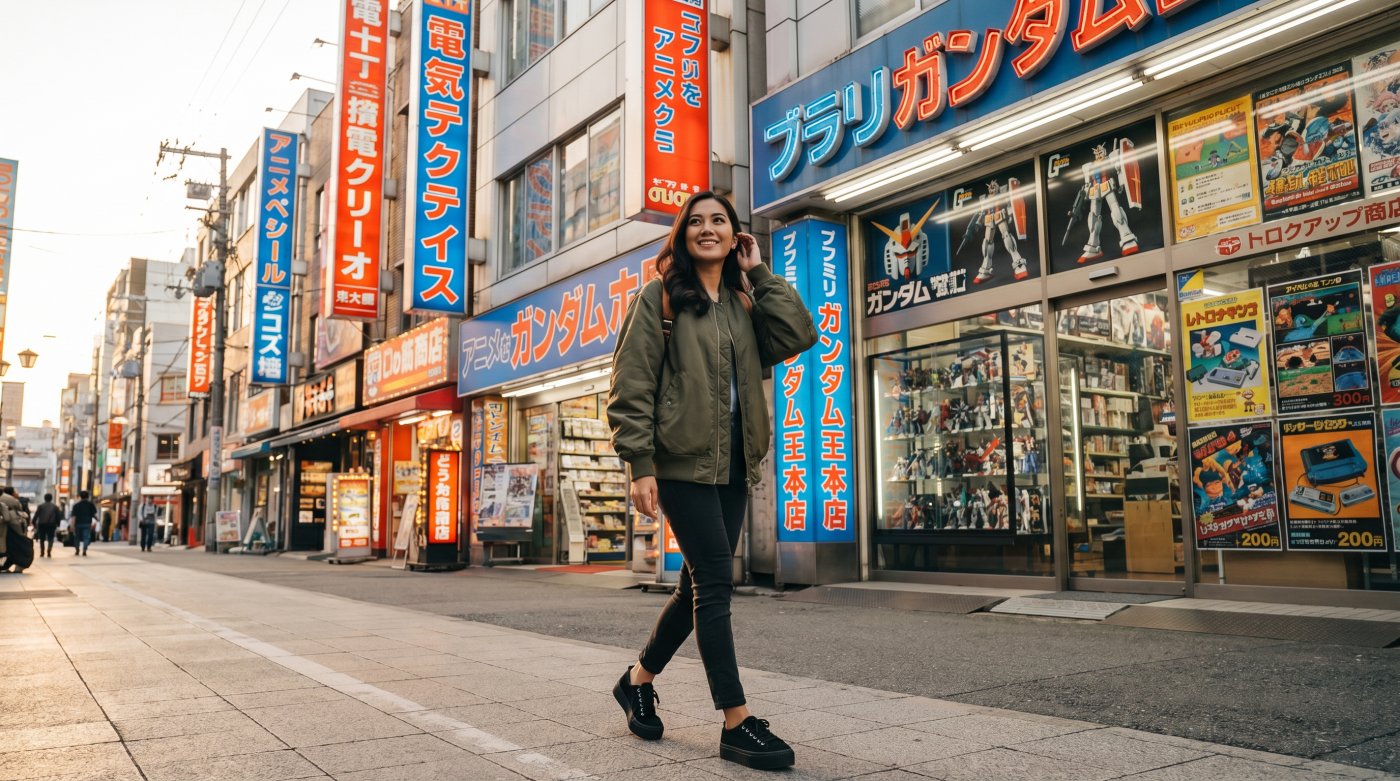
For solo female travelers, Osaka is generally manageable, but the clearest picture comes from looking past the postcard version and focusing on everyday situations.
A realistic safety view includes how often street harassment actually happens, which train lines are more associated with chikan incidents, and which areas still feel comfortable after dark.
How Common Is Street Harassment in Osaka?
Compared with many big cities, street harassment in Osaka is relatively uncommon, though not nonexistent.
Most visitors move freely, day or night, with only occasional staring, comments, or unwanted approaches in busier nightlife zones.
- Stay on well-lit routes and use convenience stores as quick refuge points
- Cultural attitudes tend to discourage loud confrontation, which can make incidents feel muted
- Local women’s experiences suggest catcalling happens, but usually less aggressively than in many Western cities
- For reporting incidents, seek kōban police boxes or ask station staff for help
- Awareness matters most in entertainment districts, where alcohol loosens manners
For independent travelers, Osaka generally feels open, energetic, and navigable with sensible caution.
Train Carriages and the Chikan Problem: Where and When It Happens
On Osaka trains, the risk of chikan is most often tied to crowded commuter hours, not the city as a whole — and that distinction matters.
Women-Only Carriages in Osaka: Which Lines Have Them and When They Run
Women-only carriages are clearly marked with pink signs on platforms and train doors.
On the Osaka Metro Midosuji Line, women-only cars operate all day on weekdays — not just during rush hours — making them a reliable option throughout the day.
The Tanimachi Line also has women-only cars, but only from the first train until 9:00 AM on weekdays.
Neither line operates women-only cars on weekends or public holidays.
Lines operating women-only carriages include:
- Osaka Metro Midosuji Line — Car 6, all day on weekdays
- Osaka Metro Tanimachi Line — Car 3, first train until 9:00 AM on weekdays
- Hankyu — weekday rush hours (morning and evening); exact times vary by line
- Hanshin — weekday rush hours
- Keihan — weekday rush hours
- JR lines — select services; morning rush hours on weekdays
Boys under 12, passengers with disabilities, and their caregivers are permitted in women-only cars regardless of operating hours.
Check platform signage carefully, as rules differ between operators and outside designated hours all passengers may board freely.
What to Do if You’re Targeted on an Osaka Train
Even with women-only cars in place, every rider should know the backup plan.
Move fast, change cars, speak loudly, and alert staff using the emergency intercom inside the carriage.
Smart train safety tips include standing near doors and keeping your phone accessible.
Station staff and kōban officers can assist with reporting incidents quickly and directly.
Late-Night Walking in Osaka: Which Neighborhoods Stay Comfortable Solo
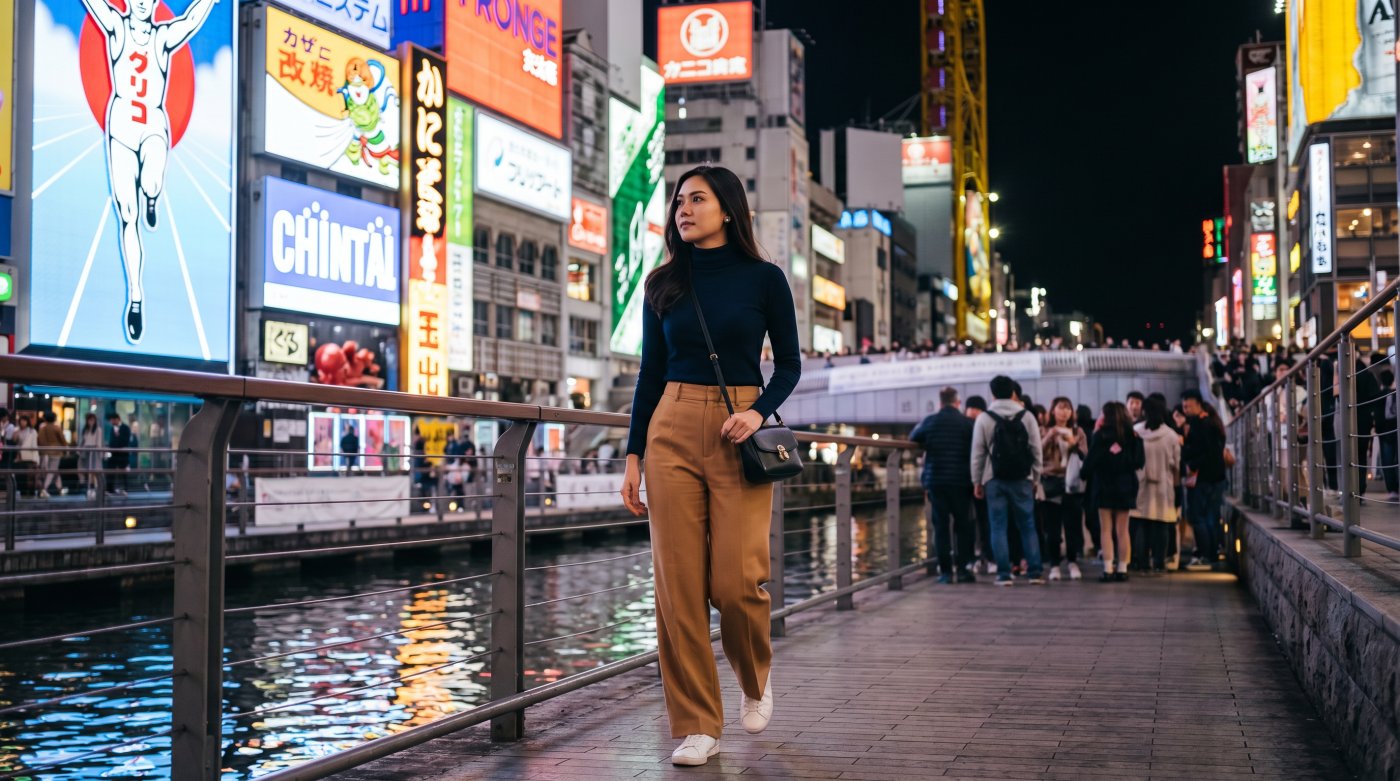
Osaka’s late-night comfort level shifts block by block, but several neighborhoods consistently feel manageable for solo walkers, especially around well-lit stations and busy main streets.
- Namba suits nighttime photography and bright canal views
- Umeda feels orderly, polished, and easy to navigate
- Tennoji balances convenience with everyday local rhythm
- Shinsekai stays lively for local street food and solo dining
- Station areas generally provide smoother experiences after dark
A cautious traveler still benefits from sticking to main roads, checking the last train, and avoiding poorly lit shortcuts.
Bars, Izakayas, and Drinking Alone in Osaka: Reading the Room
Drinking alone in Osaka is usually more comfortable than risky, especially in busy areas like Namba, Umeda, Fukushima, and the station-side strips around Tennoji.
Counter seats are common, staff rarely fuss, and solo dining is entirely normal here.
The key is reading local drinking customs: keep voices moderate, avoid blocking tiny aisles, and watch how regulars order and pace themselves.
The best izakaya experiences often happen in compact, well-lit spots where meeting locals feels natural — and where one drink can turn into a relaxed, delightfully unplanned evening.
Accommodation for Solo Female Travelers: What to Look For
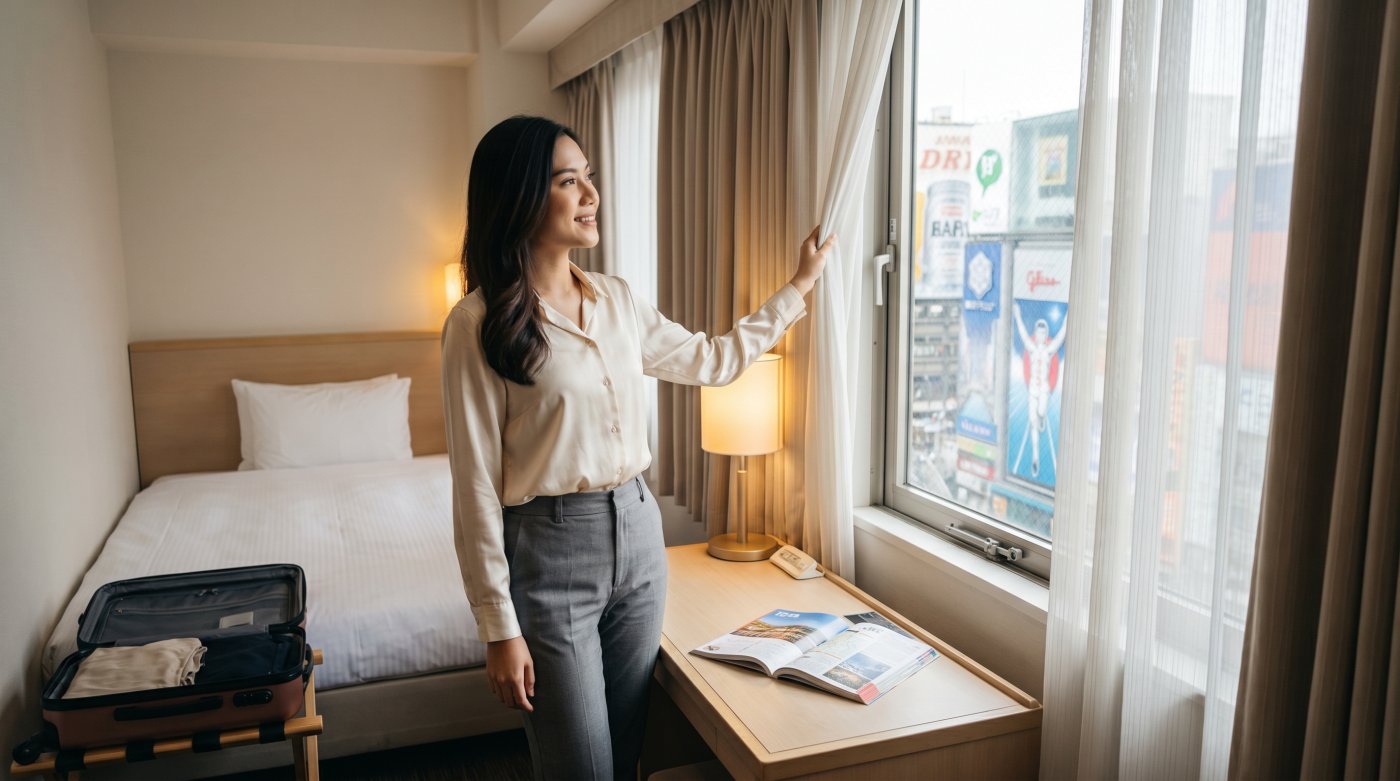
Accommodation choices can shape how secure and comfortable a solo female traveler feels, especially when comparing female-only floors or capsule sections with standard mixed setups.
A practical review starts with access controls, locker quality, staff presence, neighborhood atmosphere, and the small details that separate a well-run hostel from one that merely looks good online.
Female-Only Floors and Capsule Hotel Sections in Osaka
Many solo female travelers specifically filter for female-only floors or women-only capsule sections.
They offer freedom, calm, and practical safety features including keycard access, separate bathroom facilities, and screened common areas.
These setups let guests sleep lightly, move confidently, and enjoy Osaka’s neon nights without overthinking shared spaces or unnecessary stress.
Hostel and Guesthouse Safety: How to Pick the Right One
Check hostel hygiene first, then guesthouse reviews for patterns rather than glittery hype.
Location matters too — close to stations, bright streets, and late-night food options.
Reliable security features like keycard entry and lockers support freedom.
For neighborhood recommendations, our where to stay in Osaka guide can help narrow down the safest and most convenient bases, particularly Umeda and Namba for families and solo travelers alike.
Is Osaka Safe at Night?
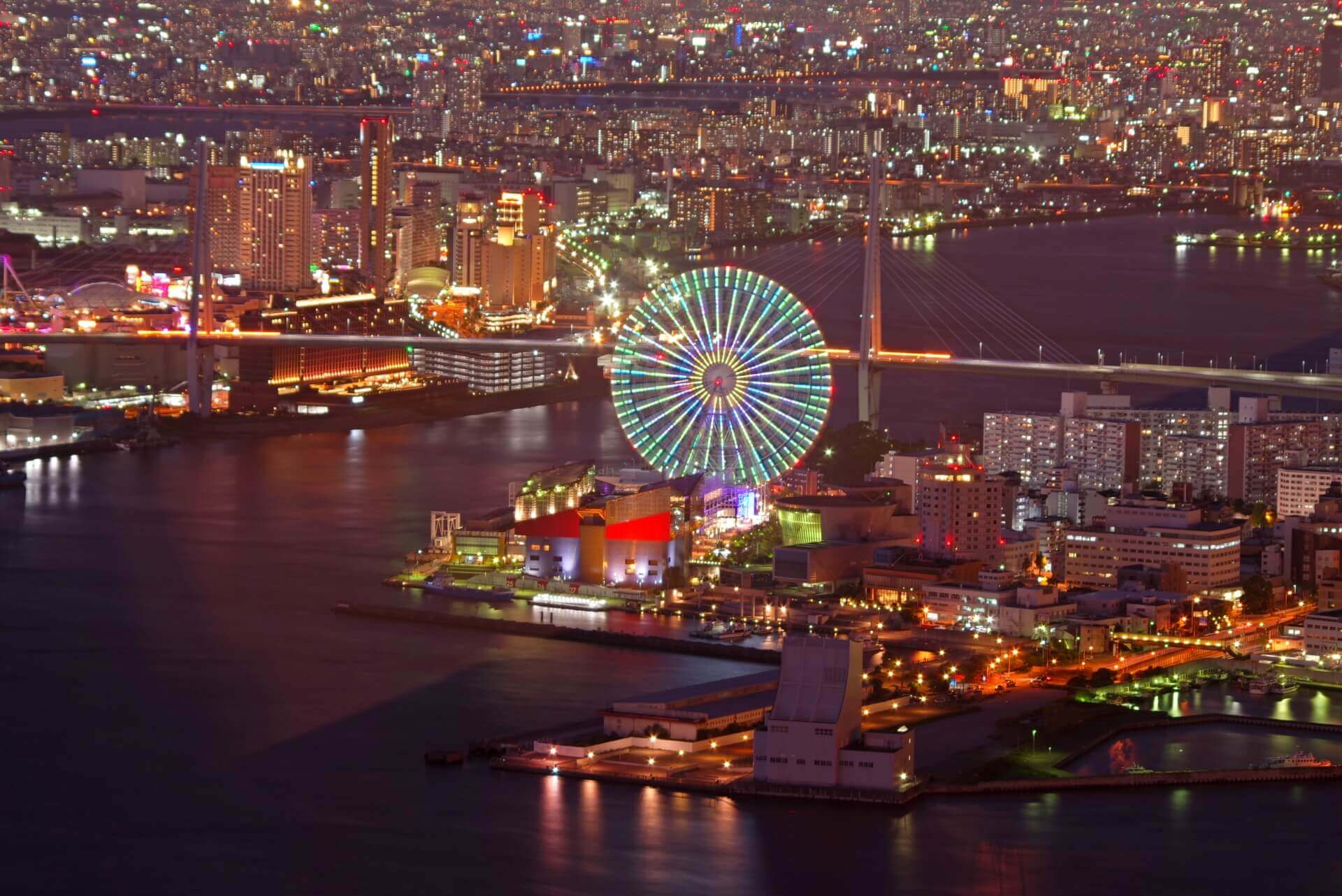
Osaka generally stays lively and manageable after dark, but the nighttime experience shifts noticeably from bright, busy districts to quieter stretches that feel less comfortable.
A practical look at evening safety starts with where walking still feels easy and well-lit, and where extra caution makes sense once crowds thin out.
Walking Around Osaka After Dark: Where It Stays Comfortable and Where It Doesn’t
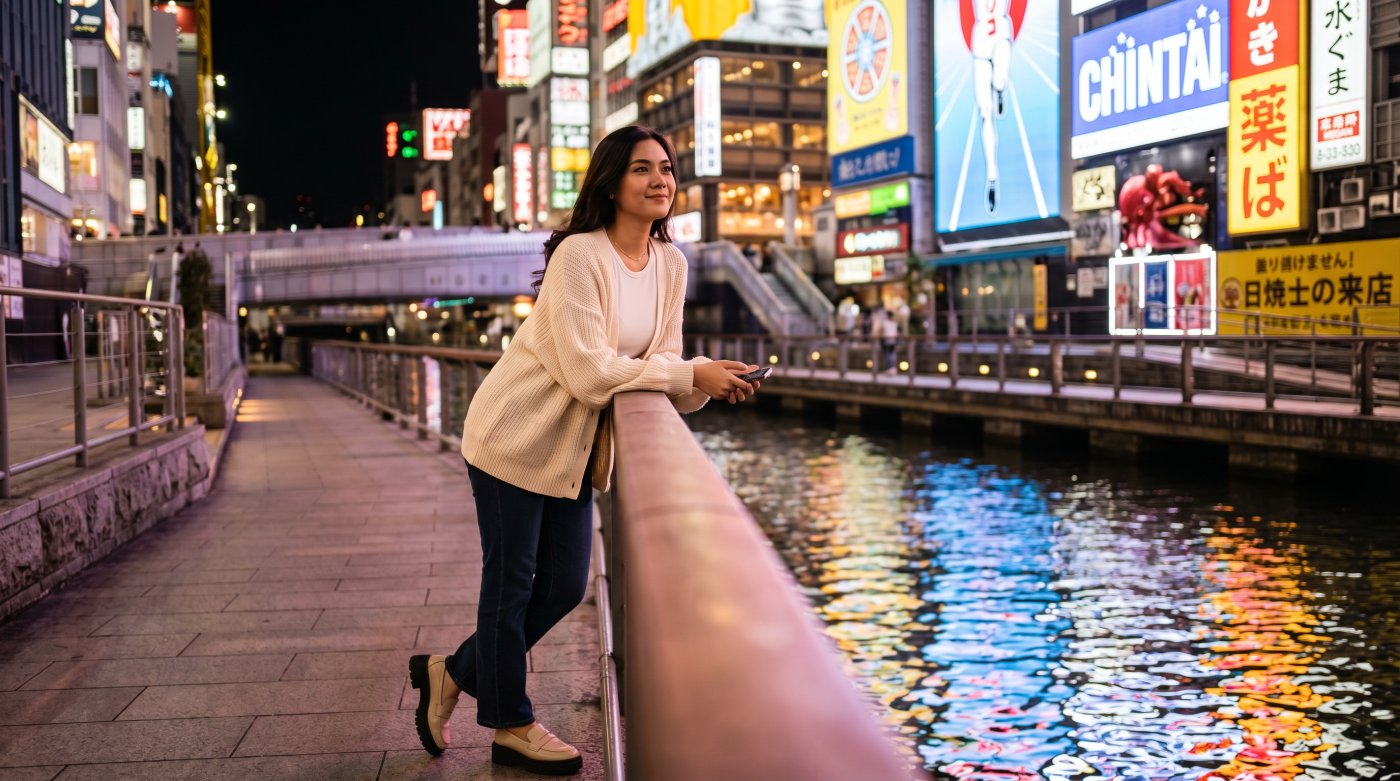
After dark, Osaka usually feels bright, busy, and easy to navigate in places like Dotonbori, Shinsaibashi, and Umeda, where heavy foot traffic, late-opening shops, and constant movement keep the atmosphere lively rather than tense.
That said, not every nighttime district gives first-time visitors the same level of comfort.
Dotonbori, Shinsaibashi, and Umeda at Night: What the Crowds Actually Look Like
At night, these three districts each draw very different kinds of crowds — and that difference matters more than any dramatic headline.
- Dotonbori nightlife: loud, dense, camera-happy
- Shinsaibashi shopping: younger, strolling, stylish
- Umeda dining: calmer, commuter-heavy, polished
Nighttime photography thrives throughout all three.
Freedom feels easiest in Umeda and side streets, where movement stays smoother and less elbow-to-elbow.
Kamagasaki, Nishinari, and Tobita Shinchi: Context for First-Time Visitors
While most of the city feels straightforward after dark, Kamagasaki (in Nishinari-ku, also known as Airin-chi) and Tobita Shinchi are two names first-time visitors should approach with more caution — and in many cases, simply skip.
Nishinari-ku is Osaka’s most economically disadvantaged area, historically home to day laborers and a significant homeless population.
The area around Shin-Imamiya and Dobutsuen-mae stations is noticeably grittier than central Osaka.
It is not a violent neighborhood, but the atmosphere is a clear step removed from the polished streets of Namba or Umeda.
Budget accommodation there is cheap for a reason.
Tobita Shinchi operates as a de facto red-light district.
For most first-time visitors, practical safety tips point elsewhere, especially after midnight.
Is It Safe to Get Home Late in Osaka?
Most Osaka Metro lines and the JR Loop Line depart their origin stations by midnight, with services typically ending between 11:30 PM and 12:15 AM at terminal stations.
There are no 24-hour trains — this is one of the most common traps for first-time visitors.
Missing the last train can limit your freedom fast.
Smart travelers keep screenshots of timetables, know night bus routes, and use licensed taxis only.
- Most lines depart origin stations by midnight; confirm at station boards
- Follow public transport etiquette: quiet voices, queue neatly, no phone chatter on calls
- Night buses are cheaper than taxis but run less frequently
- Licensed taxis have an illuminated rooftop sign and LED dash display (red = vacant)
- Avoid unmarked or unlicensed vehicles, especially near KIX airport
With basic planning, Osaka stays liberating, bright, and manageable — even after the karaoke finally ends.
Regarding etiquette, read our article about Osaka etiquette.
Natural Disaster Risk in Osaka: Earthquakes, Typhoons, and Floods
Osaka is generally well prepared for natural hazards, but earthquakes, typhoons, and sudden flooding remain real factors that can affect a trip.
Earthquakes in Osaka: How Often They Happen and What to Do
Because Japan sits on the Pacific Ring of Fire, earthquakes are a normal part of life in Osaka, though most are minor tremors rather than dramatic, city-stopping events.
Modern buildings follow strict seismic safety measures, giving travelers room to explore confidently.
When one hits, the smartest move is simple: stay calm, protect your head, and wait until shaking stops.
- Check hotel exits and hazard maps on arrival
- Duck under sturdy furniture, away from glass
- Carry emergency kit essentials daily
- Do not use elevators after a quake
- Phone networks can clog — stay patient
Trains may pause temporarily.
Osaka usually regains its rhythm surprisingly quickly after most quakes.
Download the “Safety Tips” app by the Japan Tourism Agency before you travel — it sends real-time earthquake, typhoon, and heatwave alerts directly to your phone, in English.
When Is Typhoon Season in Osaka?
Typhoon season runs roughly from June through October, with peak risk in August and September.
For most visitors, the main issue is flexibility: typhoon warnings can pause ferries, delay trains, cancel flights, and reshuffle carefully crafted itineraries.
Smart travelers build in wiggle room.
Basic precautions include checking the Japan Meteorological Agency forecast daily, keeping a portable charger ready, and confirming hotel policies before moving around during severe weather.
When a strong system approaches, transportation disruptions are often the biggest headache — annoying, but usually manageable with backup plans and patience.
Flooding and Heavy Rain: The Risk Most Tourists Don’t Plan For
Osaka’s low-lying districts, riverside areas, and underground spaces can flood fast during cloudbursts or typhoon leftovers — even when sightseeing plans feel gloriously open.
- Check flood preparedness maps before booking accommodation
- Avoid river walks and underpasses in heavy rain
- Choose travel insurance covering weather disruption
- Trust local infrastructure, but never test rising water
- Follow station staff and emergency services instructions immediately
Most trips stay smooth because Osaka plans well, drains hard, and communicates clearly.
Still, treat sudden rain like a serious plot twist, not a quirky photo opportunity.
Health and Medical Safety in Osaka
Health and medical safety in Osaka is generally reassuring, with drinkable tap water, strong food hygiene standards, and dependable care if something goes wrong.
Visitors will often find that the bigger concerns are not the water or the sushi, but ordinary travel issues like overeating, dehydration, or choosing a careless food stall.
Is the Tap Water in Osaka Safe to Drink?
Yes — Osaka tap water is safe to drink throughout the city and meets strict national quality standards.
Travelers can fill up freely, skip plastic bottles, and move through Osaka with less fuss and more independence.
One practical note: older buildings in areas like Shinsekai may still have aging pipes, which can affect taste.
Carrying a reusable filter bottle is a smart precaution for anyone staying in older guesthouses or budget accommodation in those neighborhoods.
In most areas, the taste is clean, occasionally soft, and entirely normal.
Bottled water remains optional, not necessary, despite dramatic internet warnings.
Food Safety in Osaka: Street Stalls, Raw Fish, and What to Actually Worry About
Osaka’s food scene is generally just as reassuring as its tap water, from sizzling street stalls in Dotonbori to neat sushi counters tucked into train-station basements.
Street food is usually a low-stress pleasure because hygiene practices in Japan tend to be orderly, visible, and taken seriously.
The real concerns are simple, not dramatic.
Raw fish is safest at reputable shops with brisk turnover, cold display cases, and clean preparation areas.
A quick glance at cleanliness, a preference for busy vendors, and sensible judgment usually keep the adventure delicious and wonderfully free.
Pharmacies and Hospitals in Osaka: Where to Go When Something Goes Wrong
Neighborhood drugstores, late-night pharmacies, and large hospitals are woven into daily city life with impressive efficiency.
- Check pharmacy locations on Google Maps before wandering far
- Confirm hospital hours; many smaller clinics are weekday-only and close by early afternoon
- Save emergency contacts: 110 for police, 119 for fire and ambulance
- Carry health insurance details — reception desks move fast
- Ask about prescription services; some pharmacies fill foreign-friendly basics
For serious issues, Osaka Metropolitan University Hospital (formerly Osaka City University Hospital) and University of Osaka Hospital (formerly Osaka University Hospital) are both accredited under Japan’s JMIP (Japan Medical Service Accreditation for International Patients) system and experienced with international patients.
Note that both require a referral letter from a physician for first visits, and outpatient reception is weekdays only from 8:30 AM to 11:00 AM — they are not walk-in emergency clinics.
The Osaka International House Foundation (Tennoji-ku, tel: 06-6773-8989) provides multilingual consultation and referral support Monday–Friday 9:00 AM–7:00 PM and weekends 9:00 AM–5:30 PM, making it a practical first call for language assistance in non-emergency situations.
Practical Safety Tips for Osaka
Practical safety in Osaka often comes down to a few smart basics that can save time, stress, and a lot of frantic pocket-checking.
What to Do if You Lose Your Wallet or Passport in Osaka
A missing wallet or passport can jolt even seasoned travelers, but Osaka is refreshingly organized when it comes to lost property.
Stay calm, retrace recent stops, and ask station staff or shop clerks — local customs strongly favor turning items in.
- Visit the nearest kōban (police box) for police assistance — 110 for emergencies
- Report a lost passport to your embassy or consulate quickly
- Ask transit offices about wallet recovery procedures
- Keep emergency contacts and digital copies of documents handy
Most officials are efficient, patient, and used to helping visitors regain momentum fast.
Emergency Numbers in Osaka and How to Call Them in English
| Need | Number | Best Phrase |
|---|---|---|
| Police | 110 | “Help, police” |
| Fire | 119 | “Fire here” |
| Ambulance | 119 | “Need medical assistance” |
| Location | Any call | Osaka + district + nearest landmark |
| Extra help | Hotel or kōban | “Tourist assistance, please” |
Osaka’s emergency services usually respond quickly.
If words freeze, names, station signs, and nearby landmarks still open doors.
Do You Actually Need Travel Insurance for Osaka?
Even in Japan’s famously smooth-running streets, freedom feels better with a safety net.
A traveler may never need it, yet smart backup can protect both budget and momentum when surprises appear.
- Good travel insurance covers lost baggage and delayed flights
- Medical emergencies in Japan can be efficient, but not cheap
- Trip cancellations happen — from weather, illness, or missed connections
- Policy comparisons help travelers pick the right coverage, not pointless extras
For solo and first-time visitors, insurance is less about fear and more about flexibility.
It lets them wander neon lanes, hop trains, and eat one more takoyaki without wondering what a bad twist of fate might cost.
Wrapping Up
Overall, Osaka stands out as a city where most travelers — including solo and first-time visitors — can relax and explore with confidence.
Common sense still matters, of course, but the city is generally reassuring from bright shopping streets to late-night train platforms.
With smart planning, weather awareness, a few basic precautions, and the last train time saved in your phone, visitors are well placed to enjoy Osaka’s food, energy, and friendly atmosphere without unnecessary worry.
It’s welcoming, lively, and reassuringly manageable.