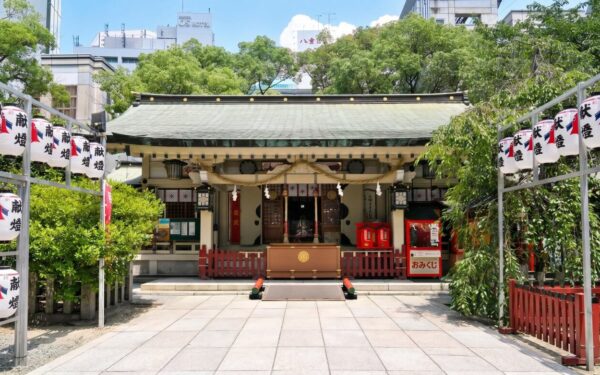
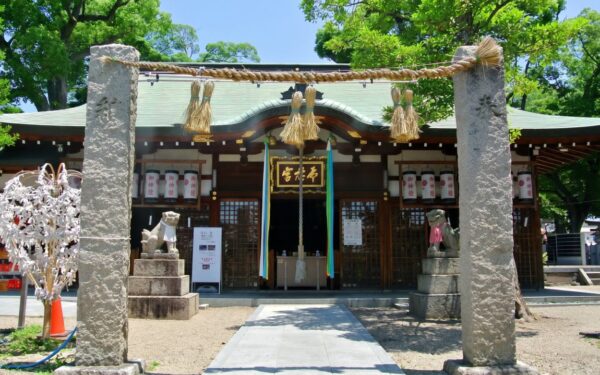
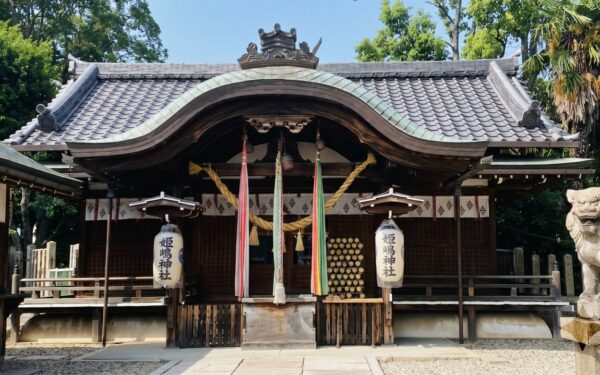
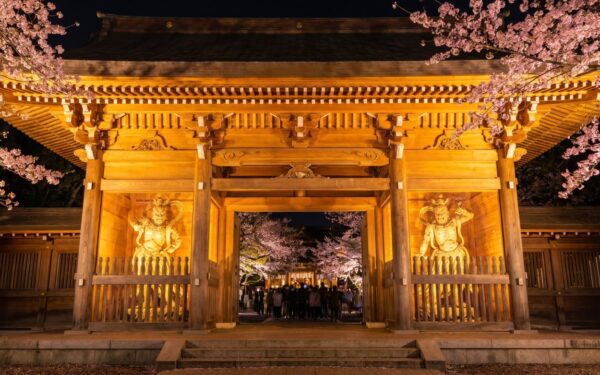
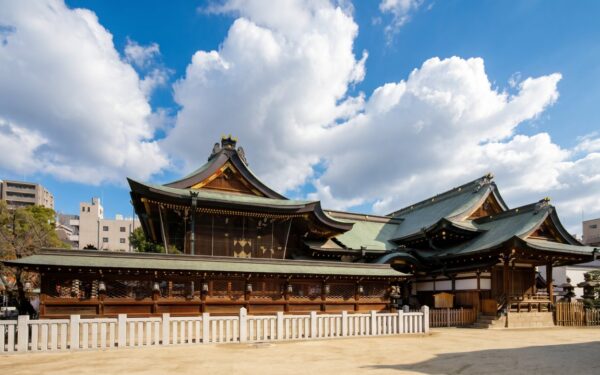
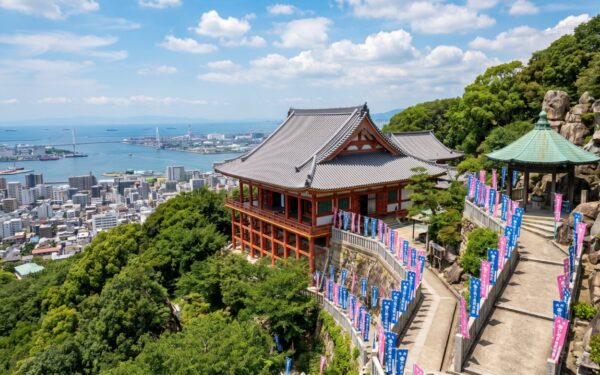
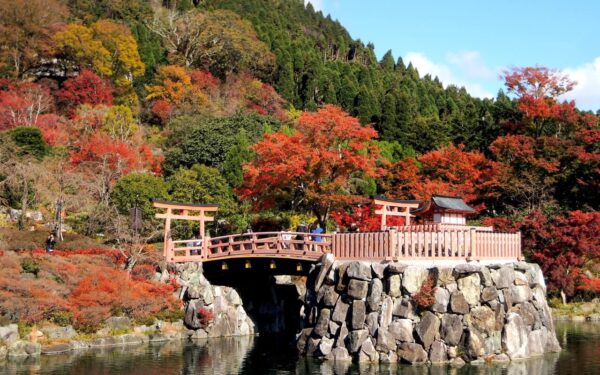
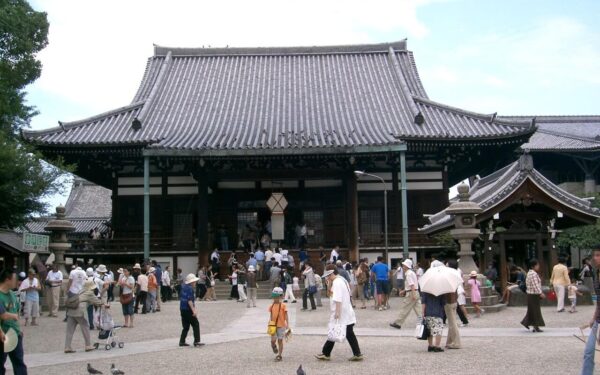
Osaka’s religious architecture doesn’t get the international attention that Kyoto’s does, and that is largely to the visitor’s advantage. The temples and shrines here are less crowded, more integrated into the surrounding city, and often more interesting for the way they exist alongside everyday Osaka life rather than in preserved historical isolation.
Shitennoji, founded in 593 AD by Prince Shotoku, is the oldest officially administered temple in Japan and predates Osaka’s identity as a commercial city by over a millennium.
The temple compound in Tennoji is active, regularly restored, and surrounded by a large garden and flea market that operates on specific days of the month. It is undervisited relative to its historical significance.
Sumiyoshi Taisha — One of Japan’s Oldest Shrines
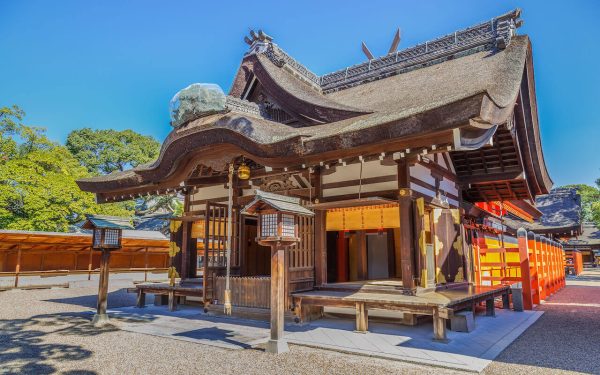
Sumiyoshi Taisha in southern Osaka is one of Japan’s three great Sumiyoshi shrines and the head of approximately 2,300 Sumiyoshi shrines across the country.
The architectural style — Sumiyoshi-zukuri — predates Buddhist influence and represents a distinctly Japanese shrine form not seen elsewhere.
The approach over the arched Soribashi bridge and through the forested compound is one of the more atmospheric arrival sequences of any religious site in Osaka.
Neighbourhood Shrines
Beyond the headline sites, Osaka’s urban fabric is threaded with smaller neighbourhood shrines (jinja) that serve the immediate community, host local festivals, and offer a more intimate version of the religious landscape.
Namba Yasaka Shrine, with its giant lion-head stage, is the most visually dramatic of these.
Others are findable simply by walking the back streets of any established neighbourhood and paying attention.