




Everything you need to know before traveling to Osaka: best time to visit, food budget, metro tips, top attractions, and safety advice. From street food to castle grounds, here's what to know before traveling to Osaka; best season, daily budgets, metro tips, and the top things to see. Plan your Osaka trip with confidence.
Things to Know Before Traveling to Osaka: The Complete Guide – Osaka is Japan’s third-largest city and its undisputed street food capital, where ancient castle walls meet neon-lit canal districts buzzing with energy.
Travelers should budget around ¥3,000 daily for food, carry cash everywhere, and grab an ICOCA card for seamless metro travel.
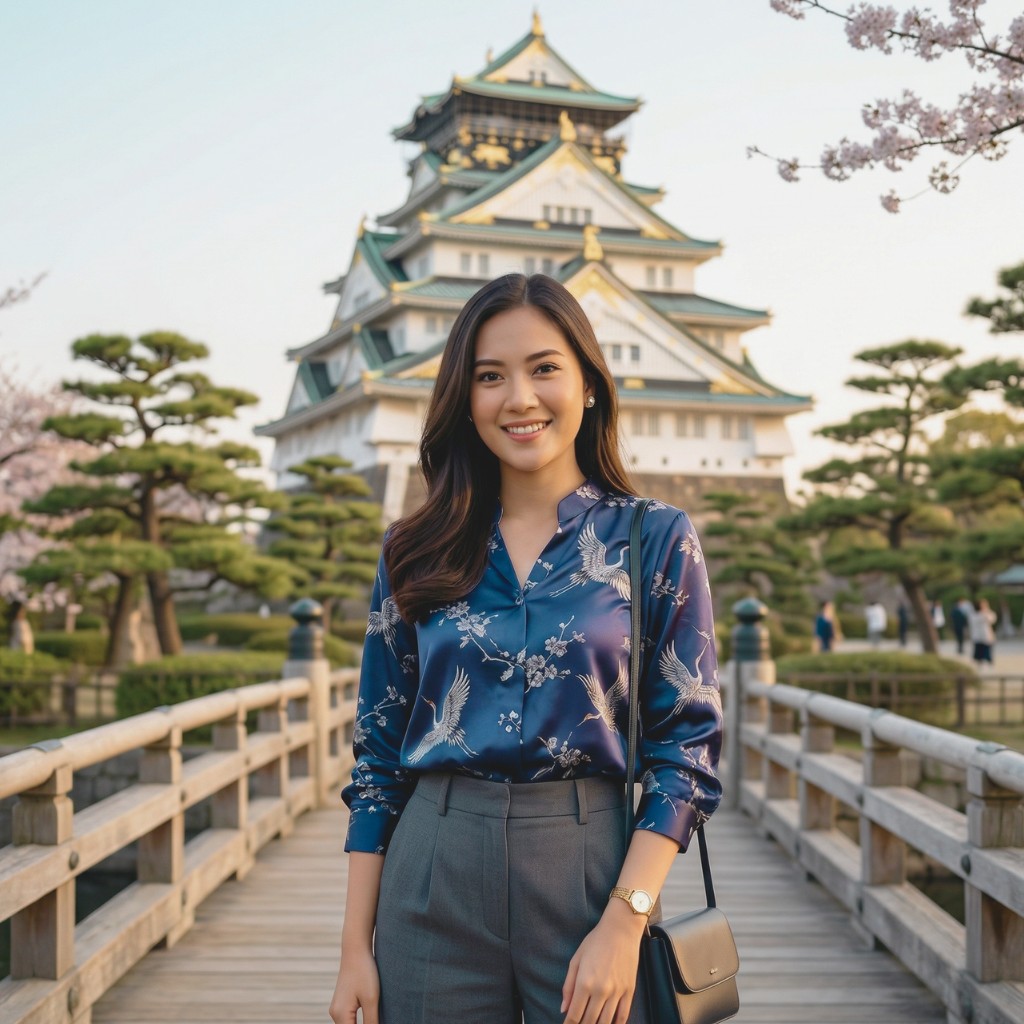
Spring cherry blossoms and autumn foliage offer the most breathtaking backdrops, while Golden Week crowds are best avoided entirely.
Everything a first-time visitor needs to master this incredible city is waiting just ahead.
Key Highlights
Hide- Osaka is Japan's street food capital: takoyaki, okonomiyaki, and kushikatsu are everywhere, and about ¥3,000 a day covers eating well.
- Visit in spring (late March to early April) for cherry blossoms or autumn (October to November) for cooler, drier weather. Avoid Golden Week (late April to early May), when crowds and hotel prices peak.
- Get an ICOCA card so every train, subway, and bus ride is a single tap, and carry cash for smaller restaurants and street stalls. Kansai International Airport is under an hour from central Osaka by train.
- Three days covers Dotonbori, Osaka Castle, Shinsekai, and Kuromon Market; four to five days leaves room for a day trip to Kyoto or Nara.
- Stand on the right on escalators (Tokyo does the opposite), keep your voice down on trains, eat at the stall rather than on the move, and never tip.
What Is Osaka? And Why It Belongs on Every Travel List
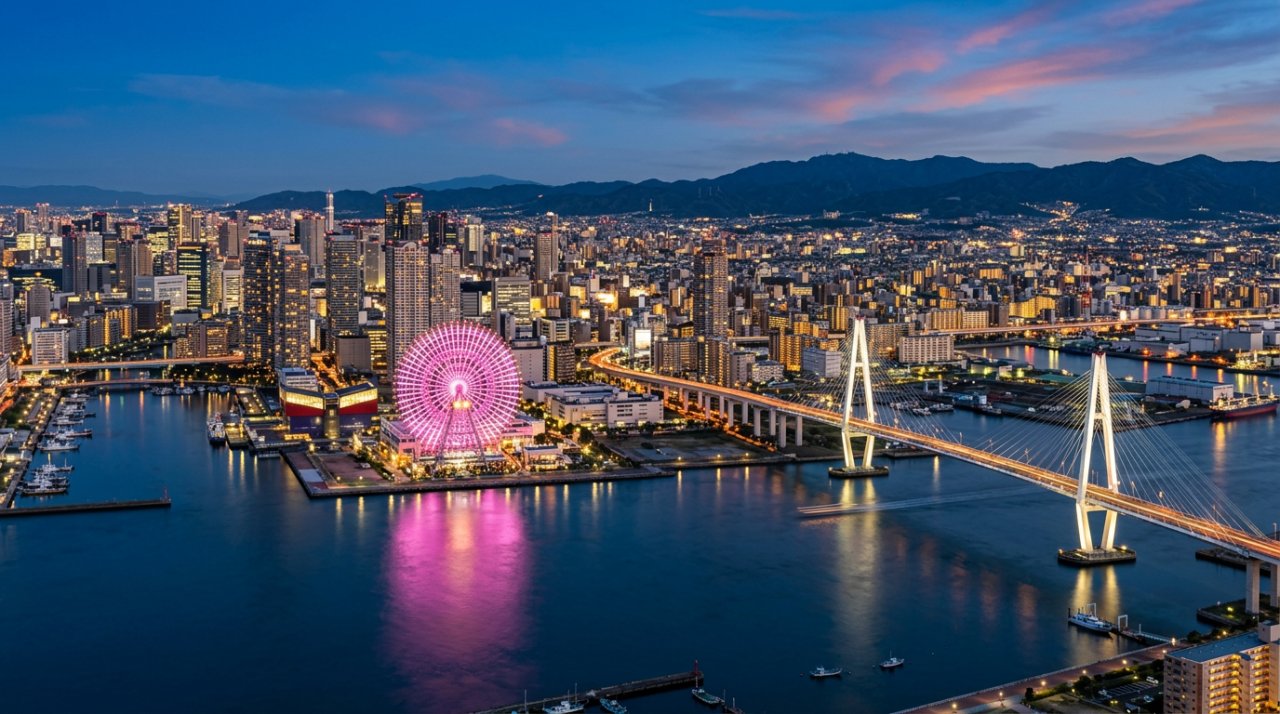
Osaka is Japan’s third-largest city, the cultural and commercial heart of the Kansai region, and the country’s undisputed culinary capital.
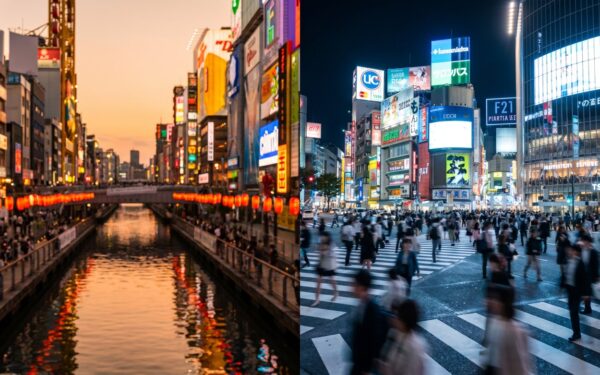
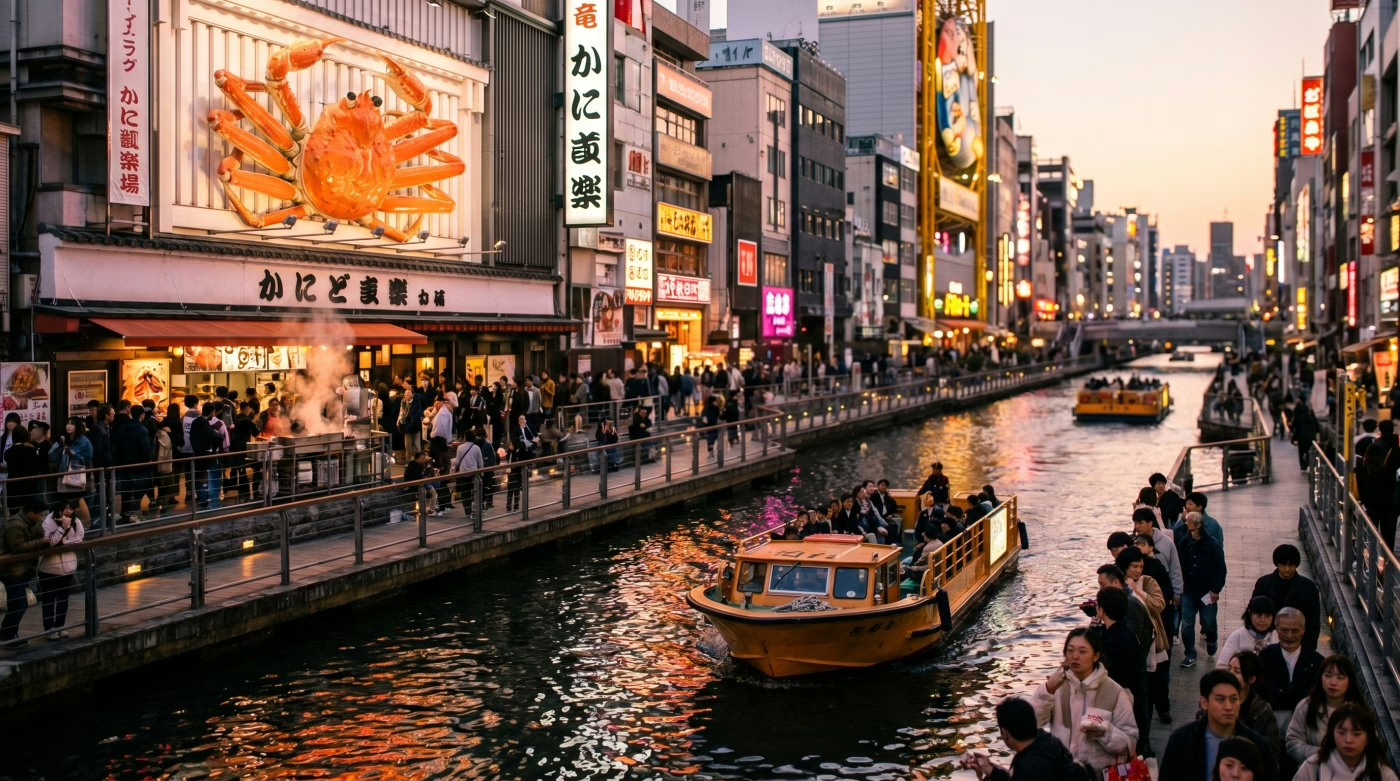
From the neon-soaked streets of Dotonbori to the ancient grandeur of Osaka Castle, this city packs an almost unfair amount of character into every block.
Osaka connects effortlessly to Kyoto, Nara, and Kobe via lightning-fast rail lines, making it the ideal base for exploring western Japan.
Even travelers with just two days to spare leave with a full stomach, a camera bursting with memories, and a very strong urge to book a return trip.
For a ready-made plan that covers the city’s highlights without the guesswork, the 3-day Osaka itinerary for first-timers is the most practical starting point.
Trip Essentials
Osaka Travel Add-ons
Equip yourself for the ultimate Osaka adventure with the following add-ons, curated just for you.
Flights to Osaka
Airport Transfer
ICOCA IC Card
Suica IC Card
Osaka Tours
Luggage Storage
Travel Insurance
Data Security

Japan eSIM
Japan SIM Card
Pocket WiFi Rental
Japan eSIM
What Osaka Is Famous For: Food, Culture, and Character
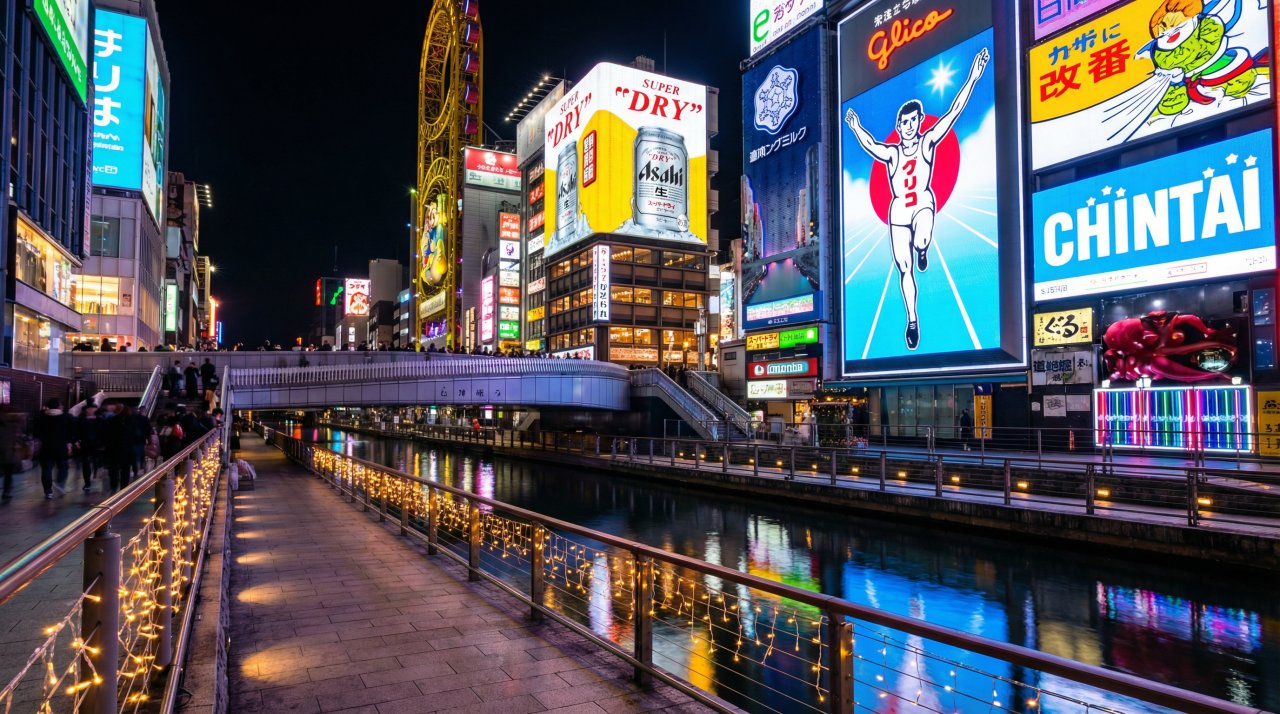
Osaka is famous for its street food, merchant-spirit culture, and the kuidaore philosophy, a local saying that means “eat until you drop.” That ethos shapes everything from the city’s night markets to its neighborhood izakayas.
| Category | Iconic Example |
|---|---|
| Street Food | Takoyaki, Okonomiyaki |
| Entertainment | Dotonbori neon district |
| History | Osaka Castle grounds |
| Shopping | Shinsaibashi arcade |
Osaka’s reputation runs deeper than tourist snapshots.
It is a city built on fearless flavors and residents who laugh loudly and eat proudly.
Favorites like takoyaki, kushikatsu, and okonomiyaki are available across Dotonbori, Namba, Shinsekai, and Kuromon Market.
What Region Is Osaka In And How That Shapes Your Trip
Osaka sits in the Kansai region of Honshu, Japan’s main island, at the geographic and cultural heart of western Japan.
Its neighbors include Kyoto to the northeast, Nara to the east, and Kobe to the west.
This location makes day-tripping to ancient temples, deer parks, and seaside neighborhoods effortlessly achievable.
The city anchors one of Japan’s most connected rail networks, and bullet trains link Osaka to Tokyo in roughly two and a half hours.
Within the city, the Midosuji Line connects major hubs, Umeda, Shinsaibashi, Namba, and Tennoji, making navigation simple for first-time visitors.
Is Osaka Worth Visiting?
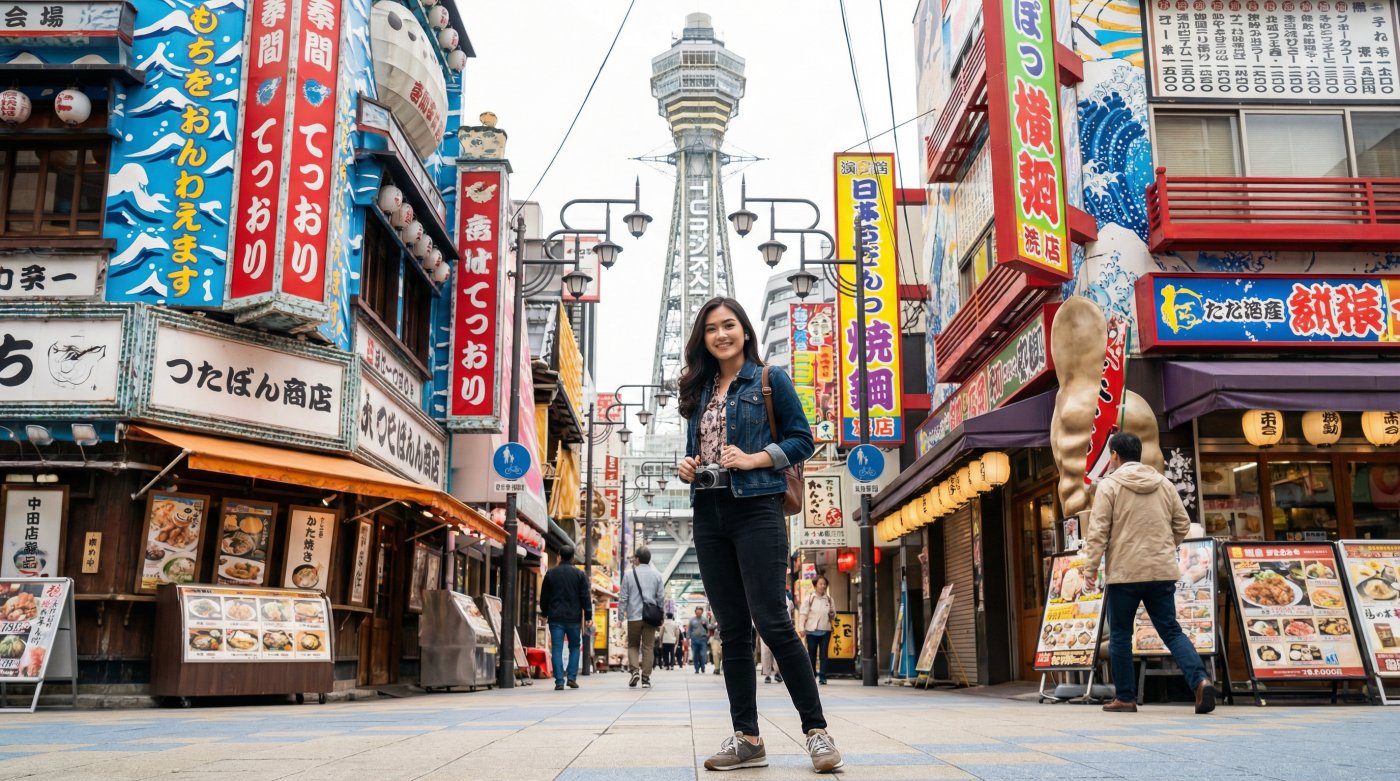
Yes, Osaka is absolutely worth visiting, even on a tight schedule.
Travelers who carve out just two days discover blazing street food stalls, centuries-old castle grounds, and neighborhoods bursting with raw, unfiltered energy that few cities anywhere can match.
Visit Osaka and you are not following a checklist; you are wandering into something genuinely alive.
The city moves fast, feeds you well, and surprises constantly.
As Japan’s self-proclaimed “Kitchen,” Osaka turns even a short stay into a standout culinary experience with iconic bites like takoyaki, okonomiyaki, and fresh market seafood.
Short trips here rarely feel incomplete, they feel like appetizers that leave every traveler craving a longer return.
Planning Your Osaka Trip: The Basics You Cannot Skip
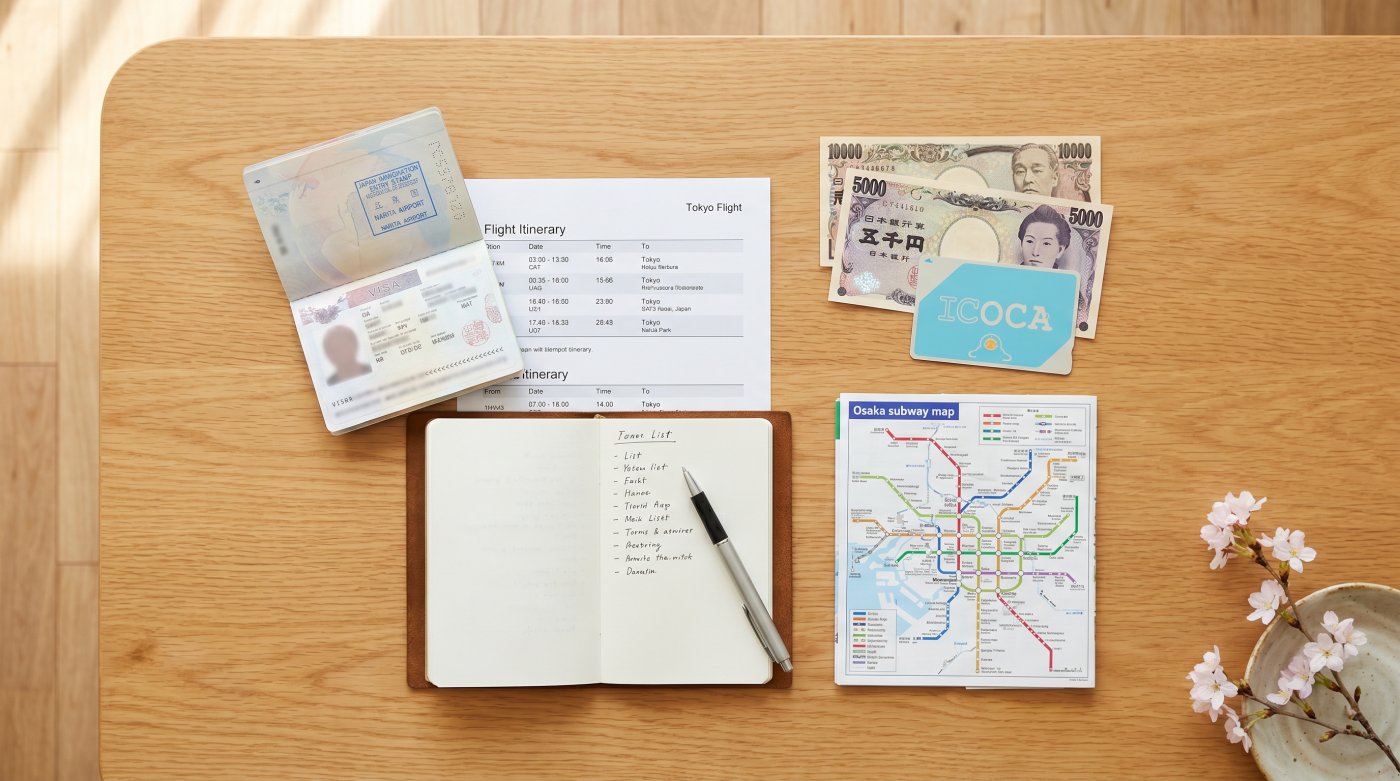
Planning a trip to Osaka requires more than booking a flight and hotel, timing, duration, and a smart itinerary are the three pillars that can make or break the entire experience.
Osaka shines differently across the calendar year, from cherry blossom-dusted spring streets in March and April to the festival-charged energy of summer.
The “best” month genuinely depends on what a traveler is chasing.
Most visitors find that four to five days hits the sweet spot, enough time to eat through Dotonbori, explore castle grounds, and still pace themselves without collapsing into a jetlagged heap by day three.
For a deeper breakdown of what each month offers, the month-by-month guide to the best time to visit Osaka covers every season in detail.
When Is the Best Time to Go to Osaka?
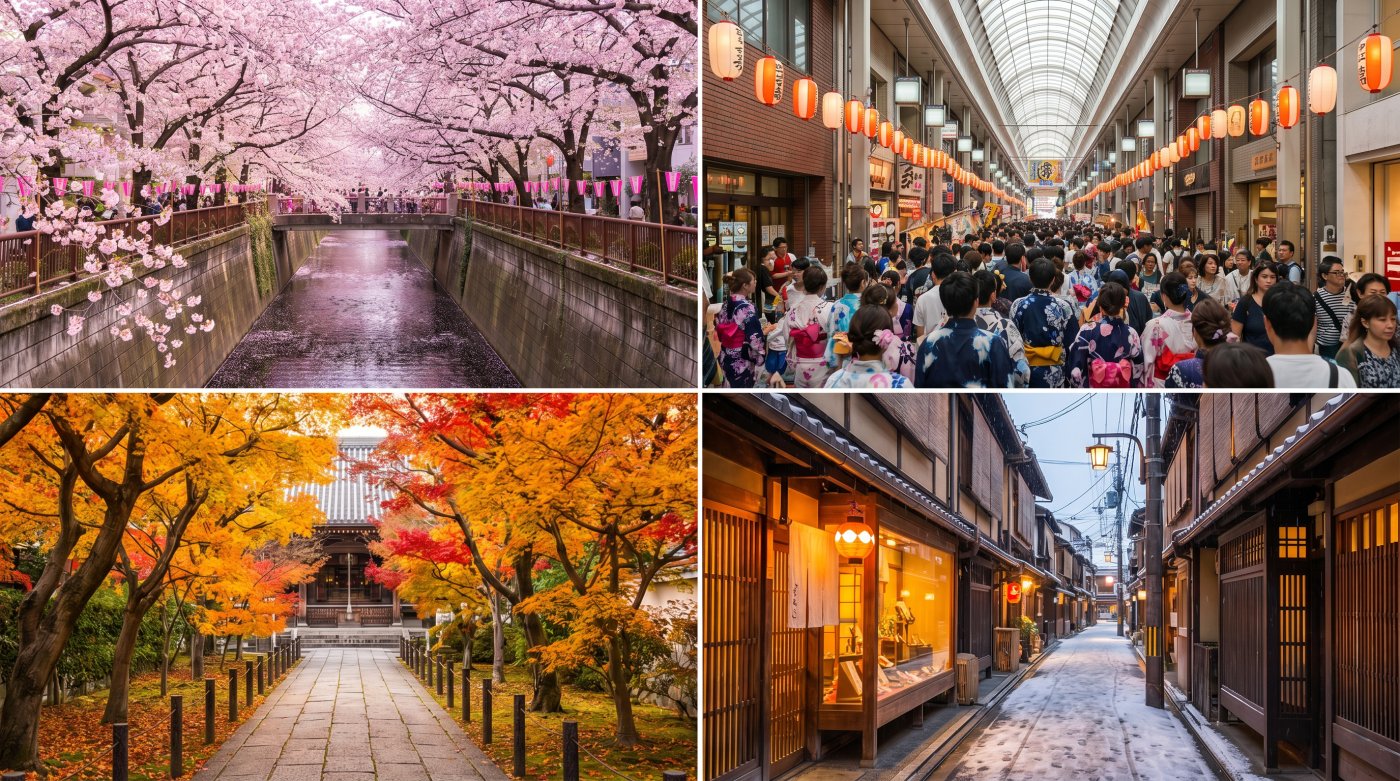
The best time to visit Osaka is spring (late March to early April) for cherry blossoms, or autumn (October to November) for cooler temperatures, lower humidity, and thinner crowds.
Both seasons offer comfortable sightseeing conditions and visually stunning scenery.
Spring in Osaka is nothing short of magical, cherry blossoms explode across parks like Osaka Castle and Kema Sakuranomiya Park, painting the city in soft pink and white.
However, Golden Week (late April to early May) floods the city with domestic tourists, sending hotel prices soaring and popular attractions into gridlock.
Savvy travelers either arrive in early to mid-April to catch peak bloom before the holiday rush, or skip spring entirely and target autumn.
October is one of Osaka’s most underrated months, with fiery foliage, mild weather, and noticeably fewer crowds.
For autumn leaf-viewing, Minoo Park is one of the region’s standout spots, famous for its forested trails and spectacular fall foliage just 30 minutes from central Osaka.
Avoiding Golden Week and the Summer Heat
Golden Week (late April through early May) hits Osaka like a tidal wave of humanity, as millions of Japanese travelers flood the streets, theme parks, and popular attractions simultaneously.
Smart trip planners dodge both the chaos and sweltering summer humidity by following a few simple rules:
- Book accommodations months ahead if traveling in spring
- Arrive before April 27th to avoid the worst of the Golden Week surge
- Prioritize early morning sightseeing to beat crowds at major landmarks
- Target late March to early April for cherry blossoms with manageable visitor numbers
Summer (July to August) brings intense heat and humidity.
Sightseeing before 10 AM and after 5 PM makes the season far more manageable.
How Many Days Do You Need for a Proper Osaka Trip?
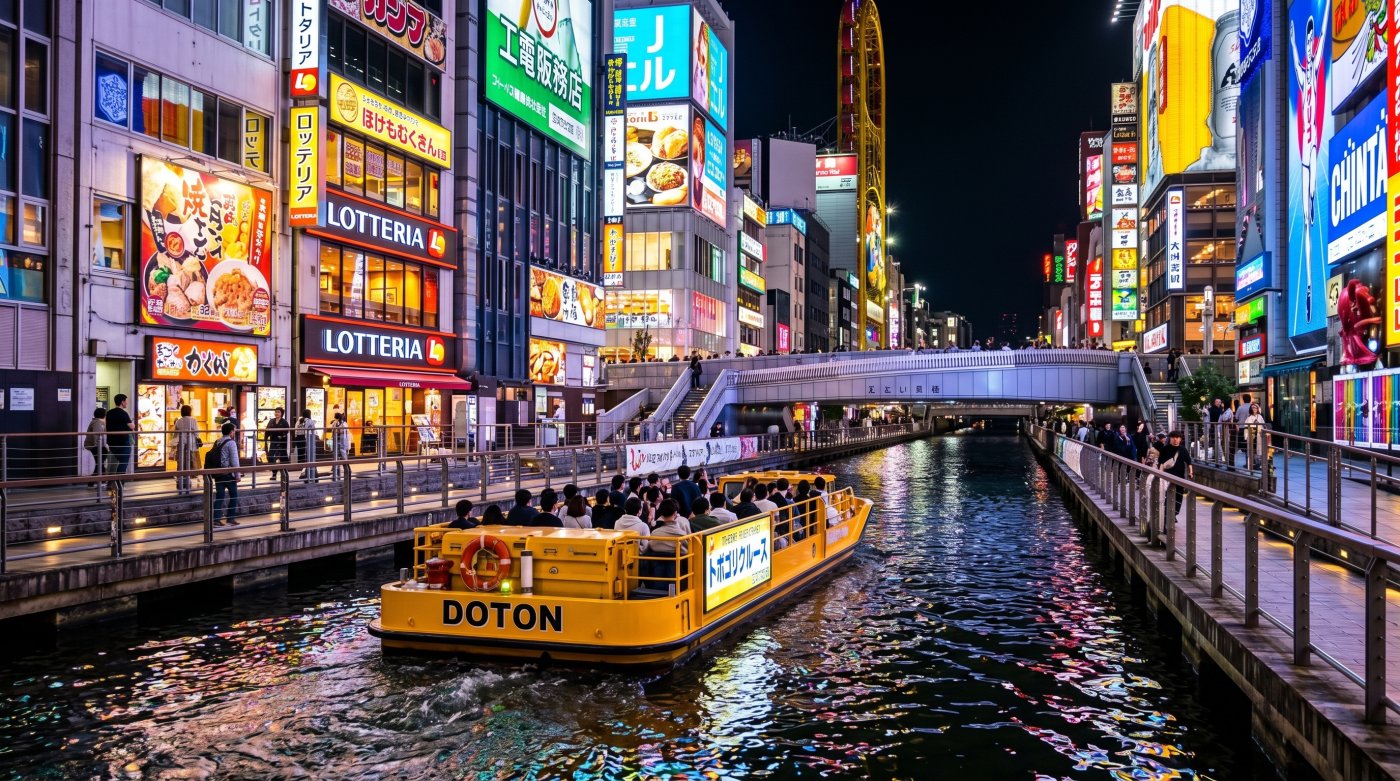
Four to five days is the ideal length for a first visit to Osaka.
That window provides enough time to explore Dotonbori, Osaka Castle, Shinsekai, and Kuromon Market without feeling rushed, while still leaving room for spontaneous discoveries down quiet backstreets.
Three days feels rushed for a city this layered.
Seven days suits travelers digging deep into every neighborhood.
Five days is the golden number for most first-timers.
With five days, there is space to tackle the essential things to do in Osaka while still leaving room for unplanned wandering.
For travelers with less time, a focused 2-day Osaka itinerary covers the non-negotiable highlights efficiently.
Building an Osaka Itinerary That Won’t Leave You Exhausted
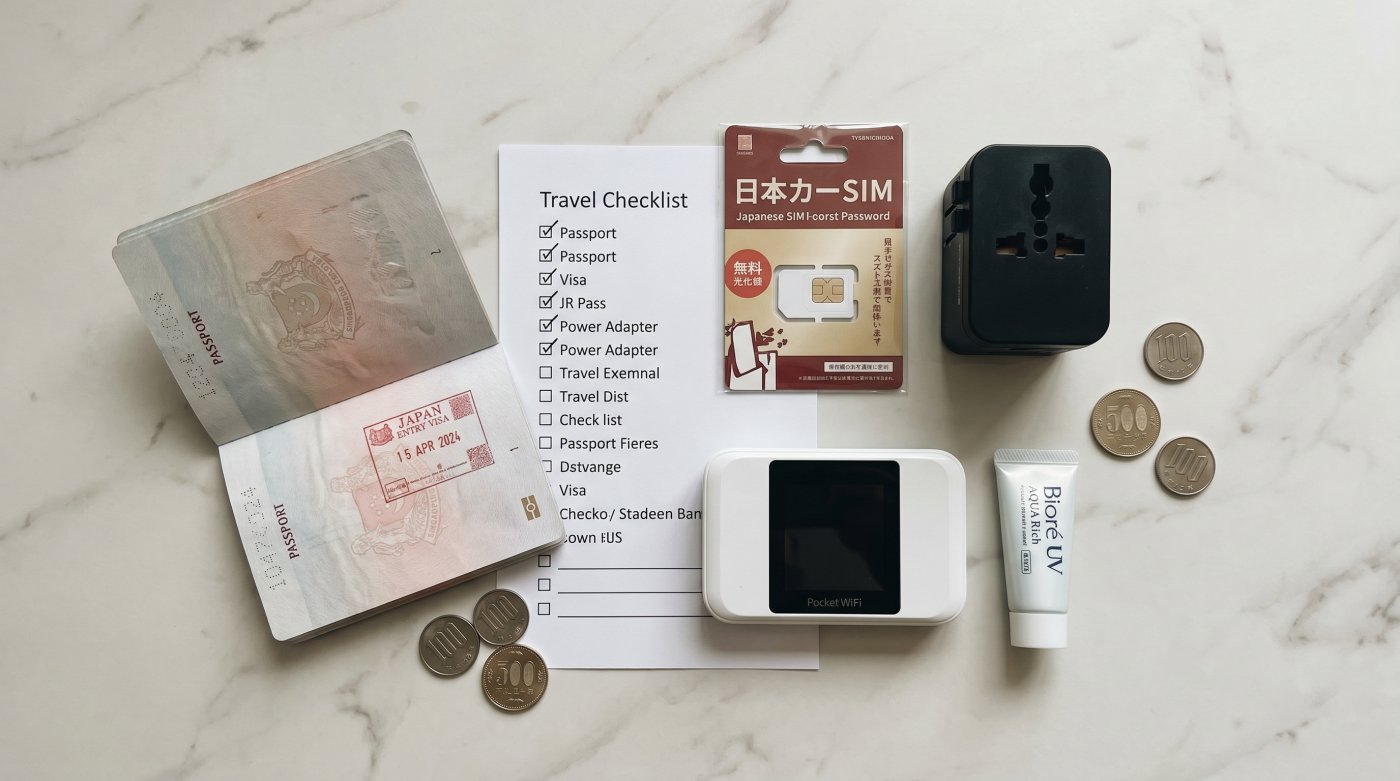
Smart Osaka travel means grouping things to see by neighborhood, not by interest category.
Clustering activities geographically cuts transit time dramatically and leaves more breathing room for unexpected discoveries.
Follow this flexible daily framework:
- Morning: Hit major landmarks early before crowds arrive
- Midday: Eat locally and rest, Osaka’s heat demands respect in summer
- Afternoon: Explore neighborhood pockets, markets, and hidden streets
- Evening: Save Dotonbori and nightlife districts for when energy naturally peaks
A practical route moves south-to-north and back south using short 10–20 minute Metro hops between major areas.
This structure protects spontaneity while preventing burnout.
Getting to Osaka and Finding Your Way Around
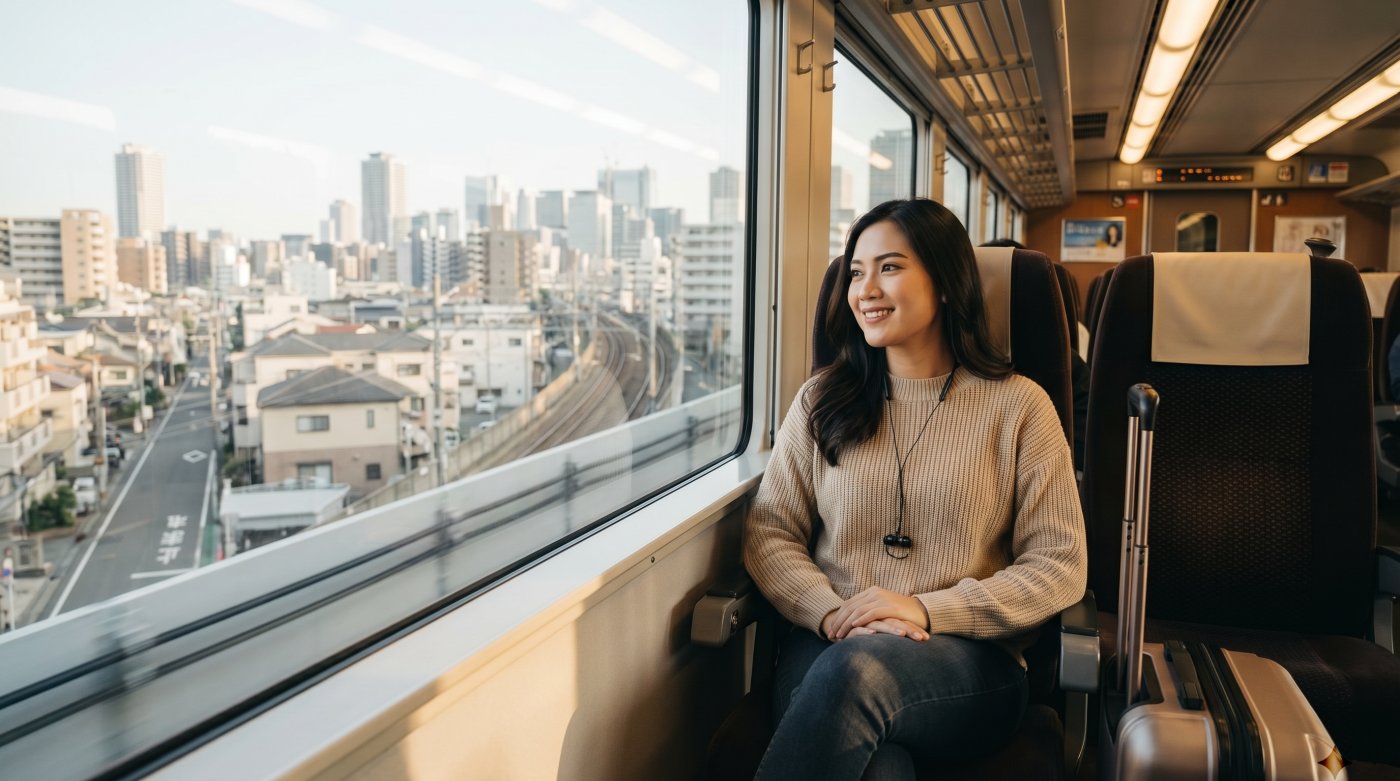
Osaka is served by two airports: Kansai International Airport (KIX), which handles most international flights, and Itami Airport (ITM), which primarily serves domestic routes.
From either airport, efficient rail connections reach the city center without burning through a travel budget.
Once in the city, Osaka’s color-coded metro system becomes a traveler’s best friend.
The Osaka Amazing Pass bundles unlimited subway rides with free admission to dozens of attractions, a brilliant money-saving tool for heavy sightseers, and a potential overpay for casual wanderers.
Flying Into Kansai International vs. Itami Airport
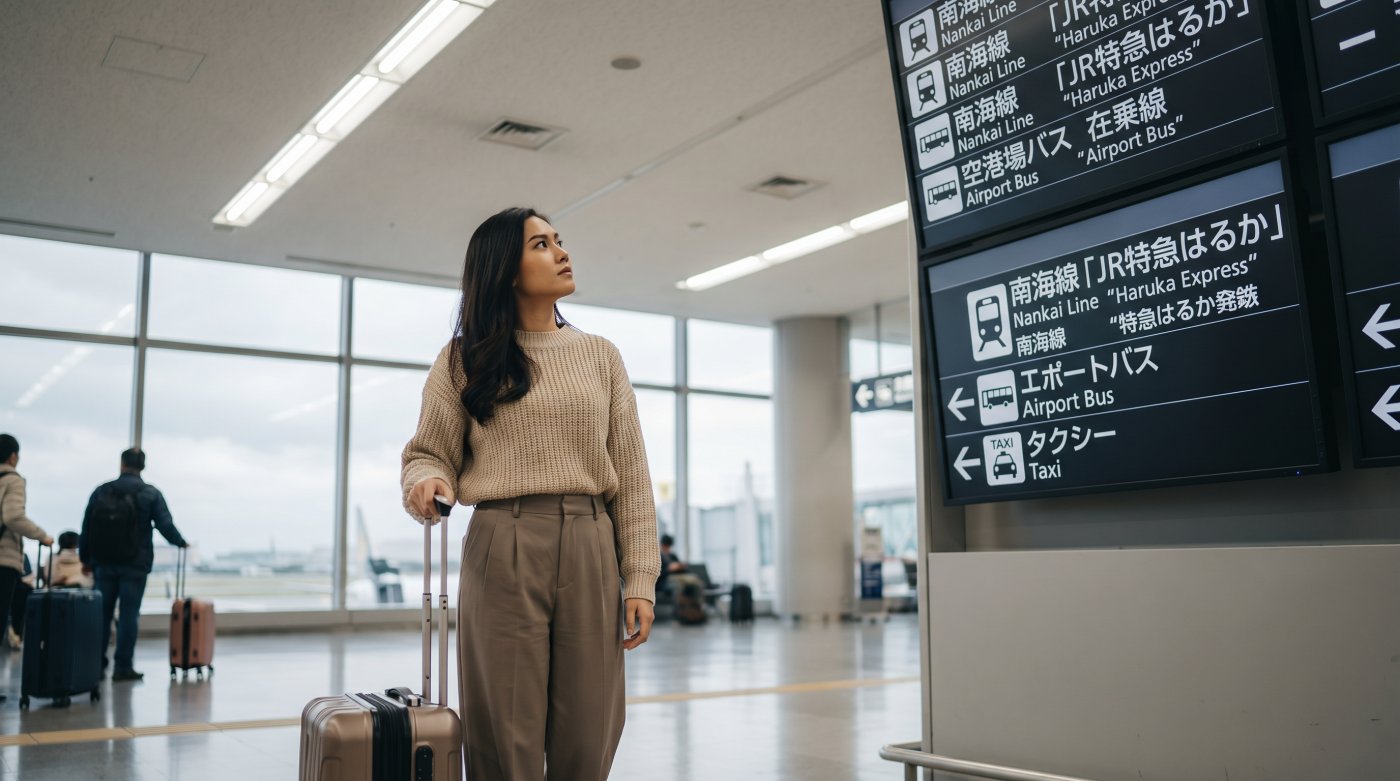
Kansai International Airport (KIX) sits on an artificial island roughly 50 minutes from downtown Osaka and handles all international routes.
Itami Airport (ITM) sits just 30 minutes from the city center and serves domestic Japanese destinations exclusively.
| Factor | KIX | ITM |
|---|---|---|
| Distance to city | ~50 min | ~30 min |
| Flight types | International | Domestic only |
| Transport cost | Higher | Lower |
| Best for | International arrivals | Domestic connections |
For international travelers, the full breakdown of every transport option from KIX is covered in the Kansai Airport to Osaka transport guide.
Domestic arrivals will find the equivalent detail in the Itami Airport to Osaka city guide.
Getting from the Airport into the City Without Overpaying
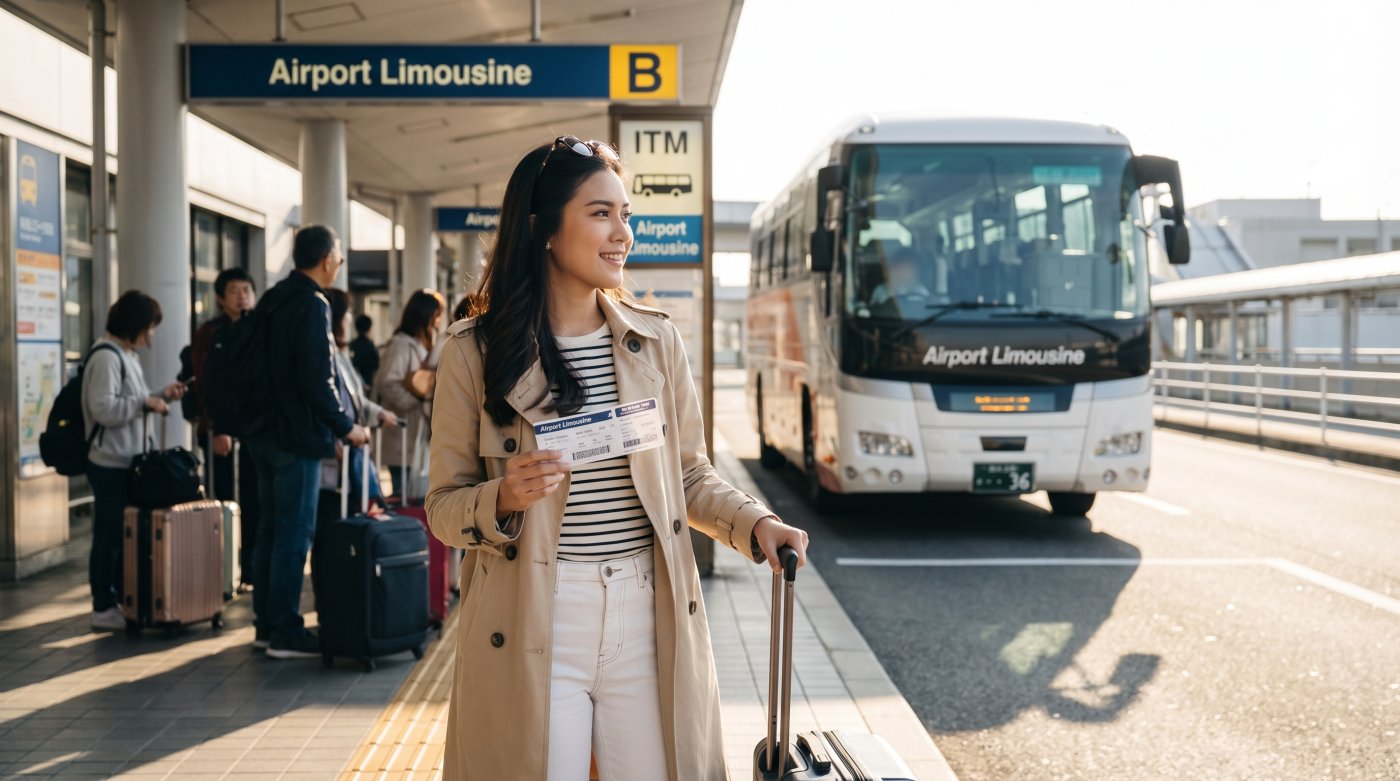
The Haruka Express train from Kansai International Airport is the fastest and most cost-effective option for most international travelers, delivering riders directly into Osaka’s city center in approximately 50 minutes.
Skip the taxi line entirely, metered rides cost significantly more.
The ICOCA card, a rechargeable IC transit card, works on trains, subways, and buses without fumbling for exact change.
Load it at any station machine upon arrival.
Budget-conscious travelers can also take airport limousine buses for roughly ¥1,000–¥1,500, a wallet-friendly alternative that drops passengers at major hotels and transport hubs across the city.
Navigating Osaka’s Metro System
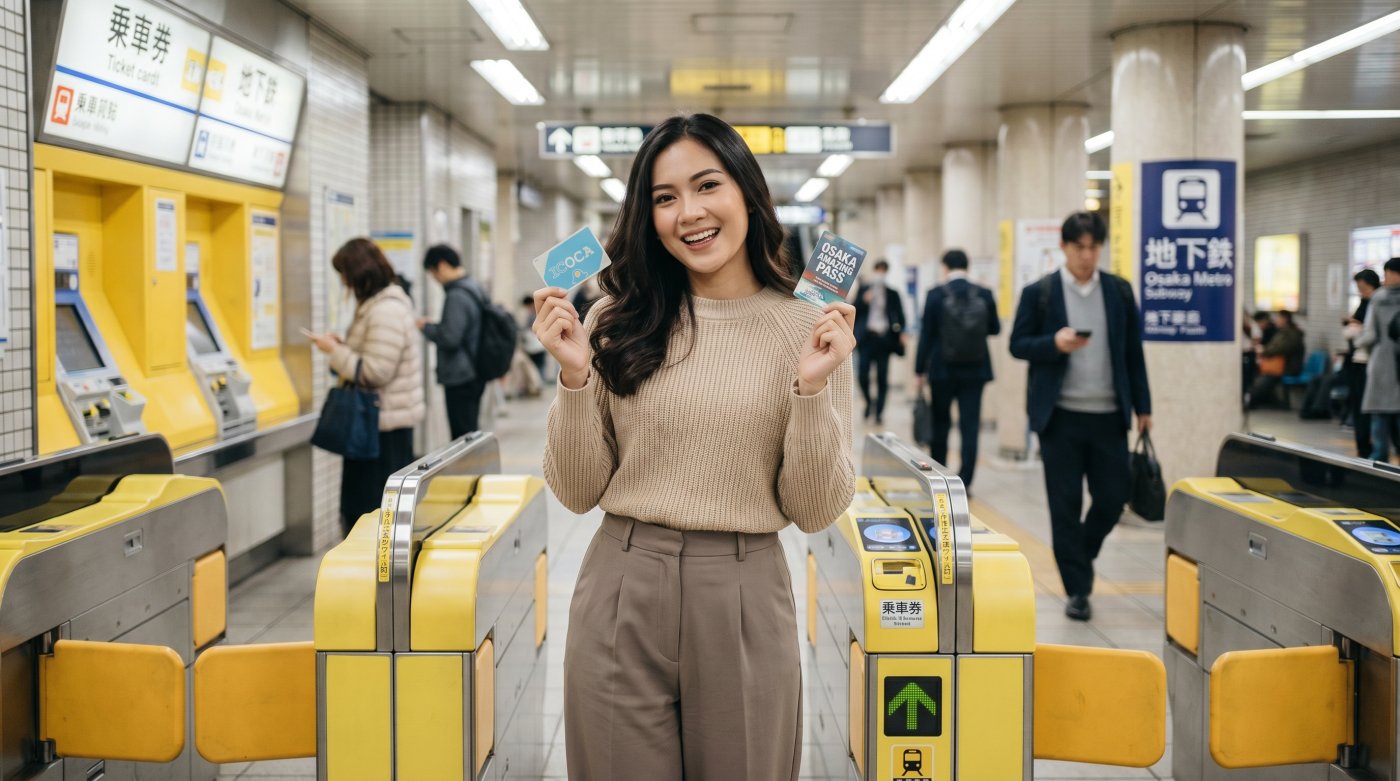
Osaka’s metro system is a color-coded network that connects every major district efficiently and punctually.
English signage appears at every station, making navigation straightforward even for first-time visitors.
Four essentials to master before riding:
- ICOCA card: Load once, tap everywhere, zero ticket-machine frustration
- Color-coded lines: Each route has a distinct color; match, board, arrive
- English signage: Every station displays romanized names
- Day passes: Unlimited rides for approximately ¥820 unlock serious exploration potential
The Osaka Metro guide covering lines, fares, and navigation is the most thorough resource for understanding the full network before arrival. We have a Getting Around Osaka section dedicated for navigating Osaka easily.
Essential Osaka Travel Passes
Powered by KlookThe passes worth buying before you land — curated for first-timers.
Osaka Amazing Pass
Unlimited subway + free entry to 40+ attractions. The only pass most visitors actually need.
Osaka e-Pass
Attractions-only digital pass. Pair with a Metro Pass if skipping the Amazing Pass.
Osaka Metro Pass
1 or 2-day unlimited Metro rides. Best standalone transit value if you already have an attractions pass.
JR West Kansai Area Pass (WEST QR)
Unlimited JR trains for 1 to 4 days. Covers Kyoto, Nara, Kobe, and Himeji from Osaka.
JR Haruka Express
KIX to Umeda/Shin-Osaka in ~50 min. Best if staying in Umeda or heading straight to Kyoto.
Nankai Rapi:t Express
KIX to Namba in 34 min, reserved seat. Better if staying in Namba or Shinsaibashi.
Is the Osaka Amazing Pass Worth It?
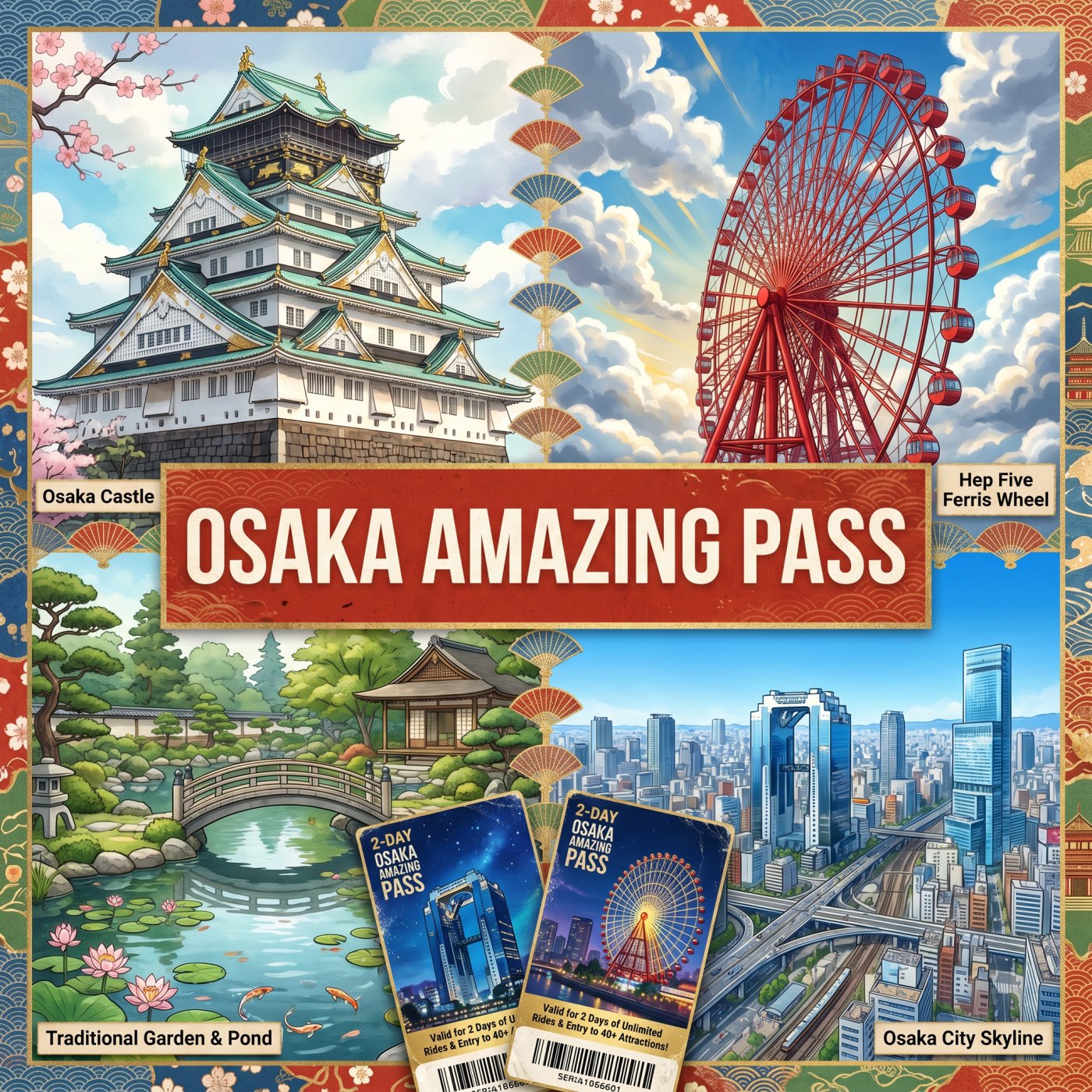
The Osaka Amazing Pass is worth buying if a traveler plans to visit five or more included attractions in a single day.
The one-day pass costs ¥3,500 (2026–2027 edition, valid through March 31, 2027) and includes unlimited Osaka Metro and city bus rides plus free entry to approximately 40 attractions, including Osaka Castle and the Umeda Sky Building.
A two-day pass is available for ¥5,000.
Casual explorers drifting through neighborhoods and street food markets will likely overpay.
The pass rewards heavy sightseers on a tight schedule, not relaxed wanderers.
Calculate honestly by adding up individual entry fees before committing.
For a side-by-side comparison of every transit and sightseeing pass option, the Osaka Amazing Pass vs. ICOCA Card guide breaks down exactly which travelers benefit from each.
Osaka Amazing Pass — the one pass worth buying
Unlimited subway rides plus free entry to 40+ attractions including Osaka Castle, Umeda Sky Building, and the Dotonbori River Cruise. If you're spending more than a day sightseeing, it pays for itself before lunch.
Where to Stay in Osaka: Picking the Right Neighborhood
Choosing the right neighborhood in Osaka significantly affects how enjoyable the entire trip feels.
The two most popular bases for first-time visitors are Namba and Umeda, each offering a distinctly different experience.
Namba sits at the city’s electric, neon-drenched heart, offering nonstop nightlife, legendary street food, and a pulse that never quiets, perfect for night owls but potentially exhausting for light sleepers.
Umeda blends excellent transit connections, polished shopping districts, and a calmer atmosphere that makes it the smarter base for first-timers navigating Osaka’s sprawling layout.
Staying in Namba
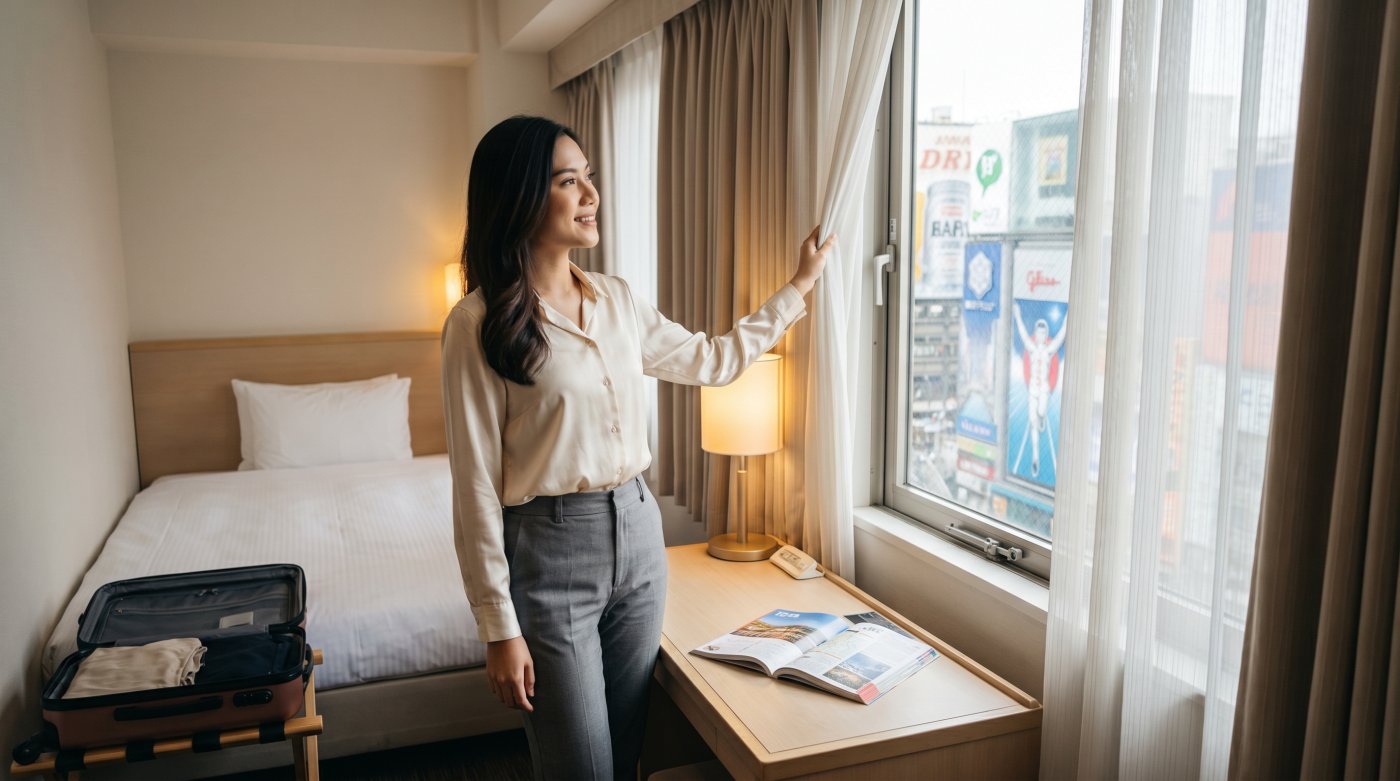
Namba is the beating heart of Osaka, where neon signs blaze through the night, street food sizzles on every corner, and the crowds never thin, not even at 3 AM.
It is the closest neighborhood to Dotonbori, Shinsaibashi, and Kuromon Market.
Key advantages of staying in Namba:
- Unmatched walkability, major attractions are within 10 minutes on foot
- Round-the-clock food scene, takoyaki, ramen, and street snacks available at any hour
- Direct metro access to every other major district
- Vibrant, well-lit streets that make solo wandering feel comfortable and safe
Staying in Umeda
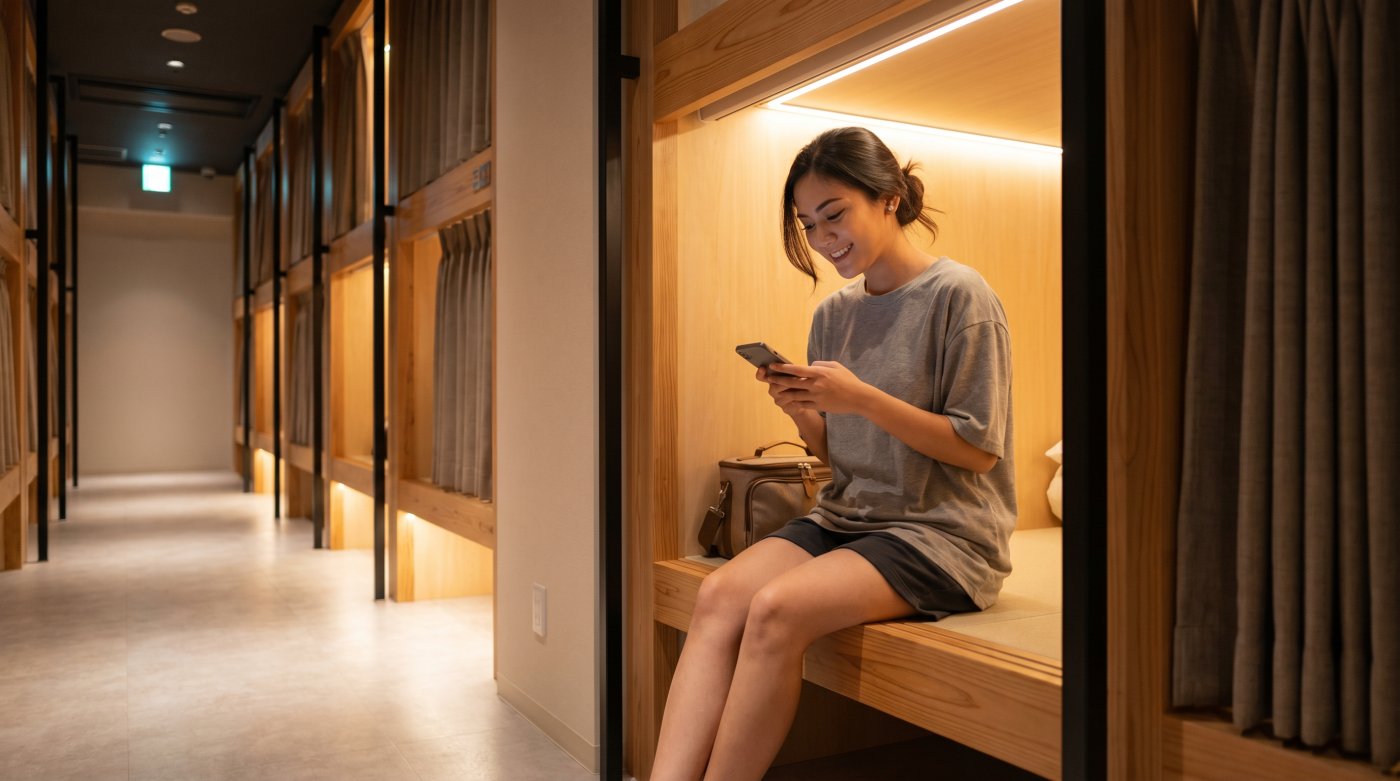
Umeda serves as Osaka’s transportation nerve center, connecting travelers to Kyoto, Kobe, and both airports with exceptional ease.
Its streets feel cleaner, calmer, and more navigable, a genuine relief when jetlag is already scrambling someone’s brain.
The underground shopping labyrinth, Daimaru department stores, and sky-high views from the Umeda Sky Building offer endless exploration without overwhelming newcomers.
Namba is always accessible for a wild night out, but Umeda gives travelers room to breathe and orient themselves.
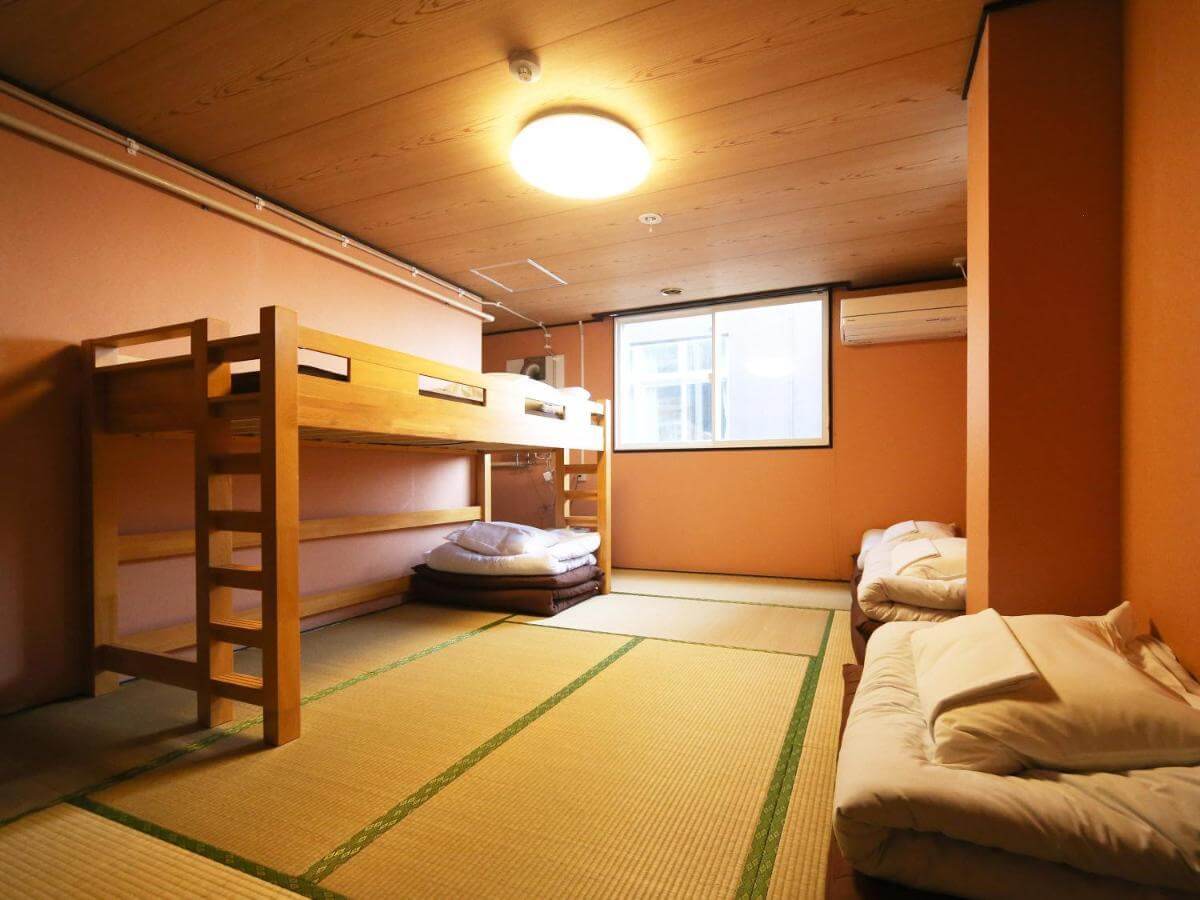
Budget Hostels and Capsule Hotels: What to Expect

Budget travelers in Osaka have two compelling options: hostels and capsule hotels, each delivering a wildly different experience under the same affordable umbrella.
- Hostels offer communal energy, shared dorms, common kitchens, and built-in travel friendships, ideal for solo adventurers craving connection
- Capsule hotels provide private, pod-style sleeping compartments, compact but surprisingly cozy, often with shared onsen facilities
- Hostel dorm beds typically run ¥3,000–¥5,500 per night in well-located central areas (Namba, Shinsaibashi); capsule hotels range from ¥4,000–¥8,000 depending on location and facility quality, with premium capsule concepts pushing ¥9,000–¥10,000. Note that prices have risen noticeably across all budget categories since 2024, the ¥2,000–¥4,000 range that was achievable in prior years is now largely confined to very basic options in outer neighbourhoods or ultra-budget shared dorms.
- Capsules suit introverts; hostels fuel extroverts
Either way, Osaka rewards the budget-conscious traveler generously across both accommodation styles.
Things to Do in Osaka That Actually Matter
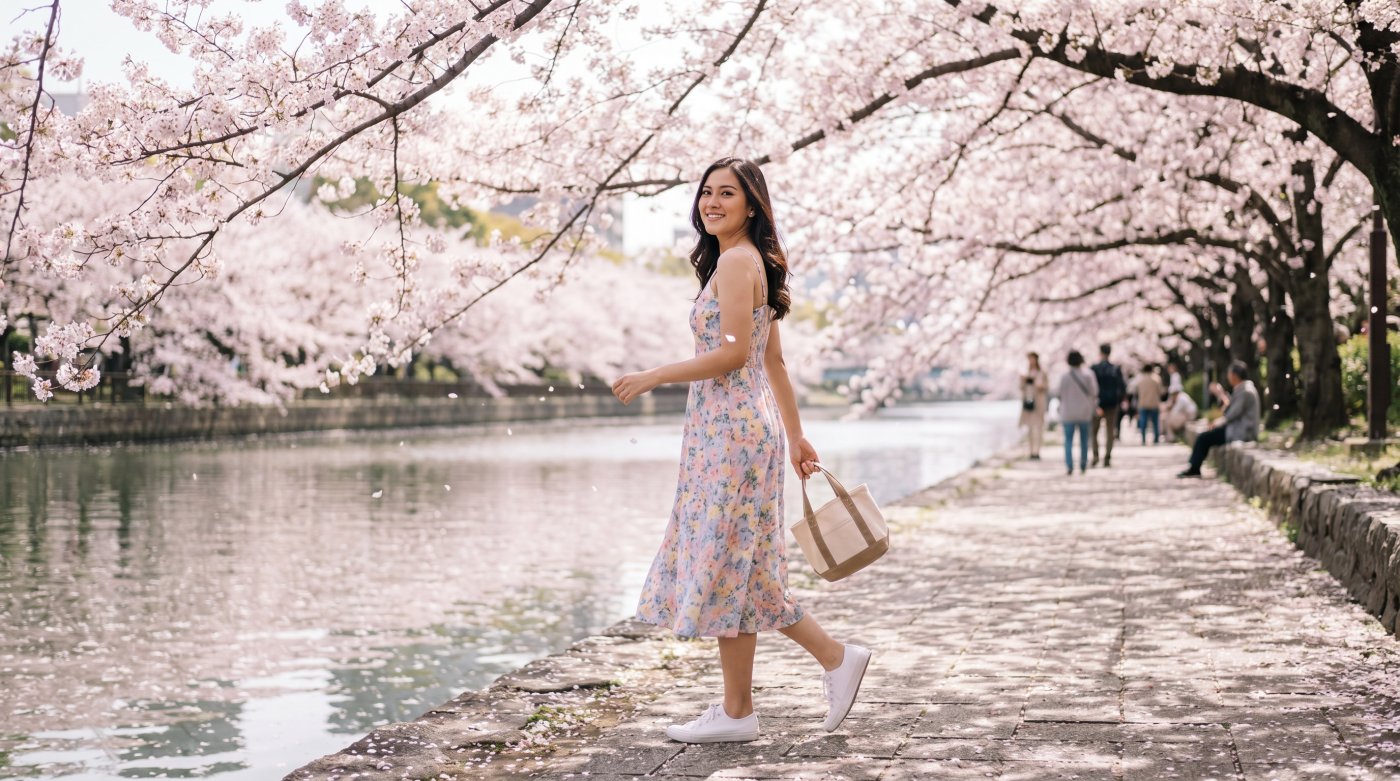
Osaka punches well above its weight when it comes to things to do, offering layers of experience that stretch far beyond the neon-lit selfie spots at Dotonbori.
Visitors who push past the obvious attractions discover Osaka Castle’s feudal history, the gritty retro charm of Shinsekai, the sensory overload of Kuromon Market, and day trips to Nara or Kyoto that slot neatly into any itinerary.
Getting the most out of this city means knowing which experiences actually deliver and which ones are simply filling space on a tourist checklist.
Top Things to See in Osaka Beyond Dotonbori
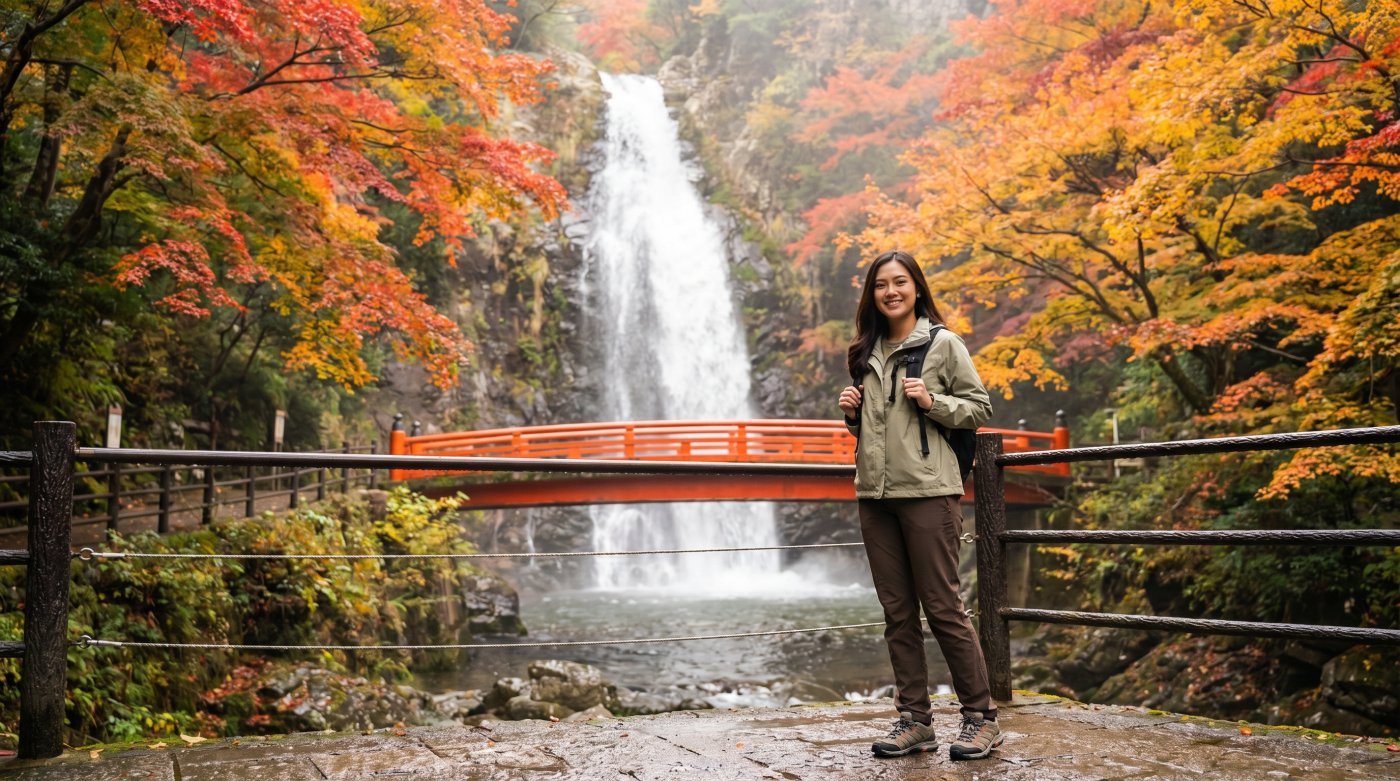
Dotonbori is the obvious starting point, but Osaka’s most memorable experiences often happen elsewhere.
These four attractions consistently reward visitors who make the effort:
- Osaka Castle Park: feudal grandeur meets cherry blossom heaven; free to enter the park, ¥1,200 for the castle museum (children under 15 free; free with Osaka Amazing Pass)
- Shinsekai District: retro, gritty, authentically working-class Osaka with kushikatsu joints and old-school arcades
- Sumiyoshi Taisha Shrine: ancient spiritual architecture predating Buddhism’s arrival in Japan, free entry
- Nakanoshima Island: elegant museums, rose gardens, and riverside walking paths
Shinsekai alone feels like stepping into a time capsule.
It is one of the few neighborhoods in Osaka that has resisted gentrification, and that rawness is exactly what makes it worth visiting.
Osaka Castle: What to Know Before You Visit
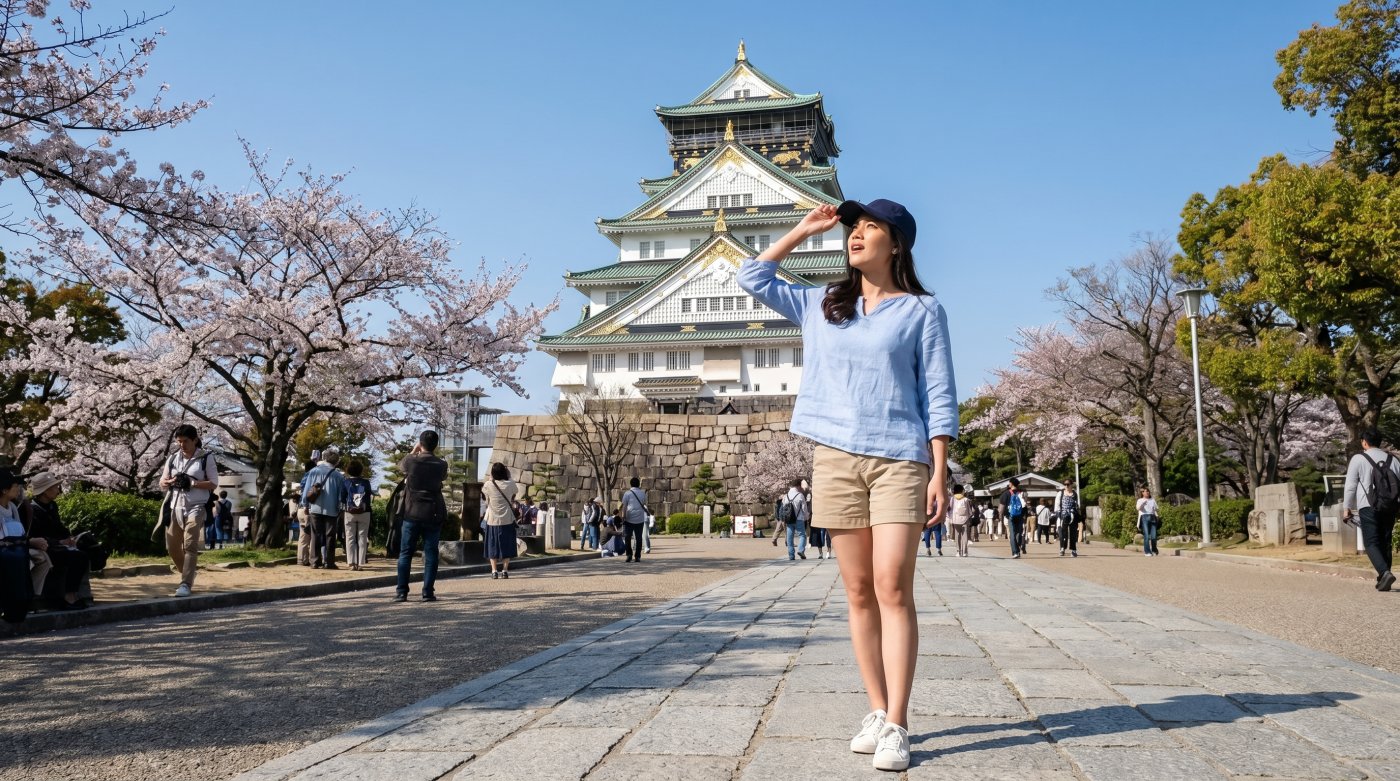
Osaka Castle is one of Japan’s most recognizable landmarks, rising above the city with gleaming white walls, gold-leaf accents, and a moat so wide it makes the place feel genuinely unconquerable.
Built in 1583 by Toyotomi Hideyoshi, the castle rewards visitors who research before arriving.
| Feature | Detail | Visitor Tip |
|---|---|---|
| Hours | 9:00 AM – 5:00 PM daily (last entry 4:30 PM); extended to 6:00 PM during peak seasons | Arrive at opening to beat crowds; grounds open 24/7 for free |
| Admission | ¥1,200 per adult; students ¥600; under 15 free | Free with Osaka Amazing Pass; cash accepted at gates |
| Closed | December 28 – January 1 | Check official site for occasional maintenance closures |
| Best Season | Late March to early April (cherry blossoms) | Book accommodation months ahead |
| Museum Floors | Eight levels plus rooftop observation deck | Elevator available; large bags not permitted (free storage at entrance) |
The interior museum showcases samurai artifacts, historical maps, and battle records that genuinely surprise first-timers.
After the castle, explore Nishinomaru Garden for panoramic views without the tourist stampede.
Store your bags and actually enjoy Osaka
100+ storage spots across Osaka -- train stations, cafés, shops, and delivery lockers. Book online, drop off in minutes, and spend the day walking Dotonbori without a 10kg backpack slowing you down.
Shinsekai and Kuromon Market
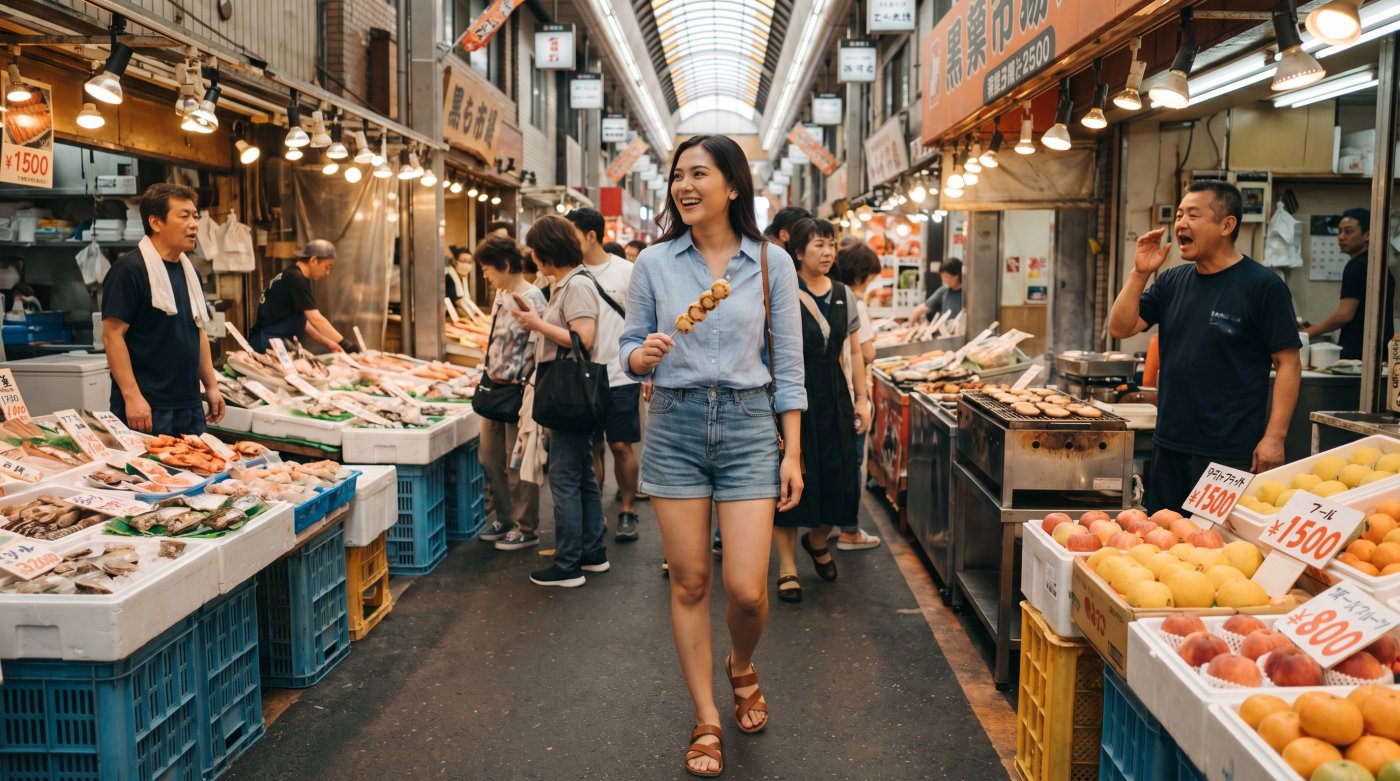
Shinsekai is a retro working-class district frozen somewhere between 1950s grit and deep-fried glory.
Kuromon Market is a 600-stall covered labyrinth where vendors hawk fresh seafood, wagyu beef, and street snacks with competitive intensity.
Both neighborhoods hold the real soul of Osaka.
What makes each unmissable:
- Kushikatsu capital: Shinsekai invented the breaded, deep-fried skewer; double-dipping is strictly forbidden
- Tsutenkaku Tower: Shinsekai’s retro landmark offers panoramic city views from 87.5m; admission ¥1,200 for adults (¥600 children); open until 10:00 PM daily; free with Osaka Amazing Pass
- Kuromon Market eating: fresh uni, grilled scallops, and tamagoyaki await at stalls throughout the market
- Morning timing: arrive at Kuromon before 10 AM when vendors are freshest and energy peaks
For a deeper look at the market’s layout, vendors, and what to order, the Kuromon Ichiba Market guide covers everything in detail.
Day Trips from Osaka Worth Adding to Your Plans
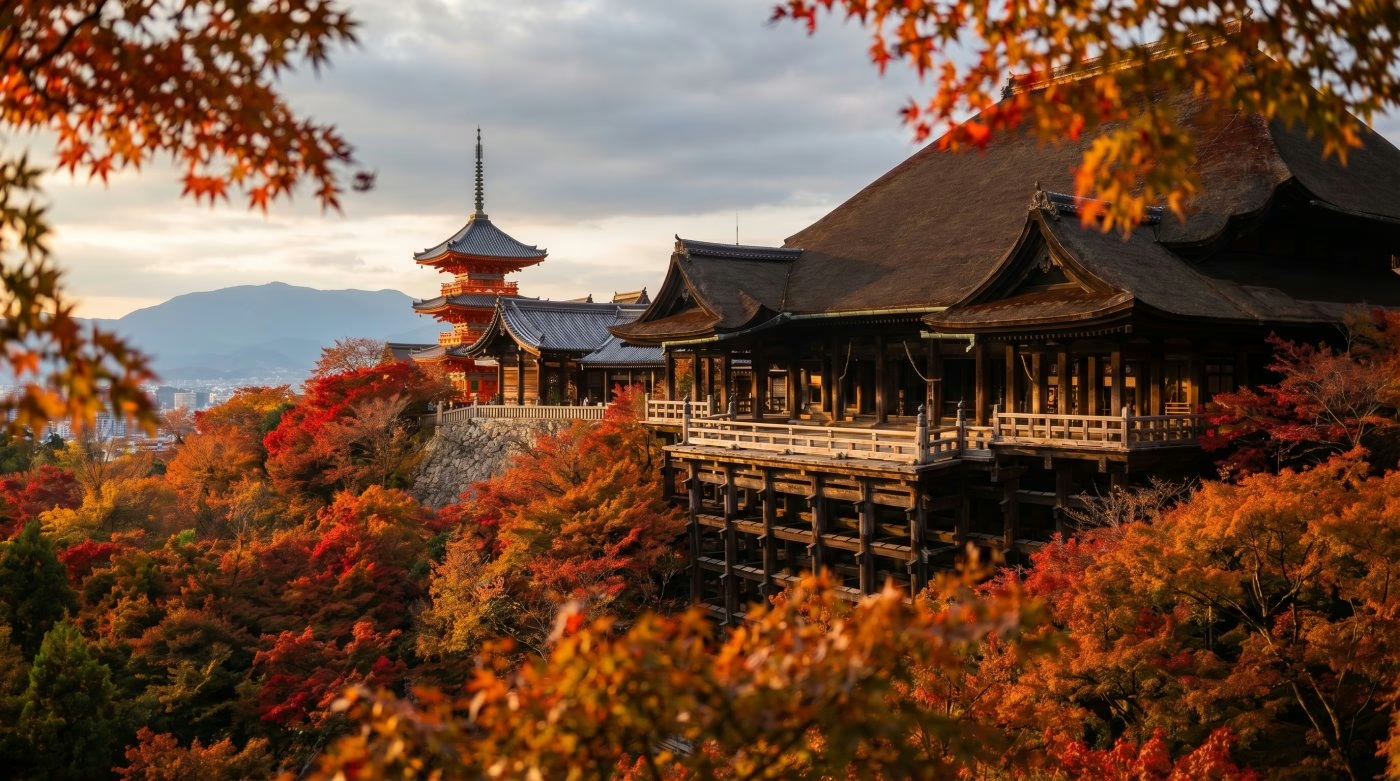
Osaka’s location is almost suspiciously convenient. There are a lot of Osaka day trips you can try.
Within 15 to 75 minutes by train, travelers can reach Kyoto’s temple-packed streets, Nara’s famously bold deer, and Hiroshima’s sobering Peace Memorial Park.
Each destination works as a full standalone day trip, yet connects seamlessly back to Osaka’s affordable accommodations and electric nightlife.
- Kyoto: ancient shrines, bamboo forests, and geisha districts; approximately 15 minutes by shinkansen
- Nara: wild deer roaming freely through a sprawling public park; approximately 45 minutes by train
- Day Trip to Himeji: Japan’s finest surviving feudal castle; approximately 30 minutes by shinkansen
Smart travelers base themselves in Osaka, sleeping and eating cheaply while launching daily adventures outward.
The day trip to Kyoto from Osaka guide and the day trip to Nara from Osaka guide both include transport options, timing, and what to prioritize.
Eating in Osaka: The Real Reason People Come Back
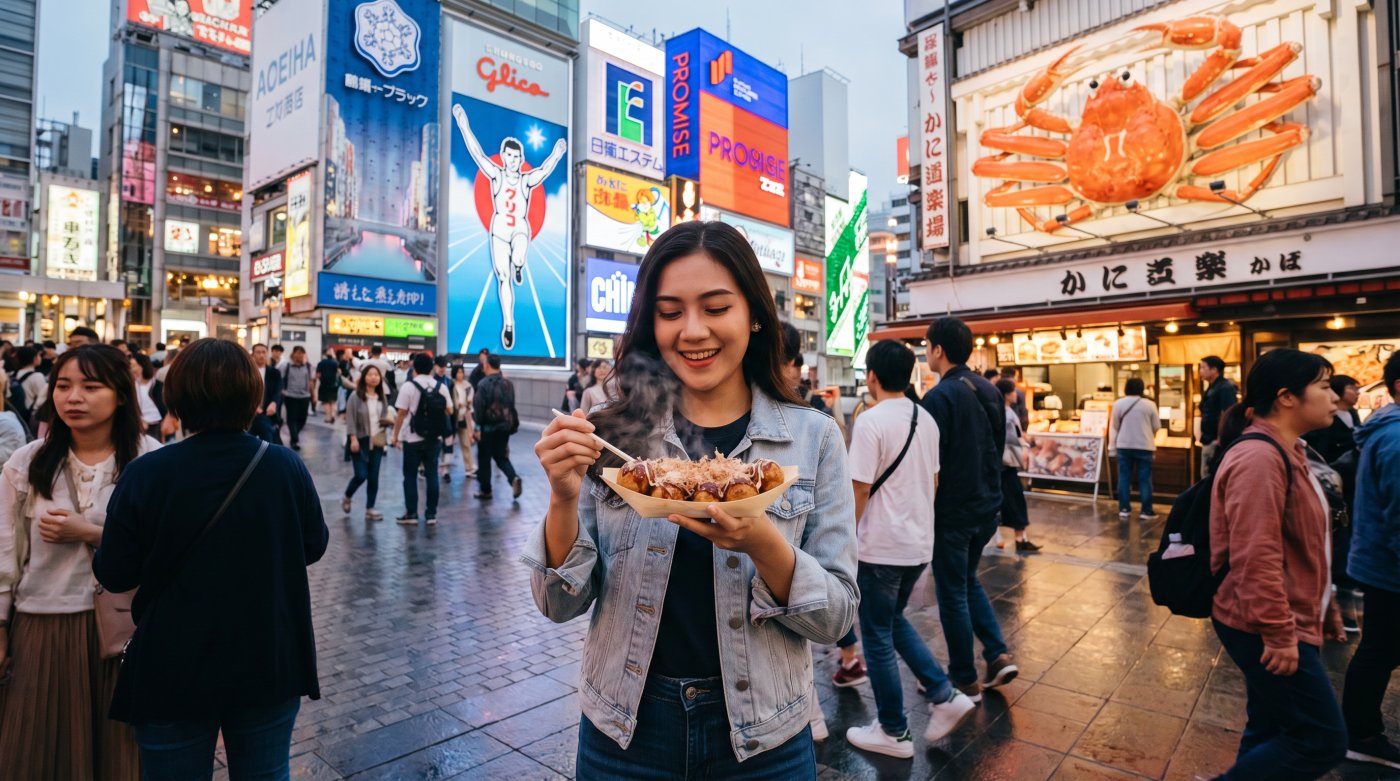
Osaka wears its identity as Japan’s “Kitchen” like a badge of honor, boasting a food culture so deeply ingrained that locals live by kuidaore, the philosophy of eating until you are broke.
The streets of Dotonbori and Shinsekai serve up legendary bites: takoyaki (octopus-filled dough balls), crispy-edged okonomiyaki pancakes, and skewered kushikatsu that practically demand a second round.
Budget-conscious travelers will love this city.
An incredibly satisfying day of eating, street snacks, a sit-down meal or two, and a late-night ramen fix, rarely runs more than ¥2,000–¥3,500 per person.
Osaka’s Food Culture: What Makes It Different
Osaka is consistently ranked among the world’s greatest food cities, and the reputation is earned.
Osakans practically worship food, living by kuidaore, “eat until you drop”, which functions less as a warning and more as a civic philosophy.
The defining dishes of Osaka’s food culture:
- Takoyaki: crispy octopus balls eaten scorching hot, straight from street vendors
- Okonomiyaki: savory pancakes layered with cabbage, meat, and tangy sauces
- Kushikatsu: deep-fried skewers with an absolute no-double-dipping rule
- Ramen and udon: rich, soul-warming bowls hiding inside unmarked neighborhood spots
Every meal here feels like discovering something secret.
Osaka rewards curious eaters who wander freely, skip tourist traps, and trust their noses.
Street Food in Osaka You Cannot Skip
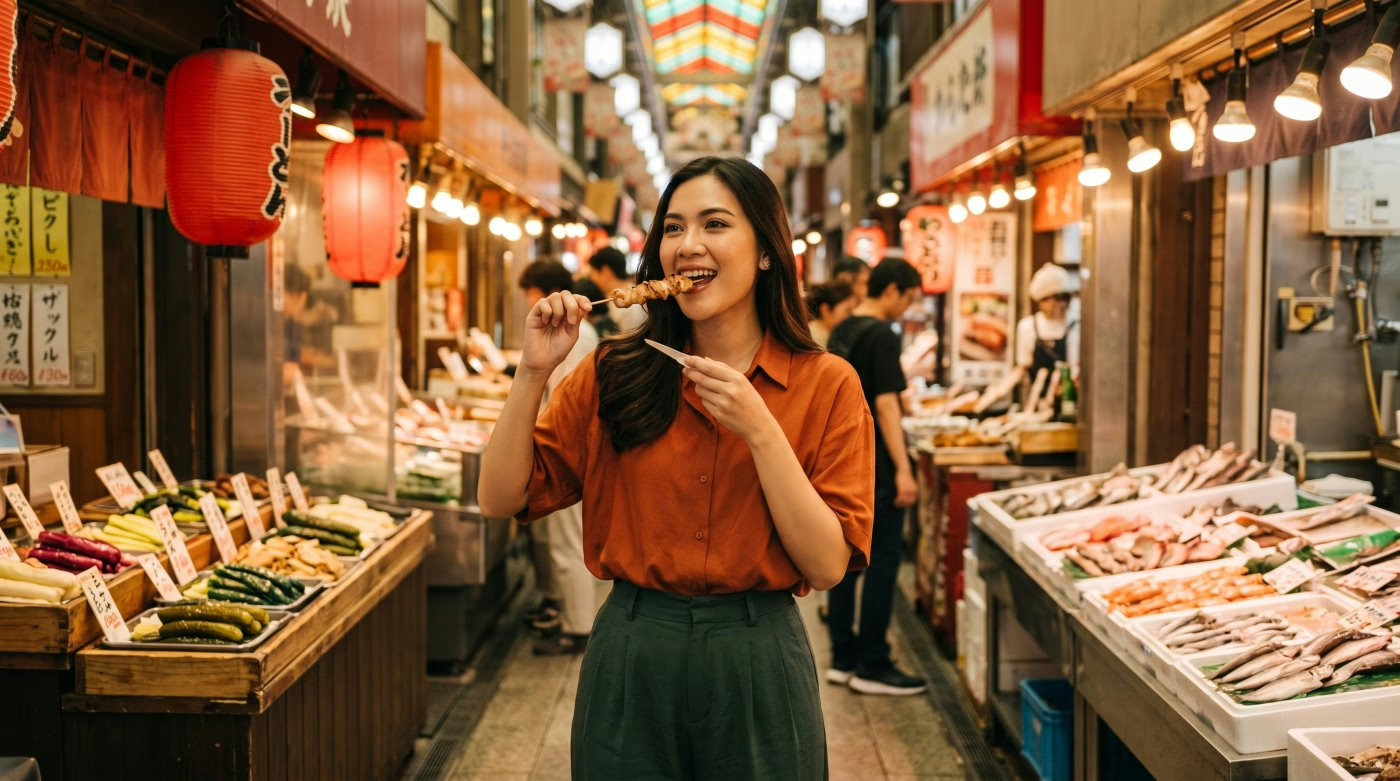
Dotonbori is ground zero for Osaka’s street food scene, and it delivers hard.
Takoyaki arrives crackling hot from vendors who have perfected every flip and every pour of savory sauce.
Kushikatsu, deep-fried skewers of meat, vegetables, and seafood, disappears from plates embarrassingly fast.
Okonomiyaki, Osaka’s beloved savory pancake, gets layered, grilled, and stacked with toppings that redefine comfort food.
Shinsekai district serves these classics in a grittier, more authentic atmosphere, far from tourist polish.
Wandering without reservations, simply following irresistible aromas through narrow alleyways, consistently leads somewhere extraordinary.
Osaka’s streets reward curiosity with pure, unrepeatable flavor.
How Much Should You Budget for Food in Osaka Per Day?
Most travelers eat extremely well in Osaka on approximately ¥3,000 per day.
The city’s food scene is genuinely one of the most affordable among major global culinary destinations, with outstanding options at every price point.
A realistic daily food breakdown:
- Budget tier (¥1,500–¥2,500): Convenience stores, takoyaki stands, ramen shops, completely satisfying, zero compromise
- Mid-range tier (¥2,500–¥5,000): Izakayas, conveyor-belt sushi, kushikatsu restaurants, proper dining experiences
- Splurge tier (¥5,000–¥10,000): Kaiseki courses, premium wagyu, genuinely unforgettable meals
- Street food snacking (¥500–¥1,000): Afternoon wandering through Dotonbori with okonomiyaki and taiyaki costs almost nothing
For a full breakdown of what a trip actually costs including accommodation and transport, the Osaka travel budget guide provides detailed estimates across budget, mid-range, and luxury tiers.
Money, Safety, and Practical Facts About Osaka

Osaka is one of Japan’s safest cities, even for solo female travelers navigating its neon-lit streets at midnight.
Basic awareness, keeping bags close in crowded Dotonbori, staying alert on packed subway cars, remains smart practice anywhere, but serious crime is exceptionally rare.
Cash is still king here.
Many beloved local restaurants and small shops refuse cards entirely, leaving card-dependent visitors hungry and embarrassed at the register.
Hit a 7-Eleven or Japan Post ATM early and keep yen on hand throughout the trip.
A pocket WiFi rental or local SIM card keeps navigation seamless.
Learning a handful of Osaka etiquette rules, no eating while walking, shoes off at traditional spaces, never tip, transforms a visitor from obvious tourist to genuinely respectful guest.
Stay Connected
Japan eSIM & Pocket WiFi Rentals
Skip the SIM card queue at the airport. Buy a Japan eSIM before you fly and connect the moment you land.

Klook
5G / 4G LTE coverage on Softbank and DOCOMO networks.

Airalo
Multiple data plans available. Good choice if continuing to other Asian countries.

Saily
Built-in ad blocker and hotspot tethering. Better value at higher data tiers.
NINJA WiFi (eSIM)
Japan eSIM with 4G LTE coverage. Instant activation, no physical SIM required.
NINJA WiFi (SIM Card)
Physical SIM card for Japan. Delivered to your hotel or collected at the airport.
NINJA WiFi (Pocket WiFi)
Pocket WiFi rental with unlimited 4G data. Share with your group, no SIM swap needed.

Pelago
5G unlimited data on KDDI. Worth checking for KrisFlyer-linked perks.
Klook
Pocket WiFi rental with unlimited 4G LTE. Airport pickup, free power bank included.

KKday
Pocket WiFi rental with unlimited 4G data. Collect at Japan airports on arrival.

Holiday.com
Global eSIM from the ExpressVPN team. One eSIM covers Japan plus your next destinations.
Is Osaka Safe for Solo Travelers?
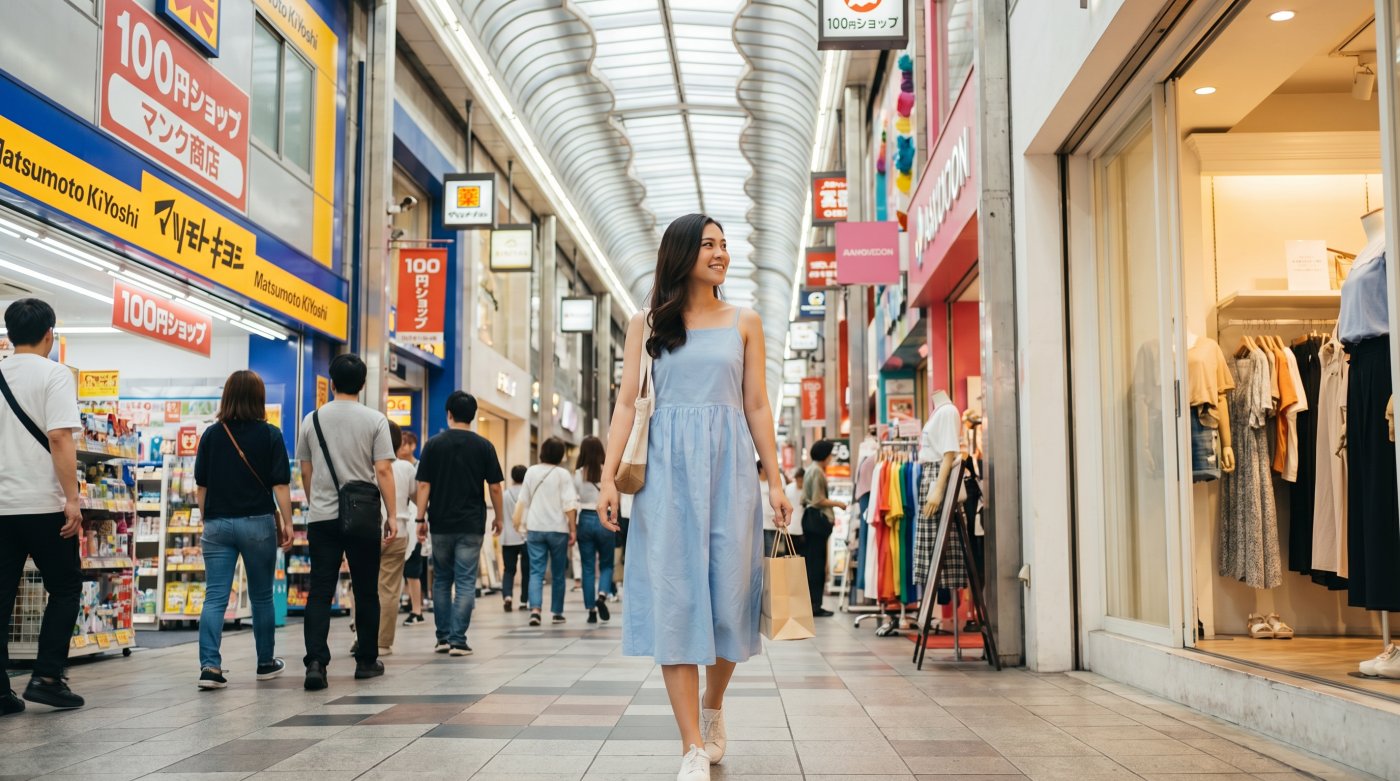
Osaka is one of the safest cities in Asia for solo travelers, including women traveling alone.
Crime rates sit remarkably low, and locals actively help lost visitors navigate the subway system without hesitation.
Women traveling alone particularly thrive here:
- Dedicated women-only train cars operate during rush hours on major metro lines
- Well-lit streets keep neighborhoods like Namba and Shinsaibashi vibrant and walkable until midnight
- Convenience stores provide safe, bright refuges literally every few blocks
- Local bystanders actively intervene if someone appears uncomfortable or threatened
Standard awareness still applies everywhere.
Trust instincts, stay connected, and embrace Osaka’s freewheeling energy with well-deserved confidence.
Cash vs. Card: How Payment Works in Osaka
Carrying cash remains an absolute necessity in Osaka, where countless ramen shops, temple admission booths, and beloved mom-and-pop izakayas still operate on yen-only policies.
Withdraw yen at 7-Eleven or Japan Post ATMs, which reliably accept foreign cards where many bank ATMs will not.
Keep smaller denominations handy, since Japanese merchants rarely appreciate large bills for small purchases.
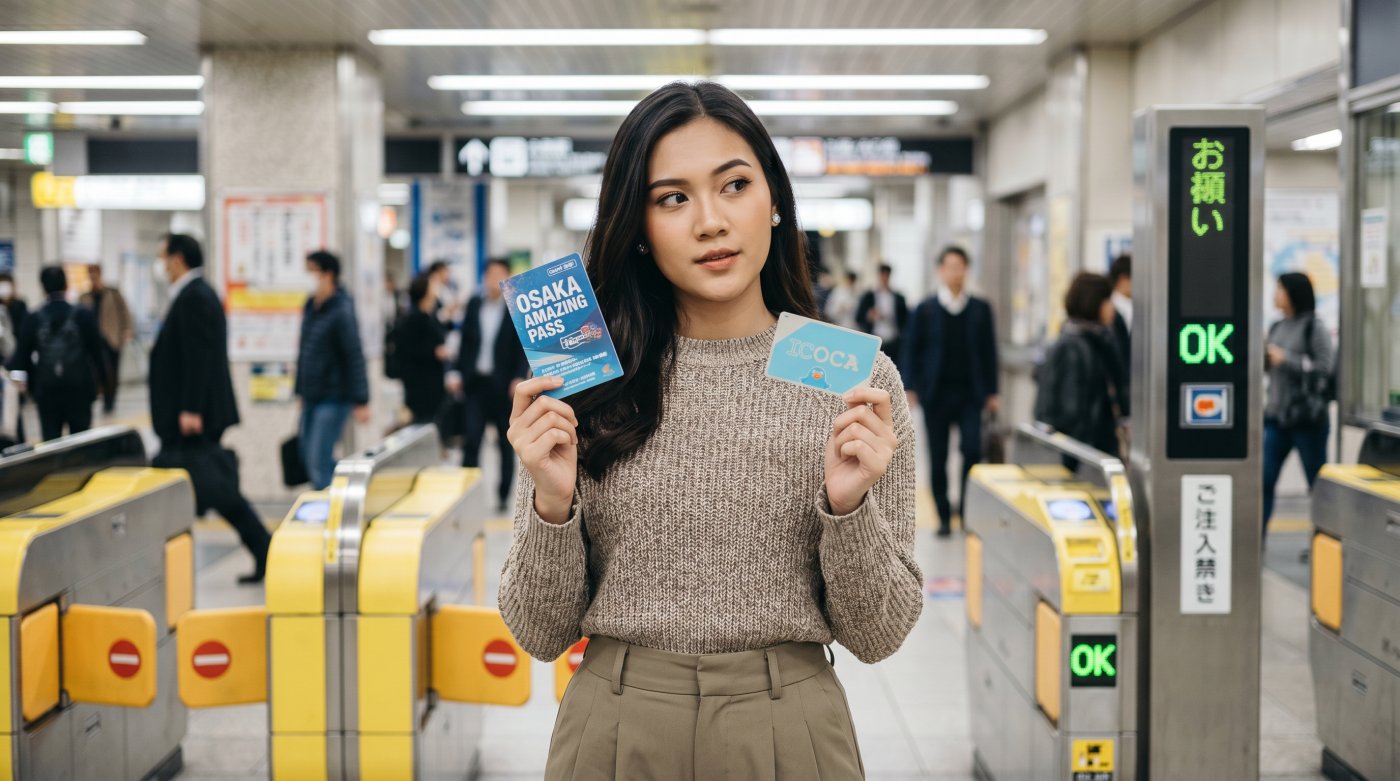
IC cards like ICOCA transform daily movement dramatically.
Load the rechargeable card with yen, then tap through subway gates, convenience stores, and select restaurants without fumbling for coins.
Major department stores and tourist-facing establishments increasingly accept Visa and Mastercard too.
Essential Osaka Travel Passes
Powered by KlookThe passes worth buying before you land — curated for first-timers.
Osaka Amazing Pass
Unlimited subway + free entry to 40+ attractions. The only pass most visitors actually need.
Osaka e-Pass
Attractions-only digital pass. Pair with a Metro Pass if skipping the Amazing Pass.
Osaka Metro Pass
1 or 2-day unlimited Metro rides. Best standalone transit value if you already have an attractions pass.
JR West Kansai Area Pass (WEST QR)
Unlimited JR trains for 1 to 4 days. Covers Kyoto, Nara, Kobe, and Himeji from Osaka.
JR Haruka Express
KIX to Umeda/Shin-Osaka in ~50 min. Best if staying in Umeda or heading straight to Kyoto.
Nankai Rapi:t Express
KIX to Namba in 34 min, reserved seat. Better if staying in Namba or Shinsaibashi.
Staying Connected: SIM Cards and Pocket WiFi
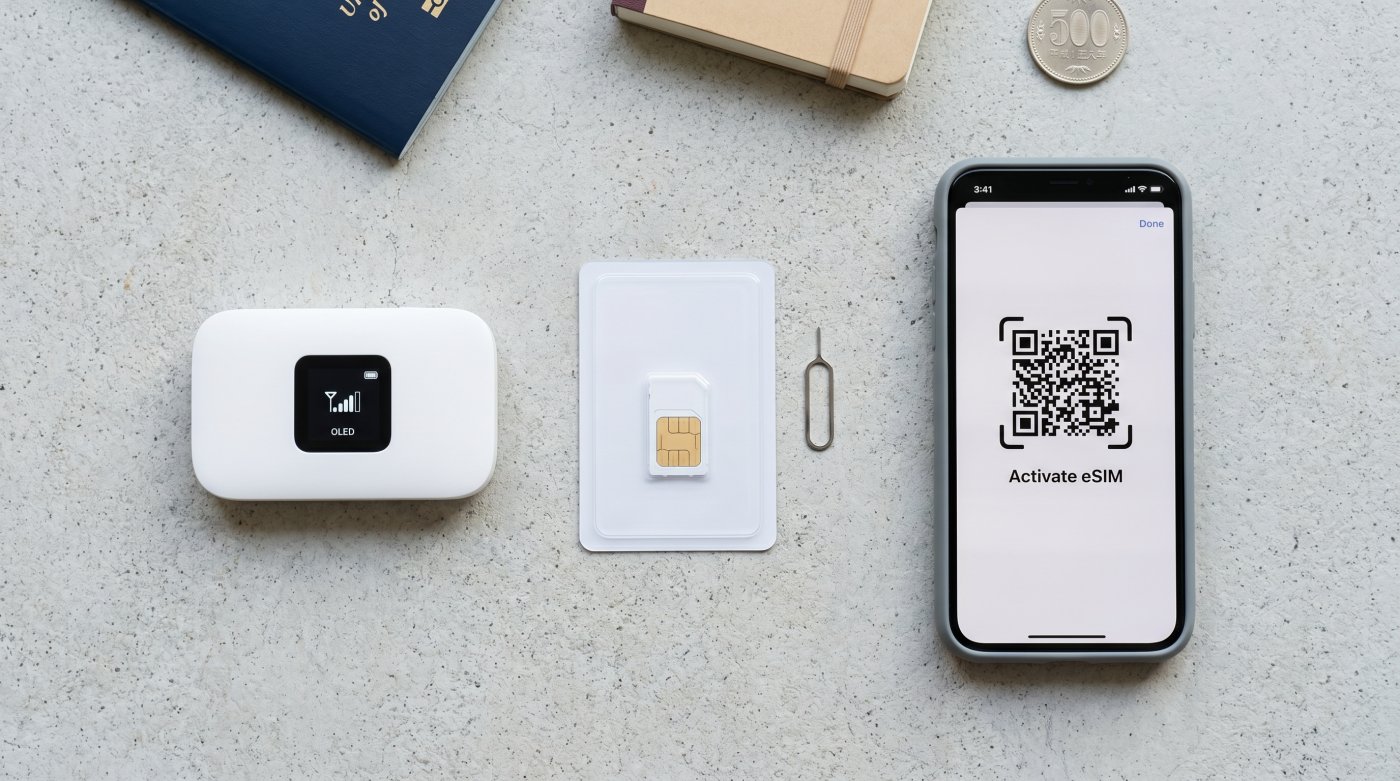
Japan’s connectivity infrastructure is world-class, and travelers have genuinely excellent options for staying online throughout their Osaka trip.
- Prepaid SIM cards from providers like IIJmio or Sakura Mobile offer affordable data plans, purchasable at Kansai International Airport arrivals; expect to pay ¥3,000–¥5,000 for a 7–30 day data plan
- eSIM is now the smartest option for most travelers, order online before departure, activate on arrival, no hardware or return required; total cost ¥3,100–¥5,000
- Pocket WiFi rentals support multiple devices simultaneously, ideal for groups sharing navigation duties; typically ¥400–¥900 per day for standard unlimited 4G LTE, up to ¥1,390/day for 5G plans
- Free WiFi hotspots exist throughout convenience stores, train stations, and major tourist corridors
Unlocked smartphones handle SIM options effortlessly.
Pocket WiFi devices offer the most flexibility for travelers using multiple devices.
Stay Connected
Japan eSIM & Pocket WiFi Rentals
Skip the SIM card queue at the airport. Buy a Japan eSIM before you fly and connect the moment you land.
Klook
5G / 4G LTE coverage on Softbank and DOCOMO networks.
Airalo
Multiple data plans available. Good choice if continuing to other Asian countries.
Saily
Built-in ad blocker and hotspot tethering. Better value at higher data tiers.
NINJA WiFi (eSIM)
Japan eSIM with 4G LTE coverage. Instant activation, no physical SIM required.
NINJA WiFi (SIM Card)
Physical SIM card for Japan. Delivered to your hotel or collected at the airport.
NINJA WiFi (Pocket WiFi)
Pocket WiFi rental with unlimited 4G data. Share with your group, no SIM swap needed.
Pelago
5G unlimited data on KDDI. Worth checking for KrisFlyer-linked perks.
Klook
Pocket WiFi rental with unlimited 4G LTE. Airport pickup, free power bank included.
KKday
Pocket WiFi rental with unlimited 4G data. Collect at Japan airports on arrival.
Holiday.com
Global eSIM from the ExpressVPN team. One eSIM covers Japan plus your next destinations.
Customs and Etiquette: The Unwritten Rules of Visiting Osaka
Osaka rewards visitors who take time to understand its unwritten social code.
The rules are not complicated, but following them signals genuine respect and makes interactions with locals noticeably warmer.
Key etiquette rules every visitor should know:
- Trains: Keep phone calls silent; speak quietly; priority seating is for elderly, pregnant, and disabled passengers
- Escalators: Stand on the right in most of Japan, but stand on the left in Osaka, locals here famously break the national convention
- Eating: Avoid eating while walking in public; eat at stalls or designated areas
- Tipping: Never tip, it can cause genuine offense in Japan
- Shoes: Remove footwear when entering traditional spaces, temples, and some restaurants; look for the step and shoe rack as your signal
- Bowing: A modest nod replaces handshakes and communicates genuine respect
Osakans are wonderfully warm and approachable.
Observe locals, follow their lead, and the city opens up considerably.
Wrapping Up: What to Remember Before You Go
Osaka rewards the traveler who arrives prepared.
The city does not withhold its magic, it multiplies it for anyone who shows up knowing where to look, what to eat, and how to move through its neighborhoods with confidence.
The essentials: carry cash, load an ICOCA card, visit in spring or autumn, base yourself in Namba or Umeda, and never leave without eating takoyaki at least twice.
Everything else, the hidden izakayas in Osaka, the quiet temple gardens, the retro grit of Shinsekai, reveals itself naturally once a traveler is on the ground.
For travelers ready to turn these tips into an actual plan, the 3-day Osaka itinerary for first-timers is the most practical next step.