

 Tours
Tours World Heritage Himeji Castle & Akashi Kaikyo Bridge Walking Tour
Himeji, Himeji, Japan
From $157.89
Book on Klook Thirty minutes on the shinkansen puts you in front of Japan's finest surviving castle.
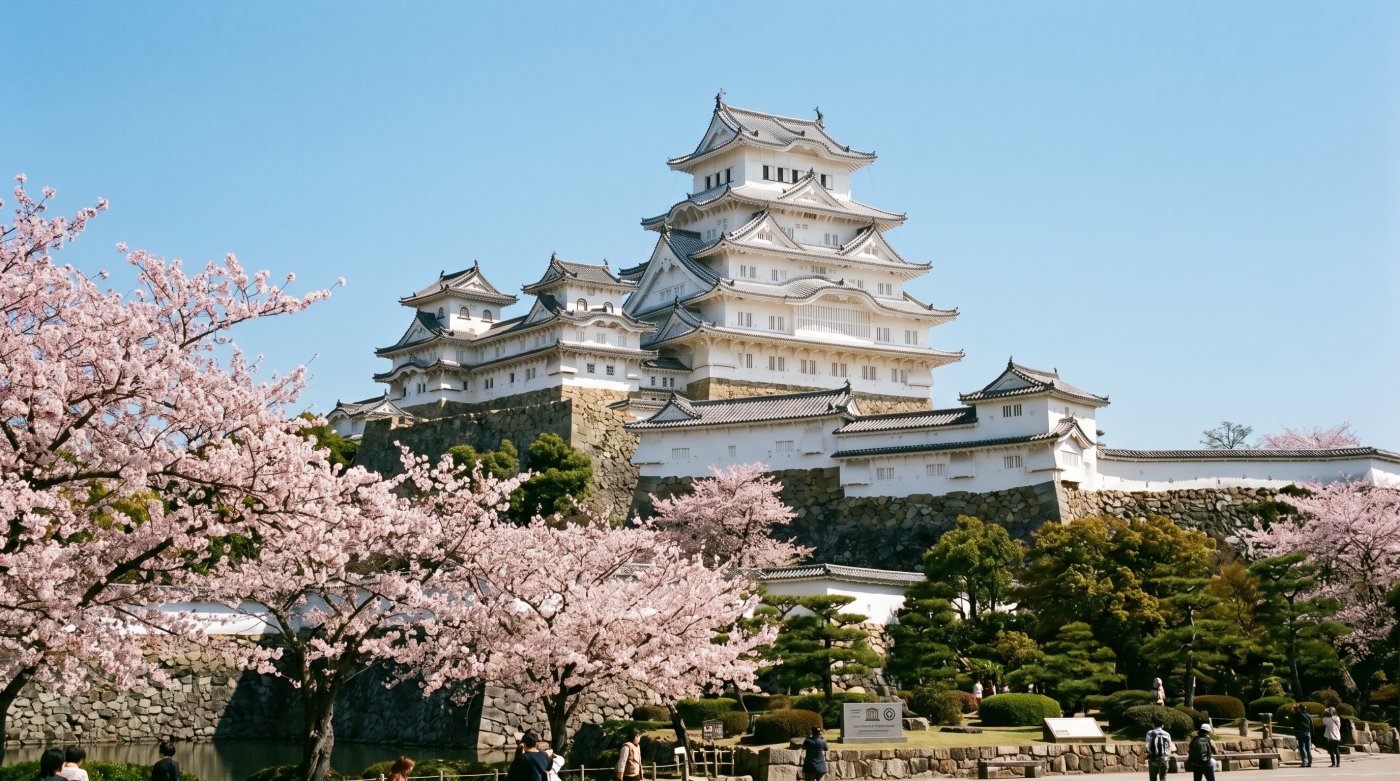
Himeji Castle is Japan's most complete original castle and a UNESCO World Heritage Site, standing largely unchanged since 1609. The shinkansen from Shin-Osaka takes 30 minutes, and the main gate is a flat 15-minute walk from the station. Budget three to four hours for the castle and Kokoen Garden, grab lunch nearby, and you're back in Osaka for dinner. Non-resident entry is ¥2,500.
The main keep has six floors above ground plus a basement, and you navigate all of them on a single winding staircase. Budget 90 minutes inside and another 30 on the grounds. From Himeji Station's north exit, walk straight up Otemae-dori for 15-20 minutes - the white tower is visible from the forecourt the entire way. Entry fee from March 2026 is ¥2,500 for non-residents.
Nine separate sub-gardens spread across 3.3 hectares on the site of the former castle's western samurai residences. The central pond strolling garden anchors the layout, but the tea garden and stream garden are worth slowing down for. Budget 30-45 minutes. The combined castle-plus-garden ticket at ¥2,600 covers both, making the garden cost just ¥100 on top of the castle entry.
The restaurant stretch along Otemae-dori and inside Piole Himeji (the shopping complex directly attached to the station) covers everything from ramen to set-lunch teishoku. Himeji local specialties worth trying include conger eel (anago) rice and Himeji-style oden - the latter is a regional variation served with a distinctive mustard. Budget ¥1,000-1,500 for a sit-down meal.
Housed in a converted Meiji-era red-brick army warehouse registered as a Tangible Cultural Property, the museum sits directly east of the castle and holds around 5,000 works covering modern and contemporary Japanese and international art. Budget 45-60 minutes inside, or simply walk past the exterior for the architectural view with the castle keep behind it. The contrast between the brick and the white plaster is one of the better compositions around the castle grounds.
Allow 20-30 minutes at Piole Himeji for omiyage before boarding. Local specialties to look for include Fukusaya's baumkuchen-style layered cakes and sake from Harima region breweries. The shinkansen from Himeji back toward Shin-Osaka and the JR Special Rapid to Osaka Station both run frequently - roughly every 10-15 minutes during the afternoon.
| Route | Line | Duration | Cost | Book |
|---|---|---|---|---|
| JR Sanyo Shinkansen (Hikari/Kodama) RECOMMENDED | JR West | 30 min | ¥2,980 | |
| JR Special Rapid | JR West | 60 min | ¥1,520 | |
| Hanshin-Sanyo Direct Limited Express | Sanyo Electric Railway / Hanshin Electric Railway | 100 min | ¥1,320 |
All stops on this itinerary pinned for easy reference.
Himeji Castle is the most complete original feudal castle in Japan – a UNESCO World Heritage Site that has kept its white-plastered towers standing since the 17th century while most of its counterparts burned, crumbled, or were replaced with concrete replicas.
It sits 30 minutes from Shin-Osaka by shinkansen, which means you can be standing at the main gate by 9am and back in Osaka for dinner with hours to spare.
This 2026 guide covers the trains, the updated ticket prices, the full itinerary, and an honest verdict on whether Himeji earns a day of your trip.
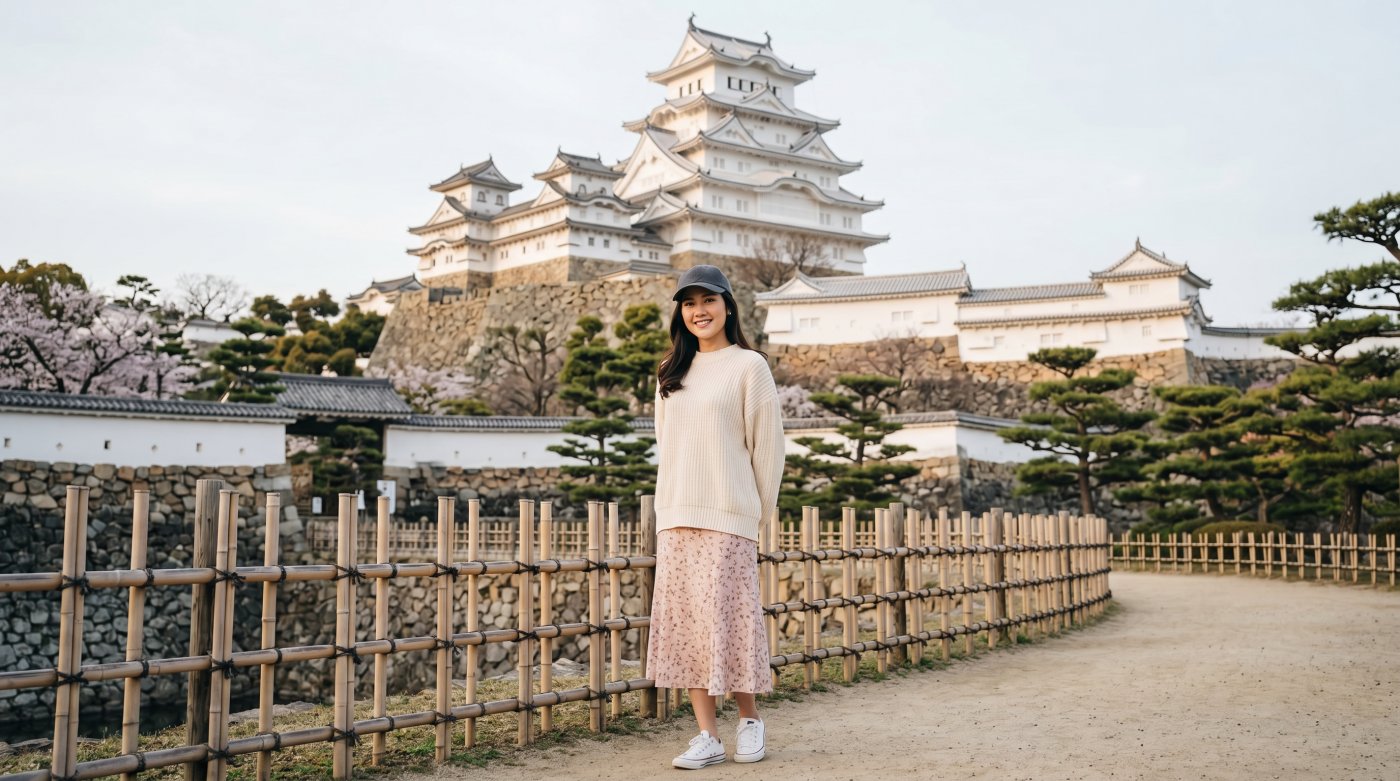
Japan has twelve original surviving feudal castles – not reconstructions or museum replicas, but the actual structures from the Edo period or earlier.
Himeji is the finest of them.
The main keep dates primarily from 1609, and what makes it so unusual is that it survived Japan’s modernization period, World War Two bombing campaigns, and every earthquake since without being substantially rebuilt.
Walking through it, you are inside a 400-year-old military structure, and that fact carries a different kind of weight than anything reconstructed.
The trip suits solo travelers, couples, and small groups who want one significant architectural experience as part of a wider Japan itinerary.
A full day in Himeji runs about 6-7 hours on the ground, which is comfortable without feeling padded.
If you’re still mapping out your time in Osaka before or after the trip, the best things to do in Osaka page covers the city’s main draws and helps with prioritizing.
One honest note on expectations: the castle entry fee rose from ¥1,000 to ¥2,500 in March 2026 for non-residents of Himeji.
It’s a real jump, though the experience remains materially better than most castle visits in Japan.
Travelers who find castle interiors repetitive, or who prefer temple circuits and street-level neighborhoods, might find Nara a closer fit for a day away from Osaka.
Trip Essentials
Osaka Travel Add-ons
Equip yourself for the ultimate Osaka adventure with the following add-ons, curated just for you.
Flights to Osaka
Airport Transfer
ICOCA IC Card
Suica IC Card
Osaka Tours
Luggage Storage
Travel Insurance
Data Security

Japan eSIM
Japan SIM Card
Pocket WiFi Rental
Japan eSIM
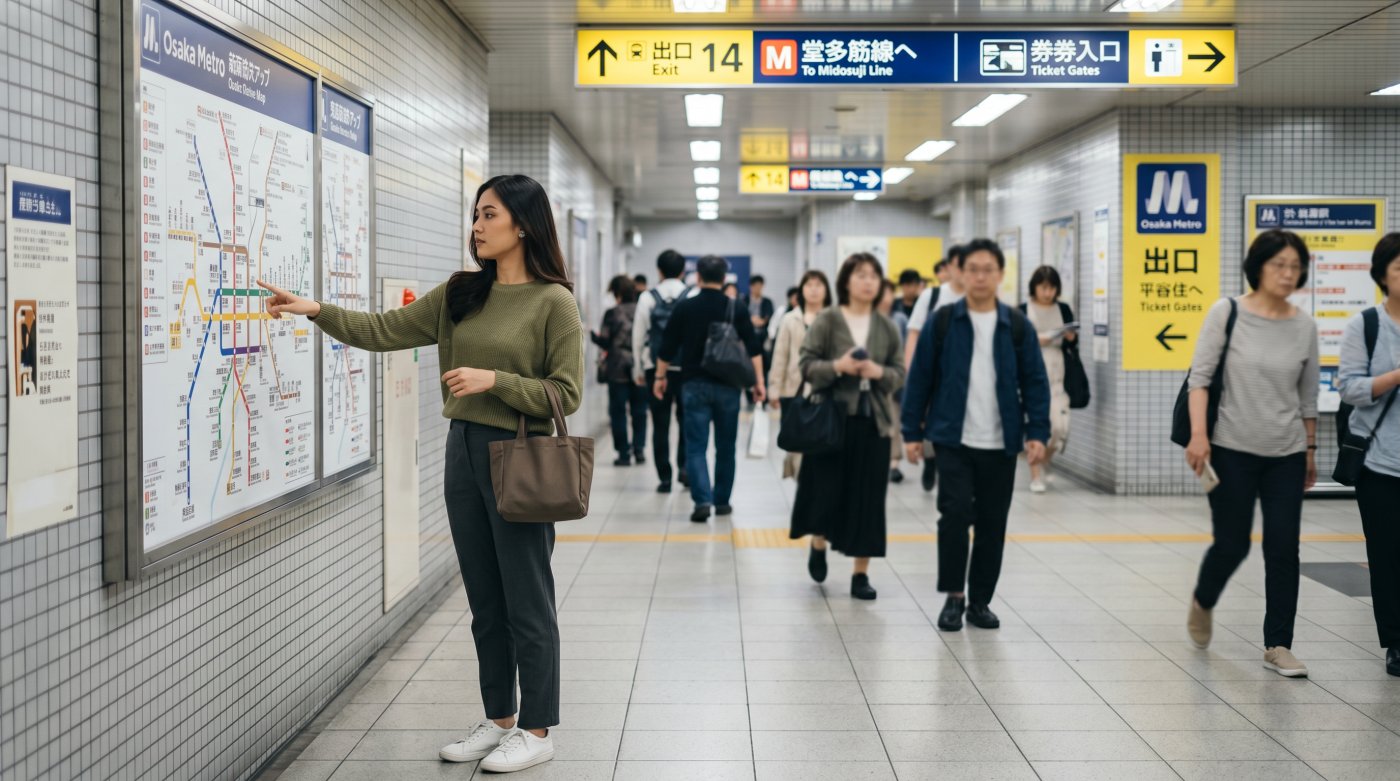
Three rail routes connect Osaka and Himeji, each trading cost against speed in a fairly predictable way.
All three deposit you within walking distance of the castle, so the choice comes down to how much time and money you want to spend on the journey rather than any meaningful difference in the experience at the other end.
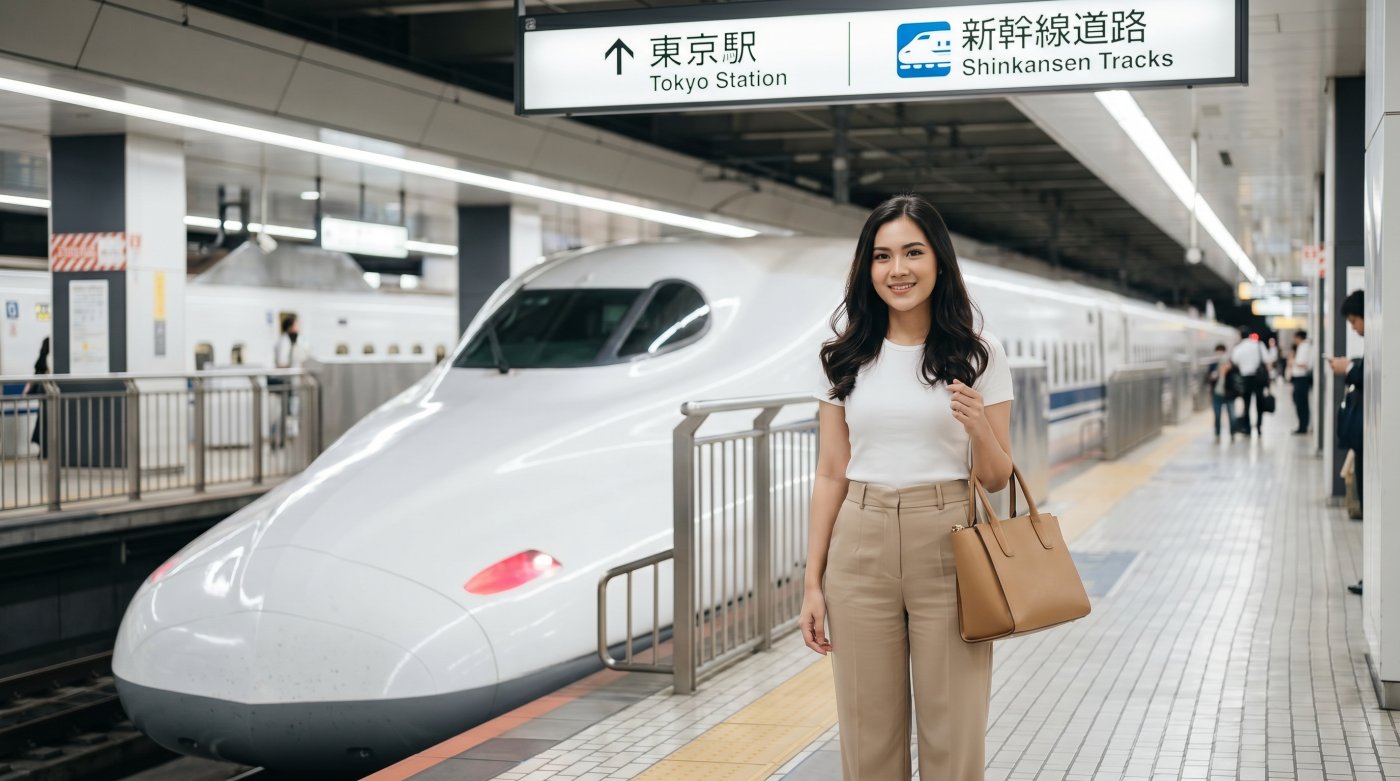
The JR Sanyo Shinkansen, specifically the Hikari and Kodama services, runs from Shin-Osaka Station to Himeji in about 30 minutes for ¥2,980 one way (non-reserved seat).
Both the Hikari and Kodama are fully covered by the standard Japan Rail Pass.
The Nozomi shinkansen also stops at Himeji but is not JR Pass eligible, so pass holders should confirm the service name before boarding – it’s displayed on platform boards and the train itself.

The JR Special Rapid departs from Osaka Station (not Shin-Osaka) and takes around 60 minutes for ¥1,520 one way.
It’s also fully covered by the Japan Rail Pass and departs from the more central of the two Osaka stations, which is an advantage if you’re staying near Umeda or anywhere in the Kita area.
For travelers without a pass, the ¥1,460 difference compared to the shinkansen round-trip adds up to roughly ¥2,920 – a meaningful saving that buys you lunch and entry to the garden.
Japan Rail Pass holders get the shinkansen covered at no cost, so speed wins by default – take the Hikari or Kodama from Shin-Osaka.
Travelers without a pass who value time should pay the extra for the shinkansen; those watching their budget should take the JR Special Rapid from Osaka Station.
There is a third option worth knowing: the Hanshin-Sanyo Direct Limited Express from Osaka-Umeda to Sanyo-Himeji Station takes about 100 minutes and costs ¥1,320, operated by Sanyo Electric Railway and Hanshin Electric Railway.
It’s not JR Pass eligible, but it’s the cheapest ticket available if you’re paying out of pocket and have time to spare.
The passes worth buying before you land — curated for first-timers.
Osaka Amazing Pass
Unlimited subway + free entry to 40+ attractions. The only pass most visitors actually need.
Osaka e-Pass
Attractions-only digital pass. Pair with a Metro Pass if skipping the Amazing Pass.
Osaka Metro Pass
1 or 2-day unlimited Metro rides. Best standalone transit value if you already have an attractions pass.
JR West Kansai Area Pass
Unlimited JR trains for 1–4 days. Covers Kyoto, Nara, Kobe, and Himeji from Osaka.
JR Haruka Express
KIX to Umeda/Shin-Osaka in ~50 min. Best if staying in Umeda or heading straight to Kyoto.
Nankai Rapi:t Express
KIX to Namba in 34 min, reserved seat. Better if staying in Namba or Shinsaibashi.
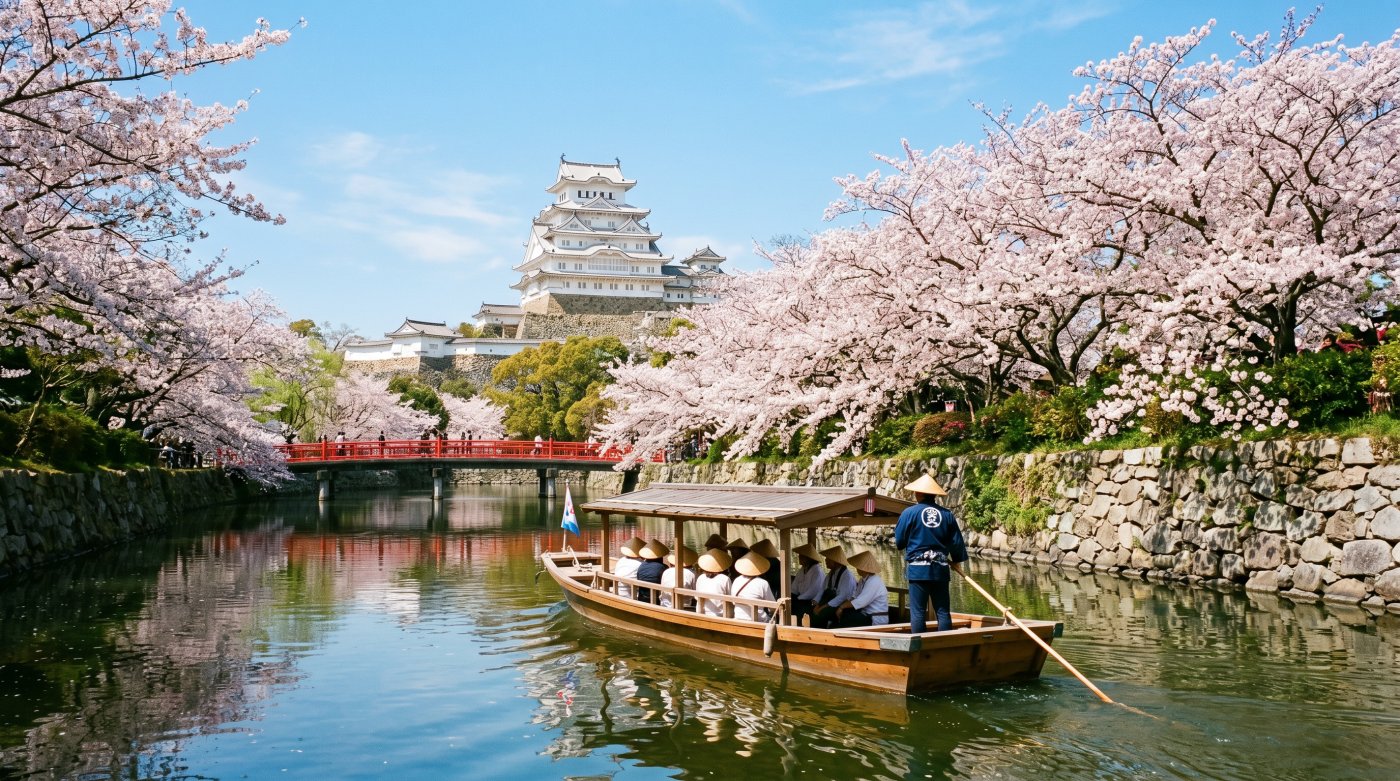
Himeji is at its best in spring (late March to mid-April) and autumn (mid-November to early December), and the seasonal difference is significant enough to plan around if your schedule allows.
During cherry blossom season, roughly 1,000 trees bloom across the castle grounds simultaneously, and the combination of white plaster towers and pink blossoms is one of the more photogenic sights in western Japan.
Autumn brings the same structure framed by turning maples, with smaller crowds than spring and more comfortable walking temperatures.
Both seasons reward an early start.
Summer is hot, humid, and particularly uncomfortable inside the castle’s un-air-conditioned wooden interior, where the upper floors trap heat by mid-morning.
Arriving at opening time in summer isn’t just a tip – it’s the difference between an enjoyable visit and a sweaty slog through narrow staircases.
Winter is cold but rarely severe in Himeji, and the castle’s white walls against a clear January sky have a spare quality that works well photographically.
Crowds in winter are minimal, and the castle’s queues effectively disappear.
Cherry blossom timing is worth tracking if you’re coordinating a spring visit.
Himeji typically peaks one to two days after Osaka, which means catching blossoms in both cities during the same trip is genuinely feasible.
Shinkansen tickets for weekend mornings during blossom season sell out quickly, so booking a day or two in advance is worth the small effort.
The castle opens at 9am, and arriving close to that time is the single most useful decision you can make for the quality of the day.
Work backward from there: the shinkansen takes 30 minutes from Shin-Osaka, so a 7:45-8:00am departure gives you comfortable buffer, including the 15-20 minute walk from Himeji Station to the main gate.
The itinerary below runs from 9am to a 16:00-16:30 return departure, covering the castle’s main sights without rushing.
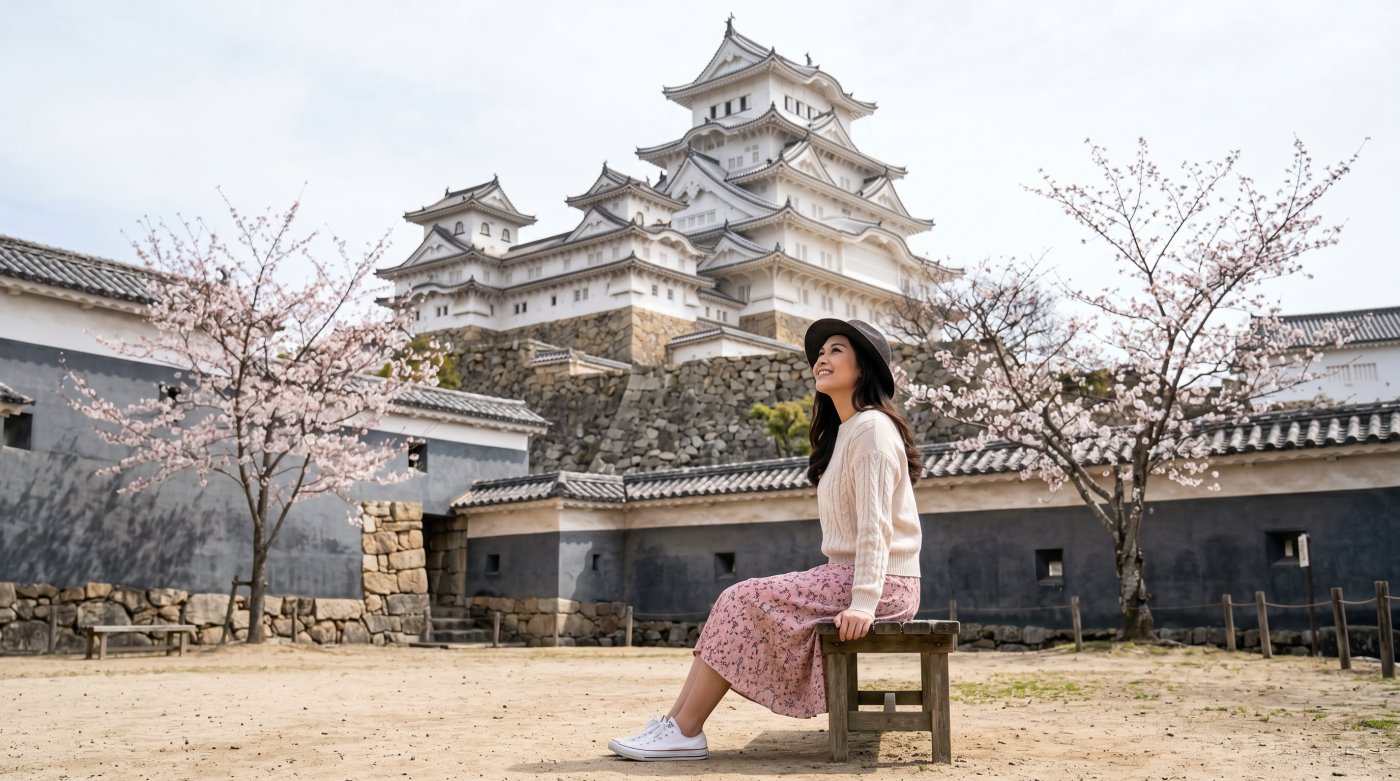
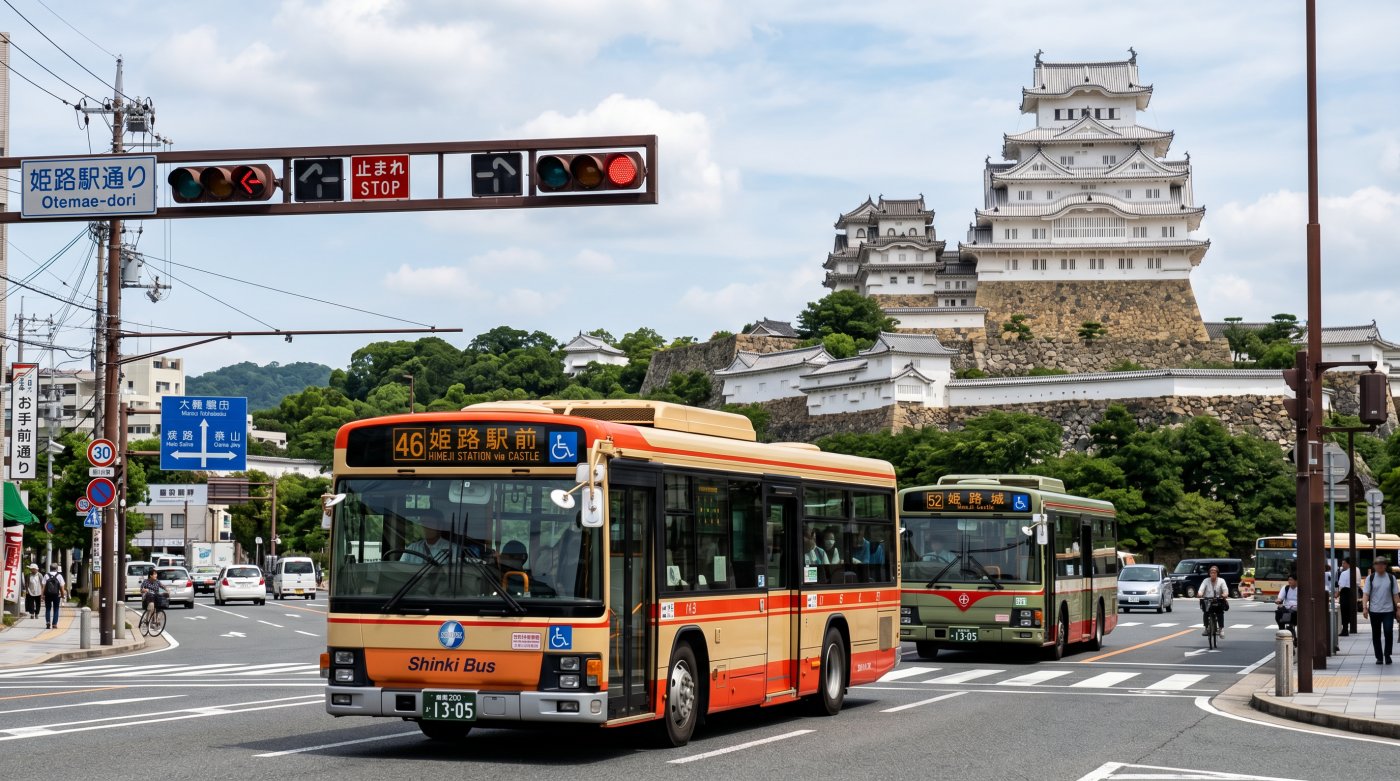
Himeji Station’s north exit places you at the foot of Otemae-dori, the wide avenue that runs straight to the castle gate.
The keep is visible from the station forecourt, which makes the approach feel deliberate and satisfying – you can see exactly where you’re headed the whole way.
Budget at least 90 minutes inside the main keep, which has six floors above ground and a basement connected by a single steep staircase.
The Nishi-no-Maru corridor west of the keep – a long, covered walkway linking several secondary turrets – adds 20-30 minutes and is usually far less crowded than the main tower.
By 11:30, head west to Kokoen Garden, accessible via a path from the castle grounds.
The nine sub-gardens here cover 3.3 hectares on the site of former samurai residences, with a central pond garden as the anchor and quieter tea and stream gardens branching off from it.
The combined castle-plus-garden ticket at ¥2,600 covers both, making the garden just ¥100 on top of the castle entry – buy it at the castle gate in the morning rather than paying separately later.
Allow 30-45 minutes, longer if you want to stop at the tea house.
Tours Tours
Tours Tours
Tours Tours
Tours Tours
Tours Tours
Tours Tours
Tours Tours
Tours Outdoor & sports activities
 Tours
Tours Tours
Tours Tours
Tours Tours
Tours Tours
Tours Tours
Tours Tours
Tours Tours
Tours Tours
Tours Tours
Tours Tours
Tours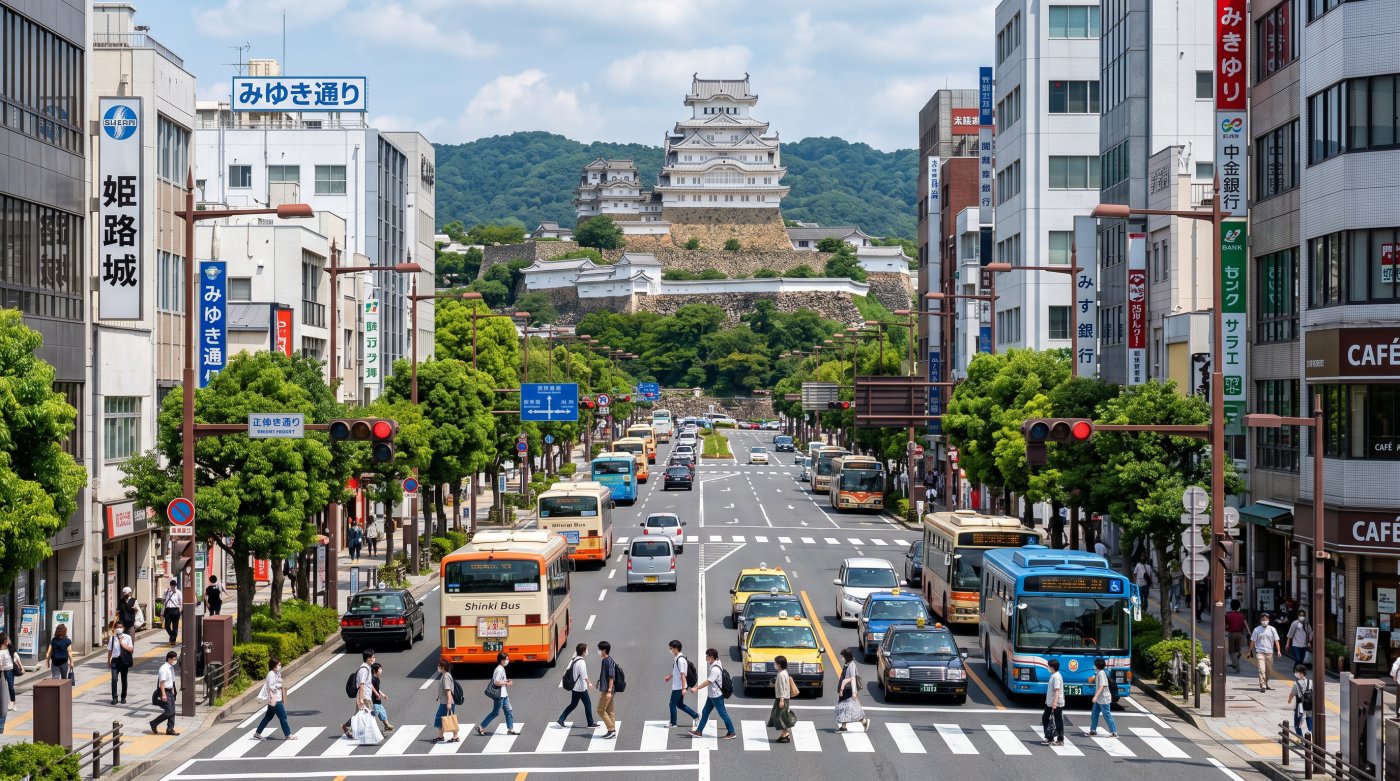
By 12:30, head back toward the station for lunch.
The restaurant stretch along Otemae-dori and inside Piole Himeji, the shopping complex attached to the station, covers most budgets and styles.
The local dishes worth ordering are anago (conger eel) rice and Himeji-style oden – the oden comes with sharp yellow mustard that’s distinctly different from the sweeter Tokyo version.
Budget ¥1,000-1,500 for a sit-down meal; the Piole Himeji food court is the faster option if you’re keeping an eye on time.
The Himeji City Museum of Art makes a worthwhile post-lunch stop on the east side of the castle grounds.
It occupies a converted Meiji-era red-brick army warehouse, a Registered Tangible Cultural Property, and the visual contrast between the brick building and the white castle walls behind it is one of the better architectural pairings in the area.
The collection covers around 5,000 works of modern and contemporary Japanese and international art.
Budget 45-60 minutes; or simply walk the exterior if you’re ready to wind down.
By 15:30, pass through Piole Himeji for any last purchases before your train.
Local sake from Harima region breweries and sweets from Fukusaya are reliable picks for gifts.
The shinkansen and JR Special Rapid toward Osaka both run every 10-15 minutes throughout the afternoon, so there’s no pressure to catch a specific departure.
A 16:00-16:30 train gets you back in Osaka by 17:30, which leaves a full evening open.
If you haven’t decided where to eat in the city yet, the Osaka food guide covers neighborhoods and dishes in detail.
 Hotel
Hotel Hotel
Hotel Hotel
Hotel Hotel
Hotel Hotel
Hotel Hotel
Hotel Hotel
Hotel Hotel
Hotel Hotel
Hotel Hotel
Hotel Hotel
Hotel Hotel
Hotel Hotel
Hotel Hotel
Hotel Hotel
Hotel Hotel
Hotel Hotel
Hotel Hotel
Hotel Hotel
Hotel Hotel
Hotel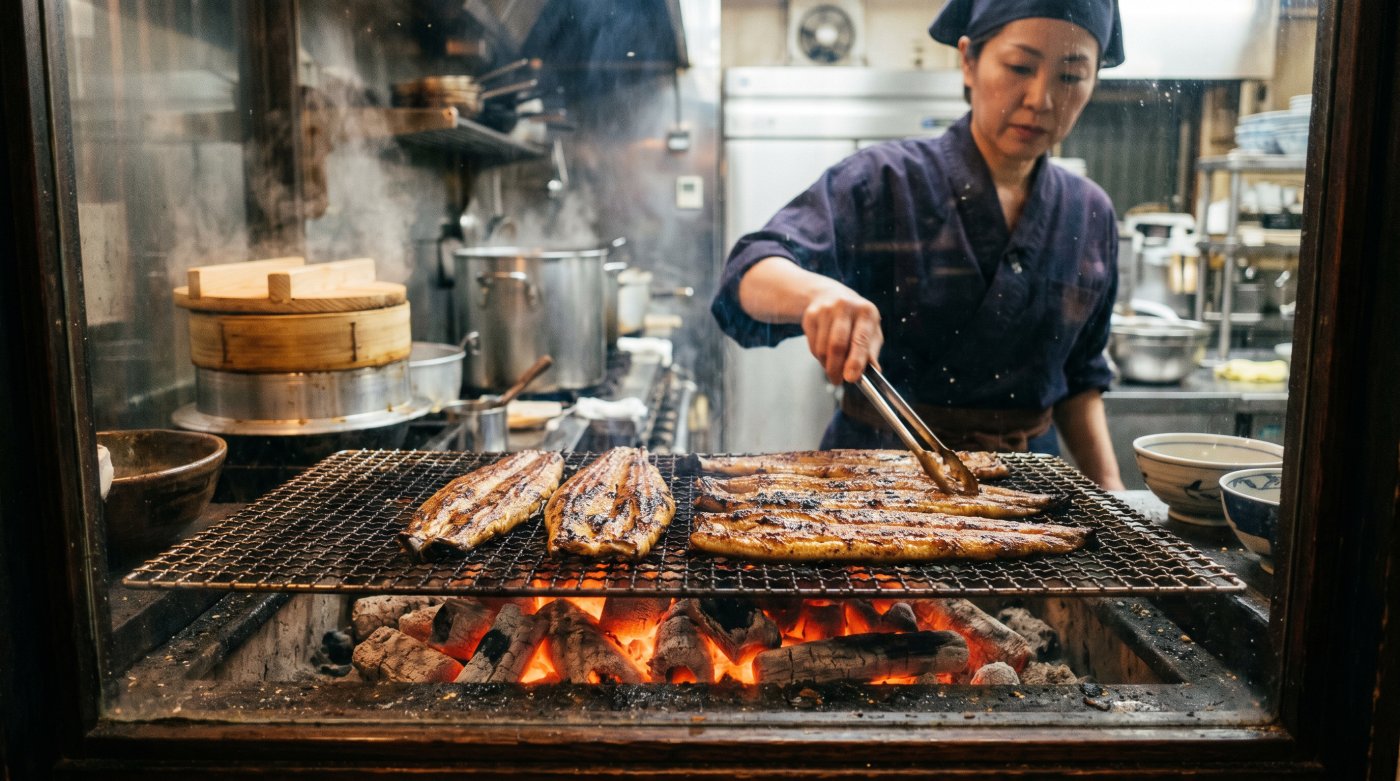
Himeji’s signature dish is anago (conger eel) rice, and it’s worth ordering at least once while you’re there.
Unlike the freshwater unagi that dominates menus in Osaka and Kyoto, conger eel has a lighter texture and more delicate flavor – it’s grilled over charcoal and served over rice in a donburi bowl.
Several restaurants in the castle town area specialize in it, and it typically runs ¥1,500-2,000 for a proper bowl.
Himeji-style oden is the other dish with genuine local character.
The broth is less sweet than the Tokyo version, and it arrives with ginger and a sharp yellow mustard that’s specific to the Harima region.
Specialist oden restaurants operate near the station, and the dish also appears in the food halls of Piole Himeji for a quicker, less expensive option.
It’s at its best in autumn and winter.
For travelers used to eating in Osaka, Himeji will feel like a smaller, less food-obsessed city – because it is.
The dining options are good for a day trip but won’t match the density of great food per block that somewhere like Dotonbori offers.
That’s fine.
You are here for the castle, and a well-chosen anago lunch or a bowl of oden rounds the day out properly.
Per-person spending for a typical Himeji day trip from Osaka runs from about ¥7,000 at the budget end to around ¥11,000 at the more comfortable end.
The gap is mostly transport: the shinkansen both ways adds roughly ¥2,920 compared to the JR Special Rapid.
If you’re on a Japan Rail Pass, both JR options are covered, and the whole day reduces to castle entry, food, and any extras.
Round-trip by JR Sanyo Shinkansen (Hikari/Kodama) from Shin-Osaka: approximately ¥5,960.
Round-trip by JR Special Rapid from Osaka Station: approximately ¥3,040.
Round-trip by Hanshin-Sanyo Direct Limited Express from Osaka-Umeda: approximately ¥2,640.
Japan Rail Pass holders: ¥0 for any JR-operated service.
Himeji Castle (non-residents, adults, from March 2026): ¥2,500.
Combined castle-plus-Kokoen Garden ticket: ¥2,600.
Visitors under 18: free regardless of residency.
The Himeji City Museum of Art charges separately; permanent collection entry typically runs ¥200-500 depending on current exhibitions.
A sit-down lunch runs ¥1,000-1,500 per person.
A tea house stop in Kokoen adds around ¥500-600.
Omiyage at Piole Himeji: budget ¥500-1,000 if you plan to pick something up.
Convenience stores and vending machines near the castle cover water and snacks between stops.
On the JR Special Rapid with the combined castle-garden ticket and a ¥1,200 lunch, the day comes to roughly ¥7,000-8,000 per person.
On the shinkansen with the same activity lineup, it’s closer to ¥10,000-11,000.
JR Pass holders subtract the transport cost entirely.
Leave Osaka early.
The window between 9am and 10:30am is the least crowded part of the day at the castle, and the difference between arriving at opening and arriving at 11am is real enough to affect how you feel about the whole visit.
A 7:30-8:00am shinkansen departure from Shin-Osaka, or a 7:00am JR Special Rapid from Osaka Station, gets you to the castle at or just before opening.
Weekends during cherry blossom season are the most critical for this – arrive late on a weekend in late March and the castle queues become the story of your day.
The castle’s interior is not air-conditioned.
In summer, bring water and expect the upper floors to be warm by 10:30am.
Shoes with decent grip help on the steep wooden staircases, which can be slippery underfoot.
Coin lockers at Himeji Station are worth using if you’re carrying a large bag – the staircase is narrow enough that backpacks become an obstacle.
Buy the combined castle-and-garden ticket at the castle gate rather than separate tickets, since the ¥100 saving on the garden is real and you won’t need to queue a second time.
Himeji Station’s tourist information center on the station concourse stocks free English maps of the castle area.
Most restaurants near the castle have picture menus or plastic food displays, making ordering without Japanese straightforward.
If you’re still working out where to base yourself during your Osaka stay before or after this trip, the where to stay in Osaka guide breaks down every neighborhood by budget and travel style.
For most visitors spending three days or more in Osaka: yes.
The castle entry fee increase to ¥2,500 in 2026 raised the cost of the experience, but it didn’t change what the experience is – which is walking through one of the best-preserved buildings from feudal Japan.
First-time visitors to Japan who want to understand what a functioning castle looked like will find Himeji more coherent and more impressive than any reconstructed alternative in the country.
For second-time Osaka visitors who have already done the city’s own highlights, Himeji fills the “one substantial day trip” role with genuine architectural payoff.
Nara is the better choice if you want a quieter, more meditative day with temples and deer wandering between them.
Kyoto day trips suit those who want variety across multiple shrines and gardens.
Himeji is the clear pick when you want one dominant sight done properly rather than a circuit of smaller ones.
The only reasonable case for skipping Himeji is if your Osaka trip is two days or fewer and you haven’t worked through the city itself yet.
In that case, use the Osaka trip itinerary resources to build a focused plan for the city first.
But if you have a free day and a working pair of shoes, Himeji is worth it.
Himeji Castle is one of only twelve original surviving feudal castles in Japan and the only castle complex designated a UNESCO World Heritage Site. The JR Sanyo Shinkansen from Shin-Osaka takes around 30 minutes, and the castle is a 15-20 minute walk from Himeji Station along Otemae-dori. Budget 6-7 hours in Himeji and you can cover the castle, Kokoen Garden, and a proper lunch without feeling rushed, and still be back in Osaka for dinner.
Allow at least 2.5 to 3 hours for Himeji Castle alone – the main keep has six floors and one basement, and during cherry blossom season (late March to early April) queues can add 60-90 minutes on top of the actual visit. Add 30-45 minutes for Kokoen Garden next door. A total of 6-7 hours in Himeji is comfortable for the core circuit plus lunch; arriving by 09:00 and departing by 16:00 works well from Osaka.
Both the JR Sanyo Shinkansen Hikari and Kodama services from Shin-Osaka (around 30 minutes) and the JR Special Rapid from Osaka Station (around 60 minutes) are fully covered by the standard Japan Rail Pass. The Nozomi shinkansen is not included in the pass, and the Hanshin-Sanyo private line route from Osaka-Umeda to Sanyo-Himeji Station is also excluded. JR Pass holders will find the JR Special Rapid the most practical option since it departs from the more centrally located Osaka Station at no extra cost beyond the pass.
From March 1, 2026, the adult admission fee for visitors who are not residents of Himeji City is ¥2,500, up from the previous ¥1,000 rate. A combined ticket covering both Himeji Castle and Kokoen Garden is available for ¥2,600, making the garden effectively ¥100 extra – worth picking up at the gate. Visitors under 18 years old enter free regardless of where they live.
Himeji Castle’s main gate is approximately 1 kilometer from Himeji Station, a flat walk of 15-20 minutes along Otemae-dori, the wide avenue that runs directly north from the station’s central exit. The castle keep is visible from the station forecourt on clear days, so navigation is straightforward. A local loop bus (around ¥210 one way) and taxis (around ¥800 one way) are also available from the station’s north exit if you prefer not to walk.