







Osaka From Singapore: The Complete 2026 Travel Guide – If you’ve already done traveling to Tokyo and you’re sizing up to explore Osaka as your next Japan trip from Singapore, here’s the short version.
There are only three nonstop options out of Changi (Singapore Airlines, Scoot, Peach), the flight is around six and a half to seven hours, and Singaporeans get 90 days visa-free with a passport scan at KIX.
Expect to pay roughly S$700 to S$1,100 economy on SQ in 2026 and S$350 to S$650 on Scoot, with mid-range hotels in Namba and Umeda landing between S$180 and S$320 a night.
Daily on-the-ground costs sit around S$280 to S$450 if you’re not eating instant ramen for breakfast.
The yen is still soft, so this remains the cheapest Japan trip you’ll do all decade.
Everything below assumes you’re a second-time Japan traveller who knows what a Suica is and just wants the no-fluff plan.
Read this comprehensive Osaka from Tokyo guide if you’re traveling from Tokyo.
Flights From Singapore to Osaka in 2026
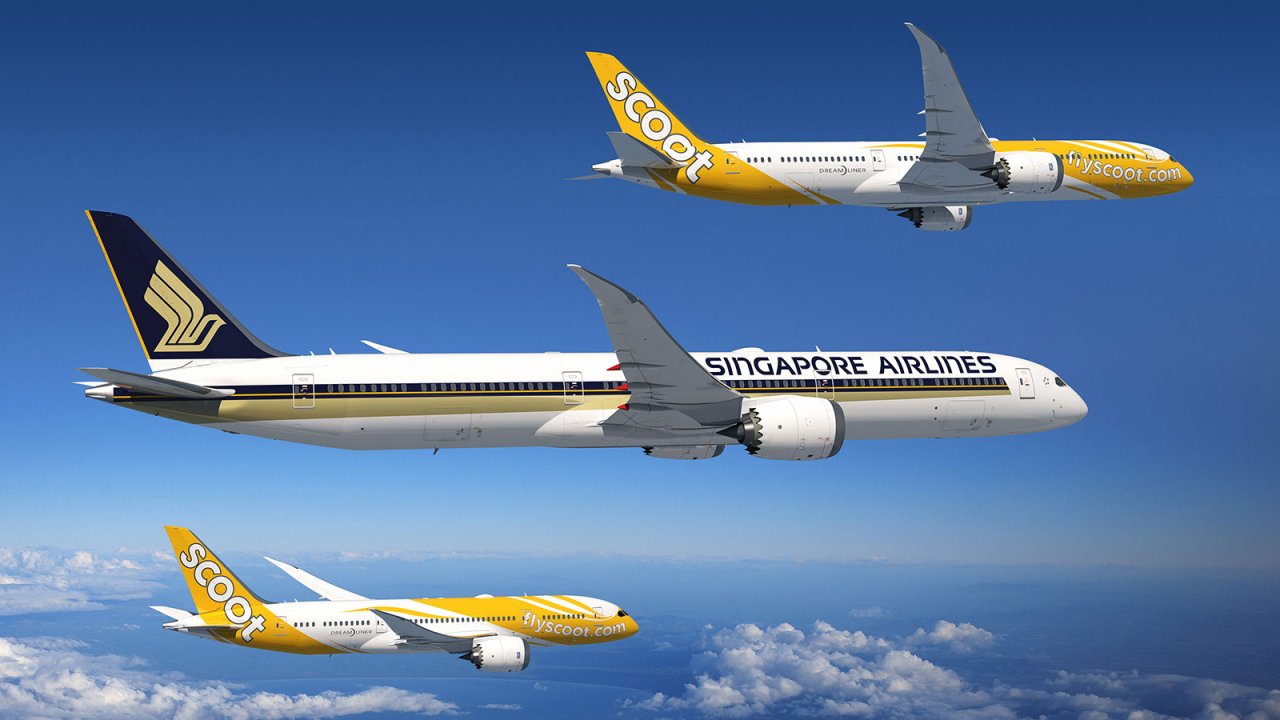
Three carriers fly nonstop from Changi to Kansai International Airport (KIX): Singapore Airlines, Scoot and Peach Aviation.
Total nonstop frequency in 2026 sits around 28 flights a week combined, with SQ providing the bulk and Scoot/Peach each running daily in peak months and four to five times a week in shoulder season.
The route is comfortably long enough to feel like a “real” flight (around 4,900 km) but short enough that overnight options are doable.
Connecting via KL or Bangkok is technically cheaper, but you lose the one genuine advantage of flying SIN-KIX direct, which is landing without jet lag.
SQ Direct (Singapore Airlines)
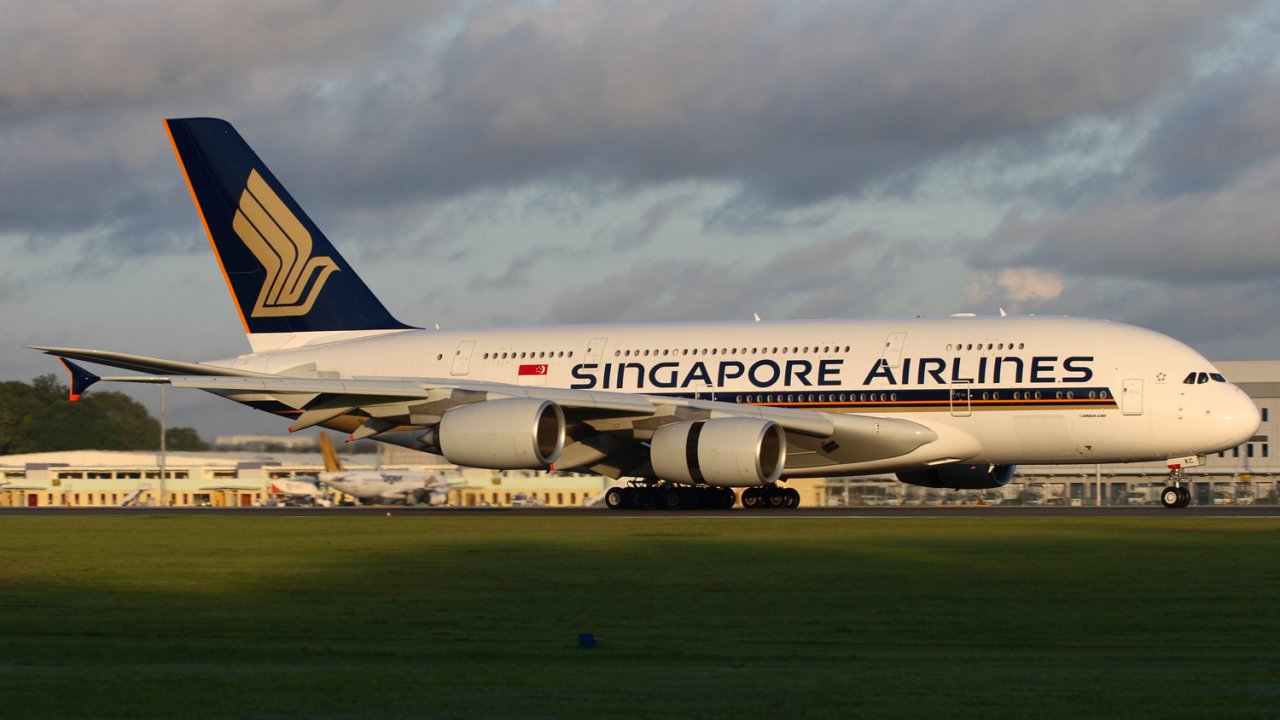
Singapore Airlines runs 14 nonstop weekly flights to KIX, which works out to two daily departures: a morning rotation (SQ620, ~09:00 departure, arriving KIX around 16:30) and an afternoon rotation (SQ618 or SQ622, departing 13:55 to 14:25, landing late evening).
Aircraft is typically a Boeing 787-10 Dreamliner or A350-900, both with proper seatback IFE and decent economy seat pitch.
Flight time is 6h 30min to 6h 45min depending on winds.
For pricing as of May 2026, expect around S$845 to S$1,100 round-trip economy for August through October 2026 travel windows, dropping to S$700-S$850 for November and early December (excluding the year-end school holiday spike).
Direct booking on singaporeair.com is what we recommend; SQ is not on any platforms the team behind Explore Osaka use, so book it on the airline site and stop overthinking it.
If you want to use miles, the KrisFlyer Saver redemption to KIX is 38,000 miles one-way in economy and 76,000 in business (Advantage rates run roughly double).
Saver award space tends to open around 11 to 12 months out; if you see two seats in May, grab them, because Golden Week and cherry blossom award space evaporates within hours.
Scoot (TR Direct)
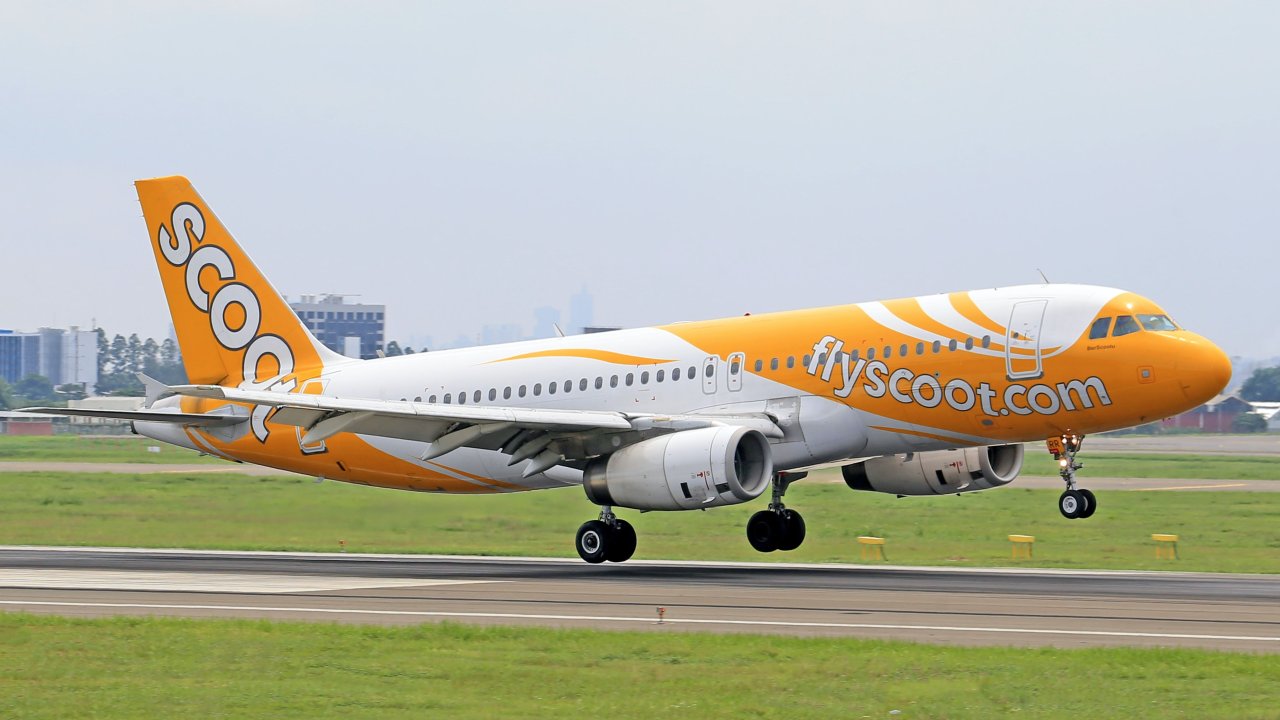
Scoot’s nonstop service to KIX runs daily on a 787-9 Dreamliner, taking 6h 45min in flight time.
Here’s the truth most articles and other resources skip: the cheap Scoot fare almost always involves a 01:25 AM departure (TR802 historically, now mostly TR820 reshuffled), arriving KIX at 08:50 local time.
Yes, you save money.
No, it is not a “free first day in Osaka.” You will arrive having slept maybe two hours in a 31-inch pitch seat, and you cannot check into your hotel until 15:00.
That gap between airport arrival and check-in is where Scoot trips quietly fall apart.
Round-trip economy fares for August to December 2026 are running S$357 to S$650 for standard economy, with the cheapest fares typically appearing 60 days out from departure (Scoot’s own data).
The newer 07:05 daytime departure when available costs about S$80 to S$150 more and is genuinely worth it.
Honest cons you need to budget for: checked baggage is from S$45 each way (20kg), seat selection from S$15, meals from S$22, and the ScootPlus upgrade is a money pit unless flying business is the only way you’ll survive.
Add roughly S$150 in extras to any Scoot economy fare to compare apples to apples with SQ.
Jetstar Asia and One-Stop Options
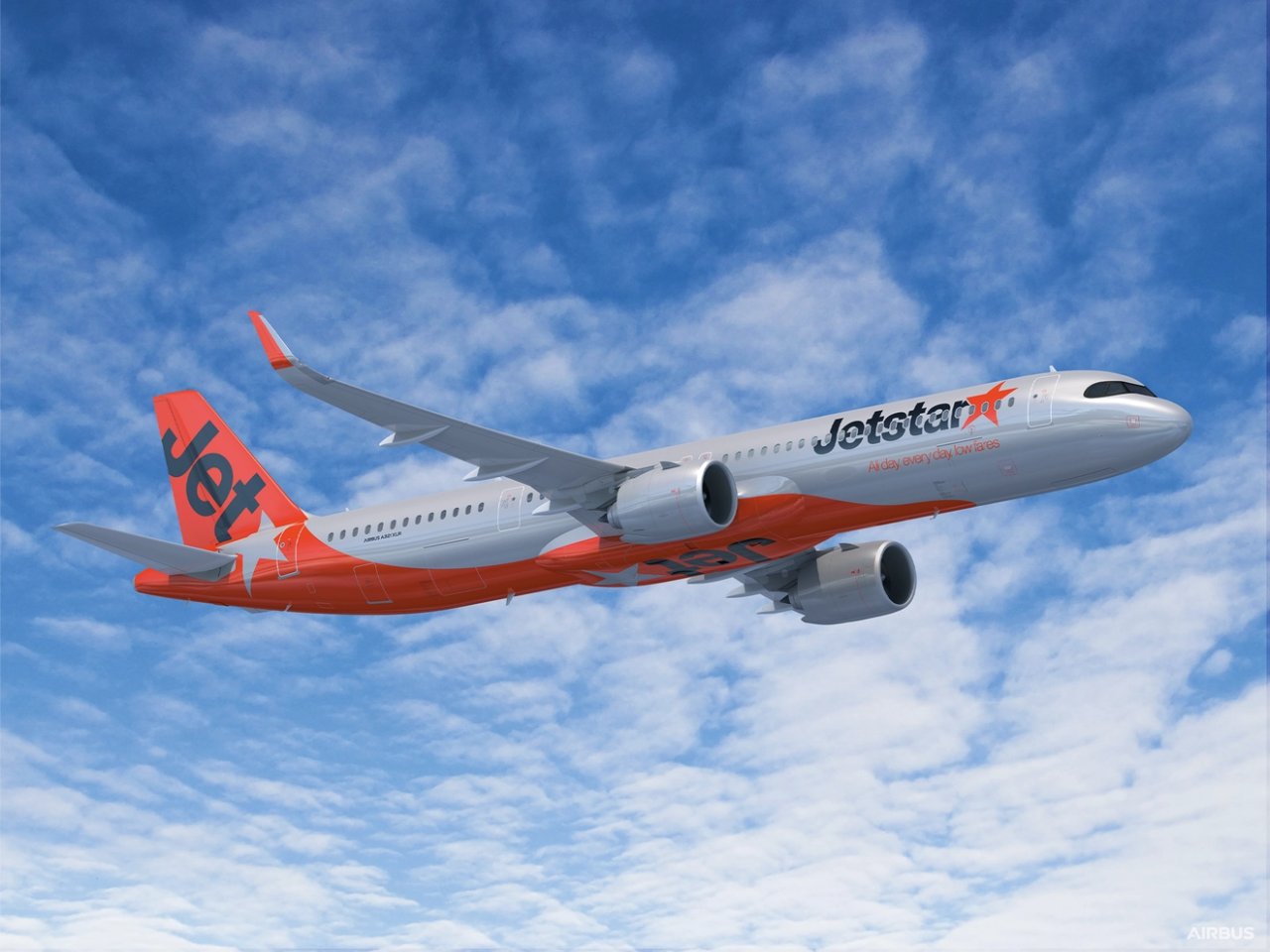
Skip the one-stop options.
The Jetstar Asia direct service ended when Jetstar Asia ceased Singapore operations in mid-2025, so AirAsia via KL, JAL/ANA via Tokyo, and Cathay via Hong Kong are now the connecting alternatives.
They occasionally come up S$80 to S$150 cheaper than Scoot’s daytime fares, but you lose a half-day each way, you get jet-lagged for no reason, and you carry the connection risk.
Do this instead: pay for the Scoot daytime flight or the SQ morning departure and treat the time saved as paid for at S$30 per hour.
The math works out every time unless you’re a student.
When to Book and Where to Look
Book SQ around 4 to 6 months out for the cleanest pricing; the airline rarely runs deep sales on KIX.
For Scoot, watch for promo blasts in February and August that knock 25 to 40 percent off, and set up a Google Flights price alert.
For activities, transfers and add-ons (not flights), Pelago is Singapore Airlines’ own platform and frequently bundles KIX-Osaka transfers with KrisFlyer miles or vouchers; it’s worth a quick check if you’re already SQ-aligned, but it’s activities-only, not flights.
For everything else booking-related, Klook and KKday cover the local airport transfer and SIM market from a Singapore IP cleanly.
When to Visit Osaka From Singapore
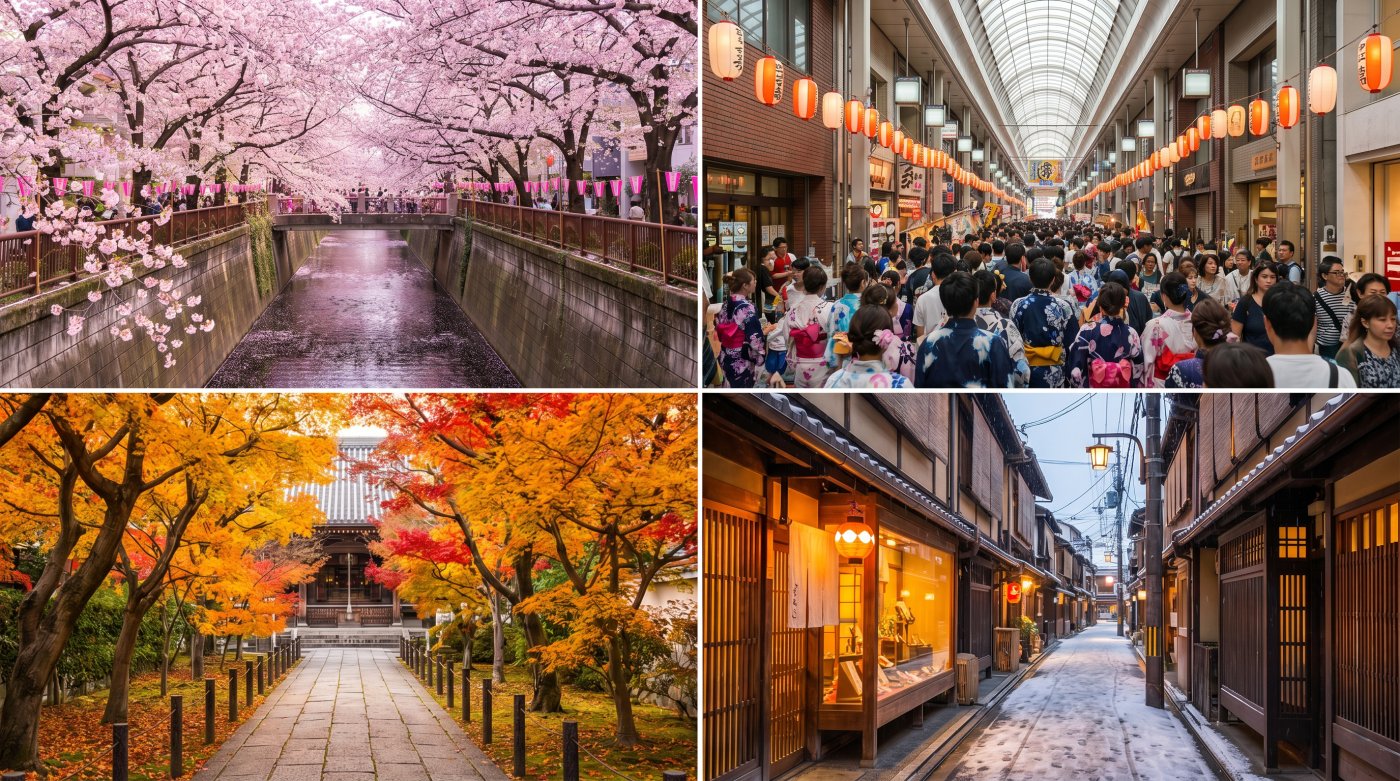
Picking your travel window is the single highest-leverage decision in your planning, because Singapore school holidays, Japanese public holidays and Osaka’s weather all collide in predictable ways.
We have written a longer breakdown of seasonal timing in Osaka with month-by-month detail; this section gives you the Singapore-specific overlay.
Aligning With Singapore School Holidays
The MOE 2026 calendar gives Singaporean families and teachers four windows: the March break (Sat 14 March to Sun 22 March), the June break (Sat 30 May to Sun 28 June), the September break (Sat 5 September to Sun 13 September), and the year-end break (Sat 21 November to Thu 31 December).
Chinese New Year 2026 falls on Tuesday 17 February and Wednesday 18 February, creating a natural long weekend that several thousand Singaporeans will use to fly to Japan.
The March break is the sweet spot for cherry blossoms: the Japan Meteorological Corporation forecasts Osaka’s first bloom on 24 March 2026, with full bloom (mankai) around 31 March.
If you fly out on 21 or 22 March and stay 6 to 8 nights, you’ll catch peak.
The September break is quieter and post-typhoon-season; the December break overlaps with cold but cheaper-than-CNY airfares.
The June break is the worst window because it’s the Kansai rainy season (tsuyu) for the first half of the month, though late June is fine.
Months to Avoid
Two periods are non-negotiable avoid-zones for first-timers.
Golden Week 2026 runs Wednesday 29 April to Wednesday 6 May, with the consecutive holiday block from May 3 to 6.
Domestic travel within Japan triples, hotel rates double, and shinkansen reservations fill weeks ahead.
Obon 2026 is Thursday 13 August to Sunday 16 August, and while it’s not an official public holiday, most Japanese workers take leave to visit family hometowns; expect the same crowding.
2026 has a rare Silver Week from Saturday 19 September to Wednesday 23 September (the first since 2015), which directly overlaps with the tail end of Singapore’s September school holidays. Book accommodation by July or pay the premium.
If your only window is Golden Week, do this instead of cancelling: stay put in Osaka rather than day-tripping to Kyoto, eat at restaurants you’ve reserved on TableCheck two weeks ahead, and assume the Osaka Castle area is going to be a mosh pit until 6pm.
2026-Specific Notes
Two things distinguish 2026 from previous years and you should know about both.
First, Osaka has fewer Chinese tourists than at any point since 2019.
Following the diplomatic friction in late 2025, mainland Chinese arrivals to Japan dropped 45 percent in December 2025 and 55.9 percent year-on-year in March 2026.
Department-store tax-free sales in Osaka fell 38 percent that month.
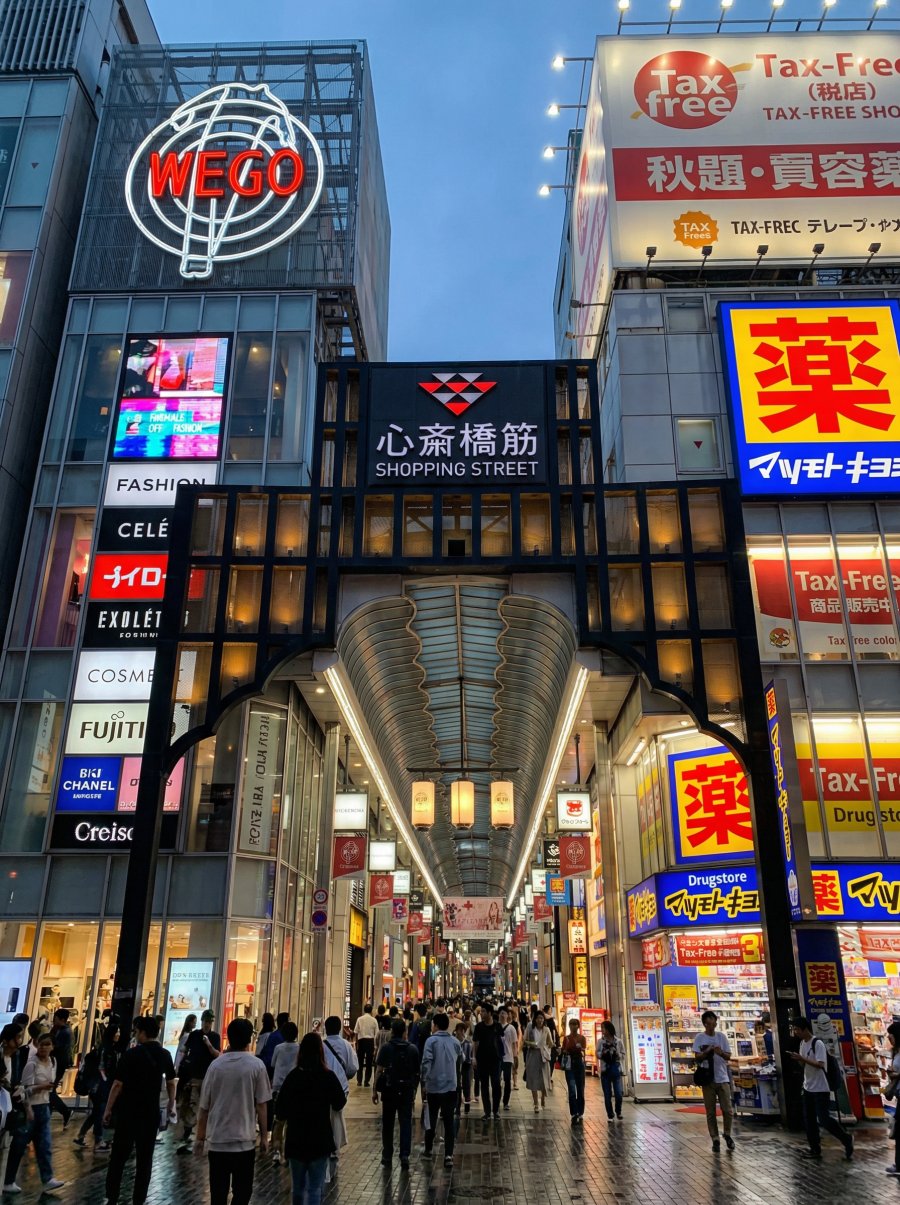
The practical effect for you: Dotonbori, Shinsaibashi-suji and Kuromon Market are noticeably less packed than in 2024.
Solaniwa Onsen is bookable same-day.
Restaurant reservations open up.
Make hay while it lasts.
Second, LUCUA SOUTH opened on 5 April 2026 directly connected to JR Osaka Station.
Phase 1 includes Pokémon Center Osaka, Nintendo OSAKA, and the ONE PIECE Mugiwara Store on floors 13 to 16, with another 29 character shops opening autumn 2026.
If you have anyone under 35 in your group, factor in two hours here.
Note that the HEP FIVE Ferris Wheel in Umeda is closed for renovation through late April 2026, so cross that off any pre-2025 itinerary you copy from a friend.
Where to Stay: Best Areas for Singaporean Travelers
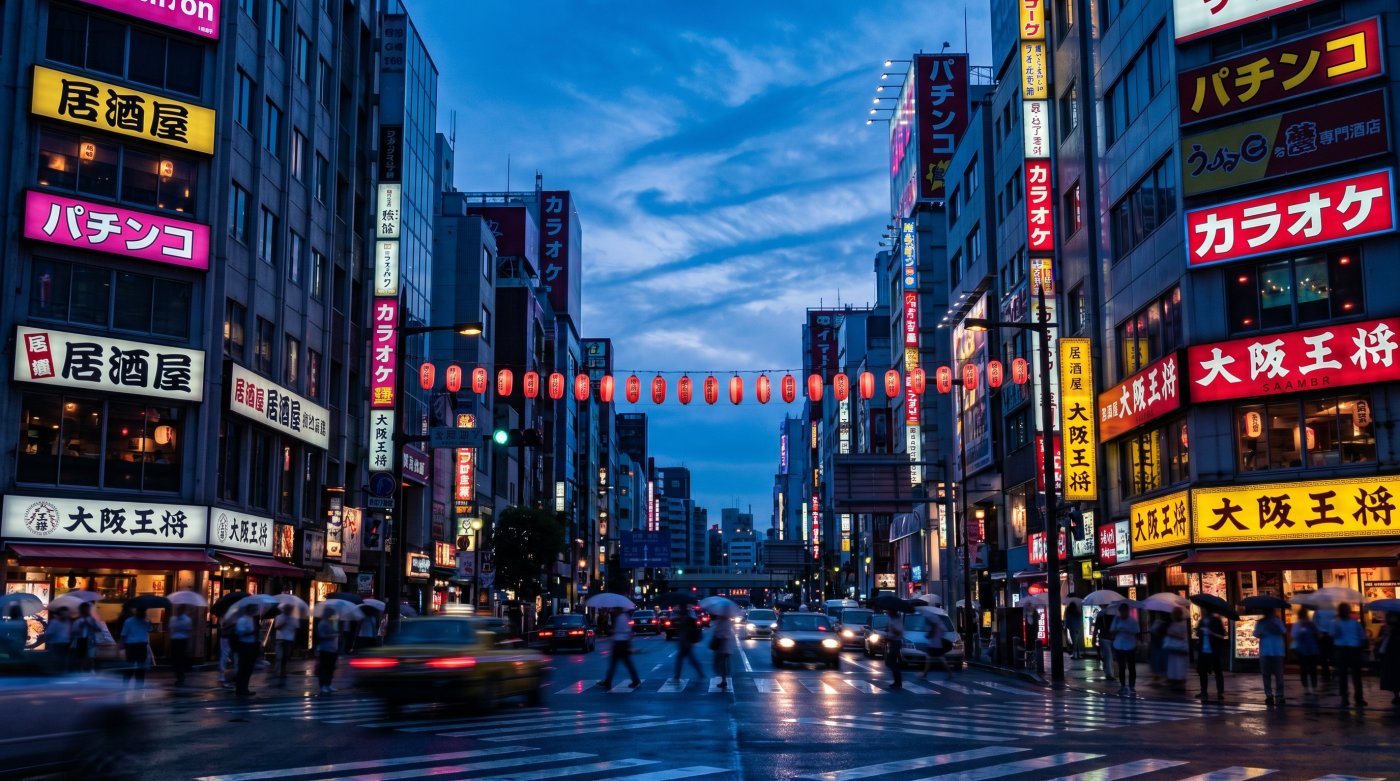
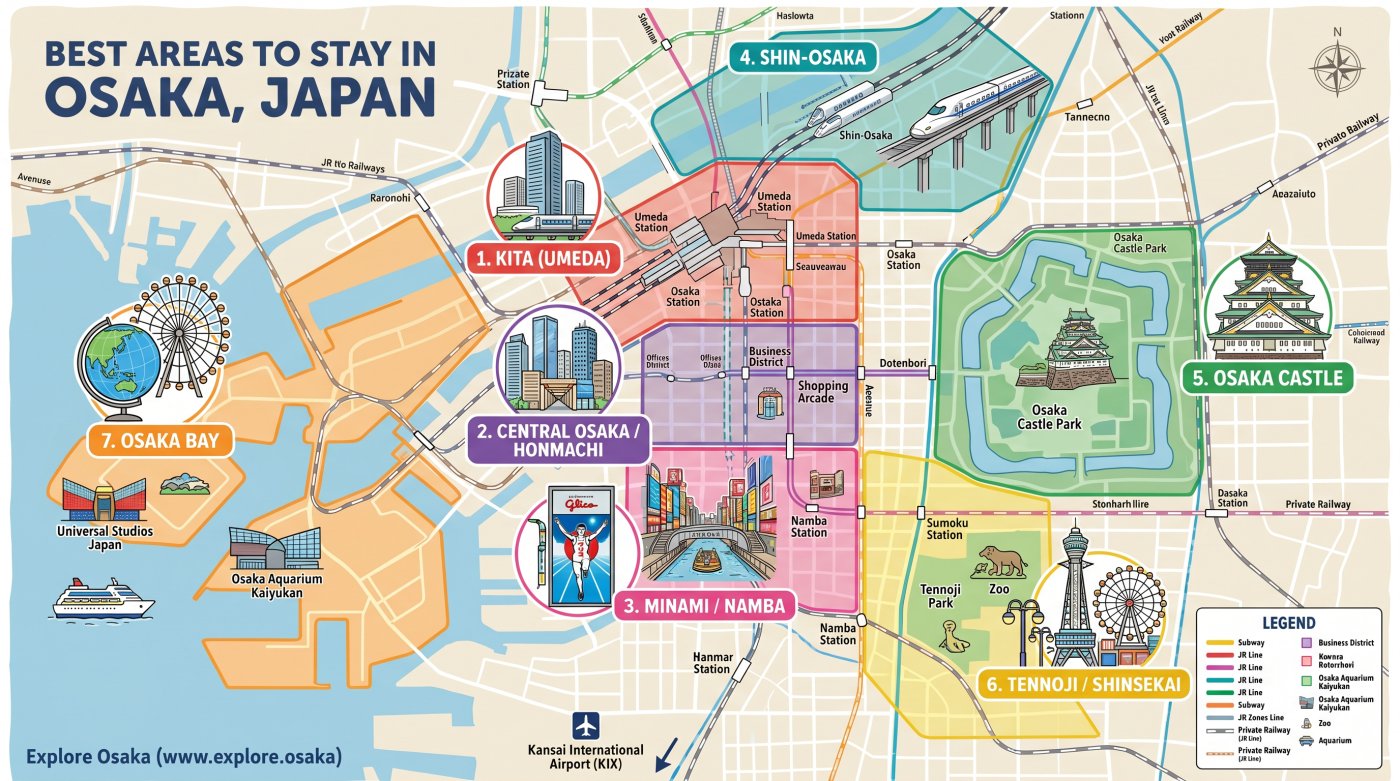
Three districts cover 90 percent of what you actually want from Osaka: Namba (south, food and shopping), Umeda (north, transit and modern), and Shinsaibashi (between them, walkable to both).
We have a full neighbourhood-by-neighbourhood breakdown of where to stay in Osaka with maps; this section is the SGD-pricing snapshot for May 2026 inventory checks.
The yen weakness has flattened the gap between tiers more than usual, so paying mid-range gets you noticeably better hotels than it did in 2023.
Namba
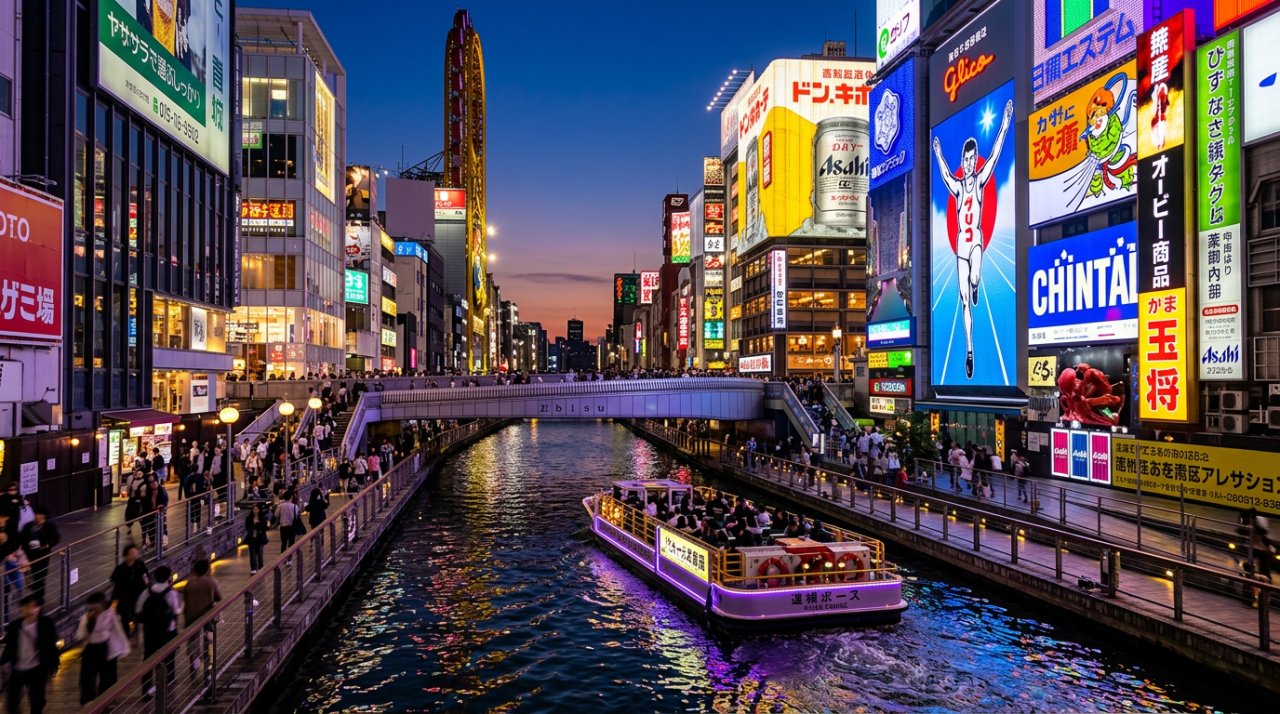
Namba is the south Osaka transit and entertainment hub: walking distance to Dotonbori, Kuromon Market and Shinsaibashi-suji shopping street, with direct Nankai trains to KIX in 35 minutes.
This is the right base for first-time second-time travellers (Tokyo veterans on their first Osaka trip), because everything tourist-coded is within a 15-minute walk.
Our full Namba neighbourhood guide goes into the south-of-Sennichimae specifics.
For May 2026 pricing on Agoda from a Singapore IP: budget hotels (APA, Toyoko Inn, Super Hotel) are running S$95 to S$140 per night for a single, S$130 to S$180 for a double.
Mid-range (Holiday Inn Osaka Namba, Hotel Royal Classic, Cross Hotel) sits at S$200 to S$320.
Premium (the new Ritz-Carlton Osaka Namba opening 3 April 2026, Centara Lifestyle Hotel Osaka Namba opened 1 April 2026) starts at S$520 and runs to S$900+ for the Ritz.
Booking trick: rates drop noticeably for Sunday-to-Thursday stays.
Umeda
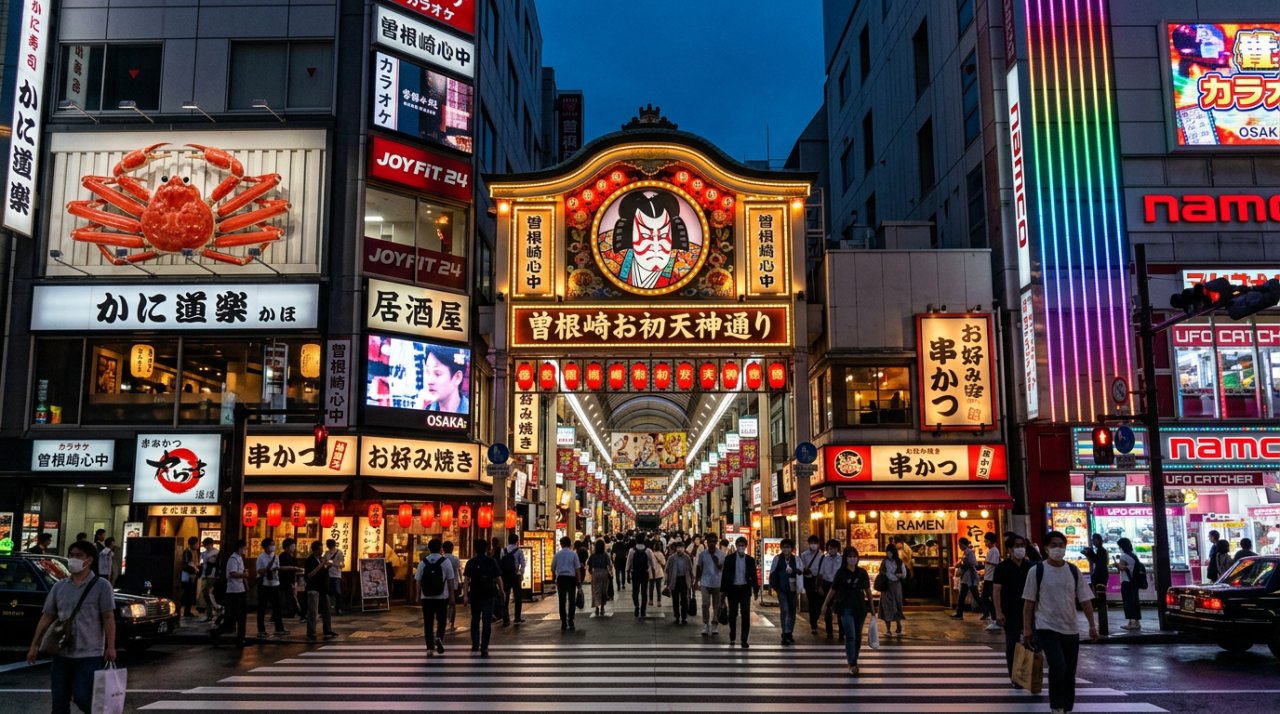
Umeda is the north of the city, anchored by Osaka Station and Grand Front Osaka, with the Hankyu, Hanshin, JR and Osaka Metro lines all converging.
It’s the obvious base if Kyoto day-trips dominate your itinerary, since the JR Kyoto Line departs from here.
For shoppers with energy, Umeda has more retail per square metre than anywhere else in west Japan, now including the new LUCUA SOUTH wing.
Pricing sits roughly 10 to 15 percent above Namba for equivalent quality: budget S$110 to S$160, mid-range S$220 to S$360, premium starting around S$580 (the Conrad, Hilton, and the InterContinental Osaka).
The W Osaka in Shinsaibashi is technically closer to Umeda’s price band than Shinsaibashi’s at S$650 to S$1,200 a night.
For ryokan-style or domestic-chain inventory like Dormy Inn or Mitsui Garden, Rakuten Travel often shows 5 to 12 percent cheaper rates than Agoda or Booking.com because of how Japanese chains structure their distribution.
Shinsaibashi
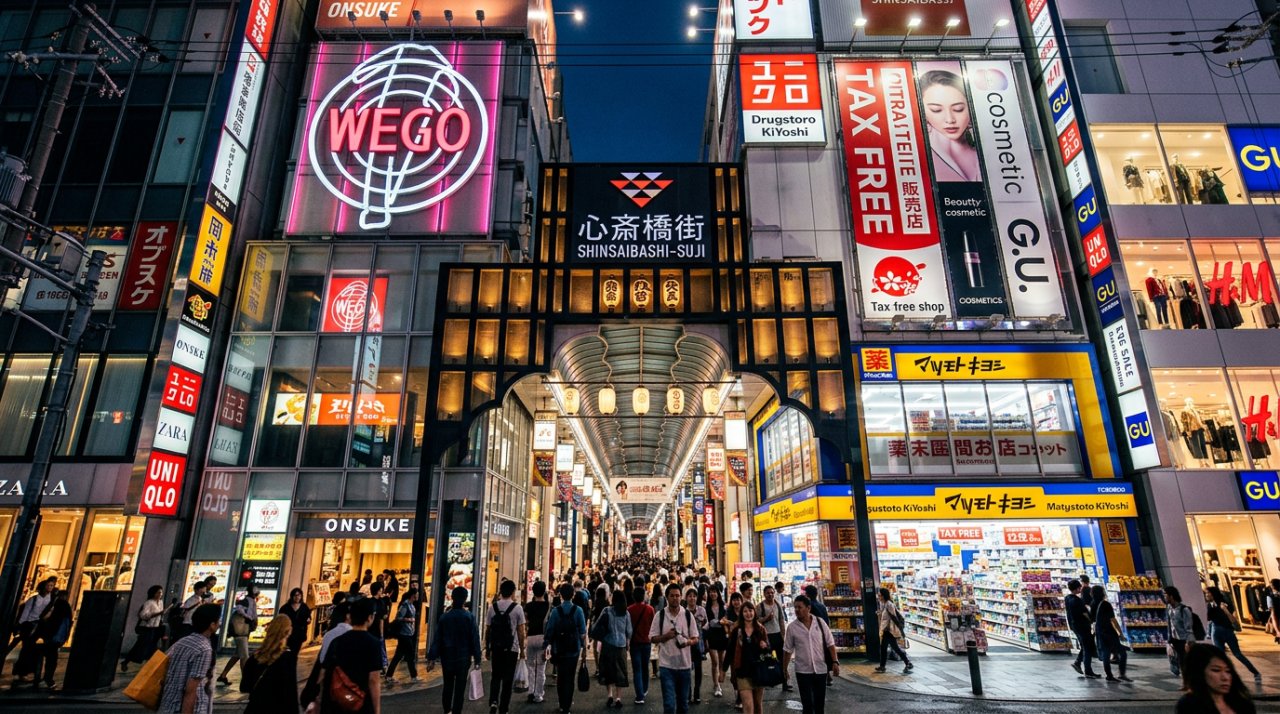
Shinsaibashi is the middle ground, walking distance to both Namba’s neon and Umeda-bound Midosuji Line trains, with the most aesthetic café and boutique density in the city.
Our Shinsaibashi area write-up has the deeper picks.
It’s the right call for a couples trip or a foodie focused stay, less ideal for families because the immediate area gets loud past 11pm.
May 2026 Agoda pricing from Singapore IP: budget S$100 to S$150, mid-range S$210 to S$340, premium S$580+.
The Centara Grand Hotel Osaka and the new Heuregate Hotel Osaka (opening June 2026, directly connected to Shinsaibashi Station) are both in the S$280 to S$450 sweet spot.
Booking Platform: Agoda vs Booking.com From Singapore
Tested from a Singapore IP across 14 properties for August 2026 dates: Agoda came in cheaper on 11 of 14, by an average of 6 to 9 percent.
Booking.com won on three Marriott-affiliated properties because of Bonvoy member rates that Agoda doesn’t surface.
The “free cancellation” tier on Agoda is now available for most 4-star and above stays, so the old “Booking is safer for refunds” advantage has eroded.
Default to Agoda for Japan inventory; cross-check Booking.com only for IHG, Marriott and Hilton properties.
Trip.com shows competitive hotel prices and is fine for accommodations from Singapore (the customer-service issues we’d flag are specifically on the flights side, so we don’t recommend Trip.com for booking your KIX flight).
Daily Budget in SGD (2026 Numbers)
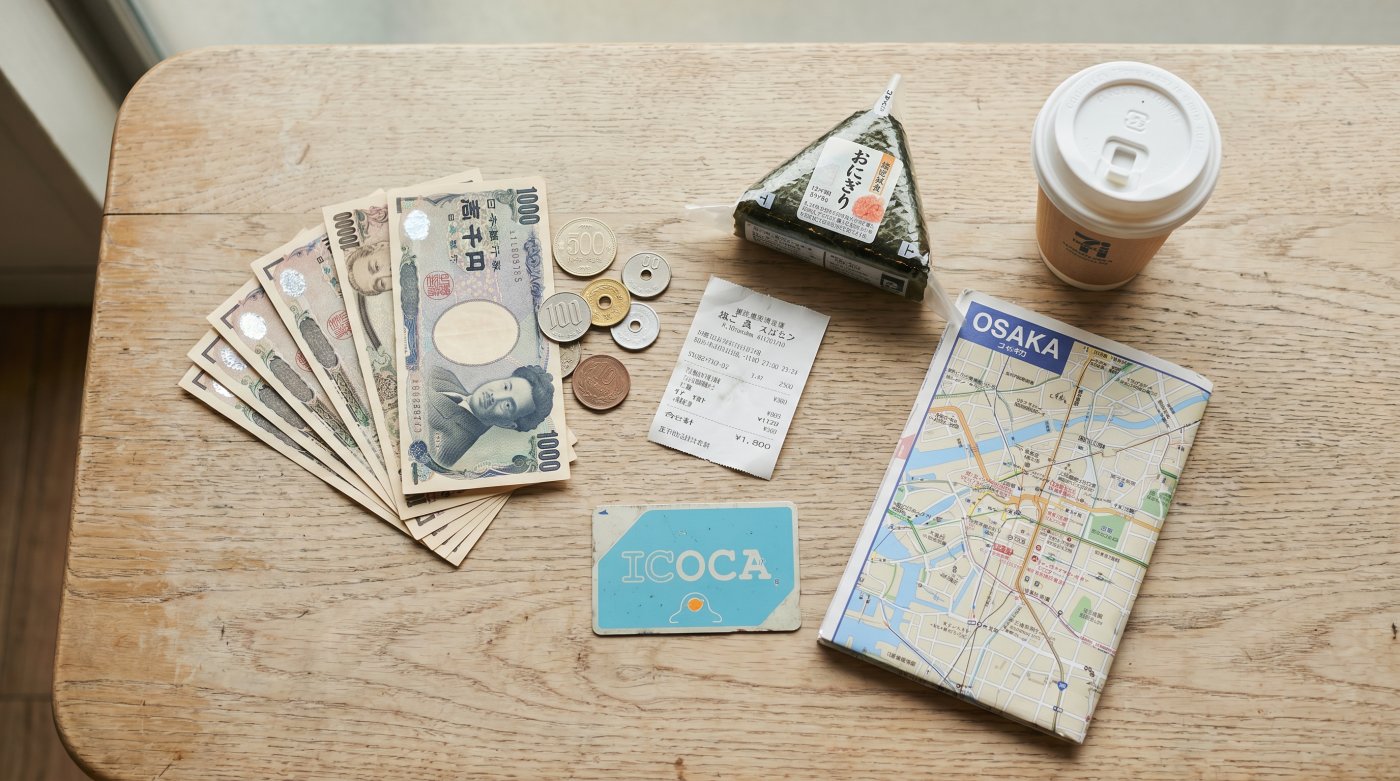
Here’s the actual on-the-ground cost picture in May 2026, using a JPY/SGD rate of 1 SGD = ¥123.4 (XE mid-market, 1 May 2026; the rate has hovered between ¥120 and ¥125 for the past 90 days).
For a more granular line-item breakdown, our Osaka travel budget guide has the comparison spreadsheets and comprehensive details.
Below are the realistic daily costs by traveller tier, excluding flights and hotel.
Backpacker: S$120 to S$180/Day
- Hostel dorm bed: S$35 to S$55 (Hostel Q in Namba, The Stay Osaka Shinsaibashi).
- Breakfast at FamilyMart or Lawson onigiri plus coffee: ¥600 to ¥800.
- Lunch at Sukiya, Yoshinoya or a standing-soba shop: ¥600 to ¥1,000.
- Dinner at Ichiran or a casual ramen shop: ¥1,200 to ¥1,800.
- One major attraction or pass: S$15 to S$30.
- Subway day pass or ICOCA top-ups: S$8 to S$12.
- Total around S$120 to S$180 covers a real Osaka day without sacrificing much beyond hotel comfort.
Mid-Range: S$280 to S$450/Day
- Mid-tier business hotel single occupancy: S$200 to S$320 (already covered above, listed here for context).
- Café breakfast: ¥1,000 to ¥1,500.
- Lunch at a kaiten-zushi or okonomiyaki place like Kiji or Mizuno: ¥2,000 to ¥3,500.
- Dinner at a proper izakaya, halal ramen spot, or yakiniku: ¥3,500 to ¥6,000.
- Entry fees, cruises, observation decks: S$25 to S$50.
- ICOCA spending: S$10 to S$15.
- Coffee, snacks, drinks: S$15 to S$25.
- The S$280 figure assumes you’re sharing a hotel; the S$450 figure is solo plus one drink-heavy dinner.
Comfort: S$600+/Day
- Premium hotel: S$520+.
- Hotel breakfast or speciality café: ¥2,500 to ¥4,000.
- One Michelin-recommended or destination lunch: ¥6,000 to ¥12,000.
- Bar or fine-dining dinner: ¥12,000 to ¥25,000.
- Activities, taxis, premium experiences: S$80 to S$150.
- This tier breaks S$1,000 a day quickly if you book any Wagyu kaiseki or hotel breakfast buffets.
One-Off Costs
These are the trip costs to budget separately rather than per-day.
KIX-to-Osaka transfer (one-way): Haruka Express to Tennoji ¥1,710, to Shin-Osaka ¥2,330, to Kyoto ¥2,850; Limousine Bus to Namba/Umeda ¥1,800; taxi roughly ¥18,000 to ¥23,000.
Klook resells one-way Haruka tickets at S$10.52 (cheaper than the JR ticket counter for foreigners with passport scan), which is the single best-value pre-book for any Singaporean.
Our KIX-to-Osaka transfer comparison has the head-to-head with luggage and timing factored in.
If you’re flying into Itami instead (rare from Singapore but possible on JAL connecting flights), the Itami Airport transfer guide covers that route.
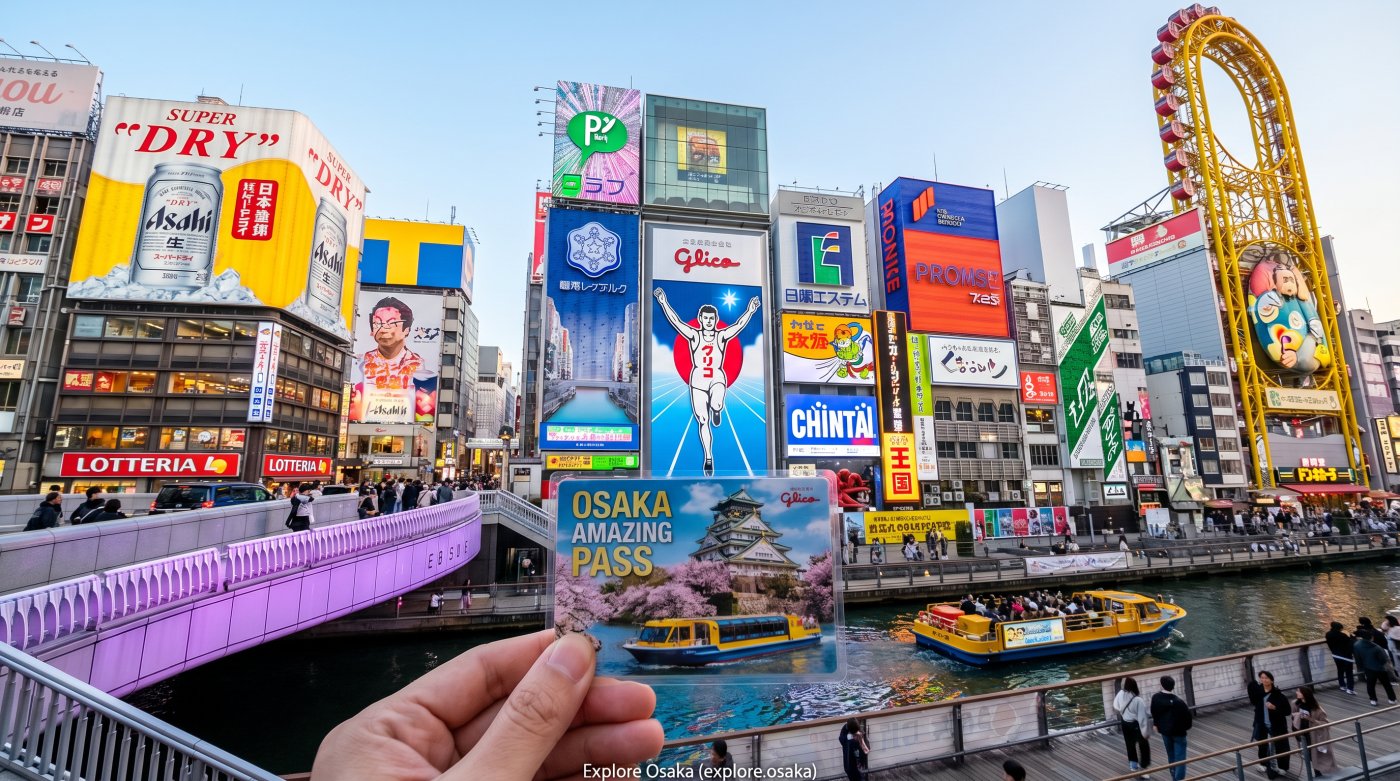
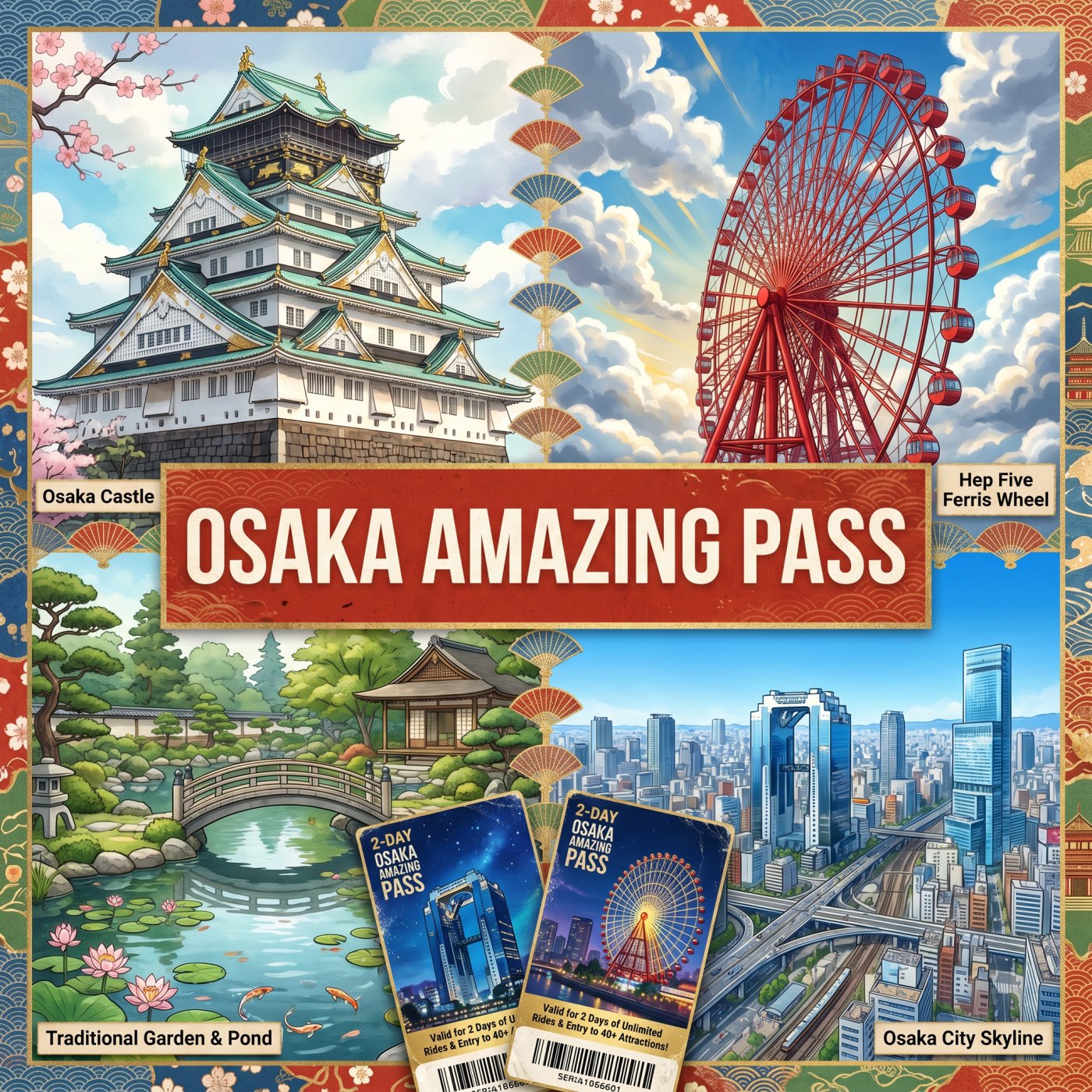
Osaka Amazing Pass 2026/27 cycle (sales 25 March 2026 to 31 March 2027): 1-day ¥3,500, 2-day ¥5,000.
On Klook, the 1-day costs S$30.80 and 2-day S$43.80 for the convenience of pre-purchase.
ICOCA initial card and top-up: ¥2,000 to start (¥500 deposit + ¥1,500 usable balance), reload as needed.
Klook eSIM Japan: 5GB/8 days S$11 to S$14, unlimited 8 days S$22 to S$30.
We dig into Osaka Amazing Pass versus a plain ICOCA card elsewhere if you’re trying to decide which to buy.
Osaka Amazing Pass — the one pass worth buying
Unlimited subway rides plus free entry to 40+ attractions including Osaka Castle, Umeda Sky Building, and the Dotonbori River Cruise. If you're spending more than a day sightseeing, it pays for itself before lunch.
Halal and Vegetarian Food in Osaka
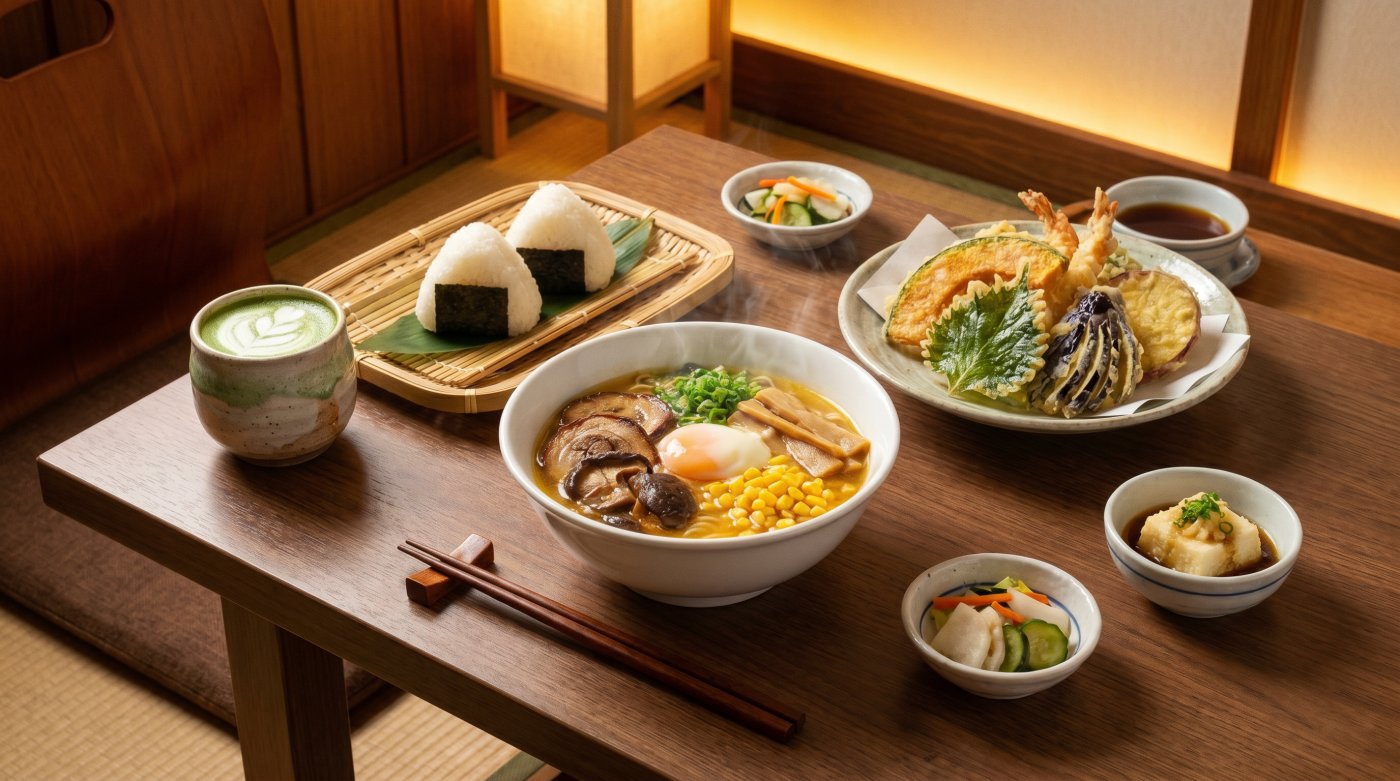
Osaka is the easiest large Japanese city for halal-conscious eating outside Tokyo, with five or six certified halal restaurants and a growing ring of Muslim-friendly spots.
The defaults of Japanese cuisine (pork broth, sake in marinades, mirin in tare) are not halal, so don’t assume; verify each restaurant.
We’ve personally eaten at all five places listed below in the past 18 months and confirmed they were operating as of April 2026.
Halal-Certified Restaurants in Osaka
The five anchor options below are the ones you should sequence into your itinerary.
Prices are the restaurants’ own yen prices.
Halal Ramen Naniwaya
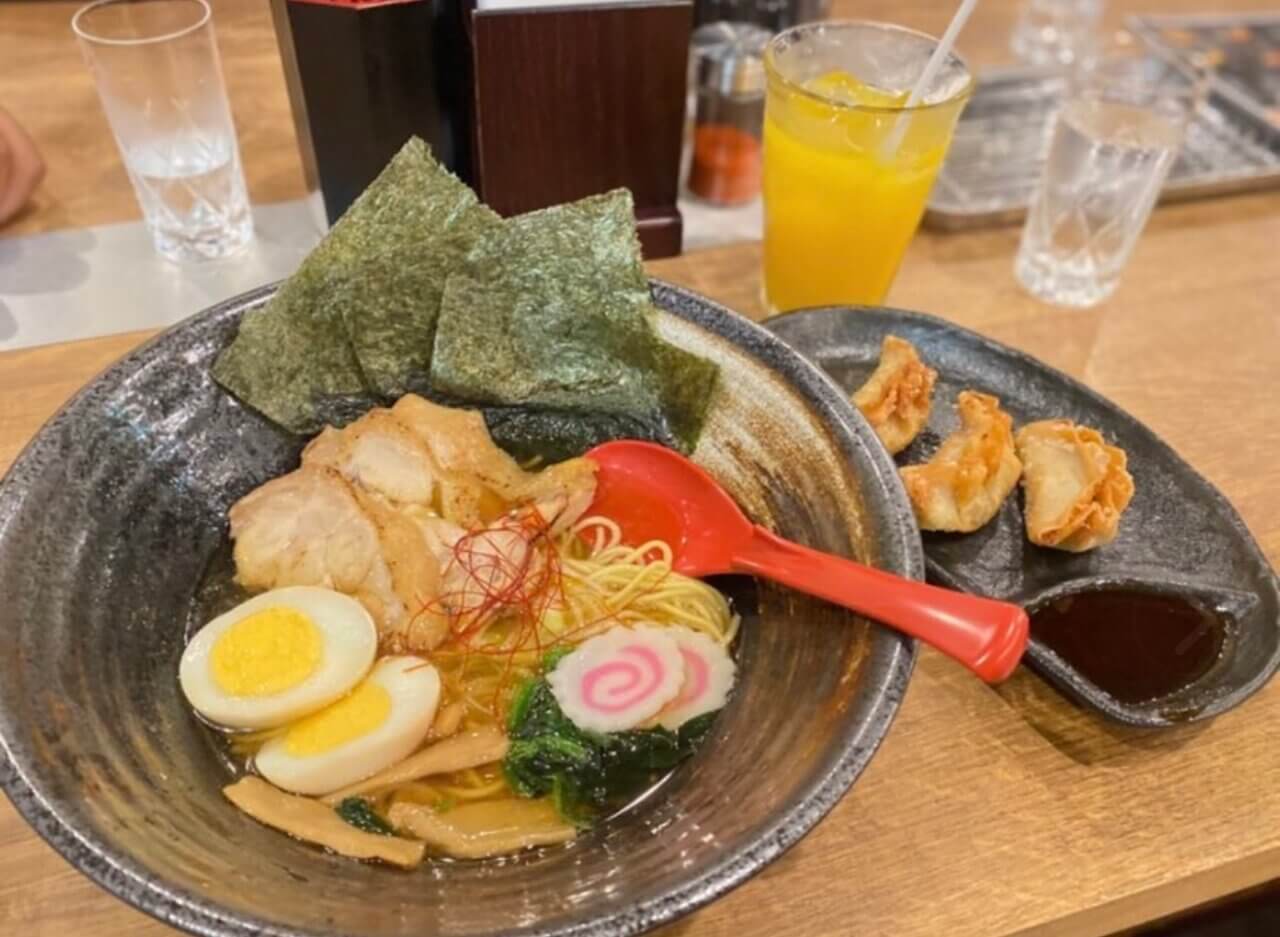
Formerly known as Halal Ramen Naritaya Osaka Minami; rebranded.
- Address: 2-7-22 Nishi-Shinsaibashi, Chuo Ward, Osaka 542-0086.
- Nearest station: Yotsubashi Station Exit 5 (3-min walk) or Shinsaibashi Station Exit 7 (5-min walk).
- Cuisine: halal ramen, halal Wagyu rice bowls.
- Price: ramen ¥1,200 to ¥1,650, Wagyu sets ¥2,800 to ¥3,200.
- Halal certification: Japan Islamic Trust (JHA-equivalent).
This is the rebranded successor to the old Naritaya everyone Googles, with a prayer space and consistent quality; the soft-boiled egg is overcooked, but the spicy chicken miso broth is the best halal ramen in Osaka.
Ayam-YA Halal Ramen Namba
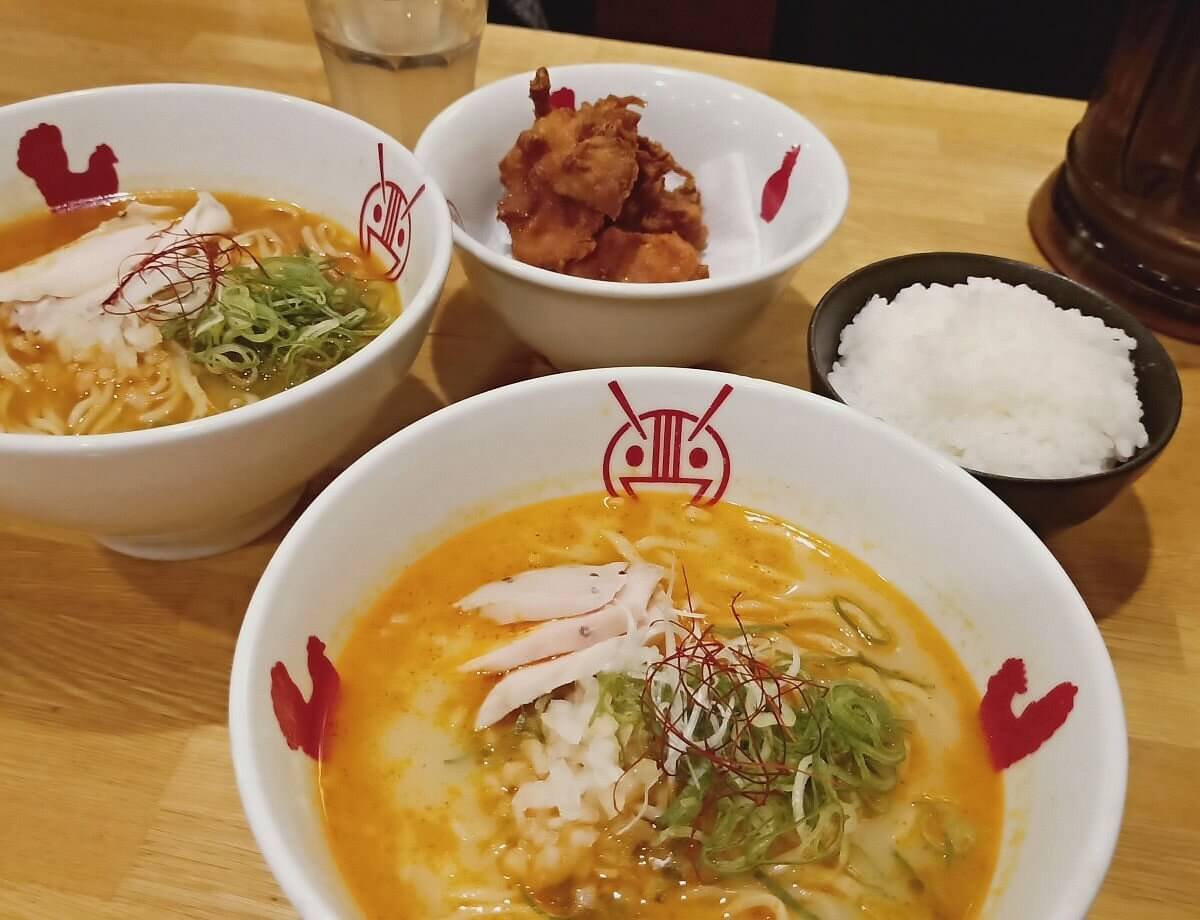
Ayam-YA Namba is a popular halal-certified ramen restaurant in Osaka, Japan, known for its rich, no-MSG, chicken-based broth.
It serves diverse options, including Spicy Shoyu Ramen and Tsukemen, and provides an on-site prayer room, making it a convenient spot for Muslim travelers.
- Address: 1-10-7 Nippombashihigashi, Naniwa-ku, Osaka.
- Nearest station: Namba Station, 10-min walk.
- Cuisine: halal chicken-broth ramen (no pork, no beef, no MSG).
- Price: ¥850 to ¥980.
- Halal certification: Malaysian Halal Corporation (JAKIM-recognised).
- Closed Sundays and public holidays, dinner only (17:00 to 22:00, last order 21:30).
Smaller and less polished than Naniwaya, but cheaper per bowl and the rich shio (salt) ramen is genuinely good. Dotonbori branch on the 4F of 1-1-11 Dotonbori is more central but the certification claim is unverified, so pick Namba for the cleaner halal pedigree.
Halal Ramen Honolu Osaka Namba
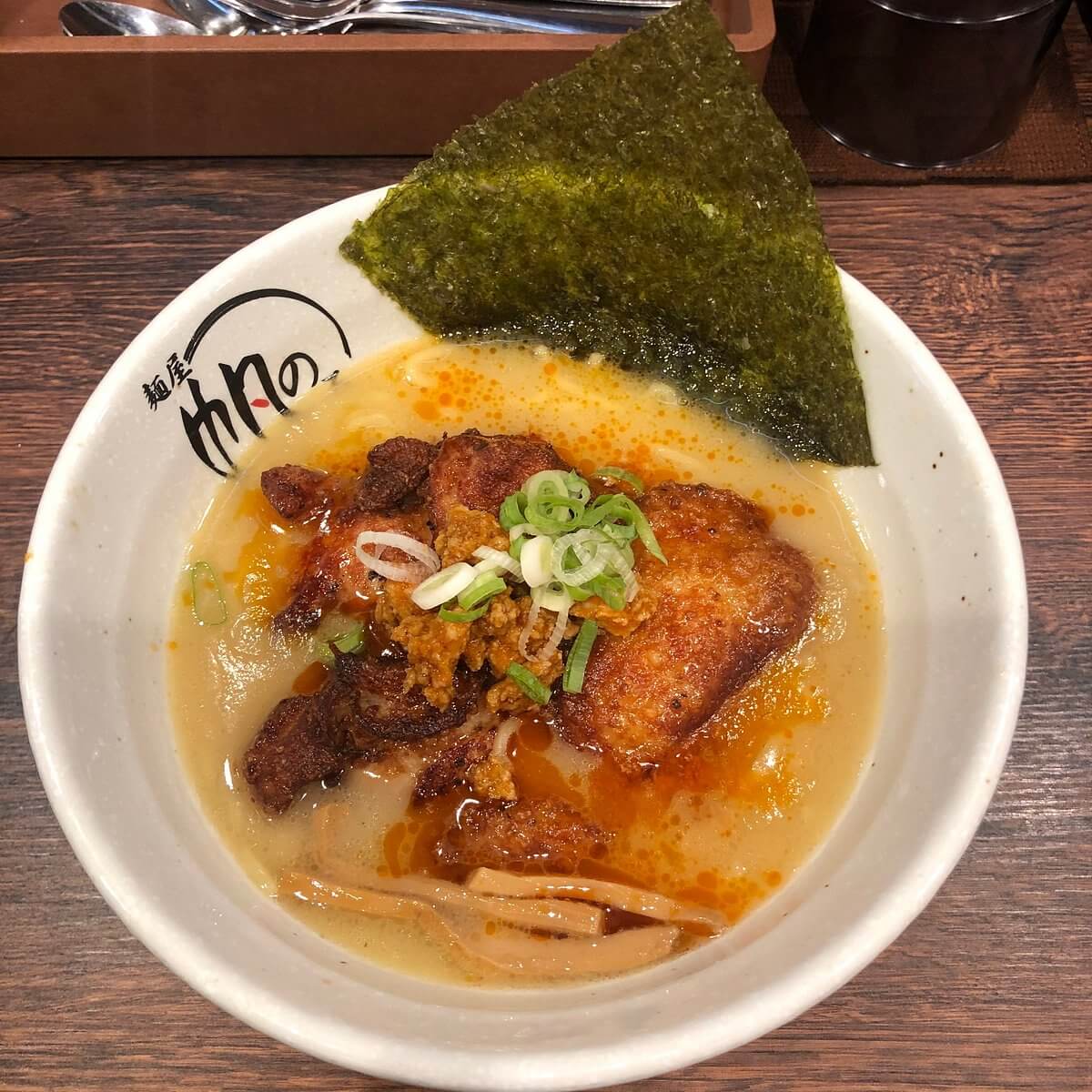
Halal Ramen Honolu Osaka Namba is a popular ramen restaurant in Osaka dedicated to serving authentic, halal-certified Japanese ramen.
Located roughly a 10-minute walk from Namba Station (Exit 5), it is highly regarded for its rich chicken-based broths and welcoming, cozy atmosphere.
- Address: 2-5-27 Motomachi, Naniwa Ward, Osaka 556-0016.
- Nearest station: Namba Station Exit 32 (Yotsubashi Line), 4-min walk.
- Cuisine: halal ramen, gyoza, fried chicken.
- Price: ramen ¥1,000 to ¥2,000, chicken bowl set ¥1,100.
- Halal certification: ingredient-level halal-certified, Muslim-owned, prayer room on premises.
11 to 15 seats only with counter seating, queues form after 18:00; the spicy fried chicken ramen is the order, the Extreme Hot version is genuinely hot.
Halal Wagyu Yakiniku Osaka Panga
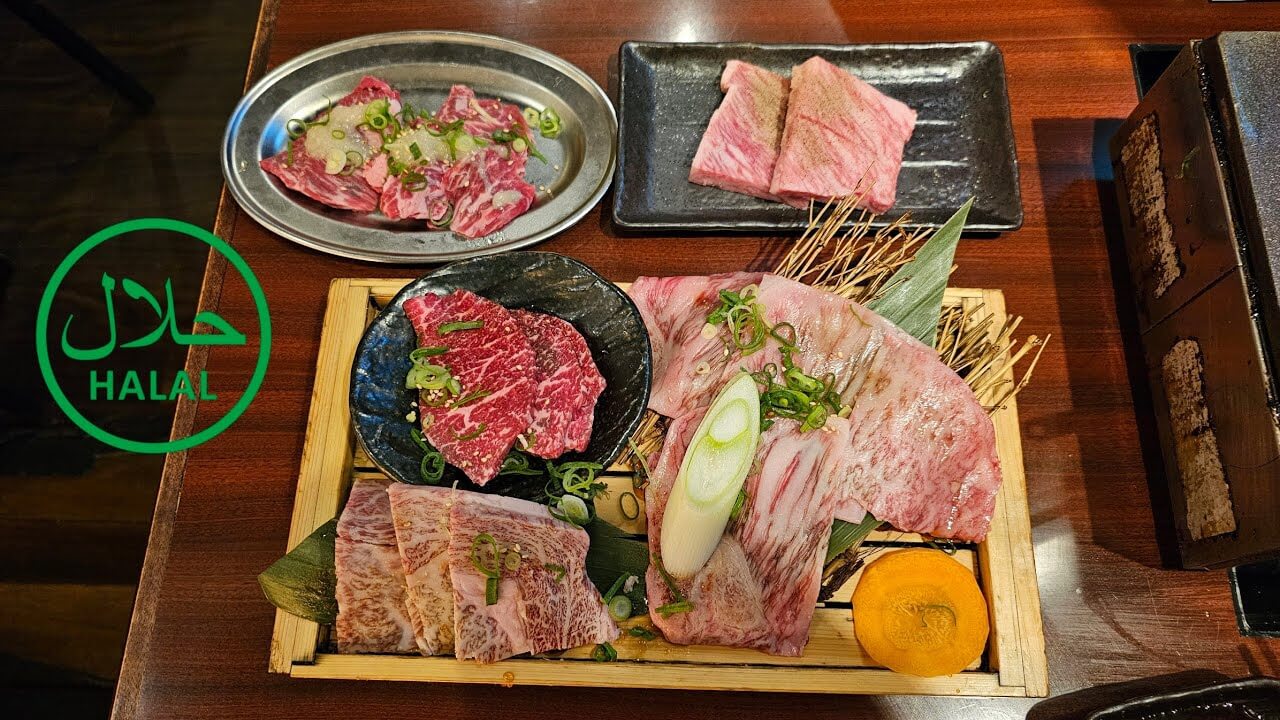
A5 Wagyu Yakiniku Osaka PANGA is a 100% halal-certified restaurant in Osaka specializing in high-grade Japanese A5 Wagyu.
It is one of the most popular destinations for Muslim travelers seeking an authentic yakiniku (Japanese BBQ) experience in the heart of the city.
- Address: 1-17-15 Higashi-Shinsaibashi, 2F, Chuo-ku, Osaka 542-0083.
- Nearest station: Shinsaibashi Station, 4-min walk.
- Cuisine: A5 halal Wagyu yakiniku.
- Price: ¥6,000 to ¥15,000 per person.
- Halal certification: yes, on the Wagyu beef supply chain.
For prayer rooms: Namba City B2F (free, fill in a form at the information counter, separate male and female rooms, 30-min slots), Daimaru Shinsaibashi South Building 7F (Kansai Tourism Information Center), and Osaka Station Hankyu 8F (10:00 to 20:00 daily, no reservation needed).
Kansai Airport has a prayer room at both Terminal 1 and Terminal 2.
This is the splurge meal; book on TableCheck a week ahead, the A5 cuts are 4-percent-of-total-supply quality, and they have a separate Shinsaibashi-suji branch at 2-3-31 if the Higashi-Shinsaibashi 2F is full.
Vegetarian and Indian
Vegetarian okonomiyaki is genuinely findable.
Try Negiyaki Yamamoto in Umeda (vegetable-only options exist, but ask the server to confirm no bonito-flake tare).
For pure vegan, Optimus Cafe in Tennoji and Paprika Shokudo Vegan in Kitahorie do full plant-based Japanese set meals at ¥1,500 to ¥2,200.
Vegan ramen exists at T’s TanTan in Shin-Osaka Station (¥1,000 to ¥1,300), the easiest pre-shinkansen meal in the city.
For Indian, Namba has Mughal Indian Restaurant (3-7-23 Nipponbashi) and Khaobar Bombay (Shinsaibashi) doing thalis at ¥1,200 to ¥1,800; Umeda has Spice Bazaar near the Shin-Hankyu Hotel and Nataraj on the Kita side.
Ali’s Kitchen in Shinsaibashi (1-10-12 Shinsaibashisuji) is Pakistani-Arabic, halal-certified, Michelin Guide 2017 listed, with biryani from ¥800.
Pork-Free and Alcohol-Free Tips
Three rules that save you grief.
First, “No Pork, No Lard” signage in Japanese restaurants is a Muslim-friendly indicator but is not the same as halal certification; verify if it matters to you.
Second, dashi (the soup base in almost everything) frequently contains bonito flakes, which is not halal under most rulings, so ask explicitly.
Third, mirin and cooking sake appear in 80 percent of Japanese sauces; if alcohol-free is non-negotiable, stick to certified halal restaurants rather than Muslim-friendly ones.
The HappyCow app and Halal Navi app both work in Osaka and are more current than any blog.
Getting Around Osaka (For Singaporeans Used to MRT)
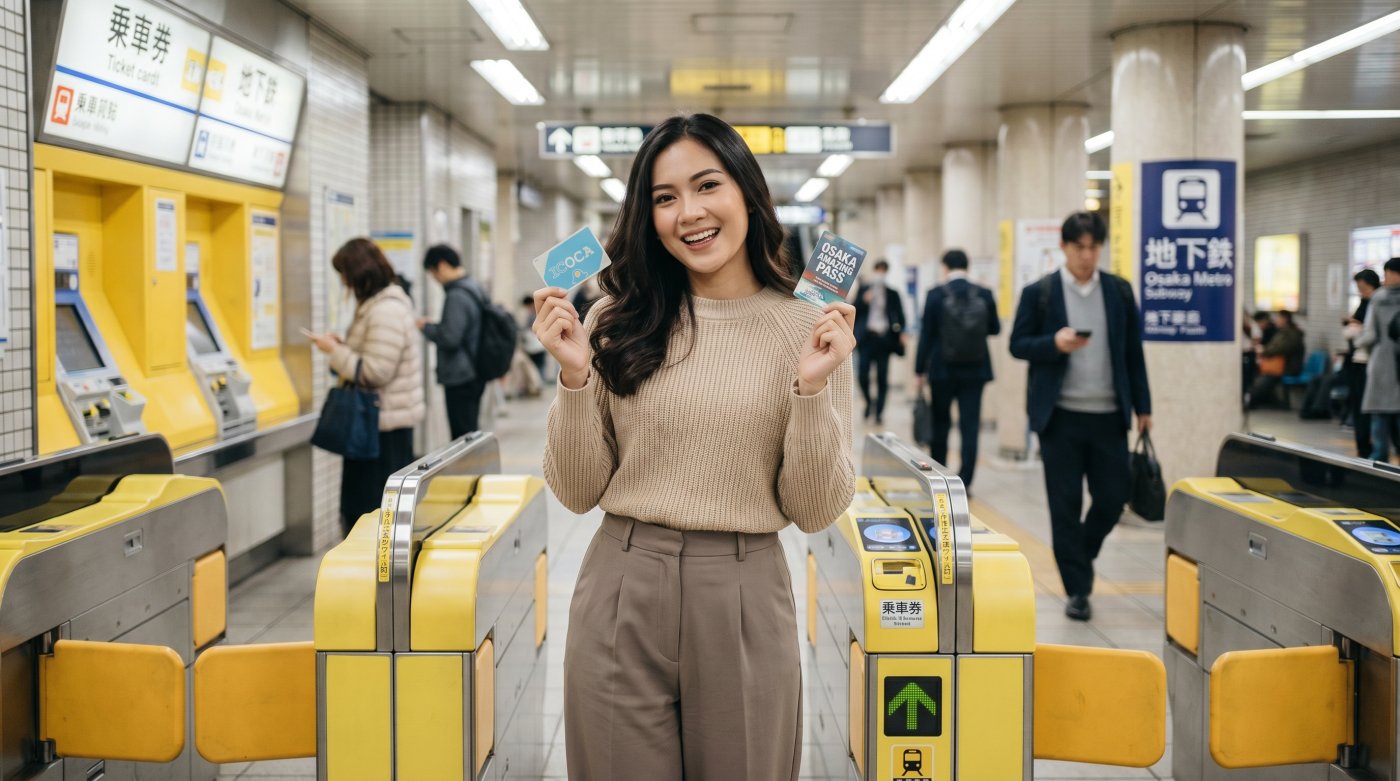
Coming from Singapore’s MRT, Osaka’s transit will feel both familiar and weirdly fragmented.
The good news: it’s all tap-and-go with an IC card, and signage is bilingual on every line you’ll use.
The bad news: instead of one MRT operator, you have Osaka Metro plus JR West plus five private railways (Hankyu, Hanshin, Keihan, Kintetsu, Nankai), and they don’t share fare gates.
Our full Osaka Metro guide has the line-by-line breakdown if you want to nerd out.
Osaka Metro vs Singapore MRT
Direct comparison: Osaka Metro has 9 lines and 133 stations versus Singapore’s 6 lines and 142 stations on the MRT.
Frequency is similar (every 4 to 8 minutes peak, 7 to 12 off-peak).
The Midosuji Line is the rough equivalent of the North-South Line: red on the map, runs through Umeda, Shinsaibashi, Namba and Tennoji, and carries the most tourist traffic.
Two real differences will catch you out.
First, fares are distance-based not flat: a single ride is ¥190 to ¥390, so two short rides usually beat a 1-day pass unless you’re hitting more than four stations.
Second, the last train is around 23:30 to 00:15, earlier than the MRT, and there’s no overnight service except for occasional New Year exceptions.
ICOCA, IC Cards, and Apple Pay
Get an ICOCA. It’s the JR West-issued IC card, equivalent to EZ-Link, works on every train, bus and Osaka Metro line, and is accepted at every convenience store, vending machine and most restaurants.
A physical ICOCA costs ¥2,000 (¥500 deposit + ¥1,500 usable) at any JR West station ticket machine.
For Apple Pay users on iPhone 8 or later: in 2026, you can add ICOCA or Suica directly to Apple Wallet without buying a physical card.
The catch is that to top up via Apple Pay using a Singapore-issued card, you need a Visa or Mastercard credit/debit card from DBS, UOB or OCBC; all three banks support Apple Pay top-ups for Suica/ICOCA in 2026, though some prepaid SG cards (notably YouTrip and certain Trust Bank cards) intermittently fail at the top-up step.
If your top-up fails on YouTrip, switch to a regular DBS or UOB credit card for the ICOCA reload and it’ll go through.
Getting From KIX to Central Osaka
Three serious options, ranked.
Haruka Express from KIX to Tennoji takes 35 minutes and costs ¥1,710, to Shin-Osaka 50 minutes and ¥2,330; buy on Klook for around S$10.52 to skip the JR ticket queue.
This is the right pick if you’re staying near JR stations.
Limousine Bus runs to Namba OCAT and Umeda Hilton Plaza in 50 to 65 minutes for ¥1,800; preferable if you’re staying within a 10-minute walk of either drop-off because you avoid platform stairs with luggage.
Taxi runs ¥18,000 to ¥23,000 and 60 to 75 minutes depending on traffic; only worth it for 4 people splitting or arrival after midnight when trains have stopped.
Skip the Nankai Rapi:t train despite it being heavily marketed.
It only goes to Namba (no JR connections) and at ¥1,490 it’s barely cheaper than Haruka while being slower.
Do this instead: Haruka if you’re north or central, Limousine Bus if you’re going specifically to Namba OCAT or Umeda.
Activities and Day Trips From Osaka
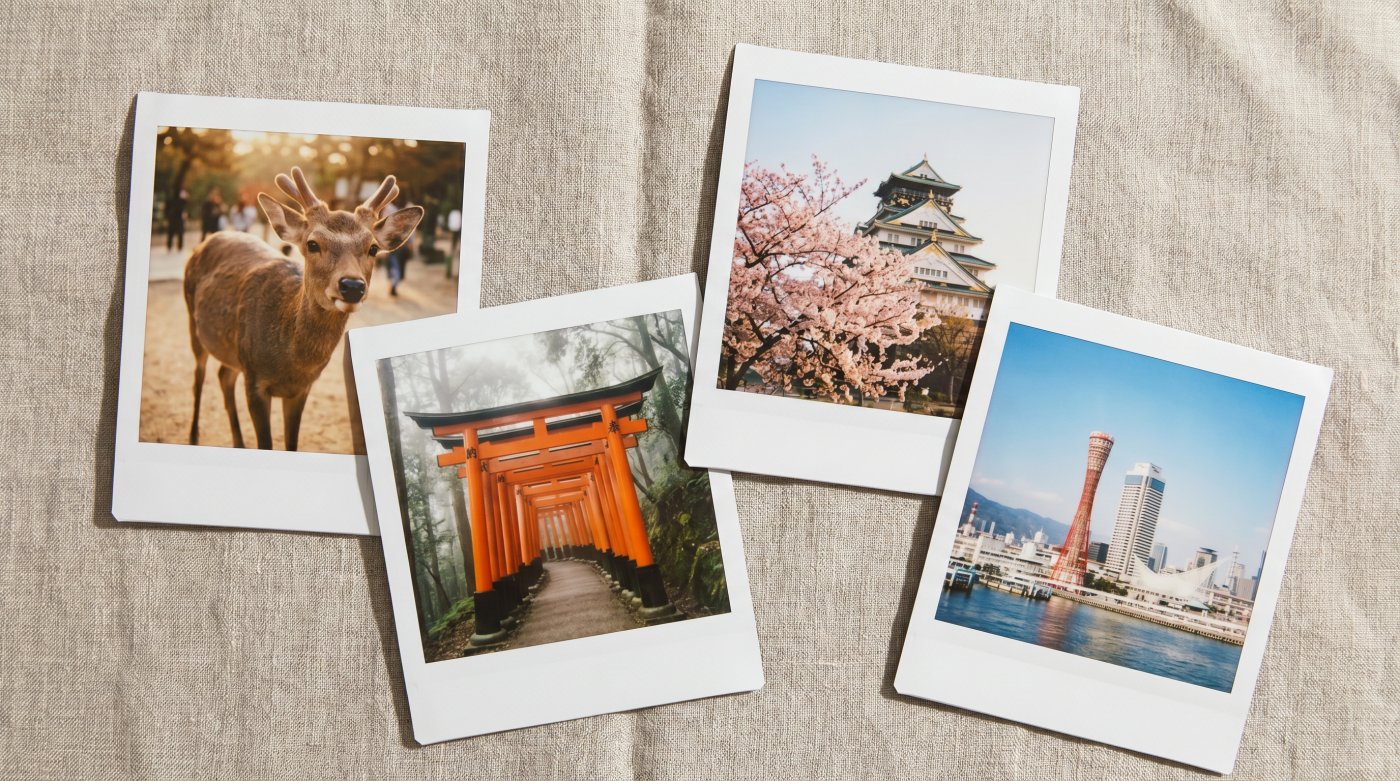
Osaka rewards the second-time Japan traveller because you’ve already done the temple-and-shrine grind in Tokyo and Kyoto, and you can lean into the food and street culture without itinerary guilt.
We have a running list of things to do in Osaka with the deeper dives, plus structured 1-day, 2-day and 3-day Osaka itineraries for different time windows.
Must-Do for First-Time Visitors
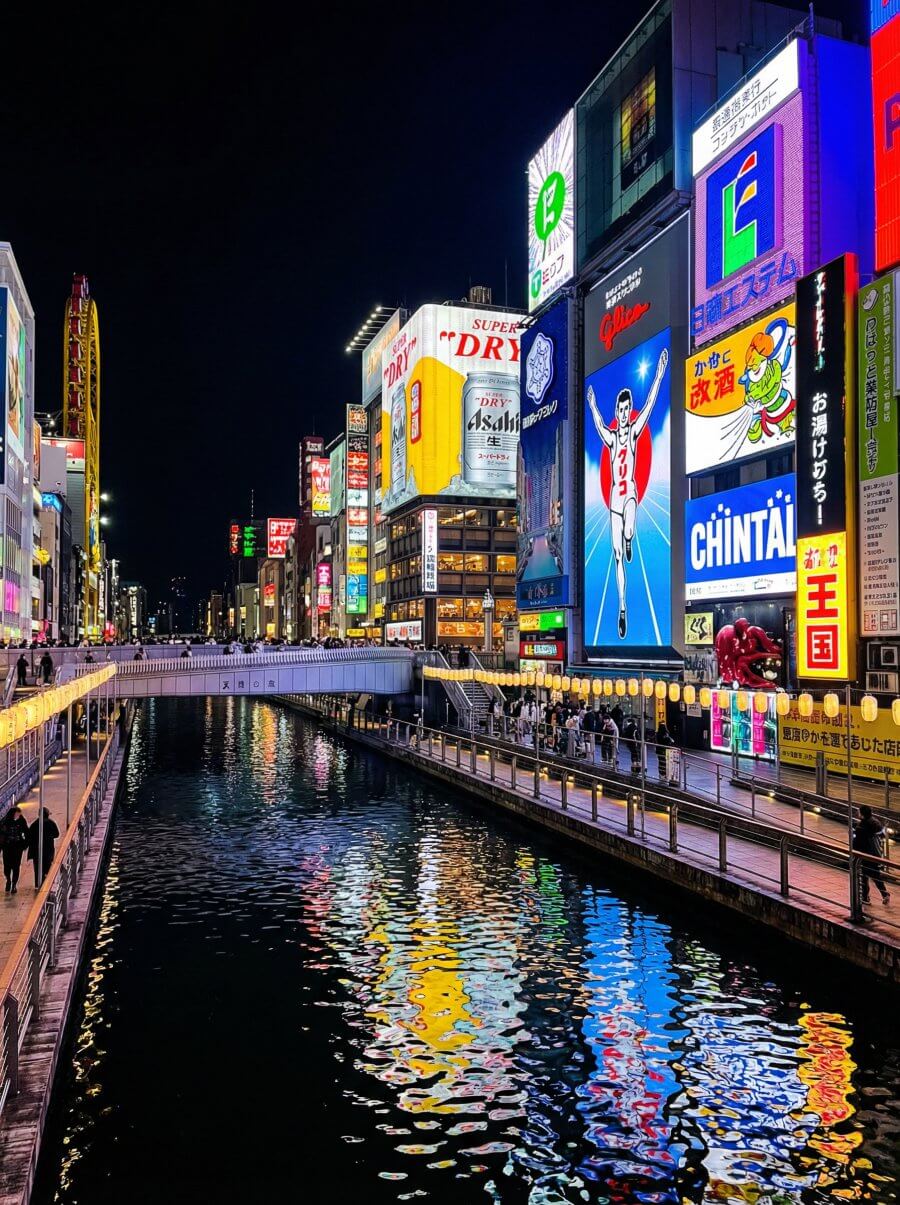
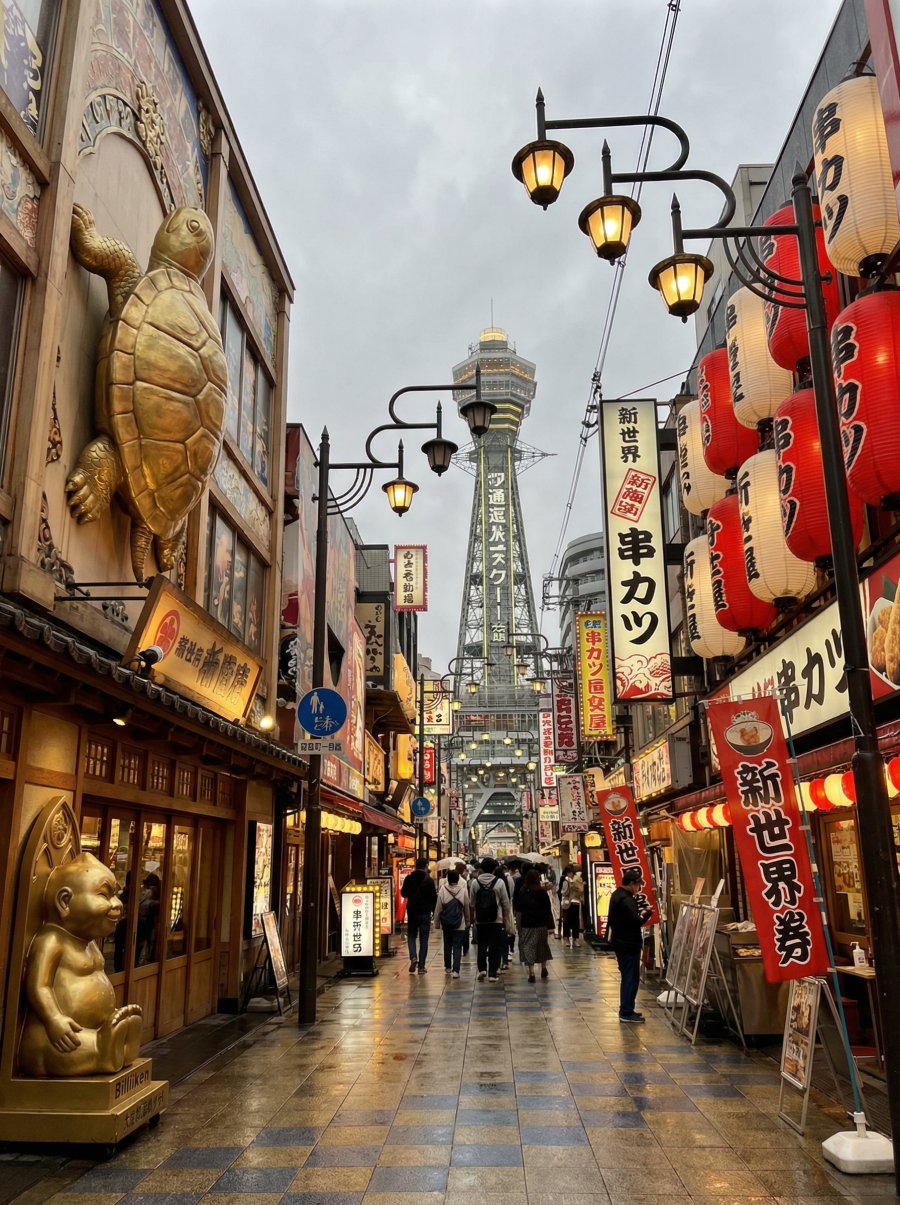
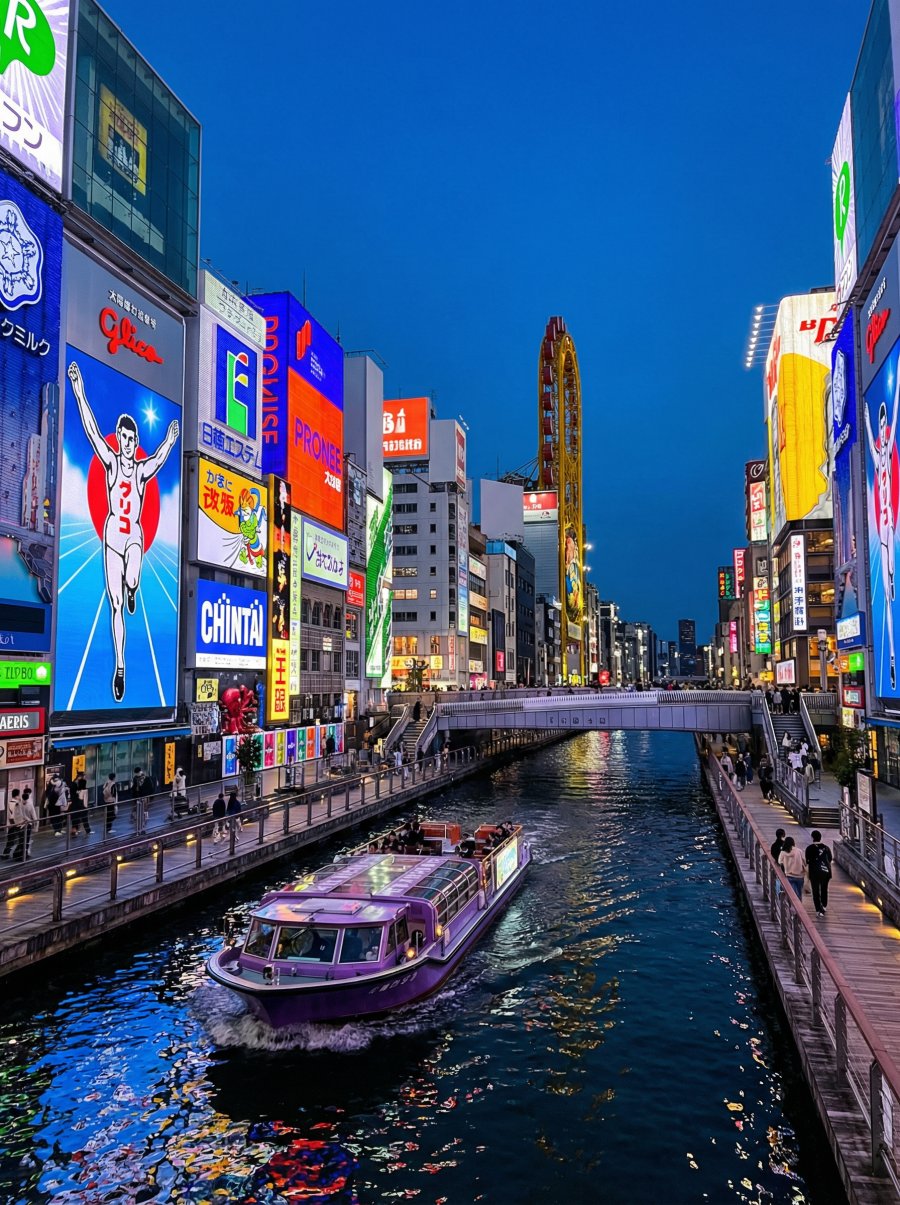
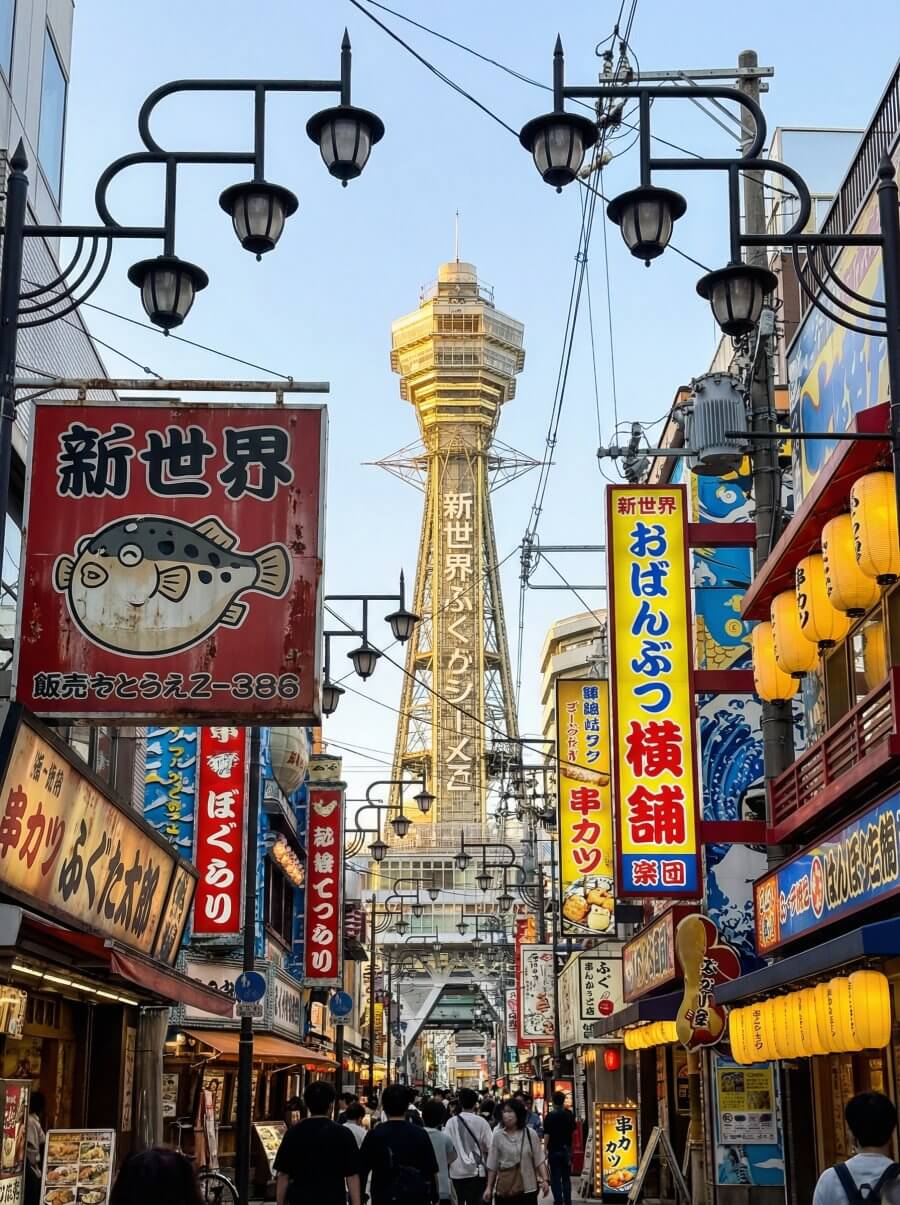
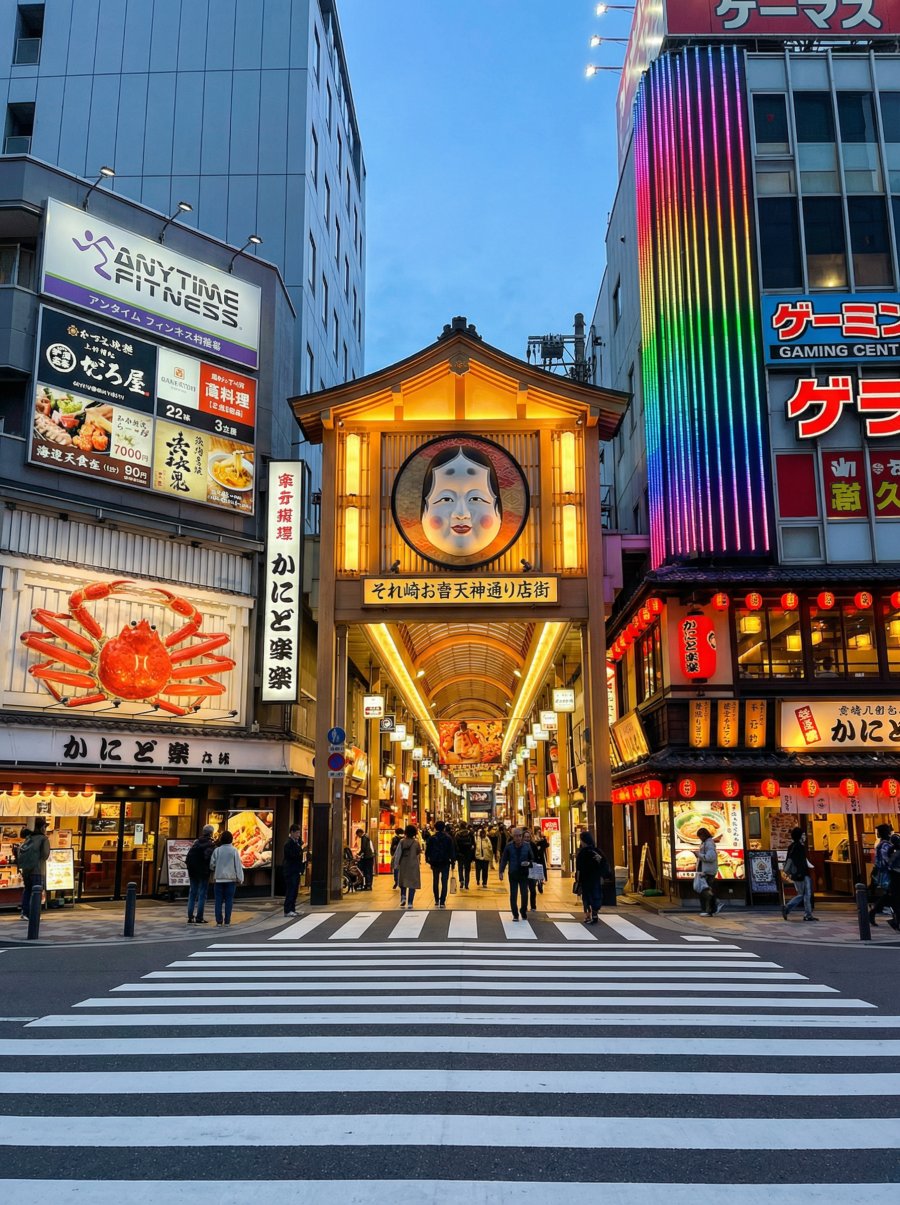
Anchor your trip around four or five of these. Dotonbori at night for the Glico sign, the canal walk, and street food from 18:00 onwards.
Osaka Castle and the surrounding park, best in cherry blossom season but worth a 90-minute visit any time; ¥600 entry, ¥1,000 with the Nishinomaru Garden combo.
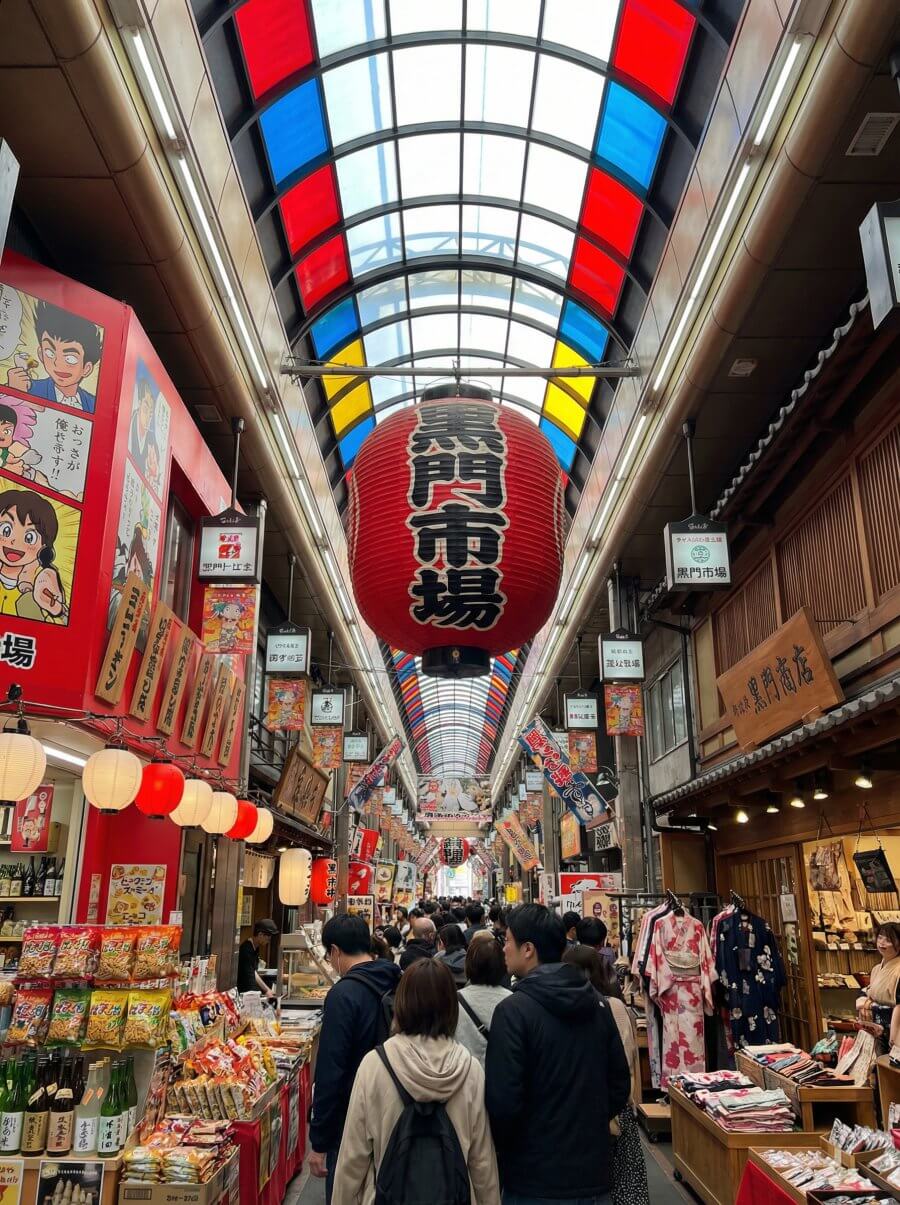
Kuromon Ichiba Market for sashimi, A5 Wagyu skewers and uni at street-stall pricing (mornings before 11:00 are when locals shop, after 14:00 stalls start closing).
Universal Studios Japan if you have any interest in Super Nintendo World; book the Express Pass, it’s not optional, and full-day adult tickets are around ¥10,400.
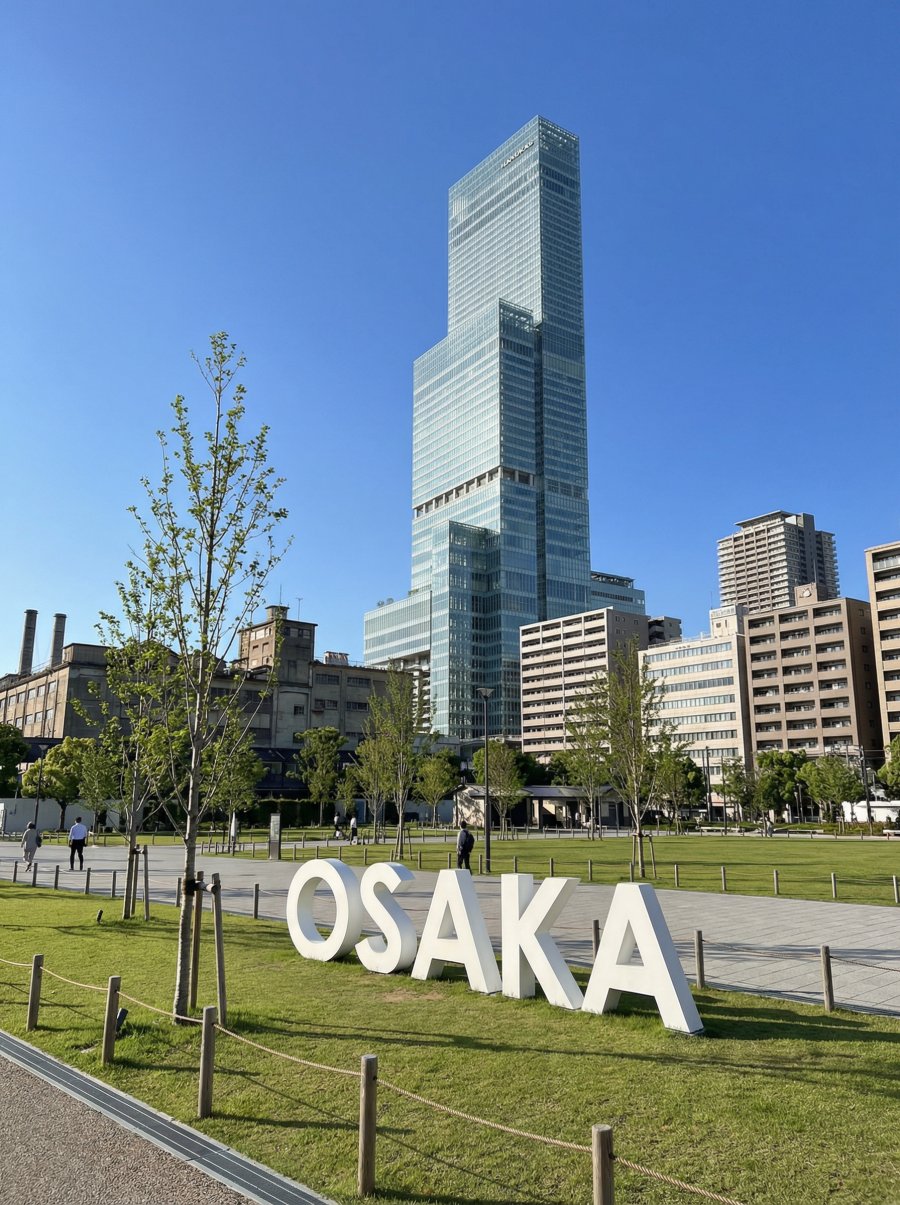
Umeda Sky Building Floating Garden Observatory at sunset for the cleanest 360-degree view of the city.
Day Trip Options From Osaka
All four major day trips run on the JR or Hankyu/Kintetsu/Sanyo network and don’t require a JR Pass.
- Day trip to Kyoto from Osaka: JR Special Rapid 28 minutes, ¥580 each way, or Hankyu Limited Express 45 minutes for ¥410. Don’t try to “do” Kyoto in a day; pick one neighbourhood (Higashiyama or Arashiyama) and commit.
- Day trip to Nara from Osaka: Kintetsu Limited Express 35 to 45 minutes, ¥780 each way; Todai-ji and the deer park are doable in five hours including travel.
- Kobe: JR 28 minutes from Osaka Station, ¥420; come for Kobe beef lunch and the Kitano-cho European-quarter walk.
- Day trip to Himeji from Osaka for Japan’s best-preserved feudal castle: Sanyo Shinkansen 30 minutes for ¥3,280, or JR Special Rapid 60 minutes for ¥1,520.
- Hiroshima is technically possible but is 90 minutes each way on the Nozomi shinkansen at ¥10,440; treat it as a 2-day trip with one overnight, not a day trip.
Booking Activities: Klook Dominates From Singapore
Klook is the practical default for Singaporean travellers booking Japan activities, with a Singapore-IP-aware platform, SGD pricing without forex spread, and the deepest Japan inventory of any aggregator.
Tested April 2026 prices for the same products: Universal Studios 1-day ticket S$84 on Klook versus S$86 on KKday versus S$92 on Klook’s own retail tier; Osaka Amazing Pass 1-day S$30.80 Klook versus S$31.50 KKday; Haruka Express one-way S$10.52 Klook versus S$11 KKday.
KKday occasionally runs flash promos that beat Klook by 8 to 12 percent, particularly on USJ Express Passes, so it’s worth a sanity-check before clicking buy.
Pelago is your option if you’re paying with KrisFlyer miles or want activities bundled with your SQ booking; for everything else, default to Klook.
Practical Singaporean-Specific Tips
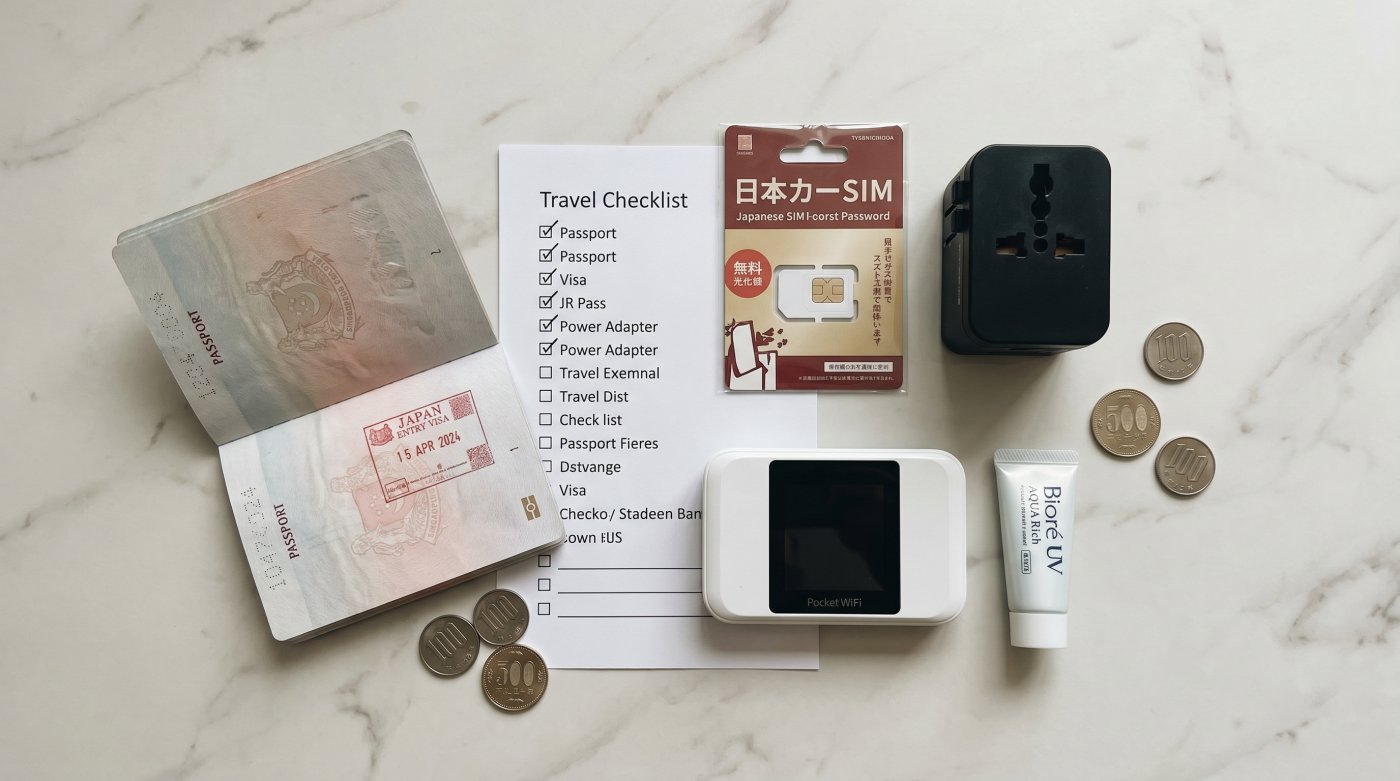
This is the section nobody else writes properly.
The advice below is specific to Singapore-issued cards, Singapore telcos, and Singapore insurance providers as of May 2026, not generic global advice that pretends a YouTrip user has the same experience as a Chase Sapphire user.
Money
Bring some yen cash.
Yes, Japan is now mostly cashless in tourist zones (PayPay, Suica, credit cards), but Kuromon Market stalls, neighbourhood izakayas, smaller shrines and most taxi tip jars still expect cash.
S$300 to S$500 in yen converted at YouTrip rates before you fly is the right starting amount for two people for five days, with ATM top-ups as needed.
For card spending, your best Singapore-issued options are a YouTrip Mastercard (zero FX fee, wholesale Mastercard rates), Trust Cashback Mastercard (1 percent cashback on FX), or a UOB One Card (2.5 percent FX fee but earns rewards).
Avoid using your DBS Multiplier debit card abroad because the FX spread is significant.
For ATM withdrawals, 7-Eleven (Seven Bank) ATMs accept all SG-issued Visa and Mastercard debit and credit cards; Family Mart’s E-net and Lawson ATMs are more selective and sometimes reject Trust and UOB debit cards (DBS and OCBC consistently work).
Apple Pay with a DBS, UOB or OCBC card works at most chain stores and convenience stores.
Wise card has S$100/month free ATM withdrawals from May 2026 then 1.75 percent fees, so YouTrip’s S$400/month free ATM allowance is the better travel pick for yen withdrawals on the ground.
SIM and eSIM
Klook eSIM Japan from Singapore is the default: 5GB/8 days runs S$11 to S$14, unlimited 8 days runs S$22 to S$30, both on Softbank or DOCOMO networks with 5G.
Setup is QR scan in 5 minutes; works on all iPhones from 11 onwards and Pixel 4 onwards.
Airalo, Saily and Yesim sit at similar price points; Saily is owned by NordVPN’s parent and includes a 24/7 chat support that’s genuinely useful if your eSIM fails to provision.
Singtel and StarHub roaming for Japan in 2026 is around S$10 to S$15 per day for 1GB to 3GB, which works out to S$50 to S$90 for a 5-day trip; only use this if you absolutely need to keep your Singapore number active for 2FA on banking apps that don’t support Wise/YouTrip-style multi-currency redirection.
Pocket WiFi makes sense exactly when you’re travelling in a group of three or more sharing one device, otherwise stick to eSIM.
Insurance
Three SG providers cover Japan well in 2026.
FWD Single Trip Asia plan starts around S$28 for a 5-day trip with S$200,000 medical and S$5,000 trip cancellation cover.
MSIG TravelCare Asia tier runs S$32 to S$40 for 5 days with similar caps and slightly better baggage coverage.
Singlife Travel Plus is S$33 to S$45 for 5 days and is the only one that includes COVID-19 coverage by default in 2026.
For higher coverage limits or annual multi-trip, VisitorsCoverage offers global plans that work for SG residents but with USD-denominated claims, which is workable but slightly less convenient than dealing with FWD or Singlife in SGD.
Whatever you buy, confirm that adventure activities are covered if you’re skiing in the Alps off Osaka or doing the Kumano Kodo trail.
Power Plugs
Japan uses Type A two-pin plugs at 100V.
Singapore uses Type G three-pin at 230V.
You need an adapter (S$3 to S$5 at any Mustafa or Daiso) but not a voltage converter, because all modern phone chargers, laptop bricks and electric razors are dual-voltage 100-240V.
Hair dryers and curling irons are the exception; if your appliance reads “120V only” on the brick, leave it home and buy a cheap one at Don Quijote in Namba for ¥1,500.
Sample 5-Day Itinerary for Singaporean Travelers
This itinerary is built around an SQ620 morning departure (arriving KIX around 16:30) or a Scoot daytime arrival, with halal-friendly anchor meals and a Singapore school-holiday-friendly pace.
Adjust day order if your flight lands in the morning instead.
- Day 1 (Arrival). Land at KIX. Activate eSIM, grab ICOCA from the JR ticket machine, take Haruka to Shin-Osaka or Tennoji. Hotel check-in around 18:00. Walk to Dotonbori for the Glico sign, eat at Halal Ramen Honolu Namba (15-minute walk from any Namba hotel). Early night, you’ve been awake for 14 hours.
- Day 2 (Osaka Core). Breakfast at hotel or konbini onigiri. Osaka Castle from 09:00 to 11:30. Taxi or subway to Kuromon Ichiba Market for lunch (¥3,000 to ¥4,000 of street food). Afternoon: Shinsaibashi-suji shopping street walk into Amerika-mura for vintage. Dinner at Halal Ramen Naniwaya (or Halal Wagyu Panga if you’re feeling flush). Evening: Dotonbori river cruise (¥1,200, covered by Osaka Amazing Pass).
- Day 3 (Kyoto Day Trip). JR Special Rapid 28 minutes from Osaka Station. Pick Higashiyama OR Arashiyama, not both. Lunch around Gion (vegetarian options at Mumokuteki Cafe near Sanjo). Back to Osaka by 18:00. Dinner at Matsuri in Fukushima (the OSE Loop Line takes you direct, 12 minutes from Osaka Station).
- Day 4 (Universal Studios or Nara). USJ if you have anyone under 30 in the group: arrive 08:30, leave 17:00, total cost roughly S$120 per person with Express Pass. Otherwise, day-trip to Nara: Kintetsu Limited Express 35 minutes, do Todai-ji and the deer park, lunch at one of the soba shops on Sanjo-dori. Back in Osaka by 16:00. Dinner at Ayam-YA Namba (open from 17:00).
- Day 5 (Departure). Late morning departures are standard from KIX (SQ621 at 11:30, TR821 at around 23:25 evening). If morning flight: 09:00 last walk through Umeda or LUCUA SOUTH. If evening flight: full day in Umeda Sky Building, Grand Front Osaka shopping, a final Kuromon Market lunch, then Haruka to KIX with three hours buffer.
Plan Your Osaka Trip From Singapore
You now have the full picture.
The flight options from Singapore are clear (SQ direct or Scoot direct, skip the connections).
The cherry blossom forecast for 2026 says 24 to 31 March; the Singapore March school break runs 14 to 22 March, so book before December 2025 if you want both.
Halal-conscious travellers have at least five solid certified options anchored around Shinsaibashi and Namba.
Hotel pricing is sane at the mid-range thanks to a soft yen, and the post-Expo, fewer-Chinese-tourists 2026 environment makes restaurant reservations and crowd-free Osaka Castle photos genuinely possible.
Book in this order: flights first (lock in 4 to 6 months out for SQ, 60 days for Scoot), then hotel on Agoda from your Singapore IP, then Klook for the Haruka transfer and one or two anchor activities, then your eSIM the week before.
Explore Osaka’s full Osaka food guide and running itineraries page will be your next two clicks.
If you got this far, send the link to the friend you’re travelling with, because they’re the one who hasn’t started planning yet.