

Related Guide
Osaka Castle
Osaka Castle: Tickets, Hours, Getting There & What to Expect Inside Osaka Castle (大阪城) has…
One packed, logical day hitting Osaka Castle, Shinsekai, Dotonbori, and Umeda for first-timers on a mid-range budget.
This itinerary is for first-time visitors who want to leave Osaka feeling like they actually saw the city, not just the inside of a convenience store.
You get one day, so the plan is deliberately shaped around Osaka’s most iconic and contrasting neighborhoods, moving from the castle district in the morning through the retro working-class energy of Shinsekai at lunch, then winding down in Dotonbori and Namba at night.
The day flows south to north then back south again, which sounds inefficient until you see the logic: Osaka Castle is best in the morning before tour groups thicken, Kuromon Market peaks before noon, Shinsekai is a great midday and early afternoon stop, and Dotonbori plus Umeda are built for the evening.
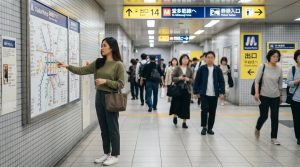
Each stop is connected by Osaka Metro, so transit between spots takes 10-20 minutes.
The two experiences you will probably talk about for months: standing on the open roof of Umeda Sky Building as the city lights come on below you, and sitting at a counter in Shinsekai eating kushikatsu skewers while the old-timers around you pretend you don’t exist.
Both are very Osaka.
For budget, mid-range in Osaka is genuinely comfortable.
You will spend the most on food, not attractions.
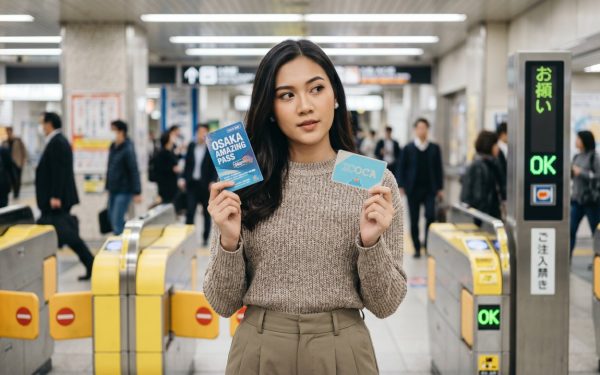
The Osaka Amazing Pass covers several stops on this itinerary and pays for itself if you use it for Osaka Castle, Tsutenkaku, and Umeda Sky Building together, so factor that into your planning before you buy individual tickets.
If you have just one day in Osaka and you want it to feel like an actual city experience rather than a frantic box-ticking exercise, this itinerary is built for you.
It covers Osaka Castle, Kuromon Market, Shinsekai, Dotonbori, and Umeda in a sequence that keeps transit tight, food excellent, and sightseeing varied.
It is worth reading because it treats one day in Osaka like a real-world travel problem, with current prices, opening hours, pass math, and a route that respects the fact that your feet are not immortal.
This itinerary is built for first-timers on a mid-range budget who want a mixed day of history, food, street life, skyline views, and a little shopping without turning the whole thing into an endurance sport.
It works especially well for couples, solo travelers, cruise passengers, and day-trippers from Kyoto who want a clean, high-reward route through the city.
Families can use it too, but you may want longer breaks and one fewer stop if kids start mutinying around mid-afternoon.
The pace is full but sensible.
You start at Osaka Castle while the grounds still feel spacious, eat your way through Kuromon before the market winds down, dip into the rough-edged charm of Shinsekai, then save Dotonbori and Umeda for the evening when Osaka gets properly theatrical.
By the end of the day, you will have seen one of the city’s defining landmarks, eaten some of its signature foods, and stood above the skyline at night without spending the whole day underground on trains.
What this itinerary does not cover is Osaka Bay, Universal Studios Japan, or long museum stops.
If you want a slower schedule or a theme-park day, this is not that trip.
For a wider planning starting point, the main Osaka travel guide is useful when you are still deciding what kind of city break you want.
A one-day Osaka plan only works if the setup is clean.
Your hotel location, your train arrival point, and whether you buy the right pass will shape the day more than most people expect.
Get those pieces sorted first and the city starts feeling wonderfully easy.
Get them wrong and you will spend half your day dragging yourself between stations wondering why travel blogs always make this look so casual.
Trip Essentials
Osaka Travel Add-ons
Equip yourself for the ultimate Osaka adventure with the following add-ons, curated just for you.
Flights to Osaka
Airport Transfer
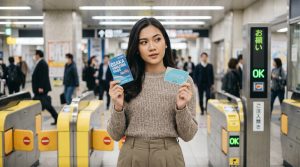
ICOCA IC Card
Suica IC Card
Osaka Tours
Luggage Storage
Travel Insurance
Data Security

Japan eSIM
Japan SIM Card
Pocket WiFi Rental
Japan eSIM
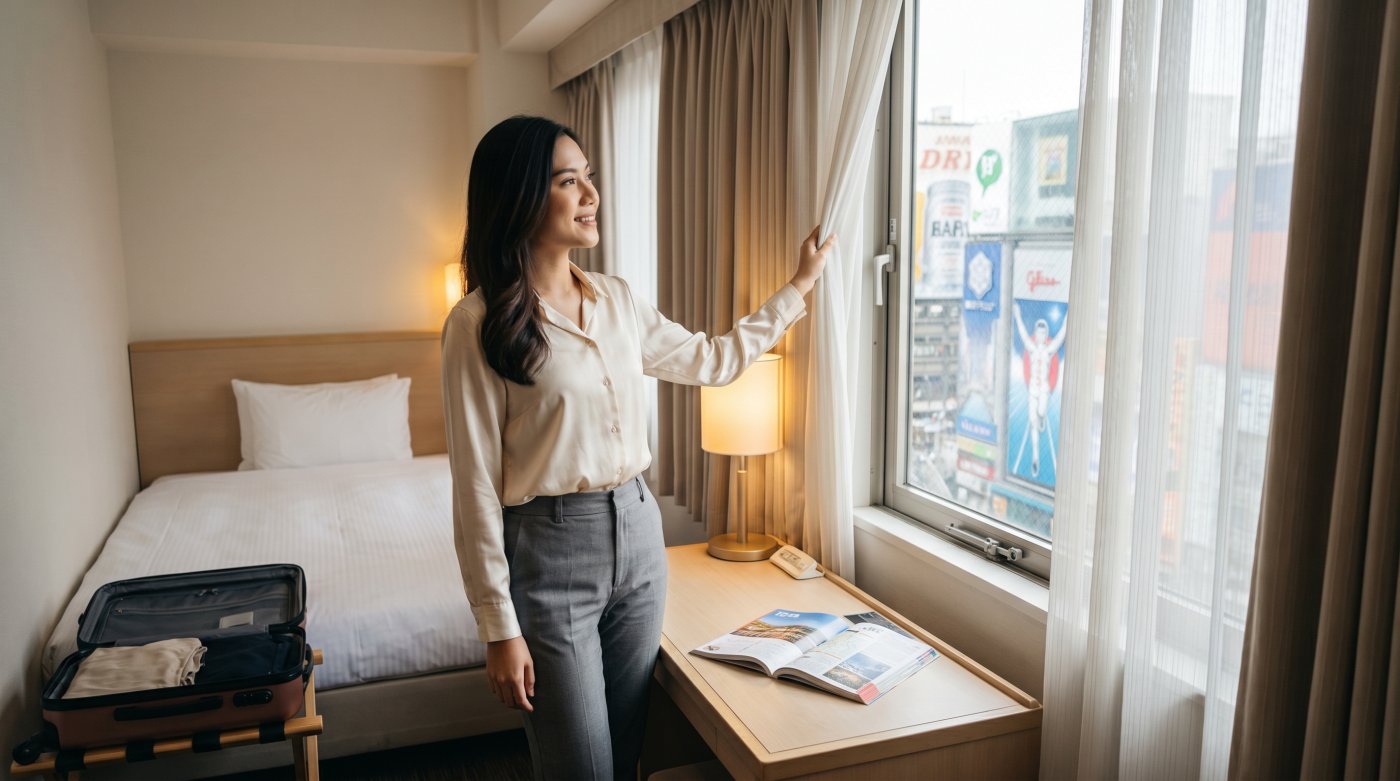
For this itinerary, the smartest base is either Namba or Umeda.
Namba puts you close to Kuromon Market, Dotonbori, and easy southbound access to Shinsekai, while Umeda makes arrival and departure simple if you are coming in from Kyoto or using Osaka as part of a wider Kansai trip.
For mid-range travelers, both areas have a strong spread of business hotels, polished chain properties, and apartment-style stays that sit comfortably between budget hostels and luxury towers.
If you are still comparing districts, the where to stay in Osaka guide breaks down which neighborhoods work best for first-time visitors.
If you want this exact itinerary to feel effortless, the Namba area is the easiest all-round choice, while Umeda works especially well for travelers arriving by JR.
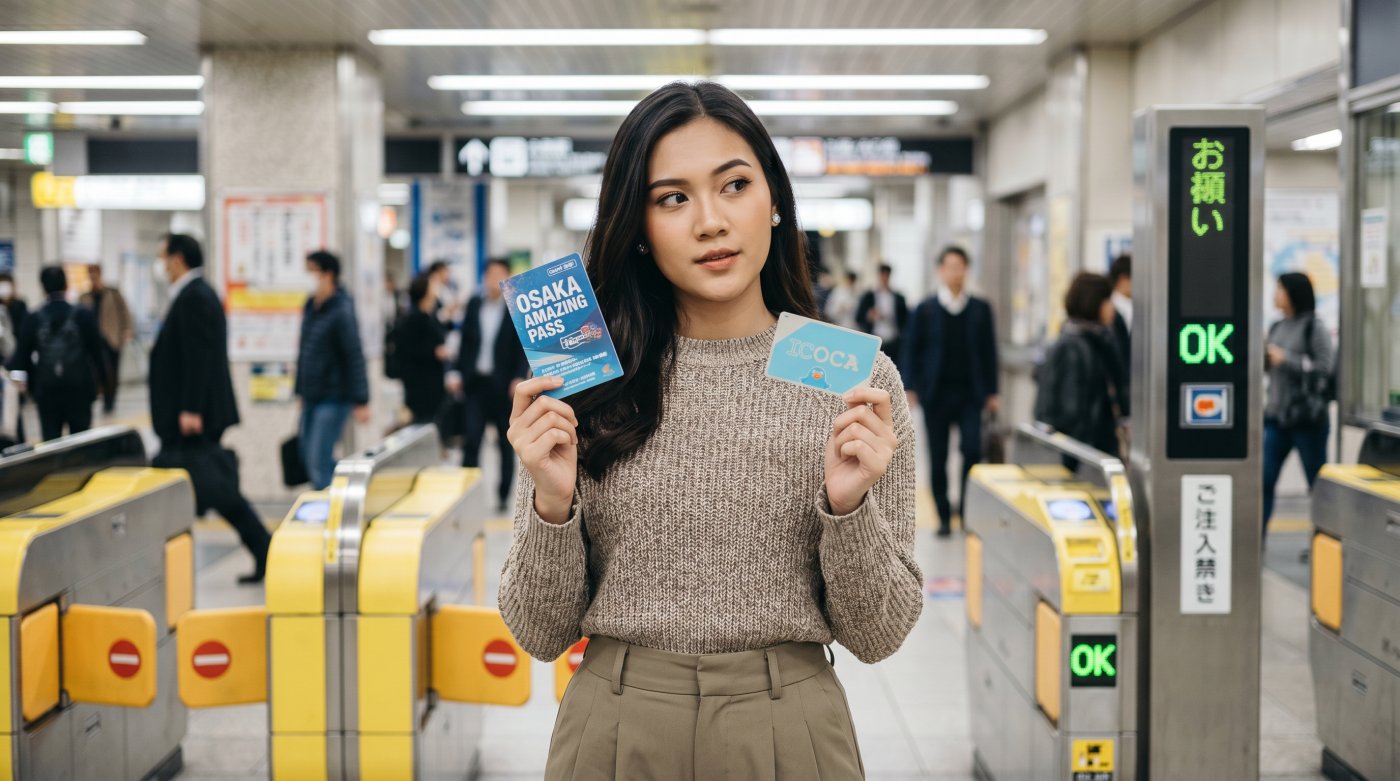
For this particular day, yes, the Osaka Amazing Pass makes sense if you plan to do the paid highlights.
Osaka Castle Museum is ¥1,200, Tsutenkaku Tower is about ¥1,000 for the main observatory, and Umeda Sky Building is ¥1,500.
That is already ¥3,700 in attractions before counting metro rides, so the 1-day pass at ¥2,800 is one of those rare travel products that is actually doing its job.
If you skip Umeda Sky Building or decide not to go up Tsutenkaku, the math gets less convincing.
In that case, an Osaka Metro 1-day pass at ¥820 or pay-as-you-go IC card rides may suit you better.
For this exact route, though, the pass is a clean win and removes the small but annoying friction of buying separate tickets all day.
The passes worth buying before you land — curated for first-timers.
Osaka Amazing Pass
Unlimited subway + free entry to 40+ attractions. The only pass most visitors actually need.
Osaka e-Pass
Attractions-only digital pass. Pair with a Metro Pass if skipping the Amazing Pass.
Osaka Metro Pass
1 or 2-day unlimited Metro rides. Best standalone transit value if you already have an attractions pass.
JR West Kansai Area Pass
Unlimited JR trains for 1–4 days. Covers Kyoto, Nara, Kobe, and Himeji from Osaka.
JR Haruka Express
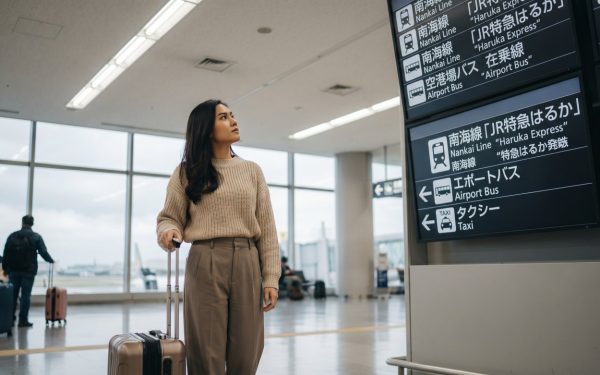
KIX to Umeda/Shin-Osaka in ~50 min. Best if staying in Umeda or heading straight to Kyoto.
Nankai Rapi:t Express
KIX to Namba in 34 min, reserved seat. Better if staying in Namba or Shinsaibashi.
Unlimited subway rides plus free entry to 40+ attractions including Osaka Castle, Umeda Sky Building, and the Dotonbori River Cruise. If you're spending more than a day sightseeing, it pays for itself before lunch.
A south-to-north sweep through Osaka’s best, castle history in the morning, retro Shinsekai and market food at midday, then Dotonbori neon and Umeda rooftop views after dark
This route is arranged to keep the day feeling logical rather than random.
You begin with space and history at the castle, move into food and street energy around Namba and Shinsekai once the city wakes up properly, then finish with the two evening scenes that make Osaka memorable for first-timers.
It is a busy day, yes, but the metro hops are short and each stop earns its place.
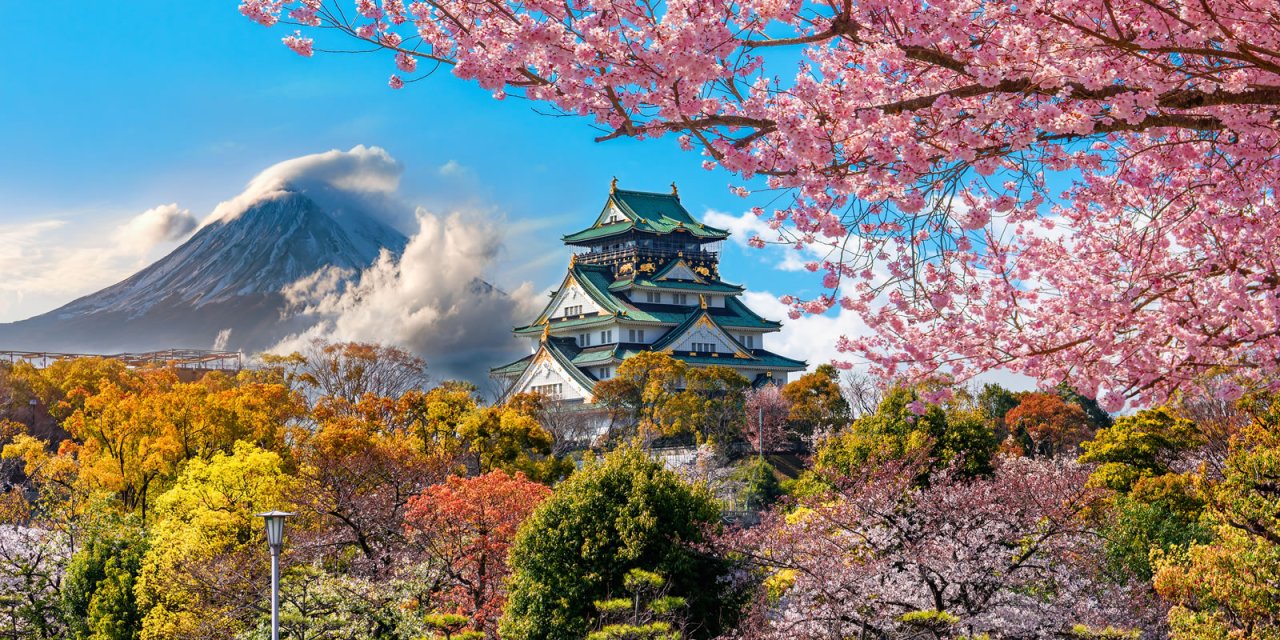
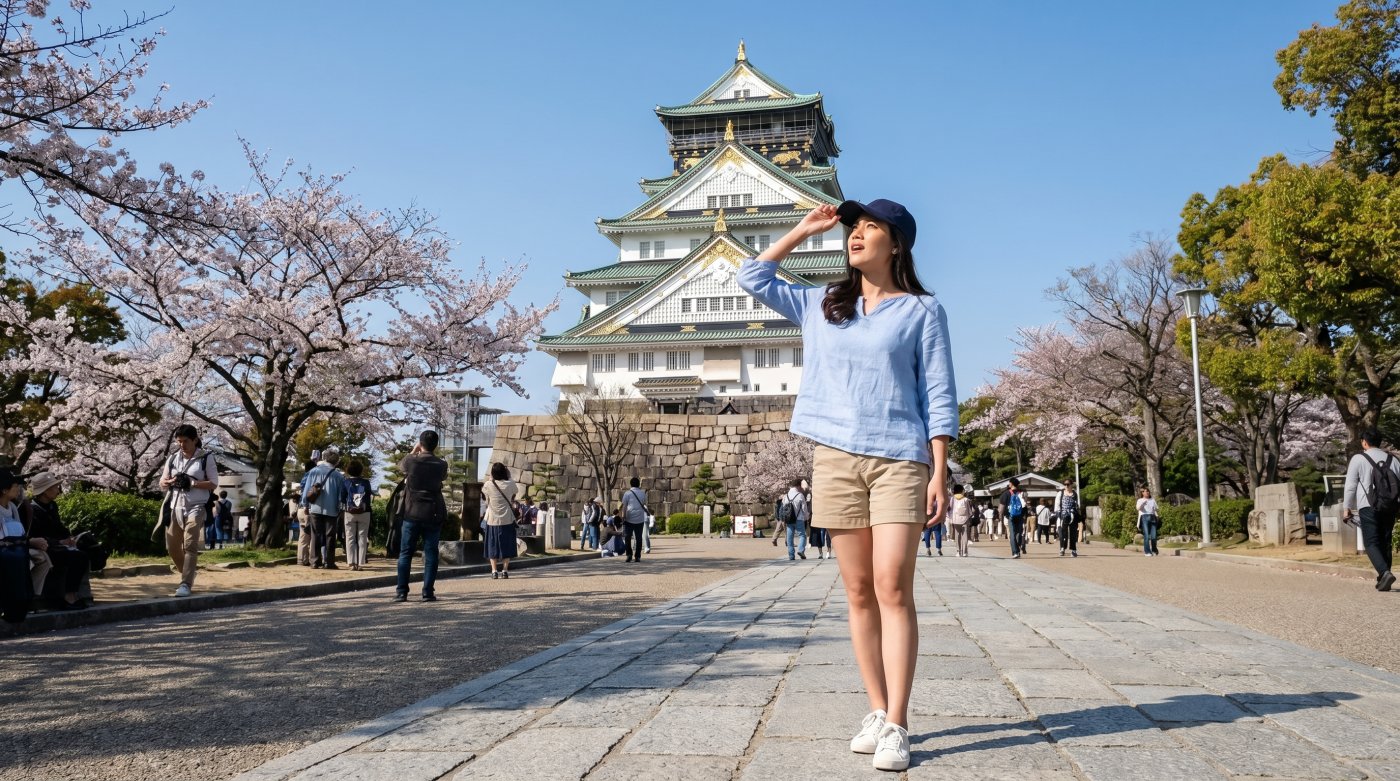
Start at Osaka Castle right at 9:00 AM, when the museum opens and the park still has that rare, brief feeling of calm.
The grounds are free, so you can take a slow loop around the moat and stone walls before heading into the main keep, where admission is ¥1,200 and covered by the Amazing Pass.
Give yourself around 90 minutes here.
The museum inside is not just a quick photo stop, it actually gives shape to the city’s story, and the top-floor views over Osaka Castle Park reward anyone who bothered to get out of bed on time.
From Tanimachi 4-chome Station, hop on the Tanimachi Line to Namba.
The ride takes about 10 minutes and costs ¥240 if you are not using a pass, which is exactly the sort of small expense that adds up unless you planned ahead.
Once you surface, walk five minutes east to Kuromon, where lunch starts early and restraint usually ends early too.
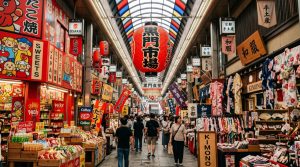
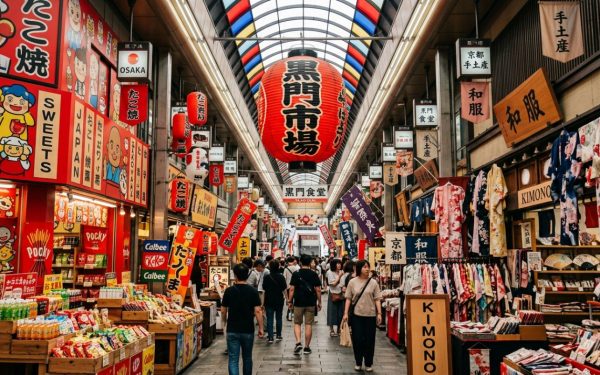
Kuromon Ichiba Market is where Osaka begins to taste like Osaka.
Spend about an hour eating your way through tuna sashimi over rice, wagyu skewers, grilled scallops, and tamagoyaki, with a realistic spend of ¥1,500 to ¥2,500 per person if you want variety without going full food-goblin.
Most stalls start winding down by late afternoon, so hitting it around 11:20 AM to 12:30 PM gives you the best selection and none of the sad half-shuttered energy markets get later in the day.
After Kuromon, take the Midosuji Line from Namba to Dobutsuen-mae.
It is one stop, under five minutes, and about ¥180 if you are paying cash, which is refreshingly low compared with the amount of walking it saves.
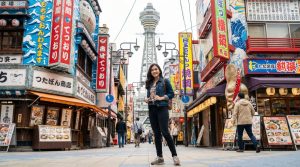
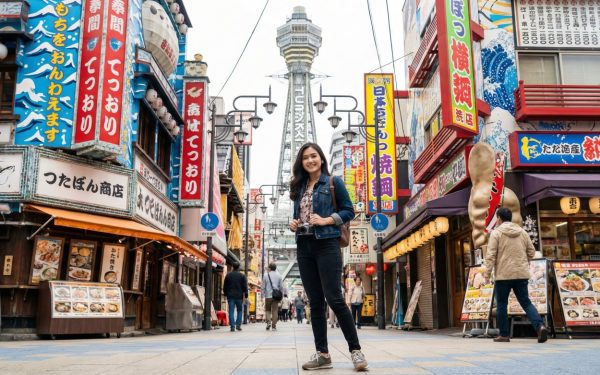
From there, walk into Shinsekai, a district that still feels gloriously unconcerned with polishing itself for visitors.
This is where the itinerary loosens up a little.
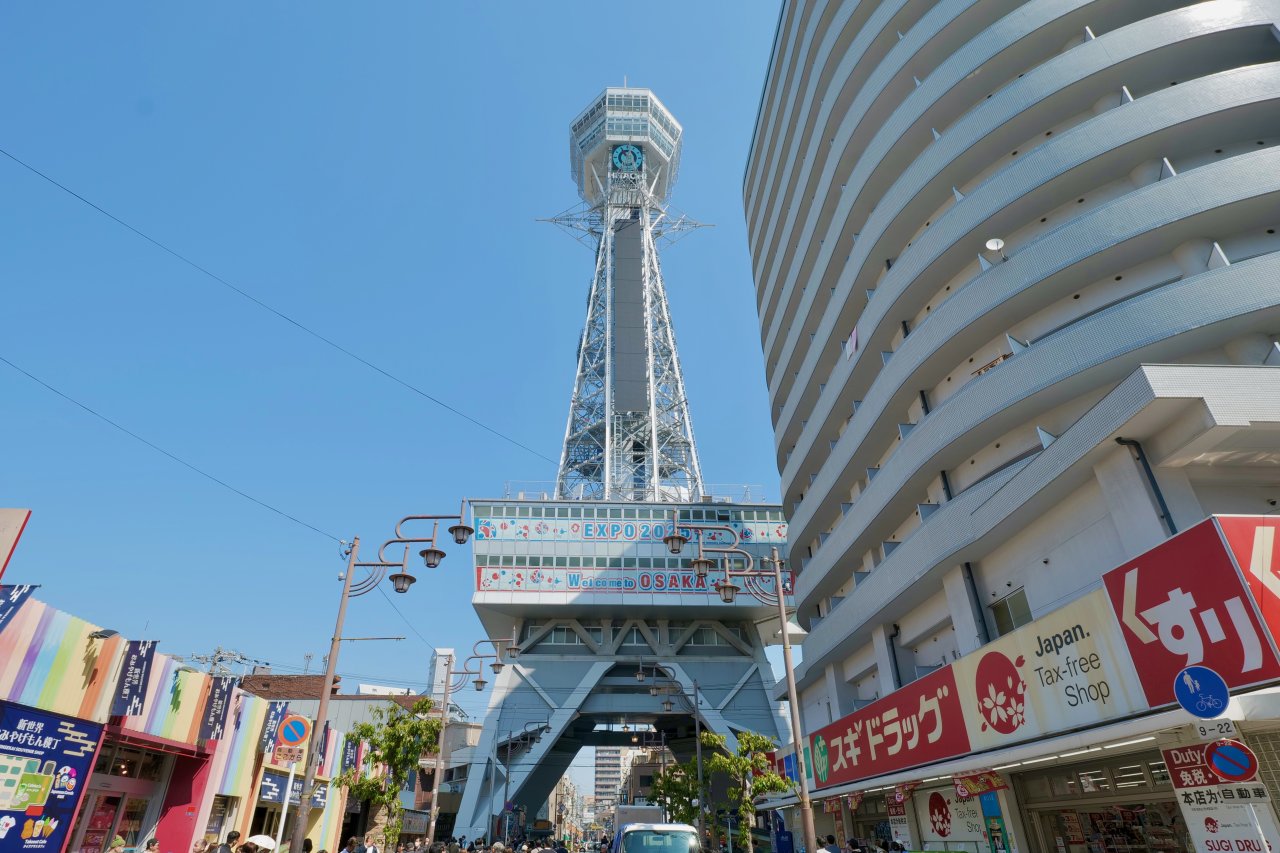
Spend time under the signboards, peek into old-school game arcades, and then head up Tsutenkaku Tower, open from 9:00 AM to 10:00 PM.
The main observatory is about ¥1,000 and covered by the Amazing Pass, so this is an easy one to tick off your pass without overthinking it.
The view is lower and grittier than Umeda’s later in the evening, but that is part of the appeal.
You are looking at Osaka from inside its texture, not from above the city like a benevolent property developer.
For lunch, keep it simple and do it properly at Kushikatsu Daruma Shinsekai Main Store.
A meal here usually lands around ¥1,500 to ¥2,500 per person, and the skewers come out hot, fast, and dangerously easy to keep ordering.
Go for beef, shrimp, lotus root, and cheese to start, and remember the house rule: no double-dipping in the communal sauce.
Everyone laughs about this until they are the tourist getting corrected.
If time is moving well and your energy is steady, make your way back toward Shinsaibashi in the late afternoon for a little shopping.
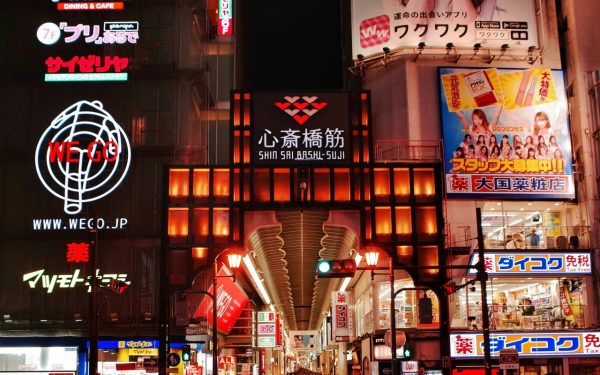
Shinsaibashi-suji Shopping Arcade is free to browse and gives you a nice change of pace after history and fried food.
You are not here for a marathon retail session, just enough time to scan cosmetics, Japanese basics, snacks, and a few souvenirs without derailing the evening.
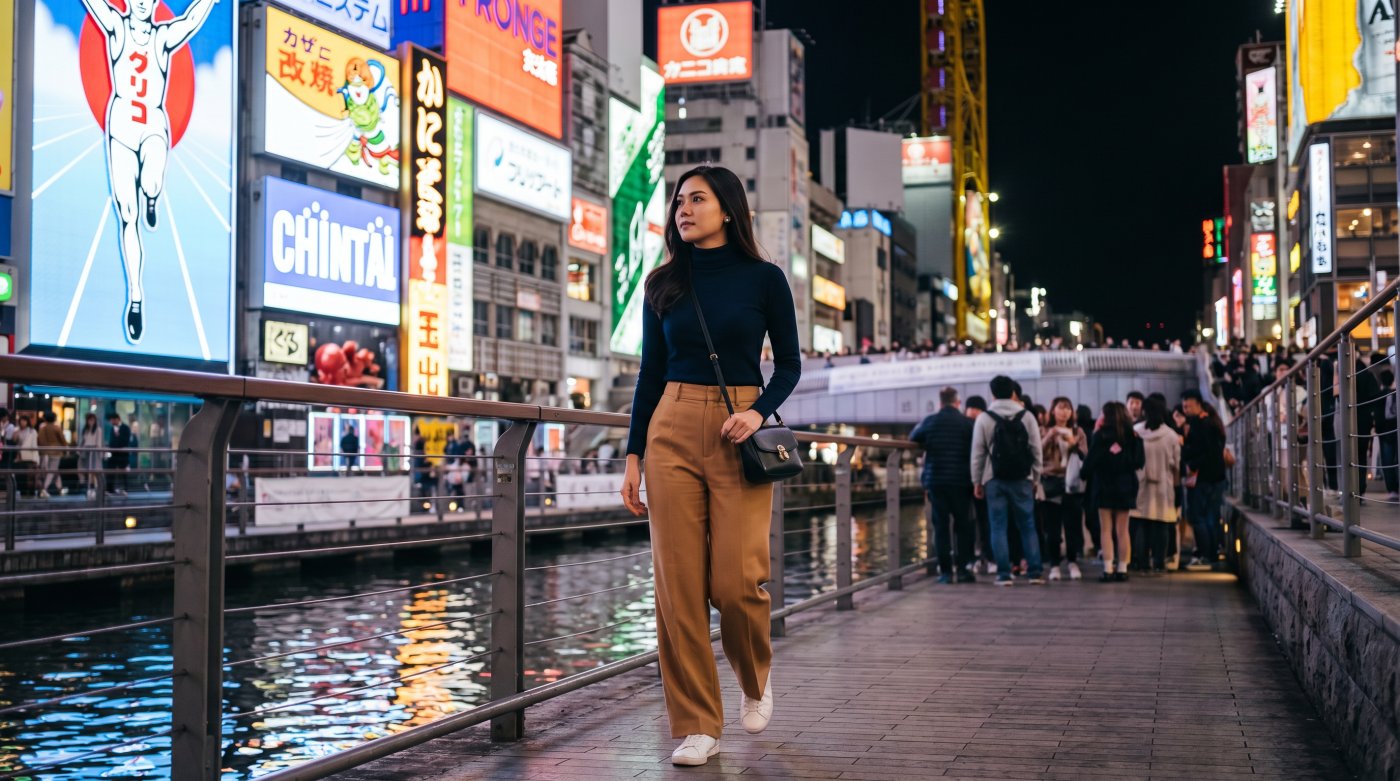
By early evening, head into Dotonbori, ideally around 6:00 PM before the sidewalks become a shoulder-to-shoulder social experiment.
The Tombori Riverwalk is free, the Glico sign is exactly as absurdly iconic as you expect, and the giant restaurant mascots make the whole area feel like Osaka is competing in a contest to see which building can be the loudest. But for much more amazing experience, try the Tombori River Cruise as well.
For first-timers, this is non-negotiable.
If you skip it, you did not really do central Osaka, you just visited some locations within it.
Dinner works best as a two-part meal around Namba rather than a single heavy sit-down.
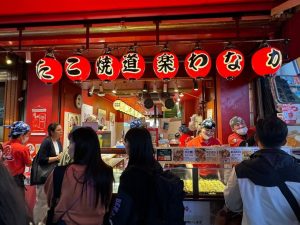
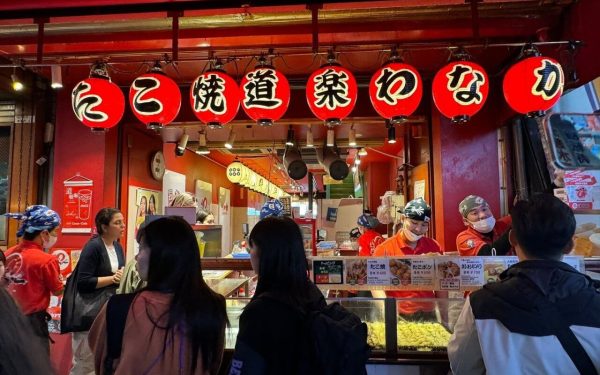
Grab takoyaki from Wanaka or Aizuya near Dotonbori, then move onto ramen on one of the side streets off the main canal strip.
A realistic total is ¥1,200 to ¥2,000 per person, and the side streets usually give you better prices and shorter waits than the most photogenic spots facing the water.
If you want more ideas for later meals, the Osaka food guide is handy once you realise one day here was obviously not enough.
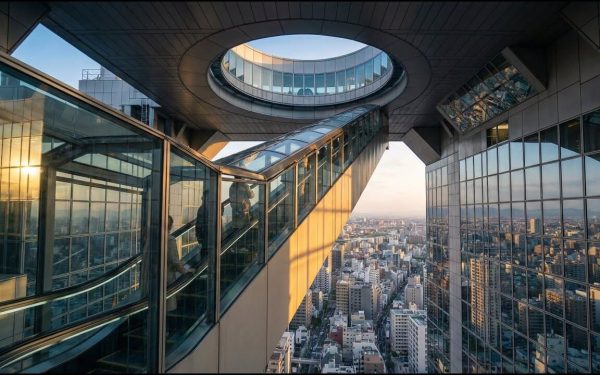
Finish the night in Umeda at the Kuchu Teien Observatory in Umeda Sky Building, open from 9:30 AM to 10:30 PM with last entry at 10:00 PM.
Admission is ¥1,500 and covered by the Amazing Pass, which means the pass earns its keep nicely by the end of the day.
Arrive around 8:30 PM to 9:00 PM, let the escalators carry you dramatically through the atrium, and then step onto the open-air deck for the night view.
It is one of the best city panoramas in Japan, and after a day spent at street level, it gives the whole itinerary a satisfying final lift.
For a mid-range first trip, the honest total for this day is about ¥12,000 to ¥18,000 in JPY.
That range assumes you are paying for a few headline attractions, eating well without chasing luxury omakase fantasies, using the metro sensibly, and leaving a little room for snacks or small shopping purchases.
Real costs swing up or down depending on whether you buy the Amazing Pass and how aggressively Kuromon Market empties your wallet.
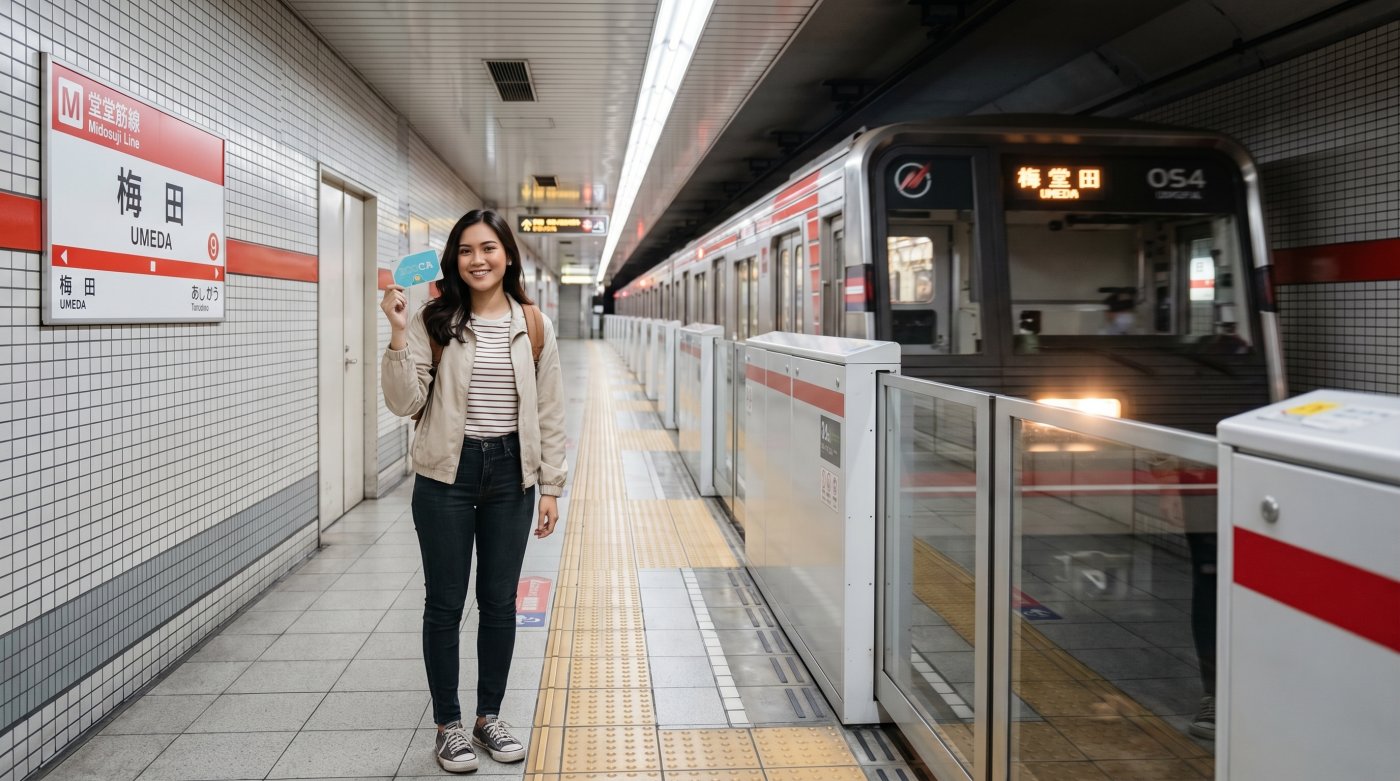
Transport for this route sits around ¥900 to ¥1,500.
That covers metro hops between Osaka Castle, Namba, Shinsekai, Dotonbori, and Umeda, plus a little buffer for a wrong exit or an extra station because Osaka loves making station complexes feel like puzzle games.
If you buy the Amazing Pass, a chunk of that local transport value is folded into the day already.

Attraction spending lands around ¥3,500 to ¥5,500 if you do the major paid sights.
Osaka Castle Museum at ¥1,200, Tsutenkaku Tower at about ¥1,000, and Umeda Sky Building at ¥1,500 already put you near the middle of that range, and all three are Amazing Pass eligible on this itinerary.
That is why the pass is worth talking about more than once, because for once the savings are not theoretical marketing fluff.
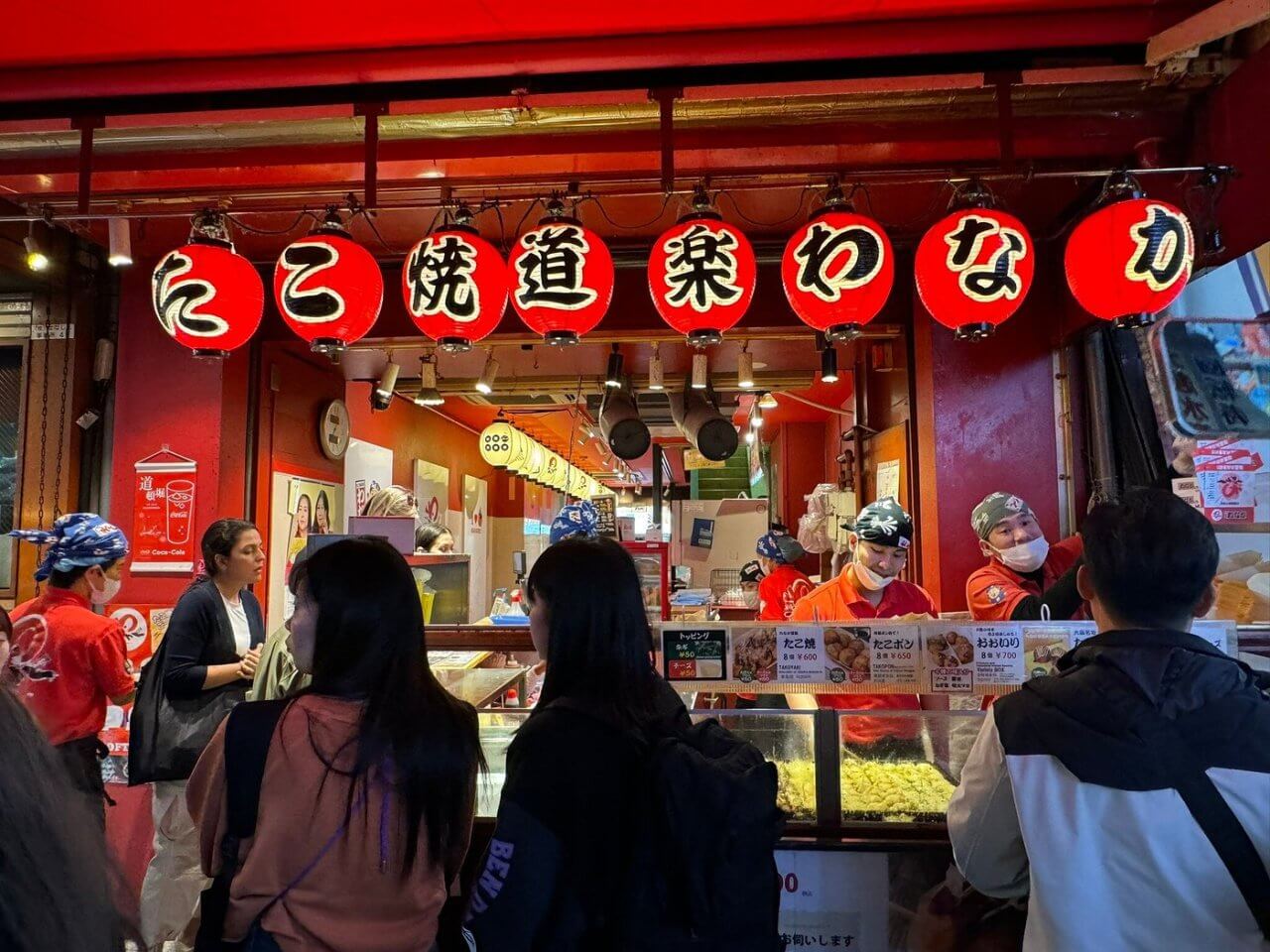
Food is likely to cost ¥4,500 to ¥7,000 for the day.
A realistic split is ¥1,500 to ¥2,500 at Kuromon, ¥1,500 to ¥2,500 for kushikatsu in Shinsekai, and ¥1,200 to ¥2,000 for a takoyaki-and-ramen evening around Namba.
You can spend more, obviously.
Humans are endlessly talented at turning snacks into financial decisions.
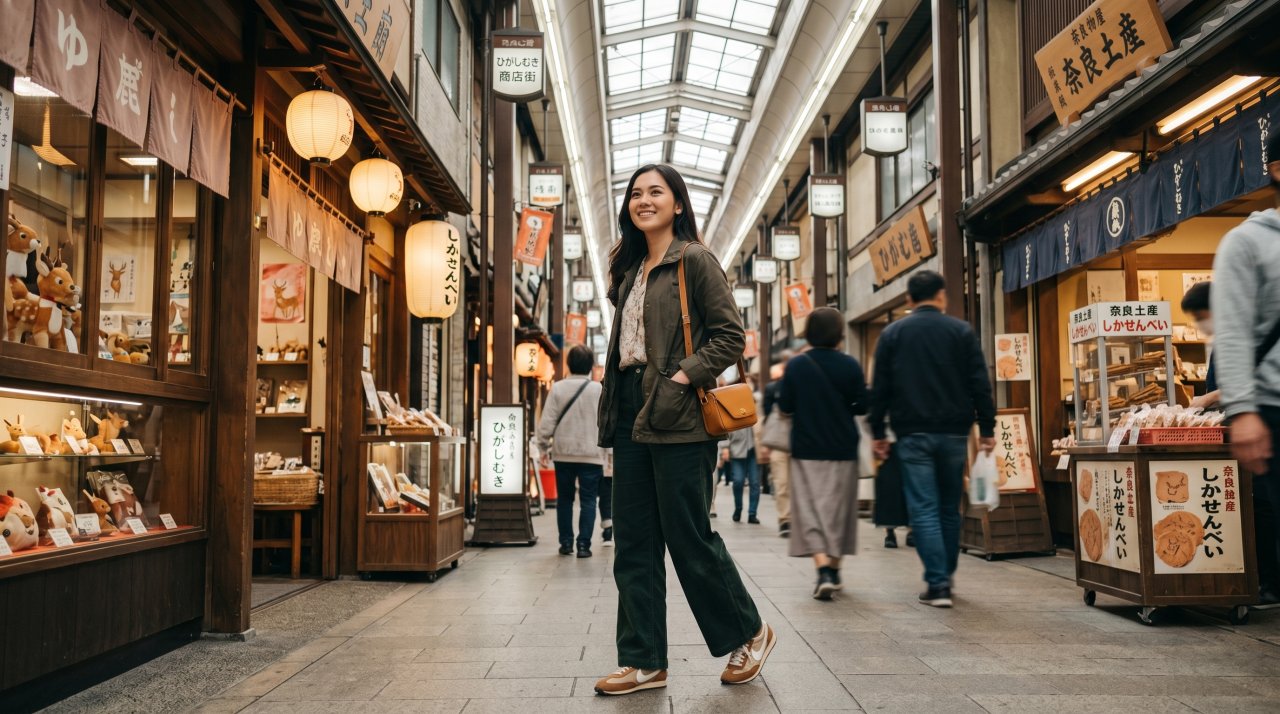
Shopping is best budgeted at ¥2,000 to ¥3,000, especially if Shinsaibashi gets you with cosmetics, snacks, or small gifts.
Extras run around ¥500 to ¥1,000, which covers coffee, bottled drinks, locker use, or a little weather-based spending because rain always waits until you are dressed for optimism.
Taken together, ¥12,000 to ¥18,000 total is a fair mid-range day in Osaka.
Many first-time visitors expect Japan to feel more punishing than this, but Osaka is generous if you keep your route tight and your food choices smart.
You can absolutely spend more, but you do not need to spend wildly to have a day that feels full.
The biggest planning lessons here come from timing and friction, not from the attractions themselves.
Osaka is easy to move around once you are in rhythm, but small decisions about arrival time, queue timing, and where you eat make a bigger difference than people expect.
If you are using this as a day trip from Kyoto, start early and aim to be at Osaka Castle by opening time.
From Kyoto Station, the fastest route into central Osaka is very manageable, and starting sharp gives you the breathing room that makes Shinsekai and Umeda feel enjoyable rather than squeezed.
If you are coming from Tokyo, this is still possible as a day trip, but it works best if you take an early Shinkansen and treat the day as focused rather than leisurely.
Money-wise, buy the Amazing Pass if you know you are doing Osaka Castle, Tsutenkaku, and Umeda Sky Building.
The numbers are simple: those three alone cost more than the 1-day pass.
If you cut one of them, the decision gets less clear, so do not buy it just because the name sounds exciting.
Travel passes love that kind of blind faith.
For food and crowd control, get to Kuromon before mid-afternoon and get to Dotonbori before 7:00 PM, especially on weekends.
Kuromon loses momentum once stalls start closing, and Dotonbori gets packed enough in the evening that even taking a photo can feel like a group project.
At Daruma, remember the no double-dipping rule, and on metro-heavy days, a stored-value IC card still helps even if you decide the Amazing Pass is not worth it.
This itinerary is a great fit if you are visiting Osaka for the first time, you want a little of everything, and you do not mind a full day with purpose.
It suits travelers who like cities best when they can sample different moods in one sweep, from castle grounds and market stalls to retro streets and neon canal walks.
If your idea of a good day involves movement, food, and seeing the skyline before bed, this one lands well.
It is less ideal if you want long museum visits, a late start, or lots of café downtime.
Families with very young kids may want to cut Shinsekai or Umeda and build in a longer afternoon rest.
Travelers who are more interested in niche neighborhoods, independent shopping, or second-trip discoveries will probably get more value from one of the other Osaka itineraries or a slower read through the best things to do in Osaka.
For most first-timers, though, this is a sharp one-day version of the city.
It gives you landmark history, proper Osaka eating, a look at different neighborhoods, and a night view strong enough to make the whole day feel finished rather than merely ended.
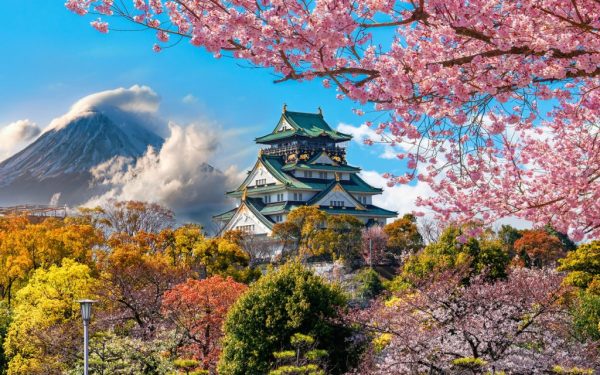
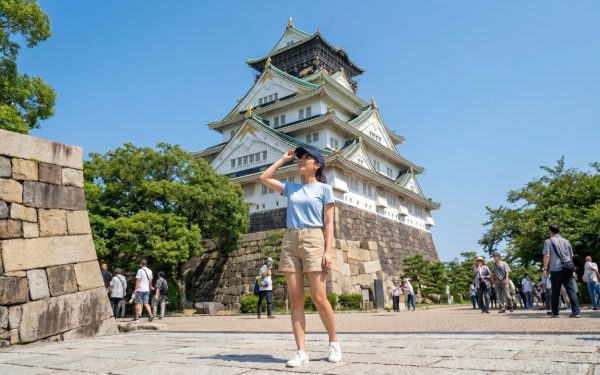
Start here while the castle grounds are still quiet and the light is good for photos. The main tower has eight floors of exhibits tracing Toyotomi Hideyoshi's rise and the castle's repeated destruction and rebuilding, and the view from the top floor over the moat and park is genuinely worth the climb. Give yourself about 90 minutes to do it properly without rushing.
This covered market stretches two blocks and has been feeding locals since 1902. Graze your way through: fresh tuna sashimi on rice, wagyu beef skewers, grilled scallops, and tamagoyaki are all sold ready-to-eat at the stalls. Budget ¥1,500-2,500 and you will leave uncomfortably full.
Shinsekai is Osaka before it got polished, a 1920s-era entertainment district where pachinkos, retro izakayas, and tacky Billiken souvenirs coexist without any attempt at gentrification. Walk the main street, take in the lantern-hung storefronts, then head up Tsutenkaku Tower for a 360-degree view over the low-rise neighborhood and city skyline. The tower is genuinely charming in a faded-postcard kind of way.
This is the original Daruma, the place that turned deep-fried battered skewers into an Osaka institution. You sit at a counter or table, point at what you want from the picture menu, and the skewers arrive hot in batches. Order beef, lotus root, cheese, and shrimp at minimum. Budget ¥1,500-2,000 for a solid sit-down lunch here.
A 600-meter covered shopping arcade running between Shinsaibashi and Namba, mixing international fast fashion, Japanese cosmetics, 100-yen shops, and local streetwear in a single dense corridor. Good for affordable souvenirs, Pocky variations, and whatever clothing catches your eye. Browse at your own pace without feeling pressured.
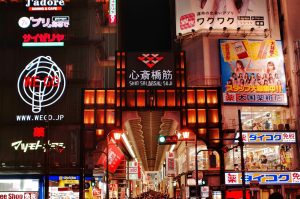
Walk the Tombori Riverwalk along the canal as the neon signs start warming up and the restaurants lower their lanterns for the evening rush. The Glico Running Man sign, the giant mechanical crab above Kani Doraku, and the packed takoyaki counters are all within a few hundred meters of each other. This is peak sensory overload Osaka, and it works best on foot rather than from a boat.
Grab a plate of takoyaki from Wanaka or Aizuya near Dotonbori, then follow it with a bowl of ramen from one of the side-street shops on Soemoncho if you're still hungry. The side streets one block off the main Dotonbori strip have less tourist pricing and shorter queues. This is dinner Osaka-style: multiple stops, small portions, total chaos.
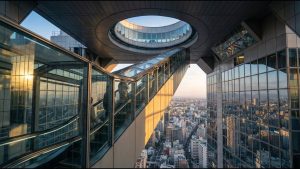
Take the Metro north to Umeda and head to the Kuchu Teien Observatory on the 39th floor, an open-air circular deck connecting two towers 173 meters above the city. At night, with Osaka's grid of lights spreading in every direction, it is one of the better city views in Japan. Last entry is 10:00 PM, so arriving around 8:30-9:00 PM gives you the full night view with enough time to stay a while.

Yes, 1 day is enough to get a strong first impression of Osaka if you keep your route focused. You can comfortably cover Osaka Castle, Kuromon Market, Shinsekai, Dotonbori, and Umeda in one long but realistic day.
What you cannot do is cover Osaka Bay, major museums, and theme parks as well, so the trick is choosing a route with range rather than trying to see everything.
No. The current structure dates from 1931 and is a ferroconcrete reconstruction, not the original Toyotomi-era castle.
The original was destroyed during Japan’s feudal conflicts.
The reconstruction is historically detailed and houses a genuine museum, but it is not a surviving historic structure in the way that, for example, Himeji Castle is.
If original castle architecture matters to you, the day trip to Himeji from Osaka is worth adding to your itinerary.
For this exact route, yes, the Osaka Amazing Pass is worth it. Osaka Castle Museum costs ¥1,200, Tsutenkaku Tower is about ¥1,000, and Umeda Sky Building is ¥1,500, so you are already at ¥3,700 in admissions before counting rides.
With the 1-day pass at ¥2,800, the savings are real rather than theoretical.
A realistic mid-range budget is about ¥12,000 to ¥18,000 for this itinerary.
That covers attractions, metro transport, market food, a sit-down kushikatsu meal, casual dinner, and a small amount of shopping or extras.
You can trim the total by skipping one paid viewpoint, but most first-timers will find this range accurate.
Spring and autumn are the easiest seasons for this route because you will be outside a lot and walking between neighborhoods.
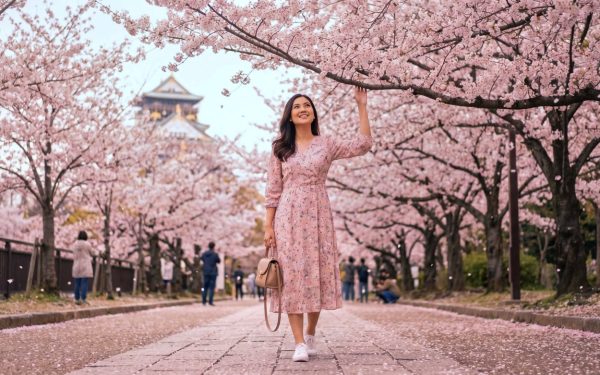
March to May brings cherry blossom season around the castle, while October and November usually give you cooler evenings for Dotonbori and the Umeda rooftop.
Summer is doable, but expect heat and humidity that make the afternoon feel heavier.
Yes, this itinerary works very well for solo travelers, Kyoto day-trippers, and even Tokyo day-trippers with an early start.
The route is clear, the metro legs are short, and the mix of attractions means you never spend too long in one mode.
Cruise passengers can also use it, but they should check port transfer times before locking in the full version.
While we do our best to provide accurate itinerary details, costs and availability may vary. Always confirm prices and bookings directly with providers. Some links may earn us a small commission at no extra cost to you.