Osaka Aquarium Kaiyukan
One of the world's largest aquariums, built around a towering whale shark tank and 15 Pacific Rim ecosystems.
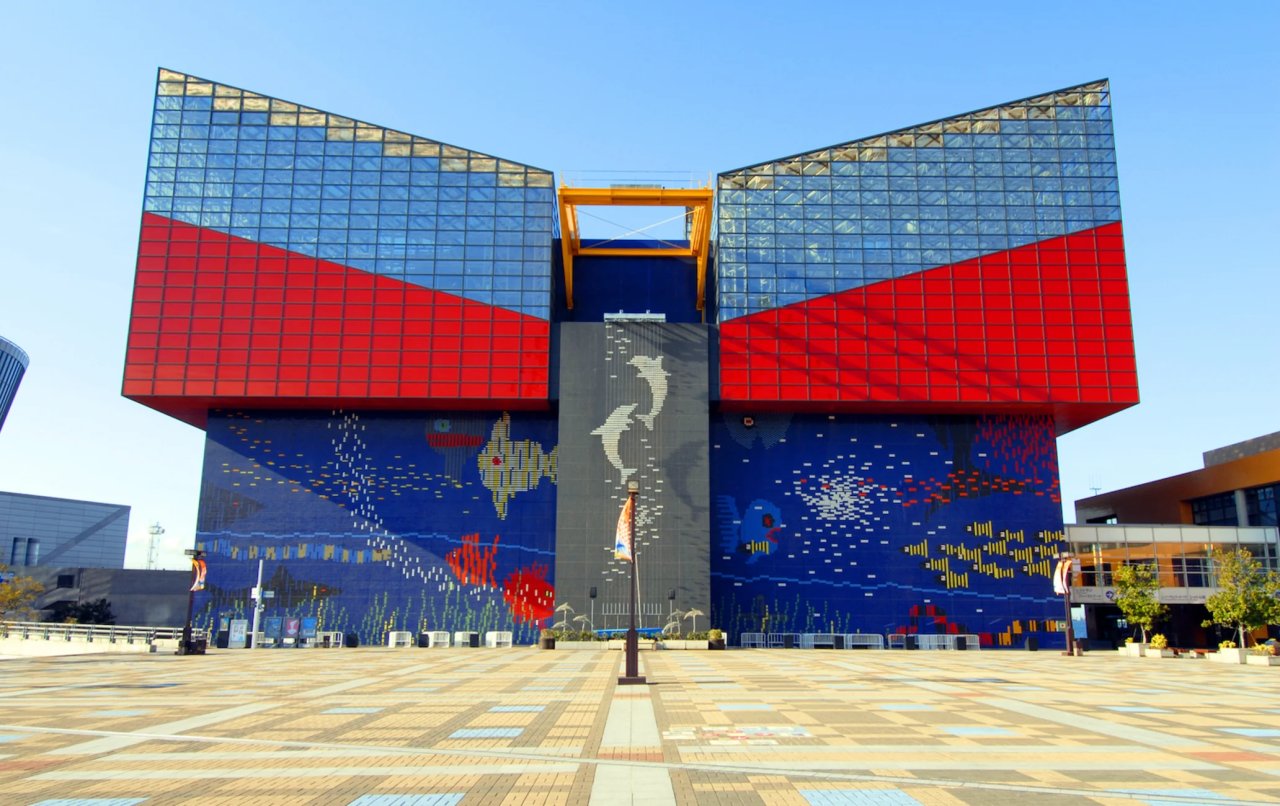
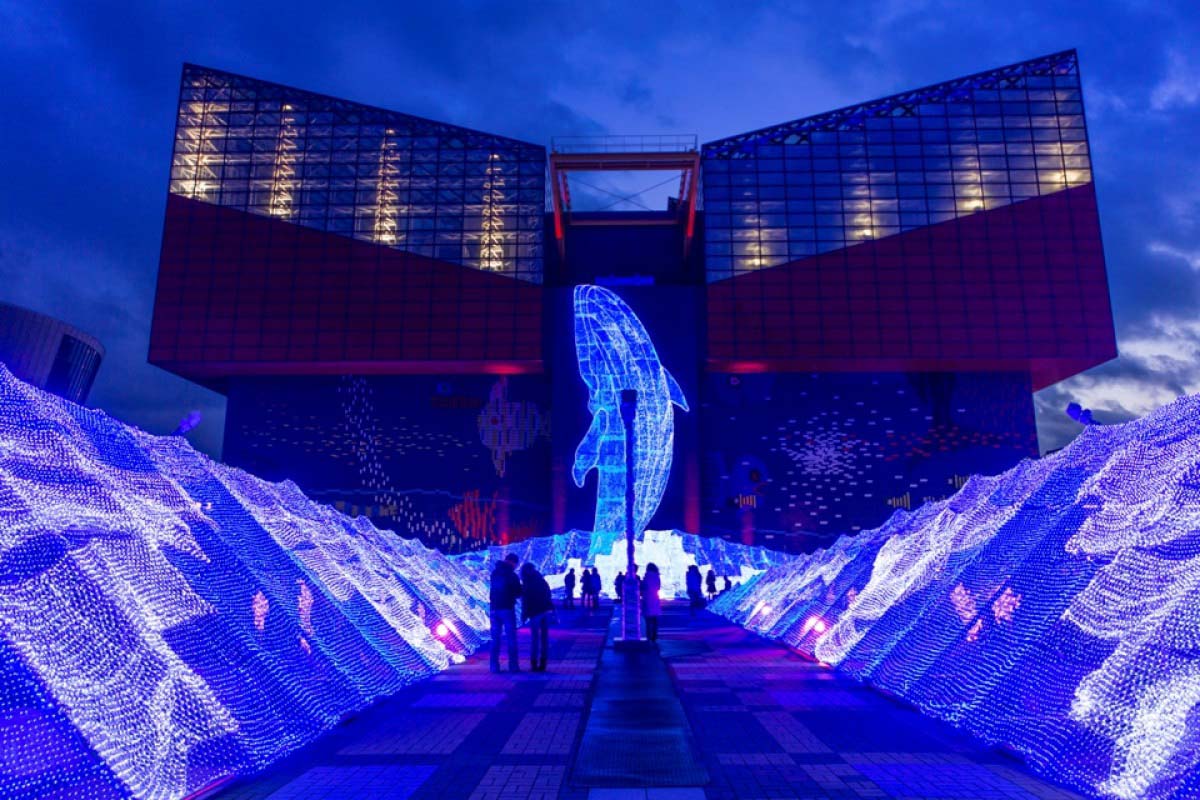
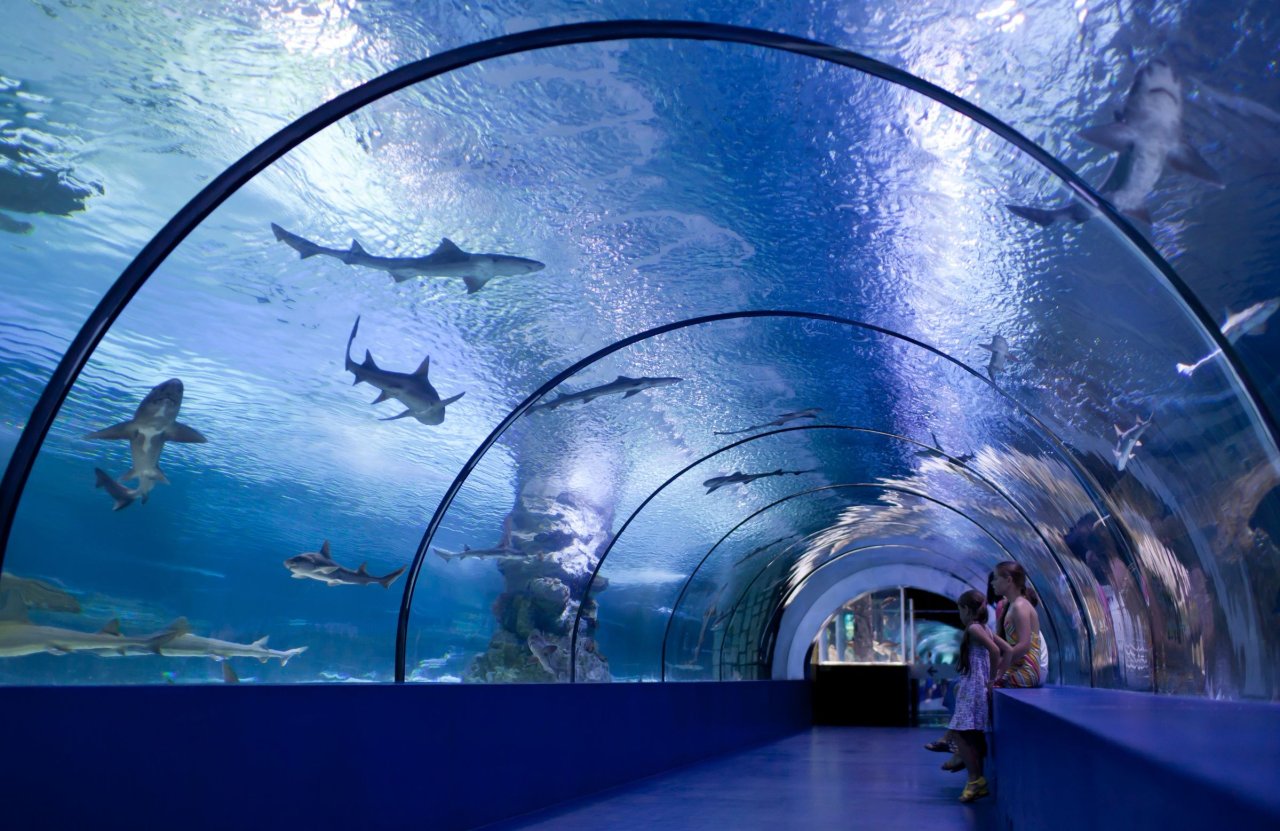








Osaka Aquarium Kaiyukan (海遊館, Kaiyūkan) opened in July 1990 and, at the time, was the largest public aquarium on the planet.
It still ranks among the world’s most impressive.
The building sits on the Tempozan waterfront in Minato Ward, directly beside the historic Tempozan Marketplace and within easy reach of Universal Studios Japan via the Captain Line fast ferry.
Over 30,000 creatures across 15 tanks recreate environments stretching from the Antarctic to the Aleutian Islands to the waters just off the Japanese coast.The experience follows a spiral ramp that starts at the 8th floor and winds downward, drawing you progressively deeper into each habitat.
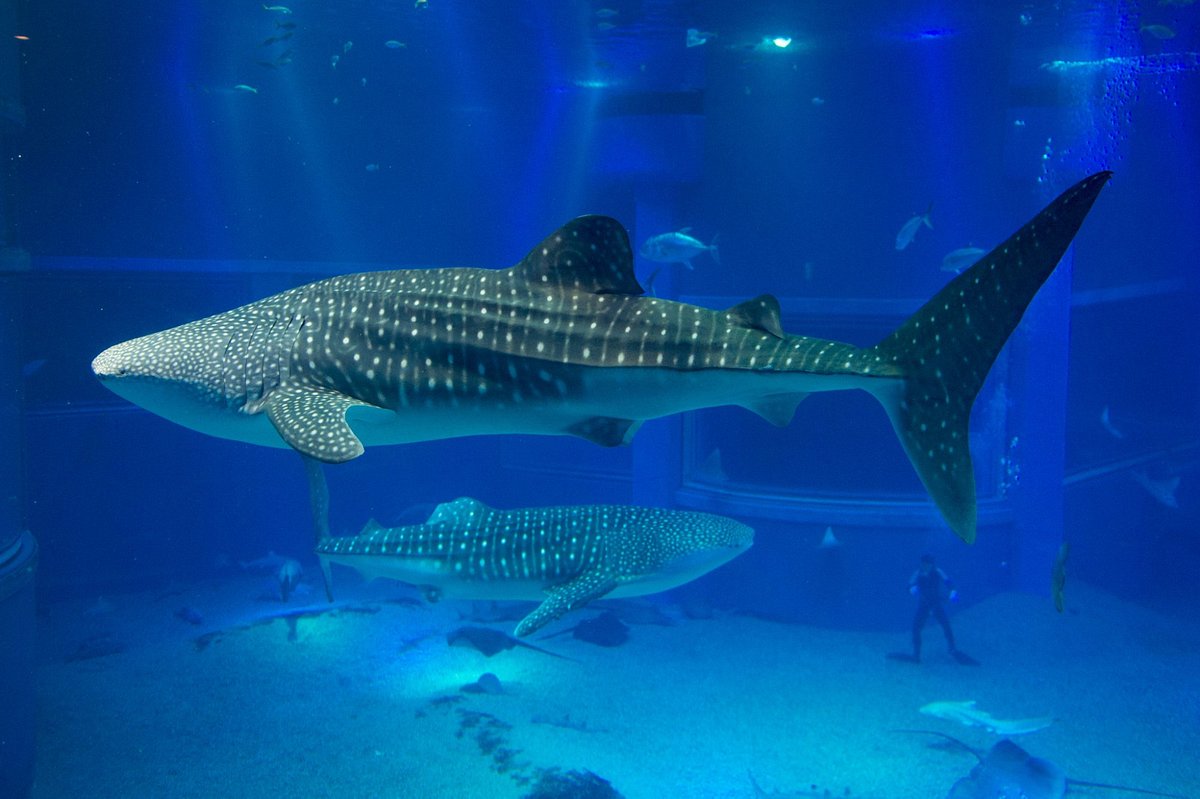
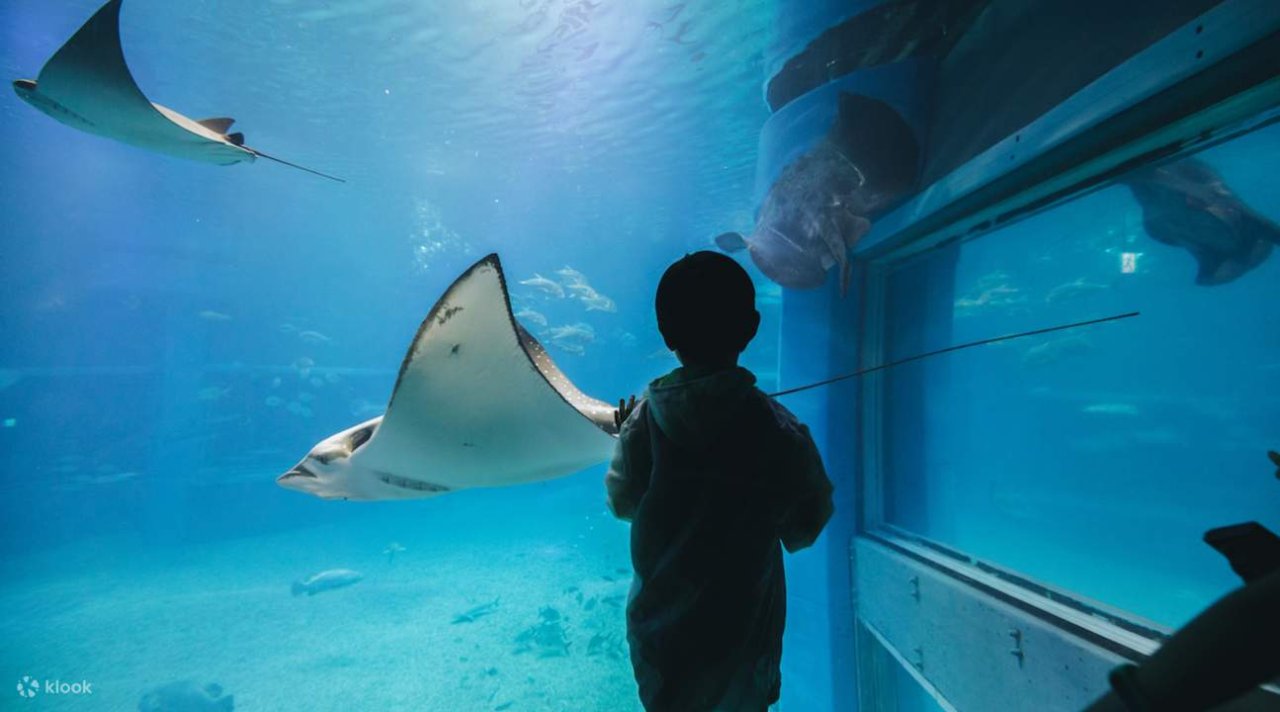
The Pacific Ocean tank at the centre is the anchor: a vast, multi-story column of open water where two whale sharks and a manta ray glide past at close range.
You pass this tank repeatedly from different floors and different depths, which means the same animals look entirely different depending on where you stop.
Sea otters, whale sharks, jellyfish illuminated in shifting light, and a pengnade colony that generates an unreasonable amount of noise given their size — the variety holds your attention for a full two to three hours without feeling padded.Weekends and school holiday periods see heavier crowds, particularly around the main whale shark tank.
Arriving at opening time (10:00) on a weekday lets you move through the early floors comfortably before groups begin to accumulate.
The Night Aquarium event, held seasonally in summer, changes the lighting throughout and creates a markedly different atmosphere that’s worth checking for if your visit falls in July or August.Feeding sessions take place throughout the day on a rotating schedule displayed at the entrance.
Timing your walk-through to coincide with the whale shark or sea otter feeding is the single best free upgrade you can give yourself here.
Osaka Aquarium Kaiyukan: Your Complete 2026 Visitor Guide – Osaka Aquarium Kaiyukan (海遊館, Kaiyūkan) is one of the largest aquariums in the world, home to over 30,000 sea creatures across 15 Pacific Rim habitats, and the only place in Japan where you can watch a whale shark cruise past at close range.
In this Explore Osaka guide, you’ll find up-to-date prices, honest crowd advice, and everything you need to plan two to three solid hours on Osaka’s Tempozan waterfront.
The aquarium opened in July 1990 in Minato Ward and has anchored this stretch of Osaka Bay as a destination ever since.
Osaka Aquarium Kaiyukan at a Glance
Hide- Address: 1-1-10 Kaigan-dori, Minato Ward, Osaka, 552-0022
- Nearest station: Osakako Station (Osaka Metro Chuo Line, Exit 1), 5-minute walk
- Admission: ¥2,700 adults (16+), ¥1,400 ages 7–15, ¥700 ages 4–6, under 4 free
- Opening hours: 10:00–20:00 daily; last admission 19:00 (hours vary on non-scheduled holidays; confirm at kaiyukan.com before visiting)
- Time needed: 2 to 3 hours
- Best season: Year-round; summer brings the Night Aquarium event
- Official website: kaiyukan.com/language/eng/
- Phone: 06-6576-5501
Why Visit Osaka Aquarium Kaiyukan
The central reason to visit is scale.
This isn’t a regional aquarium with decent tanks and a gift shop; it’s a deliberately engineered encounter with ecosystems stretching from the Aleutian Islands to the coast of Ecuador, all organised around a multi-story central tank that rises through the heart of the building.
Most aquariums give you fish behind glass.
Kaiyukan gives you something that feels closer to being genuinely in the water.
The 1990 opening date might make you wonder whether it’s showing its age. It isn’t.
The tanks have been maintained and updated, the visitor flow design still functions well, and the variety of species represented here, including whale sharks, manta rays, sea otters, jellyfish in sculptural formations, and a penguin colony that sounds considerably more chaotic than it looks in photos, holds up against much newer facilities across Asia.
The Whale Shark Tank: Why the Reputation Is Earned
The Pacific Ocean tank is the building’s centrepiece and the species that drives most visits.
Two whale sharks (jinbeizame, the world’s largest fish) and a manta ray share the main tank with schools of tuna and other open-water species.
What makes Kaiyukan’s design clever is that you encounter this tank from multiple angles and depths as you descend the spiral walkthrough from the 8th floor.
The same fish looks completely different observed from above the surface versus from below it, which is smarter structural thinking than most aquariums bother with.
What to See and Do: Kaiyukan Aquarium Osaka
The building is organised as a continuous spiral ramp from the 8th floor down to ground level.
Each section corresponds to a different Pacific Rim habitat: the Aleutian Islands, Monterey Bay, the Ecuadorian coast, the Great Barrier Reef, the Antarctic Ocean, and more.
You pass from cold arctic water to temperate kelp forest to tropical coral reef within the space of 20 minutes, which creates a sense of genuine geographic journey rather than a single long corridor of tanks.
The Pacific Ocean Tank and Spiral Walkthrough
The spiral structure means you pass the central Pacific Ocean tank multiple times during your descent, each time at a different depth.
At the uppermost viewing level, you’re looking across the water’s surface while the whale sharks cruise below.
By the midpoint floor, they’re at eye level.
At the lowest viewing window, you’re looking up at them from beneath, which is the most disorienting and most interesting angle.
Spend time at all three levels rather than rushing through on a single pass; the visual difference is significant.
The jellyfish room, located toward the lower floors, is a consistently rewarding stop.
Low ambient lighting, shifting colour sequences, and dozens of species displayed in cylindrical tanks create an atmosphere distinct from the rest of the building.
Crowds tend to be lighter here than at the whale shark viewing area, which means you can actually stand still and look without someone shuffling past your shoulder.
Animals to Build Your Visit Around
Sea otters occupy an outdoor exhibit with a viewing window at water level, allowing you to watch them swim toward you from below.
The Antarctic section houses a gentoo penguin colony in a genuinely cold corner of the building; the temperature drop when you walk in is noticeable and worth bringing a light layer for.
Across the 15 zones, the species variety is broad enough that two full hours feels appropriately used rather than padded.
Feeding Sessions at Osaka Aquarium Kaiyukan: How to Plan Around Them
Daily feeding sessions run on a schedule displayed at the entrance each morning.
The whale shark feeding draws the largest crowds around the central tank; arriving at the viewing window 10 minutes before the scheduled time gives you a workable position.
Sea otter feeding draws a smaller audience and is equally worth timing your walkthrough around.
Check the notice board at the entrance as soon as you arrive and plan your descent to hit at least one session during your visit.
Getting to Osaka Aquarium Kaiyukan
The cleanest route from central Osaka is the Osaka Metro Chuo Line.
From Honmachi Station, take the line westbound toward Cosmo Square and exit at Osakako Station (Exit 1).
The journey from Honmachi takes around 10 minutes.
From Namba, take the Sennichimae Line one stop west to Honmachi and transfer onto the Chuo Line, adding roughly 5 minutes.
The aquarium is a 5-minute walk from Osakako Exit 1 along a direct, well-signposted path past Tempozan Marketplace.
From JR Osaka Station, the practical route is the Osaka Metro Midosuji Line to Honmachi, then the Chuo Line to Osakako.
Total travel time is 20 to 25 minutes.
There is no direct JR line to the aquarium.
If you’re combining Kaiyukan with Universal Studios Japan on the same day, the Captain Line fast ferry connects the two attractions in around 10 minutes for approximately ¥800 per adult.
It’s a genuinely useful link for a full Osaka Bay day and avoids any train transfers.
Bus Route 88 from JR Osaka Station reaches the Tempozan stop in around 45 minutes; Bus Route 60 from Namba takes approximately 40 minutes to the same stop.
Practical Tips for Visiting Osaka Aquarium Kaiyukan
For those who want to visit this magnificent aquarium, here are insider’s practical tips:
Tickets: Prices, Passes, and Where to Buy
Standard adult admission is ¥2,700 for visitors aged 16 and over.
Children aged 7 to 15 pay ¥1,400, ages 4 to 6 pay ¥700, and children under 4 enter free.
Tickets are available at the entrance or through platforms like Klook, which occasionally offers a minor saving and lets you skip the ticket window queue on busy days.
One clarification worth knowing: the Osaka Amazing Pass gives you a ¥100 discount at the door, but Kaiyukan is not listed as a free-entry attraction under the pass.
If you purchased the pass expecting free entry, it won’t work that way here.
Online purchase is recommended for weekend visits and school holiday periods.
The entrance ticket queue can reach 30 to 40 minutes between 10:00 and 12:00 on busy days, and having a pre-booked QR code removes that delay entirely.
When to Visit for Smaller Crowds
Weekday mornings are the most comfortable window.
Arriving at opening time (10:00) on a Tuesday or Wednesday during school term months means the whale shark viewing area stays uncrowded for the first 60 to 90 minutes.
Weekend afternoons during Golden Week (late April to early May) and August school holidays see the heaviest visitor numbers, with the main tank viewing areas getting crowded enough to limit how long you can comfortably stand and observe.
The Night Aquarium, held seasonally in July and August, changes the lighting throughout the building for evening sessions and draws a noticeably different crowd than the daytime experience.
The atmosphere is quieter and more considered.
Tickets for these sessions sell faster than standard daytime entry, so booking ahead is necessary rather than optional if your visit falls in those months.
What to Pack and What to Expect Inside
The building is climate-controlled year-round, so outdoor weather doesn’t affect the visit much once you’re inside.
The Antarctic section is kept genuinely cold, so a light layer in your bag is worth it if you run cool.
Food options include the aquarium restaurant on the premises and the Tempozan Marketplace food court directly next door, which gives you more variety before or after your visit.
IC cards are accepted at most purchase points inside the aquarium, though coin lockers at the entrance require cash.
If you’re planning this visit as part of a longer Osaka trip and need accommodation advice, the where to stay in Osaka guide covers properties near the Osaka Metro Chuo Line, which gives direct access to the waterfront without transfers.
Nearby Attractions in the Tempozan Area
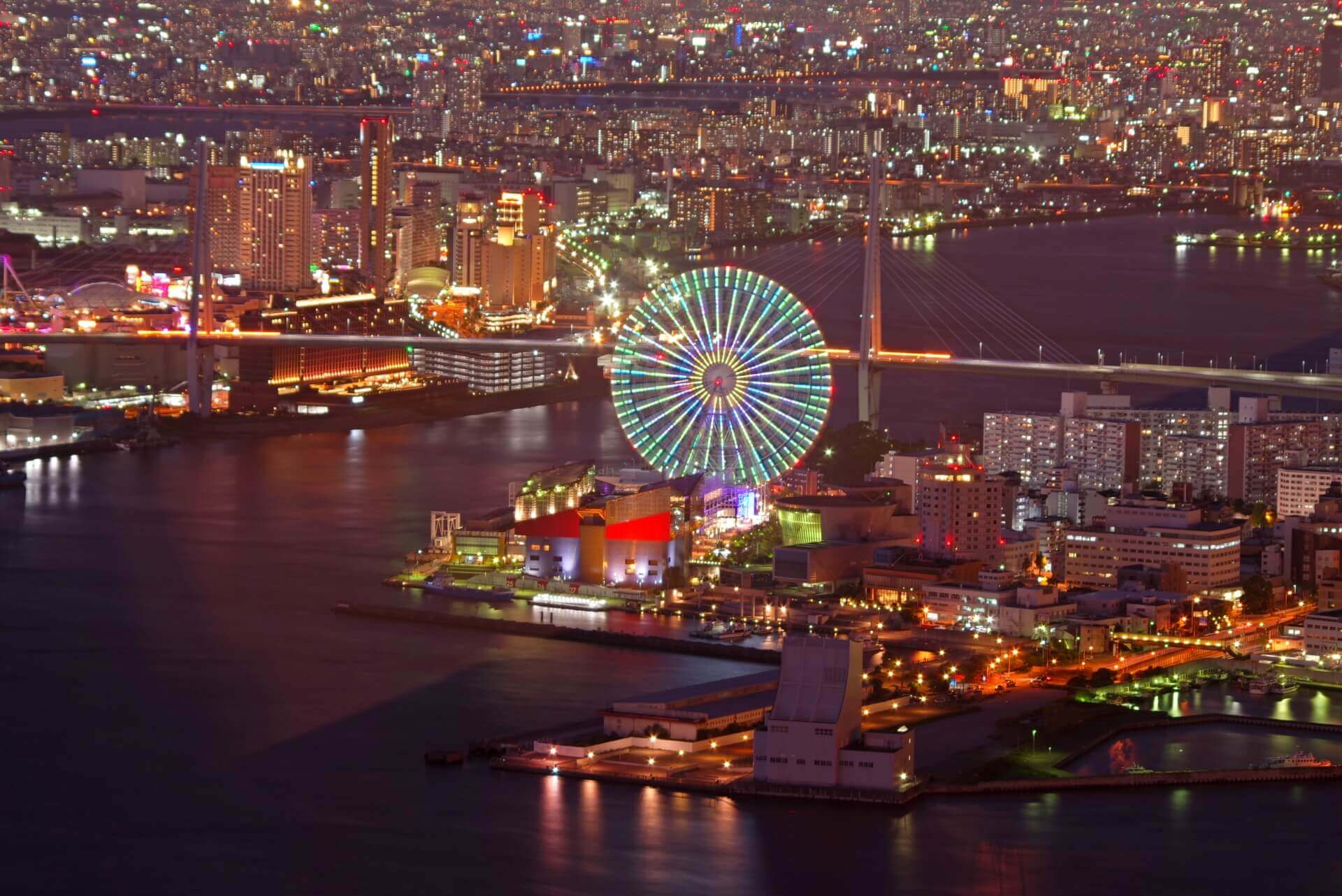
The area around Kaiyukan has enough going on to justify a half-day on the waterfront without needing to travel far.
Tempozan Ferris Wheel stands directly adjacent to the aquarium inside Tempozan Harbour Village.
At 112.5 meters, it offers unobstructed views across Osaka Bay and toward the city skyline.
The ride takes around 15 minutes, and the queue is usually a fraction of what you’ll encounter at the aquarium itself.
Entry is ¥900 per adult.
Universal Studios Japan is accessible via the Captain Line ferry in around 10 minutes, or by JR Yumesaki Line train with a transfer at Nishikujo Station.
If you’re planning a split day across both attractions, the ferry connection is faster and more enjoyable than the train route.
TeamLab Borderless Osaka is a large-scale digital art installation where continuous projection art covers walls, floors, and ceilings simultaneously, with rooms flowing into one another without clear boundaries.
It’s a genuinely different kind of experience from Kaiyukan and pairs well with it on the same day.
Book tickets in advance, particularly for evening slots.
Sakishima Cosmo Tower Observatory is a 10-minute Metro ride from Osakako Station on the Chuo Line (exit at Cosmosquare Station).
The 55th-floor observation deck provides a high-angle view of the bay and the city grid for ¥600 per adult, which makes it one of the more affordable views in Osaka.
Kaiyukan works well as a standalone half-day visit or as part of a structured Osaka Bay day that takes in USJ, the ferry, and the waterfront area in a single loop.
If you’re building out a full trip itinerary, the Osaka itineraries section has structured plans for different lengths of stay and travel styles.
For a broader look at what else the city offers beyond the waterfront, the best things to do in Osaka covers attractions across every neighborhood worth your time.
What's Available
Frequently Asked Questions
Standard adult admission (age 16 and over) is ¥2,700.
Children aged 7 to 15 pay ¥1,400, preschoolers (ages 4 to 6) pay ¥700, and children under 4 enter free.
Tickets can be purchased at the entrance or in advance through platforms like Klook, which sometimes offers marginal savings and the benefit of skipping the ticket queue.
If you hold an Osaka Amazing Pass, you’ll receive a ¥100 discount on admission, but the aquarium is not included as a free attraction under the pass.
No. The current structure dates from 1931 and is a ferroconcrete reconstruction, not the original Toyotomi-era castle.
The original was destroyed during Japan’s feudal conflicts.
The reconstruction is historically detailed and houses a genuine museum, but it is not a surviving historic structure in the way that, for example, Himeji Castle is.
If original castle architecture matters to you, the day trip to Himeji from Osaka is worth adding to your itinerary.
The fastest route from JR Osaka Station is the Osaka Metro Midosuji Line to Honmachi Station, then a transfer to the Chuo Line toward Cosmo Square, exiting at Osakako Station (Exit 1).
Total travel time is around 20 to 25 minutes, and the aquarium is a 5-minute walk from the exit.
Alternatively, Bus Route 88 runs directly from Osaka Station to the Tempozan Stop adjacent to the aquarium in around 45 minutes, which is slower but avoids the transfer.
From Namba, Bus Route 60 takes approximately 40 minutes to the same stop.
Editor's Review
Kaiyukan earns its reputation, mostly.
The central Pacific Ocean tank is genuinely arresting: watching a whale shark drift past in slow, indifferent arcs at eye level is the kind of thing that actually stops you mid-sentence.
The spiral descent structure is smart design, and the progression from Antarctic cold to tropical warmth gives the visit real narrative shape rather than just room after room of tanks.The honest weakness is price-to-time ratio.
At ¥2,700 per adult, two to three hours is what most visitors get, which lands on the expensive side relative to comparable aquariums in Japan.
It’s best suited to families with children, marine life enthusiasts, and anyone making a day of the Osaka Bay area.
One specific tip: check the daily feeding schedule at the entrance and build your walkthrough around the whale shark feeding time.
That session alone justifies the detour to this part of the city.
Related Attractions
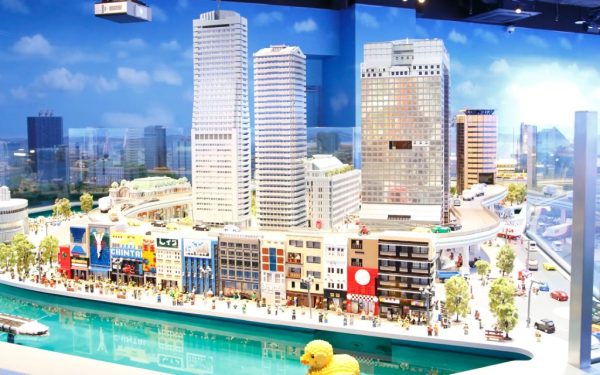
Legoland Discovery Center Osaka
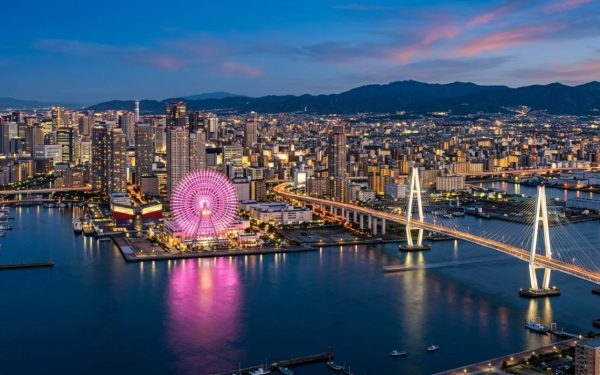
HEP FIVE Ferris Wheel
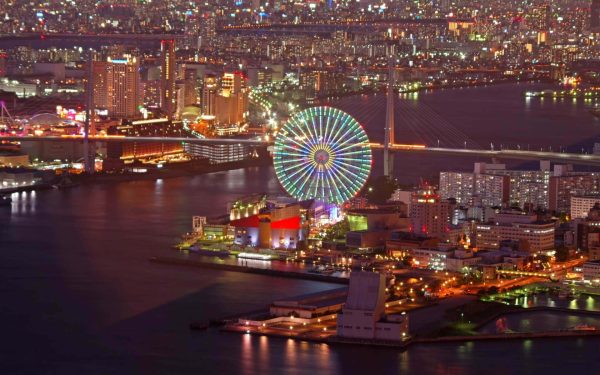
Tempozan Harbor Village
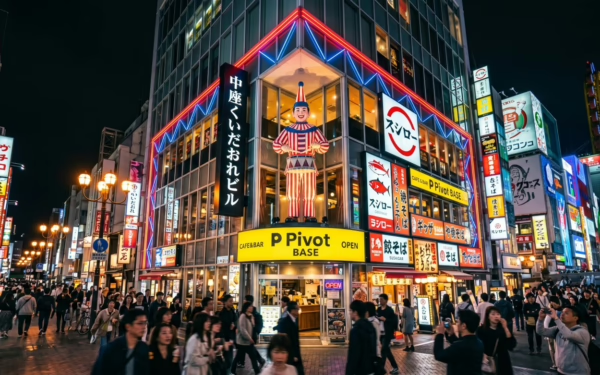
Nakaza Kuidaore Building
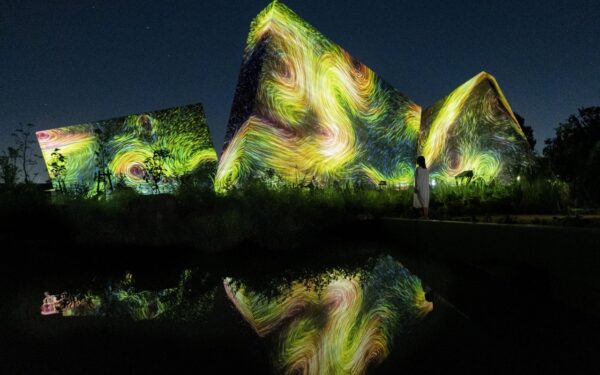
teamLab Botanical Garden Osaka
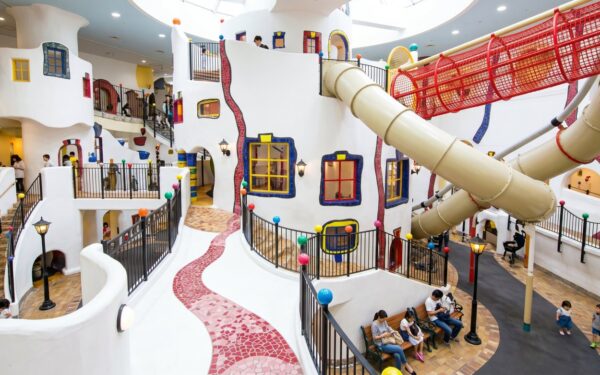
Kids Plaza Osaka
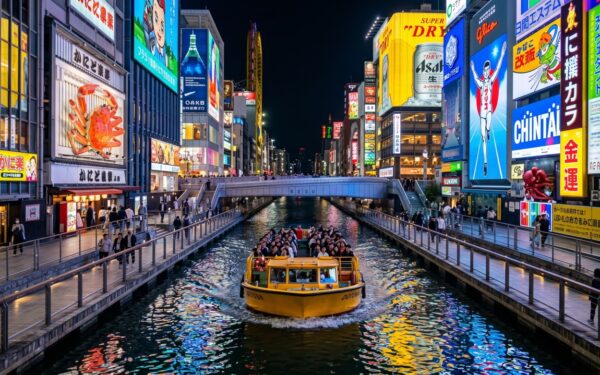
Tombori River Cruise
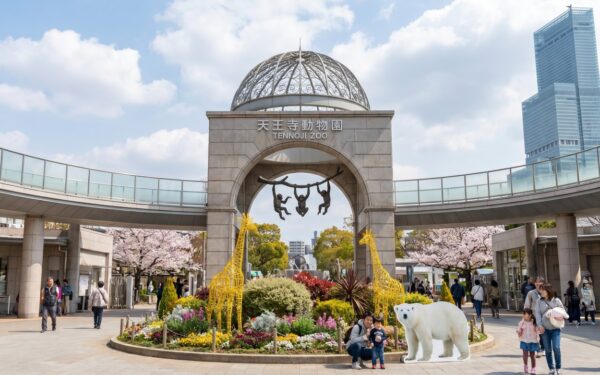
Tennoji Zoo