




Getting from Itami Airport (ITM) to Osaka city takes between 25 and 50 minutes depending on your destination and how much you want to spend. The limousine bus drops you close to your hotel with no transfers, the monorail-plus-train combo is fast and cheap, and taxis exist if you value your sanity over your wallet. This Explore Osaka guide breaks down every realistic option with actual fares, travel times, and a clear recommendation for most travellers.
Getting from Itami Airport (ITM) to Osaka city is easier than most airports its size deserve credit for. The airport sits in Itami City, just 10 to 15 kilometres north of central Osaka, which means you’re not looking at a 90-minute slog through countryside before hitting the city.
Four main transport options cover the route: the limousine bus, the Osaka Monorail connecting to either Hankyu or Osaka Metro, a full train journey via Hankyu Line, and taxis or private transfers for those travelling with luggage stacks or small children.
Whether you land at the North Terminal (Kita Terminal) or the South Terminal (Minami Terminal), this Explore Osaka guide has you covered with fares, journey times, and an honest take on which option is actually worth your time.
TL;DR
Hide- The limousine bus is the easiest option for most first-time visitors. It requires no transfers, handles your luggage, and stops close to major hotel areas including Umeda, Namba, and Tennoji. Fares start at 1,300 JPY as of the March 2025 revision.
- The monorail-plus-Hankyu route to Umeda is faster and far cheaper. At roughly 440 JPY total versus 1,300 JPY for the bus, it cuts the cost by two-thirds for travellers heading to the Umeda/Osaka Station area. Journey time is comparable at around 25 minutes.
- IC cards (ICOCA or Suica) make the train route seamless. Both are accepted on the monorail, Hankyu Line, and Osaka Metro. ICOCA is available at the airport monorail station for those who don't already have one.
- Rush-hour traffic is the limousine bus's biggest weakness. Arrivals between 5pm and 7pm on weekdays can add 20 to 30 minutes to bus journey times on expressway routes. The monorail-train combination is immune to road congestion.
- Taxis make financial sense only for groups of three or four. A metered taxi to central Osaka runs 4,000 to 9,000 JPY depending on destination, which is hard to justify solo but more reasonable when split.
- Your destination should drive your transport choice. Umeda: take the train. Namba or Shinsaibashi: limousine bus or monorail-plus-Metro are both viable. Tennoji or Osaka Bay: limousine bus is the most direct option.
- Itami is domestic-only. If you're arriving internationally, you're almost certainly landing at Kansai International Airport (KIX), not ITM. The two airports are 50+ kilometres apart and require completely different transport planning.
The Limousine Bus: Easiest Option for Most Travellers
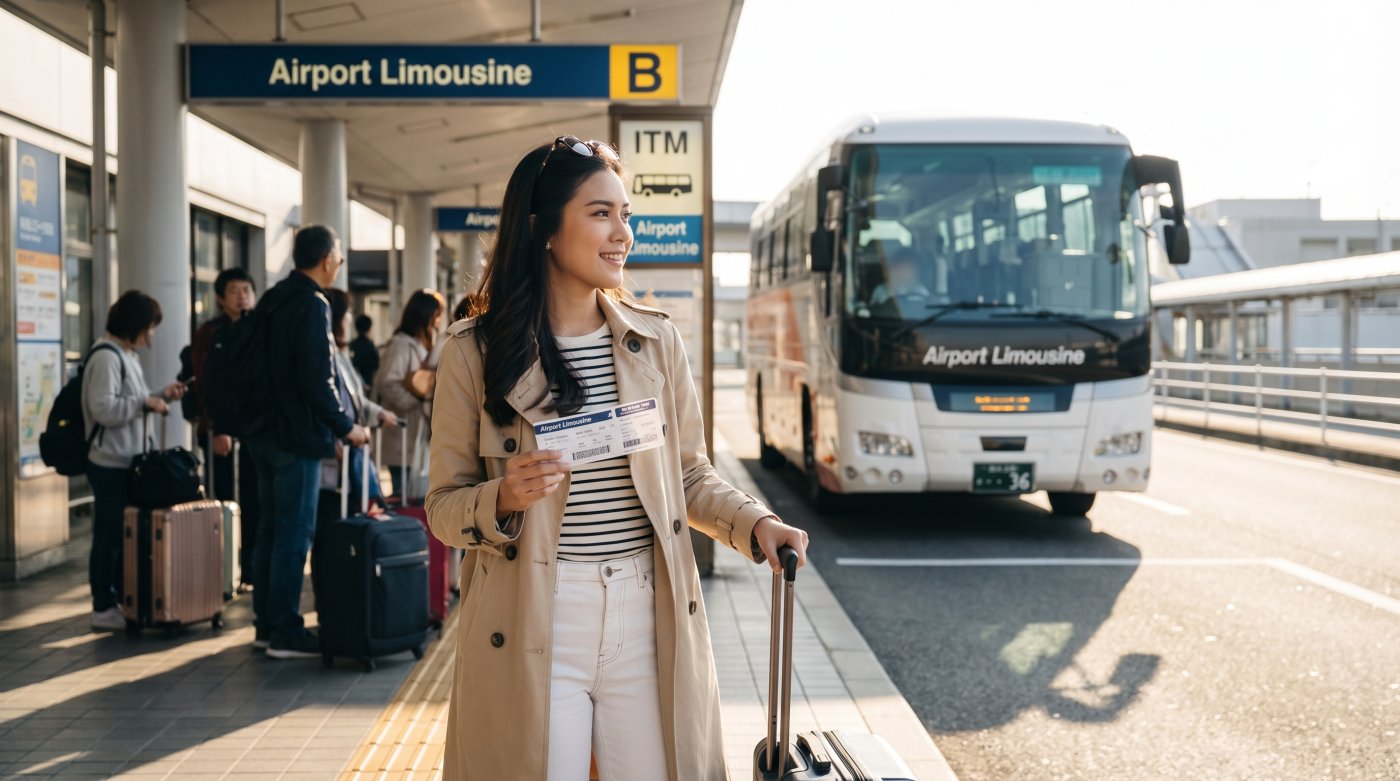
The airport limousine bus (rimujin basu) is the default choice for a reason. It runs directly from both terminals to multiple drop-off points in central Osaka, it handles your luggage (stow it underneath), and it requires zero train transfers in an unfamiliar city.
Operated by Hankyu Kanko Bus and several partner companies, the buses run frequently throughout the day.
Key Routes and Fares
The most useful routes for visitors are:
- Osaka Station (Umeda) Area: approximately 25 to 40 minutes, fare around 1,300 JPY (as of the March 2025 fare revision)
- Namba (OCAT): approximately 30 to 50 minutes, fare around 1,300 JPY
- Tennoji: approximately 35 to 55 minutes, fare around 1,400 JPY
- USJ (Universal Studios Japan): approximately 35 to 50 minutes, fare around 1,400 JPY
- Osaka Bay Area / WTC Cosmotower: approximately 50 to 65 minutes, fare around 1,400 JPY
Fares increased on several routes in February 2025, so if you’re working from an older guide, double-check the current rates at the official Hankyu Kanko Bus site before you travel.
How to Board
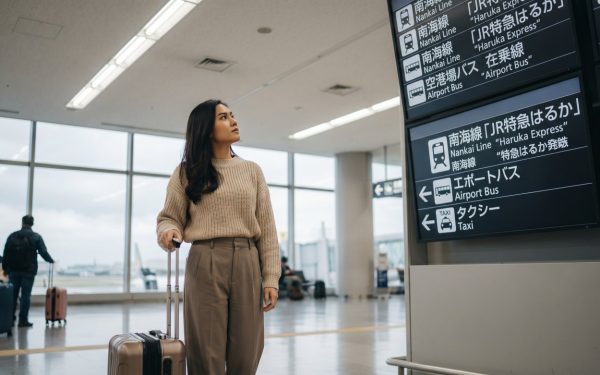
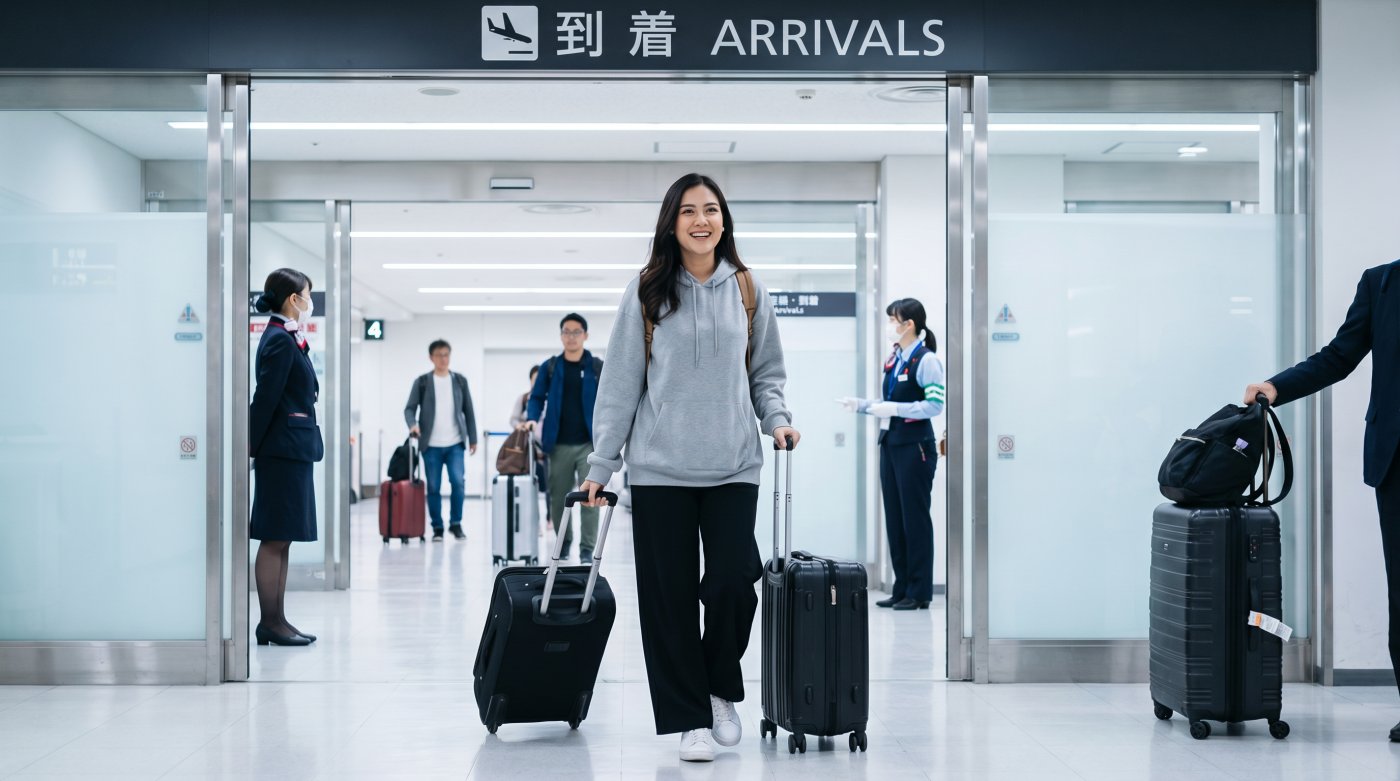
Bus stops are on the arrivals level of both terminals, clearly signposted in English. You can buy tickets at the bus ticket counters inside the arrivals hall or from vending machines near the stops.
IC cards (Suica, ICOCA, PiTaPa) are accepted on most routes. Buses run roughly every 15 to 20 minutes on the Umeda route during peak hours, and every 20 to 40 minutes on outer routes.
Heads Up on Traffic
The one genuine downside is that these buses use expressways that can clog during rush hour. A trip to Namba that takes 30 minutes at 10am can stretch to 55 minutes at 6pm.
If you’re arriving between 5pm and 7pm on a weekday, factor in buffer time, especially if you have a connecting train or dinner reservation.
Trip Essentials
Osaka Travel Add-ons
Equip yourself for the ultimate Osaka adventure with the following add-ons, curated just for you.
Flights to Osaka
Airport Transfer
ICOCA IC Card
Suica IC Card
Osaka Tours
Luggage Storage
Travel Insurance
Data Security

Japan eSIM
Japan SIM Card
Pocket WiFi Rental
Japan eSIM
The Monorail and Train Combo: Fastest for Central Osaka
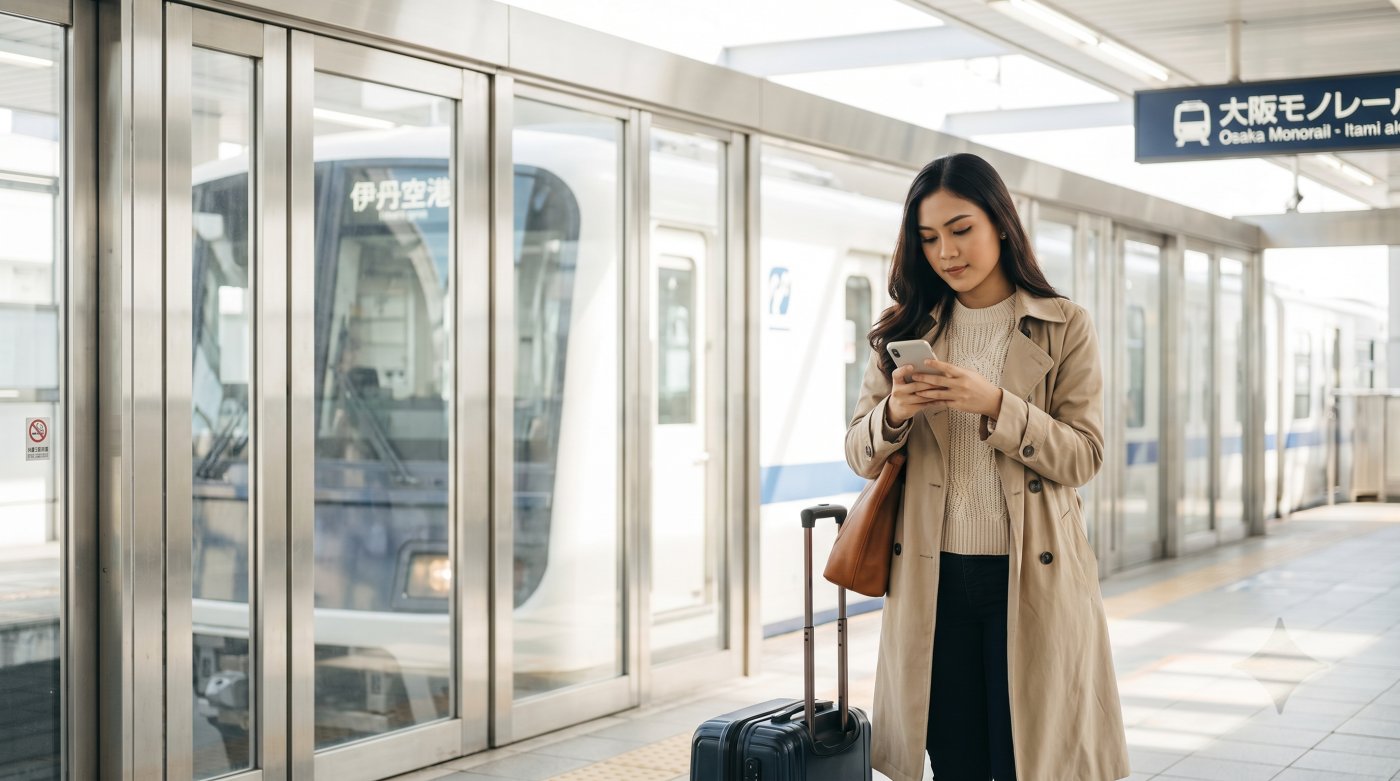
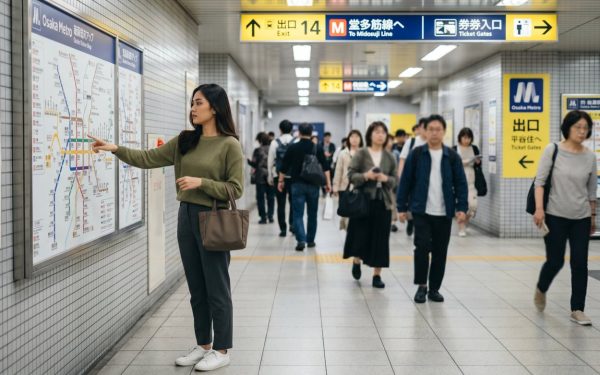
If you’re heading to Umeda or anywhere along the Hankyu or Osaka Metro networks, the monorail-plus-train route is genuinely fast and often cheaper than the bus. It takes a little more navigation but nothing that will challenge anyone who has used a metro system before.
The Osaka Monorail (Osaka Monoreru) station sits directly connected to both terminals via covered walkway. From Osaka Airport Station on the monorail, you have two useful onward connections:
Via Hankyu Line to Umeda
Take the Osaka Monorail to Hotarugaike Station (2 minutes, around 130 to 160 JPY), then transfer to the Hankyu Takarazuka Line to Umeda Station (about 10 to 12 minutes, around 210 JPY). Total journey: roughly 25 minutes door to platform.
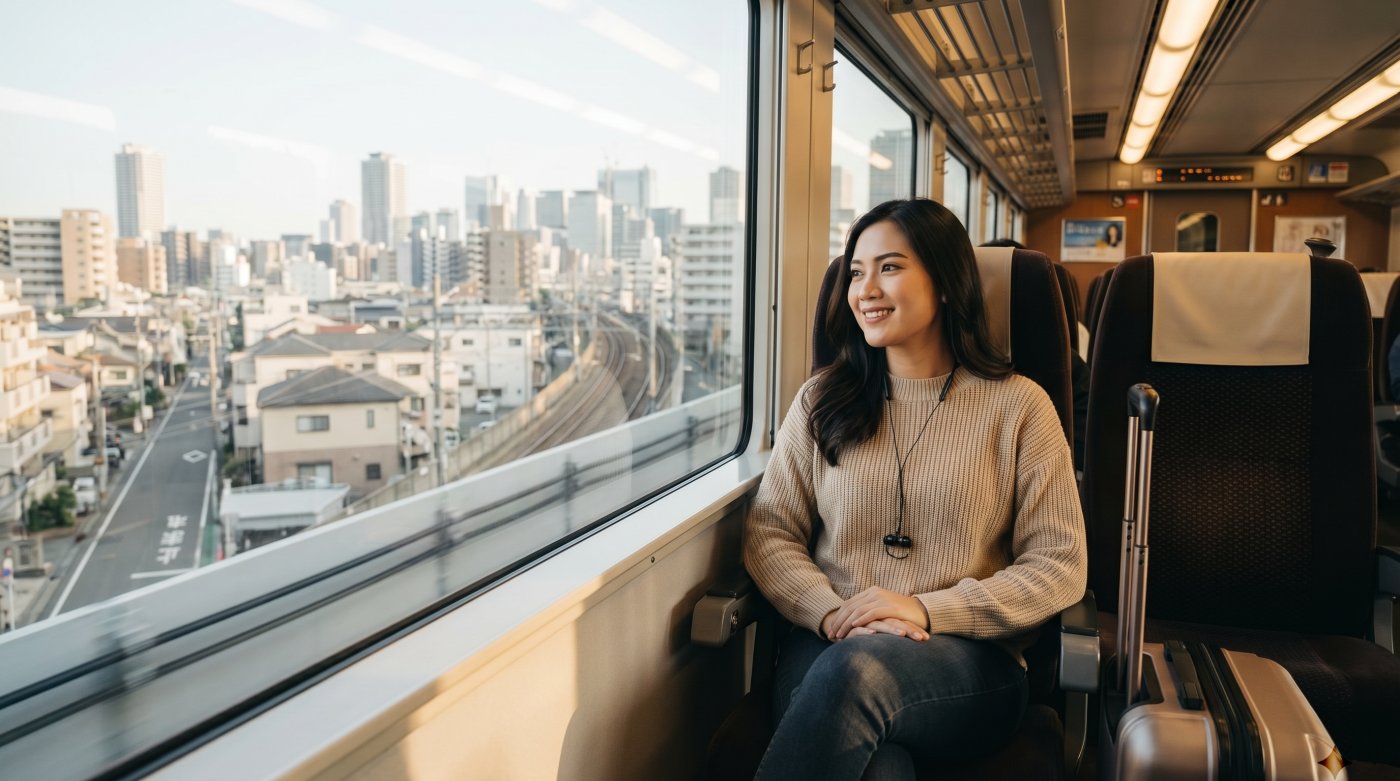
Total fare: approximately 350 to 370 JPY. That’s less than a third of the limousine bus fare for a faster trip, if Umeda is your destination.
Via Monorail to Senri-Chuo, Then Osaka Metro
Take the monorail to Senri-Chuo Station (about 7 minutes, around 200 JPY), then transfer to the Osaka Metro Midosuji Line. From Senri-Chuo you can reach Shinsaibashi in around 20 minutes, Namba in around 23 minutes, and Tennoji in around 30 minutes.
Total fare from airport to Namba runs roughly 550 to 600 JPY.
IC Cards Make This Seamless
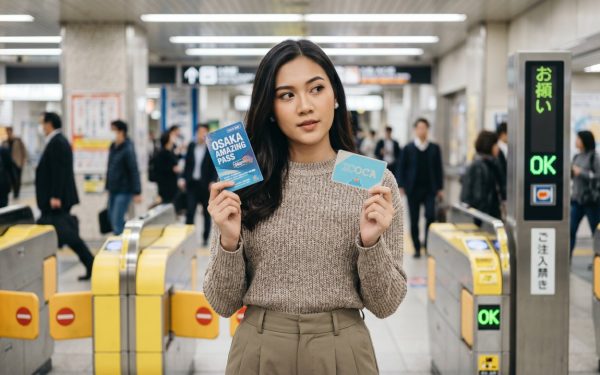
Both the monorail and Osaka Metro accept ICOCA and Suica cards. If you have one loaded up, you can tap through every gate without buying individual tickets.
For those arriving without an IC card, ICOCA is available at ticket machines inside the airport monorail station.
Essential Osaka Travel Passes
Powered by KlookThe passes worth buying before you land — curated for first-timers.
Osaka Amazing Pass
Unlimited subway + free entry to 40+ attractions. The only pass most visitors actually need.
Osaka e-Pass
Attractions-only digital pass. Pair with a Metro Pass if skipping the Amazing Pass.
Osaka Metro Pass
1 or 2-day unlimited Metro rides. Best standalone transit value if you already have an attractions pass.
JR West Kansai Area Pass
Unlimited JR trains for 1–4 days. Covers Kyoto, Nara, Kobe, and Himeji from Osaka.
JR Haruka Express
KIX to Umeda/Shin-Osaka in ~50 min. Best if staying in Umeda or heading straight to Kyoto.
Nankai Rapi:t Express
KIX to Namba in 34 min, reserved seat. Better if staying in Namba or Shinsaibashi.
Taxis and Private Transfers: When Budget Doesn’t Come First
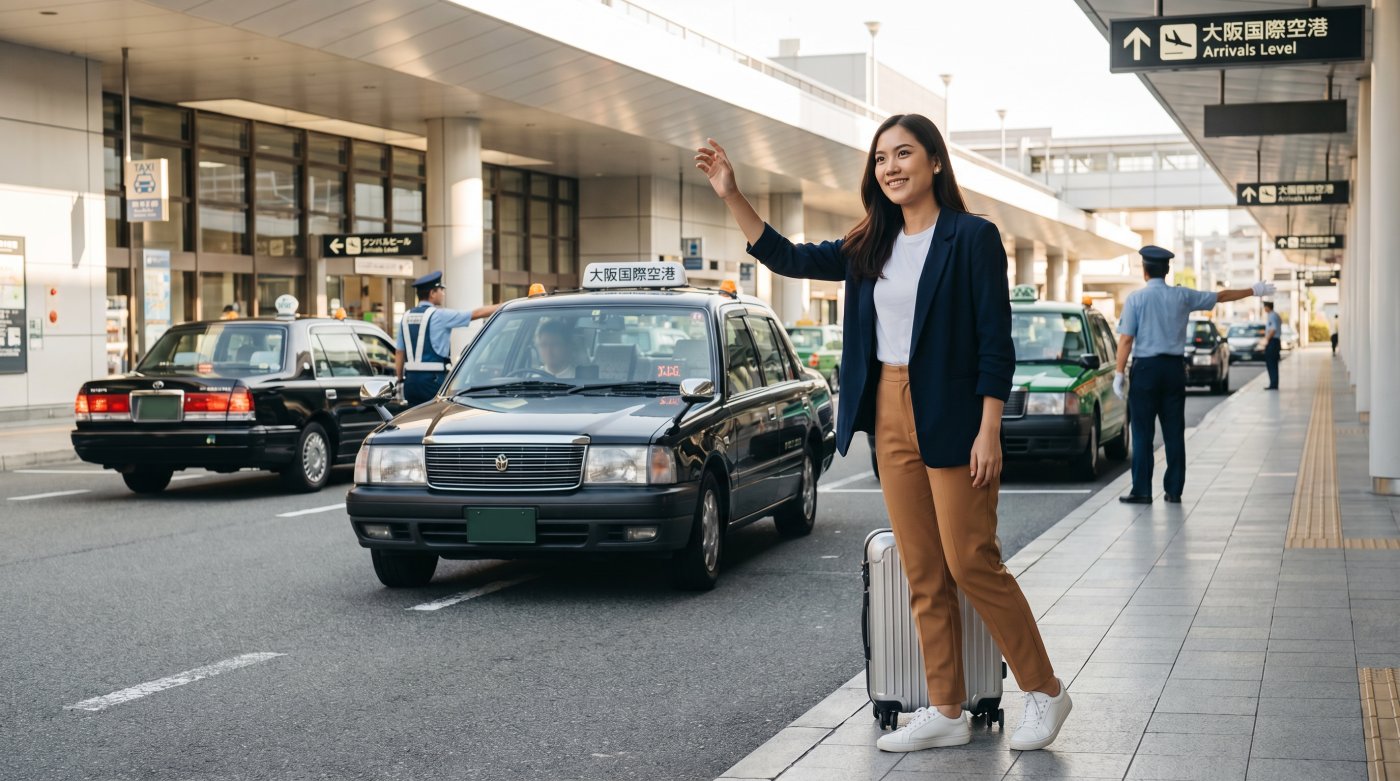
Taxis are available directly outside the arrivals exits at both terminals. A metered taxi from Itami Airport to central Osaka typically costs 4,000 to 6,000 JPY to Umeda or Shinsaibashi, and 6,000 to 9,000 JPY to Namba or areas further south.
Some flat-rate services (like Miyako Taxi’s airport flat fares) exist, but they’re not always cheaper than the meter depending on your destination.
The ride takes 20 to 40 minutes on expressway, more during peak-hour congestion. Taxis are useful when:
- You have multiple large bags and the bus luggage hold sounds like a game of Tetris
- You’re travelling with small children or elderly family members
- You land very late at night when bus frequency drops significantly
- You’re splitting the cost between three or four people, which brings it closer to bus territory
Private Transfers and Shared Shuttles
Pre-booked private transfers (available via GetYourGuide, Klook, and the airport’s own contracted services) typically run 8,000 to 15,000 JPY for a private vehicle to central Osaka. Shared shuttle transfers are cheaper per seat (around 2,000 to 3,000 JPY) but require you to wait for other passengers and make multiple stops.
Unless convenience is a serious priority, the limousine bus delivers a similar experience at half the cost.
Comparing All Options at a Glance
Here’s how the main routes stack up for a trip to central Osaka:
- Limousine Bus to Umeda
Fare: 1,300 JPY | Time: 25-40 min | Transfers: 0 | Best for: first-timers, heavy luggage - Monorail + Hankyu to Umeda
Fare: ~370 JPY | Time: ~25 min | Transfers: 1 | Best for: travellers with IC cards, budget-conscious - Monorail + Metro to Namba
Fare: ~600 JPY | Time: ~40 min | Transfers: 1-2 | Best for: those heading to Namba or Shinsaibashi - Limousine Bus to Namba
Fare: 1,300 JPY | Time: 30-50 min | Transfers: 0 | Best for: direct drop-off near accommodation - Taxi (metered)
Fare: 4,000-9,000 JPY | Time: 20-40 min | Transfers: 0 | Best for: groups, late arrivals, heavy luggage
Which Terminal Are You In?
Itami has two terminals, and it’s worth knowing which one before you land.
North Terminal (Kita Terminal) handles most JAL flights and some ANA routes. South Terminal (Minami Terminal) handles most ANA flights and low-cost carriers.
Both terminals have direct monorail access and limousine bus stops. The terminals are connected by a free shuttle bus that runs every few minutes, so if you need to move between them (for a connecting flight or to meet someone), it’s not a big deal.
The monorail station at the airport is officially named Osaka Airport Station and serves both terminals via covered walkways. It’s one of those airport layouts that actually works.
Where Are You Staying in Osaka?
The right transport option depends almost entirely on where you’re sleeping. Here’s a quick way to think about it:
If you’re based in Umeda or around Osaka Station, the monorail-plus-Hankyu route is faster and far cheaper than the bus. Take it without overthinking it.
If you’re staying in Namba, Dotonbori, or Shinsaibashi, the limousine bus to OCAT (Osaka City Air Terminal, adjacent to Namba Station) is the most direct option. The monorail-plus-Metro route works too, but involves two transfers.
If you’re in Tennoji or anywhere south, the limousine bus runs a direct route. The train option is also workable via the Midosuji Line from Senri-Chuo, but it’s longer.
If you’re near Osaka Bay or Osaka Bay Area, the limousine bus is your only real public transport option. Direct service runs to WTC Cosmotower and the bay area stops, but frequencies are lower, roughly every 40 to 60 minutes.
Not sure which area of Osaka to base yourself in yet? The Osaka neighborhoods guide breaks down every district by atmosphere, price range, and what’s nearby.
Practical Details Worth Knowing
A few specifics that save you from learning things the hard way:
- Operating hours: The first limousine bus from Itami to Umeda departs around 7:05am. The last bus varies by route but typically runs until around 9:30pm. The monorail operates from approximately 6:08am to 11:17pm.
- Luggage delivery services: Both terminals have takkyubin (luggage forwarding) counters run by Yamato Transport. If you’re doing a day or two in Osaka before heading elsewhere, you can send your bags directly to your next hotel or to a convenience store near your destination. Costs around 1,000 to 2,000 JPY per bag depending on size and distance.
- Airport facilities: Itami’s South Terminal has a decent selection of shops and food options airside and landside. The North Terminal is more limited. If you want a proper meal before heading into town, the South Terminal restaurant area on the third floor is serviceable.
- Wi-Fi and SIM: Free Wi-Fi is available throughout the airport. Pocket Wi-Fi rental counters and SIM card vending machines are available in the arrivals hall if you haven’t arranged mobile data in advance.
- Wheelchair access: Both terminals and the monorail station are accessible. Limousine buses accommodate folding wheelchairs with advance notice to the bus operator.
Stay Connected
Japan eSIM & Pocket WiFi Rentals
Skip the SIM card queue at the airport. Buy a Japan eSIM before you fly and connect the moment you land.

Klook
5G / 4G LTE coverage on Softbank and DOCOMO networks.

Airalo
Multiple data plans available. Good choice if continuing to other Asian countries.

Saily
Built-in ad blocker and hotspot tethering. Better value at higher data tiers.
NINJA WiFi (eSIM)
Japan eSIM with 4G LTE coverage. Instant activation, no physical SIM required.
NINJA WiFi (SIM Card)
Physical SIM card for Japan. Delivered to your hotel or collected at the airport.
NINJA WiFi (Pocket WiFi)
Pocket WiFi rental with unlimited 4G data. Share with your group, no SIM swap needed.

Pelago
5G unlimited data on KDDI. Worth checking for KrisFlyer-linked perks.
Klook
Pocket WiFi rental with unlimited 4G LTE. Airport pickup, free power bank included.

KKday
Pocket WiFi rental with unlimited 4G data. Collect at Japan airports on arrival.

Holiday.com
Global eSIM from the ExpressVPN team. One eSIM covers Japan plus your next destinations.
Making the Most of Your First Day in Osaka
Once you’re in the city, you won’t be short of things to fill your time. For a structured way to see the highlights without burning a full day on logistics, check out the Osaka itineraries section for day-by-day plans that work from wherever you’re based.
And if you’re already thinking about food, which is the right thing to think about the moment you clear customs in Osaka, the Osaka food guide is a good place to start building a mental shortlist before you even leave the arrivals hall.
Osaka rewards people who arrive knowing what they want to eat first. Have a plan.
*Fares and timetables are accurate as of April 2026. Always verify current prices at official operator websites before travel, as fares and schedules are subject to change.*