Hozenji Temple & Hozenji Yokocho
A moss-covered Buddhist temple and Edo-period cobblestone alley in the heart of Namba.
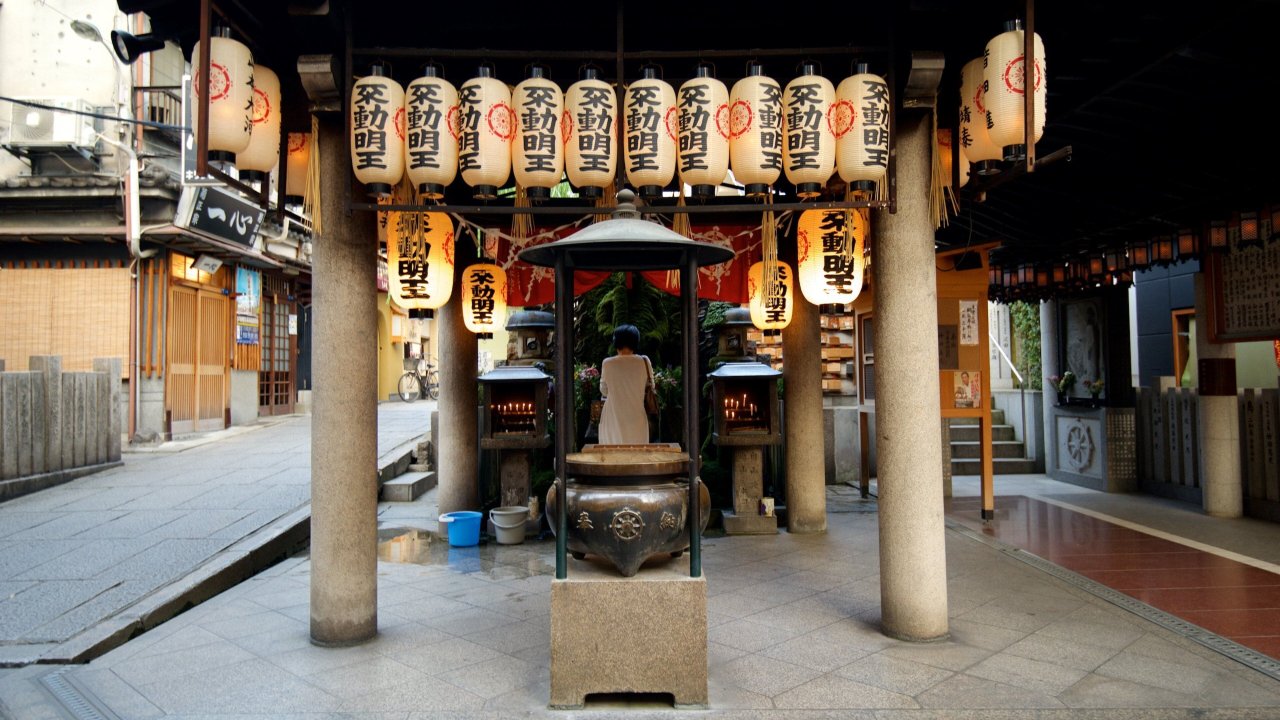





Right in the middle of Osaka’s loudest, most fluorescent neighbourhood, Hozenji Temple (法善寺) has been quietly doing its thing since 1637.
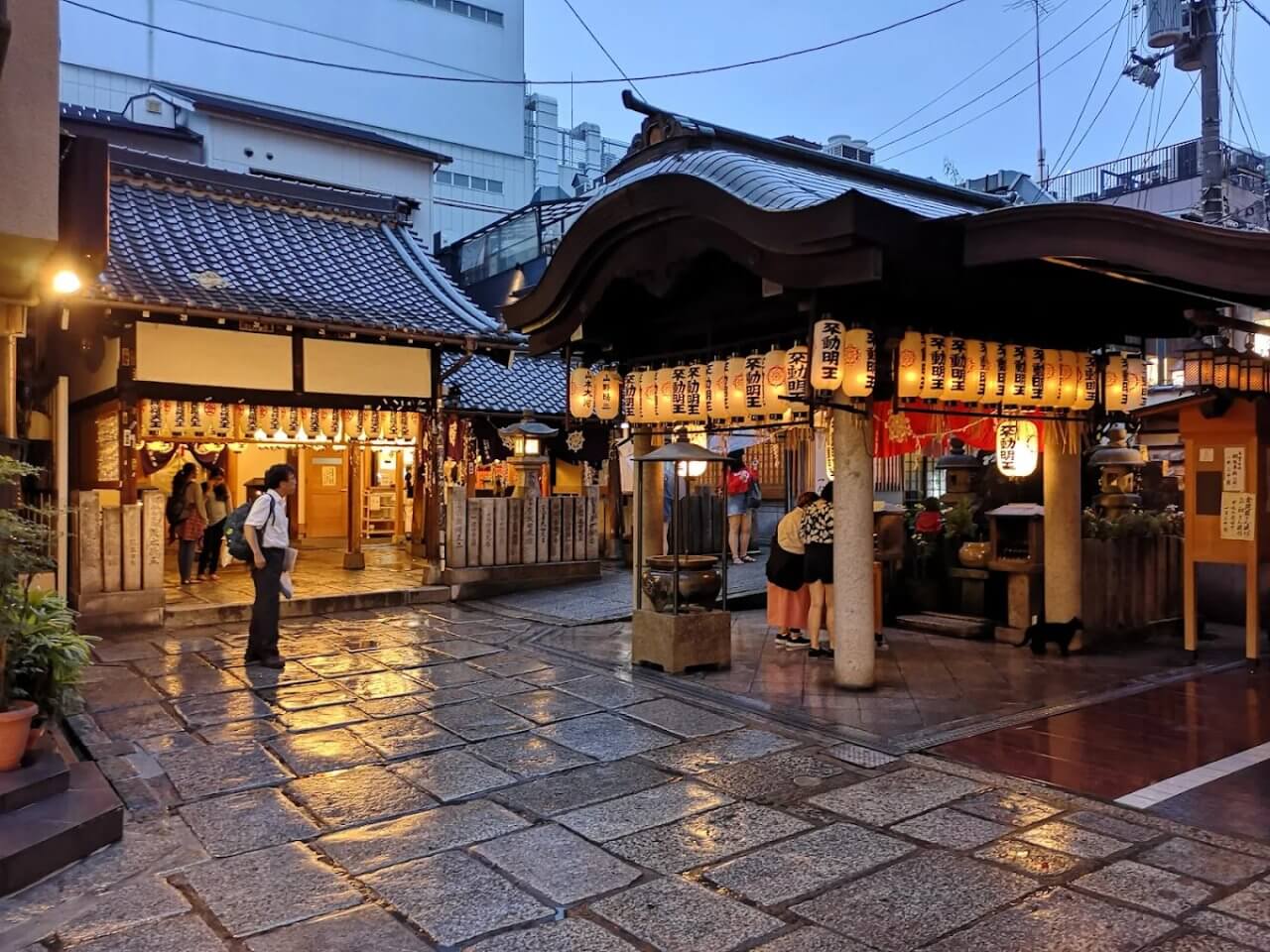
It belongs to the Jodo (Pure Land) Buddhist sect and is dedicated to Fudo Myo-o, one of the five wisdom kings — though the star attraction is undeniably the Mizukake Fudo Son, a statue so thoroughly doused with water by generations of worshippers that it has grown a thick coat of vivid green moss.
Visitors scoop water from a well and pour it over the statue while making a wish, traditionally for health, business prosperity, or matters of the heart.
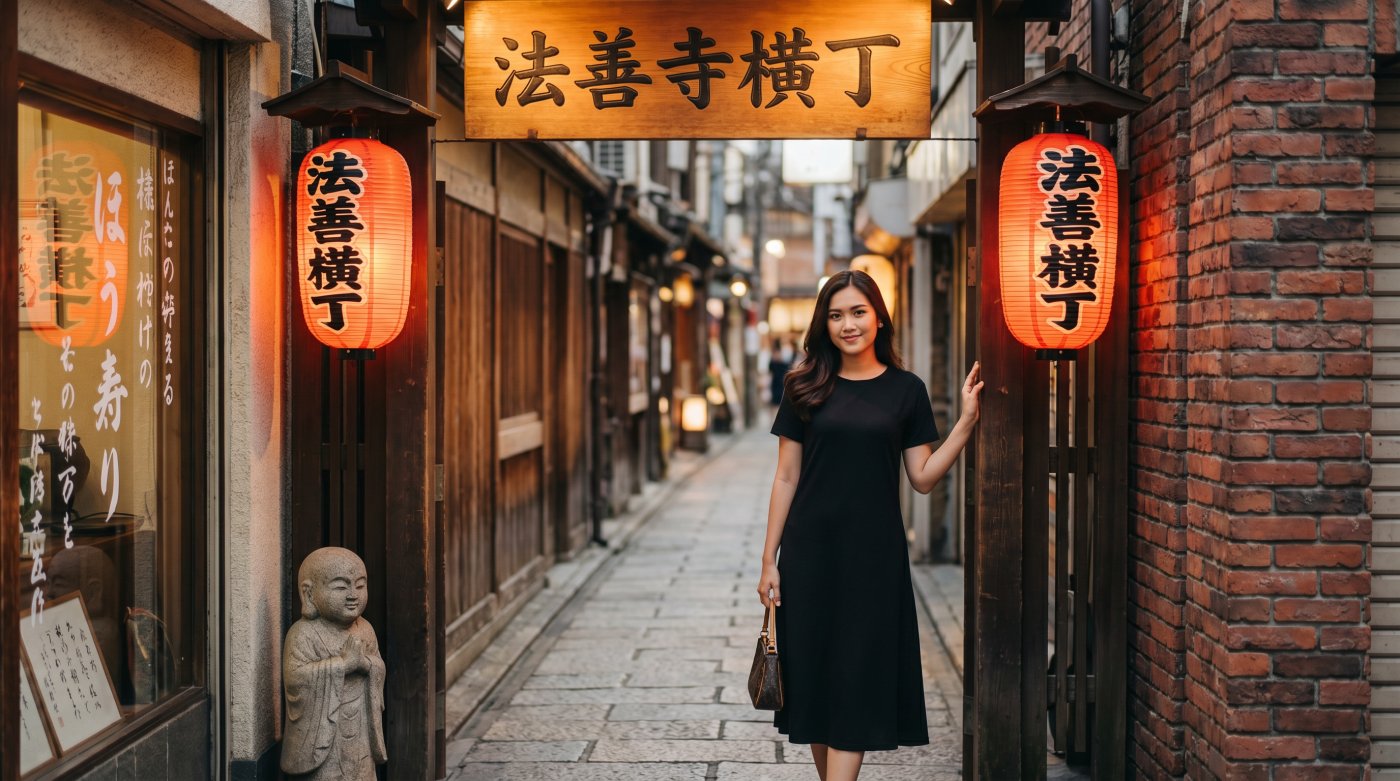
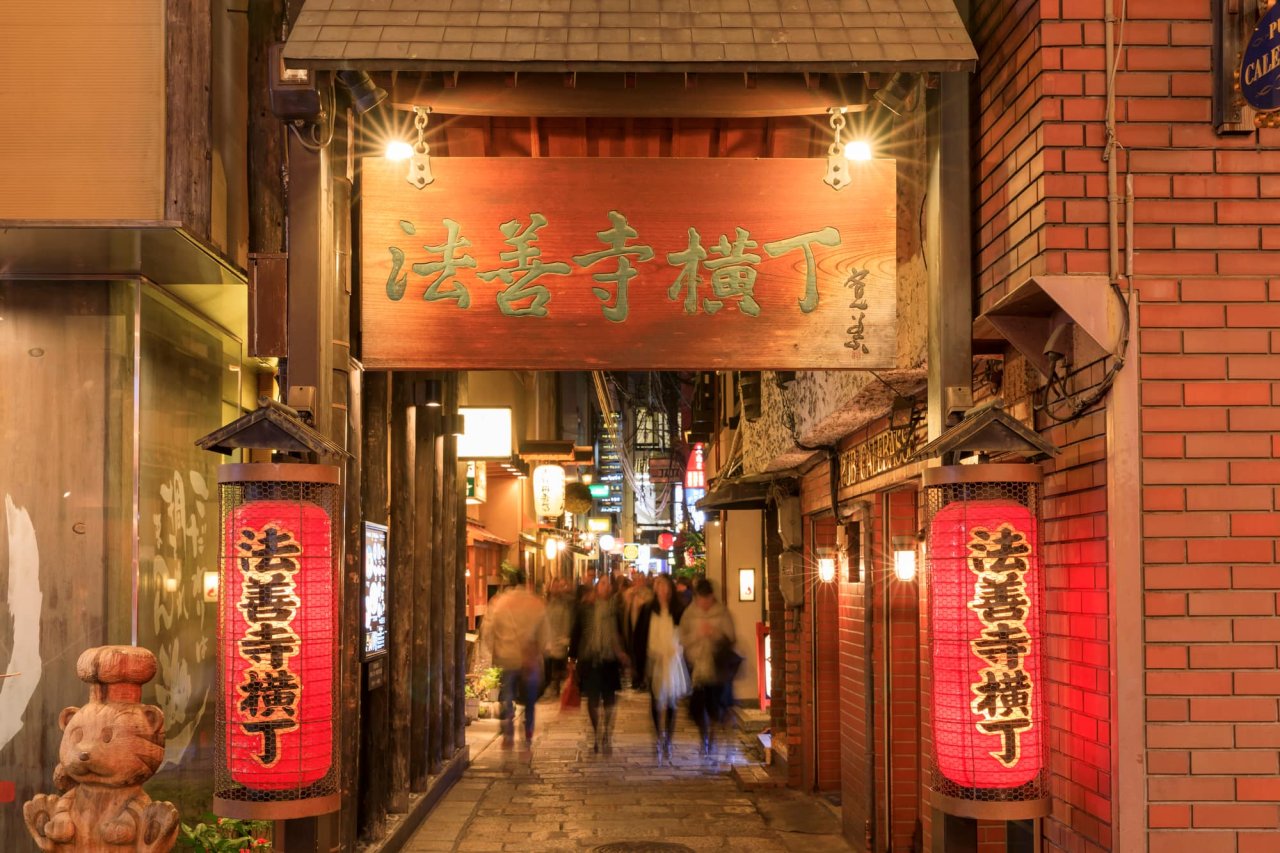
The temple sits at the western end of Hozenji Yokocho (法善寺横丁), two parallel stone-paved alleys stretching east to west through the temple grounds.
More than 60 small restaurants, izakayas, and bars line both sides, many with red paper lanterns swaying overhead and hand-painted signs above their doors.
The atmosphere is genuinely different from anything else in Osaka — quieter, more intimate, with the smell of grilling meat drifting out into the cool stone corridor.
Evenings are when the alley really earns its reputation.
The lanterns glow amber, the cobblestones glisten, and even on a busy Saturday night the narrow width of the lanes keeps the crowd at a human scale.
Come for the temple at any hour since the grounds are open 24 hours, but plan your dinner or drinks here — the restaurants start filling up from around 18:00, and a few of the older establishments don’t take reservations.
Hozenji Temple & Yokocho Osaka: Your Complete 2026 Visitor Guide
Hozenji Temple is one of Osaka’s most quietly compelling spots, and in this Explore Osaka guide you’ll get everything you need to visit it well.
Founded in 1637 and dedicated to Fudo Myo-o, one of Buddhism’s five wisdom kings, the temple sits inside Hozenji Yokocho (法善寺横丁), a pair of narrow stone-paved lanes lined with more than 60 small restaurants, bars, and traditional eateries.
It’s free, it’s open 24 hours, and it’s a five-minute walk from the controlled chaos of Namba.
The whole precinct occupies less than 200 metres of total lane length.
You could walk through it in three minutes if you were in a rush.
You won’t be in a rush.
Highlights
Hide- Official name: Hozenji Temple / Hozenji Yokocho (法善寺 / 法善寺横丁)
- Address: 1-2-16 Nanba, Chuo Ward, Osaka 542-0076
- Admission: Free
- Hours: Temple grounds open 24 hours daily; temple office 10:00-18:00
- Nearest station: Namba Station (Osaka Metro Midosuji / Sennichimae / Yotsubashi Lines), Exit 14, approx. 3-minute walk
- Time needed: 30-60 minutes for the temple and alley; add dinner time if eating here
- Best season: Good year-round; especially atmospheric in autumn and winter evenings
- Official website: houzenji.jp
Why Visit Hozenji Temple
Osaka’s Dotonbori district is extraordinary, but it is also extremely loud, extremely lit, and extremely full of people holding identical photos of the Glico Running Man.
Hozenji Yokocho is one minute’s walk from Dotonbori and occupies a completely different emotional register.
The alley has a texture that the main drag simply doesn’t.
Stone underfoot, low wooden facades on either side, the smell of charcoal grills drifting out through half-open doors.
At night, the paper lanterns turn everything amber, and the narrow width of the lanes keeps the crowd at a human scale even on a Saturday in peak season.
The Moss Statue That Started It All
The Mizukake Fudo Son is the reason Hozenji has been drawing Osaka residents since the Edo period.
Visitors scoop water from a small well beside the statue and pour it over the figure, a ritual traditionally performed to pray for health, business success, or luck in love.
Centuries of this have left the stone guardian completely submerged under a thick, luminous layer of moss, which shifts colour depending on whether it’s just been watered or drying in the afternoon light.
It’s not a grand monument.
The enclosure is small and the statue itself is modest in scale.
But the physical evidence of so many people’s hopes accumulated on a single stone figure is genuinely affecting in a way that a lot of bigger, more famous attractions are not.
A Working Temple, Not a Theme Park
The temple grounds are tended by priests and remain a functioning place of worship.
The office sells ofuda (protective amulets) and accepts requests for prayers and memorial services, typically between 10:00 and 18:00.
You are welcome to visit at any hour, but treating the space with the same quiet consideration you’d extend to any active religious site costs nothing and is appreciated by the regulars who drop in on their way to work.
What to See and Do at Hozenji Yokocho
The alley itself is the main event, and it rewards slow exploration more than a single purposeful walk-through.
The Two Lanes
Hozenji Yokocho runs roughly east to west and consists of two parallel alleys branching off from a central entrance point near the Sennichimae shopping arcade.
The northern lane is slightly wider and tends to have more foot traffic; the southern lane is quieter and lined with a few of the older, more established restaurants.
Both are equally photogenic, especially in the 30 minutes after sunset when the lanterns warm up and the stone paving still holds a little of the day’s light.
Restaurants and Izakayas
More than 60 establishments operate in the alley, and the range is genuinely impressive for such a compact space.
You’ll find kushikatsu (deep-fried skewers) counters with seven seats, century-old kaiseki restaurants with discreet reservation signs, standing bars serving cold Suntory highballs, and tiny kappo restaurants where you eat at a cypress counter and watch the chef work.
Hozenji Meoto Zenzai: The One Thing to Eat Here
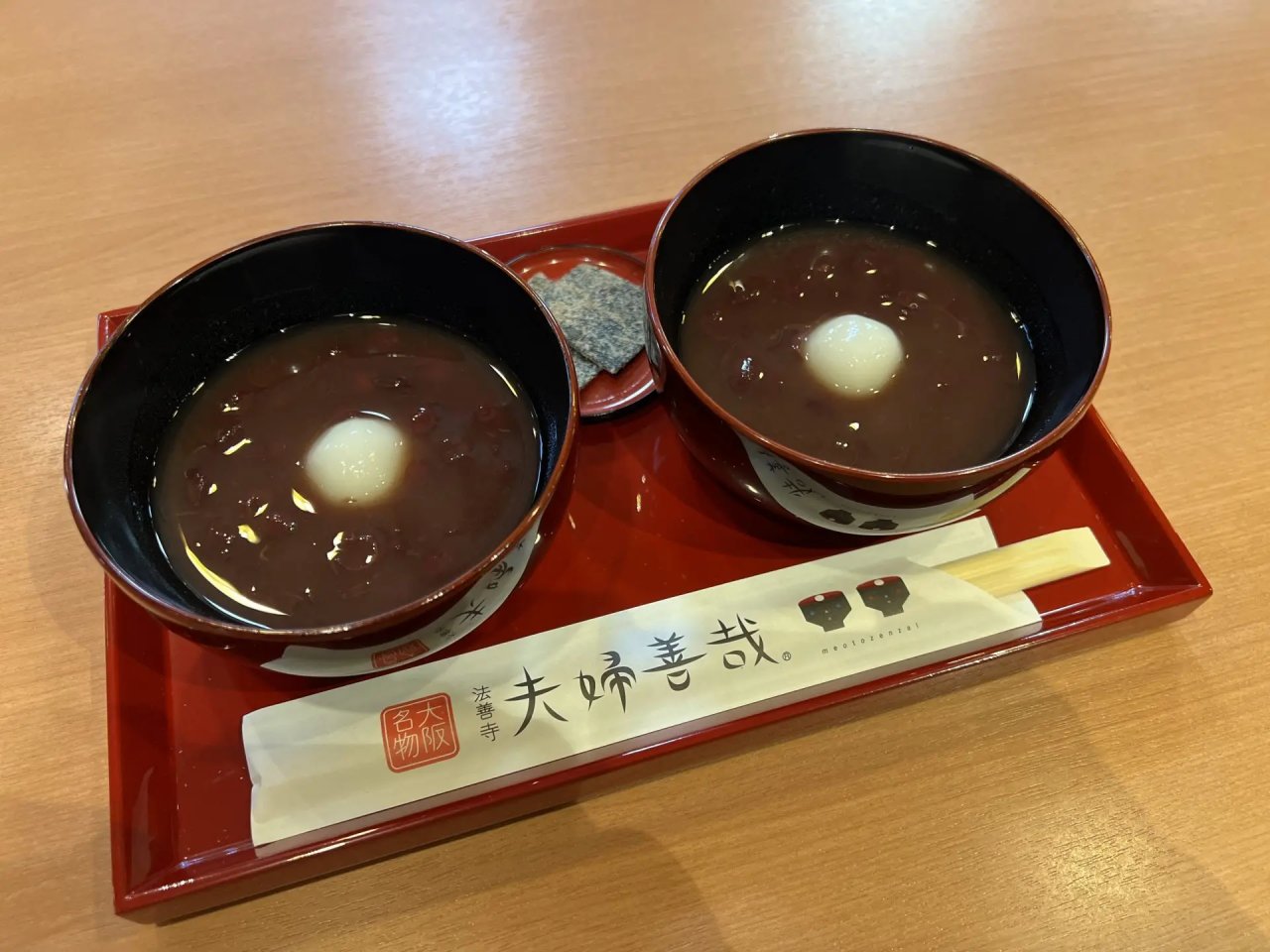
If you eat one thing in Hozenji Yokocho, make it meoto zenzai at Hozenji Meoto Zenzai, a shop that has been serving the same sweet azuki bean soup with mochi since 1883.
The name “meoto” means “married couple,” referring to the two mochi pieces served in each bowl.
Local tradition says eating it here brings good fortune in relationships.
The soup costs around ¥900, it’s warm and subtly sweet, and it is exactly what you want after walking around Namba in cool weather.
The Atmosphere After Dark
Daytime visits to Hozenji are perfectly fine and noticeably calmer than evenings.
But if you have any flexibility, come at dusk.
The transition as the lanterns switch on and the dinner crowd starts filling the narrow lanes is one of those Osaka moments that sticks.
Weeknight evenings between 19:00 and 21:00 hit the sweet spot: busy enough to feel alive, quiet enough that you can hear the clatter of dishes and the low murmur of conversation from inside the restaurants.
Getting There
Hozenji Temple is straightforward to reach from central Osaka, and you almost certainly walk past the entrance without noticing it the first time.
- From Namba Station (Osaka Metro): Take Exit 14 and walk north along the main road for about 2 minutes. Turn left at the Sennichimae arcade and look for the stone lanterns and wooden gate on your right within 30 seconds. Total walking time from the ticket barrier: 3-4 minutes.
- From Osaka-Namba Station (Kintetsu / Hanshin lines): Exit from the central gates toward the Sennichimae area. The walk takes approximately 4 minutes.
- From Nippombashi Station (Osaka Metro Sennichimae / Sakaisuji Lines): Use Exit 2 and walk west along Sennichimae for about 5 minutes.
If you’re staying near Shinsaibashi, it’s an easy 10-15 minute walk south, passing through the covered shopping arcade.
There’s no need to take the subway for a one-stop journey.
Getting Around Without a Map
The entrance to Hozenji Yokocho is signposted in both Japanese and English from the Sennichimae arcade end.
Once you find the covered stone entrance with the red lanterns overhead, you’re in.
The alley is genuinely small enough that getting lost is not a realistic concern, but if your phone’s battery is running low, just follow the smell of grilling food.
Practical Tips For Visiting Hozenji Temple and Hozenji Yokocho
Hozenji is one of the easier attractions in Osaka to visit without any planning, but a few things are worth knowing before you arrive.
Entry, Hours, and Money
Entry to the temple grounds and Hozenji Yokocho is completely free and requires no tickets, reservations, or apps.
The grounds are open 24 hours a day, every day of the year.
The temple office opens at 10:00 and closes at 18:00.
Most restaurants in the alley open between 11:30 and 12:00 for lunch and close between 22:00 and 23:00, though some of the smaller bars stay open later. Cash only
applies at many of the older establishments in the alley; bring yen rather than relying on cards.
When It Gets Crowded
Weekends and public holidays between 18:00 and 21:00 are the busiest windows.
The alley is narrow, so it can feel dense during those hours, but it doesn’t become impassable.
Golden Week (late April to early May) and the New Year period (January 1-3) draw particularly large numbers of visitors to the temple for hatsumode (first shrine or temple visit of the year) and water offerings.
What to Bring
Comfortable shoes matter here: the stone paving is uneven in places and can be slippery after rain.
A small amount of cash covers the water-offering ritual, any amulets from the temple office, and a bowl of meoto zenzai.
There’s no cloakroom or coin locker on-site; the nearest lockers are at Namba Station, about a 3-minute walk away.
Photography
Photography is permitted throughout the alley and temple grounds.
The Mizukake Fudo Son is one of the most-photographed subjects in the area; a short queue to photograph the statue is normal in the evening.
Be mindful of other visitors who are there to pray rather than photograph, and avoid blocking the approach to the statue for extended periods.
Nearby Attractions
Hozenji Temple sits in a remarkably dense patch of Osaka’s most interesting areas.
You can cover several worthwhile spots in an afternoon without taking a single train.
- Dotonbori (5-minute walk): Osaka’s signature canal-side entertainment district, with the Glico Running Man sign, the Kani Doraku crab, and an essentially infinite supply of food options. It’s louder and more commercial than Hozenji, but the canal view at night is genuinely striking.
- Kuromon Ichiba Market (10-minute walk): Osaka’s oldest public food market, operating since 1822, with around 170 stalls selling fresh fish, meat, produce, and ready-to-eat street food. If you want to understand why Osaka is called the kuidaore no machi (city of eating yourself bankrupt), Kuromon is the single best place to start.
- Namba Parks (8-minute walk): A rooftop garden shopping complex built over the site of the old Osaka Baseball Stadium. The rooftop park has free entry and provides an unexpectedly green, quiet space above the street noise.
- Shinsaibashi Shopping Street (10-minute walk north): Osaka’s longest covered shopping arcade, running from Namba toward Shinsaibashi Station. Good for browsing, people-watching, and finding souvenirs that aren’t sold at every other tourist trap.
Hozenji Yokocho earns its place on most Osaka itineraries not because it’s spectacular but because it’s genuinely different from everything around it, and that contrast is more valuable than most people expect.
If you’re putting together a full day in the Namba area, the best things to do in Osaka page covers the wider picture, and the Osaka itinerary guides will help you sequence the neighbourhood efficiently so nothing gets rushed.
What's Available
Frequently Asked Questions
Yes, entry to both Hozenji Temple and Hozenji Yokocho is completely free.
The temple grounds are open 24 hours a day, every day of the year, so you can visit at midnight if the mood strikes.
The temple office operates from 10:00 to 18:00 for those wanting to purchase amulets or receive a stamp.
No. The current structure dates from 1931 and is a ferroconcrete reconstruction, not the original Toyotomi-era castle.
The original was destroyed during Japan’s feudal conflicts.
The reconstruction is historically detailed and houses a genuine museum, but it is not a surviving historic structure in the way that, for example, Himeji Castle is.
If original castle architecture matters to you, the day trip to Himeji from Osaka is worth adding to your itinerary.
From Namba Station, use Exit 14 on the Osaka Metro and walk north for about 3 minutes.
You are looking for the covered arcade of the Sennichimae shopping street — turn into the alley just before or after the arcade and you will spot the stone entrance to Hozenji Yokocho within seconds.
Most mapping apps will lead you directly there, and it is well-signposted in English.
Editor's Review
Hozenji Yokocho is one of those rare urban spots that actually delivers on its atmospheric promise.
The cobblestones, the lanterns, the low hum of a dozen small kitchens — it all holds together with real coherence, and the moss-covered Mizukake Fudo Son is genuinely striking in a way that photographs do not fully convey.
The water-pouring ritual is participatory, unpretentious, and oddly moving.
The one honest caveat: daytime visits, especially midweek when most shops are shuttered, can feel like walking through a film set between shoots.
Come at dusk or after dark, order a bowl of meoto zenzai sweet azuki soup from Hozenji Meoto Zenzai, and you will understand why Osaka locals have been bringing out-of-town guests here for generations.
This is best suited to anyone who wants old Osaka without commuting to Kyoto for it.
Related Attractions
Katsuo-ji Temple
Tsuyuno Tenjinsya (Ohatsu Tenjin)
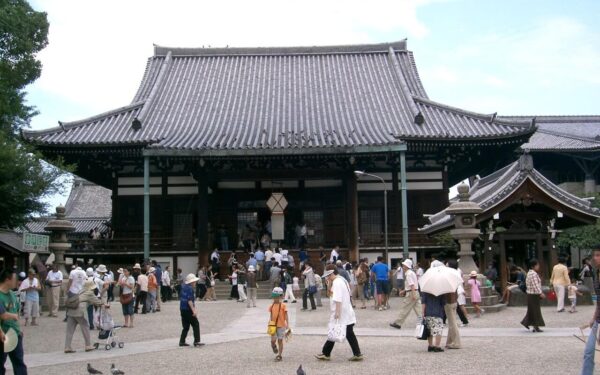
Isshinji Temple
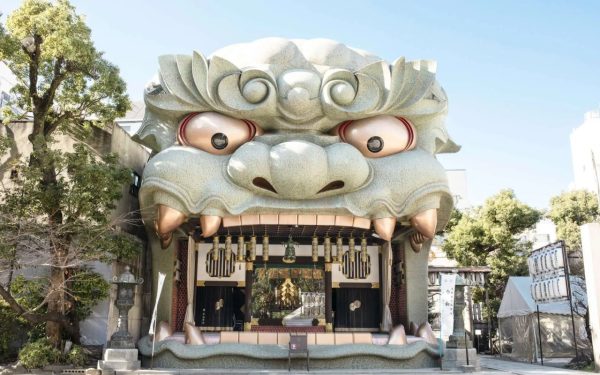
Namba Yasaka Shrine
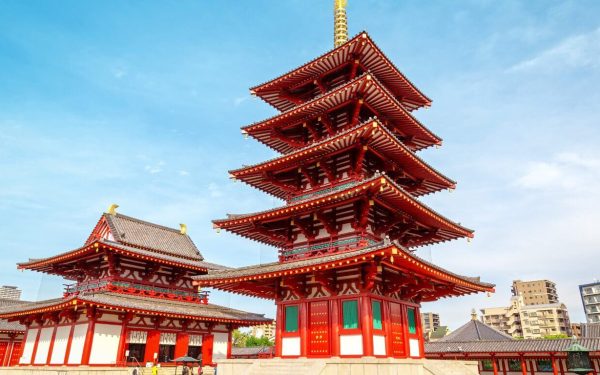
Shitennoji Temple
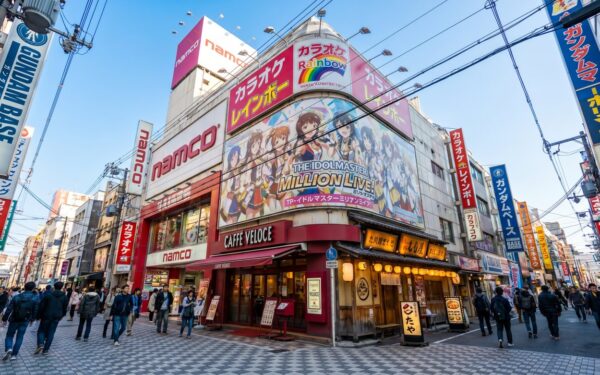
Den Den Town
Miracle World Osaka
Ikukunitama Shrine