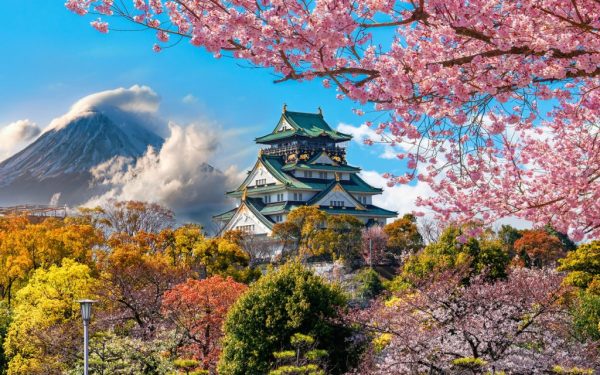
Kema Sakuranomiya Park
Osaka's 4.2-kilometre riverside park and most celebrated cherry blossom promenade.
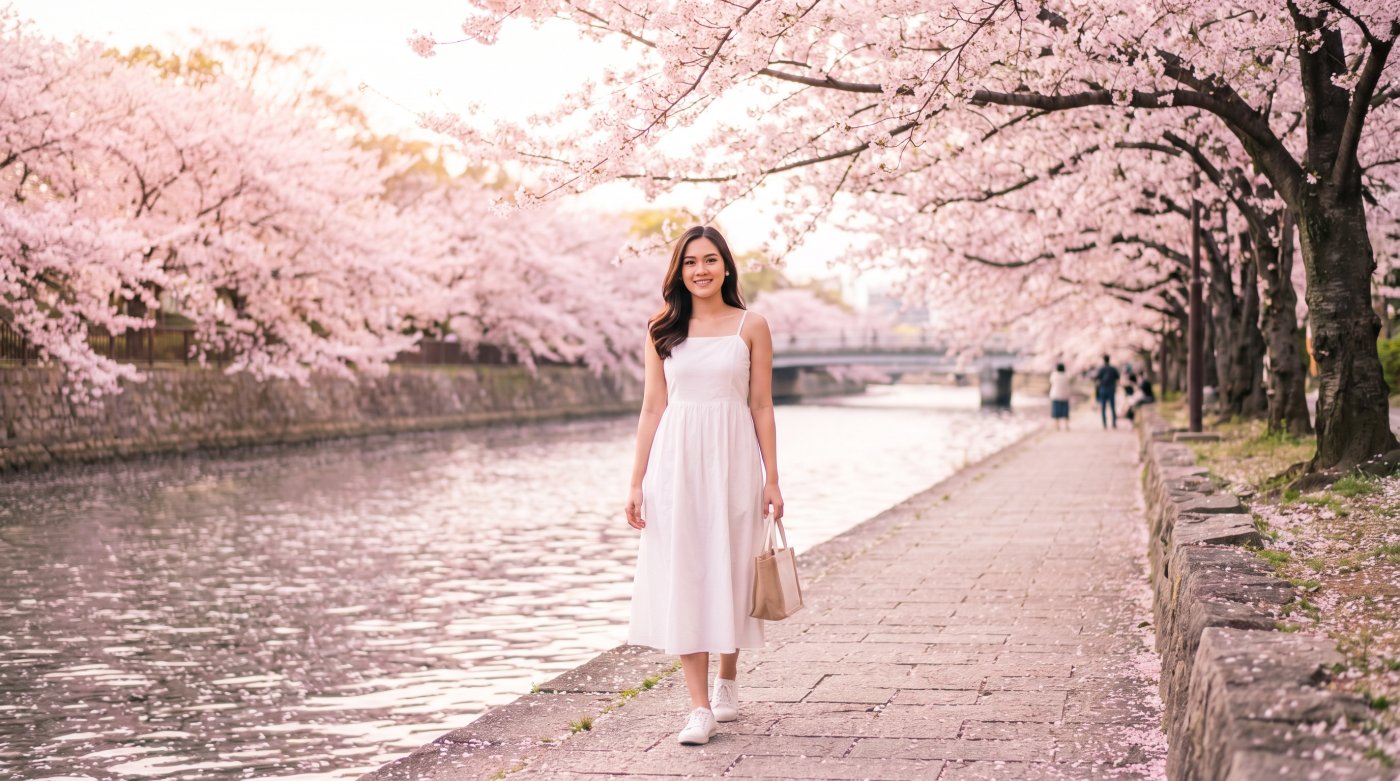
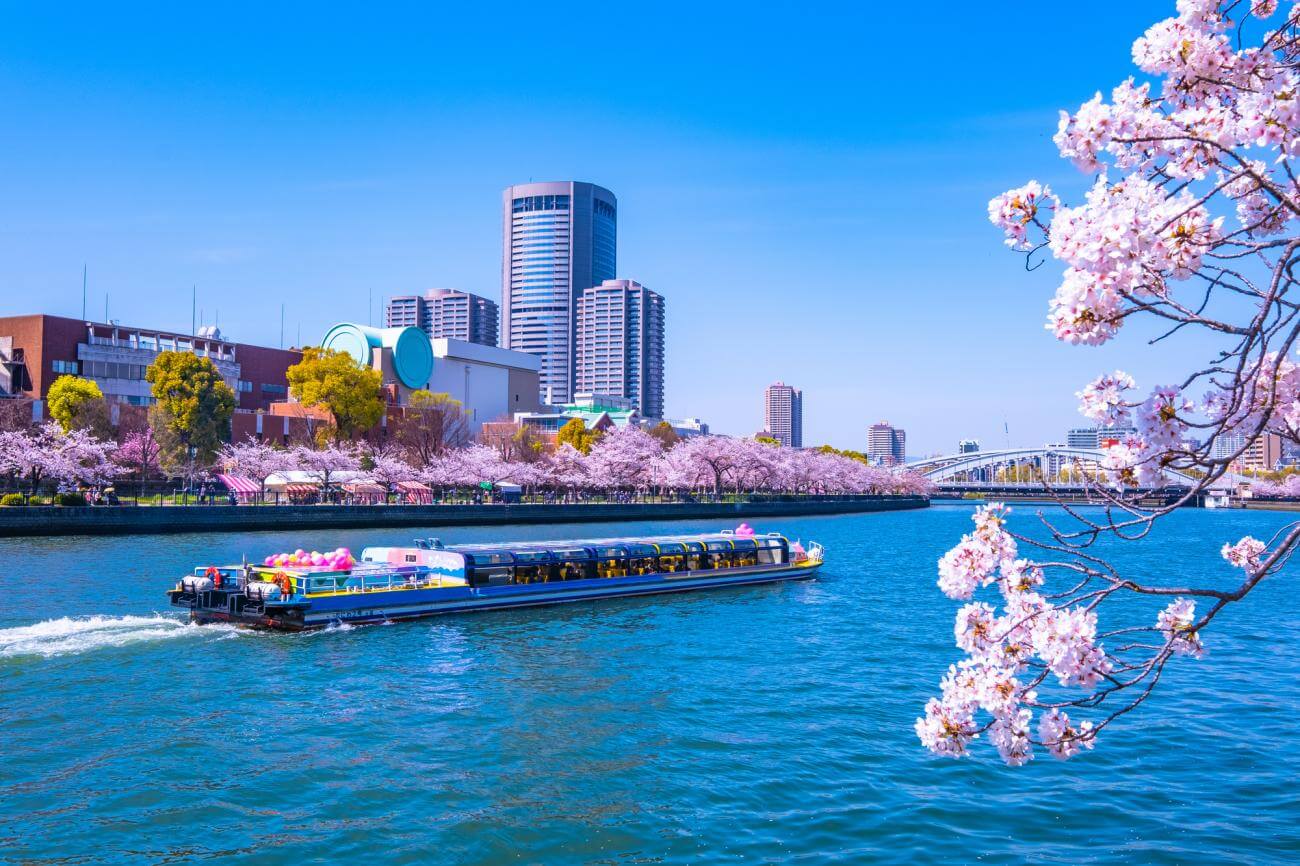
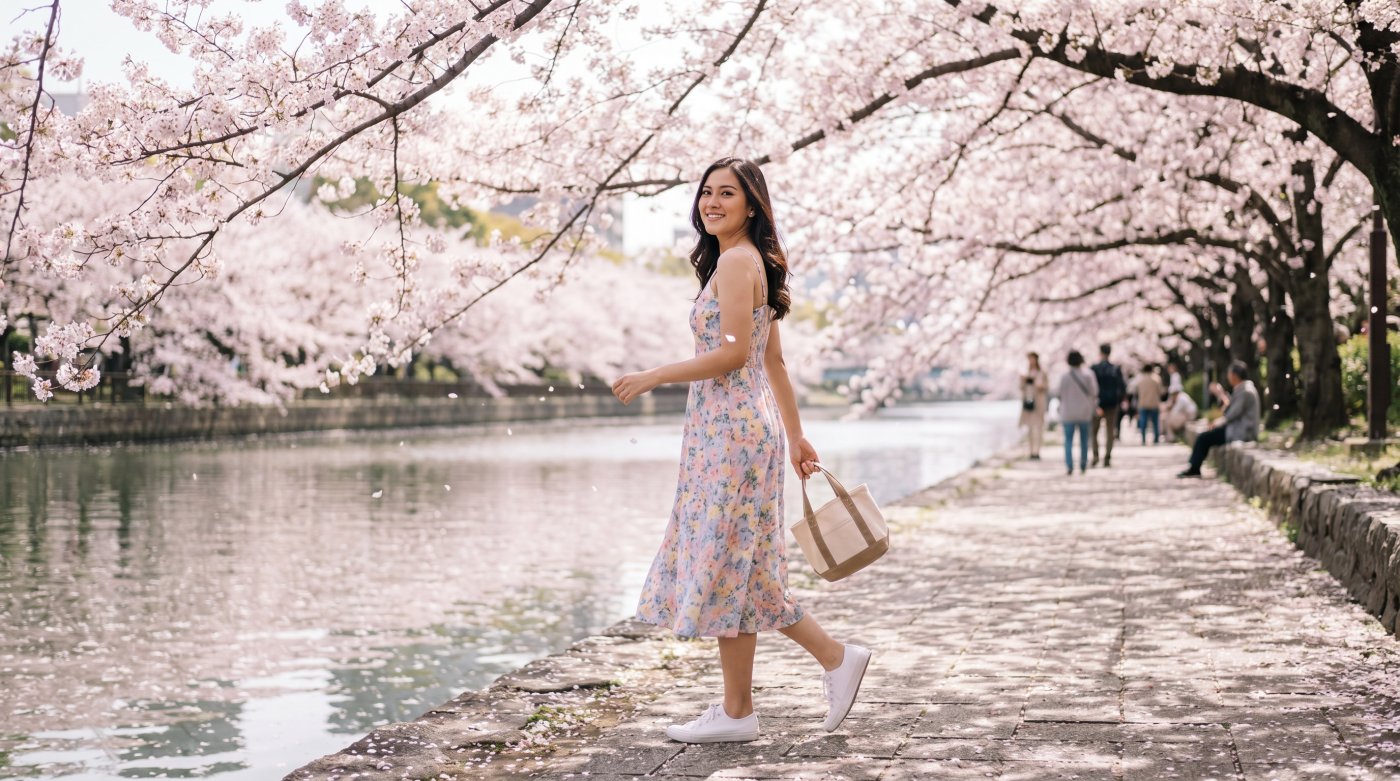
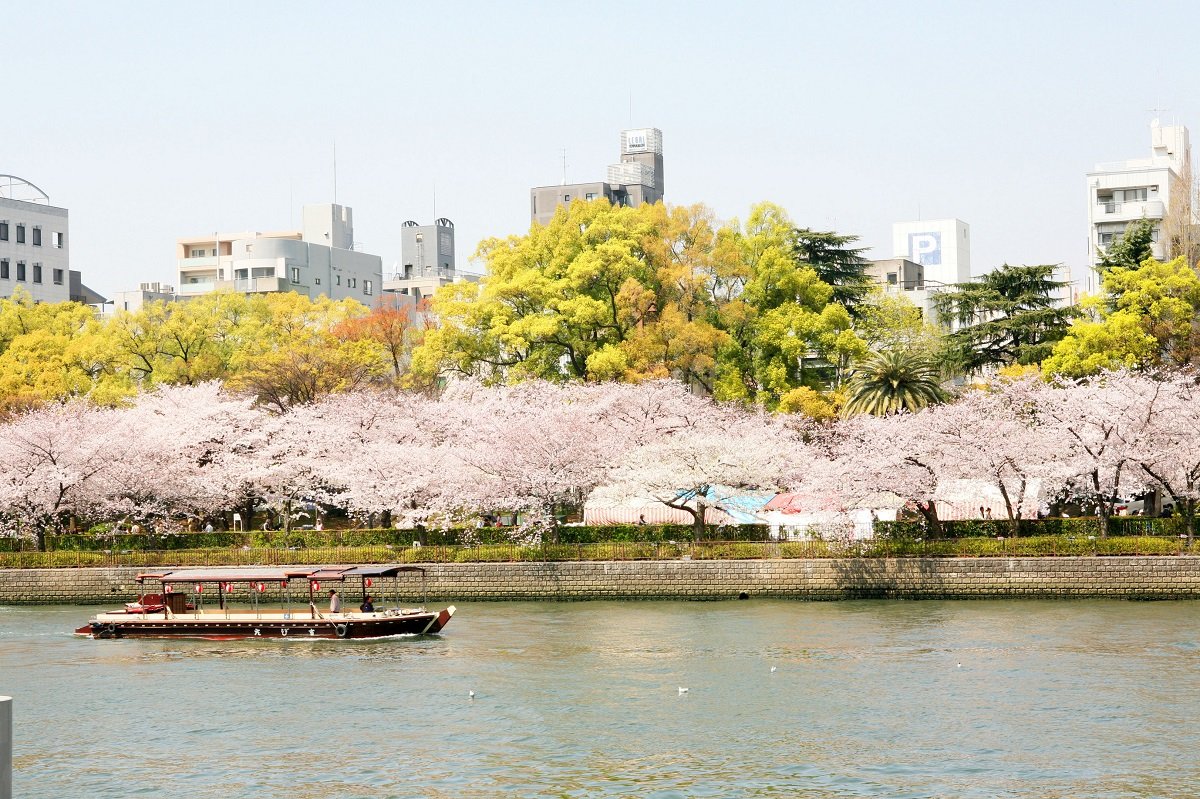
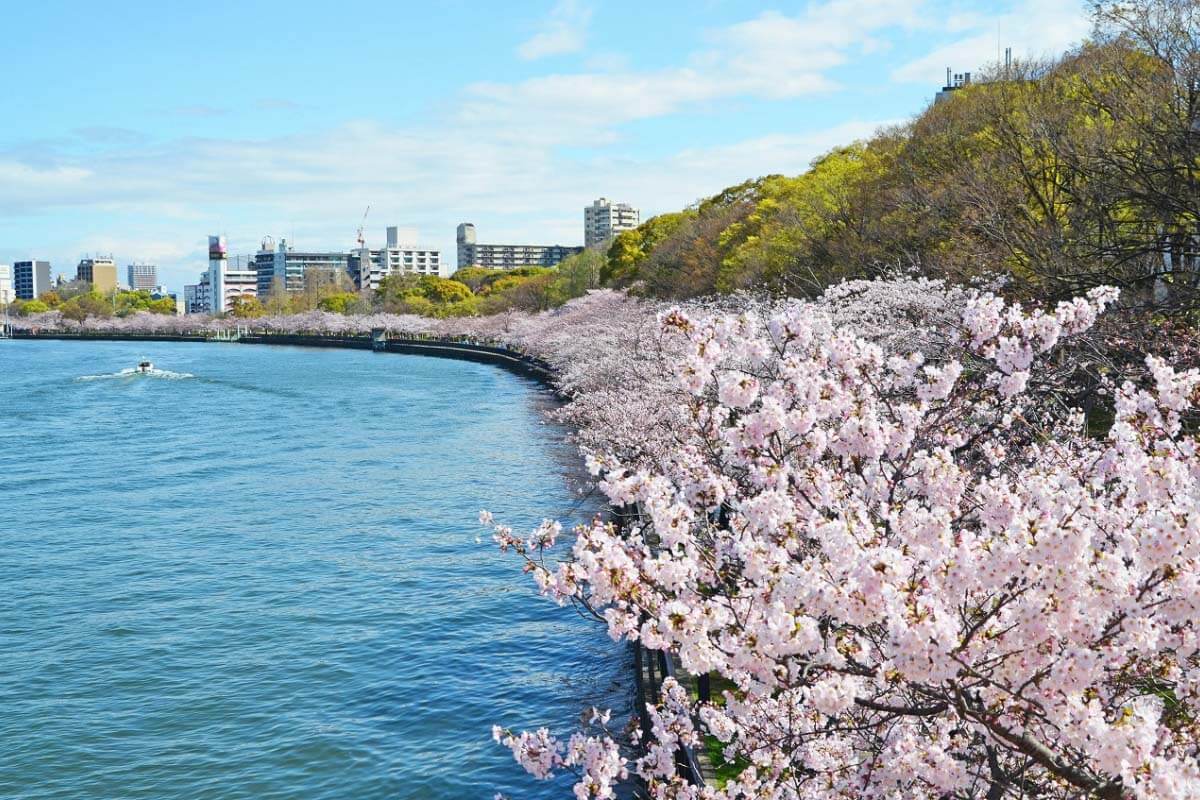









Kema Sakuranomiya Park is a long, linear riverside park that stretches 4.2 kilometres along both banks of the Okawa River, running from the Kema Lock (Kemaaraizeki Weir) in the north down to Tenmabashi Bridge in the south.
Administered by the Osaka Park Association, the park covers 32.3 hectares across Kita-ku and Miyakojima-ku, and is free to enter at any hour of the day.
The park’s defining feature is its extraordinary row of approximately 4,700 cherry trees — a mix of somei-yoshino, yama-zakura, and sato-zakura varieties — that erupt into colour each spring, drawing enormous crowds for hanami picnics and evening strolls.
Outside of cherry blossom season, the park functions as a genuine neighbourhood lung: a well-maintained promenade and cycling path used daily by joggers, dog walkers, and anyone who needs a flat stretch of river air.
Along the route you’ll pass some genuinely interesting architecture, including the historic red-brick façade of the Japan Mint (造幣局), which runs its own brief cherry blossom corridor event each April.
A water plaza sits near the southern end, and Osaka Castle is visible on the horizon as you walk south — which makes a combined half-day itinerary with the castle an easy and satisfying call.
Visit on a weekday morning in late March or early April for the full effect without the weekend crush.
Kema Sakuranomiya Park Guide: Cherry Blossoms, Tips and What to Expect
Kema Sakuranomiya Park (毛馬桜之宮公園) is Osaka’s premier cherry blossom destination, a 4.2-kilometre strip of parkland that stretches along both banks of the Okawa River between the Kema Weir in the north and Tenmabashi Bridge in the south.
It’s free to enter, open 24 hours a day, and lined with approximately 4,700 cherry trees that explode into bloom each spring.
In this Explore Osaka guide, you’ll find everything you need to plan your visit, from peak bloom timing and the best walking route to practical tips and what to do on the same day.
Why Visit Kema Sakuranomiya Park
Most of Osaka’s cherry blossom spots are famous.
Kema Sakuranomiya Park is the one locals actually use.
While tourists fill Osaka Castle Park for the castle-and-blossom photo combo, Kema Sakuranomiya is where Osaka residents spread out their picnic sheets, crack open convenience store beers at 11am, and stay for three hours longer than they planned.
The scale here is genuinely impressive.
A continuous canopy of somei-yoshino, yama-zakura, and sato-zakura trees lines both sides of the river for the park’s entire 4.2-kilometre length.
At peak bloom, the reflection of white and pale pink petals in the Okawa River creates one of the most quietly stunning views in the city.
No entry fee, no ticket gate, no queue.
The Case for Coming Outside Blossom Season
Spring gets all the attention, but Kema Sakuranomiya Park holds up in other seasons too.
Autumn brings amber and rust tones from the riverside trees, and the river light in October and November is genuinely warm.
Even on a grey January morning, the flat, well-maintained promenade makes for a clean, unhurried walk with views across to Osaka Castle in the distance.
That said, if you’re only here once, plan it around the blossoms.
The difference between a pleasant walk and something you’ll remember for years comes down almost entirely to timing.
What to See and Do at Kema Sakuranomiya Park
The park is long and linear, so the most natural way to experience it is as a one-way walk from north to south (or reverse).
The full 4.2-kilometre route takes about 50 to 60 minutes at a leisurely pace, or closer to 90 minutes if you stop regularly for photos.
Here’s what you’ll encounter along the way.
The Kema Weir (Northern End)
The park begins at the Kemaaraizeki (毛馬洗堰), the old stone weir and lock structure where the Okawa River meets the Yodo River.
It’s a historic piece of Meiji-era civil engineering, and the stone embankment here provides an elevated viewpoint over the river corridor, especially useful for framing the tunnel of cherry blossoms stretching south.
Most visitors skip this end entirely, which is reason enough to start here.
The Japan Mint Building
About halfway along the eastern bank, you’ll pass the red-brick exterior of the Osaka造幣局 (Japan Mint).
The building itself is a striking piece of late-19th-century architecture, and for one week each April the Mint opens its internal cherry blossom corridor to the public.
This event, known as Tsutenkaku no Sakura, is separately managed from the park and requires its own queue, but the exterior walk along the mint wall is free and available any time during cherry blossom season.
Japan Mint Cherry Blossom Corridor: What to Know
The Mint’s internal corridor event typically runs for seven days in mid-to-late April, after the somei-yoshino peak.
Entry is free but the queue can stretch 30 to 45 minutes on weekends.
The trees here are a different variety to the main park, later-blooming and with fuller, more layered blossoms, so it’s worth timing your visit to catch both if your dates allow.
The Riverside Promenade and Cycling Path
A well-maintained cycling and walking path runs the full length of both banks.
Rental cycles are available near Sakuranomiya Station if you’d rather cover the distance on wheels.
During hanami season (late March through mid-April), the riverside fills with blue plastic sheets and picnic groups from early morning, particularly on weekends.
Arrive before 9am to find space and to see the blossoms before the crowds do.
Water Plaza and Southern Stretch
As you approach the southern end near Tenmabashi, the park widens into a small water plaza with benches and open lawns.
This is the calmest stretch of the park outside of peak season, and on weekday afternoons it functions as a genuinely peaceful urban green space.
Osaka Castle is visible on the skyline to the southeast from here, which makes Osaka Castle an easy and logical next stop.
Getting There
Kema Sakuranomiya Park sits in the northern part of Osaka, straddling Kita Ward and Miyakojima Ward along the Okawa River.
It’s well connected by both JR and Osaka Metro lines.
The quickest access point for the northern section of the park is JR Sakuranomiya Station on the Osaka Loop Line (O9).
From JR Osaka Station in Umeda, that’s two stops and about five minutes by train.
From the station’s west exit, the park entrance is a 3-minute walk.
For the southern end near Tenmabashi Bridge, use Temmabashi Station on the Osaka Metro Tanimachi Line (T22) or the Keihan Main Line.
Both lines leave you at the park’s edge in under 3 minutes on foot.
Temmabashi is also a useful entry point if you’re combining the park with Osaka Castle, since the castle grounds are a 15-minute walk southeast from here.
Transport Options at a Glance
- From Osaka (Umeda) Station: JR Osaka Loop Line to Sakuranomiya (5 min, 2 stops)
- From Namba: JR Osaka Loop Line to Sakuranomiya via Shin-Imamiya (around 25 min)
- From Osaka Castle Park: Walk north along the river (approximately 20 minutes)
- IC card (ICOCA or Suica): Accepted at all relevant stations; no cash needed for the train
If you’re cycling, the park’s riverside cycling path connects directly to routes around Osaka Castle and northward toward Sakuranomiya Bridge, making it one of the better cycling loops in the city.
Practical Tips for Visiting Kema Sakuranomiya Park
There are no entry fees and no ticket desks to think about, which makes logistics here simpler than at most Osaka attractions.
But a few things are worth knowing before you go.
Best Time to Visit Kema Sakuranomiya Park
Cherry blossom peak at Kema Sakuranomiya Park falls between late March and early April, varying by about a week year to year depending on winter temperatures.
The somei-yoshino trees bloom first, followed by sato-zakura varieties that carry the season slightly later.
For current bloom forecasts, the Japan Meteorological Corporation publishes annual sakura forecasts from January onward, and most Japanese travel apps update their status daily during the season.
Weekday mornings before 10am are the least crowded time.
Weekend afternoons during peak bloom are extremely busy, with the riverside path packed enough to slow walking speed significantly.
What to Bring
The park has limited food vendors outside of cherry blossom season, so packing your own food and drinks for a picnic is both practical and part of the experience.
During hanami season, food stalls (yatai) set up along the riverbank selling yakitori, takoyaki, and canned drinks, but expect inflated festival prices.
Bring a leisure sheet (picnic mat) if you want to stake out a riverside spot, and arrive early on weekends to find a patch under the trees rather than behind them.
Rain and Wind Considerations
One grey day in late March is not a disaster.
In fact, light overcast skies soften the light and make photographs of the blossoms far more interesting than midday direct sun.
Heavy rain, however, accelerates petal fall significantly.
If a major rainstorm is forecast during peak bloom week, consider visiting the day before rather than the day after.
Accessibility
The main riverside promenade is flat, paved, and fully wheelchair accessible along both banks.
There are public toilets near Sakuranomiya Station and at the water plaza near the southern end, though the spacing along the 4.2-kilometre route means you should plan accordingly.
Coin lockers are available at JR Sakuranomiya Station if you’re travelling with luggage.
Kema Sakuranomiya Park’s Nearby Attractions
Kema Sakuranomiya Park sits in a well-connected part of northern Osaka, and several worthwhile stops are within easy reach by foot or a single subway stop.
- Osaka Castle and Osaka Castle Park: The castle is visible from the southern stretch of the park, and the 15-minute walk from Temmabashi Station puts it within easy reach. Osaka Castle combines well with a riverside walk for a full morning or afternoon itinerary, particularly during cherry blossom season when both the park and castle grounds are at their best simultaneously.
- Nakanoshima Park: Cross Tenmabashi Bridge heading south and you’ll reach Nakanoshima, a narrow island between the Okawa and Dojima rivers that holds a clutch of Meiji-era public buildings, a rose garden, and the Osaka Museum of History. It’s a 10-minute walk from the park’s southern entrance and a sharp contrast in atmosphere, formal and historic rather than open and green.
- Tenjinbashi-suji Shopping Street: Head west from Temmabashi Station for about 15 minutes on foot and you’ll hit Tenjinbashi-suji (天神橋筋商店街), the longest covered shopping arcade in Japan at 2.6 kilometres. It’s the kind of place where a 20-minute detour easily becomes two hours of wandering through kitchen goods shops, cheap lunch spots, and century-old sembei (rice cracker) sellers.
- Osaka Temmangu Shrine: A few minutes walk from the northern end of Tenjinbashi-suji, Osaka Temmangu is dedicated to Sugawara no Michizane, the patron deity of scholarship, and serves as the origin point for the famous Tenjin Matsuri festival each July. Quiet on most days and free to enter, it’s a worthwhile 15-minute add-on if you’re in the area.
If the park has sold you on this part of Osaka and you’re wondering how to fill the rest of your trip, the Osaka itinerary section on Explore Osaka covers multi-day plans that route you through the north, centre, and south of the city without the usual backtracking.
And if you’re still figuring out where to base yourself, the where to stay in Osaka guide breaks down every major neighbourhood by budget and travel style, so you can pick a hotel that actually puts you close to what matters most.
What's Available
Frequently Asked Questions (FAQs) About Kema Sakuranomiya Park
The cherry blossoms at Kema Sakuranomiya Park typically peak in late March to early April, with exact timing shifting by a few days each year depending on temperatures.
Somei-yoshino is usually the first to bloom, followed by the yama-zakura and sato-zakura varieties, which extends the window slightly.
Visit on a weekday morning to get the full visual impact without fighting through weekend crowds — the light on the river before 9am is genuinely something.
No. The current structure dates from 1931 and is a ferroconcrete reconstruction, not the original Toyotomi-era castle.
The original was destroyed during Japan’s feudal conflicts.
The reconstruction is historically detailed and houses a genuine museum, but it is not a surviving historic structure in the way that, for example, Himeji Castle is.
If original castle architecture matters to you, the day trip to Himeji from Osaka is worth adding to your itinerary.
The quickest access is via JR Osaka Loop Line to Sakuranomiya Station — from Osaka (Umeda) Station that’s two stops, roughly five minutes on the train.
Exit from the west side of the station and you’re steps from the northern stretch of the park.
Alternatively, Temmabashi Station on the Osaka Metro Tanimachi Line or Keihan Main Line puts you at the park’s southern end near Tenmabashi Bridge, just a 3-minute walk away.
Editor's Review
Kema Sakuranomiya Park earns its reputation honestly.
The 4.2-kilometre riverside walk is one of the most satisfying things you can do in Osaka for free — at cherry blossom time, the canopy of blossoms reflected in the Okawa River is genuinely spectacular, not just Instagram-spectacular.
The seasonal food stalls add atmosphere rather than clutter, and the crowd is mostly locals, which keeps things feeling real.
The honest caveat: outside of late March to early April, the park is pleasant but unremarkable — a good jogging path with a nice river view.
If you’re visiting in summer or autumn, it’s worth a quick pass but shouldn’t anchor your day.
The sweet spot is a weekday morning in peak bloom, walking south from Sakuranomiya Station toward the Japan Mint — the brick buildings and blossom together are something you won’t find anywhere else in the city.
Related Attractions
Umeda Sky Building
Tennoji Park
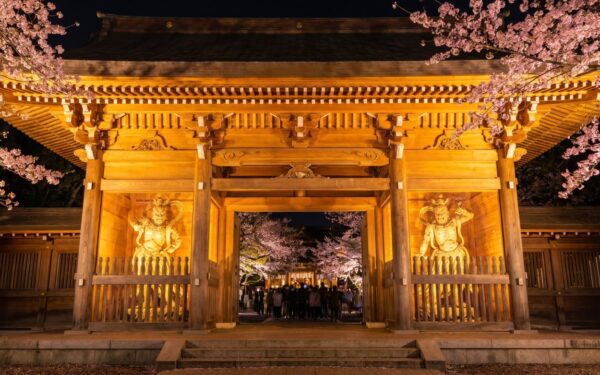
Ikukunitama Shrine
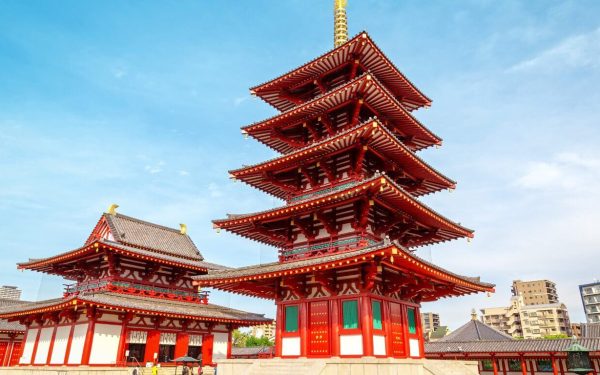
Shitennoji Temple
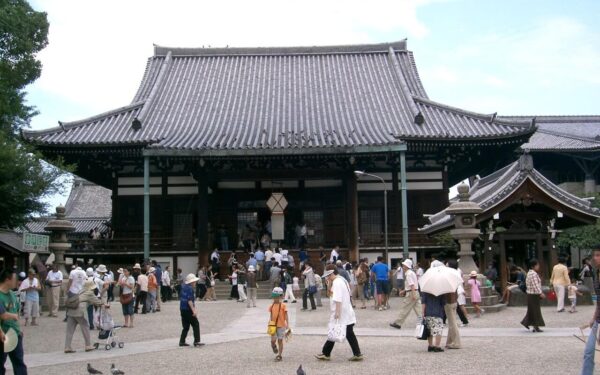
Isshinji Temple
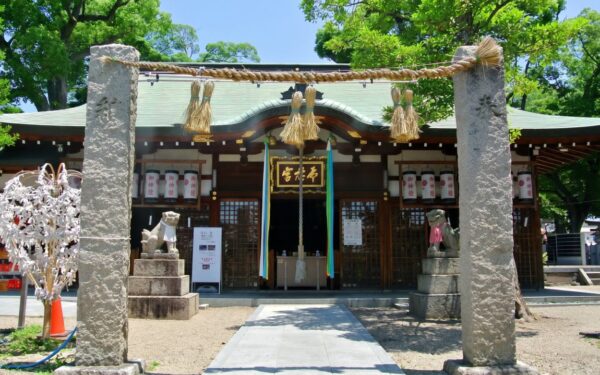
Nunose Shrine
Osaka Science Museum
Kids Plaza Osaka