Minoo Park
A free 83-hectare forested park with a celebrated 33-metre waterfall and legendary autumn foliage.
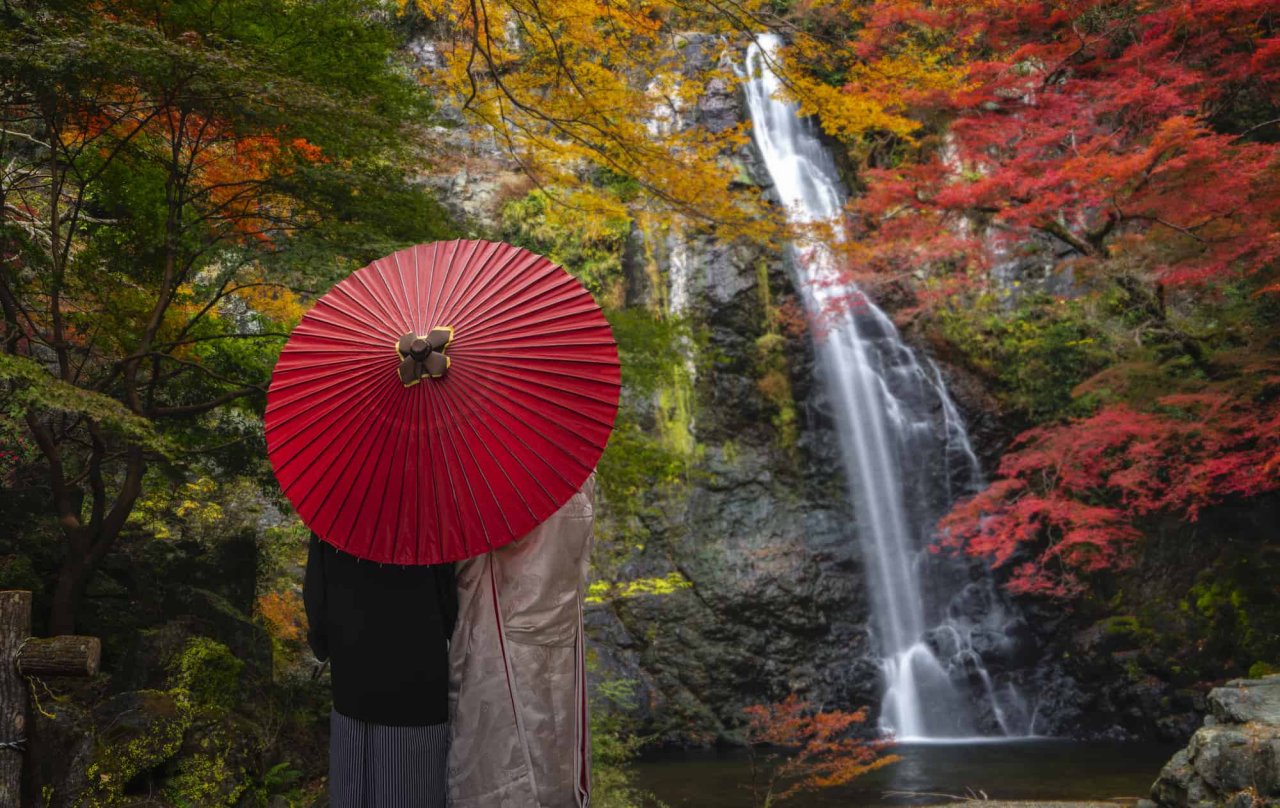









Minoo Park — written 箕面公園 in Japanese and sometimes romanised as Minoh Park — is a prefectural park occupying 83.8 hectares within the Meiji no Mori Minoo Quasi-National Park, north of Osaka.
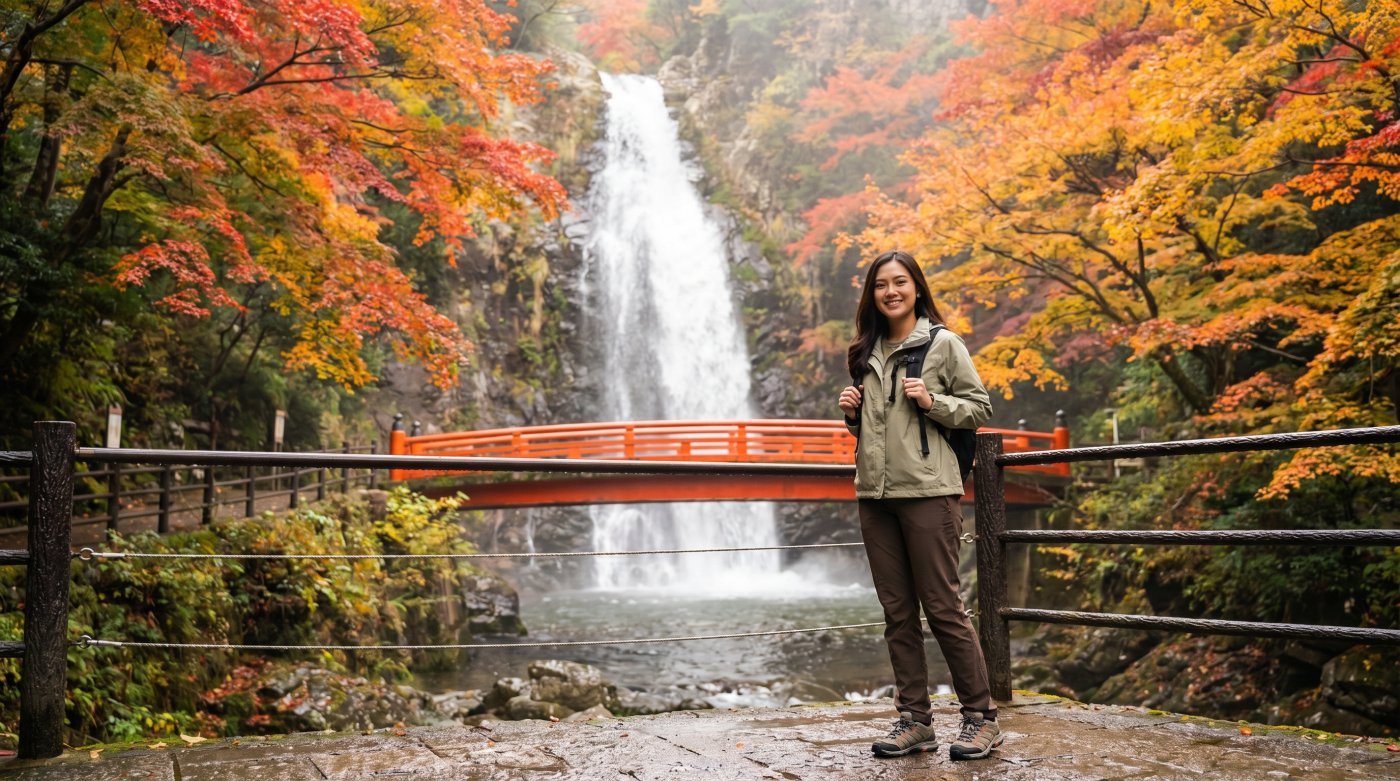
Its centrepiece is Minoo Waterfall (箕面大滝), a 33-metre cascade recognised on Japan’s list of 100 finest waterfalls.
Entry to the park is completely free, and the main trail to the falls is a mostly flat, forested 2.7-kilometre path that virtually anyone can tackle.
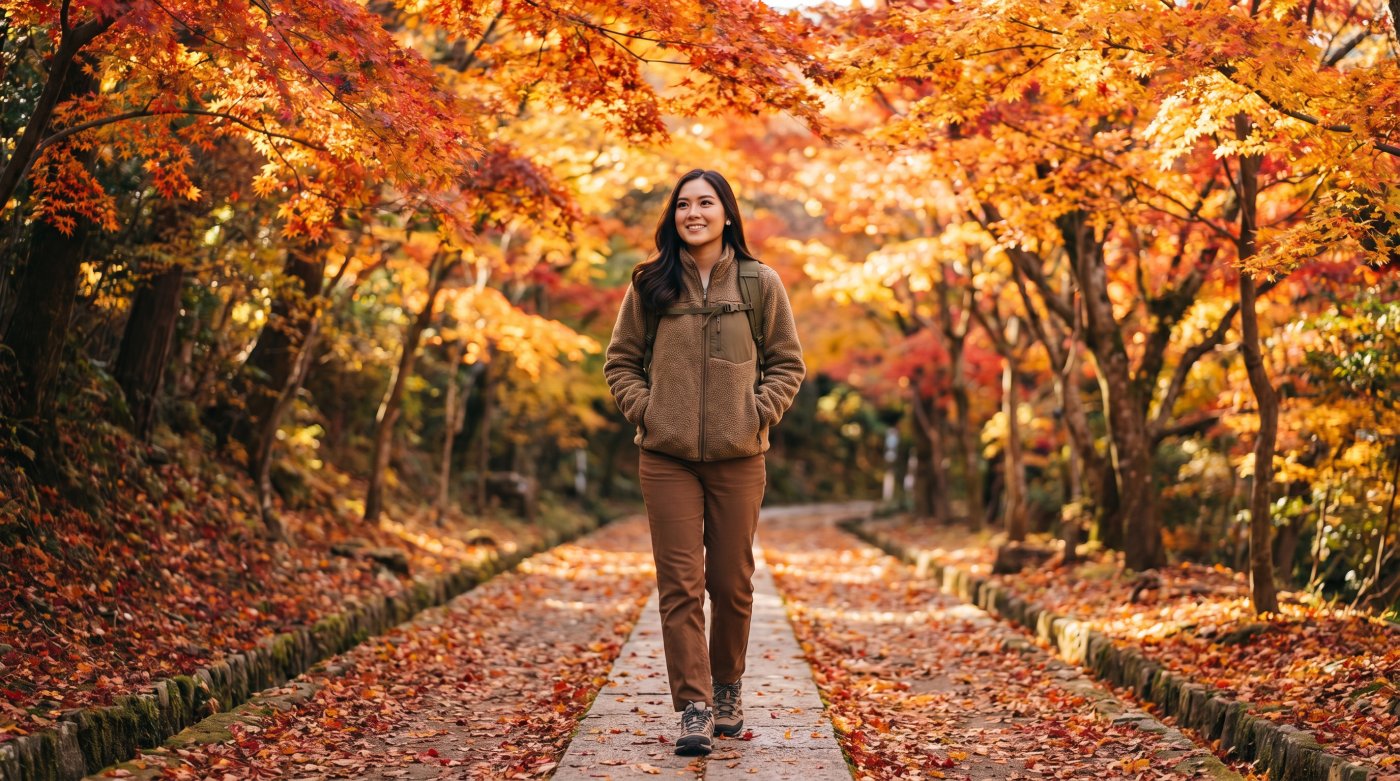
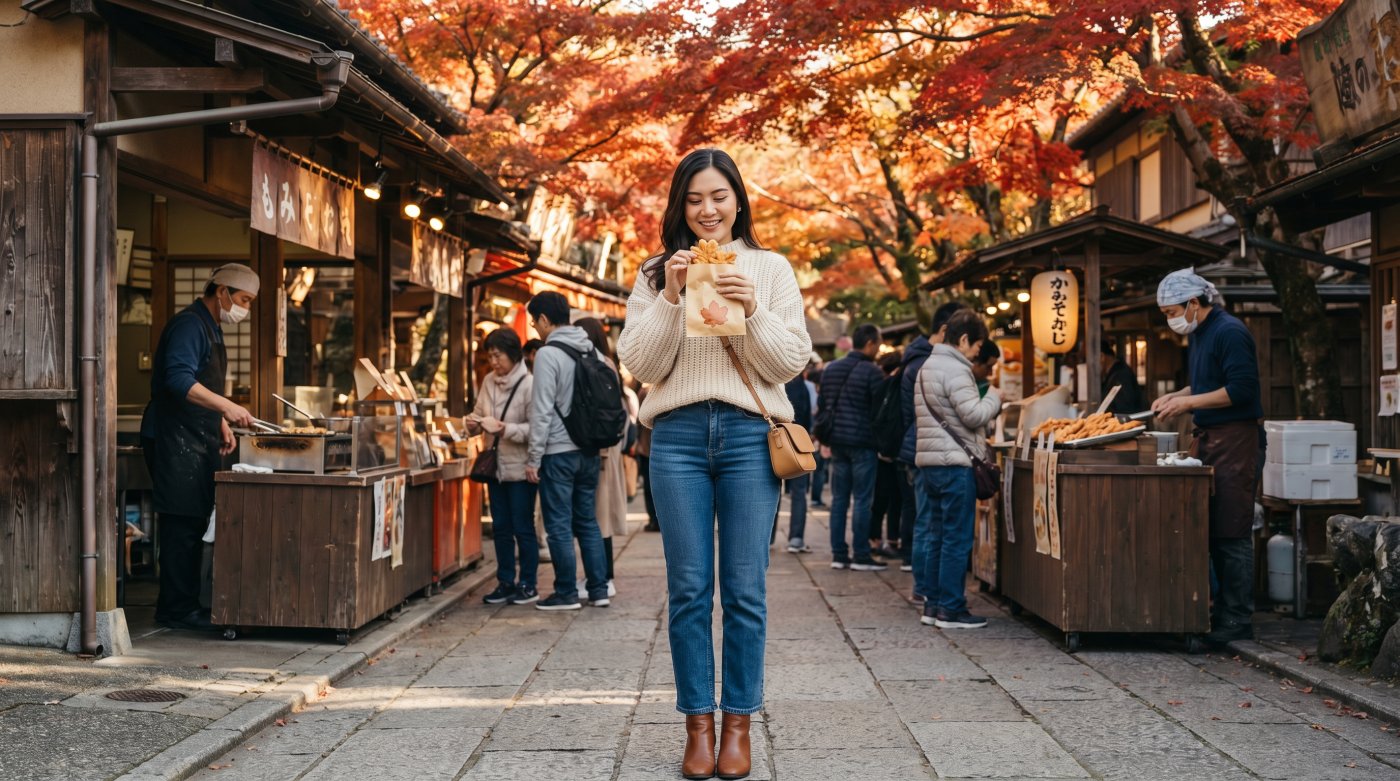
The walk itself is the experience: follow the Minoo River upstream through cedar and maple forest, past tofu restaurants and maple-leaf tempura stalls, until the sound of rushing water tells you you’ve arrived.
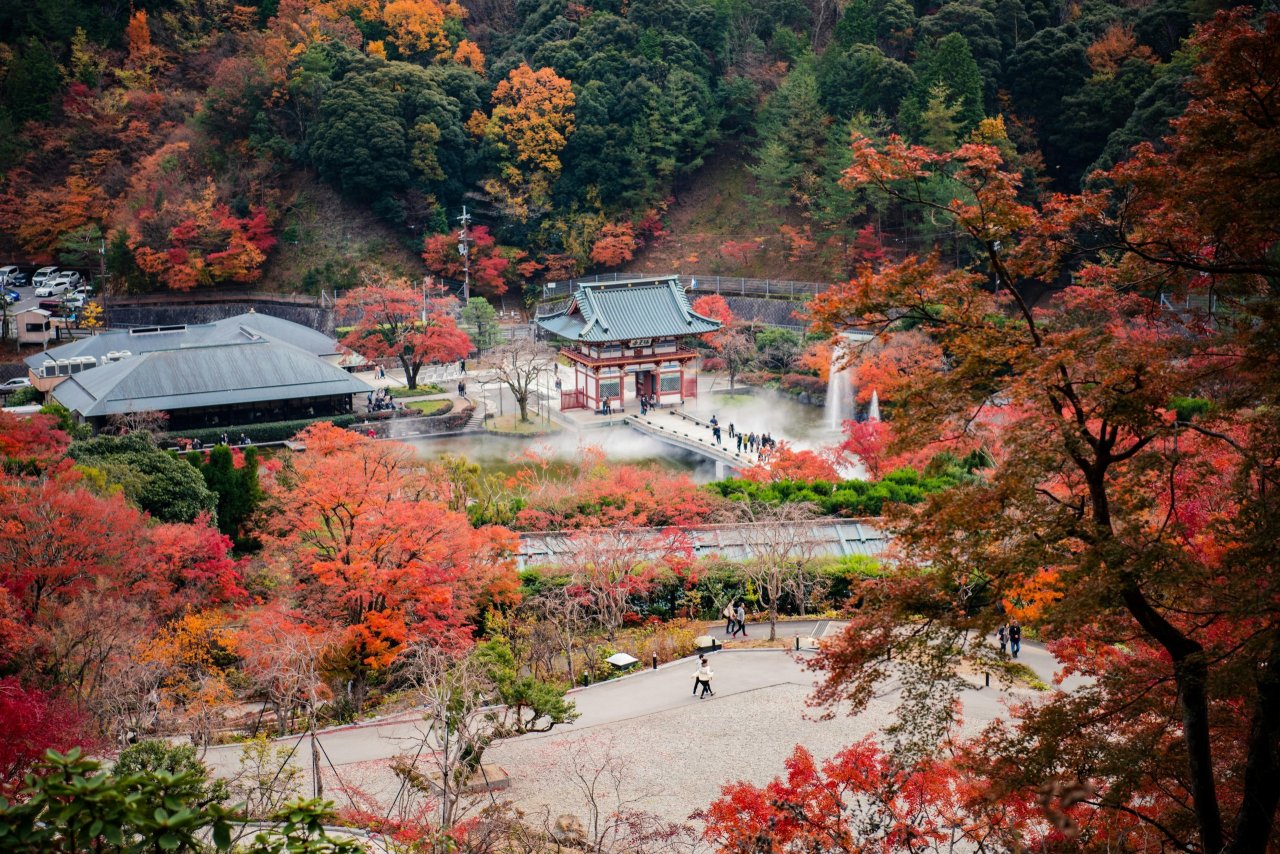
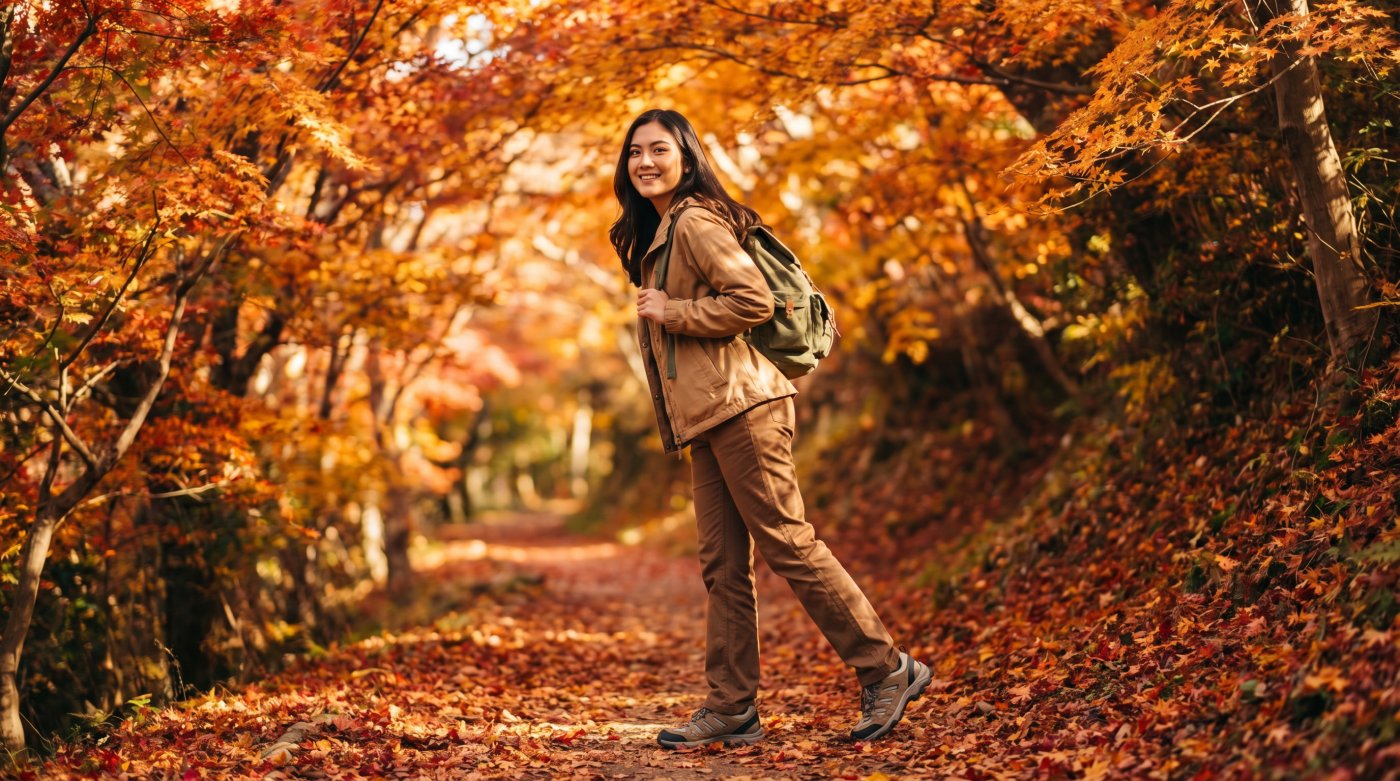
Autumn is the undisputed headline act — late October through mid-November turns the valley into a corridor of crimson and amber that draws enormous crowds, so arriving early on a weekday gives you the scene largely to yourself.
Spring cherry blossoms and firefly evenings in early summer are quieter, equally rewarding alternatives.
Beyond the waterfall, the park holds the Minoo Insect Museum (箕面公園昆虫館), a small but genuinely interesting facility dedicated to the area’s historically rich insect biodiversity.
Wild Japanese macaques occasionally appear along the trail — they’re used to humans but not tame, so keep your snacks out of sight and ignore the signs warning of a ¥10,000 fine at your own risk.
The entire hike to the falls and back takes about 90 minutes at a relaxed pace.
Minoo Park: Osaka’s Best Autumn Foliage Trail and Waterfall Hike
Free, forested, and 30 minutes from central Osaka, this waterfall trail turns spectacular come autumn.
Minoo Park (箕面公園, Minoo Koen) is one of Osaka’s finest day trips and one of the region’s top spots for autumn foliage.
A 2.7-kilometre trail follows the Minoo River through cedar and maple forest to a 33-metre waterfall, and entry to the park is completely free.
Budget a half-day to enjoy it properly, and arrive early if you’re visiting in November.
Highlights
Hide- Official name: Minoo Park (箕面公園, Minoo Koen)
- Address: 1-18 Minookoen, Minoh, Osaka 562-0002
- Admission: Free (Minoh Park Insectarium: ¥280 adults)
- Park hours: Open 24 hours, every day of the year
- Nearest station: Minoo Station (Hankyu Minoo Line), 10 min walk to park entrance, 40 min walk to the waterfall
- Time needed: 2 to 4 hours for the full trail and back
- Best seasons: Late October to mid-November (autumn foliage); late March to early April (cherry blossoms); late May to June (fireflies)
- Official website: mino-park.jp
Why Visit Minoo Park
Osaka is a city that punches hard on food, history, and nightlife, but green space is another matter entirely.
Most of the good parks are groomed, flat, and sandwiched between expressways.
Minoo Park is the rare exception: a genuine forest walk, starting at a train station and ending in front of a waterfall, entirely free of charge and under an hour from central Osaka.
The park sits inside the Meiji-no-Mori Minoh Quasi-National Park, a protected area covering 858 hectares of wooded hillside north of the city.
That designation keeps the forest intact and the trail genuinely wild-feeling, which is not something you can say about many “nature” attractions in the Kansai region.
The Minoo River runs alongside the path the whole way, its sound keeping you company from the first tofu restaurant to the final stretch below the falls.
Autumn is when the park earns its reputation.
Late October through mid-November, the maple trees (momiji) turn deep red and orange along the valley walls, and the combination of running water, cold mountain air, and colour is genuinely hard to top in this part of Japan.
But the park works in other seasons too.
Cherry blossoms line the lower trail in early April, fireflies appear after dark in late May and early June, and the summer canopy keeps the path pleasantly cool on days when central Osaka is stifling.
The honest reason to visit is simple: you get a lot of nature for very little effort, and nothing about it will cost you anything unless you choose to eat well along the way.
What to See and Do at Minoo Park
The park offers more than most visitors expect from what looks, on a map, like a simple hiking trail.
The main 2.7-kilometre path covers a lot of ground in both scenery and atmosphere, and several side attractions sit along the route.
The Trail to Minoo Waterfall
The path begins just north of Hankyu Minoo Station, immediately leaving the low-rise commercial strip behind.
Within five minutes you’re walking along the river, with forest on one side and a row of small restaurants, shops, and snack stalls on the other.
The trail is paved for most of its length, wide enough for families with pushchairs on the lower section, and only modestly uphill until the final stretch before the falls.
That final stretch gets steeper and rockier, and the roar of water starts to reach you before you can see the source.
Minoo Waterfall drops 33 metres in a single white curtain into a shallow plunge pool, framed by cliffs and forest.
It’s not the most dramatic waterfall in Japan, but set against the autumn maples or a backdrop of summer green, it earns its place on the official list of Japan’s 100 finest waterfalls.
Allow 40 to 50 minutes to walk from the park entrance to the falls at a relaxed pace.
The return trip is faster.
Momiji Tempura: The Obligatory Snack
Here’s a regional quirk you will either find charming or bewildering: stalls along the trail sell deep-fried maple leaves, battered and salted, called momiji tempura.
The leaves are preserved in salt for over a year before frying, so the flavour is closer to a light, savoury crisp than anything leafy.
They’re sold year-round, not just in autumn, which tells you something about how Minoh has fully committed to its maple identity.
Try one.
You’ll probably buy a bag.
Minoh Park Insectarium
About 15 minutes up the trail from Minoo Station, the Minoh Park Insectarium (箕面公園昆虫館) sits quietly and gets passed by most visitors who are single-mindedly heading for the waterfall.
That’s a shame, because it’s a genuinely good small museum.
Opened in 1953, it houses around 20 to 30 live insect species at any given time, plus specimen displays and a Butterfly Garden featuring species from Okinawa and Japan’s southwestern islands, all flying freely year-round in a glass enclosure.
Admission is ¥280 for adults, with discounts for children, and it takes about 45 minutes to see properly.
If you’re visiting with kids, or if you’re just curious about the extraordinary insect biodiversity that makes the Quasi-National Park designation necessary, it’s worth the stop.
Wild Monkeys
The Japanese macaques (nihonzaru) that live in the park are not a managed tourist attraction.
They roam freely and have learned that trails mean humans and humans sometimes carry food.
Signs throughout the park warn against feeding them, and the fine for doing so is ¥10,000.
Keep snacks inside your bag, avoid eye contact if they come close, and don’t try to take selfies at arm’s length.
Observe from a distance and they’re a genuinely memorable part of the visit.
Seasonal Highlights
Autumn Foliage (Koyo)
Peak koyo at Minoo Park typically falls in mid to late November, with some years peaking as late as early December depending on temperatures.
According to autumn foliage forecasts, Minoh’s red maple peak has historically landed around late November, while the yellow ginkgo trees tend to peak a week or two earlier.
The park gets crowded on autumn weekends, with trails that feel manageable on a Tuesday becoming very slow-moving by Saturday afternoon.
Spring Cherry Blossoms (Hanami)
Late March to early April brings a different kind of spectacle, with sakura along the lower trail and around the park entrance.
The crowds are smaller than autumn, and the combination of cherry blossoms against the river is quietly lovely.
Summer Fireflies
If you happen to be in Osaka in late May or early June, an evening visit to Minoo Park for the fireflies is something that sticks with you.
The hotaru season runs for just a few weeks, and the insects cluster along the river after dark.
It’s a short window and requires an evening trip, but very few people in central Osaka know it’s happening.
Getting to Minoo Park
The access is straightforward from central Osaka, and the Hankyu railway network makes it easy from Umeda, which serves as the main gateway for this route.
From Osaka-Umeda Station, take the Hankyu Takarazuka Line (bound for Takarazuka) and ride to Ishibashi Handai-mae Station (four stops, roughly 15 minutes).
Transfer there to the Hankyu Minoo Line and take it three stops to the terminus at Minoo Station.
The entire journey takes about 25 to 30 minutes and costs approximately ¥280 each way.
Neither the Takarazuka Line nor the Minoo Line is covered by the Japan Rail Pass, so you’ll need an IC card (Suica, ICOCA, or similar) or buy a ticket at the gate.
From Minoo Station, the park entrance is about a 10-minute walk north.
Signs in English point the way.
The waterfall is a further 2.7 kilometres up the trail, taking 40 to 50 minutes on foot.
There is no practical reason to take a taxi or bus unless you have mobility issues.
The walk from the station is part of the experience: the street outside the station has a handful of good coffee shops and bakeries for a pre-hike stop, and the transition from commercial street to forested trail happens quickly and satisfyingly.
Practical Tips for Visiting Minoo Park
A free park with no opening hours sounds like the kind of place that needs no advance planning.
Minoo Park mostly agrees with that assessment, with a few caveats worth knowing before you show up.
- Timing and crowds: Autumn weekend visits, particularly between late October and mid-November, draw large numbers of visitors. The trail can become genuinely congested between 10am and 3pm on Saturdays and Sundays. Arriving before 9am or after 4pm on those days makes a noticeable difference. Weekday visits in peak season are comfortable at almost any time.
- Footwear: The lower trail is paved and manageable in trainers or even clean sneakers. The area immediately around the waterfall gets wet and slippery, and the rocks can be muddy in wet weather. Waterproof trainers or light hiking shoes are the practical choice, even if most visitors show up in whatever they wore into Osaka.
- What to bring: The trail has no vending machines after the first 500 metres, so carry water. There are small restaurants and snack stalls in the lower section, but they thin out as you climb. A light jacket is advisable in autumn and spring even if the city feels warm; the valley holds cold air and the waterfall area is noticeably cooler.
- Accessibility: Electric wheelchairs are available at the park management office for visitors who need them. The lower section of the trail is accessible, but the final stretch to the waterfall involves uneven surfaces and a moderate incline.
- Photography: The golden hour before the falls is genuinely good in autumn, but the waterfall itself faces south-west, which means afternoon light is usually more flattering than morning. If you’re there specifically for photos during koyo, aim to arrive at the falls between 2pm and 4pm on a clear day.
If you’re planning to fit Minoo Park into a wider Osaka trip, the Osaka itinerary guide can help you combine it efficiently with other parts of the city on the same day or across multiple days.
Minoo Park’s Nearby Attractions
Minoo Park is a half-day commitment from central Osaka, and the area around Minoo Station has a few things worth knowing about before you head back into the city.
- Minoh Onsen: Several small onsen (hot spring baths) and sento (public bathhouses) operate within Minoh City, some within walking distance of the station. After a 5-kilometre round-trip hike, a hot bath before the train back is a logical plan rather than a luxury. Check locally for current hours and admission, as these facilities vary.
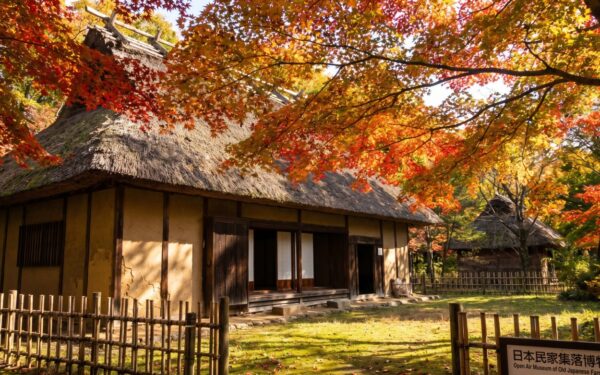
- Hattori Ryokuchi Park: About 25 minutes south of Minoo Station on the Hankyu network, Hattori Ryokuchi Park is a large urban green space with an open-air folk architecture museum (Nihon Minka Shurakumuseum) showcasing traditional Japanese farmhouses. It’s a quieter counterpart to Minoo’s forested trail and works well as a second stop if you want a full day of parks.
- Ikeda: One stop before Minoo on the Hankyu Minoo Line, Ikeda is a pleasant town known for the Nissin Cup Noodles Museum (officially the Momofuku Ando Instant Ramen Museum), where you can learn about the invention of instant noodles and make your own custom cup. It’s a short detour with wide appeal and a refreshingly honest premise.
For a broader look at what to do around the city, the things to do in Osaka guide covers the full range, from the parks and day trips like Minoo to the urban attractions closer to the centre.
Before You Go
Minoo Park rewards the kind of visitor who is happy to walk, take their time, and let the day unfold without a rigid schedule.
The waterfall is the headline, but the trail itself, the snacks, the macaques appearing unexpectedly on a hillside, and the particular quiet of a forested valley that somehow exists 30 minutes from a major city, all of that is the actual experience.
If you’re still putting your Osaka trip together, the where to stay in Osaka guide covers the best base areas by budget and travel style.
Staying in or near Umeda makes the Hankyu Minoo Line connection straightforward, and you can be at the waterfall before most tourists have finished breakfast.
What's Available
Frequently Asked Questions
Yes, the park itself is completely free and open 24 hours a day, every day of the year.
There are no entry gates or admission fees for the main trail and waterfall area.
The Minoo Insect Museum inside the park charges a small separate admission fee if you want to visit that facility.
No. The current structure dates from 1931 and is a ferroconcrete reconstruction, not the original Toyotomi-era castle.
The original was destroyed during Japan’s feudal conflicts.
The reconstruction is historically detailed and houses a genuine museum, but it is not a surviving historic structure in the way that, for example, Himeji Castle is.
If original castle architecture matters to you, the day trip to Himeji from Osaka is worth adding to your itinerary.
From Osaka-Umeda Station, take the Hankyu Takarazuka Line to Ishibashi Handai-mae Station (about 15 minutes), then transfer to the Hankyu Minoo Line and ride three stops to Minoo Station — the entire trip takes roughly 25 minutes and costs around ¥280.
From Minoo Station, the park entrance is about a 10-minute walk, and the waterfall is a further 2.7 kilometres along the riverside trail.
Note that the Hankyu line is not covered by the Japan Rail Pass, so you’ll need to pay the fare separately or use an IC card like Suica or ICOCA.
Editor's Review
Minoo Park earns its reputation honestly.
The trail is one of those rare walks where the journey genuinely outperforms the destination — though the waterfall, when you finally stand in front of it with mist cooling your face, holds its own just fine.
It’s free, accessible, and only 30 minutes from central Osaka, which makes you wonder why every visitor doesn’t make the trip.
The one honest caveat: peak autumn weekends are a genuine crush of humanity.
The trail becomes a slow-moving queue of matching puffer jackets, and the atmosphere shifts from serene to festive — which is fine if you like that sort of thing, and considerably less fine if you don’t.
Visit on a clear weekday morning in late October or in spring, and you get the same spectacular scenery with a fraction of the crowd.
The maple-leaf tempura snacks sold along the route are either a charming regional quirk or a bewildering culinary choice, depending on your constitution.
Related Attractions
Umeda Sky Building
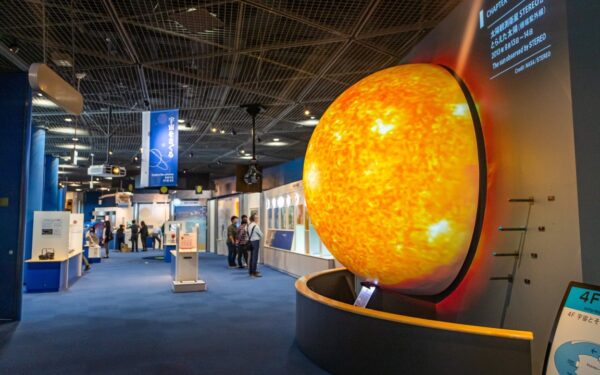
Osaka Science Museum
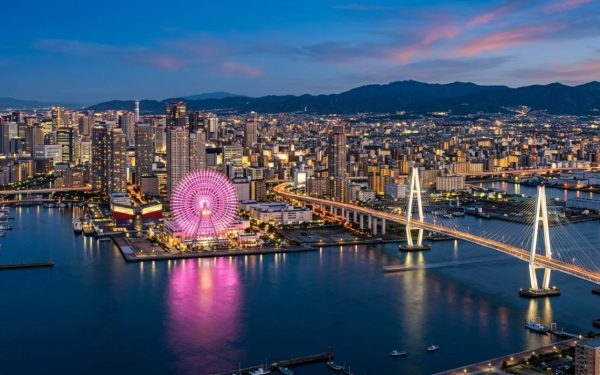
HEP FIVE Ferris Wheel
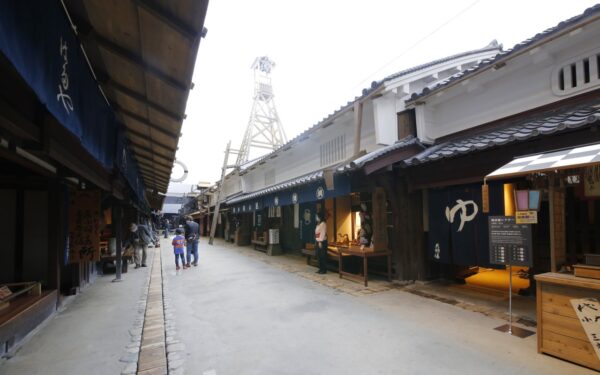
Osaka Museum of Housing and Living
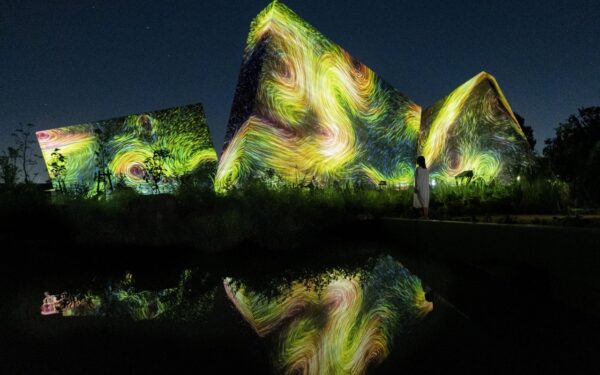
teamLab Botanical Garden Osaka
Tenjinbashisuji Shopping Street
Himejima Shrine
Osaka Tenmangu Shrine