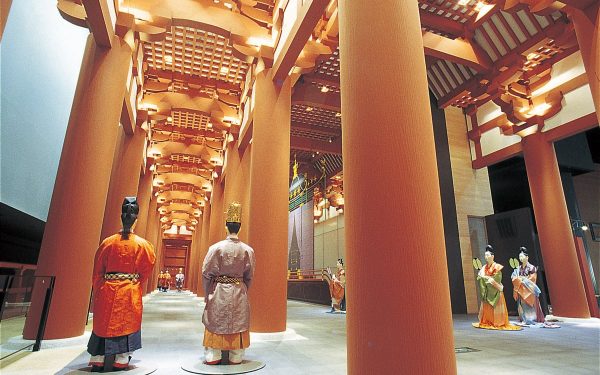
Tennoji Zoo
Japan's third-oldest zoo costs ¥500 to enter and sits inside Tennoji Park, five minutes from Dobutsuen-mae Station.
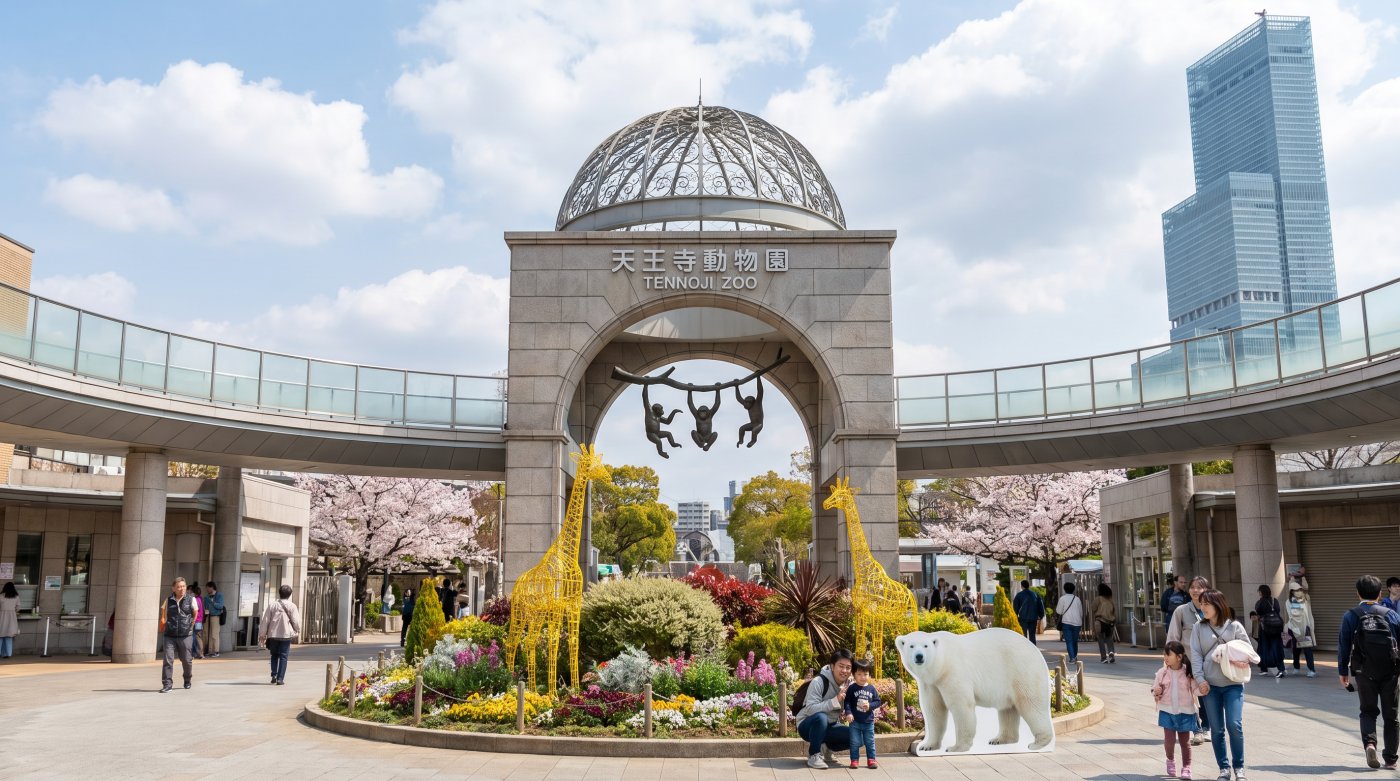





Tennoji Zoo opened on 1 January 1915, making it the third zoo ever built in Japan and one of the oldest still operating in the country.
That longevity is the lens through which you should approach a visit: this is not a modern wildlife park with sweeping naturalistic enclosures, and going in with that expectation will leave you underwhelmed.
Adults pay ¥500 at the gate, elementary and junior high school students pay ¥200, and preschool children enter free.
The zoo covers 11 hectares inside Tennoji Park and holds around 1,000 animals across roughly 100 species.
The animal roster includes black rhinoceros, giraffe, lions, polar bear, sun bear, spectacled bear, hippopotamus (viewable through an underwater window), red panda, sea lion, and jaguar.
The lion exhibit and the hippopotamus pool tend to draw the strongest reactions, the hippo in particular because the glass panel puts you face-to-face with the animal underwater at close range.
A major renovation programme called the Tennoji Zoo 101 Project is ongoing; some enclosures have already been upgraded with richer environments, while others remain under construction or are temporarily closed.
Check the official website before visiting to confirm which sections are open.
The zoo sits a five-minute walk from Dobutsuen-mae Station on the Osaka Metro Midosuji and Sakaisuji Lines, or a seven-minute walk from Tennoji Station on the JR and Osaka Metro networks.
Admission is included in the Osaka Amazing Pass, which also covers unlimited rides on Osaka Metro and city buses for the day.
Standard hours are 09:30–17:00 with last admission at 16:00; on Saturdays, Sundays, and national holidays in May and September the zoo stays open until 18:00, with last admission at 17:00.
Tennoji Zoo: Tickets, Hours, and What to Actually Expect
Tennoji Zoo has been open since 1 January 1915, making it the third zoo ever built in Japan and still one of the cheapest attractions in Osaka at ¥500 for adults.
The 11-hectare site inside Tennoji Park holds around 1,000 animals from roughly 100 species, including black rhinoceros, hippopotamus, giraffe, lion, polar bear, and red panda.
You’ll find this guide, along with broader coverage of the Tennoji neighbourhood, in this Explore Osaka article on one of the city’s more underestimated southern districts.
The honest framing matters here: this is not a modern naturalistic wildlife park.
Several enclosures are small and dated, and an ongoing renovation programme called the Tennoji Zoo 101 Project means parts of the grounds are under construction or temporarily closed on any given day.
Go with that context and the visit delivers genuine moments.
Go expecting a contemporary zoo experience and you’ll come away frustrated.
Quick Facts
Hide- Address: 1-108 Chausuyamacho, Tennoji Ward, Osaka (〒543-0063)
- Opening hours: Tuesday–Sunday 09:30–17:00 (last admission 16:00); extended to 09:30–18:00 on Saturdays, Sundays, and national holidays in May and September (last admission 17:00)
- Closed: Mondays (or the following Tuesday if Monday is a public holiday); 29 December–1 January
- Admission: Adults ¥500, elementary and junior high school students ¥200, preschool children free
- Nearest station: Dobutsuen-mae Station (Osaka Metro Midosuji Line M22 / Sakaisuji Line K19), 5-min walk
- Time needed: 2 to 3 hours
- Official website: tennojizoo.jp/en
- Osaka Amazing Pass: Included
Is Tennoji Zoo Worth Visiting?
For families with young children, the answer is pretty clear: yes.
The entry price is low enough that a partial visit still feels reasonable, and the animal roster, which includes lions, a hippopotamus, giraffes, and a polar bear, gives young visitors more than enough to react to.
If you’re carrying the Osaka Amazing Pass, admission is covered entirely, which removes any cost calculation from the equation.
The Osaka Amazing Pass guide has a full breakdown of what the pass covers and whether it pays off across a full day in the city.
Adults visiting without children need to calibrate expectations more carefully.
The zoo holds a 3.4 rating on Tripadvisor from 776 reviews, and that number reflects the experience honestly.
The best exhibits, particularly the hippopotamus pool and the lion enclosure, are genuinely worth seeing.
But a meaningful proportion of the cages and compounds remain compact and unmodified from earlier decades, and you will notice it.
The zoo is not overhyped, but it’s also not operating at the standard of a modern wildlife facility.
The one exhibit that consistently surprises visitors, regardless of age, is the hippopotamus enclosure.
It includes an underwater glass panel that brings you face-to-face with the animal below the waterline at close range.
That kind of viewing geometry is rarer than you’d expect, even at larger and more expensive zoos, and it’s worth building into your route through the grounds.
Osaka Amazing Pass — the one pass worth buying
Unlimited subway rides plus free entry to 40+ attractions including Osaka Castle, Umeda Sky Building, and the Dotonbori River Cruise. If you're spending more than a day sightseeing, it pays for itself before lunch.
What You’ll See: Animals and Zones
Tennoji Zoo organises its collection into themed geographic zones, though the ongoing 101 Project renovation means the layout changes periodically.
The overall animal count sits at approximately 1,000 individuals across roughly 100 species, which is a reasonable breadth for an urban zoo of this size and age.
Large Mammals and the African Section
The African savanna area holds black rhinoceros, giraffe, and zebra.
The lion enclosure is one of the more spacious habitats on the grounds, with a viewing terrace that lets you get close to the animals at ground level.
The polar bear, sun bear, and spectacled bear exhibits sit in a cluster that works well as a circuit, and spending time with all three bears in sequence takes around twenty minutes.
The hippopotamus pool is near the centre of the grounds.
Find it on the map at the entrance before you set off, because it’s easy to reach it from an angle that bypasses the underwater panel.
The viewing window is on the side of the pool, not the end, and the best time to use it is mid-morning when the animals tend to be more active in the water.
Smaller Animals, Red Pandas, and Primates
Red panda, ring-tailed lemur, capybara, and a range of primate species fill the eastern sections of the zoo.
The red panda habitat is consistently one of the more visited enclosures, and it’s worth getting there early on weekends before the school-age crowds arrive.
Sea lions have their own pool, and the jaguar enclosure, which received updates as part of the earlier phase of the 101 Project, sits nearby.
The primate section is mixed.
Some habitats are more generous than others, and it’s one of the areas where the age of the zoo’s infrastructure shows most clearly.
What the 101 Project Is Changing
The Tennoji Zoo 101 Project is a long-running programme to modernise enclosures across the site ahead of the zoo’s 110th anniversary.
Several habitats have already been rebuilt with richer environments, improved visitor sight lines, and more space for the animals.
Others remain on the original plan.
Before you visit, check the official website to confirm which sections are open, because temporary closures for active construction phases are common and the online calendar is the most reliable source of current information.
Getting to Tennoji Zoo
Tennoji Zoo has two main entrances, and which one you use depends on where you’re coming from.
The Shinsekai Gate on the northern side of the grounds is the closer arrival point from central Osaka.
Dobutsuen-mae Station on the Osaka Metro Midosuji Line (M22) or Sakaisuji Line (K19) puts you at the gate in a five-minute walk.
This is the right entrance if you’re combining the zoo with a walk through the Shinsekai district or a visit to Tsutenkaku Tower.
The Tennoji Gate on the southern side connects to Tennoji Station, served by the JR Osaka Loop Line, the Osaka Metro Midosuji Line (M23), and the Tanimachi Line (T27).
The walk from the station takes about seven minutes.
This entrance works better if you’re arriving from Namba or planning to continue to the Abeno Harukas building after the zoo.
The Osaka Metro guide covers fare calculations and transfer points if you’re navigating from further away in the city.
IC cards, including ICOCA and Suica, are accepted on all lines and at all station gates.
Essential Osaka Travel Passes
Powered by KlookThe passes worth buying before you land — curated for first-timers.
Osaka Amazing Pass
Unlimited subway + free entry to 40+ attractions. The only pass most visitors actually need.
Osaka e-Pass
Attractions-only digital pass. Pair with a Metro Pass if skipping the Amazing Pass.
Osaka Metro Pass
1 or 2-day unlimited Metro rides. Best standalone transit value if you already have an attractions pass.
JR West Kansai Area Pass
Unlimited JR trains for 1–4 days. Covers Kyoto, Nara, Kobe, and Himeji from Osaka.
JR Haruka Express
KIX to Umeda/Shin-Osaka in ~50 min. Best if staying in Umeda or heading straight to Kyoto.
Nankai Rapi:t Express
KIX to Namba in 34 min, reserved seat. Better if staying in Namba or Shinsaibashi.
Tickets, Crowds, and the Best Time to Visit Tennoji Zoo
Three things actually shape how you experience Tennoji Zoo on a given day: whether you pay at the gate or use a pass, what time you arrive, and what season you’re visiting in.
None of them require much planning, but getting all three right makes a noticeable difference.
Admission and Buying Tickets
Tickets are sold at the gate and through the zoo’s official website.
The ¥500 adult price point means there’s no strong reason to book in advance unless you’re visiting with a large group and want to skip a queue step.
On most weekday mornings, the entrance is quiet and walk-up purchase is instant.
The Osaka Amazing Pass covers admission in full; present the QR code from the app or card at the gate.
When to Go
Weekdays are noticeably quieter than weekends.
The zoo draws school groups on weekday mornings during the spring and autumn terms, typically between 09:30 and 12:00, so arriving after lunch avoids the largest clusters of organised groups.
Weekends in golden week (late April to early May) bring the heaviest crowds of the year, and the combination of cherry blossoms in Tennoji Park and the zoo can make the surrounding streets very busy.
Extended evening hours operate on Saturdays, Sundays, and national holidays during May and September, with the zoo staying open until 18:00.
Late afternoon visits in those months are genuinely pleasant: the heat drops, the crowds thin, and the light is better for seeing the animals.
If you have flexibility and are visiting in late spring or early autumn, the 16:00 to 18:00 window is the most relaxed time to be there.
Winter is the quietest season and has its own advantages.
The polar bear exhibit is worth lingering at when the temperature is down and the animal is moving around more freely.
The overall atmosphere on a cold weekday morning, with very few other visitors on the paths, is quite different from the summer experience.
What to Bring
Coin lockers are available on-site if you’re carrying a bag from a previous stop.
Food and refreshment stalls are located inside the grounds, so there’s no need to arrive with a packed lunch, though the options are standard zoo fare.
The grounds are wheelchair accessible, and English signage covers the main exhibit areas and facilities.
The Neighbourhood Around the Zoo
The zoo sits at the centre of a cluster of worthwhile stops in Tennoji Ward that can extend a half-day visit into a full one without any backtracking.
Shitennoji Temple
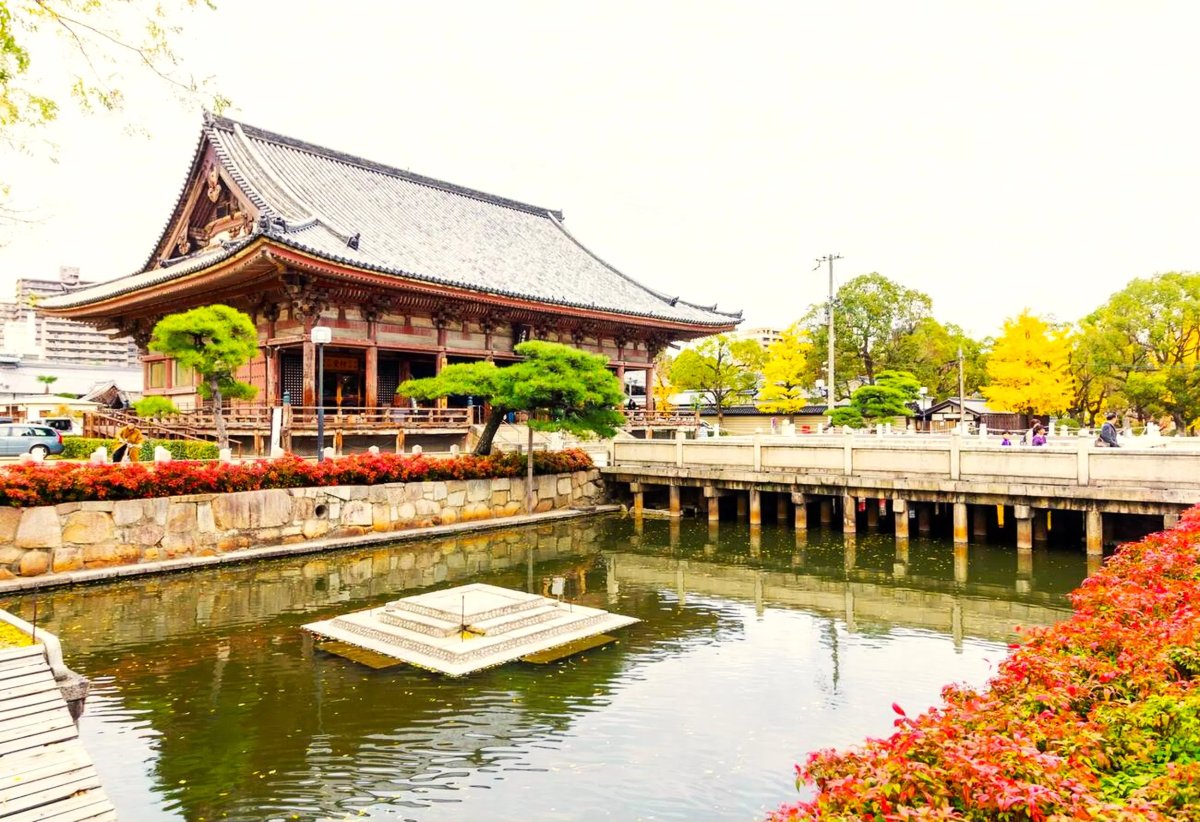
Shitennoji Temple is a seven-minute walk northwest of the Shinsekai Gate.
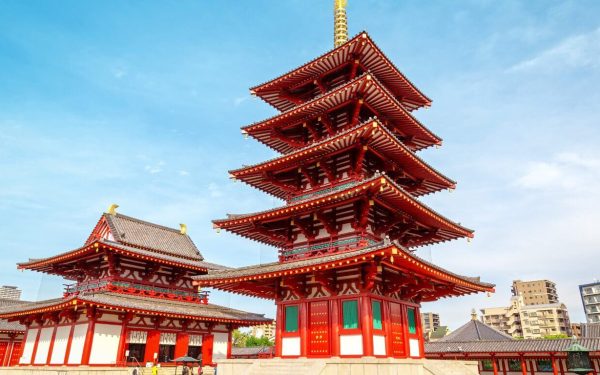
Founded in 593 CE and attributed to Prince Shotoku, it’s one of Japan’s oldest Buddhist temples and a considerably more significant historical site than most visitors to this part of the city realise.
The inner precinct charges ¥300 to enter and takes about thirty minutes to walk through properly.
The Shinsekai district and Tsutenkaku Tower are a five-minute walk from Dobutsuen-mae Station.
The tower’s observation deck is modest, but Shinsekai itself is worth a thirty-minute walk for the neighbourhood atmosphere and the kushikatsu restaurants on the main street.
Harukas 300

Harukas 300, the observation deck on the 58th to 60th floors of Abeno Harukas, is a ten-minute walk south from the Tennoji Gate.
At ¥1,500 for adults, it costs three times the zoo entry, but the two visits are complementary and logical in sequence.
The view from the top gives you a clear sightline over the zoo grounds and Tennoji Park below.
Isshinji Temple
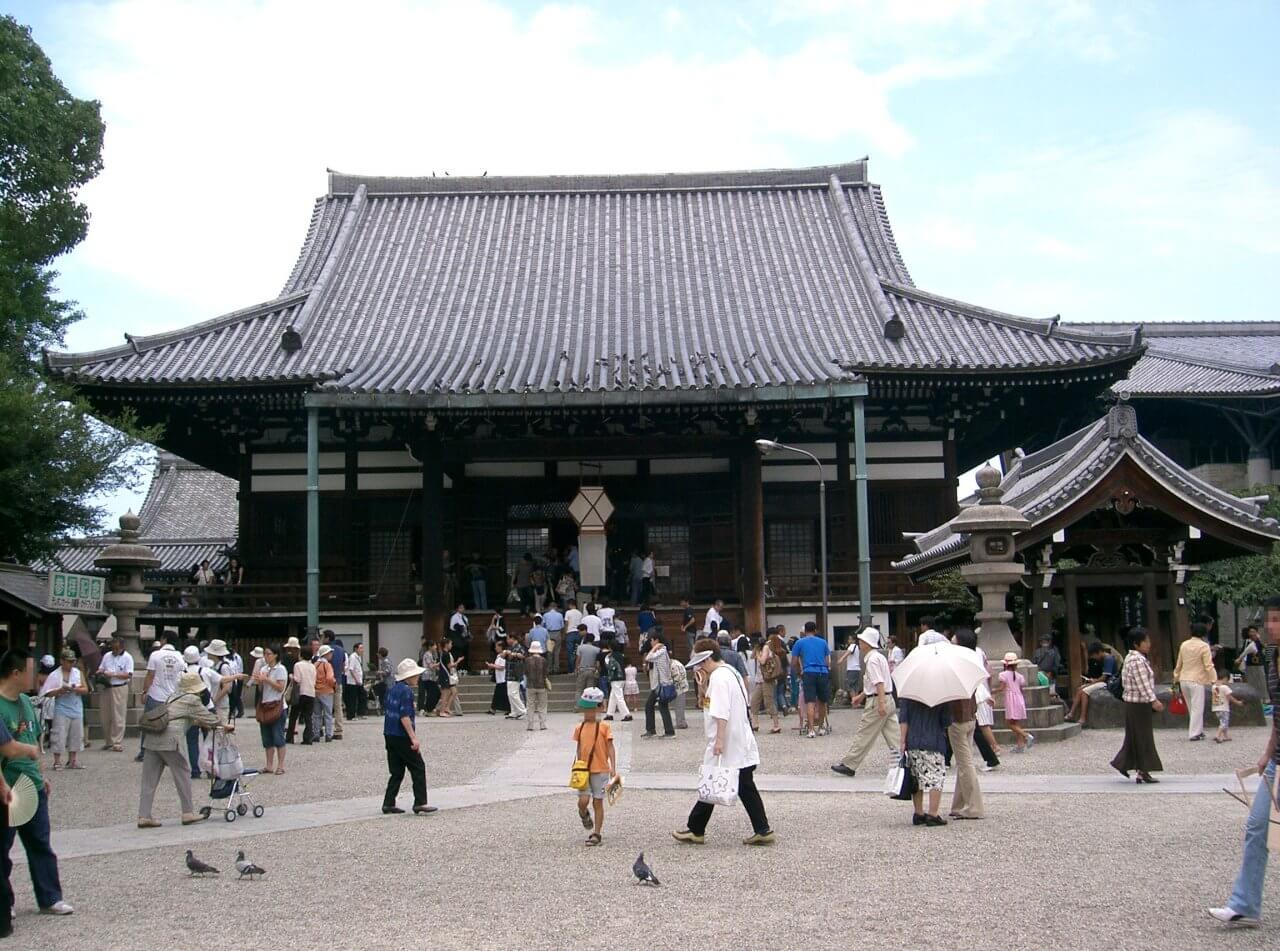
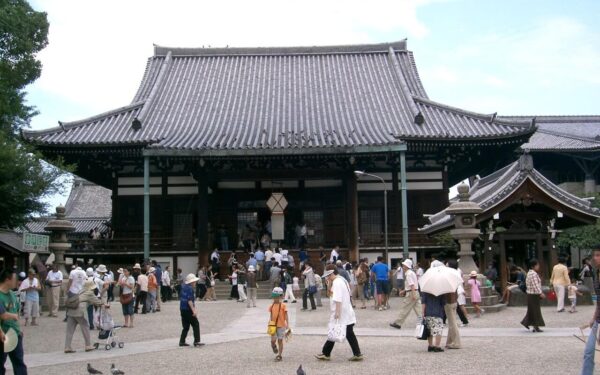
Isshinji Temple, four minutes on foot from the Tennoji Gate, is considerably less visited than Shitennoji but worth a short detour for its unusual architecture and the distinctive statues constructed from the compressed ashes of donated remains.
Building Tennoji Into a Longer Visit
The zoo fits naturally as the first or second stop on a southern Osaka morning.
Combine it with Shitennoji Temple and lunch in Shinsekai and you have a coherent half-day that covers three genuinely different experiences without excessive transit time between them.
For a full-day structure that places Tennoji in context with the rest of the city, the two-day Osaka itinerary sequences the southern neighbourhood stops alongside central Osaka in a way that avoids unnecessary doubling back across the Metro network.
What's Available
Frequently Asked Questions (FAQs)
Tennoji Zoo is worth a visit at ¥500 per adult, particularly if you hold the Osaka Amazing Pass, which covers entry at no extra cost.
The 101 Project renovation is still in progress, so some enclosures are temporarily closed.
Check the official website at tennojizoo.jp before going to confirm which exhibits are open on your specific date.
Tennoji Zoo houses around 1,000 animals from approximately 100 species, including black rhinoceros, giraffe, lion, polar bear, sun bear, spectacled bear, hippopotamus, red panda, sea lion, and jaguar.
The hippopotamus exhibit includes an underwater viewing window that gives a close-up view of the animal in the water.
Some enclosures remain under construction as part of the zoo’s ongoing renovation programme.
Tennoji Zoo is a five-minute walk from Dobutsuen-mae Station on the Osaka Metro Midosuji Line (M22) and Sakaisuji Line (K19), which puts you closest to the Shinsekai Gate on the zoo’s northern side.
Alternatively, Tennoji Station on the JR Osaka Loop Line and Osaka Metro Midosuji and Tanimachi Lines is a seven-minute walk to the Tennoji Gate on the southern side, near Abeno Harukas.


Editor's Review
Tennoji Zoo is a reasonable half-day outing for families with young children, but adults visiting on their own should calibrate expectations carefully before paying the ¥500 entry.
The price is genuinely low, and the Osaka Amazing Pass covers it entirely, so the financial risk is minimal.
The roster of large animals is real: hippo, rhino, giraffe, lion, polar bear, and red panda are all on site, and the hippo enclosure’s underwater viewing window is legitimately one of the better moments in the zoo.
The honest limitation is that a significant number of enclosures remain small, bare, and dated, and the ongoing 101 Project renovation means some exhibits may be closed or under construction on the day you visit.
Recent visitors have consistently noted signs of stress in several animals.
If modern zoo design or animal welfare standards matter to you, this place will disappoint.
The best approach: go with kids on a weekday morning, check the official site beforehand to confirm which areas are open, and treat the Tennoji Park grounds around it as part of your time there.
Related Attractions
Osaka Aquarium Kaiyukan
teamLab Botanical Garden Osaka
Senkoji Temple
Isshinji Temple

Legoland Discovery Center Osaka
Shitennoji Temple
Open Air Museum of Old Japanese Farm Houses
Nunose Shrine