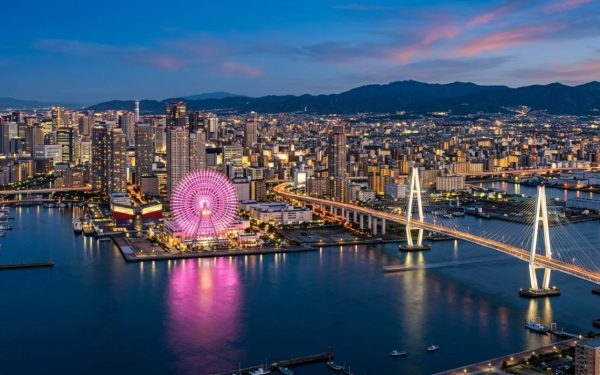
Harukas 300 Observatory
Osaka's highest observation deck, perched 300 metres above the city on three glass-wrapped floors.
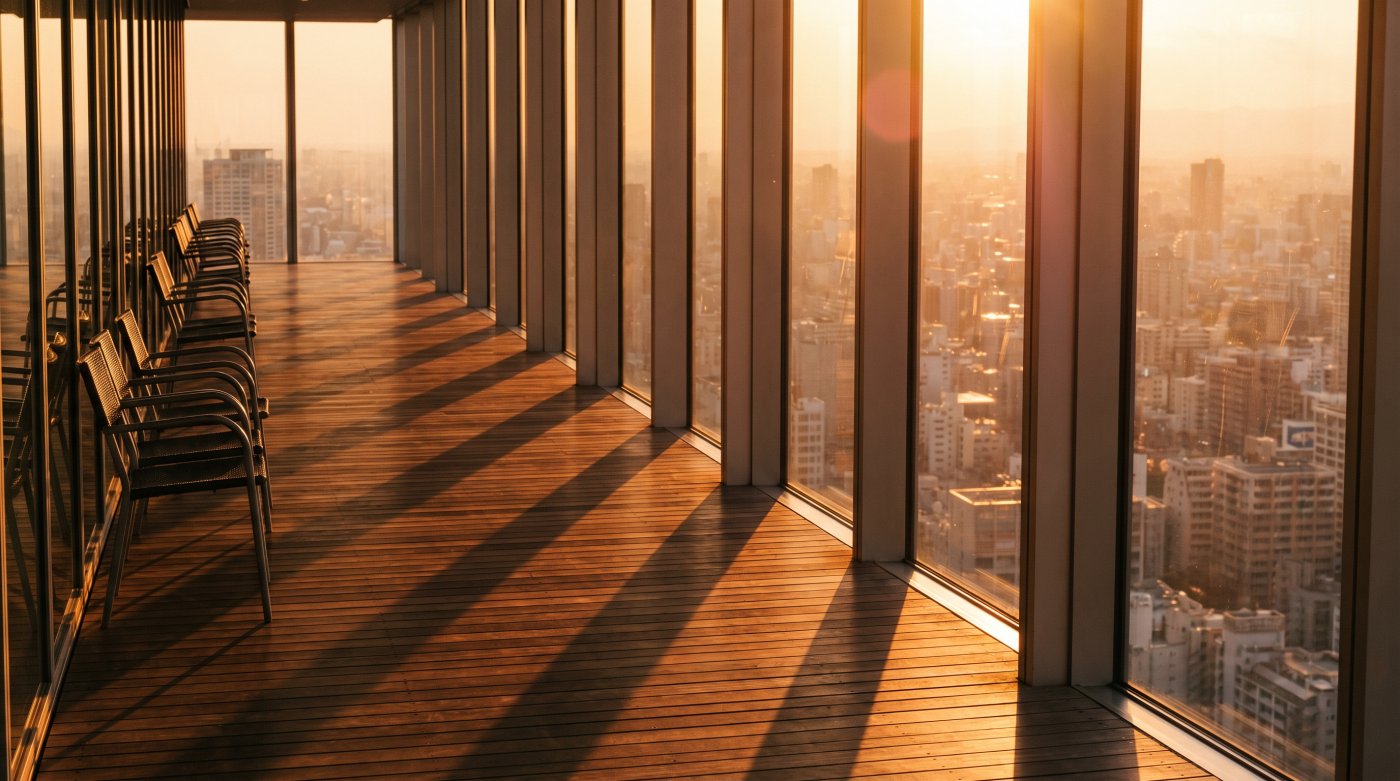
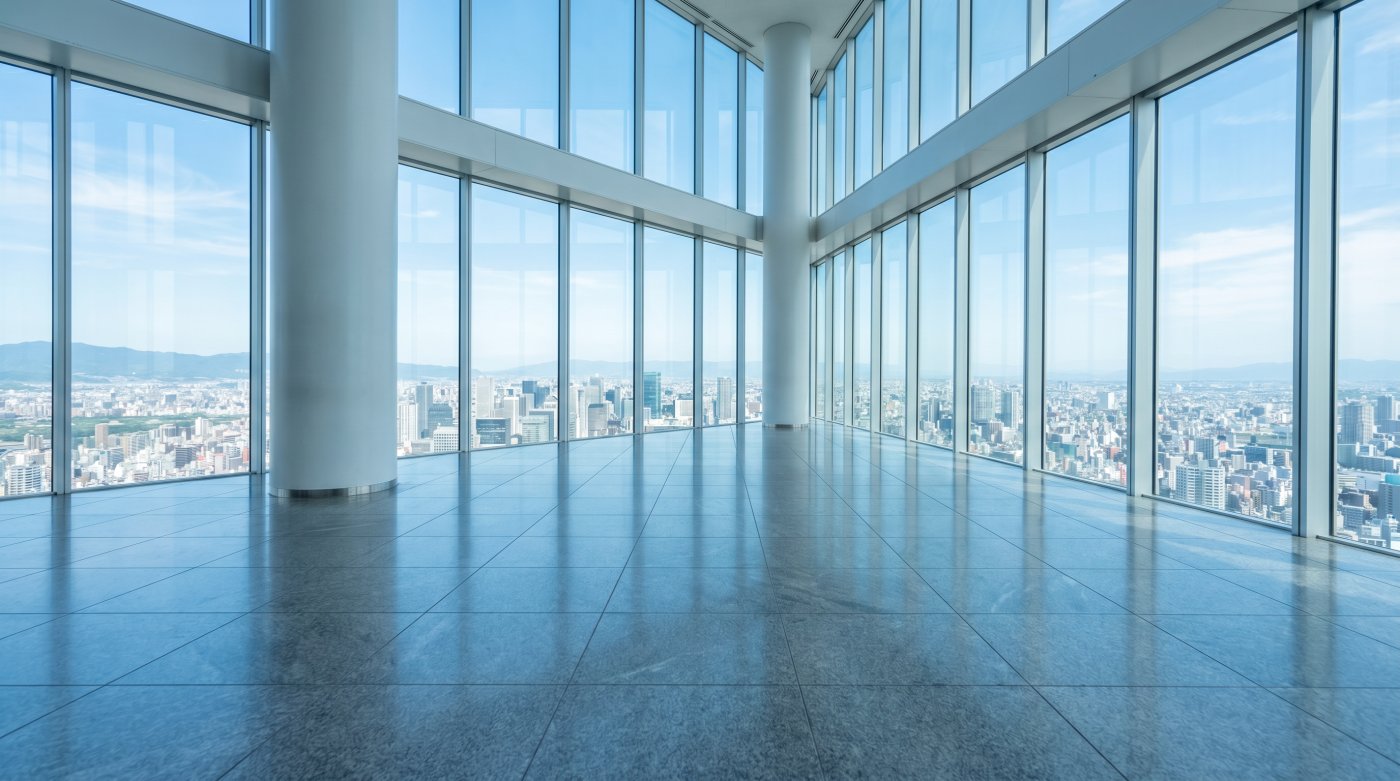
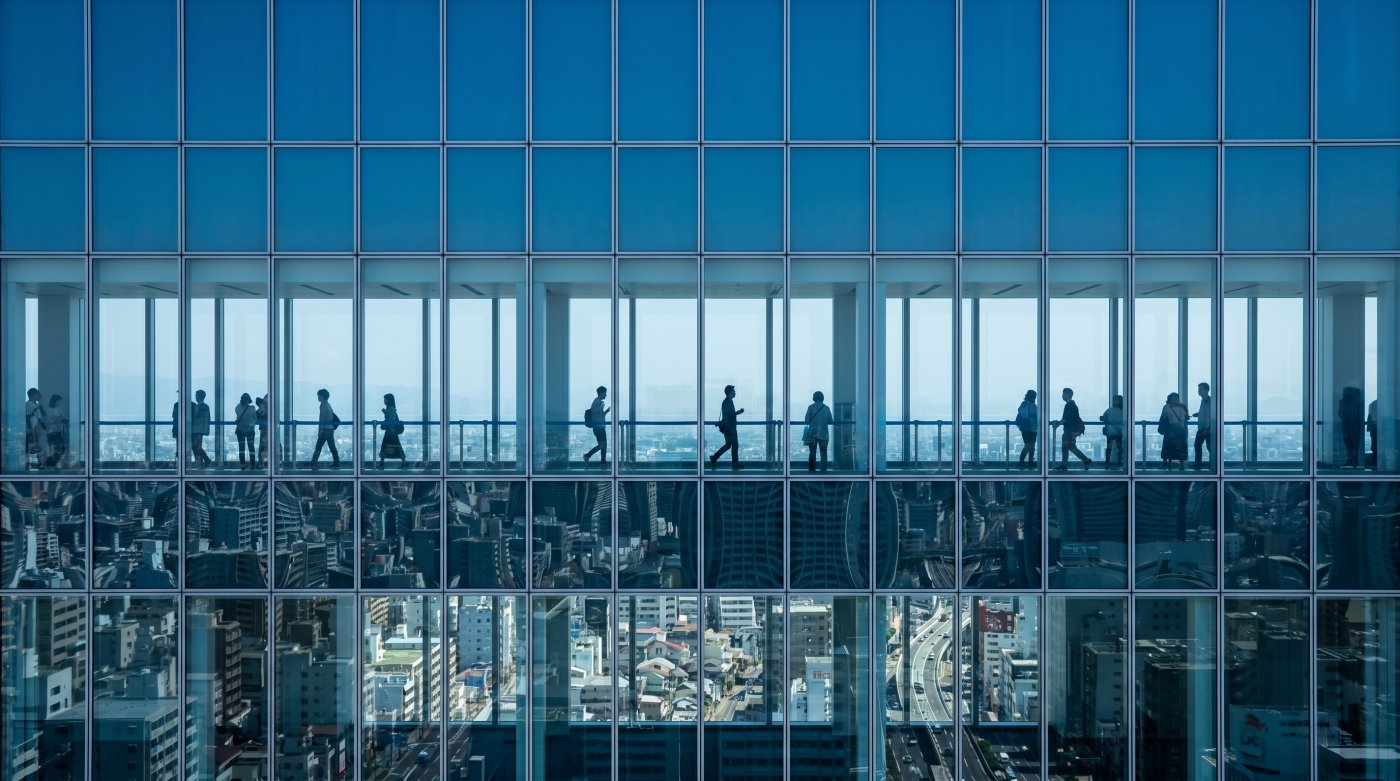
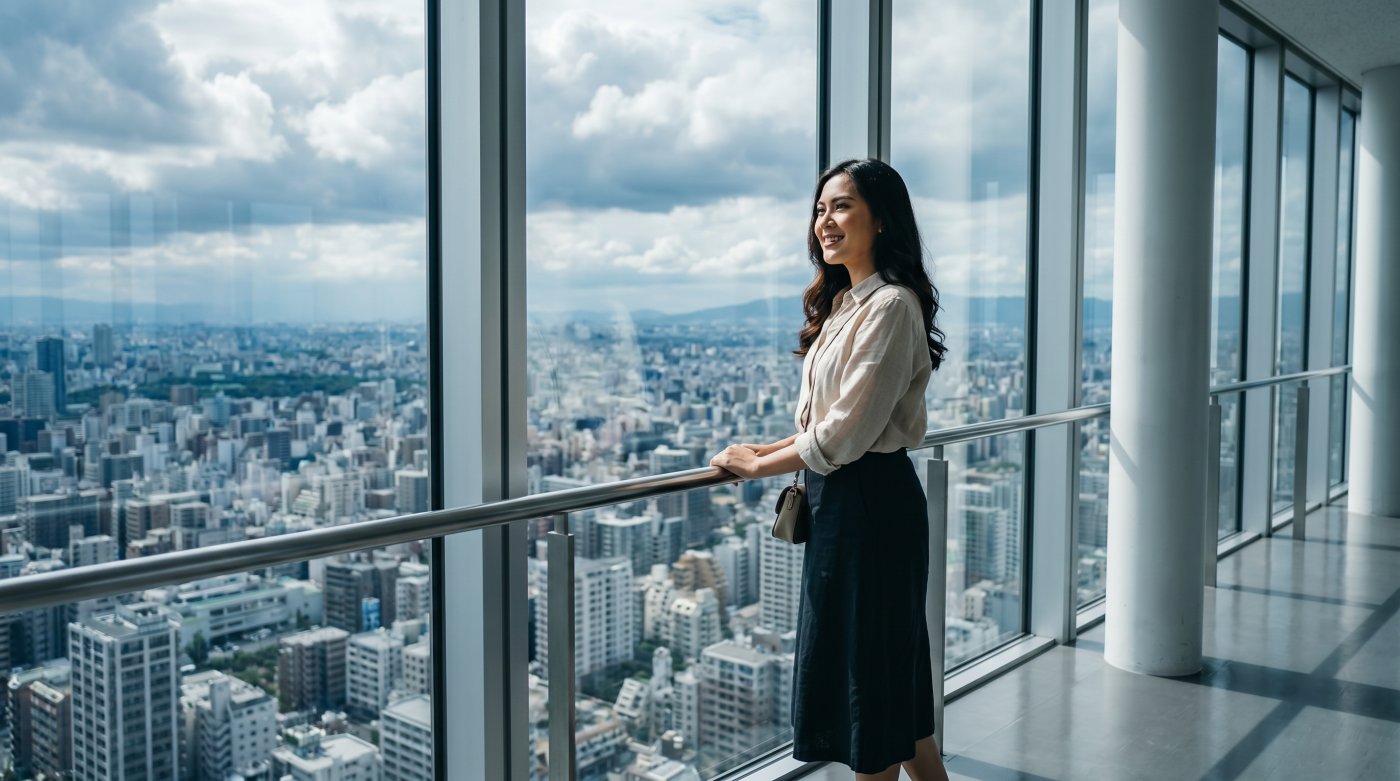









Harukas 300 sits on the 58th to 60th floors of Abeno Harukas — Japan’s tallest skyscraper at exactly 300 metres — and it delivers something most observation decks simply can’t: a complete, unobstructed 360-degree view of Osaka that stretches all the way to Kyoto, Kobe, and on clear days, the distant outline of Mount Ikoma.
The building opened in 2014 and was developed by Kintetsu Group Holdings, turning the Tennoji neighbourhood into one of Osaka’s most recognisable skyline anchors.
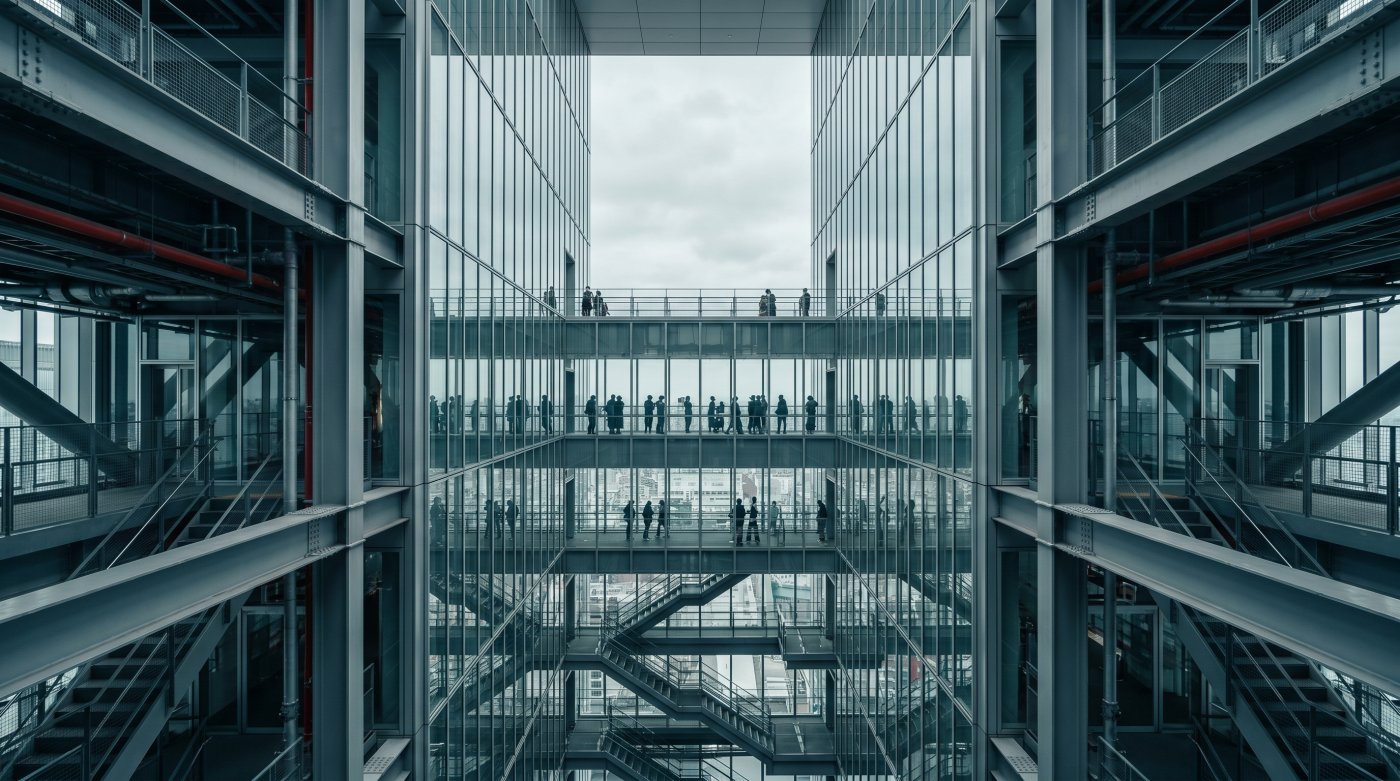
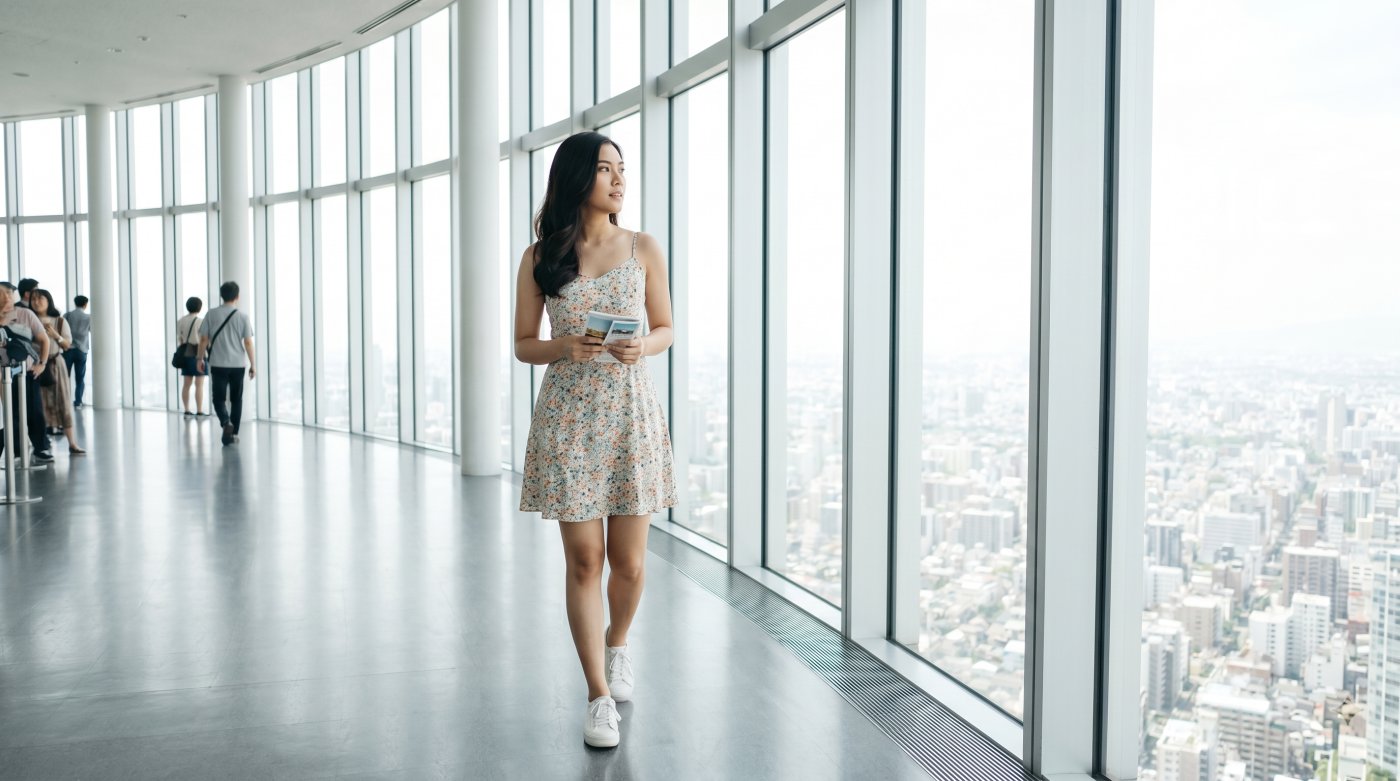
Three floors of floor-to-ceiling glass wrap the entire perimeter, so you’re never fighting for a decent angle.
The 58th floor has an open-air sky garden and a café where you can nurse a drink while the city spreads out below you.
The 59th floor is the main observation deck with souvenir shops and a scenic-view restroom that is exactly what it sounds like.
Head up to the 60th floor for the highest vantage point and the best long-distance views — this is where proposal photos and sunrise shots tend to happen.
Crowds peak on weekends and public holidays, so weekday mornings are your best bet for space and clear skies.
The observatory is open until 10pm, which means the illuminated cityscape at night is absolutely worth the trip on its own.
If you’re visiting in autumn or spring, the atmospheric haze tends to clear and you can actually see the mountains; summer is beautiful at dusk when the sun drops behind the Ikoma range.
Harukas 300 Observatory sits on the top three floors of Abeno Harukas, Japan’s tallest skyscraper at 300 metres, and delivers a full 360-degree view across Osaka that stretches from the mountains of Nara and Kyoto to the shimmer of Osaka Bay.
Admission is ¥2,000 for adults, the building connects directly to Tennoji Station, and it stays open until 10pm every day of the week.
Whether you show up at noon or just before sunset, you’re going to see a lot of city.
Harukas 300 Observatory: The Complete Guide to Osaka’s Highest Views (2026)
Harukas 300 Observatory puts you 300 metres above Osaka on the top three floors of Abeno Harukas (あべのハルカス), the tallest building in Japan, with unobstructed glass wrapping the entire perimeter.
You can see Osaka Castle, Tsutenkaku Tower, the grid of Namba, the distant green humps of the Ikoma Range, and on a good day, Awaji Island sitting in the haze over Osaka Bay.
In this Explore Osaka guide, you’ll find everything you need to plan the visit, including how to get there, when to go, what each floor offers, and what’s within walking distance when you come back down to earth.
Harukas 300 Observatory at a Glance
Hide- Official name: HARUKAS 300 Observatory (Harukas 300 Tenbodai, ハルカス300展望台)
- Address: 1-1-43 Abenosuji, Abeno Ward, Osaka 545-0052
- Admission: ¥2,000 (adults), ¥1,500 (high school/university students), ¥1,200 (elementary/middle school), ¥700 (children 4+)
- Hours: 09:00-22:00 daily, open year-round (last admission 21:30)
- Nearest station: Tennoji Station (Osaka Metro Midosuji/Tanimachi Line, JR Lines) or Osaka Abenobashi Station (Kintetsu), both directly connected
- Time needed: 45 to 90 minutes
- Best season: Autumn and spring for clearest visibility; year-round for city views and night skyline
- Official website: www.abenoharukas-300.jp/en/observatory
Why Visit Harukas 300 Observatory
At 300 metres, Harukas 300 is the highest publicly accessible vantage point in Osaka, and the gap between this and the next tallest option is substantial.
The Umeda Sky Building’s Floating Garden Observatory tops out at 173 metres.
That extra height is not just a number on a brochure; it genuinely changes what you can see, pushing the visible horizon far enough that the mountains of Nara and the profile of Kyoto’s lowrise sprawl come into view when the air is clear.
The building itself opened in 2014, developed by Kintetsu Group Holdings as a mixed-use tower combining a department store, hotel, art museum, and the observatory.
It transformed the Tennoji neighbourhood from a slightly overlooked southern district into one of the city’s most recognizable vertical landmarks.
If you’re using Tennoji as a base for exploring the southern half of Osaka, going up Harukas 300 first gives you a literal bird’s-eye orientation of everything you’re about to see on ground level.
How It Compares to Other Osaka Observatories
Osaka has a few options for high-up views, and being honest about the differences saves you money.
Harukas 300 wins on height and indoor comfort, with full glass enclosure on every side and a café where you can sit and take your time.
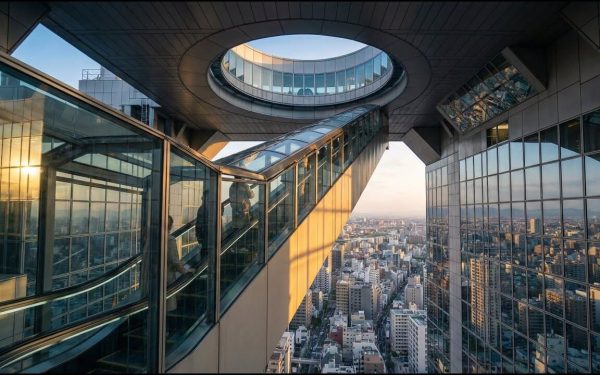
The Umeda Sky Building offers an open-air rooftop experience that many photographers prefer for the unfiltered glass-free shots, and its striking latticed architecture is part of the draw.
If you’re deciding between the two, Harukas 300 is the better pick for night views and bad-weather days; Umeda’s rooftop is the one for photography purists on a clear afternoon.
What to See and Do at Harukas 300 Observatory
The observatory spans three floors, each with a slightly different purpose and atmosphere.
You access it from the 16th floor lobby, where you buy tickets and board a dedicated high-speed elevator that reaches floor 58 in about 50 seconds.
That elevator ride alone has a mild theme-park quality to it.
58th Floor: Sky Garden Café and Open-Air Terrace
The 58th floor is where the experience opens up first, and it’s the floor with outdoor access.
The Sky Garden (スカイガーデン) is a partially open-air terrace that runs along one side of the building, giving you unfiltered wind and sound from three hundred metres up.
On cooler days it’s genuinely invigorating.
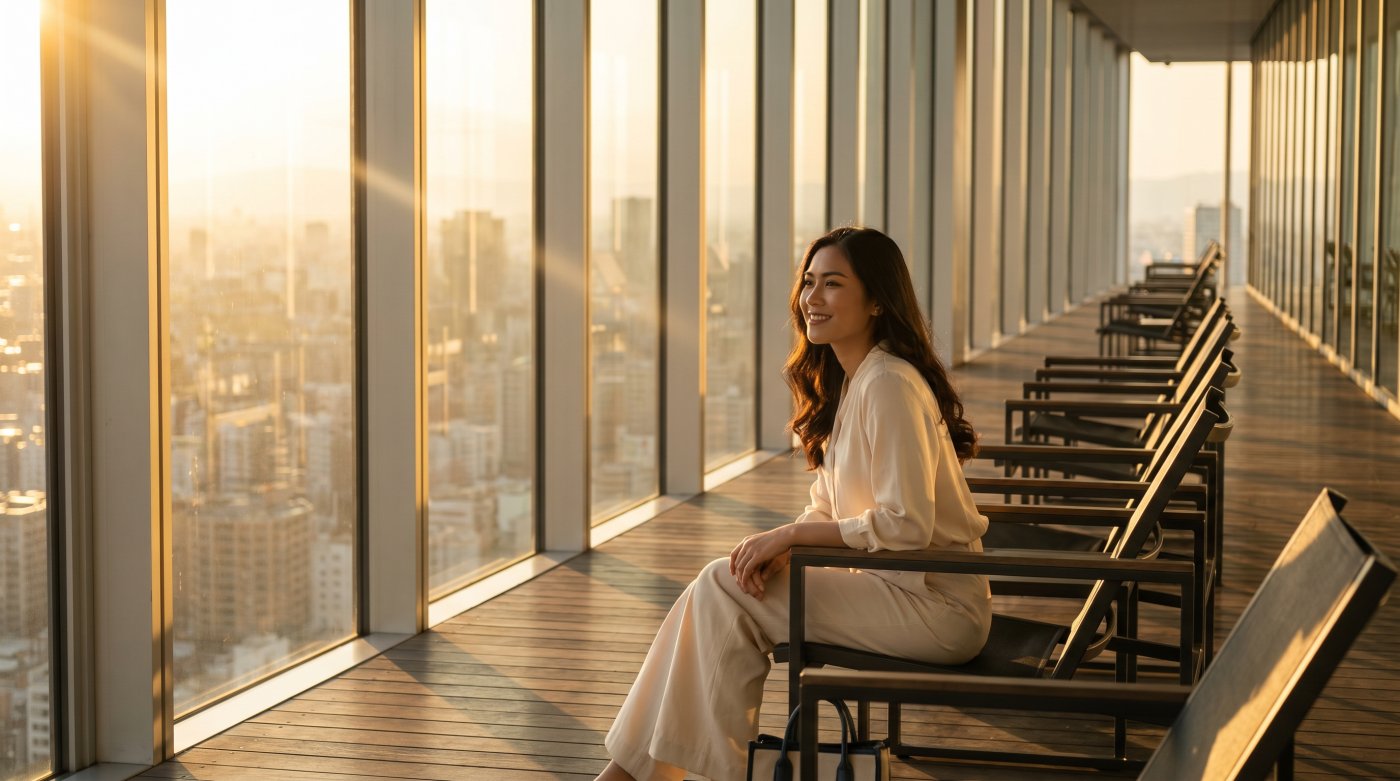
The café on this floor sells drinks, light snacks, and desserts, and a window seat here during golden hour is one of the better low-key ways to spend an evening in Osaka without spending much beyond the admission fee.
59th Floor: Main Observation Deck
The 59th floor is the widest and most walkable level, with continuous floor-to-ceiling glass on all four sides and enough space to move around without feeling crowded on most weekday visits.
This is where you’ll find the souvenir shop and the infamously scenic restroom, which has glass-fronted stalls looking out over the city.
Yes, it’s real. Worth a quick visit for the novelty alone.
The directional signage on this floor labels what you’re looking at, which helps enormously when you’re trying to locate Osaka Castle in the middle distance.
60th Floor: Summit Views
The 60th floor is the highest point and the most intimate of the three levels.
It’s smaller, quieter, and the view feels more exposed because the floor-to-ceiling glass reaches all the way to the ceiling rather than a handrail level.
This is where you want to be for sunrise or for capturing the full night panorama after 8pm.
On a clear autumn or spring day, the Rokko Mountains above Kobe are visible to the northwest, and the coastline of Wakayama edges into view to the south.
Getting to Harukas 300 Observatory
Getting here is genuinely one of the easiest logistics in Osaka.
The building connects directly to two train stations through underground walkways, so you don’t even need to step outside if you’re coming by rail.
By Osaka Metro and JR
Tennoji Station is served by the Osaka Metro Midosuji Line (M23) and Tanimachi Line (T27), plus the JR Osaka Loop Line, JR Hanwa Line, and JR Yamatoji Line.
From Namba, take the Midosuji Line south to Tennoji, a ride of about five minutes.
From Shin-Osaka or Umeda, the Midosuji Line runs directly south and takes roughly 10 to 15 minutes.
Once you exit through the Abeno Harukas side of Tennoji Station, the building is the one you’re already inside.
By Kintetsu
Osaka Abenobashi Station (大阪阿部野橋駅) on the Kintetsu Minami Osaka Line is physically attached to the base of Abeno Harukas, making this the most seamless arrival if you’re coming from Nara or Yoshino on the Kintetsu network.
By Bus
Highway buses from Kyoto, Kobe, and other Kansai cities stop at the Abenobashi (Abeno Harukas) stop directly outside the building on Abenosuji.
If you’re day-tripping from Kyoto and don’t have a JR Pass, the highway bus option is often cheaper than the shinkansen and drops you right at the door.
Practical Tips for Your Visit to Harukas 300 Observatory
Getting the most out of Harukas 300 Observatory is mostly about timing and knowing what you’re buying before you queue.
Tickets and Pricing
Adult tickets are ¥2,000, purchased at the ticket counter on the 16th floor.
You can also book online through Klook or GetYourGuide, which occasionally offer marginal discounts and the convenience of skipping the counter.
The Osaka Amazing Pass does not include free admission; it gives you a 10% discount, bringing the adult price to ¥1,800.
That’s a thin saving, so don’t let it drive your pass-buying decision.
Best Time to Visit
Timing your visit to have the best experience when viewing Osaka cityscape from the high place:
Timing for Visibility
Clear days in autumn (October and November) and spring (March and April) give the best long-distance visibility.
Summer haze, especially in July and August, can blur the mountains and distant landmarks significantly.
After rain is often the single clearest condition, when the air has been scrubbed clean and the mountain ranges snap into sharp focus.
Timing for Crowds
Weekday mornings between 09:00 and 11:00 are the quietest window.
Weekend afternoons, particularly during Golden Week (late April to early May) and Obon (mid-August), can get noticeably busy on the 59th floor.
The 60th floor tends to be quieter regardless of when you visit because fewer people make it all the way up.
Arriving around 17:30 on a weekday lets you catch the sunset and transition into the night view in one visit, which is the best value for your ¥2,000.
What to Bring

An IC card (ICOCA or Suica) handles almost all transit and most cafés and konbini in the area.
The observatory gift shop accepts cards.
Dress for the open-air terrace on the 58th floor: even in summer, the wind at 300 metres has real presence, and in winter you’ll want a proper layer.
Photographers should bring a lens cloth since the glass panels do attract fingerprints and condensation.
Nearby Attractions
Abeno Harukas sits in the heart of Tennoji, and the surrounding area has enough depth to fill a full day without needing to travel far.
- Tennoji Zoo is a five-minute walk from the base of Abeno Harukas and one of Japan’s oldest zoological gardens, opened in 1915. It’s not a world-class facility by modern standards, but it’s cheap (¥500 for adults), manageable in size, and popular with families. Good for a post-observatory stretch if you have kids in tow.
- Tennoji Park and Keitakuen Garden wraps around the zoo and includes a formal Japanese garden, Keitakuen, that’s been open since 1918. Entrance to the garden costs ¥150 and the contrast between a manicured Meiji-era garden and the 300-metre tower looming behind you is genuinely striking. Worth thirty minutes on any visit.
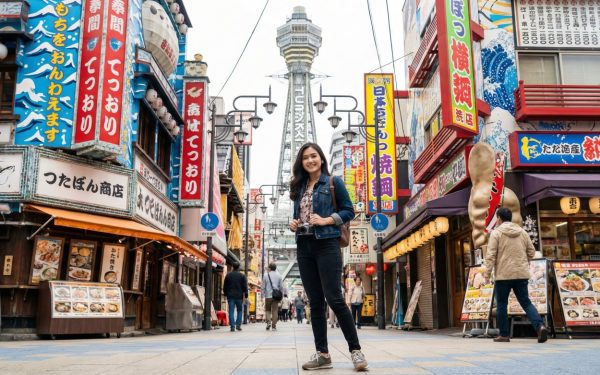
- Shinsekai is a ten-minute walk northwest and it’s one of Osaka’s most atmospheric old-school entertainment districts, built in 1912 on a grid inspired by New York’s Coney Island and Paris’s boulevards. Tsutenkaku Tower anchors the skyline here. Come for kushikatsu (breaded and deep-fried skewers) and neon signs; leave before peak tourist hours on weekends when the main street gets genuinely congested.
- Shitennoji Temple (四天王寺) is a ten-minute walk east and it’s one of Japan’s oldest Buddhist temples, founded in 593 CE by Prince Shotoku. The grounds are free to enter and the five-storey pagoda makes a good long-lens target from the Harukas 300 observation deck if you know where to look.
Harukas 300 fits naturally into a southern Osaka day that also takes in Tennoji, Shinsekai, and Shitennoji, and it’s easy to combine with a longer Osaka itinerary if you’re working through the city over several days.
If you’re still scoping out the full range of things to do in Osaka and trying to decide which views are worth the ticket price, the height difference between Harukas and every other option in the city makes it the one to prioritise.
Come up around dusk, stay for the lights, and you’ll leave with a picture of Osaka in your head that lasts longer than most selfies.
What's Available
Frequently Asked Questions
Adult admission is ¥2,000, with reduced rates for students and children.
The Osaka Amazing Pass does not include free entry — it gives you 10% off the standard admission price, which brings the adult ticket down to ¥1,800.
Tickets can be purchased at the counter on the 16th floor of Abeno Harukas or in advance through platforms like Klook and GetYourGuide, which sometimes offer slightly cheaper rates.
No. The current structure dates from 1931 and is a ferroconcrete reconstruction, not the original Toyotomi-era castle.
The original was destroyed during Japan’s feudal conflicts.
The reconstruction is historically detailed and houses a genuine museum, but it is not a surviving historic structure in the way that, for example, Himeji Castle is.
If original castle architecture matters to you, the day trip to Himeji from Osaka is worth adding to your itinerary.
The observatory is inside Abeno Harukas, which connects directly to Tennoji Station — one of Osaka’s major transit hubs.
From Namba, take the Osaka Metro Midosuji Line south to Tennoji (about 5 minutes), then follow the underground walkway straight into the building.
From Osaka/Umeda Station, the same Midosuji Line takes around 10 minutes.
The Kintetsu Minami Osaka Line also connects directly to Osaka Abenobashi Station, which is physically attached to the building’s base.
Editor's Review
Harukas 300 does what it promises: you go up, you see Osaka, you come back down feeling like you actually understand the city’s geography.
The 360-degree glass enclosure is genuinely impressive — no awkward pillars, no narrow windows, just the whole panorama laid out in front of you.
The night view from the 60th floor is, without question, one of the best in Osaka.
The ¥2,000 price tag is fair for what you get, though it’s worth noting that Umeda Sky Building offers a comparably dramatic (and arguably more architecturally interesting) experience for the same price.
HARUKAS wins on height and convenience.
The direct station access makes it ridiculously easy to fit into a half-day itinerary — go up around 7pm, catch the sunset and the city lights, and you’ve ticked off one of Osaka’s genuinely worthwhile views.
Related Attractions
Umeda Sky Building

Kema Sakuranomiya Park
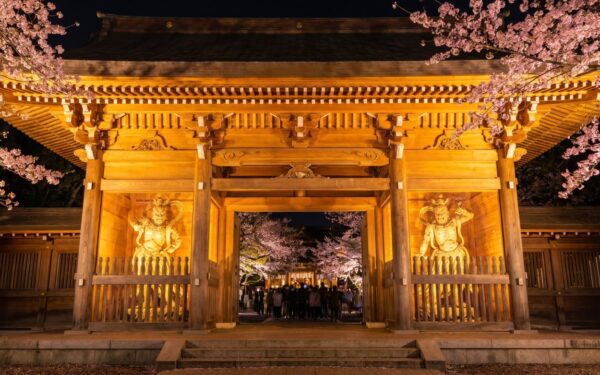
Ikukunitama Shrine
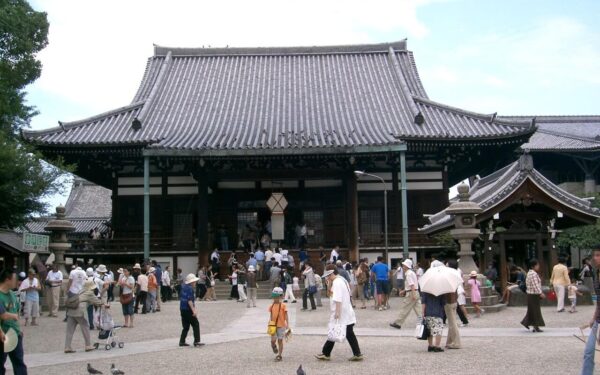
Isshinji Temple
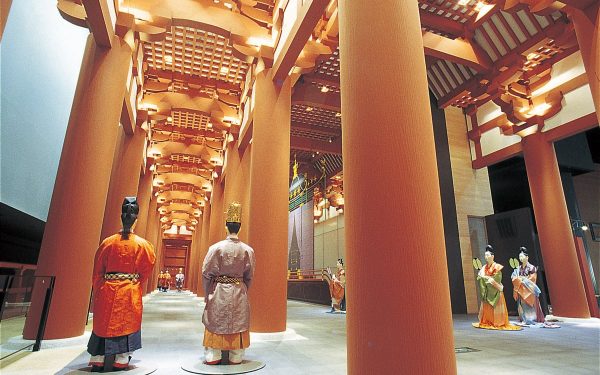
Osaka Museum of History
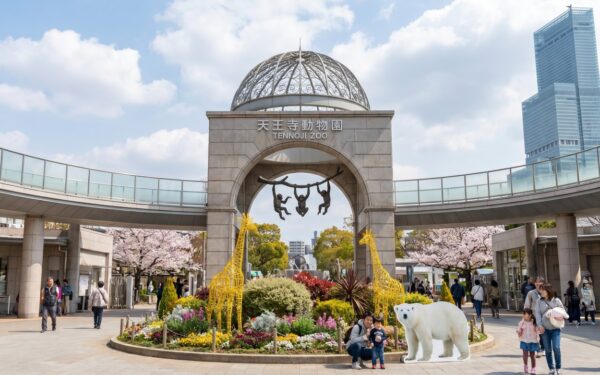
Tennoji Zoo
teamLab Botanical Garden Osaka
Tsutenkaku Tower