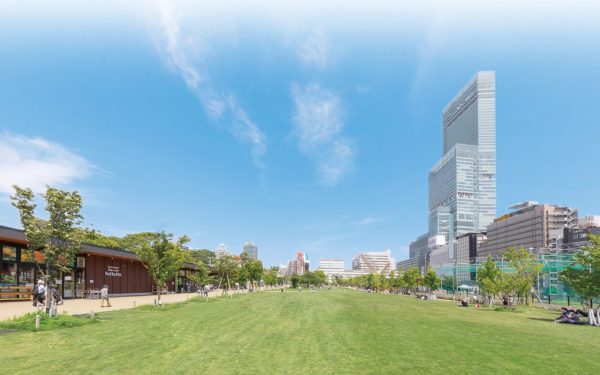
teamLab Botanical Garden Osaka
A permanent nighttime digital art exhibition where living nature and interactive technology become one.
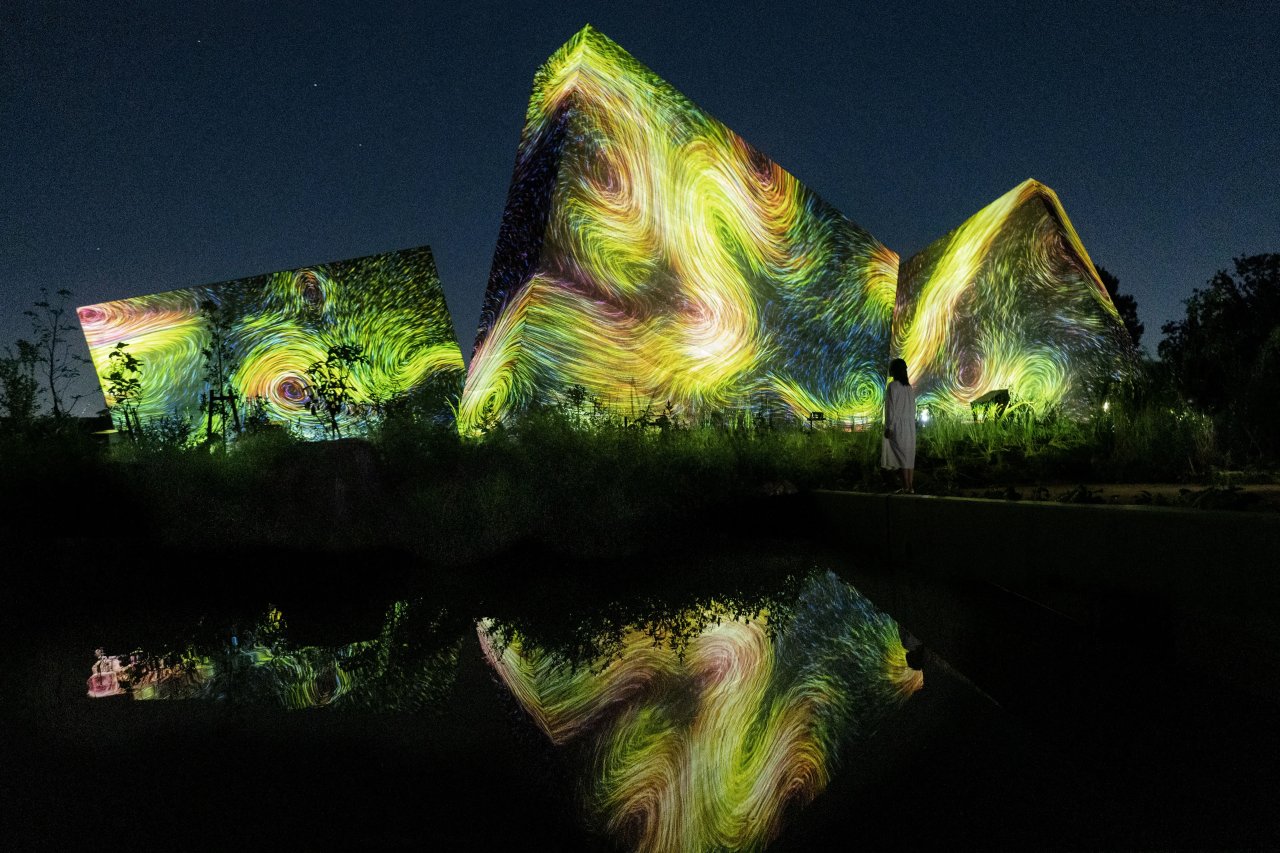
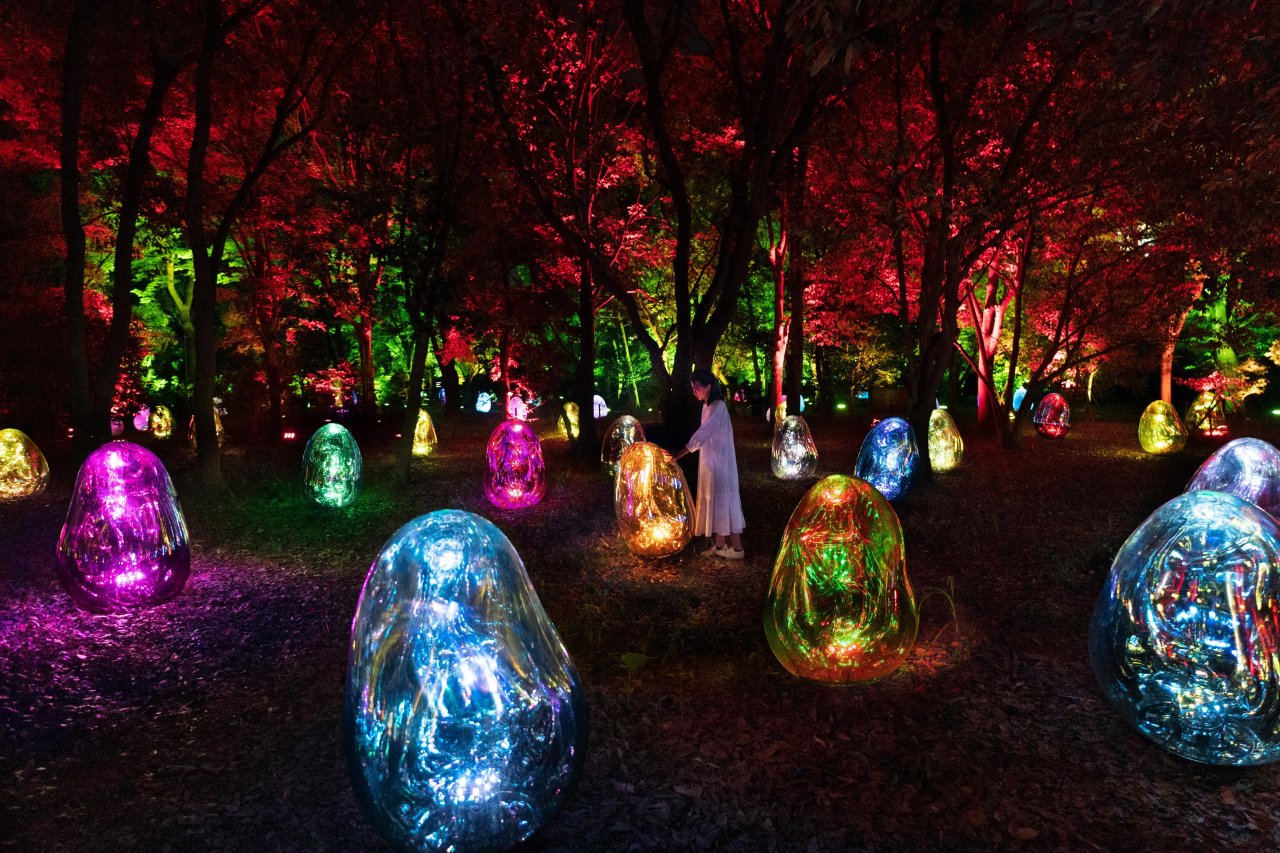
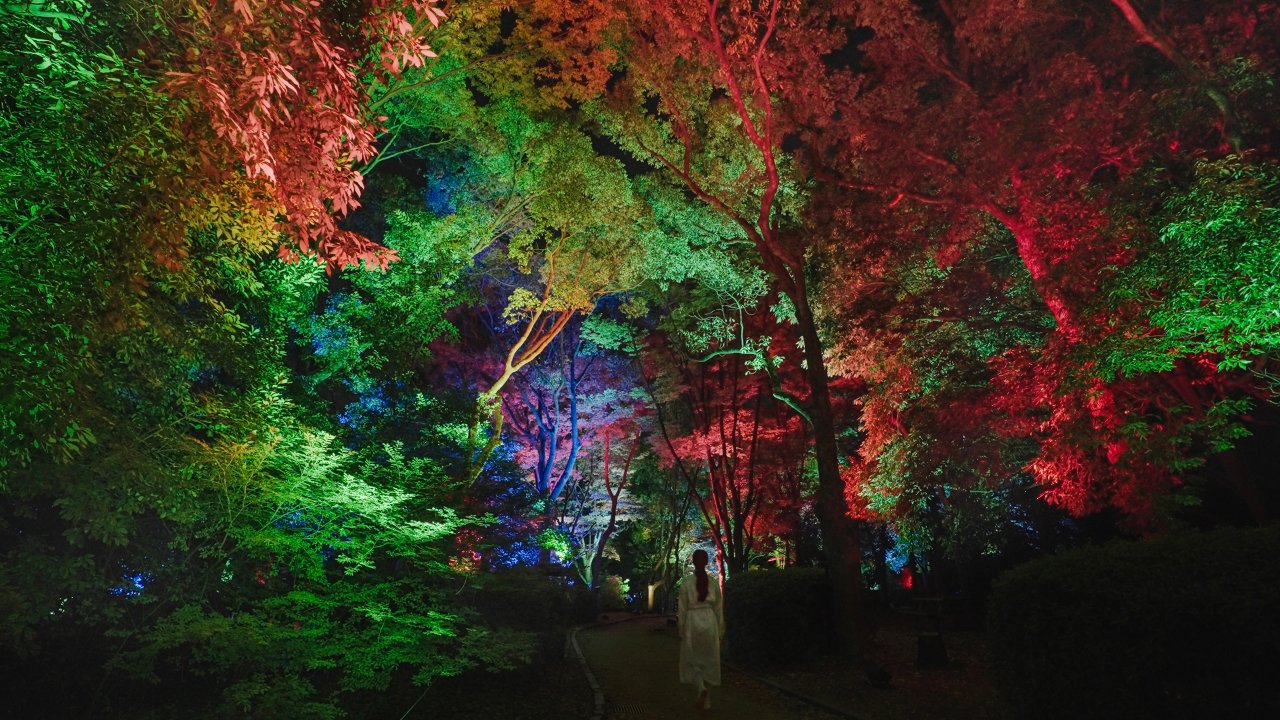
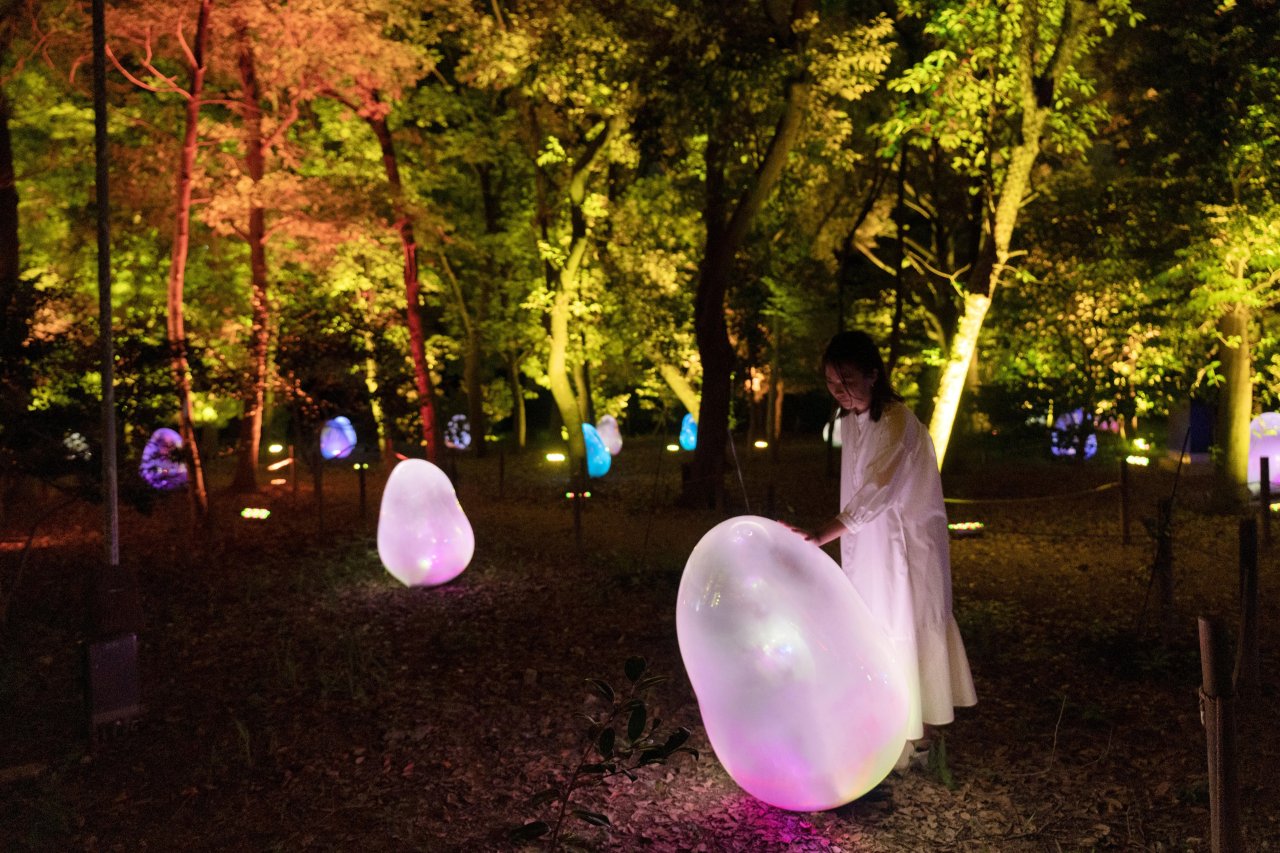
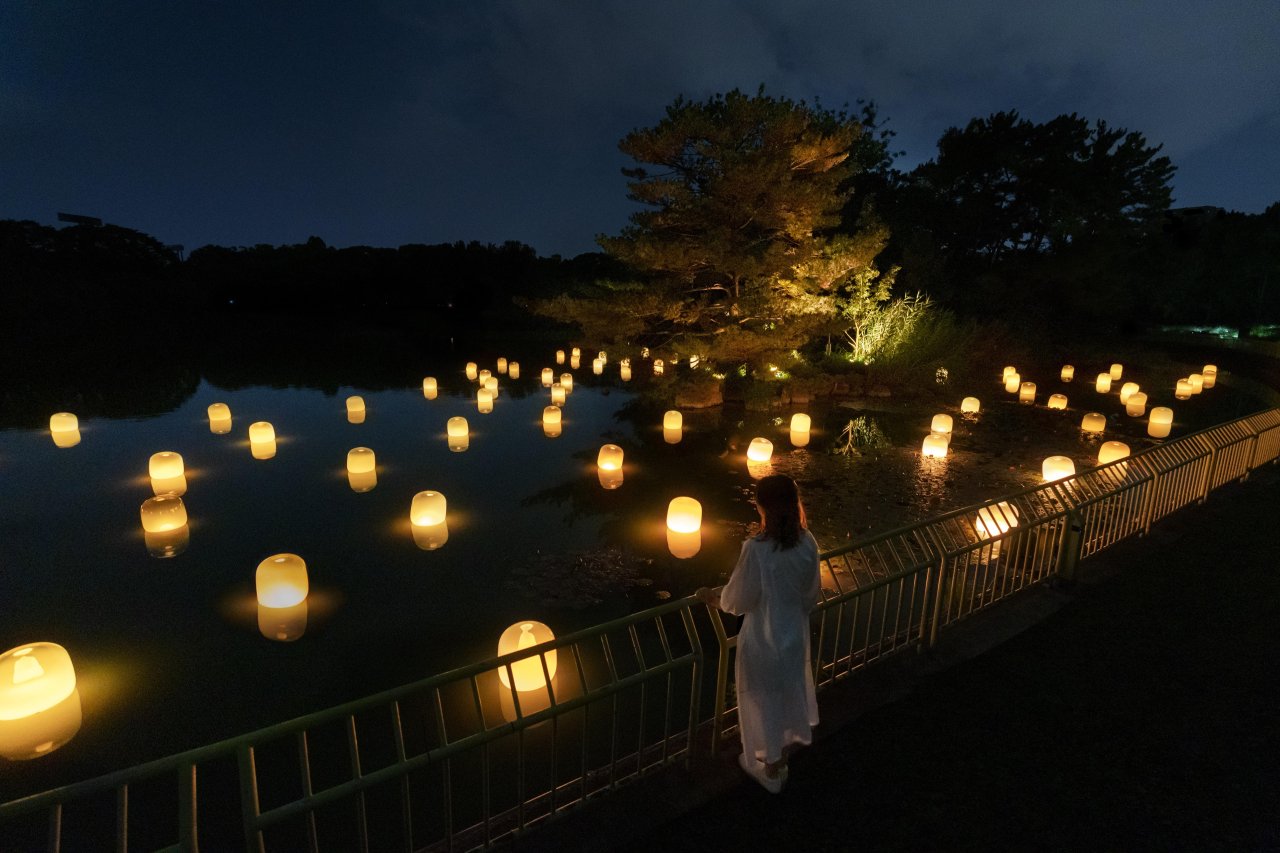









teamLab Botanical Garden Osaka is a permanent open-air art exhibition set inside the 240,000-square-metre Nagai Botanical Garden in Higashisumiyoshi.
After sundown, the garden’s trees, lake, camellia groves, and eucalyptus park become the canvas for a series of large-scale, interactive digital artworks that respond to wind, rain, human movement, and even the behaviour of local birds.
It’s a genuine collaboration between technology and a living ecosystem — not a projection show bolted onto a park.
You’ll wander freely through installations like Resonating Trees, where ancient camellias pulse with light and tone as you approach, and Floating Resonating Lamps on Oike Lake, where lanterns ripple colour across the water’s surface in real time.
Seasonal works rotate throughout the year — in spring, Nemophila flowers light up underfoot; summer brings humidity-drenched encounters with the Pillars that Dance with the Wind.
Every visit, even to the same spot, produces a slightly different experience because the artworks are computed live and never repeat exactly.
Weeknights are noticeably quieter than weekends, which matters in a garden this size — you genuinely want space to stand still and let the art react to you.
Wear sturdy, closed-toe shoes (the paths are dark and uneven), bring insect repellent in warmer months, and allow at least 90 minutes to explore the full circuit.
Book tickets online well in advance; same-day tickets occasionally sell out, particularly on weekends and public holidays.
The exhibition opens after sunset, meaning opening times shift with the seasons — check the official website for the exact schedule before you go.
A free companion app is available that explains the concepts behind each work as you move through the garden, which genuinely adds depth to the experience rather than just translating text.
teamLab Botanical Garden Osaka (チームラボボタニカルガーデン大阪) is a permanent, outdoor digital art exhibition set inside the historic Nagai Botanical Garden in Higashisumiyoshi Ward.
After sunset, trees, lakes, camellia groves, and eucalyptus forests become interactive canvases for artworks that respond to wind, rain, and your own movement through the space.
In this Explore Osaka guide, you’ll find everything you need to plan your visit, from ticket prices and transport to the specific installations worth slowing down for.
teamLab Botanical Garden Osaka at a Glance
Hide- Address: 1-23 Nagaikoen, Higashisumiyoshi Ward, Osaka 546-0034
- Opening hours: Sunset to 21:30 (last entry 20:30); exact start time shifts weekly with the season
- Admission: ¥1,800 adults (online), ¥2,000 at the door; ¥500 children (6-15); under 6 free
- Nearest station: Nagai Station (Osaka Metro Midosuji Line, Exit 3), 10-min walk
- Time needed: 90 minutes to 2 hours
- Best seasons: Spring, Autumn, Winter
- Official website: teamlab.art/e/botanicalgarden
- GPS: 34.6192, 135.5233
Why Visit teamLab Botanical Garden Osaka
There are two kinds of digital art experiences in Japan: the ones where you stand in a black room watching walls animate around you, and this one.
The difference matters.
teamLab Botanical Garden Osaka is built into a living ecosystem, a real botanical garden that has been growing since 1974, sitting inside Nagai Park, which has been an urban green space since 1944.
The artworks are not projections onto surfaces.
They are computed in real time, responding to the garden’s actual environment: wind speed, rainfall, the movement of birds nesting in the camellia grove, and the way you and other visitors move through the paths.
Two visits to the same installation, even minutes apart, will produce a genuinely different experience.
An Exhibition That Could Not Exist Indoors
teamLab describes the concept as “art and nature coexisting,” and for once, that framing holds up.
The Resonating Trees installation, for example, wraps the camellia grove in light tones that pulse between trees in a chain reaction triggered by your approach.
If no one is near, the grove settles into a slow breathing rhythm.
The scale of it, spread across real camellias that are themselves centuries old, produces an effect that no indoor venue can replicate.
This is also a notably calmer experience than the indoor teamLab venues in Tokyo or Osaka’s own teamLab Borderless-style spaces.
The garden is 240,000 square metres.
There is room to stop, sit near the lake, and simply watch the lanterns on the water change colour in response to each other.
That is genuinely rare in a major city’s night-time entertainment offer.
What to See and Do at teamLab Botanical Garden Osaka
The garden is not divided into numbered zones, but there are several distinct areas you will move through naturally as you follow the paths.
Allow time for each one.
Resonating Trees and the Camellia Grove
The camellia grove is arguably the most photographed section of the exhibition.
Ancient trees are wrapped in light that shifts colour and pulses outward when touched or approached.
In winter, when the camellias are in bloom, the combination of actual flowers and resonating digital light is genuinely striking.
Arrive early in your visit, before the grove gets busy.
Floating Resonating Lamps on Oike Lake
The large lake at the centre of the garden holds dozens of floating lamps that shift colour in response to nearby lamps and the movement of visitors along the shore.
This is the spot to slow down.
The reflections on the water, especially on calm, clear nights, extend the installation vertically in a way that photographs cannot fully capture.
It also tends to be quieter than the tree-lined paths, since most visitors move through it quickly.
Eucalyptus Park and Seasonal Works
The eucalyptus section of the garden hosts seasonal installations that change throughout the year.
In spring, Floating Flower Garden elements and Resonating Life in the Acorn Forest variants have appeared.
Autumn brings deeper amber tones and slower pulses across the entire circuit.
Winter is particularly worth noting: the bare tree canopies let the light installations breathe more, and the cold air actually adds a crispness to the colours that warmer months slightly mute.
The Companion App
teamLab offers a free companion app for iOS and Android that overlays contextual information about each artwork as you move through the garden.
It is not required, but if you want to understand what you are actually looking at and why it behaves the way it does, it adds real depth.
Download it before you arrive to avoid using data on-site.
Getting to teamLab Botanical Garden Osaka
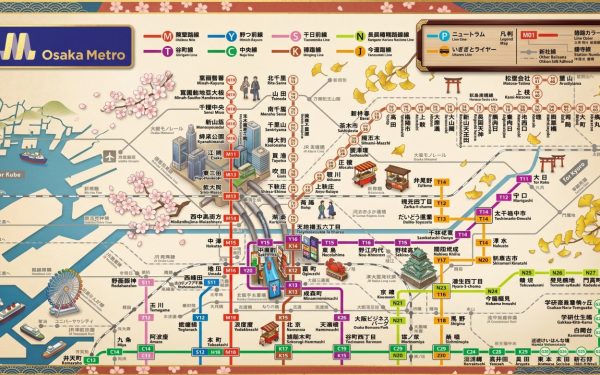
Nagai Station on the Osaka Metro Midosuji Line is the most direct route.
Exit 3 puts you on the west side of Nagai Park, and the botanical garden entrance is a 10-minute walk south.
The Midosuji Line runs through central Osaka, so you can reach Nagai Station from Namba in about 10 minutes, or from Umeda (Shin-Osaka direction via Namba) in around 20 minutes.
If you are coming from the JR network, JR Nagai Station on the Hanwa Line is a 12-minute walk from the east gate of the garden. Tsurugaoka Station, one stop further south on the same line, is a 15-minute walk and is useful if you are arriving from Tennoji directly.
By Bus
City Bus Route 4 towards Deto Terminal stops at Nagai Higashi, about a 5-minute walk from the garden’s east entrance.
This is useful if you are coming from Tennoji and want to avoid changing trains.
Driving and Parking
Parking at Nagai Park fills quickly on evenings and weekends.
Unless you are visiting midweek in a quiet season, public transport is the practical choice.
Coin lockers are available at both Nagai Station exits if you are carrying luggage.
Practical Tips for teamLab Botanical Garden Osaka
Getting the experience right takes a bit of advance planning.
Here is what actually matters.
Book Tickets Online
Opening hours and ticket prices are subject to seasonal change. Always confirm on the official teamLab website before your visit.
This is not an optional nicety. The exhibition does sell out, particularly on weekends, public holidays, and during Golden Week (late April to early May).
Online tickets cost ¥1,800 for adults, compared to ¥2,000 at the door if tickets remain available, and you can change your booking date up to three times before 9:00 PM on your original visit day.
Buy through the official teamLab ticket site.
One note on children’s pricing: ages 6 to 15 pay ¥500, and children under 6 enter free.
Family visits are genuinely well-catered for, and the interactive nature of the artworks holds attention across a wide age range.
Opening Times Shift Every Week
The exhibition opens at sunset, which means the start time changes throughout the year.
In mid-winter, you might be entering at 17:30.
In midsummer, the garden does not open until 19:45 or later.
Always check the official website in the week before your visit.
Last entry is consistently 60 minutes before closing, which is 20:30 for a standard 21:30 close.
The garden has irregular closure days, roughly the second and fourth Monday of each month, with additional closures in bad weather.
Check the official calendar before you go.
What to Wear and Bring
The paths through the garden are real garden paths, meaning uneven gravel, grass sections, and slopes in places.
Wear closed-toe shoes.
In summer (June through September), bring insect repellent; the garden is surrounded by trees and a lake, and mosquitoes are a real consideration.
In winter, the garden can feel considerably colder than the surrounding city once you are standing still by the lake, so layer accordingly.
Best Time to Visit
Weeknights are significantly less crowded than weekends.
If you can go on a Tuesday or Wednesday, you will have room to stop in front of installations without navigating around other visitors.
Spring (late March to early May) and autumn (October to November) offer the best combination of comfortable temperatures and seasonal beauty.
The sakura in Nagai Park peak in late March to early April, and combining a daytime cherry blossom walk in the park with the evening teamLab exhibition makes for a full day.
Read our guide on best time to visit Osaka for more detailed visit guide.
Photography
Photography and video are permitted throughout the garden.
Flash is not.
Monopods, tripods, and selfie sticks are not allowed, which is a reasonable restriction given the path widths.
The companion app is the best tool for capturing information about specific works if you want to reference them later.
Nearby Attractions
The area around Nagai Park is quieter than central Osaka, but a few places genuinely merit a visit if you are planning a full day around the exhibition.
- Nagai Park itself is worth arriving early to explore. The 65-hectare park includes a Yanmar Football Stadium, an athletics track, and open green spaces that are popular with locals for picnics and morning runs. In cherry blossom season, the park’s 800 cherry trees make it one of the less-crowded alternatives to Expo Park or Osaka Castle Park for hanami (flower viewing).
- Sumiyoshi Taisha Shrine (住吉大社), about 2.5 kilometres west of the botanical garden, is one of the oldest Shinto shrines in Japan, predating both Buddhism’s arrival in Japan and the Heian period. The arched taiko-bashi bridge over the sacred pond is one of Osaka’s most photographed images, and the shrine complex itself is calm, spacious, and rarely as crowded as central Osaka’s tourist sites. It is accessible from Sumiyoshi-Taisha Station on the Nankai Main Line, which connects directly to Namba.
- Yamato River and Cycling Routes run south of Nagai Park toward the coast. If you have a full day and the weather is good, renting a bicycle at Nagai Station and cycling the riverbank before your evening teamLab visit is a genuinely pleasant way to spend daylight hours.
For a stronger concentration of food and nightlife options before or after your visit, the Shinsekai neighbourhood is about 20 minutes north by subway, and it offers a compact, lively evening scene without the full crowds of Dotonbori.
Closing Thoughts
teamLab Botanical Garden Osaka sits in a part of the city that most short-stay visitors never reach, which is part of what makes it work.
You take the subway past the tourist zones, arrive at a real neighbourhood park, and spend two hours in a garden that genuinely behaves differently from anything else in the city.
If you are building out your time in Osaka, the Osaka itinerary section of this site has options for fitting the exhibition into a two-day or three-day visit, including how to combine it with daytime things to do in Osaka without overloading a single day.
What's Available
Frequently Asked Questions
Adult tickets (16 and above) cost ¥1,800 when purchased online in advance, or ¥2,000 if bought at the venue on the day.
Children aged 6–15 pay ¥500, and preschool children under 6 enter free.
The best place to buy is the official ticket website at botanicalgarden.ticket.teamlab.art, where you can also change your date up to three times before 9pm on your visit day — a genuinely useful feature if Osaka weather has other plans for you.
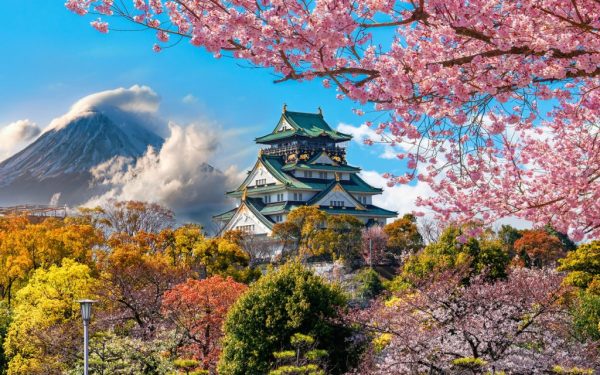
No. The current structure dates from 1931 and is a ferroconcrete reconstruction, not the original Toyotomi-era castle.
The original was destroyed during Japan’s feudal conflicts.
The reconstruction is historically detailed and houses a genuine museum, but it is not a surviving historic structure in the way that, for example, Himeji Castle is.
If original castle architecture matters to you, the day trip to Himeji from Osaka is worth adding to your itinerary.
The most straightforward route is the Osaka Metro Midosuji Line to Nagai Station, then a 10-minute walk from Exit 3.
You can also take the JR Hanwa Line to Nagai Station (East Exit, 12 minutes walk) or Tsurugaoka Station (East Exit, 15 minutes walk).
Alternatively, City Bus No. 4 towards Deto Terminal stops at Nagai Higashi, just 5 minutes on foot from the garden entrance.
Driving is not recommended — parking at Nagai Park fills up quickly on evenings and weekends.

Editor's Review
This is teamLab working at its most restrained and, arguably, its most impressive.
By handing the garden’s ecosystem a creative role — artworks that literally disappear if the birds stop coming — the exhibition does something the indoor teamLab venues cannot: it makes you feel genuinely outside, part of something larger than a light show.
The scale works in your favour too; you can find a quiet spot by the lake even on a busy night.The honest caveat is weather dependency.
Rain can cancel seasonal pieces without warning, and summer humidity plus mosquitoes require real preparation.
It’s also worth knowing that opening times shift week by week — always check the official site before you leave your hotel.
For couples, solo travellers, or anyone who finds the Tokyo teamLab venues overwhelming, this is the sharper, calmer alternative worth the 20-minute metro ride from central Osaka.
Related Attractions
Umeda Sky Building
Katsuo-ji Temple

HEP FIVE Ferris Wheel

Universal Studios Japan
Minoo Park
Osaka Castle
Osaka Museum of Housing and Living
Ikukunitama Shrine