


DAY TRIP
Day Trip to Tottori from Osaka: The Complete Guide 2026
Just 2.5 hours from Osaka and you're standing on Japan's only sand dunes with the Sea of Japan behind you
Read more →About 85 minutes on the shinkansen separates Osaka from one of Japan's most significant cities - here's how to spend the day well.
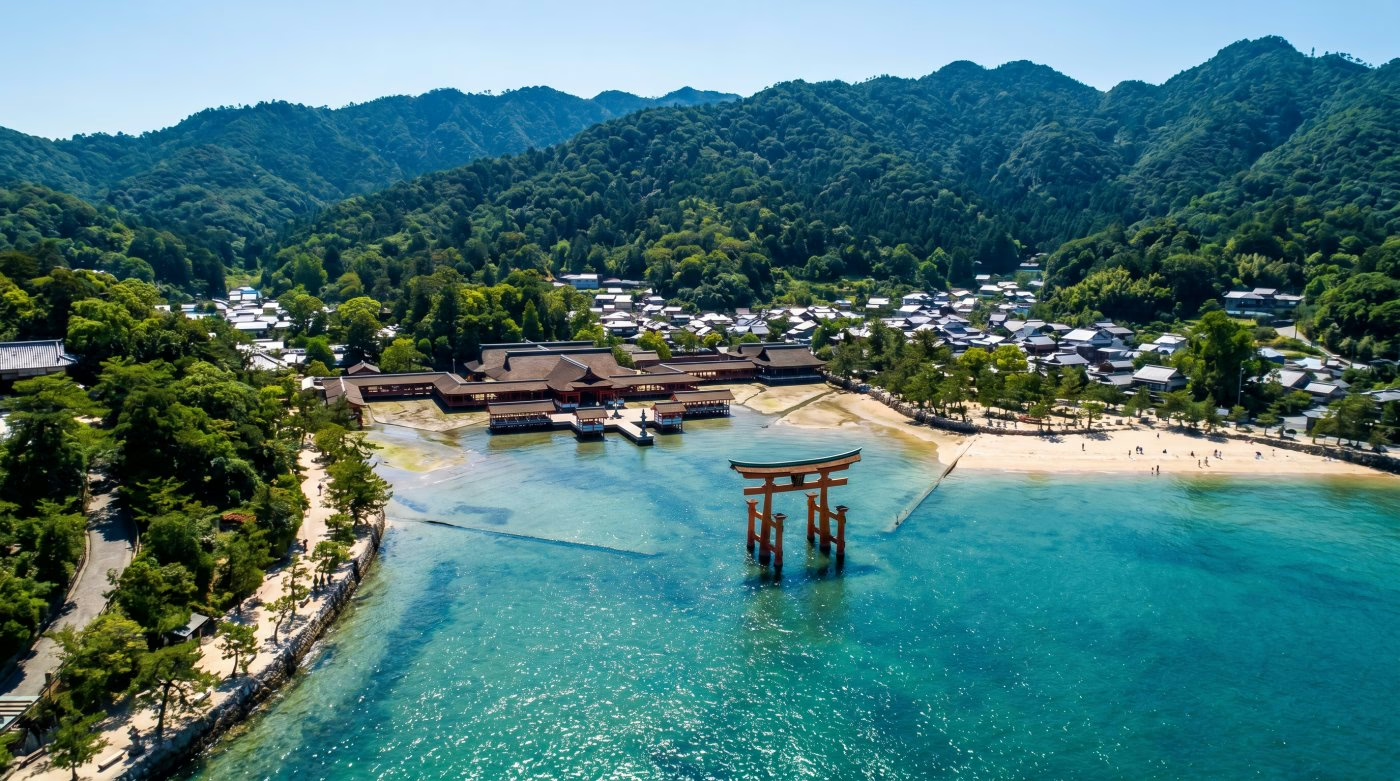
Hiroshima is one of the most historically consequential cities in the world, and it is also one of the most manageable day trips from Osaka. The fastest shinkansen from Shin-Osaka gets you there in about 85 minutes, and the city's core attractions - the Peace Memorial Park, the Atomic Bomb Dome, and the museum - sit within easy walking distance of each other. Add a short tram ride and a ferry for Miyajima Island if time permits, or keep it city-only and finish the day with a plate of Hiroshima-style okonomiyaki before the train back.
JR Sanyo Shinkansen (Nozomi/Mizuho): ~85 min, ¥10,970 one-way
JR Sanyo Shinkansen (Hikari/Sakura, JR Pass valid): ~100 min, ¥10,420 one-way
JR Sanyo Main Line (local/rapid): ~3 hr 30 min, ¥5,720 one-way
Board a Nozomi or Mizuho shinkansen from Shin-Osaka Station toward Hiroshima. The journey takes around 85 minutes. Grab a coffee and an ekiben (station bento) from the concourse before boarding - eating on the shinkansen is perfectly acceptable and saves you time at the other end.
Arrive at Hiroshima Station and take the Hiroden (Hiroshima Electric Railway) streetcar Line 2 or Line 6 from the stop directly outside the station toward Peace Memorial Park. The ride to Genbaku Dome-mae takes around 15 minutes and costs ¥180. It is slower than a taxi but gives you an immediate feel for how functional and ordinary the city is - which is itself part of the story.
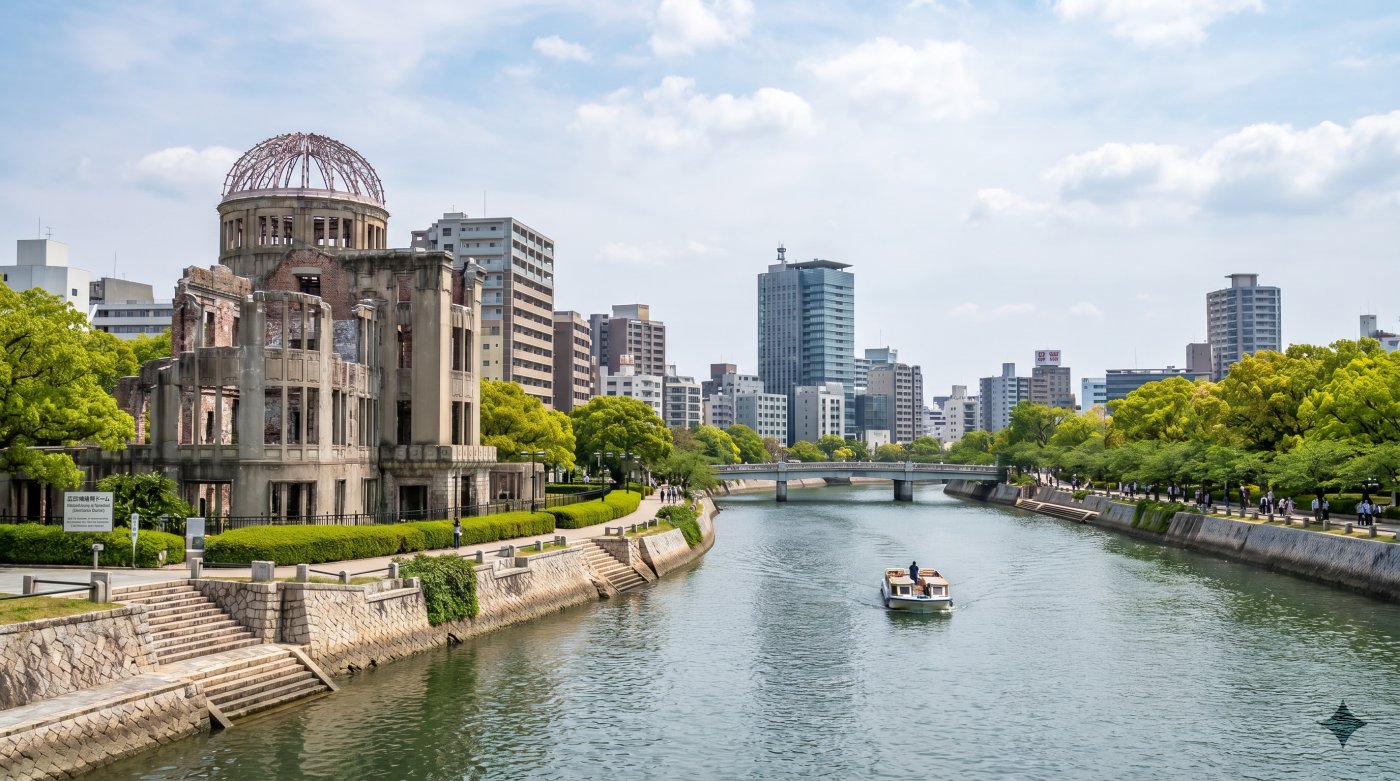
The Genbaku Dome is the skeletal remains of the Hiroshima Prefectural Industrial Promotion Hall, left standing as it was directly below the detonation point on 6 August 1945. Entry to the grounds is free. Budget 20-30 minutes here; the structure is small but the context does the work.
Walk south through the park, which occupies the delta island between the Honkawa and Motoyasugawa rivers. Key landmarks include the Cenotaph for A-bomb Victims, the Flame of Peace, and the Children's Peace Monument. The park is free to walk and takes 30-45 minutes at a relaxed pace.
Admission is ¥200 per adult. Budget 90 minutes to two hours; the museum is thorough and covers both the lead-up to and the aftermath of the bombing in considerable detail. The East Building covers historical context, the West Building personal accounts and physical evidence. The queues move quickly except in peak summer.
Head to Okonomi-mura in the Shintenchi district, a three-floor building housing 23 small restaurants, each run by a different cook, each serving Hiroshima-style okonomiyaki. The Hiroshima version layers noodles, cabbage, egg, and protein into a dense savory pancake rather than mixing everything together - it is noticeably different from the Osaka style and worth the comparison. Budget ¥1,000-¥1,500 per person.
Hiroshima Castle (Carp Castle) is a 1958 reconstruction of the 1589 original, destroyed by the atomic bomb. Access to the grounds is free; entry to the main tower costs ¥370. The interior runs five floors and doubles as a local history museum covering the castle town era. Allow 45-60 minutes.
Return to Hiroshima Station by Hiroden streetcar (around 15-20 minutes from the city center) and board a shinkansen back to Shin-Osaka. The last Hikari bound for Shin-Osaka typically departs past 21:00, so there is reasonable flexibility on return time. If you took the JR Pass Hikari option, allow around 100 minutes for the return journey.
| Route | Line | Duration | Cost | Book |
|---|---|---|---|---|
| JR Sanyo Shinkansen (Nozomi or Mizuho) RECOMMENDED | JR Central / JR West | 85 min | ¥10,970 | |
| JR Sanyo Shinkansen (Hikari or Sakura) | JR West | 100 min | ¥10,420 | |
| JR Sanyo Main Line (Local / Rapid) | JR West | 3 hr 30 min | ¥5,720 |
All stops on this itinerary pinned for easy reference.
Hiroshima Day Trip from Osaka: Complete Guide to History, Peace, and Okonomiyaki – Hiroshima is one of the most historically consequential cities in the world, and it is also one of the most manageable day trips from Osaka.
The fastest shinkansen from Shin-Osaka gets you there in about 85 minutes, and the city’s core attractions, the Peace Memorial Park, the Atomic Bomb Dome, and the museum – sit within easy walking distance of each other.
Add a short tram ride and a ferry for Miyajima Island if time permits, or keep it city-only and finish the day with a plate of Hiroshima-style okonomiyaki before the train back.
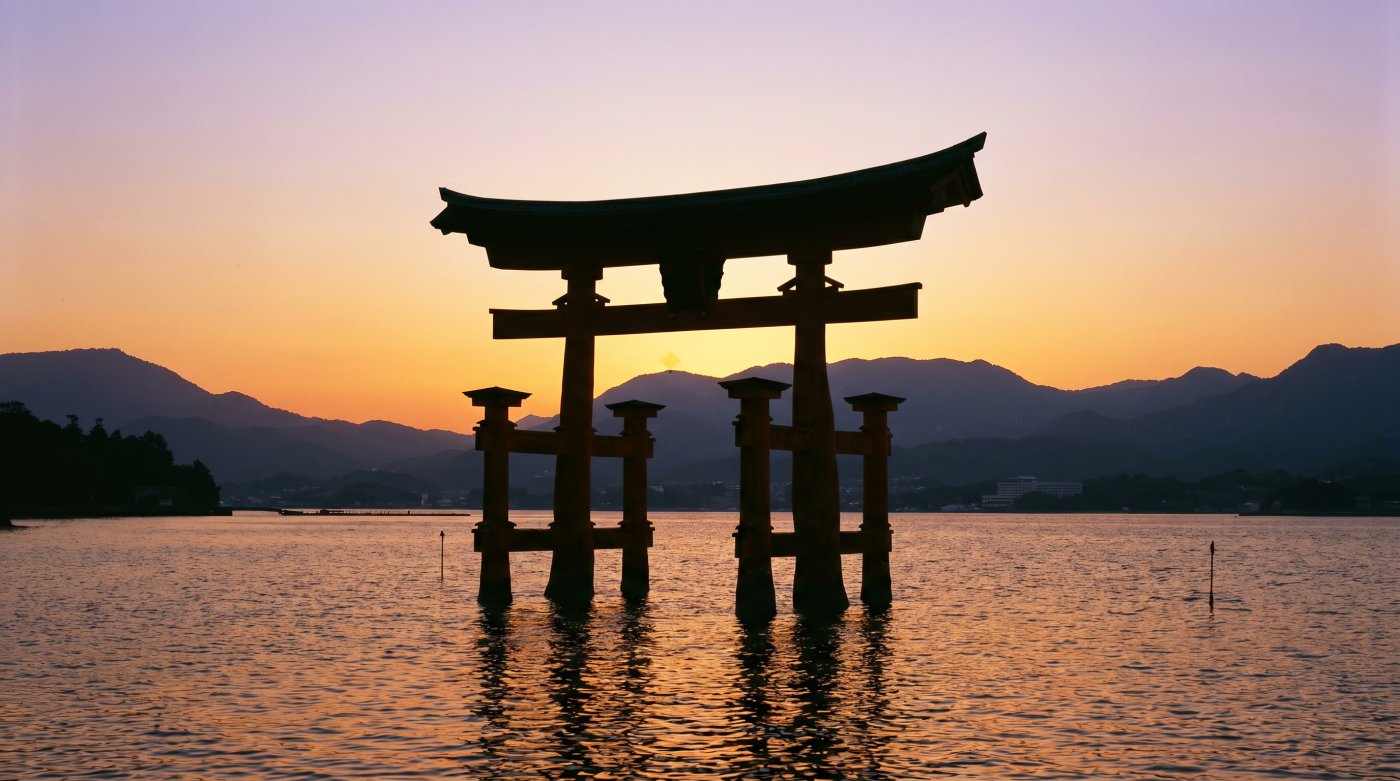
Hiroshima works as a day trip because it gives you something Osaka cannot.
Osaka is loud, playful, and proudly food-obsessed.
Hiroshima is quieter, more reflective, and built around one of the most important historical sites in modern Japan.
That contrast is exactly the point.
If your Osaka trip already includes neon, shopping arcades, and a lot of street food, a day in Hiroshima resets the tempo without forcing you into a punishing travel day.
It also suits more than one kind of traveler.
History-focused visitors get a full day of substance.
Couples and small groups get a city that is easy to move through, emotionally affecting without being theatrical, and compact enough to cover without turning the whole day into a rail marathon.
Solo travelers often find it especially rewarding because the Peace Memorial Park and Museum are places where moving at your own pace matters.
That said, Hiroshima is not the best fit for everyone.
If you want castles, old lanes, and low-effort sightseeing, a day trip to Himeji is simpler and cheaper.
If you want temples, deer, and a softer first-timer experience, Nara from Osaka is easier on both your feet and your wallet.
Hiroshima makes sense when you want the day trip with the most historical weight, not the one with the least planning.
Hiroshima sits far enough west of Osaka that this is not a casual hop, but the rail network makes it very manageable.
For most travelers, the real decision is simple: pay more for the fastest shinkansen, or take the slightly slower JR option if you have a rail pass.
There is technically a local-train route too, which is useful mostly if you enjoy long, inexpensive train rides and have made peace with spending half your day in transit.
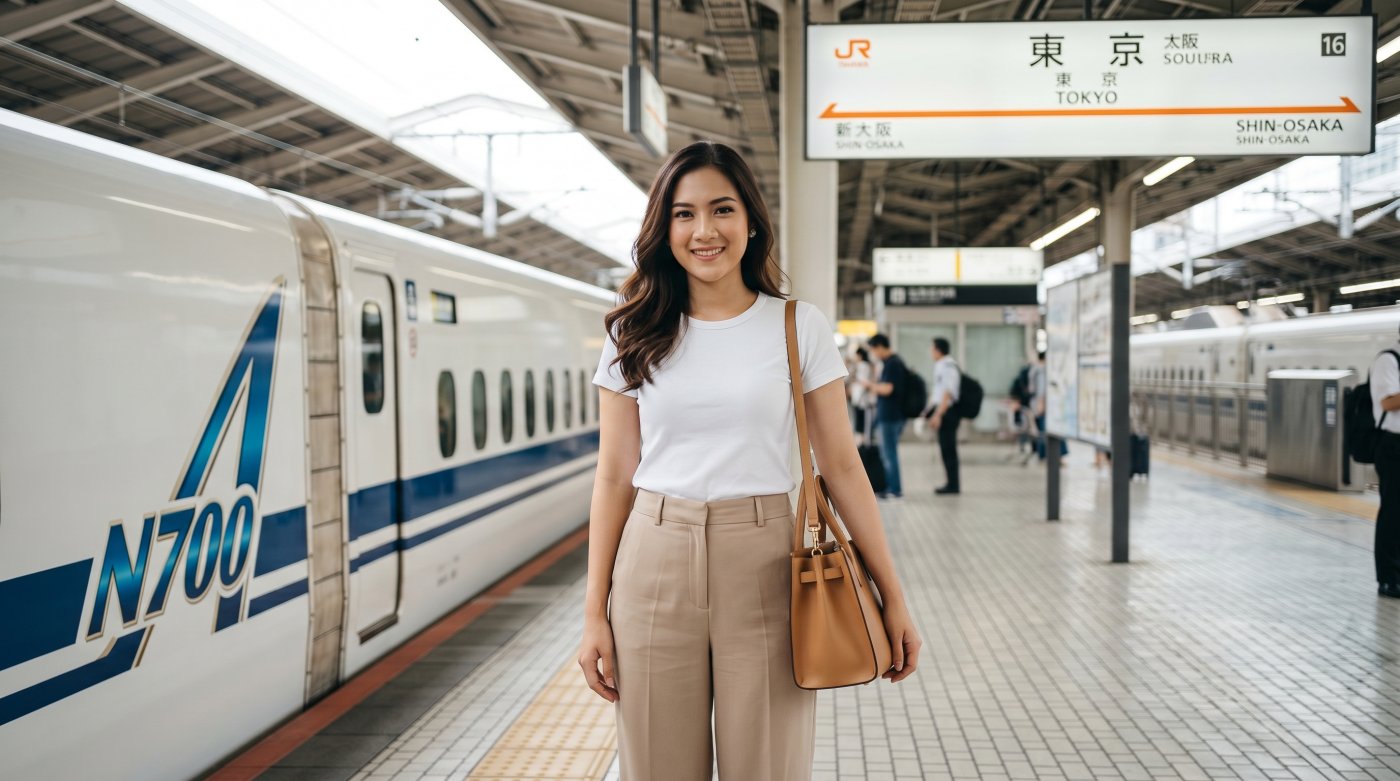
This is the fastest route and the one that makes Hiroshima feel realistic as a day trip rather than a logistical dare.
From Shin-Osaka Station, Nozomi and Mizuho services reach Hiroshima in about 85 minutes, with one-way reserved fares around ¥10,970.
If your priority is maximum time in Hiroshima and minimum fiddling around with schedules, this is the cleanest answer.
The catch, because of course there is one, is that the standard Japan Rail Pass does not cover Nozomi or Mizuho.
If you are paying out of pocket and only doing this route once, the extra speed can absolutely be worth it.
If you bought a JR Pass expecting it to perform miracles, this is where the fine print taps you on the shoulder.
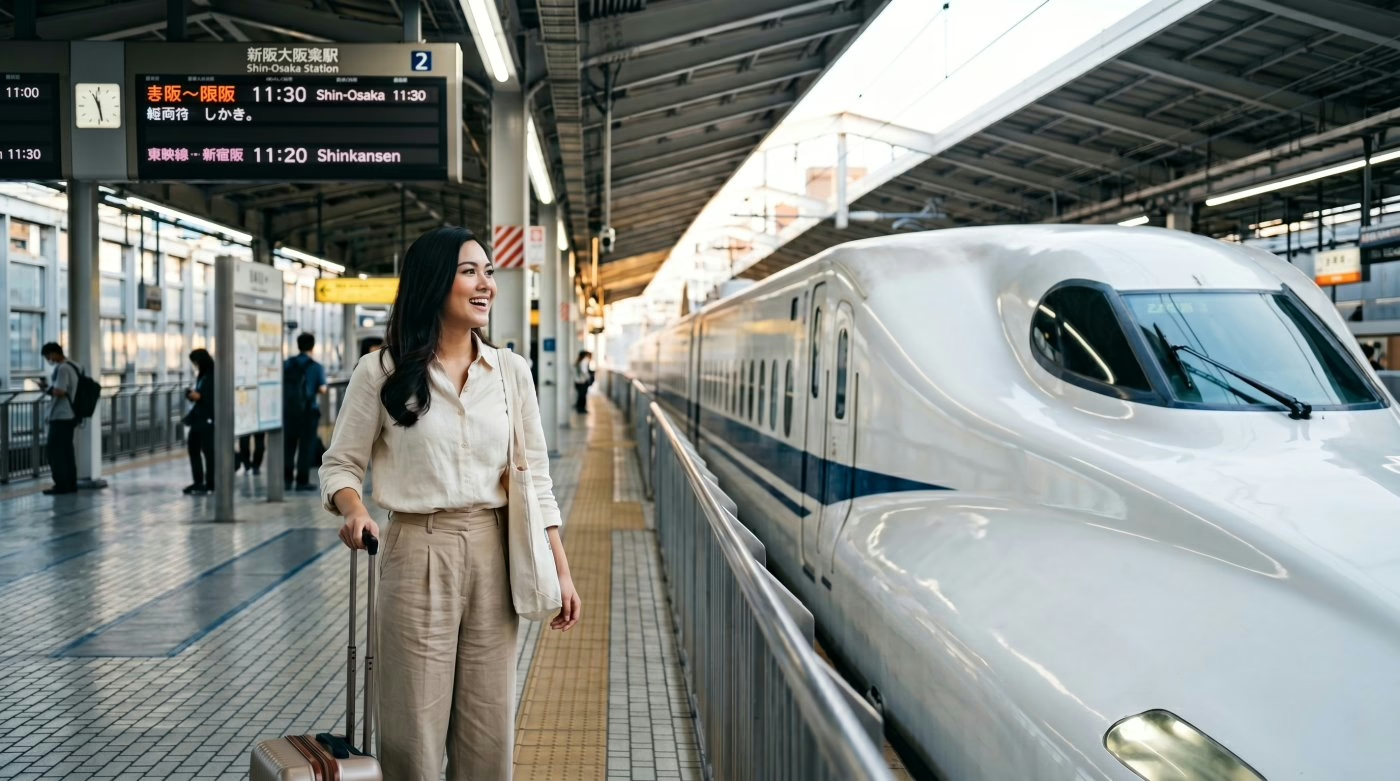
The JR Pass-friendly alternative is the Hikari or Sakura on the JR Sanyo Shinkansen.
This route usually takes about 100 minutes from Shin-Osaka to Hiroshima, with one-way reserved fares around ¥10,420 if you are buying a normal ticket.
In real-world terms, you are giving up roughly 15 minutes each way, which is not much unless your itinerary is packed to the minute.
For pass holders, this is usually the smartest option.
It keeps the trip fast enough to enjoy a full day, it avoids awkward workarounds, and it is still dramatically better than trying to patch together regional trains.
If you are already following a three-day plan for Osaka and want one long day outside the city, this is the add-on that fits neatly.
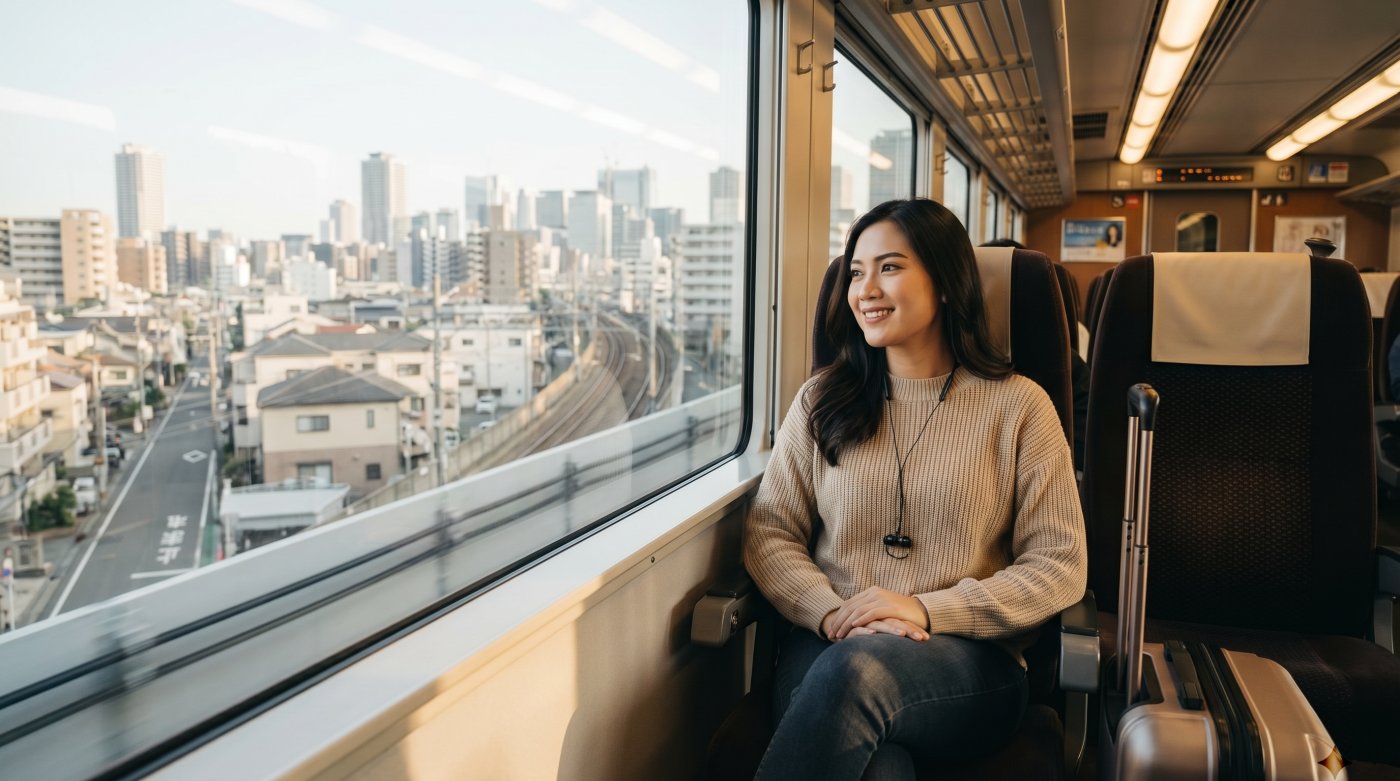
Pick Nozomi or Mizuho if you are buying single tickets and want the smoothest possible day.
Pick Hikari or Sakura if you have a JR Pass or just do not care enough about 15 minutes to pay extra for it.
Skip the local-train option unless your budget is tighter than your patience, which, fair enough, does happen.
Spring and autumn are the best times to do this trip.
Late March into early April brings cherry blossoms, especially around Hiroshima Castle and parts of Peace Memorial Park, and the weather is usually mild enough that walking between sights still feels pleasant rather than sweaty.
October and November are equally good for different reasons: cooler air, clearer skies, and autumn color that makes the city and nearby Miyajima feel a little sharper around the edges.
Summer is workable, but it is sticky, hot, and less forgiving than promotional photos tend to admit.
Hiroshima’s rainy season usually lands from mid-June into late July, and August piles on heat and humidity.
The city also draws more attention around the August 6 peace memorial events, so accommodation, crowds, and transport can all feel tighter if your Osaka trip overlaps with that period.
Winter is a decent sleeper option.
You will not get blossom season or red maple drama, but you do get thinner crowds and a city that is easier to move through.
If you are visiting Osaka in the colder months and already reading up on the best time to visit Osaka, Hiroshima fits nicely into a winter itinerary as long as you dress properly and start early.
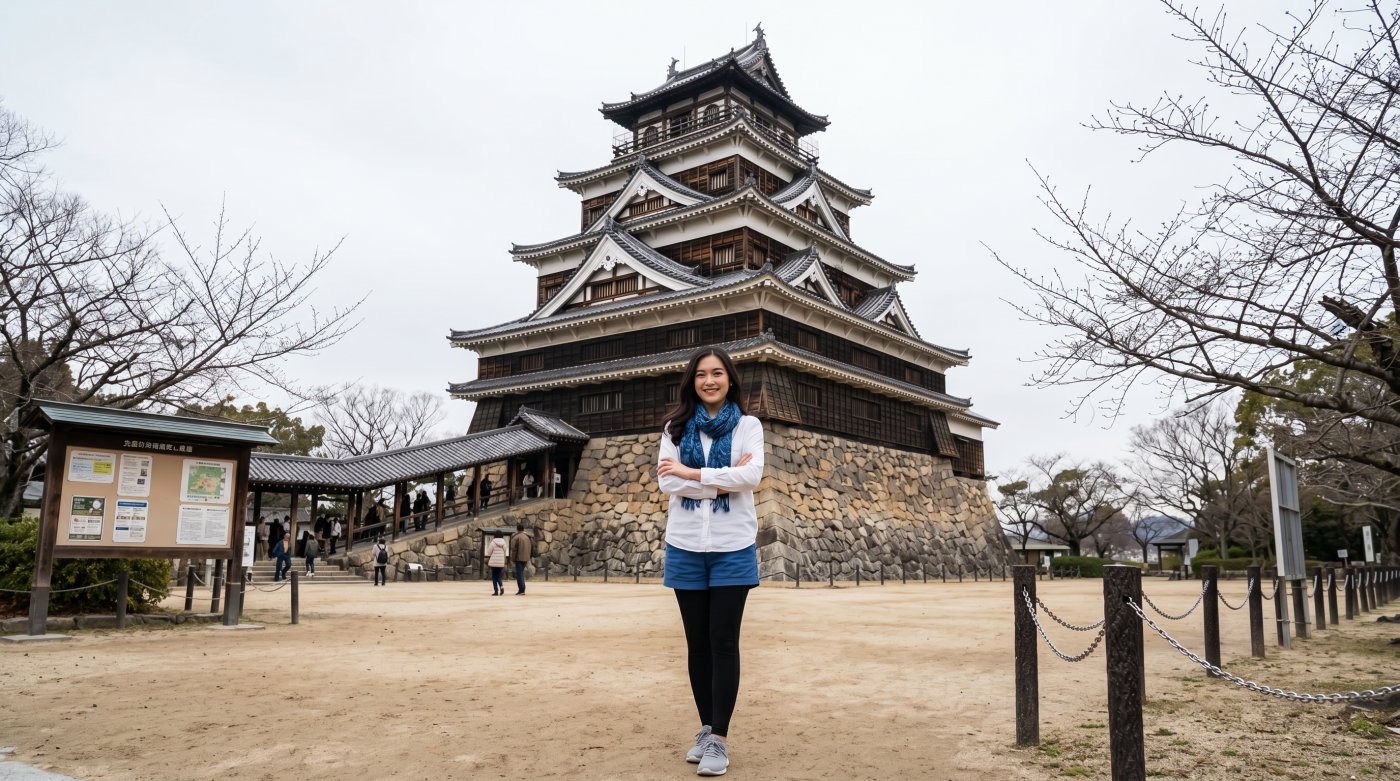
This route is built for a full but sane day.
It starts with the city’s historical core, keeps walking distances reasonable, and saves lunch for the point when most people are ready to sit down and process what they have seen.
You can finish with Hiroshima Castle before heading back to the station, which gives the day a broader shape than a museum-only visit.
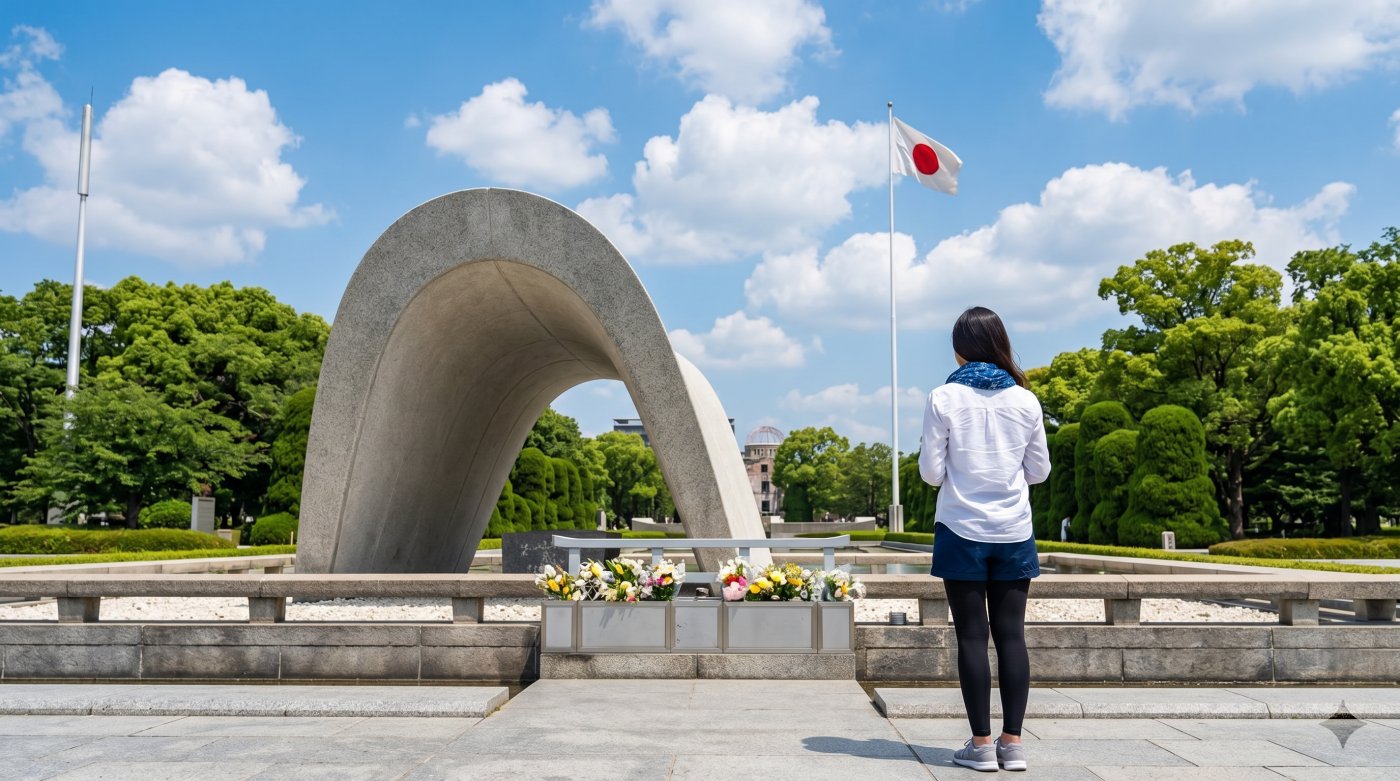
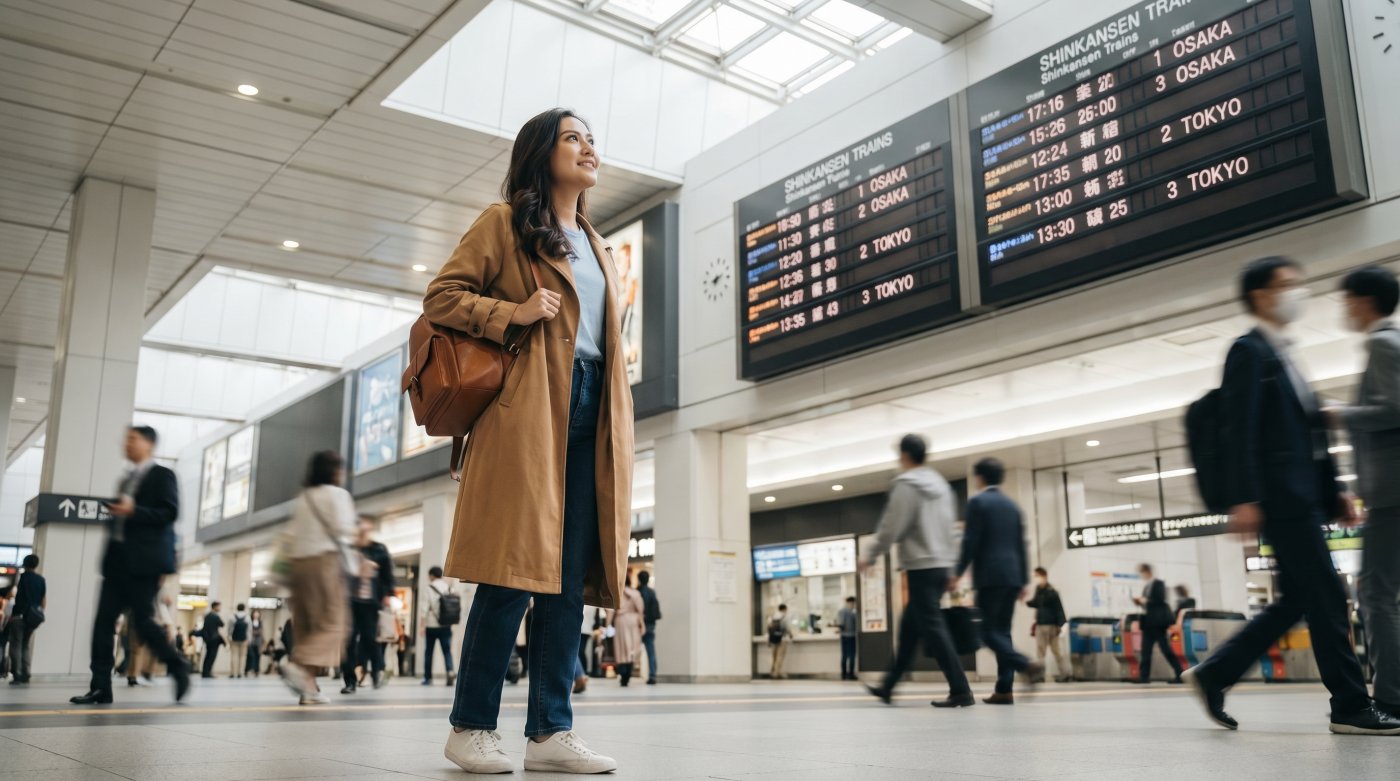
Aim to leave Shin-Osaka around 07:30 so you roll into Hiroshima around 09:00.
From Hiroshima Station, take the Hiroden streetcar to Genbaku Dome-mae.
It is not glamorous, but it is practical, and that matters more than pretending every travel moment needs to feel cinematic.
The streetcar also introduces you to the rhythm of Hiroshima as an everyday city rather than a sealed historical site.
Start at the Atomic Bomb Dome, the preserved ruin of the former Hiroshima Prefectural Industrial Promotion Hall.
It does not take long to see, but standing there gives the rest of the day its frame.
The building is smaller than many people expect, and that actually adds to the effect.
There is no theatrical setup, no over-produced staging, just a structure that survived where thousands of people did not.
From there, walk into Peace Memorial Park.
Give yourself time to move slowly past the Cenotaph for A-bomb Victims, the Flame of Peace, and the Children’s Peace Monument.
The park is broad, green, and remarkably calm, which makes the contrast with its history land even harder.
After the park, continue into the Hiroshima Peace Memorial Museum.
Budget at least 90 minutes, closer to two hours if you read displays carefully.
This is the emotional center of the day, and rushing it would be silly.
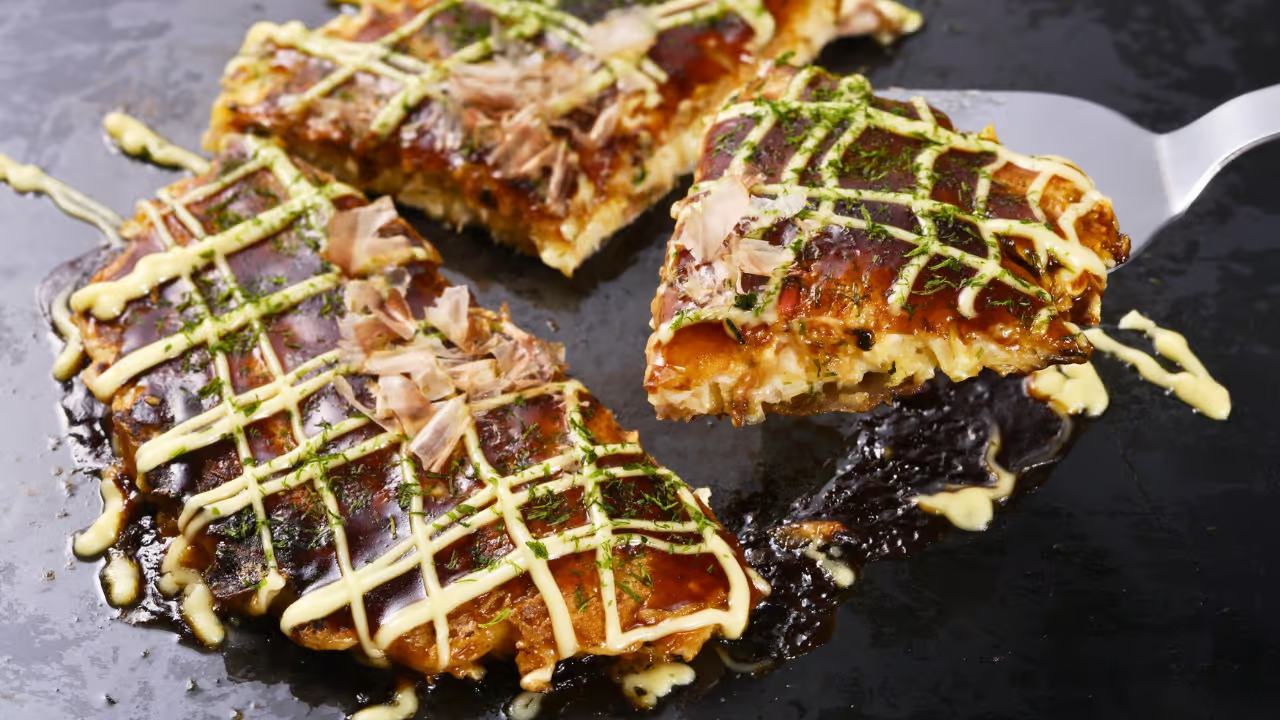
By lunchtime, you will probably want food and a change of atmosphere.
Head to Okonomi-mura in the Shintenchi district, a multi-floor building packed with small counters serving Hiroshima-style okonomiyaki.
If Osaka okonomiyaki is the familiar version, Hiroshima’s version is the more architectural one: layers of cabbage, batter, yakisoba noodles, egg, and sauce built on a flat iron griddle.
It is heartier, messier, and just different enough to spark the kind of debate food-loving travelers enjoy.
This is also one of the funniest little regional rivalries to watch from the outside.
Osaka treats itself as Japan’s great eating city, and then Hiroshima calmly turns up with an entirely different pancake system and expects respect.
Fair enough.
Sit at the counter if you can, because watching the cook stack and press each layer is half the experience.
After lunch, make your way to Hiroshima Castle.
The original was destroyed in 1945, so what you see today is a postwar reconstruction rather than an untouched feudal relic.
That matters if you are comparing it with Osaka Castle or Himeji, but it is still a worthwhile stop because it broadens the story of Hiroshima beyond the atomic bombing.
Inside, the museum explains the castle town era and local samurai history, which helps place the city in a longer timeline.
By late afternoon, start looping back toward Hiroshima Station.
The Hiroden streetcar is the easiest way back from the city center, and if you have kept the day city-focused rather than adding Miyajima, you should reach the station without feeling rushed.
This is a good moment to grab a snack for the train, especially momiji manju, the maple leaf-shaped cakes sold all over Hiroshima.
Return shinkansen options are frequent enough that you usually have flexibility, but do not get casual about it.
Check your exact train in advance, especially if you are using a JR Pass and aiming for Hikari or Sakura rather than whatever departs next.
If your Osaka base is around Umeda or Namba, you will still need the final connection after Shin-Osaka, so factor that into your energy levels before announcing that you will also squeeze in late-night Dotonbori.
Ambition is charming right up until platform number four.

The obvious local dish is Hiroshima-style okonomiyaki, and yes, you should eat it even if you already had okonomiyaki in Osaka.
The two versions are not interchangeable.
Osaka-style mixes ingredients into the batter, while Hiroshima-style builds them in layers, usually with noodles and often with a more distinct sweet-savory sauce profile.
The result feels more like a full meal than a snack with ambitions.
Okonomi-mura is the easiest place for first-time visitors because it removes the research problem.
You walk in, pick a counter, sit down, and watch your lunch happen in front of you.
That convenience matters on a day trip, when you do not want to waste an hour hunting for the perfect local spot only to end up eating convenience-store egg sandwiches on a bench.
Noble in theory, less fun in practice.
If you want to try more than one Hiroshima specialty, look for oysters when they are in season and momiji manju for dessert or train snacks.
Hiroshima’s food scene is more restrained than Osaka’s, which often turns meals into an event all by itself.
Osaka still wins on sheer variety and gleeful excess, and if food is the main goal you are better off spending another day around Kuromon Ichiba Market or the streets around Namba.
In Hiroshima, the meal fits the day rather than dominating it.
A realistic budget for a Hiroshima day trip from Osaka lands around ¥18,000-¥28,000 per person.
The range is wide because transport does most of the damage, while museums and local transit are comparatively modest.
If you hold a JR Pass, your day becomes much cheaper.
If you buy a fast reserved shinkansen both ways, the total climbs quickly.
The biggest cost is the train from Shin-Osaka to Hiroshima.
A reserved seat on the Nozomi is around ¥10,970 one way, while Hikari or Sakura services are around ¥10,420 one way.
Local Hiroshima transport is mild by comparison.
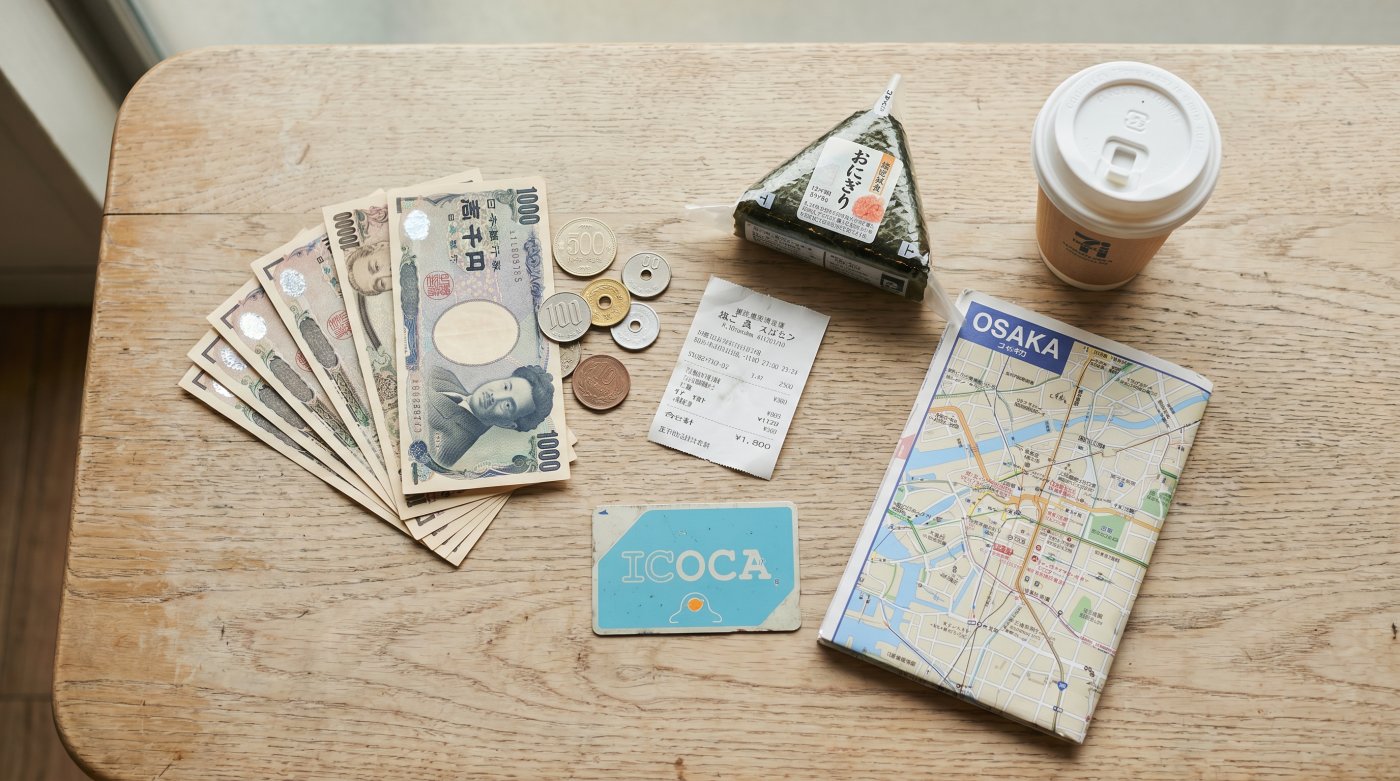
The Hiroden streetcar now charges a flat adult fare of ¥240 per ride, and IC cards such as ICOCA and Suica work fine.
If you are still sorting out cards and passes before your trip, the difference between transit products in Osaka is explained clearly in the Osaka Amazing Pass vs ICOCA comparison.
This part is pleasantly low-drama.
The Atomic Bomb Dome and Peace Memorial Park are free.
The Hiroshima Peace Memorial Museum charges ¥200 for adults, and Hiroshima Castle charges ¥370 to enter the main keep.
For a city with this much historical weight, the actual sight-entry cost is almost suspiciously reasonable.
Lunch at Okonomi-mura usually lands around ¥1,000-¥1,500 depending on toppings and whether you add a drink.
Add another few hundred yen for coffee, water, or a snack, and perhaps a boxed sweet from Hiroshima Station for the train back.
If you like to keep your travel spending honest rather than mystical, this Osaka trip budget breakdown is a useful benchmark for comparing what a day outside the city does to your overall numbers.
Without a JR Pass, most travelers should expect to spend roughly ¥24,000-¥26,000 for a comfortable day with fast trains, lunch, local transit, and both paid attractions.
With a JR Pass, the same day can drop closer to ¥3,000-¥6,000 depending on what you eat and whether you add extras.
Hiroshima is not a cheap day trip, but it does deliver more substance than many easier options.
Unlimited subway rides plus free entry to 40+ attractions including Osaka Castle, Umeda Sky Building, and the Dotonbori River Cruise. If you're spending more than a day sightseeing, it pays for itself before lunch.
Leave Osaka early.
That sounds obvious, yet people still drift out after breakfast as if the train ride will shrink out of politeness.
For a proper city-only day, aim for a train around 07:00-07:30.
If you want to add Miyajima, go earlier or rethink the plan and stay overnight.
Hiroshima rewards focus more than overstuffing.
Pack lightly but intelligently.
Comfortable walking shoes matter more than dressing for photos, because even with the streetcar you will walk a fair amount between the Dome, the park, the museum, lunch, and the castle.
In summer, carry water, a hat, and something for sudden rain.
In cooler months, bring a layer you can remove on the train but want outside.
Japanese stations and trains love air-conditioning with the intensity of a personal grudge.
The museum can be emotionally heavy, so do not stack your schedule too tightly after it.
Give yourself a proper lunch break and a slower afternoon.
On the practical side, basic English signage in central Hiroshima is good, ticket machines are manageable, and IC cards keep the local transit side painless.
If this is your first trip to Japan or you are still figuring out local norms, a quick read through things tourists get wrong in Osaka and the broader things to know before visiting Osaka will save you a few avoidable mistakes that apply outside Osaka too.
Yes, for the right traveler it absolutely is.
Hiroshima is worth a day trip from Osaka if you want historical depth, a city that is easy to understand in one day, and an experience that balances reflection with practical sightseeing.
It is one of the few day trips where the central attraction is not beauty or novelty, but meaning.
That gives it a different kind of value.
You should do this trip if you are comfortable with an early start, do not mind paying for shinkansen tickets, and want more from a day than just pretty views and snacks.
It is especially strong for second-time Osaka visitors who have already covered the obvious city sights, or for first-timers building a broader Kansai trip and willing to spend one day on a longer rail run.
Readers coming from Southeast Asia and planning the wider trip from scratch may also want to pair this with the broader Osaka from Singapore travel guide if that matches how they are booking and budgeting.
You should probably skip Hiroshima as a day trip if your schedule in Osaka is already tight, your budget is under pressure, or you prefer low-effort wandering to a more emotionally serious day.
In that case, Kyoto from Osaka gives you temples and traditional streets, while Nara and Himeji both demand less time and less money.
Hiroshima is one of the best day trips from Osaka, but it is not the easiest one.
That is exactly why the people who choose it usually remember it most.
The fastest option is the Nozomi or Mizuho shinkansen from Shin-Osaka Station, which reaches Hiroshima in approximately 85 minutes. If you hold a Japan Rail Pass, the Hikari or Sakura services cover the same route and take around 100 minutes – note that the Nozomi and Mizuho are not covered by the standard JR Pass.
Budget around 30-40 minutes of additional travel time to get from central Osaka (Osaka Station or Namba) to Shin-Osaka, so door-to-door from central Osaka to Hiroshima Station is roughly 2 hours on the fast route.
Hiroshima works well as a day trip from Osaka if you focus on the Peace Memorial Park and Museum – both are central, walkable, and take around half a day. The round-trip shinkansen fare is the main cost and at roughly ¥20,000-¥22,000 it is the priciest standard day trip from Osaka, but the city is substantive enough to justify it.
If you want to also visit Miyajima Island (a 10-minute ferry from Miyajimaguchi Station), an overnight stay makes more sense – the island is best in the early morning or at dusk, and cramming both into one day from Osaka means a lot of rushing.
The Japan Rail Pass covers the Hikari and Sakura shinkansen services between Shin-Osaka and Hiroshima. It does not cover the Nozomi or Mizuho services, which are the fastest on the route. Hikari and Sakura take around 100 minutes versus around 85 for the Nozomi – the difference is modest and the pass savings are significant, so JR Pass holders should default to Hikari or Sakura.
The biggest line item is the round-trip shinkansen fare: roughly ¥21,940 on the Nozomi (reserved), or ¥20,840 on the Hikari (JR Pass holders pay nothing). Attraction entry is low – the Peace Memorial Museum charges ¥200, Hiroshima Castle charges ¥370, and the Atomic Bomb Dome grounds are free. Add streetcar fares (¥180 per ride), lunch at Okonomi-mura (around ¥1,200), and a snack, and a typical day without a JR Pass runs ¥18,000 to ¥28,000 per person including all transport.
It is possible but tight. From Hiroshima Station, take the JR Sanyo Main Line to Miyajimaguchi Station (about 26 minutes, ¥410) and then the JR West Miyajima Ferry to the island (10 minutes, ¥160 one-way – free with JR Pass). Allow at least 2 hours on the island for Itsukushima Shrine and a walk around the shoreline.
To make this work from Osaka without an overnight, leave Shin-Osaka on the first or second Nozomi of the day (around 06:00-07:30) and plan to be back at Hiroshima Station by 17:00 for your return shinkansen. It is achievable, but you will cover a lot of ground.