

 Tours
Tours Mount Koya Wakayama & Nachi Waterfall Private Day Tour
Koyasan, Wakayama, Japan
From $741.99
Book on Klook Two hours from Namba and you're inside a 1,200-year-old sacred mountain town that Osaka's neon grid has never touched.
Koyasan is Japan's most visited sacred mountain and, arguably, Osaka's most rewarding day trip. The route takes about two hours door-to-door from Namba - Nankai Limited Express to Gokurakubashi, five minutes up a cable car, then a short bus ride into a temple town that has barely changed since Kobo Daishi founded it in 816 AD. Plan for a full day: Okunoin's 200,000-grave cedar cemetery alone takes 90 minutes to walk properly, and Kongobuji Temple plus the Danjo Garan complex fill out the afternoon. Leave Namba by 08:00 and you will be back in Osaka in time for dinner.
Nankai Koya Line Limited Express: ~80 min to Gokurakubashi + 5 min cable car + 10 min bus, ¥2,030 one way
Nankai Koya Line Rapid Express (transfer at Hashimoto): ~100 min to Gokurakubashi + 5 min cable car + 10 min bus, ¥1,390 one way
Koyasan World Heritage Ticket (round-trip pass incl. cable car + bus): ¥3,980
Depart Nankai Namba Station on the Limited Express Koya service toward Gokurakubashi. The train runs through suburban Osaka before climbing into forested Wakayama Prefecture - a decent excuse to grab a coffee from the station kiosk before boarding. The limited express takes about 80 minutes and requires a seat reservation plus a ¥790-¥1,100 surcharge on top of the base fare.
Transfer at Gokurakubashi to the cable car, which climbs the final 800 meters up the mountainside in five minutes. The ride costs ¥500 one way (included in the Koyasan World Heritage Ticket). From Koyasan Station at the top, board the Nankai Rinkan Bus - a 10-minute ride brings you to the Senjuinbashi intersection at the center of town (¥460).
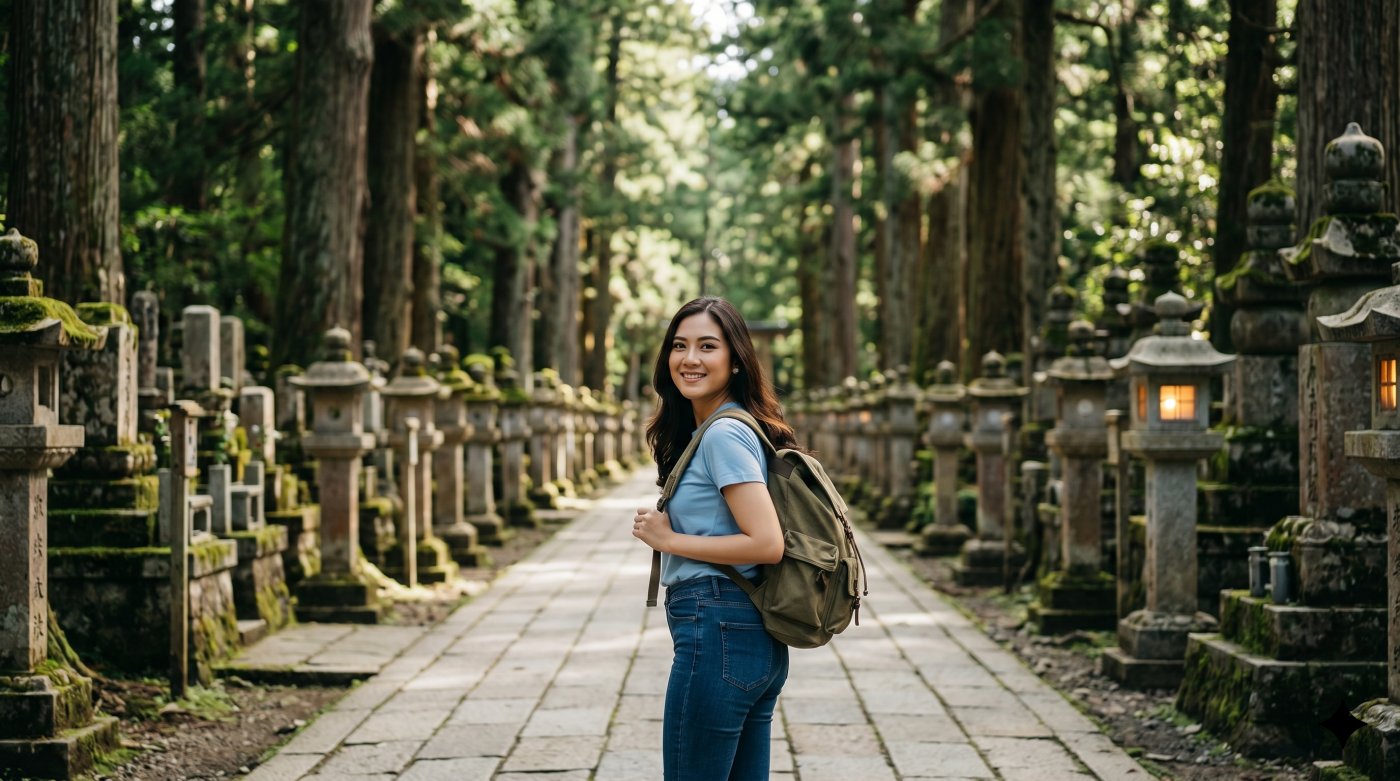
Start at Ichinohashi Bridge and walk the 2 km stone-paved path through 200,000 moss-covered grave markers - feudal lords, samurai clans, modern corporations - to the mausoleum of Kobo Daishi at the far end. The inner sanctum area is open 6:00-17:00 (lantern hall); entry to the cemetery path itself is free. Budget 90 minutes to walk it properly without rushing.
Head back to the Senjuinbashi area for lunch. Restaurants in the town center mostly serve shojin ryori (Buddhist vegetarian cuisine) - sesame tofu and mountain vegetable dishes are the staples. Budget ¥1,500-¥2,500 for a set lunch. Casual cafes like Kohkai Cafe offer lighter options if the full temple-style lunch feels heavy for midday.
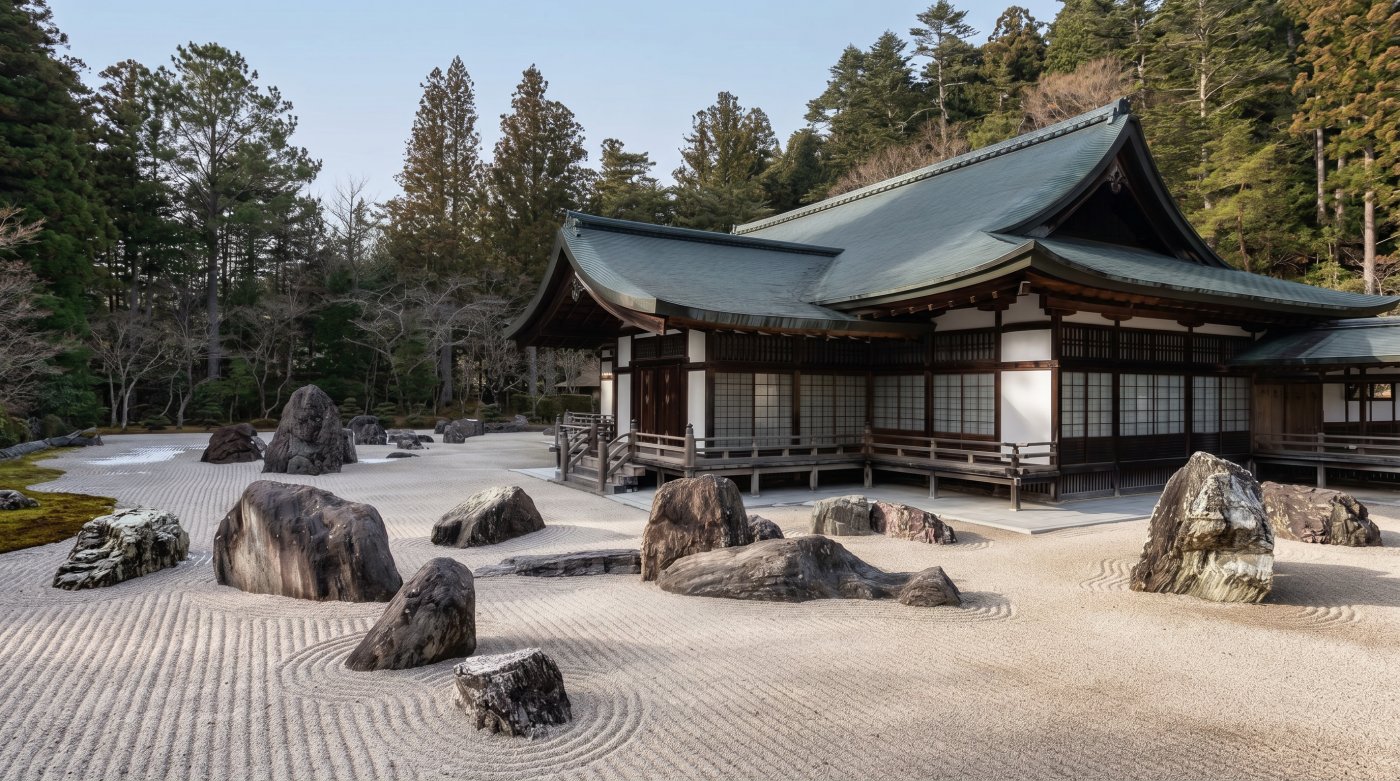
Kongobuji is the head temple of the entire Shingon Buddhist sect, open daily 8:30-17:00 (last admission 16:30). Admission is ¥1,000 for adults. The main draw inside is the Banryutei rock garden - Japan's largest rock garden, with 140 granite stones arranged to represent two dragons emerging from clouds. Allow 45-60 minutes.
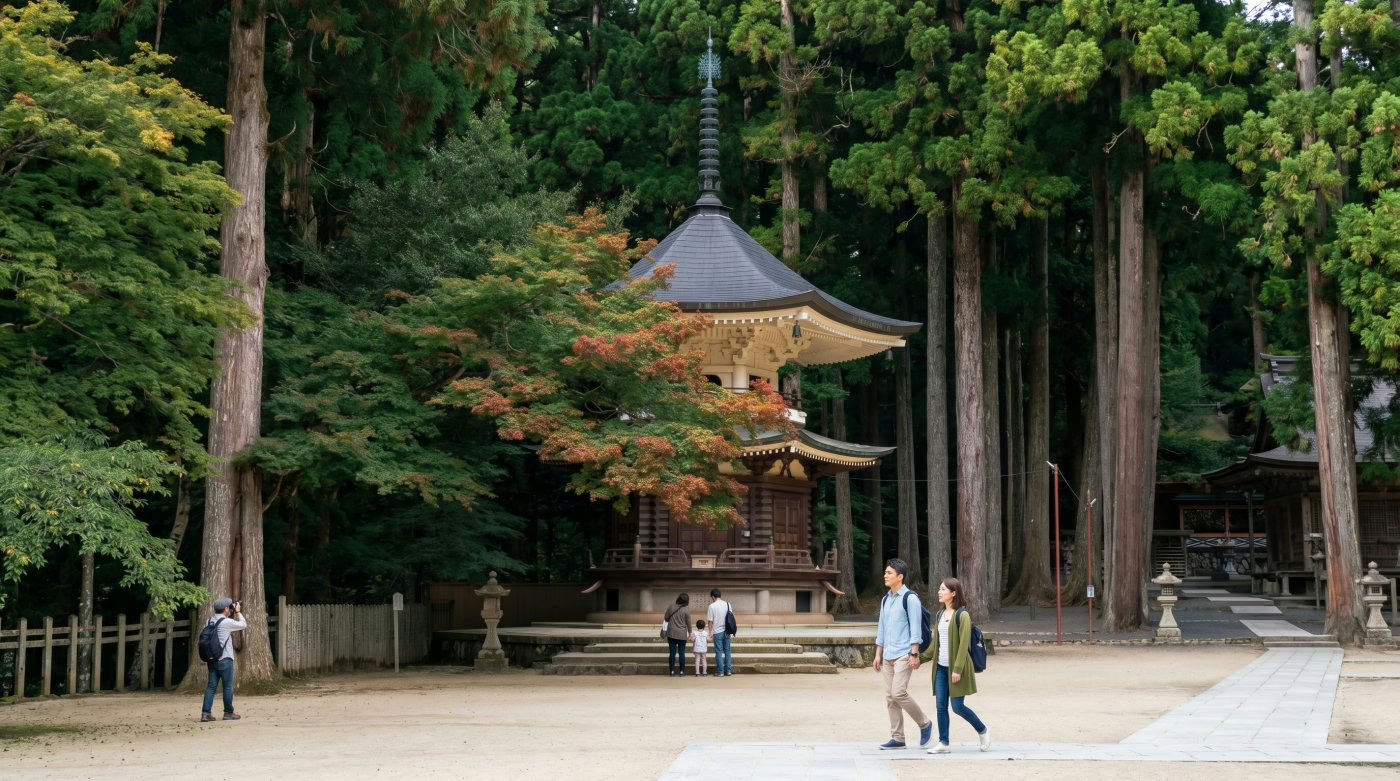
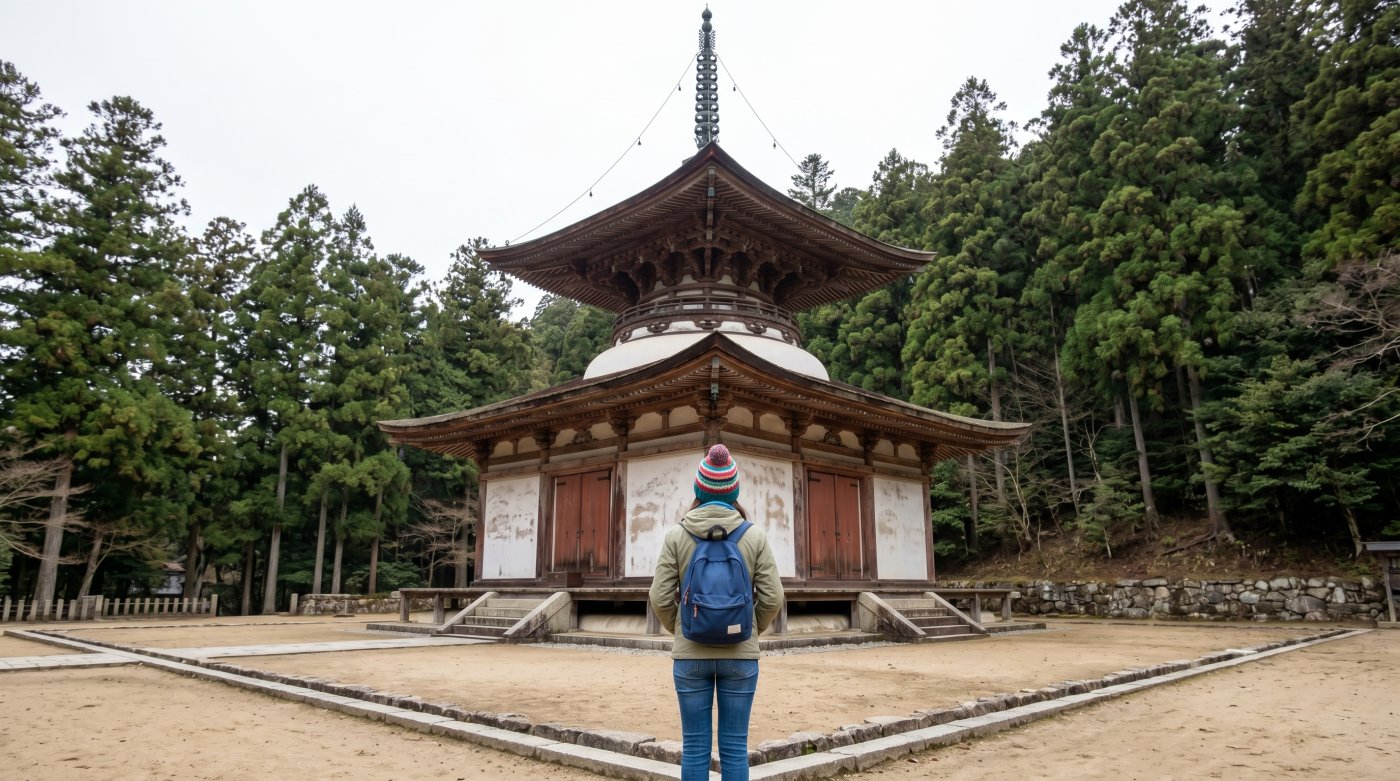
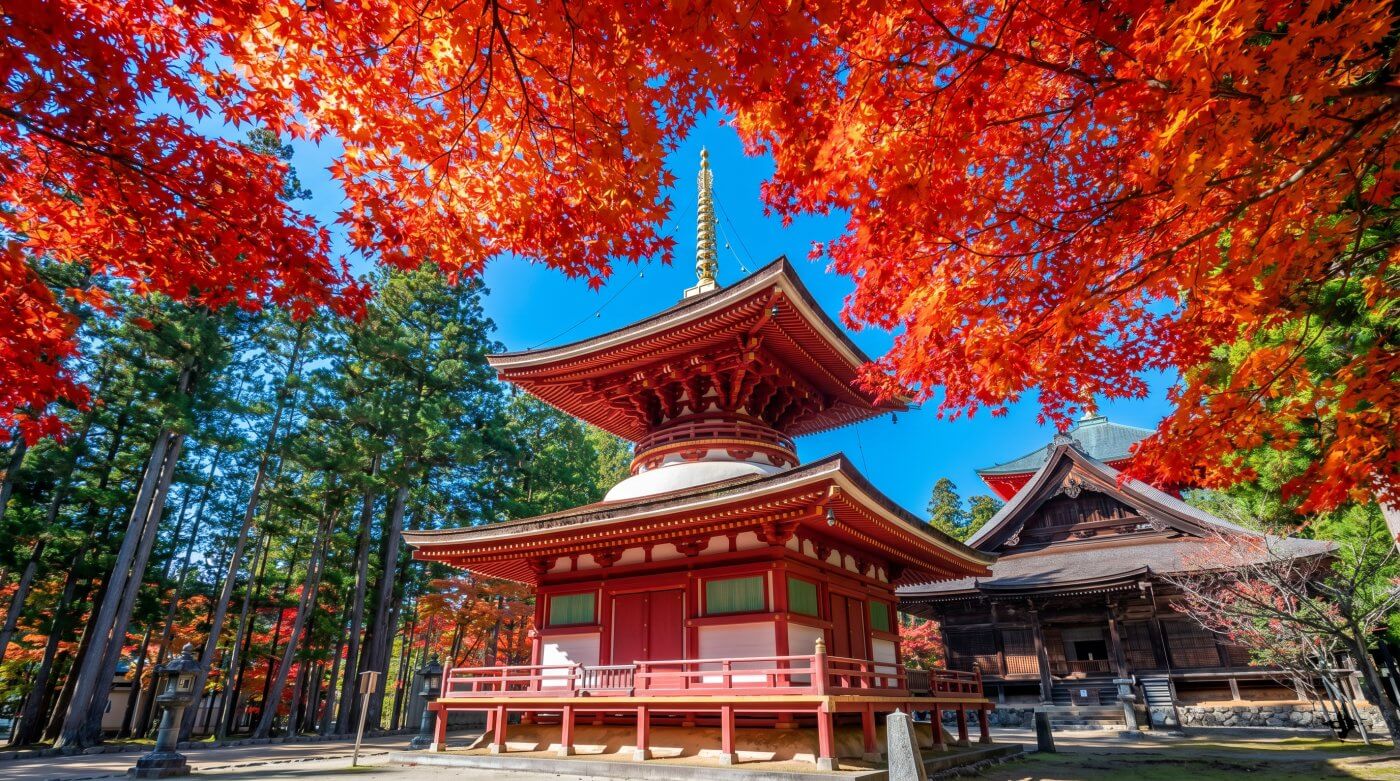
A 5-minute walk from Kongobuji, Danjo Garan is the original sacred precinct Kobo Daishi established in 826 AD. The Konpon Daito pagoda - a vermilion two-story structure standing 48.5 meters tall - is the visual centerpiece of Koyasan. Entry to the Kondo Hall and Konpon Daito is ¥500 each. Allow 45-60 minutes to walk through the complex at a relaxed pace.
Koyasan's treasure museum holds over 50,000 artifacts from the mountain's temples, including national treasures and important cultural properties. It is a short walk from Danjo Garan. Opening hours are 8:30-17:30 (May-October) and 8:30-17:00 (November-April). Adult admission is ¥600. Budget 30-45 minutes, then walk to the nearby bus stop for the return journey.
Board the Nankai Rinkan Bus from Senjuinbashi back to Koyasan Station, take the cable car down to Gokurakubashi, and catch the Limited Express or Rapid Express back to Nankai Namba. The return journey takes roughly 90-110 minutes. Departing at 16:30 puts you back at Namba around 18:30-19:00.
| Route | Line | Duration | Cost | Book |
|---|---|---|---|---|
| Nankai Koya Line Limited Express Koya RECOMMENDED | Nankai Electric Railway | 80 min (+ 5 min cable car + 10 min bus) | ¥2,030 one way (paper ticket) / ¥1,880 (e-ticket) + ¥790-¥1,100 limited express supplement | |
| Nankai Koya Line Rapid Express (transfer at Hashimoto) | Nankai Electric Railway | 100 min (+ 5 min cable car + 10 min bus) | ¥930 one way + ¥500 cable car + ¥460 bus | |
| Koyasan World Heritage Ticket (round-trip package) | Nankai Electric Railway | 100 min rapid express or 80 min with LE supplement | ¥3,980 round trip incl. cable car + unlimited Koyasan buses |
All stops on this itinerary pinned for easy reference.
Mount Koya (Koyasan) Day Trip from Osaka: Temples, Cedars, and a Full Sacred-Mountain Circuit – Koyasan is Japan’s most visited sacred mountain and, arguably, Osaka’s most rewarding day trip.
The route takes about two hours door-to-door from Namba – Nankai Limited Express to Gokurakubashi, five minutes up a cable car, then a short bus ride into a temple town that has barely changed since Kobo Daishi founded it in 816 AD.
Plan for a full day: Okunoin’s 200,000-grave cedar cemetery alone takes 90 minutes to walk properly, and Kongobuji Temple plus the Danjo Garan complex fill out the afternoon.
Leave Namba by 08:00 and you will be back in Osaka in time for dinner.
Most Osaka day trips trade city noise for a single headline sight: a castle, a deer park, a famous street.
Koyasan offers a completely different proposition.
You leave the billboards and station jingles of Namba behind, climb into Wakayama’s forested interior, and arrive in a mountain temple town where the streets are quieter, the air is cooler, and even the convenience stores feel like they were told to keep their voices down.
What makes the trip worth doing is the density of atmosphere.
Okunoin is not one temple with a ticket gate and a photo spot.
It is a long cedar-lined cemetery path, dim lanterns, old clan graves, corporate memorials, and the mausoleum of Kobo Daishi at the end, all laid out in a way that rewards slow walking instead of checklist tourism.
Add Kongobuji Temple, the Danjo Garan precinct, and proper shojin ryori lunch, and you have a day that feels genuinely distinct from the rest of a Kansai itinerary.
This trip suits travelers who like history, religious sites, forest walks, and places with a sense of ritual still intact.
If your idea of a good day trip is shopping, street food every twenty minutes, or bouncing between lots of small attractions, Koyasan may feel a bit too restrained.
It is not difficult, but it does ask for patience, decent shoes, and a willingness to spend time in silence without demanding constant entertainment.
Imagine that, a destination expecting you to pay attention.
Trip Essentials
Osaka Travel Add-ons
Equip yourself for the ultimate Osaka adventure with the following add-ons, curated just for you.
Flights to Osaka
Airport Transfer
ICOCA IC Card
Suica IC Card
Osaka Tours
Luggage Storage
Travel Insurance
Data Security

Japan eSIM
Japan SIM Card
Pocket WiFi Rental
Japan eSIM
Koyasan is most naturally reached from Osaka via Namba, because Nankai Railway runs directly from the city center toward Gokurakubashi, the rail gateway to the mountain.
From there, everyone takes the same final steps: the cable car up the slope, then a local bus into town.
The real choice is not whether to take Nankai, but whether you want the faster reserved train or the cheaper all-local version.
This is the cleanest option for most visitors.
From Nankai Namba Station, board the Limited Express Koya to Gokurakubashi, then transfer to the cable car and a short bus ride to the Senjuinbashi area in central Koyasan.
In practice, the whole trip takes about two hours door to door, which is fast enough to make a full-day visit realistic without starting at an absurd hour.
The catch is price.
You pay the base fare plus the limited express surcharge, so the one-way total comes out higher than the local option.
Still, if you are trying to get onto Okunoin before the mountain fills up, the faster departure is worth it.
This is the route I would put first for first-timers, couples on a short Kansai trip, and anyone who values fewer small annoyances.
The budget-friendly alternative is the Rapid Express, usually with a transfer at Hashimoto before continuing to Gokurakubashi.
You still take the same cable car and bus at the end, so nothing changes once you reach the mountain.
What changes is time: this route is slower, and the journey feels more like a proper local rail trip rather than a clean tourist transfer.
That is not necessarily bad.
If you are traveling solo, watching costs, or already using the trip as part of a slower Osaka plan, the Rapid Express works perfectly well.
It just demands more tolerance for transfers and timing.
The savings are real, but so is the extra travel time, and on a day trip every lost half hour matters.
If this is your first visit to Koyasan, take the Limited Express outbound and save your energy for the mountain itself.
If budget matters more than speed, take the Rapid Express both ways, or buy the Koyasan World Heritage Ticket and use local services with the added bonus of bus coverage once you arrive.
Travelers building a broader Osaka itinerary around only three or four days should lean toward the faster train, because Koyasan is much better when it feels spacious rather than rushed.
The passes worth buying before you land — curated for first-timers.
Osaka Amazing Pass
Unlimited subway + free entry to 40+ attractions. The only pass most visitors actually need.
Osaka e-Pass
Attractions-only digital pass. Pair with a Metro Pass if skipping the Amazing Pass.
Osaka Metro Pass
1 or 2-day unlimited Metro rides. Best standalone transit value if you already have an attractions pass.
JR West Kansai Area Pass
Unlimited JR trains for 1–4 days. Covers Kyoto, Nara, Kobe, and Himeji from Osaka.
JR Haruka Express
KIX to Umeda/Shin-Osaka in ~50 min. Best if staying in Umeda or heading straight to Kyoto.
Nankai Rapi:t Express
KIX to Namba in 34 min, reserved seat. Better if staying in Namba or Shinsaibashi.
Spring and autumn are the strongest seasons for Koyasan, and the difference is not subtle.
In spring, the mountain edges into bloom later than Osaka because of the elevation, so the air stays cooler and the crowds feel a little less frantic than they do in the city.
Early April can be especially pleasant if you want temple walks without midsummer humidity pressing on your back like an unpaid intern.
Autumn is when Koyasan looks most fully itself.
The cedar forest around Okunoin stays dark and vertical year-round, but the maples and mixed woodland around the paths and temple grounds shift into reds and golds that make the whole mountain feel sharper and deeper.
Late October through November is the visual peak, which means more visitors, busier buses, and a stronger case for leaving Osaka early.
Summer is manageable because Koyasan sits around 1,000 meters above sea level, so temperatures are cooler than central Osaka.
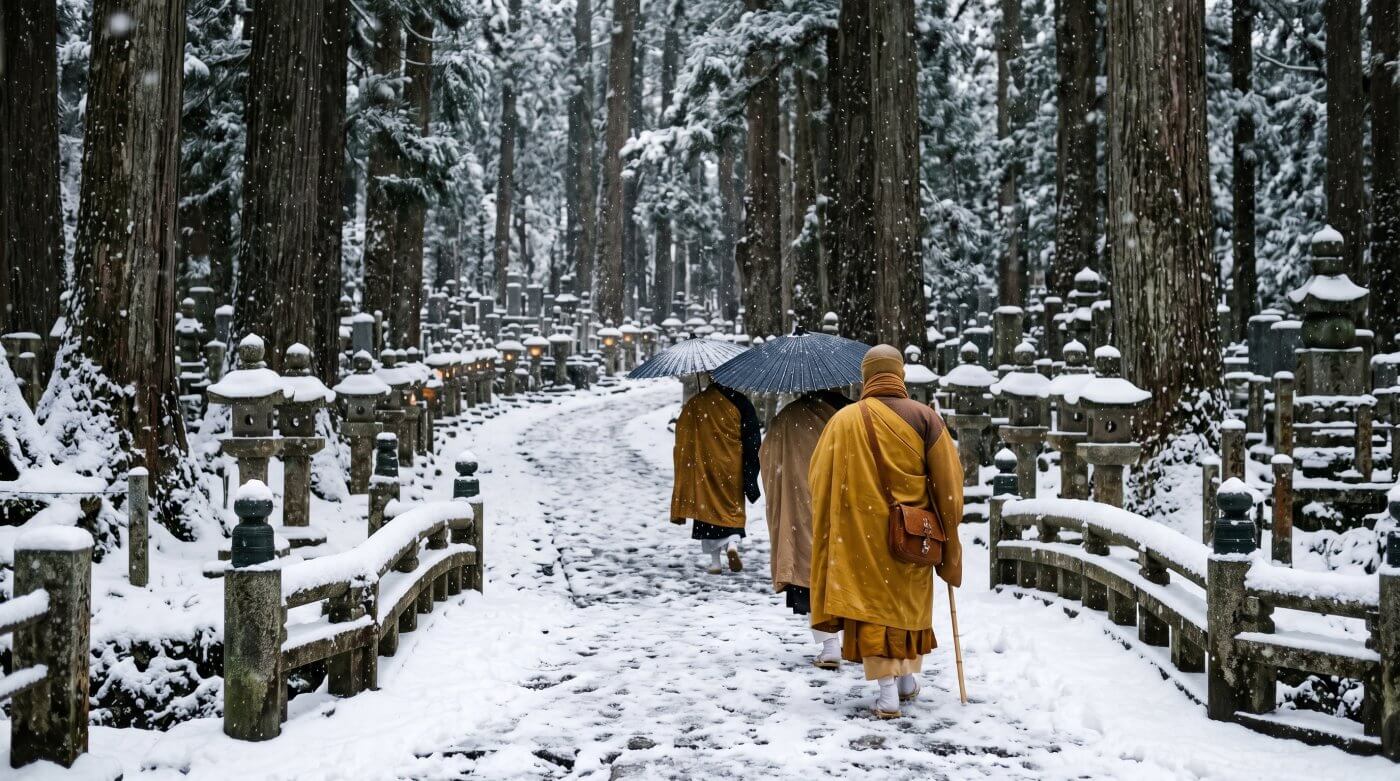
Winter can be beautiful, especially if light snow hits the cemetery and temple roofs, but it also brings colder conditions, earlier mountain darkness, and a more limited comfort margin for day-trippers.
If you are deciding between scenic payoff and practical ease, spring and autumn win without much argument.
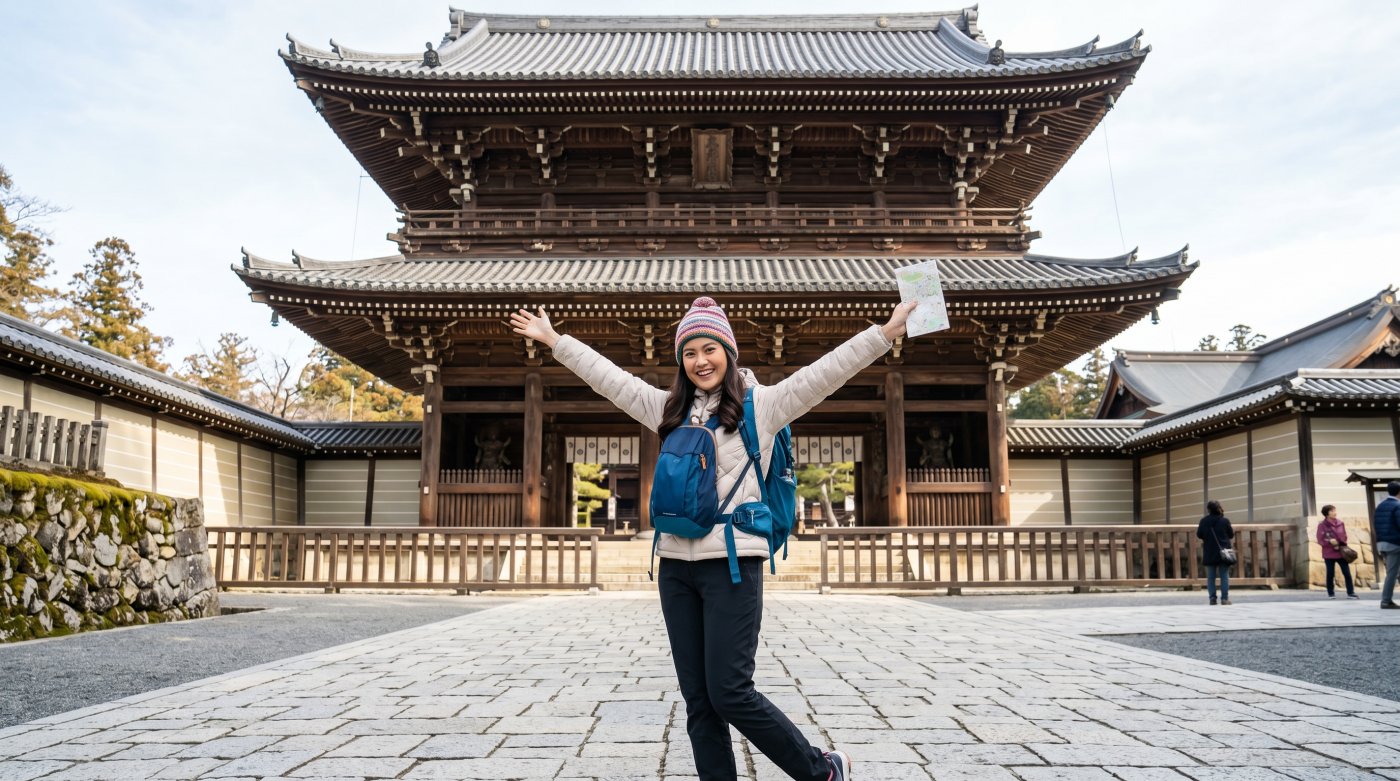
The smartest way to structure a Koyasan day trip is to front-load the longest and most atmospheric walk, then work back toward the center of town for lunch and temple visits.
That means starting with Okunoin while the mountain still feels quiet, then using the afternoon for Kongobuji, Danjo Garan, and one final museum or short stop before returning to the station.
It is a full day, but it flows well if you respect the geography instead of zigzagging around by bus all day.
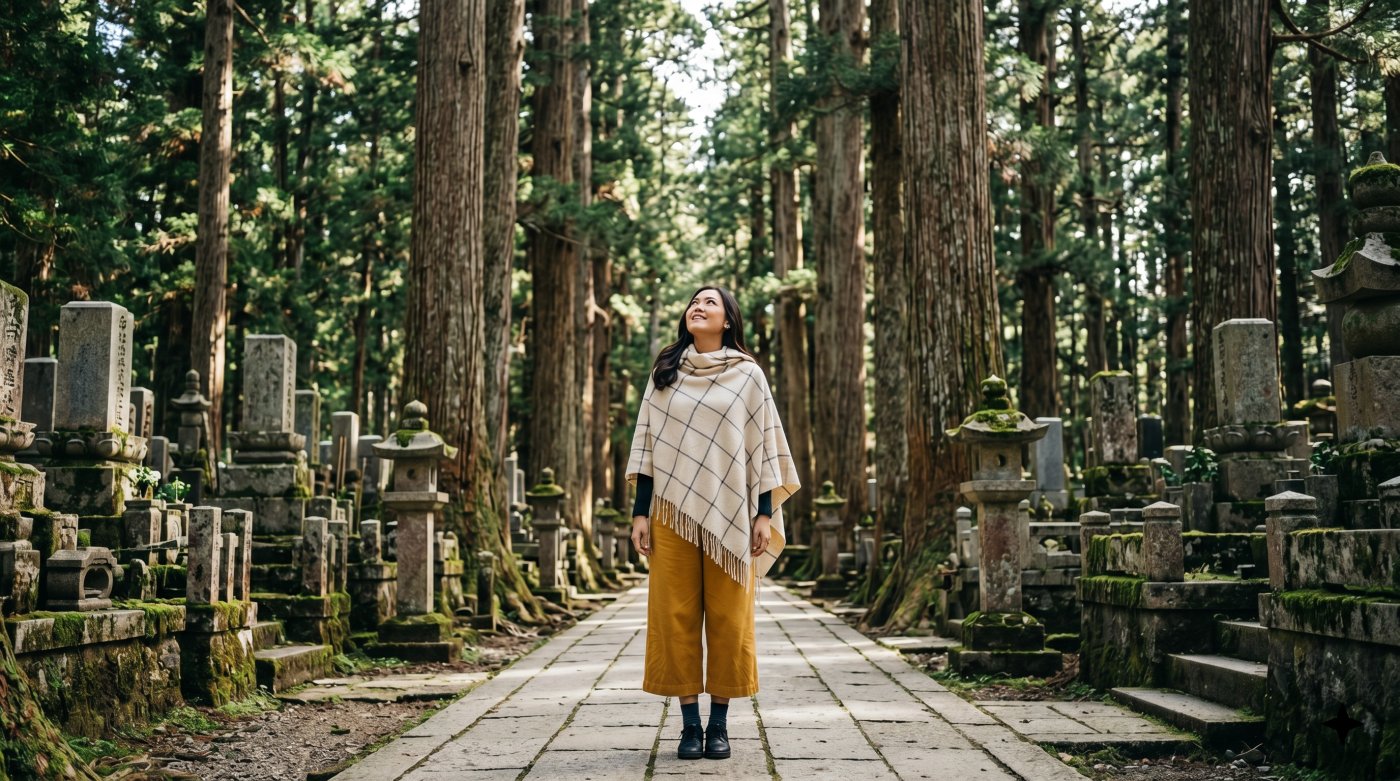
Aim to leave Namba around 08:00 and reach Koyasan town center by roughly 10:00.
Once you arrive, head straight to Okunoin rather than poking around the souvenir shops first.
The walk from Ichinohashi Bridge through the cemetery is one of those rare travel experiences that actually improves when you move slower.
The stones are older than many countries, the cedar trunks shut out a lot of the daylight, and the mix of samurai memorials, monks’ graves, and odd modern corporate monuments keeps the path from ever feeling repetitive.
Budget about 90 minutes here, more if you like photography or tend to read every sign.
The mausoleum area at the far end is the spiritual center of the mountain, and the etiquette shifts accordingly.
Speak softly, step carefully, and resist the urge to treat everything like a backdrop for content production.
Not every place exists to improve someone’s reel.
On the way back, use the bus or walk part of the route toward central Koyasan depending on your energy.
The town is compact enough that once you understand the main road, the day becomes much easier to manage.
By late morning, you will have already seen Koyasan’s strongest site while most day-trip crowds are still sorting out their ticket combinations.
By noon, head toward the Senjuinbashi area for lunch.
Koyasan is one of the best places in Kansai to try shojin ryori, the temple-style Buddhist cuisine built around vegetables, tofu, sesame, mountain plants, and careful technique rather than obvious richness.
If you are coming from Osaka’s louder food personality, the shift is almost comic.
No sizzling okonomiyaki, no sauce slathered over everything, no smoke in your clothes.
Just restraint, done properly.
For travelers who want more city-based eating afterward, the Osaka food guide is where to pick up the pace again.
After lunch, walk to Kongobuji Temple, the head temple of Shingon Buddhism.
The interiors are calm and spare, and the famous Banryutei rock garden gives the place its visual anchor.
This is not a high-drama attraction, which is exactly why it works.
The value is in the scale of the tatami rooms, the painted sliding doors, and the feeling that nothing has been arranged to hurry you along.
From Kongobuji, continue on foot to Danjo Garan.
This is Koyasan’s original sacred core, and it reads differently from Okunoin.
Where the cemetery is shadowed and contemplative, Danjo Garan is more open and architectural, with the Konpon Daito pagoda bringing a strong hit of color back into the day.
Give yourself close to an hour to walk the grounds, look inside the halls you choose to pay for, and absorb the shift in mood.
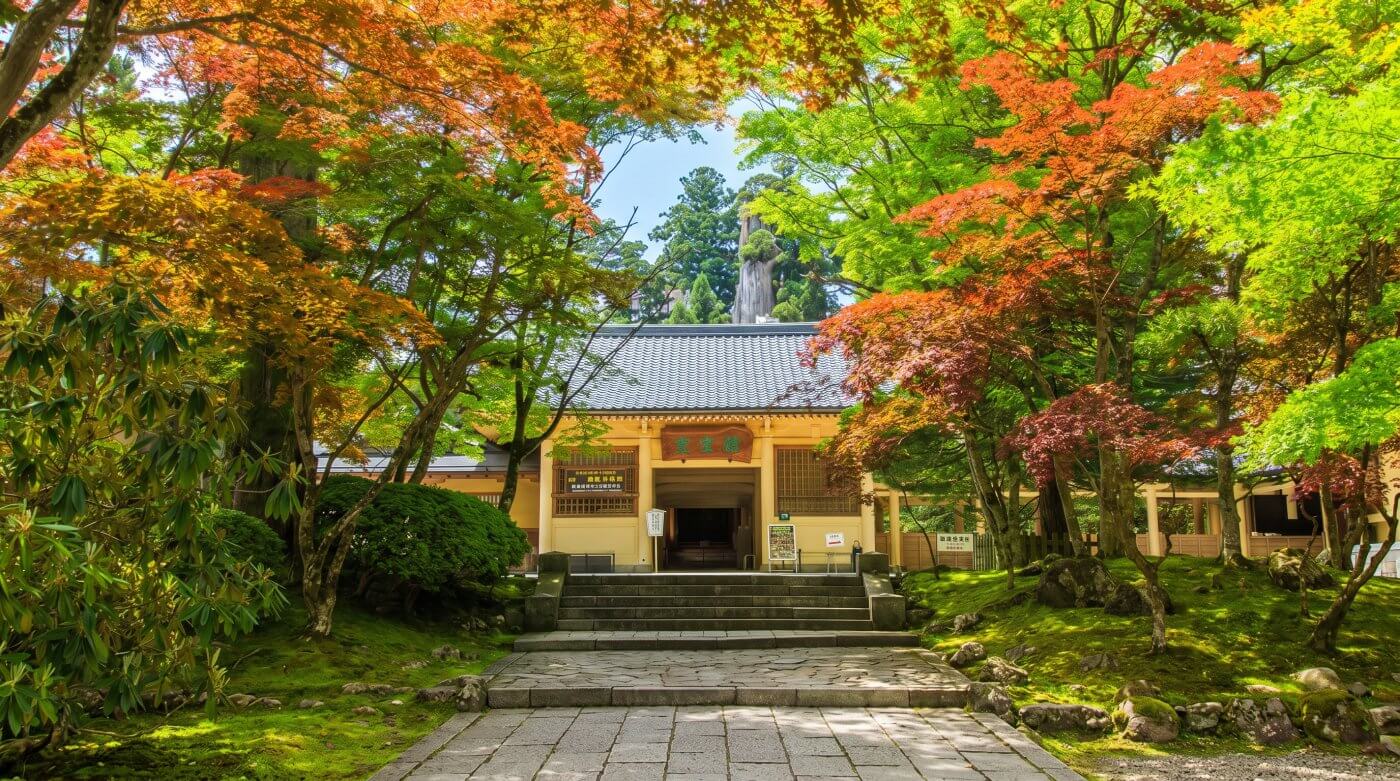
If you still have 30 to 45 minutes before your planned departure, the Reihokan Museum is the neat final stop.
It adds context to everything you have spent the day seeing, with Buddhist art, ritual objects, and temple treasures that fill in the intellectual side of Koyasan after the emotional and visual one.
It is also a smart rainy-day buffer if the mountain weather turns on you, which it sometimes does because mountains enjoy reminding people who is in charge.
Try to begin your return around 16:30.
From central Koyasan, take the bus back to Koyasan Station, ride the cable car down to Gokurakubashi, and connect to your train for Osaka.
If all goes smoothly, you will be back in Namba around 18:30 to 19:00, which leaves enough time for dinner and a complete change of mood.
That contrast is part of the fun.
You can go from grave lanterns and incense to neon and takoyaki in one evening without even changing cities.
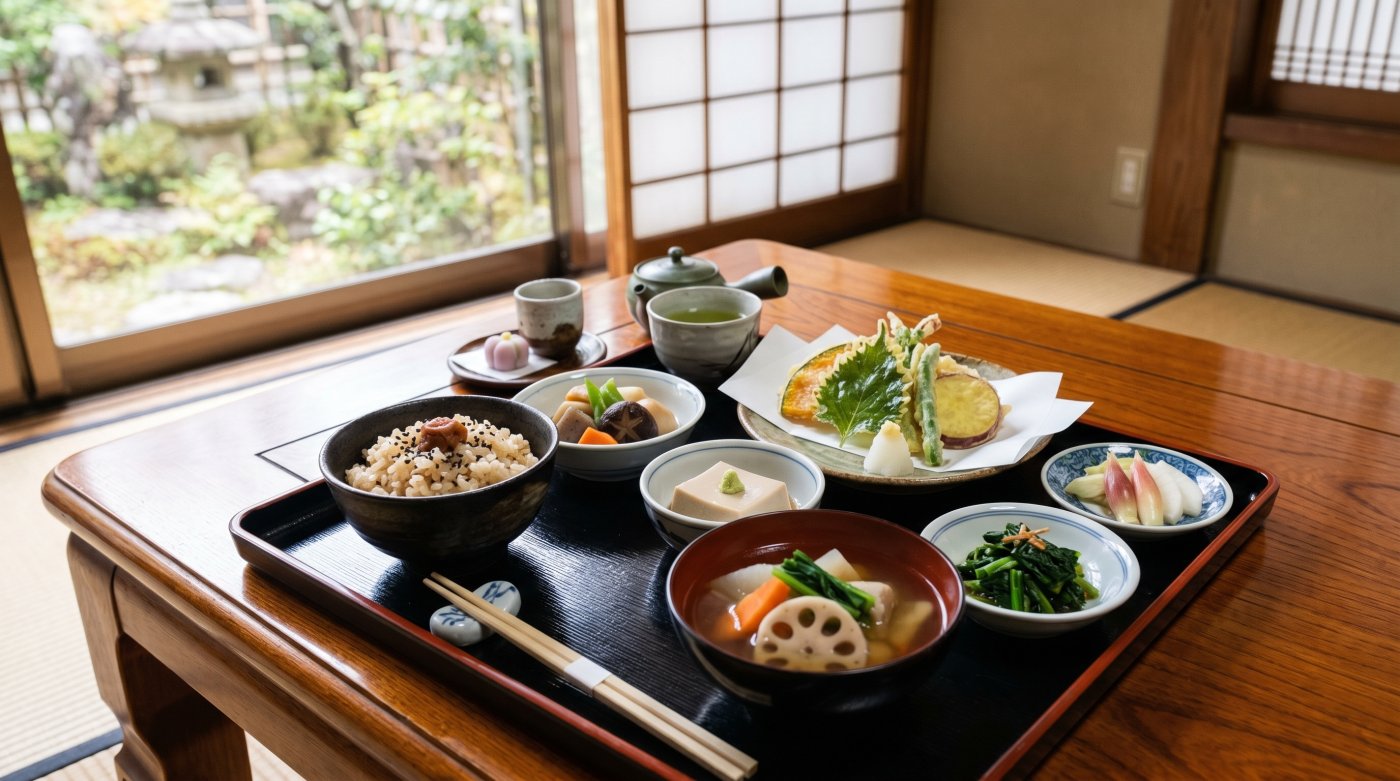
Koyasan’s food culture revolves around shojin ryori, the traditional Buddhist cuisine developed around temple rules that avoid meat and fish.
This is not fake meat cosplay or a wellness trend in nicer packaging.
It is an established religious food tradition built on tofu, sesame, seasonal vegetables, mountain plants, soups, pickles, and careful texture.
The mountain’s signature item is goma dofu, a smooth sesame-based tofu that appears across Koyasan in meals, side dishes, and shop counters.
For lunch, places around the central town area often serve set meals that give you a practical introduction without forcing you into a formal temple stay.
Temple Cafe Seikeiin is one of the more approachable options if you want a calm sit-down meal with shojin ryori on the menu, while Kadohama Gomatofu near Daimon is known for sesame tofu and simple vegetarian dishes.
Either works well in the middle of a sightseeing day, especially if you want food that matches the setting instead of fighting it.
The comparison with Osaka is part of what makes Koyasan memorable.
Osaka eats loudly and loves it that way.
Koyasan eats quietly, precisely, and with a little moral superiority baked in.
If you like variety and late-night chaos, save your real feast for back in the city and use this meal as part of the mountain experience.
If you are still deciding where to base yourself for easy early departures like this one, the where to stay in Osaka guide breaks down the most practical neighborhoods.
Tours Tours
Tours Tours
Tours Tours
Tours Tours
Tours Tours
Tours Tours
Tours Tours
Tours Tours
Tours Tours
Tours Tours
Tours![[Wakayama & Shirahama] ToreTore Market & Shirasaki Ocean Park & Senjojiki & Engetsu Island & Sandanbeki One-Day Tour - Departing from Osaka](https://i0.wp.com/res.klook.com/image/upload/w_500,h_313,c_fill,q_85/activities/fy6vvp09so4sbotnmjpg.webp) Tours
Tours Tours
Tours Tours
Tours Tours
Tours Tours
Tours Tours
Tours Tours
Tours Tours
Tours Tours
Tours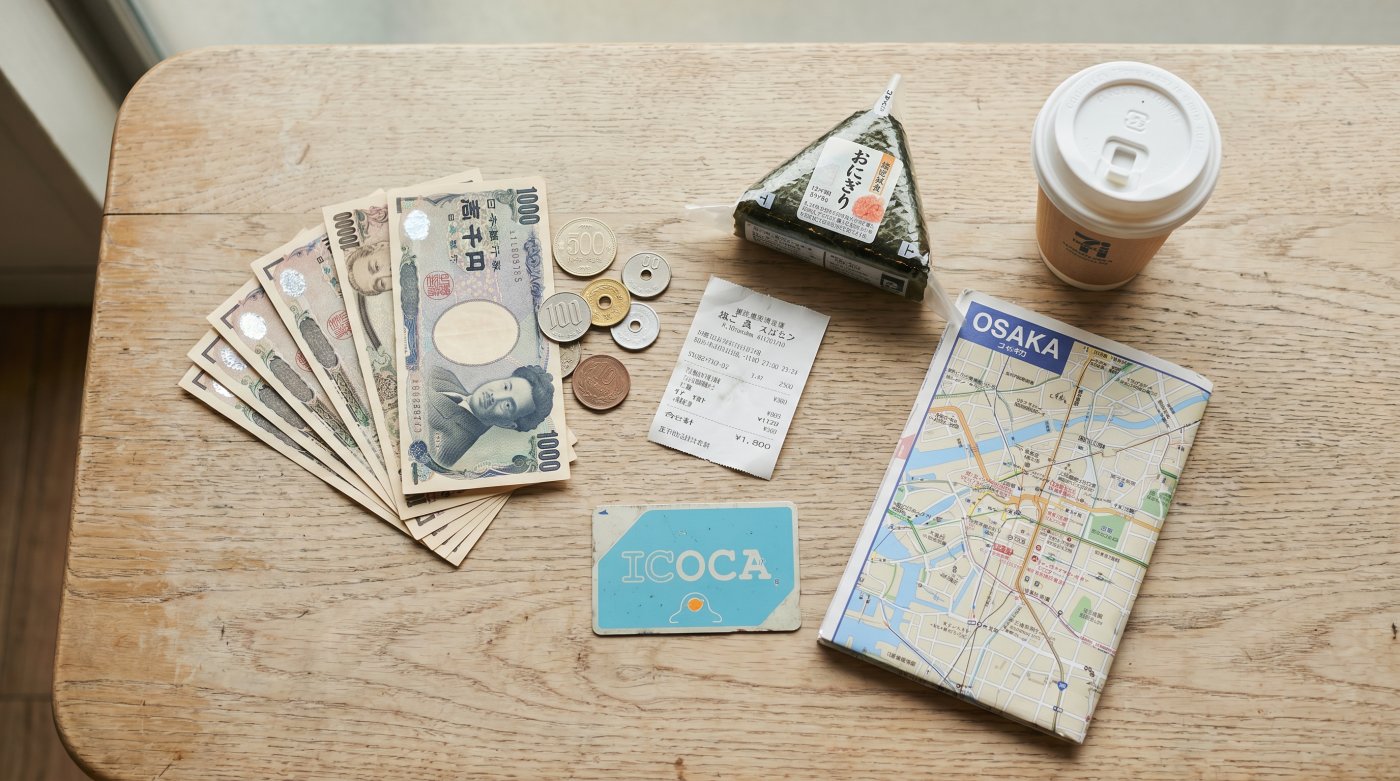
A realistic Koyasan day trip budget lands around ¥8,000 to ¥13,000 per person, depending on which train you take, how many paid temple interiors you visit, and whether lunch is a modest set meal or a fuller shojin ryori spread.
The mountain is not cheap-cheap, but it also is not a luxury excursion unless you start adding premium transport or an overnight temple stay.
Transport is the biggest fixed cost.
The Limited Express route from Namba costs more because you pay the base fare plus the express surcharge, and then add the cable car and local bus.
The Rapid Express route cuts that down, but you trade money for time.
If you are planning a simple day trip without too much math, the Koyasan World Heritage Ticket can be good value because it bundles round-trip transport, the cable car, and mountain bus use.
Okunoin itself is free, which helps.
Kongobuji Temple has an admission fee, the main halls at Danjo Garan charge separately, and the Reihokan Museum adds one more paid stop if you include it.
If you plan to see several of the core sights, the combination ticket can make sense and removes the small irritation of buying tickets one by one all afternoon.
Lunch usually lands in the ¥1,500 to ¥3,000 range for a proper set meal, with coffee, snacks, or sweets pushing the total up a little if you stop again later.
Souvenirs can also get dangerous in a very specific Koyasan way: prayer beads, incense, temple goods, and elegant packaged sweets do not look expensive until you are suddenly holding a bag worth another ¥4,000.
For most visitors, ¥9,000 to ¥11,000 is the honest middle ground for a day done properly.
Go cheaper with local trains and one or two paid sights, and you can stay close to the low end.
Add the faster train, several entry tickets, and a fuller lunch, and you will drift toward the top of the range without doing anything extravagant.
 Hotel
Hotel Hotel
Hotel Hotel
Hotel Hotel
Hotel Hotel
Hotel Hotel
Hotel Hotel
Hotel Hotel
Hotel Hotel
Hotel Hotel
Hotel Hotel
Hotel Hotel
Hotel Hotel
Hotel Hotel
Hotel Hotel
Hotel Hotel
Hotel Hotel
Hotel Hotel
Hotel Hotel
Hotel Hotel
Hotel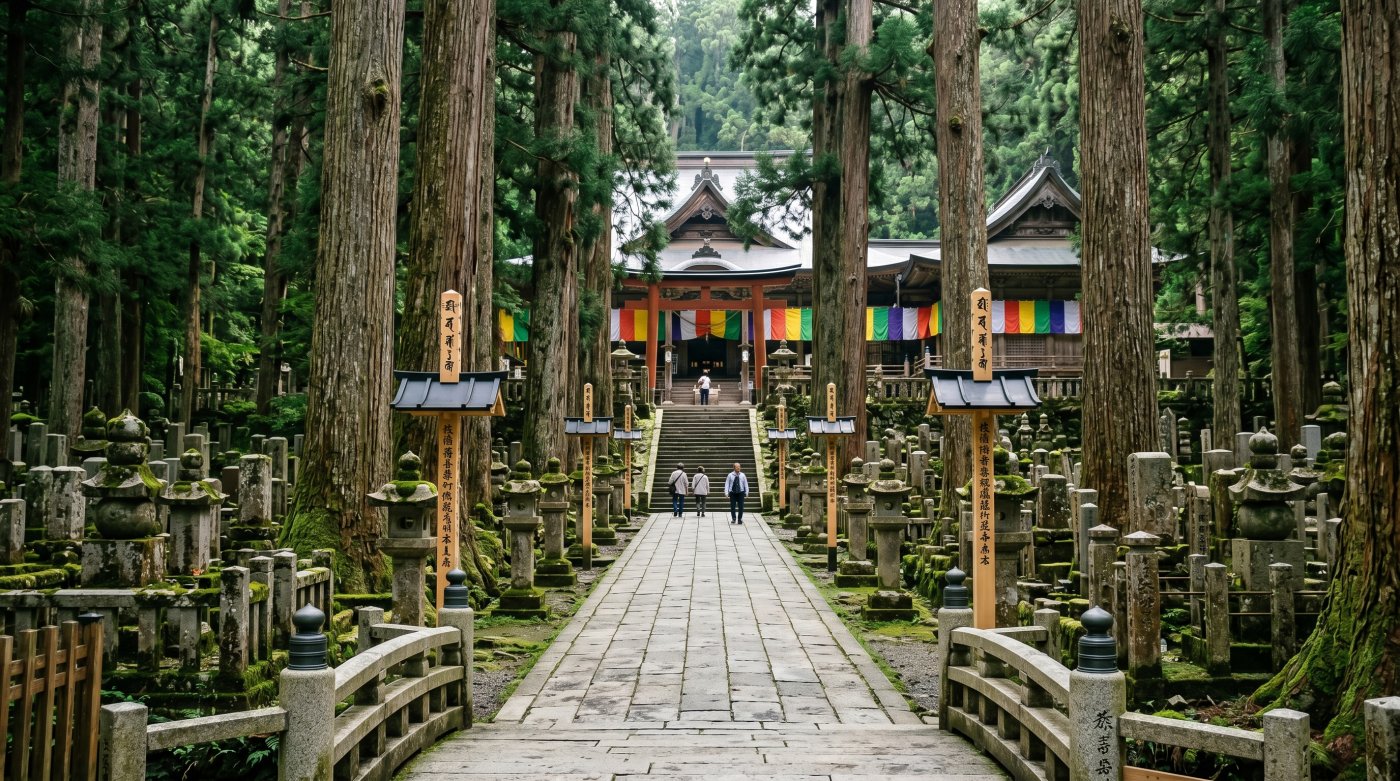
Leave Osaka early.
That is the single best decision you can make for this trip.
An 08:00 departure from Namba gives you enough breathing room to see Okunoin before the busiest part of the day and still cover the main temple district without speed-walking through a sacred mountain like you are late for a sales meeting.
If you are still at your hotel debating breakfast at 09:15, Koyasan will punish that indecision with crowds and compressed timing.
Pack one layer more than you think you need, especially outside midsummer.
Koyasan is cooler than Osaka because of the elevation, and the shade in Okunoin can feel cold even on otherwise pleasant days.
Wear comfortable shoes with grip, because the day involves several kilometers of walking, a few uneven stone paths, and regular bus-stop-to-site movement even if you do not do any real hiking.
Bring cash, keep your phone charged, and download the return train times before you head up the mountain.
English signage is decent in the main visitor areas, but transport becomes much easier when you already know your likely return options.
Accessibility is mixed: buses help a lot, but older temple sites, stone paths, and stairs mean this is not the easiest day trip for travelers with mobility limitations.
If your Osaka trip needs more flat, urban sightseeing instead, browsing the broader things to do in Osaka may point you toward a better fit.
Yes, for the right traveler it absolutely is.
Koyasan is one of the most rewarding day trips from Osaka because it offers something the city cannot: sustained quiet, spiritual history that still feels alive, and a landscape that is part of the experience rather than just the route between attractions.
If temples, forest paths, old cemeteries, and slower travel rhythms appeal to you, this trip earns the full day.
It is less ideal for travelers who prefer speed, variety, or maximum entertainment per hour.
Families with very young children may find the long transport and contemplative sites a harder sell.
Travelers who mainly want food, shopping, or nightlife should probably keep their extra day in Osaka, or choose a city-based outing with more flexibility.
Koyasan is memorable, but it is memorable in a quiet register, and not everyone wants that on vacation.
For first-time Japan visitors with four or more days in Kansai, I would place Koyasan high on the shortlist.
For shorter trips, the decision depends on what you want Osaka to be.
If your trip is about the contrast between neon city energy and older spiritual Japan, Koyasan completes that picture beautifully.
If your time is already tight, staying in the city and following a tighter planning a trip to Osaka framework may be the smarter call.
Practical, efficient, slightly less romantic, which is annoying but often true.
A day trip to Koyasan from Osaka is absolutely doable, but it requires an early start. The total journey from Nankai Namba Station takes roughly 2 hours door-to-door – 80 minutes on the Nankai Koya Line Limited Express to Gokurakubashi, 5 minutes on the cable car, then a 10-minute bus ride into the town center.
Leave Namba by 08:00 to get at least 6 full hours on the mountain before the last viable return services. Koyasan sits at about 1,000 meters elevation, so temperatures run roughly 8 degrees Celsius cooler than central Osaka – pack a layer regardless of season.
The Japan Rail Pass does not cover the trip to Koyasan. The entire route – the Nankai Koya Line, the Koyasan Cable Car, and the Nankai Rinkan buses inside the mountain – is operated by Nankai Electric Railway and its subsidiaries, all private rail operators outside the JR network.
JR Pass holders should buy the Koyasan World Heritage Ticket (¥3,980) from Nankai Namba Station, which covers round-trip transport including the cable car and unlimited buses within Koyasan over two consecutive days.
A realistic day-trip budget for Koyasan runs ¥8,000-¥13,000 per person. Round-trip transport from Namba (Limited Express + cable car + buses) costs roughly ¥4,000-¥5,000. Attraction entry fees add another ¥1,000-¥2,500 – the combination ticket for ¥2,500 covers Kongobuji, the Kondo, Konpon Daito, the Tokugawa Mausoleum, and the Reihokan Museum and represents good value if you plan on visiting most of them.
Lunch in the town center ranges from ¥1,500 to ¥3,000 for a shojin ryori set meal. Entry to Okunoin cemetery path itself is free.
Autumn (late October through November) is peak season at Koyasan, when the cedar and maple forest surrounding the cemetery turns red and gold. Spring (late March to early April) is quieter and nearly as photogenic, with better accommodation prices if you are considering an overnight temple stay.
Summer works thanks to the cooler mountain temperature, but humidity still climbs in July-August. Winter is cold – occasionally snowy – which makes Okunoin genuinely atmospheric, though some temple buildings reduce opening hours and bus frequency drops.
A full day gives you enough time to cover Okunoin, Kongobuji Temple, the Danjo Garan complex, and the Reihokan Museum without feeling rushed. The minimum comfortable visit is around 5-6 hours on the mountain itself – meaning you need to leave Osaka by 08:00 and plan your return departure from Koyasan no earlier than 16:30.
Many visitors extend to an overnight temple stay (shukubo) to attend morning prayers and eat shojin ryori in the evening – around 50 temples on the mountain offer this. If that is an option, Koyasan rewards two days considerably more than one.