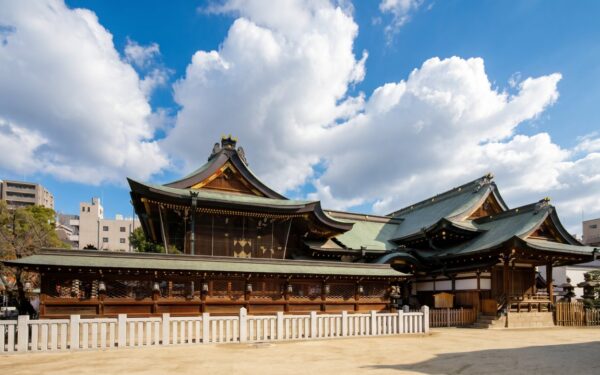
Osaka Museum of Housing and Living
A full-scale recreation of an Edo-period Osaka streetscape, indoors on the ninth floor of a shopping district office block.
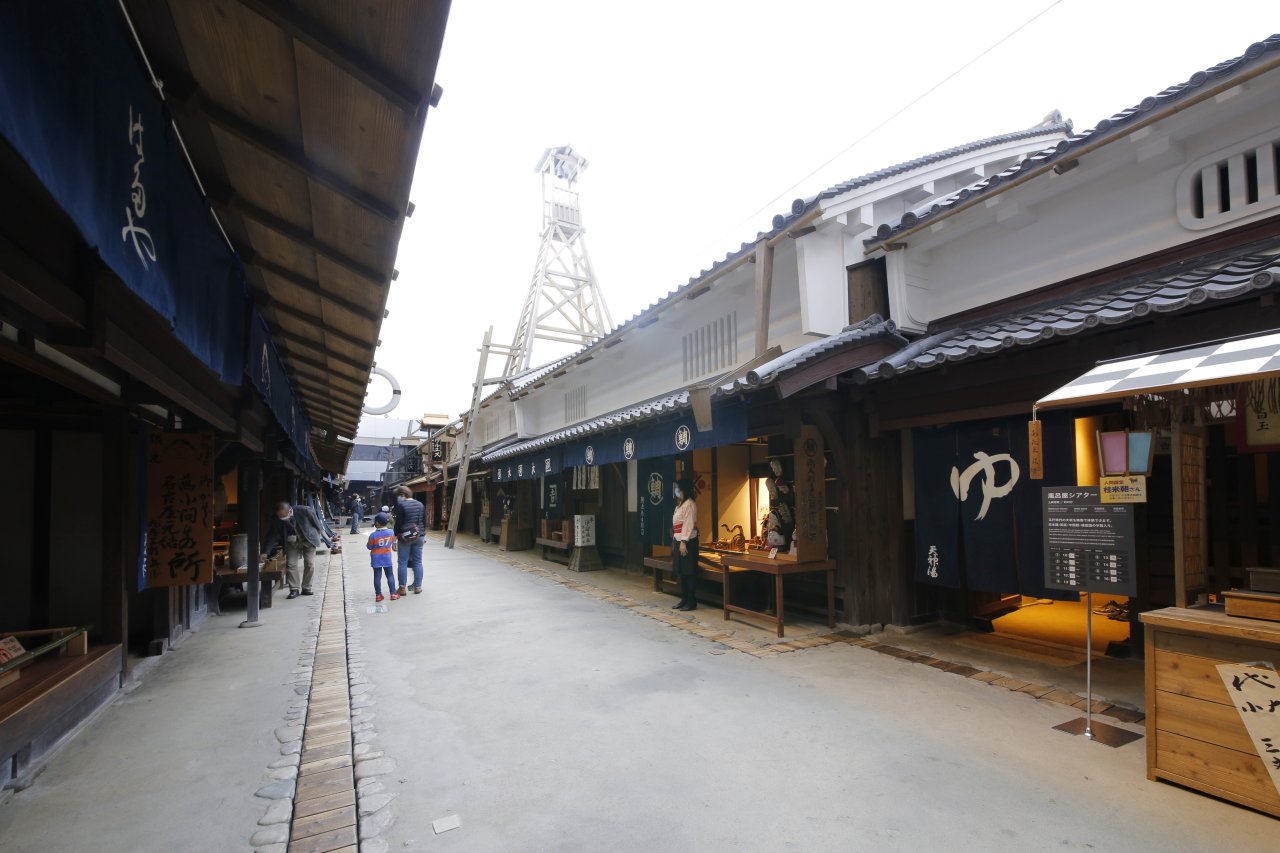









The Osaka Museum of Housing and Living puts you on a full-scale replica of a late-Edo townscape without ever leaving a building.
The ninth floor of the Sumai Joho Center houses an entire block of merchant row houses, a covered alley, and a medicine shop, all reconstructed at 1:1 scale and lit to suggest a lantern-lit evening in 1830s Osaka.
Admission for adults is ¥600, the museum opens at 10:00 and closes at 17:00 (last entry 16:30), and it is closed every Tuesday.
The floor below the town recreation holds the Modern Osaka Panorama, a sharply detailed miniature diorama that traces the city’s residential landscape from the Meiji era through the postwar Showa period.
The two floors together form the argument: here is what daily life looked like before concrete arrived.
The museum opened in 2001 and claims the distinction of being Japan’s first museum dedicated specifically to housing history.
Yukata rental is available at the museum for ¥500 and lets you walk the Edo-period street in period dress.
The rental counter offers only 100 slots per day and closes at 16:15, so if you want it, arrive by mid-morning.
The museum connects directly to Exit 3 of Tenjimbashisuji 6-chome Station on the Osaka Metro Tanimachi Line, Sakaisuji Line, and Hankyu Senri Line, which puts it about 90 seconds from the ticket gates.
Osaka Museum of Housing and Living: Edo Streetscape, Tickets & What to See
The Osaka Museum of Housing and Living (大阪くらしの今昔館, Osaka Kurashi no Konjakukan) does something no outdoor folk village or castle exhibit can quite manage: it puts an entire 1830s merchant street block inside a building, on the ninth floor, and lights it to suggest early evening in the Edo period.
That’s the whole argument for going, and it holds up.
This in-depth guide from Explore Osaka covers admission, the Osaka Amazing Pass, yukata rental, what’s on each floor, and how to get there without a second thought.
TL;DR
Hide- Address: 8F–10F, Sumai Joho Center Building, 6-4-20 Tenjinbashi, Kita Ward, Osaka
- Opening Hours: 10:00–17:00 (last admission 16:30); closed every Tuesday and Dec 29–Jan 3
- Admission: ¥600 adults; ¥300 high school and university students (student ID required); free for junior high and younger, Osaka City residents aged 65+, and disability certificate holders (plus one caregiver)
- Nearest Station: Tenjimbashisuji 6-chome Station (Osaka Metro Tanimachi Line, Sakaisuji Line, Hankyu Senri Line) — Exit 3 connects directly to the building
- Time Needed: 60–90 minutes
- Osaka Amazing Pass: Included (free entry for pass holders)
- Official Website: osaka-angenet.jp/konjyakukan
The Edo Streetscape on the Ninth Floor
Most museum reconstructions keep things small: a single room, a partial facade, a couple of props behind glass.
The Osaka Museum of Housing and Living goes the other way.
The ninth floor holds a 1:1 scale recreation of a late-Edo townscape, covering a full merchant block with row houses (machiya), a covered alley, a medicine shop, a bathhouse exterior, and accessory stalls.
You walk it, not past it.
The lighting is set to suggest early evening around 1830, which sounds like a gimmick but genuinely changes the effect.
The lantern-quality warmth makes the storefronts read as real space rather than a stage set.
You can lean into doorways, look at the household goods arranged inside, and walk the narrow alley at your own pace.
There’s no queue, no timed entry, and no one rushing you through.
It’s the kind of exhibit where the scale does the work that explanatory panels cannot.
Knowing that Edo-period Osaka merchants lived in tightly packed row houses is one thing; standing in the alley between them and noticing how little sky a resident would have seen is another.
The Eighth Floor: Modern Osaka Over a Century
The floor below the townscape handles the city’s residential story from the Meiji era through postwar Showa Japan, using detailed miniature dioramas at a much smaller scale.
The Modern Osaka Panorama traces how the city’s architecture and street life transformed across roughly 80 years, from wooden machiya to concrete apartment blocks.
It’s informative, and the dioramas are well made, but it doesn’t land with the same physical force as the floor above.
Think of it as context for the ninth floor, not a co-equal draw.
If you’re short on time, the eighth floor rewards a brisk 15 minutes rather than dwelling.
The ninth floor is where your 60–90 minutes actually goes.
Yukata Rental: Arrive Early or Skip It
The museum offers yukata (a lightweight summer kimono) rental for ¥500 per person, which lets you dress in period clothing and walk the Edo townscape.
It’s a genuinely good add-on: the combination of the costume and the streetscape produces photos that look nothing like a typical museum visit.
Two practical constraints matter here.
The rental counter runs only 100 slots per day and closes at 16:15.
On weekends and public holidays, those slots go fast.
If yukata rental is part of your plan, arrive by 10:30 at the latest.
Show up at 14:00 hoping for a slot and you’ll likely be disappointed.
Each rental covers a 30-minute walking period through the townscape, which is about the right amount of time before the novelty plateaus.
Admission, the Osaka Amazing Pass, and Tickets
Adult admission to the permanent exhibition is ¥600.
High school and university students pay ¥300 with a valid student ID due to the student discount.
Children in junior high and below enter free, as do Osaka City residents aged 65 and over (with original proof of age and residency) and holders of disability certificates.
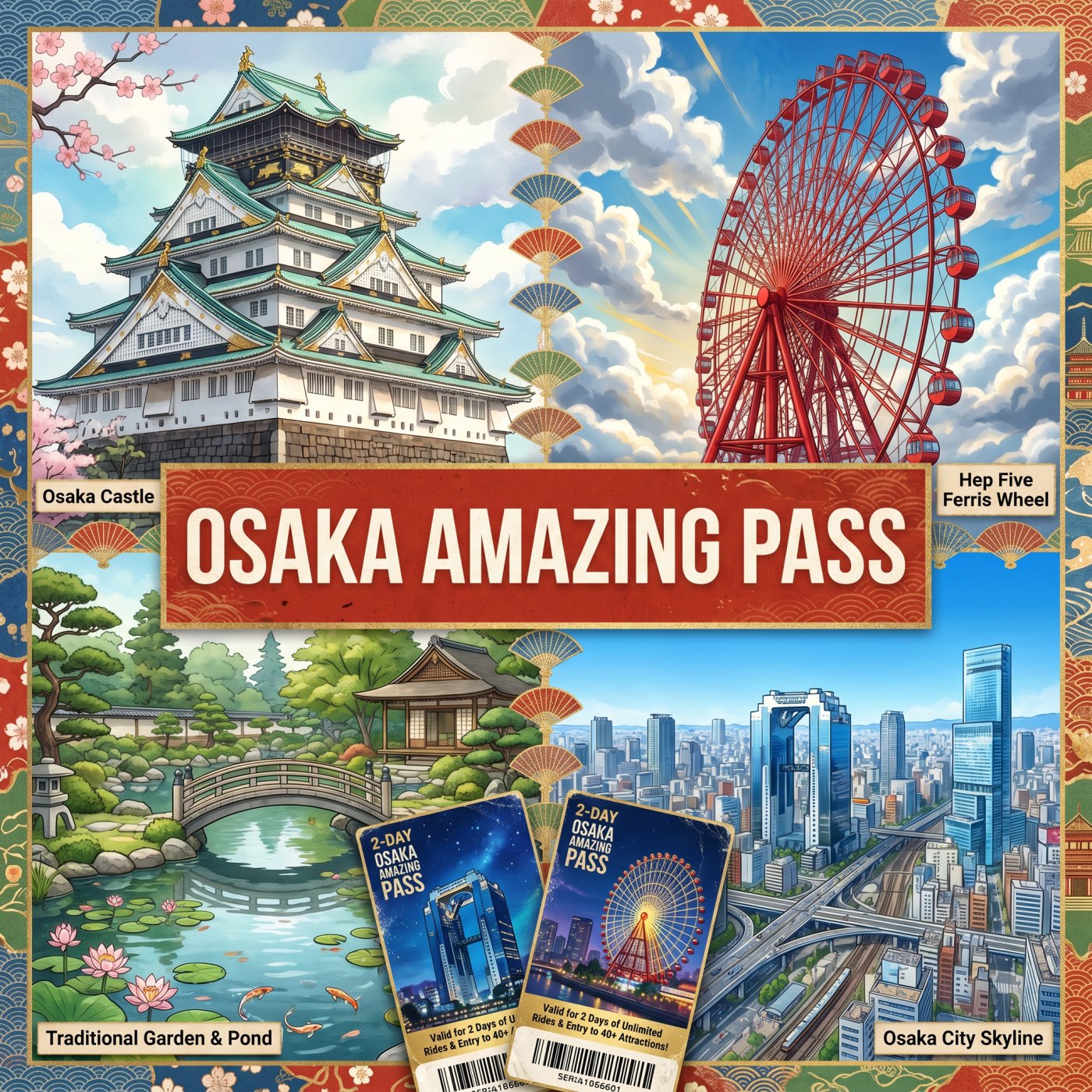
If you’re carrying an Osaka Amazing Pass, entry to the permanent collection is free.
The museum is one of the more satisfying inclusions on the pass because the ¥600 saving is modest but the attraction itself is genuinely worth a stop rather than a box-ticking visit.
For anyone calculating whether the pass earns its cost across a two-day itinerary, pairing this museum with two or three other Kita Ward stops makes the maths easier.
The Osaka Amazing Pass vs ICOCA card comparison on Explore Osaka works through exactly that calculation.
Osaka Amazing Pass — the one pass worth buying
Unlimited subway rides plus free entry to 40+ attractions including Osaka Castle, Umeda Sky Building, and the Dotonbori River Cruise. If you're spending more than a day sightseeing, it pays for itself before lunch.
Who Should Go, and Who Can Probably Skip Visiting Osaka Museum of Housing and Living
The Osaka Museum of Housing and Living works best for visitors with some appetite for urban history and a genuine interest in how the city functioned before the twentieth century rebuilt it.
You don’t need to be a specialist.
You need to be curious.
If you can spend 20 minutes walking a detailed streetscape and find yourself noticing things rather than waiting to leave, this is your kind of place.
It’s a less obvious fit for visitors with very young children under about four or five, mainly because the exhibit rewards slow, quiet observation.
Kids Plaza Osaka, which sits roughly 550 metres south and is purpose-built for children’s interactive learning, is a far stronger choice for that age group.
Older children who are engaged by Japanese history or the aesthetic of the Edo period will find the ninth-floor townscape interesting; the museum offers school program materials and the interactive elements in the eighth-floor section hold attention reasonably well.
Visitors primarily chasing views, nightlife, or big-ticket spectacle should look elsewhere.
The museum asks for attention and gives back detail.
The Umeda Sky Building is about 2 kilometres southwest and offers something structurally opposite: less context, more immediate visual payoff.
Getting to the Osaka Museum of Housing and Living
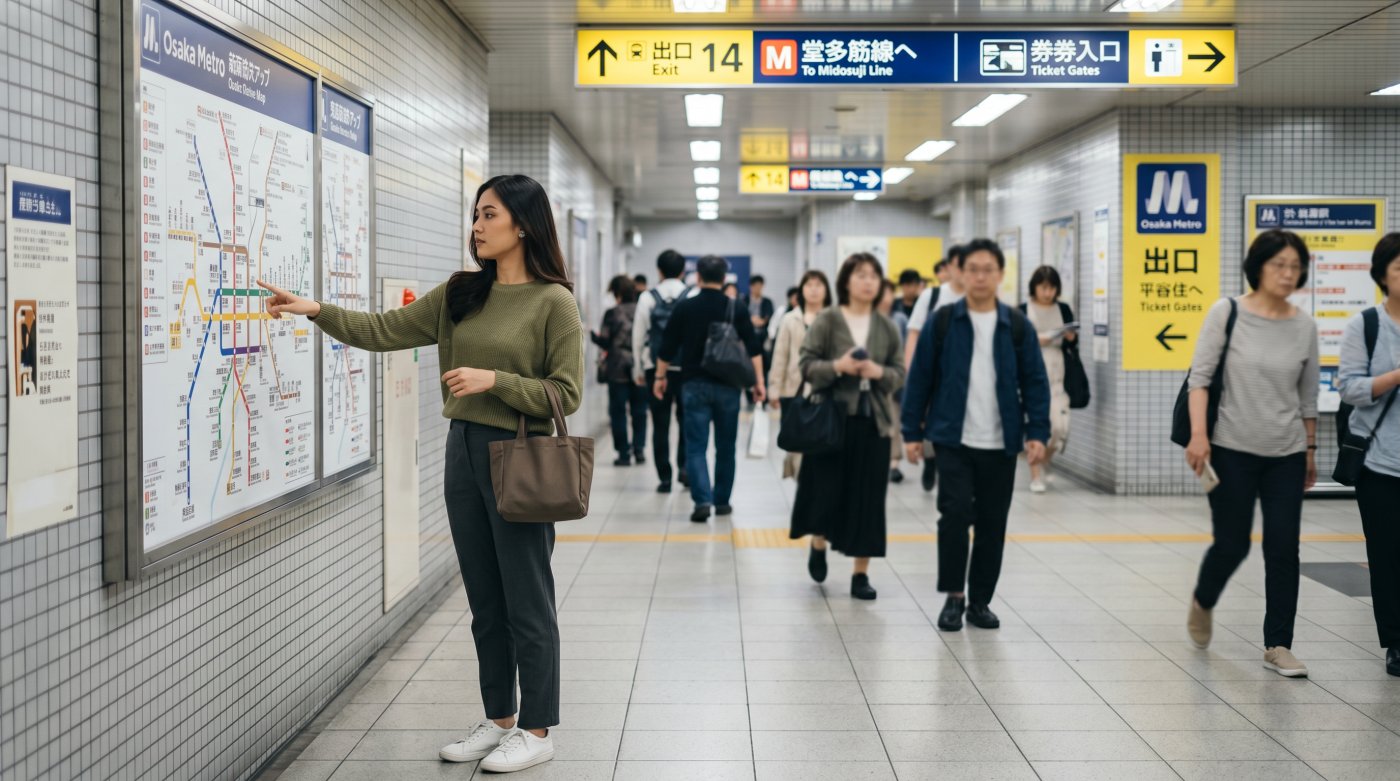
The access situation is genuinely easy.
Tenjimbashisuji 6-chome Station is served by three lines: the Osaka Metro Tanimachi Line, the Osaka Metro Sakaisuji Line, and the Hankyu Senri Line.
Exit 3 from the station connects directly into the ground floor of the Sumai Joho Center building, so you’re inside before you’ve had time to check your phone.
The museum occupies the eighth, ninth, and tenth floors.
From Osaka Station (Umeda area), the Hankyu Senri Line gets you there in about eight minutes.
From Namba, the Sakaisuji Line runs direct; budget around 15 minutes.
JR travellers can use Tenma Station on the Osaka Loop Line, which is 650 metres south of the museum, roughly an eight-minute walk north.
If you’re still working out how to get around the city, the Osaka Metro guide on Explore Osaka covers all the lines, fares, and IC card options in one place.
Essential Osaka Travel Passes
Powered by KlookThe passes worth buying before you land — curated for first-timers.
Osaka Amazing Pass
Unlimited subway + free entry to 40+ attractions. The only pass most visitors actually need.
Osaka e-Pass
Attractions-only digital pass. Pair with a Metro Pass if skipping the Amazing Pass.
Osaka Metro Pass
1 or 2-day unlimited Metro rides. Best standalone transit value if you already have an attractions pass.
JR West Kansai Area Pass (WEST QR)
Unlimited JR trains for 1 to 4 days. Covers Kyoto, Nara, Kobe, and Himeji from Osaka.
JR Haruka Express
KIX to Umeda/Shin-Osaka in ~50 min. Best if staying in Umeda or heading straight to Kyoto.
Nankai Rapi:t Express
KIX to Namba in 34 min, reserved seat. Better if staying in Namba or Shinsaibashi.
The Tenjinbashi Area: What’s Nearby the Osaka Museum of Housing and Living
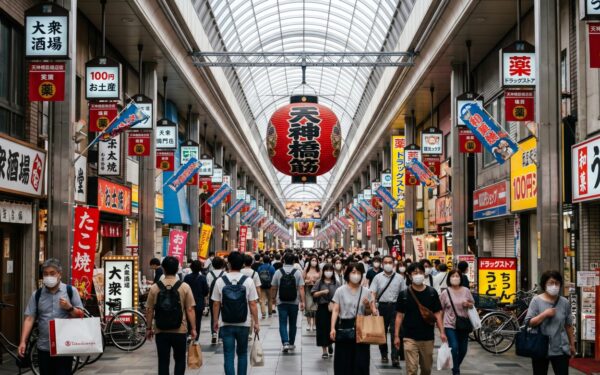
The museum sits at the southern end of Tenjinbashisuji Shopping Street, which at roughly 2.6 kilometres is one of the longest covered shopping arcades in Japan.
It runs south from around the museum toward Tenmabashi and rewards a slow walk, especially for tableware, casual clothing, and local snack shops that haven’t updated their signage since the 1980s.
Budget an extra 45 minutes if you want to walk a meaningful stretch.
Osaka Tenmangu Shrine is about 700 metres south, a few minutes on foot.
It’s one of Osaka’s oldest shrines, dedicated to the scholar deity Tenjin, and the site of the Tenjin Matsuri every July, considered one of Japan’s three great festivals.
Worth 20 minutes even outside festival season.
Kids Plaza Osaka is a short walk south and makes sense as a combined stop if you’re travelling with children old enough for the museum but young enough to want something interactive afterwards.
For the broader northern Osaka context, the Umeda Sky Building is reachable in under 25 minutes on foot or a single-stop metro ride, and its rooftop Floating Garden Observatory is a reasonable counterpart to a morning at the housing museum: one about how Osaka lived in the past, the other about how it looks now.
One Practical Note on Timing Before Visiting Osaka Museum of Housing and Living
The museum closes every Tuesday, which catches visitors out more often than you’d expect.
It also closes for the New Year period from December 29 through January 3.
Last admission is 16:30, not 17:00, so a 16:15 arrival will get you in but won’t leave much time for either floor.
Aim for a morning visit, particularly if you want the yukata rental and a proper look at both the eighth and ninth floors without feeling rushed.
The museum works well as an opening stop on a longer Kita Ward day.
Spend the morning here, walk Tenjinbashisuji for lunch, and continue south toward Tenmabashi or Osaka Castle in the afternoon.
If you’re building that kind of day out, the two-day Osaka itinerary on Explore Osaka includes several Kita Ward stops and works as a planning scaffold.
What's Available
Frequently Asked Questions (FAQs)
The Osaka Museum of Housing and Living is worth the ¥600 admission if you have any interest in how the city actually looked and functioned before the twentieth century rebuilt it.
The ninth-floor full-scale Edo townscape is the main draw and genuinely delivers on the premise.
Visitors who hold an Osaka Amazing Pass enter for free, which makes the decision easier still.
Budget 60 to 90 minutes.
The Osaka Museum of Housing and Living offers yukata rental for ¥500, available on-site at the rental counter on the museum floor.
Only 100 rental slots are available per day and the counter closes at 16:15, so visitors who want to dress in period clothing should arrive by mid-morning.
Rental covers a 30-minute walking period through the Edo-era townscape recreation.
The Osaka Museum of Housing and Living connects directly to Exit 3 of Tenjimbashisuji 6-chome Station, served by the Osaka Metro Tanimachi Line, Sakaisuji Line, and Hankyu Senri Line.
Exit 3 brings you out at the base of the Sumai Joho Center building; the museum occupies the eighth floor.
Visitors arriving via JR can use Tenma Station on the Osaka Loop Line, a 7-minute walk north.
Editor's Review
The Osaka Museum of Housing and Living earns its admission fee, but only for visitors who come curious about urban history rather than expecting spectacle.
The full-scale Edo townscape on the ninth floor is genuinely striking: the scale, the dim lantern-style lighting, and the physical detail of the merchant storefronts all hold up far better than typical museum dioramas.
Walking the alley, even briefly, produces a concrete sense of how tightly people lived in 1830s Osaka.
The limitations are real.
The modern-Osaka floor below the townscape is noticeably less compelling, heavier on explanatory panels and lighter on physical immersion.
Audio guides exist in English but the translated signage around the townscape itself does most of the necessary work.
Budget roughly 60 to 90 minutes.
Arrive before 11:00 if you want yukata rental without queuing, and if you hold an Osaka Amazing Pass, the ¥600 entry is already covered.
Related Attractions
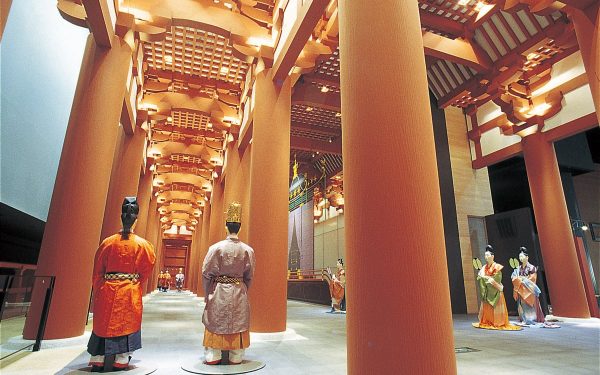
Osaka Museum of History
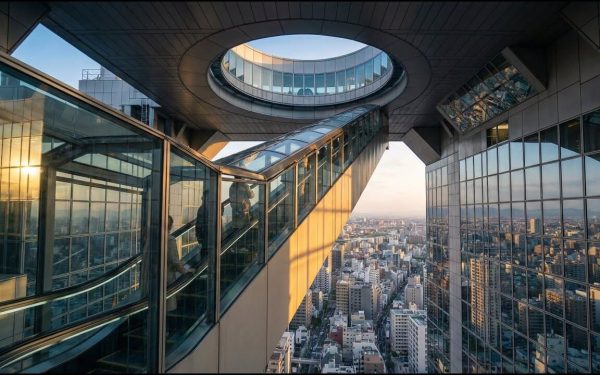
Umeda Sky Building
LUCUA SOUTH
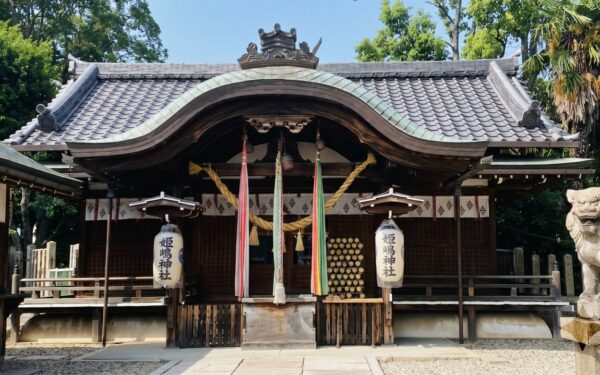
Himejima Shrine
Osaka Castle
HEP FIVE Ferris Wheel
Kema Sakuranomiya Park
Tenjinbashisuji Shopping Street