Akasaka Ryokan





Overview
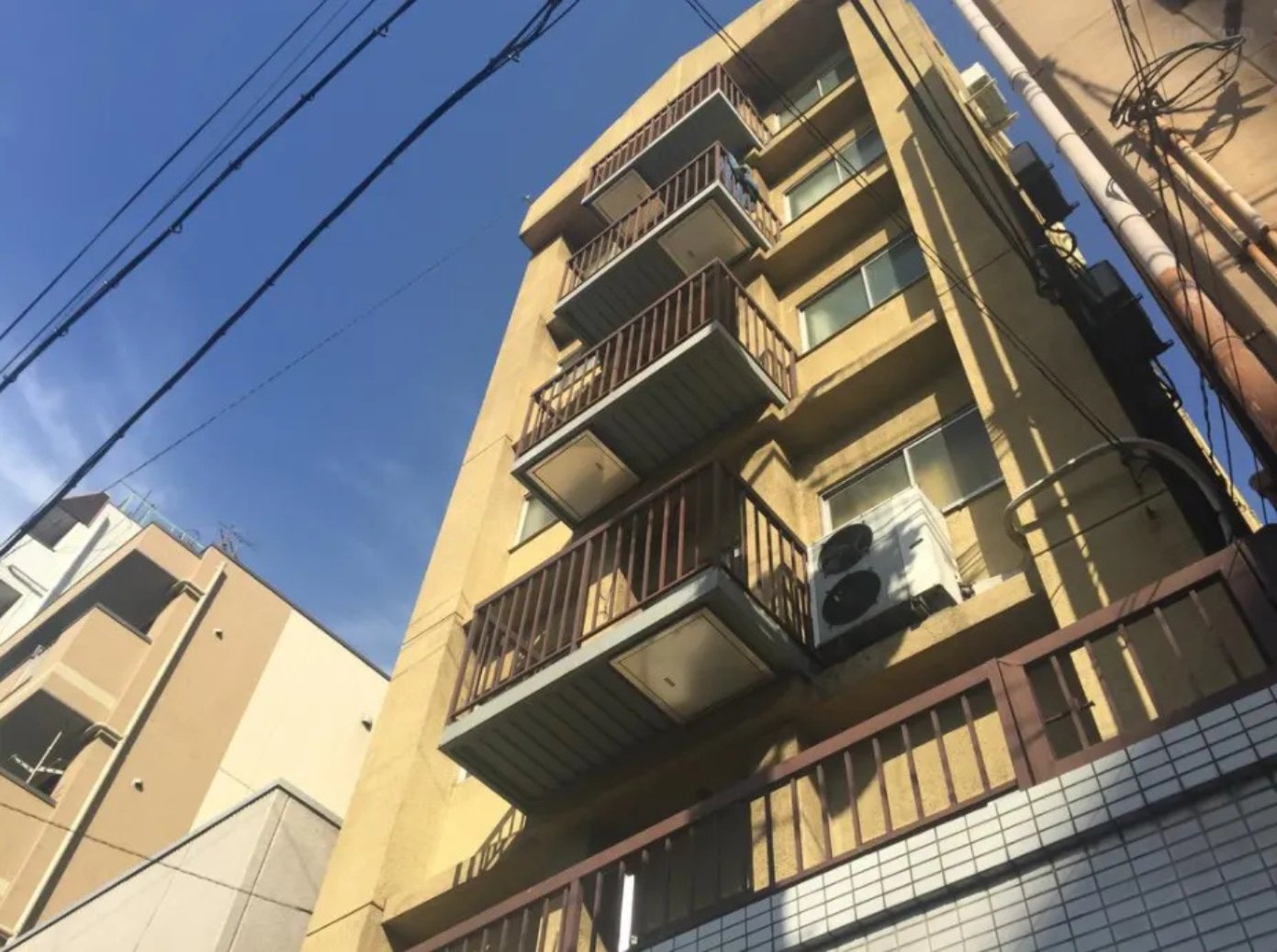
Akasaka Ryokan drops you into one of Osaka’s most unfiltered neighborhoods — the kind of place where the city still feels like a city rather than a theme park for tourists.
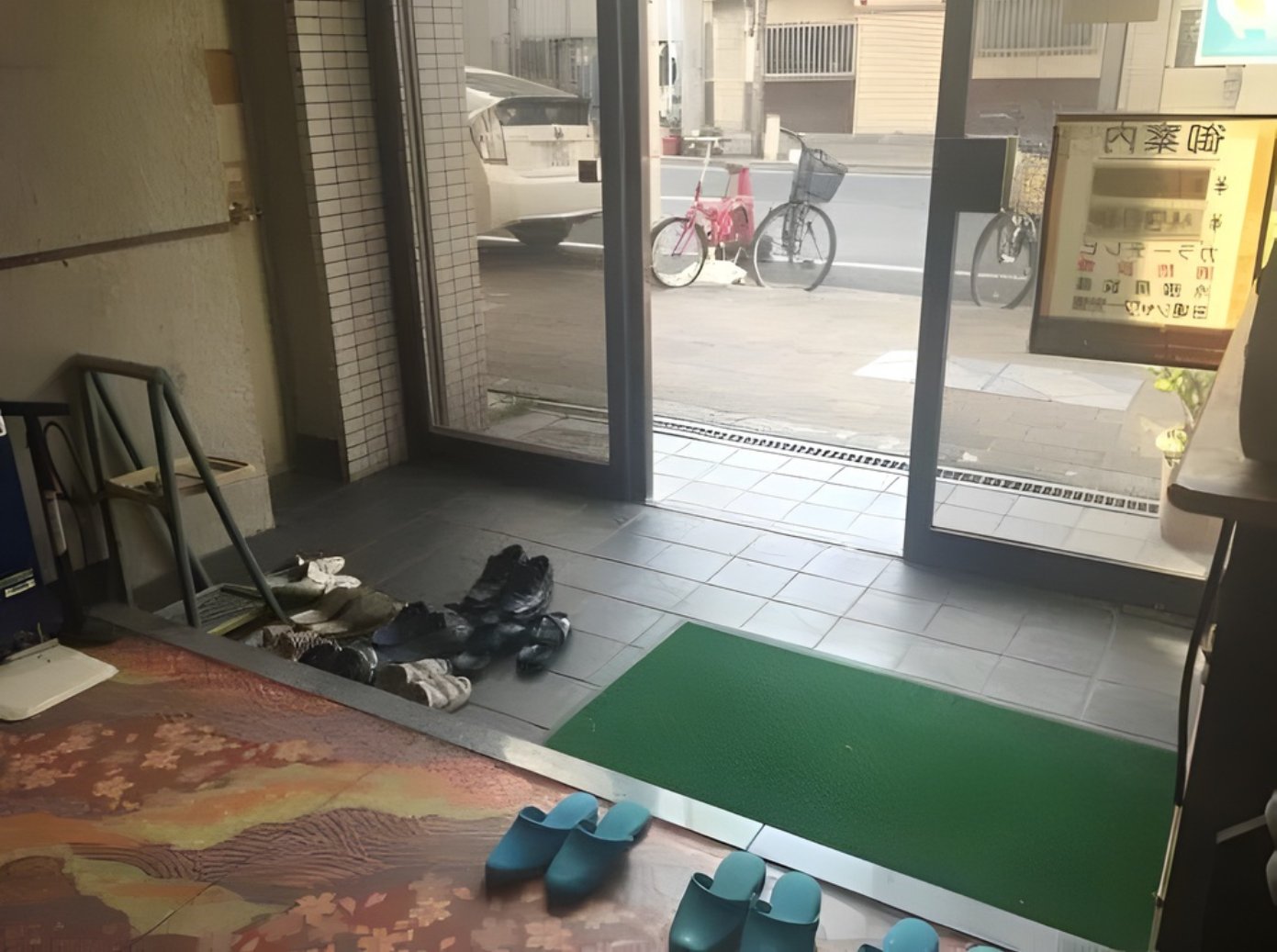
Set in Nishinari Ward’s Haginochaya district, this budget Japanese guesthouse puts traditional tatami rooms and futon bedding within two minutes of Haginochaya Station on the Nankai Main Line, which connects you to Namba in under ten minutes by train.
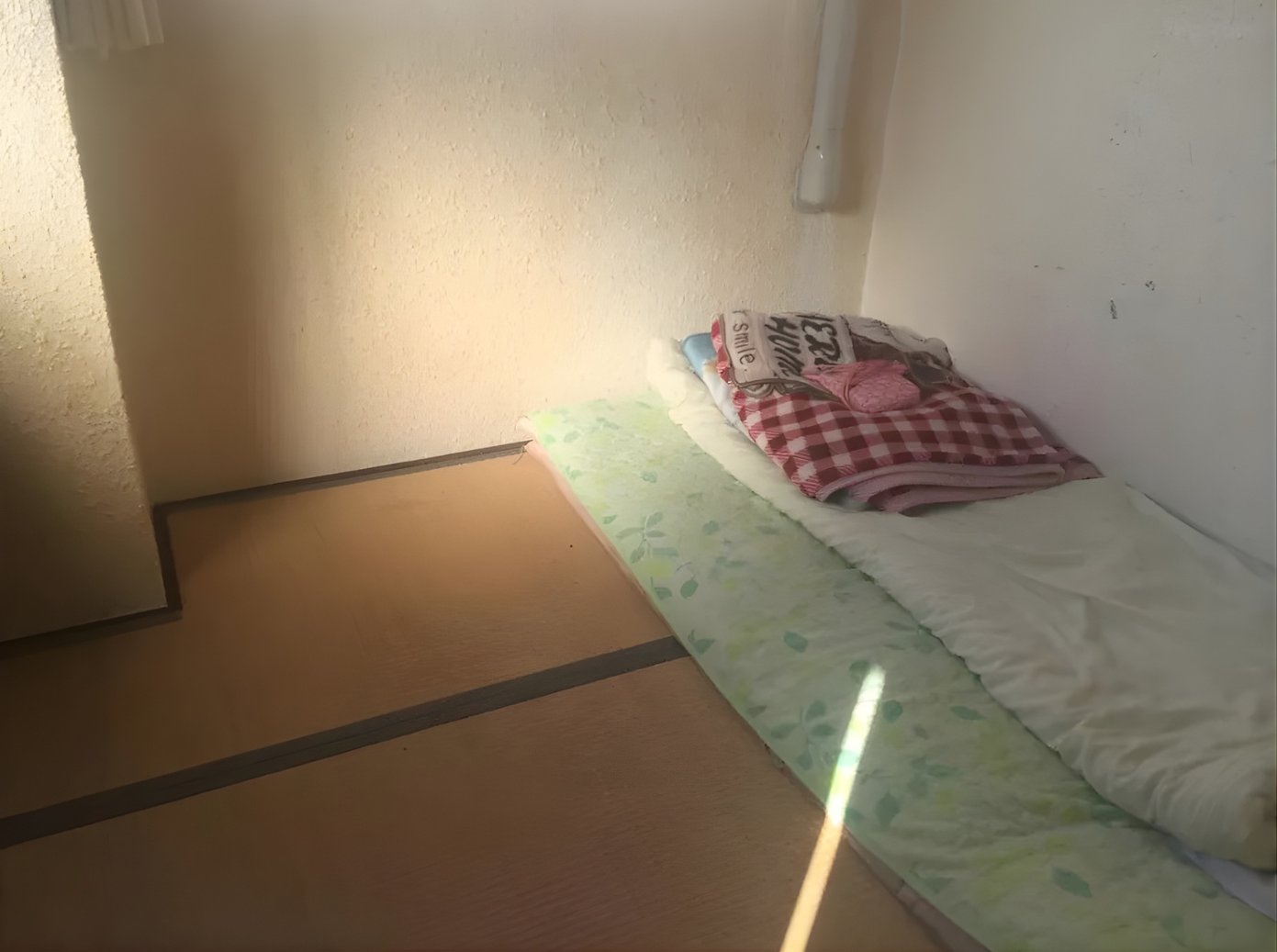
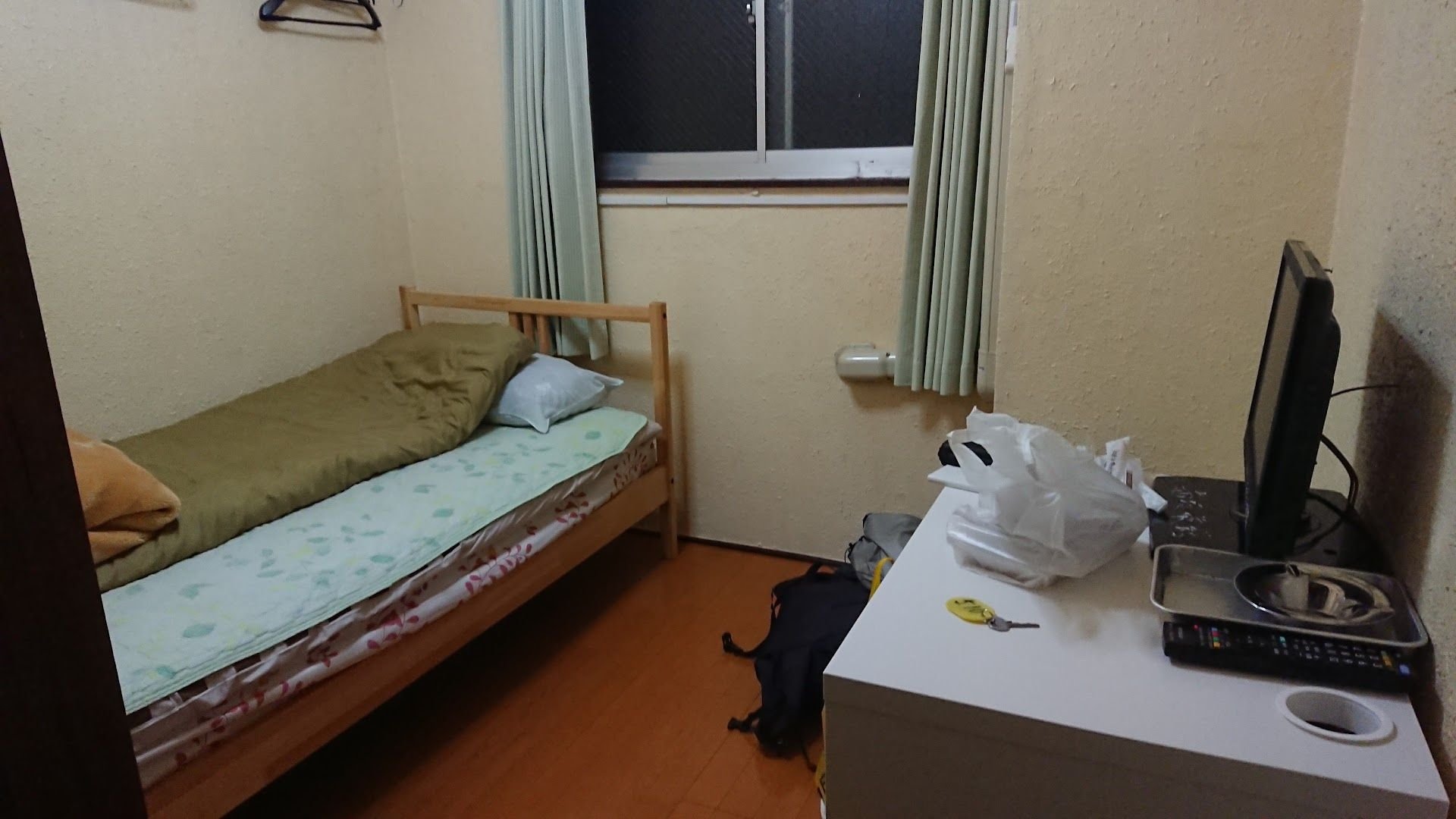
Rooms follow the classic ryokan blueprint: low-slung tatami floors, sliding shoji screens, and the slow, intentional ritual of rolling out your futon each night.
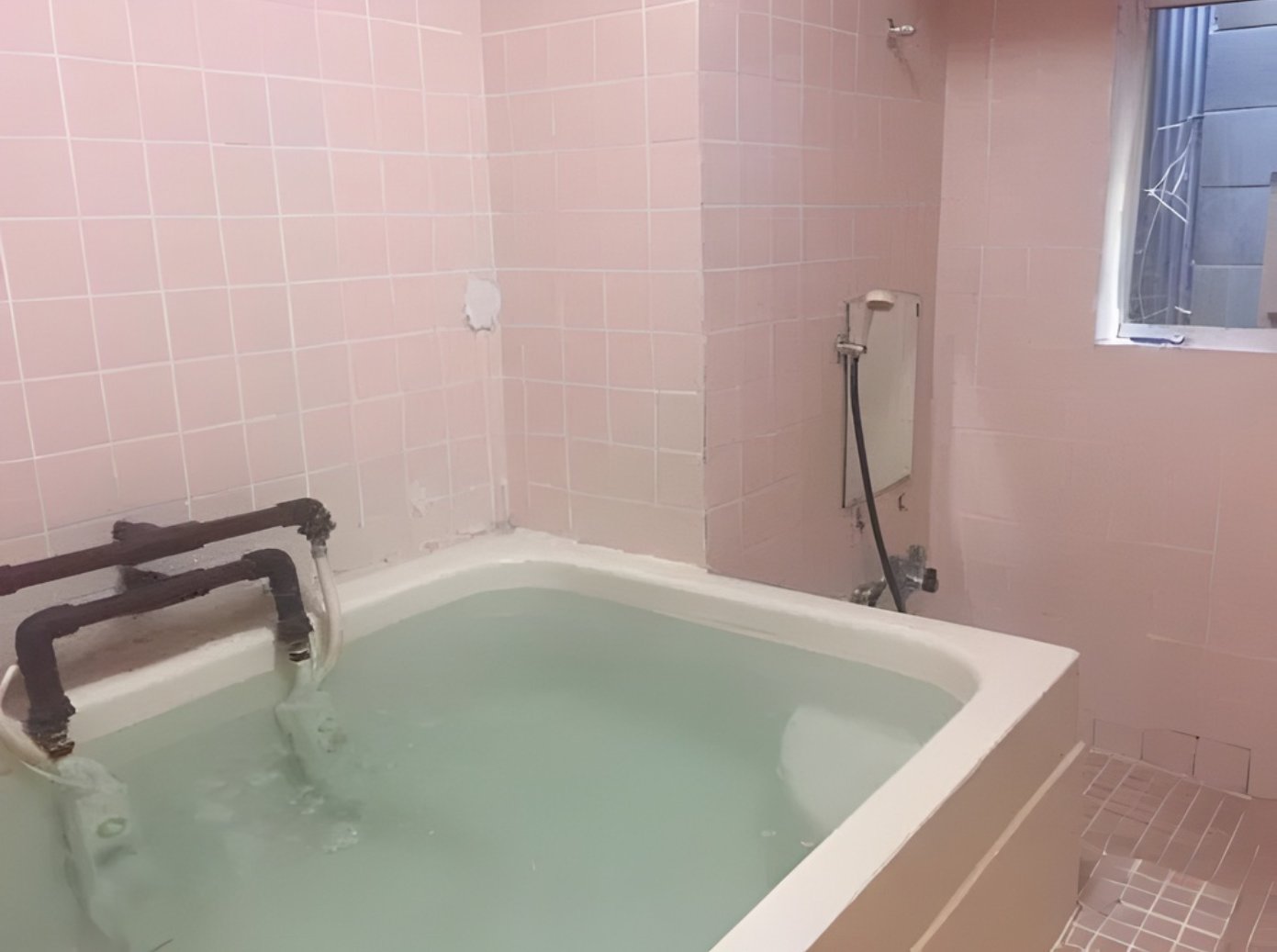
Shared bathrooms and a communal kitchen keep costs dramatically low and naturally attract the kind of guests who actually talk to each other.Shinsekai, Osaka’s famously retro district anchored by the Tsutenkaku Tower, is an 800-metre walk east, close enough for yakitori and kushikatsu runs at almost any hour.
Tennoji Zoo and the elegant Keitakuen Garden sit under two kilometres away, giving this an underrated edge for cultural day trips that most tourists skip entirely.
The Nishinari area has a well-documented reputation for being rough around the edges, and that reputation is not entirely unearned.
But for budget travelers who arrive with clear expectations, Akasaka Ryokan delivers a genuinely local experience at a price point that makes the rest of your Osaka spending money feel almost luxurious.
Amenities


Things/Places Nearby
Seasons & Pricing
Top Tips for Booking
- Book at least two weeks ahead during cherry blossom season (late March to early April) — budget accommodation in this area sells out fast and prices climb noticeably.
- Walk east to Shinsekai for dinner rather than heading straight to Namba — kushikatsu at under ¥1,000 per skewer is a legitimate highlight 800 metres from the front door.
- Pack a compact bag — tatami rooms have minimal storage, no wardrobe, and a large suitcase will dominate the floor plan.
- If the Nishinari streets feel intense on arrival, give it a day — the neighbourhood normalises quickly and is considerably safer than its long-standing reputation suggests.
Our Notes & Verdicts
Akasaka Ryokan is built for budget solo travelers and backpackers who want a real tatami-and-futon experience without paying Kyoto ryokan prices.
The two-minute walk to Haginochaya Station puts the entire Nankai Main Line at your feet, with Namba roughly nine minutes south by train.
The price-to-experience ratio is the genuine standout — traditional tatami rooms and ryokan atmosphere at hostel-level nightly rates is a combination you simply won’t find in Shinsaibashi.
The communal kitchen compounds the savings across a multi-night stay.That said, Nishinari Ward is not for everyone.
The streets near Shin-Imamiya are visibly rough, with a concentration of day laborers and older residents that first-time Japan visitors may find disorienting.
Go in with honest expectations and it works; go in expecting a curated neighborhood and it won’t.
Frequently Asked Questions
Check-in starts at 3:00 PM and check-out is by 10:00 AM.
The ryokan is a small, owner-operated property, so arriving significantly outside these windows without prior notice is a real inconvenience for the staff.
If your flight lands early, drop your bags at a coin locker at Namba Station and explore the city first.
No. The current structure dates from 1931 and is a ferroconcrete reconstruction, not the original Toyotomi-era castle.
The original was destroyed during Japan’s feudal conflicts.
The reconstruction is historically detailed and houses a genuine museum, but it is not a surviving historic structure in the way that, for example, Himeji Castle is.
If original castle architecture matters to you, the day trip to Himeji from Osaka is worth adding to your itinerary.
Walk two minutes to Haginochaya Station and take the Nankai Main Line north to Namba Station, a nine-minute ride.
From Namba, Dotonbori’s famous neon canal is a five-minute walk northwest.
The entire journey from ryokan door to Dotonbori takes under twenty minutes, which makes this location more practical for sightseeing than its distance on a map might suggest.
Rooms are traditional Japanese-style tatami with futon bedding rather than Western beds — you roll the futon out each night and store it in the closet during the day, which is part of the experience.
Upper-floor rooms tend to be quieter and catch more natural light, so if you’re a light sleeper, it’s worth requesting one when you book.
Shared bathrooms are the norm here, so pack a small towel caddy if that matters to you.
The ryokan itself is safe and well-managed — the concern is the surrounding Nishinari neighborhood, which has a rougher street atmosphere than central Osaka. It’s not dangerous for attentive tourists, but it’s a long way from the sanitised vibe of Shinsaibashi.
For the price, which undercuts most Osaka hostels while delivering a genuine tatami experience, it genuinely is worth it — provided you’re the kind of traveler who can walk through a gritty neighborhood without it ruining your day.
Prices, availability, and amenities are subject to change. Please verify all details directly with the accommodation before booking.