Miracle World Osaka
Osaka's first permanent indoor digital art facility, built underground beneath Namba Oriental Hotel.









Ticket price is the first decision to make at Miracle World: adult admission runs ¥2,800 on quieter weekdays and rises to ¥3,400 on peak days, with children aged 4–12 paying a flat ¥1,000 and under-3s getting in free.
Prices are dynamic and change by date, so buying direct from the official site at miracle-world.co.jp gives you both the current rate and the timed entry slot you will need to hold your place.
Miracle World opened on 5 December 2025 in the basement of Namba Oriental Hotel, at 2-8-17 Sennichimae, Chuo Ward.
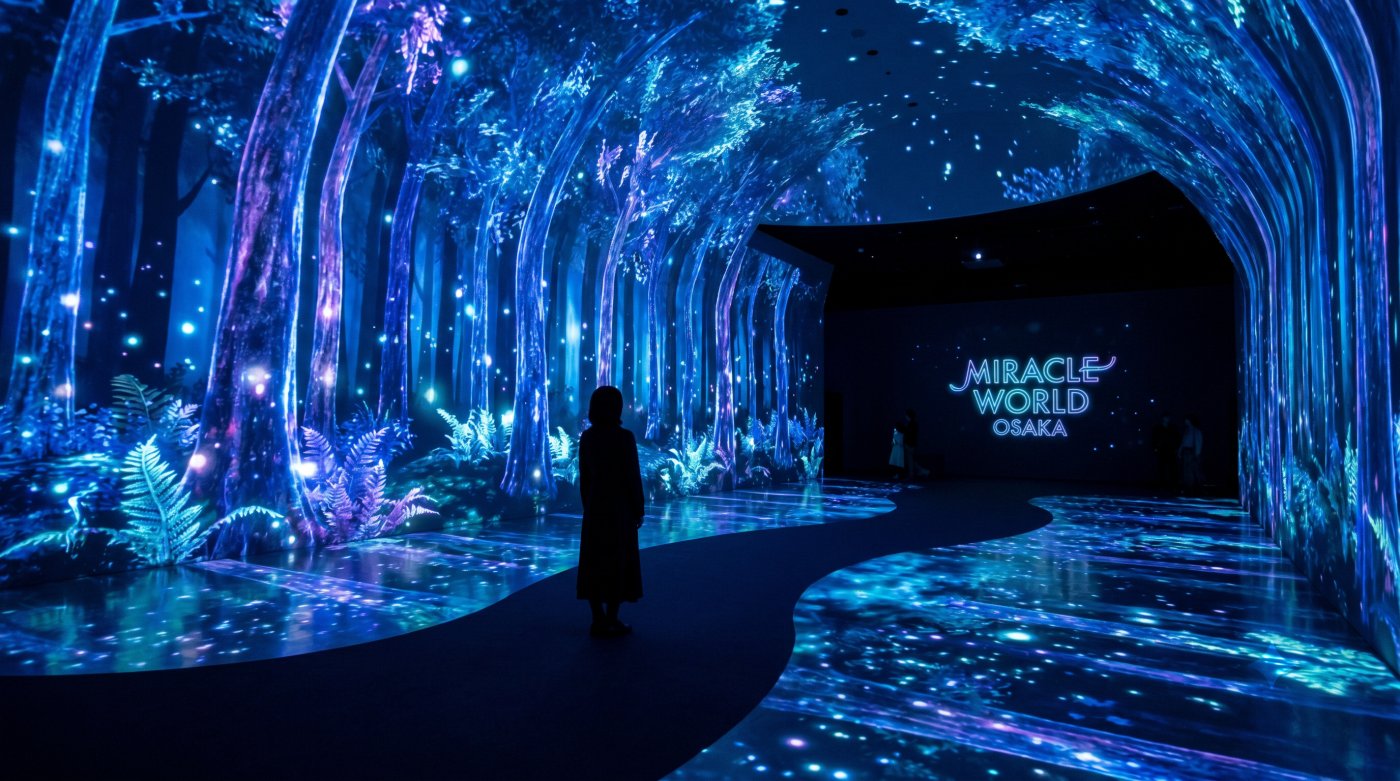
The facility runs across a single underground floor, where 360-degree LED installations respond to movement and combine projected visuals, spatial audio, haptic surfaces, and released scents simultaneously.
Most visitors spend 45 minutes to an hour inside, and there is no time limit after entry, so you can move at your own pace.
On Fridays, Saturdays, and the eve of public holidays, the facility stays open until 25:00 (1:00 AM), which makes it one of the few Namba attractions genuinely suited to a late-night visit after dinner.
Re-entry is not allowed once you leave, so plan accordingly.
Flash photography, tripods, and selfie sticks are banned inside; standard smartphone shooting is fine.
Miracle World Osaka: Tickets, Hours, and What to Expect
Miracle World Osaka opened in December 2025 as the city’s first permanent indoor digital art facility, and the location alone makes it stand out: it sits entirely underground, in the basement of the Namba Oriental Hotel, with no natural light interrupting the installations at any point.
In this Explore Osaka guide, you’ll find current prices, honest assessments of what’s worth your time, and everything you need to plan a visit without surprises.
Quick Facts
Hide- Address: 2-8-17 Sennichimae, Chuo Ward, Osaka (B1F, Namba Oriental Hotel)
- Admission (adult): ¥2,800 weekdays / ¥3,400 peak days; children (4–12) ¥1,000; under 3 free
- Hours: Sun–Thu 09:00–23:00 (last entry 22:00); Fri–Sat 09:00–25:00 (last entry 24:00)
- Nearest station: Namba Station (Osaka Metro Midosuji Line M20, Sennichimae Line S16, Yotsubashi Line Y15), 4–5 min walk
- Time needed: 45–60 minutes
- Official website: miracle-world.co.jp
- Osaka Amazing Pass: Not included
What Miracle World Actually Is
Most digital art venues in Japan lean on flat-screen panels and floor projections.
Miracle World runs differently: the LED environment wraps around every surface in 360 degrees and the installations respond to your movement in real time.
Add spatial audio, haptic surfaces, and periodically released scents, and the combined effect is a noticeably full-sensory experience rather than a gallery walk.
The venue occupies a single underground floor beneath Namba Oriental Hotel, an address that eliminates external light entirely.
That matters more than it sounds; the enclosed basement makes the visual contrast sharper than it would be in a street-level or windowed space.
The facility opened on 5 December 2025 and bills itself in Japanese as ミラクルワールド, operating year-round without any fixed closure day.
Is It Worth the Ticket Price?
The honest answer depends on your expectations and your timing.
At ¥2,800 on a quiet Tuesday morning, with the space largely to yourself, the experience delivers what it promises: an immersive environment that feels different from anything else in Namba.
At ¥3,400 on a Saturday afternoon with a crowd moving through the same installation zones, the case is harder to make.
The main limitation is duration.
Most visitors spend 45 to 60 minutes inside, and there is no re-entry once you leave, so you’re not coming back for a second pass if you rush through.
For travellers on a tight schedule or a strict budget, the real cost of an Osaka trip is worth checking before you commit; Miracle World sits at the upper end of what single-session Namba attractions charge.
That said, there are two scenarios where it earns its price clearly.
If you have a child between 4 and 12, the flat ¥1,000 child ticket is reasonable for the reaction you’ll get.
And if you’re visiting Namba late on a Friday or Saturday, the facility’s 25:00 closing time (1:00 AM) makes it one of the few things in the area you can do after a long dinner without feeling like you’re killing time.
Miracle World Osaka Tickets and Timed Entry
Miracle World Osaka uses timed entry slots, and advance booking is the safest approach.
Walk-ins are possible via the on-site ticket machine, but if your preferred time is sold out, you’re out of luck without a backup plan.
Where to Book
Tickets are available directly at miracle-world.co.jp, where prices are listed by date so you can see the exact rate before committing.
Third-party platforms including Klook and GetYourGuide also carry the tickets; pricing through those channels is generally comparable, though promotional discounts appear occasionally.
Guests with a disability certificate receive a 50% discount, and one accompanying person qualifies for the same rate.
Children under 3 enter free with no ticket required.
A Note on Dynamic Pricing
The venue uses demand-based pricing, which means a Saturday slot costs ¥600 more than a Wednesday one for the same experience.
The weekday morning window, typically 09:00–11:00, gives you the lowest price and the smallest crowds simultaneously.
If your schedule has flexibility, Tuesday through Thursday is the obvious choice.
What to Expect Inside Miracle World Osaka
The entire facility is on one underground floor, so there are no lifts between levels and no decision to make about which area to visit first.
You move through a sequence of interconnected installation zones, each built around a different combination of visual theme, audio environment, and sensory trigger.
Smartphones are welcome and standard tripods, monopods, and selfie sticks are not permitted.
Flash photography is banned, but that’s not a loss; the LED installations photograph well without flash and the automatic camera settings on most modern phones handle the low ambient light without difficulty.
Re-entry is not allowed, so if you’re planning to photograph specific zones, keep that in mind and don’t rush past them.
The space is wheelchair accessible with advance notice to the venue, and there is a stroller parking area on-site for families.
The experience is delivered in Japanese, English, Chinese, and Korean, with multilingual signage throughout.
Getting There From Namba
Miracle World sits a 4–5 minute walk from Namba Station, which connects to the Osaka Metro Midosuji Line (M20), Sennichimae Line (S16), and Yotsubashi Line (Y15).
From Osaka Namba Station on the Hanshin and Kintetsu lines, add about a minute to that walk.
The venue is at 2-8-17 Sennichimae, in the basement of the Namba Oriental Hotel.
If you’re navigating on foot, the hotel entrance on Sennichimae-dori is the reliable landmark; the facility entrance is signed from the hotel lobby down to B1F.
There is no dedicated parking.
Most visitors arrive by Metro, and Namba Station’s volume of exits means it’s worth confirming which exit you need in the Google Maps directions before you leave the platform.
Miracle World Osaka Nearby Places: What’s Nearby
The Namba area around Miracle World is dense with things to do within a 5–10 minute walk, so it pairs naturally with a longer evening or a half-day in the neighbourhood.
Hozenji Yokocho
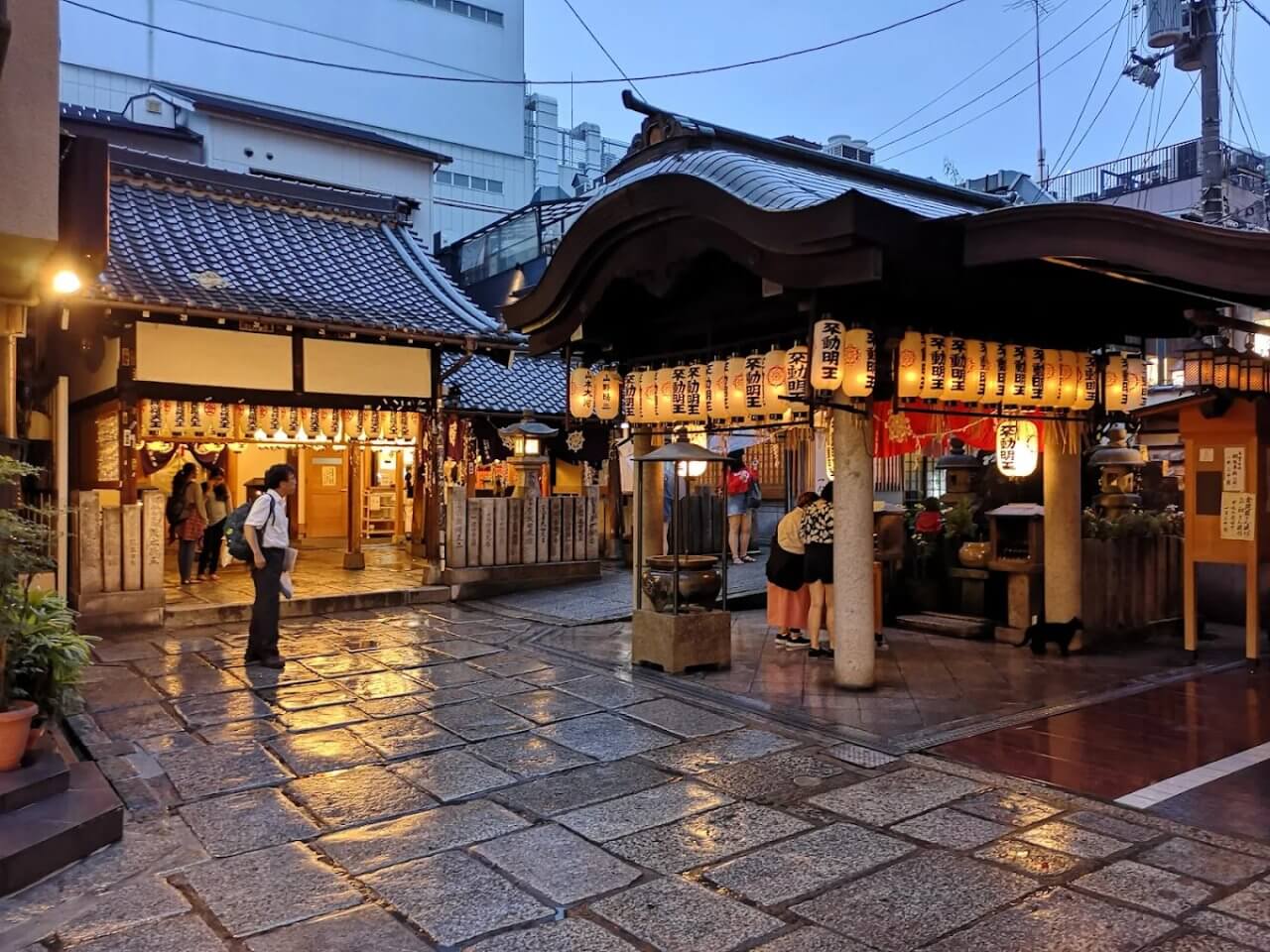
Hozenji Temple and Hozenji Yokocho, the narrow stone-paved alley behind Dotonbori, is about 6 minutes on foot.
The temple itself takes 10 minutes to see and the lane is one of the few parts of Namba that hasn’t changed much since the 1950s.
Namba Yasaka Shrine
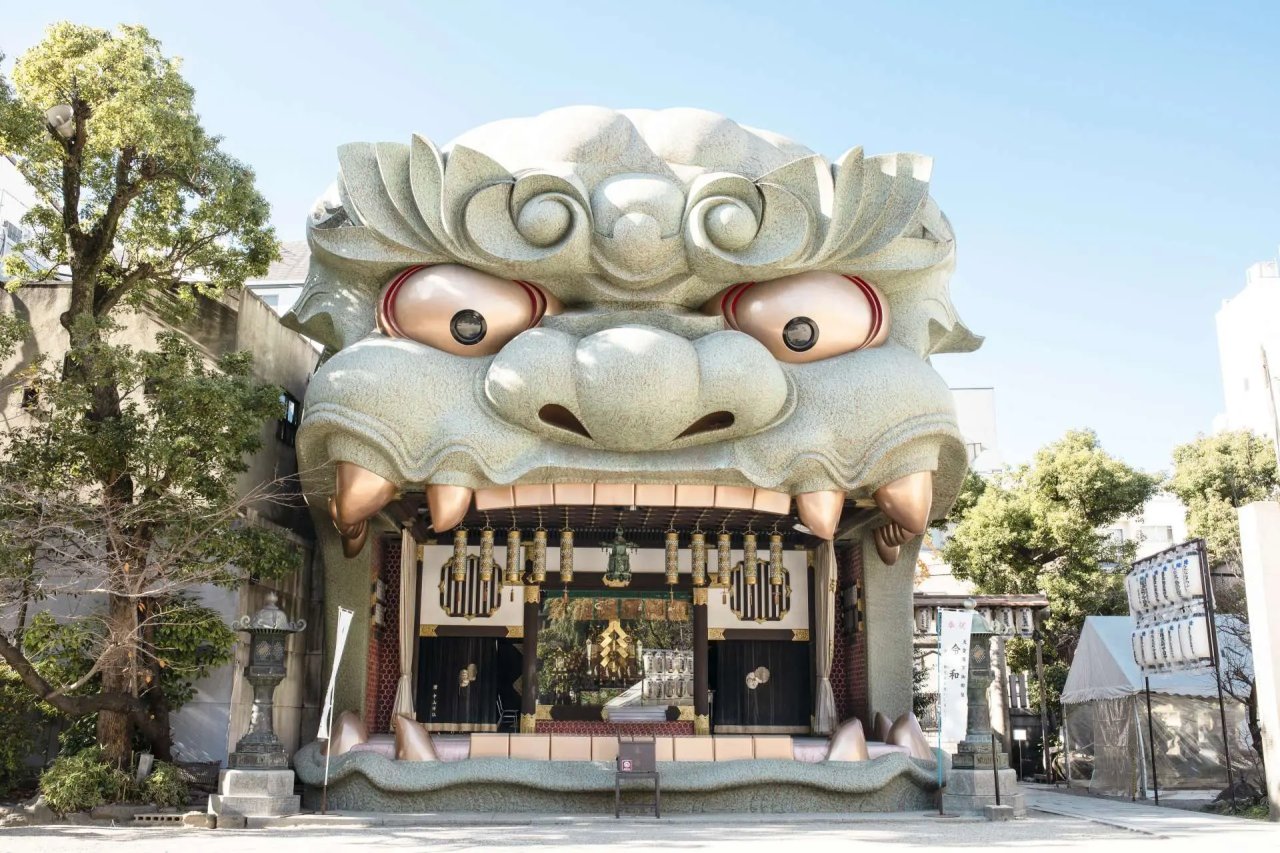
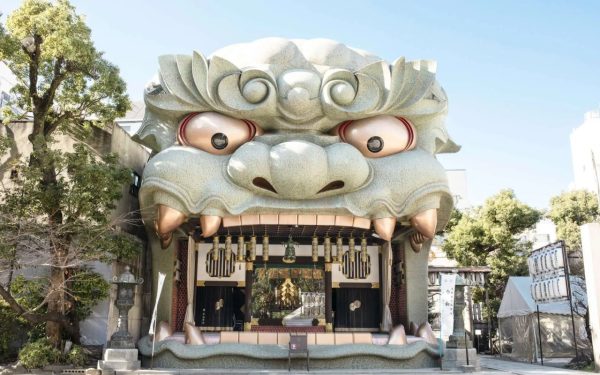
Namba Yasaka Shrine, with its oversized lion-head stage structure that photographers have been pointing cameras at for decades, is 8 minutes away and free to enter.
Shinsaibashi-suji Shopping Arcade
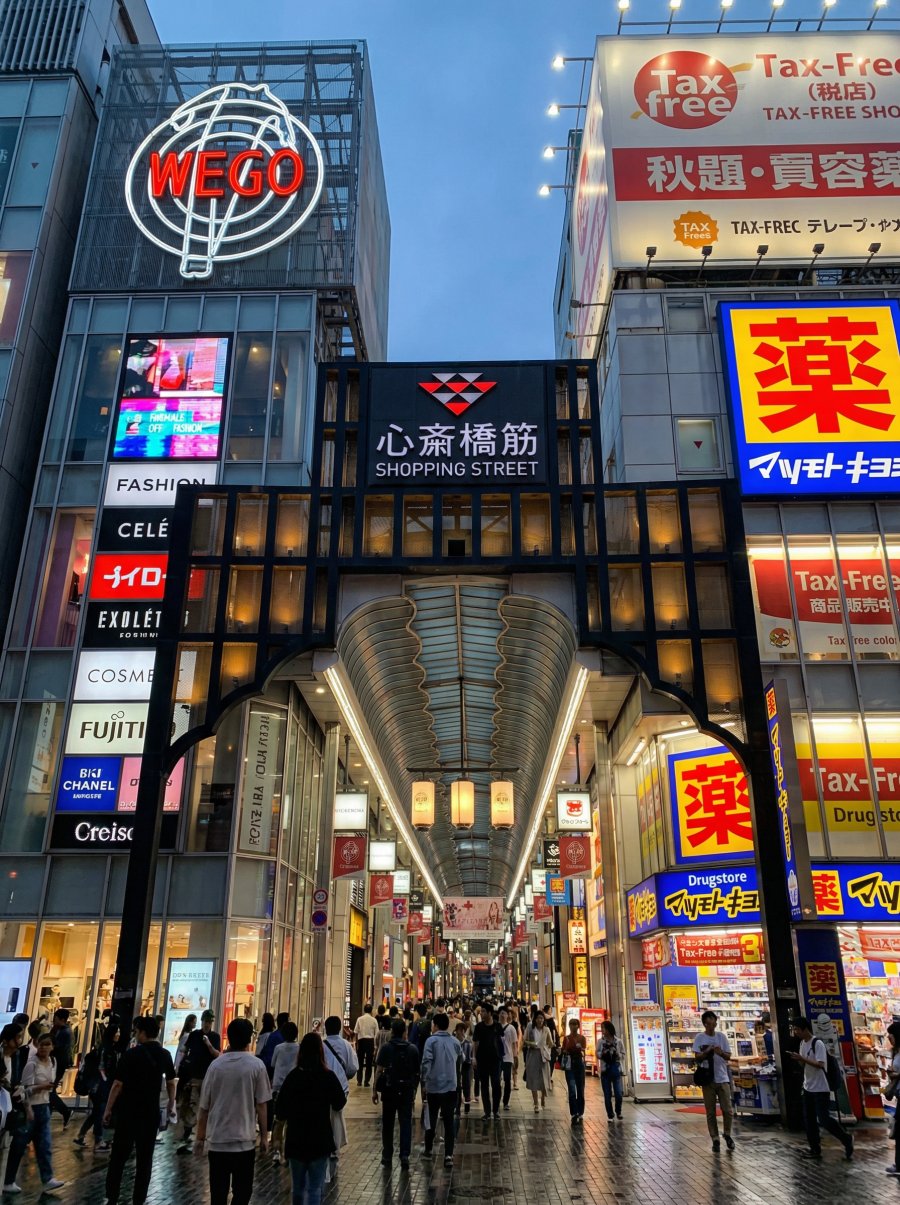
If you’re using Namba as a base to explore the wider city, the Shinsaibashi-suji Shopping Arcade begins at the northern end of the Dotonbori strip and runs north for several hundred metres, covering everything from 100-yen shops to international streetwear.
teamLab Botanical Garden Osaka
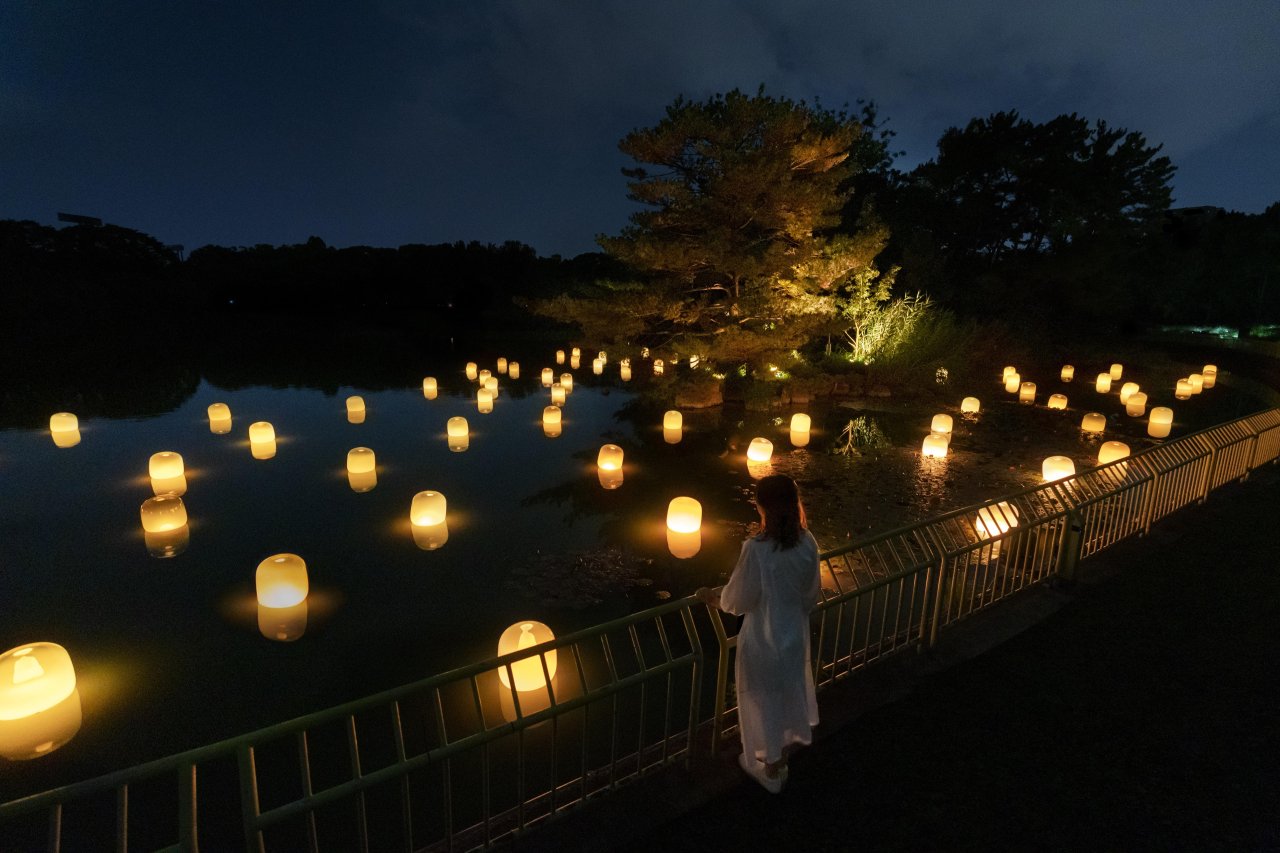
For another digital art experience to compare it against, teamLab Botanical Garden Osaka operates at a different scale entirely, outdoors and after dark, and requires more advance planning.
One Practical Thing Before You Go
Miracle World is not covered by the Osaka Amazing Pass.
If you’re building a multi-day pass strategy, it’s worth reading whether the Amazing Pass is worth it before purchasing, since Miracle World needs to be budgeted separately regardless of what pass you hold.
Osaka Amazing Pass — the one pass worth buying
Unlimited subway rides plus free entry to 40+ attractions including Osaka Castle, Umeda Sky Building, and the Dotonbori River Cruise. If you're spending more than a day sightseeing, it pays for itself before lunch.
If Miracle World fits into a broader Namba evening, the two-day Osaka itinerary on Explore Osaka maps out a sequence that slots the digital art visit after dinner in Dotonbori, keeps the morning for more daylight-dependent sights, and still leaves time for Kuromon Ichiba Market before you check out.
What's Available
Frequently Asked Questions (FAQs)
Miracle World Osaka uses timed entry slots, and advance booking is strongly recommended. Walk-ins may be turned away if the selected time is sold out. Tickets are available on the official site at miracle-world.co.jp or through third-party platforms including Klook and GetYourGuide. On-site ticket machines are also available but cannot guarantee your preferred time slot on busy days.
Miracle World Osaka uses dynamic pricing: adult tickets start from ¥2,800 and rise to ¥3,400 depending on date and demand. Children aged 4–12 pay a flat ¥1,000, and children under 3 enter free. Guests holding a disability certificate receive a 50% discount, which also covers one accompanying person. Checking the official site before booking gives you the exact rate for your intended date.
Miracle World Osaka stays open until 25:00 (1:00 AM) on Fridays, Saturdays, and the evenings before public holidays, with last entry at 24:00. On all other days it closes at 23:00, with last entry at 22:00. No re-entry is permitted once you leave, so factor in your full visit time when choosing your entry slot.
Editor's Review
Miracle World delivers on its core promise: the 360-degree LED environment is genuinely immersive, and the combination of scent and spatial audio makes it feel meaningfully different from the flat-screen digital art spaces that have proliferated across Japan.
The underground basement setting in Namba Oriental Hotel works in its favour, cutting out external light entirely and making the installations land harder.
The main limitation is duration.
At 45–60 minutes for most visitors, the ¥2,800–¥3,400 price tag sits awkwardly against what you actually get.
The dynamic pricing model means you can pay ¥600 more simply for visiting on a Saturday, which feels arbitrary.
That said, booking on a weekday morning gets you a quieter space and the lower price simultaneously.
If you are visiting Namba in the evening, the late-night Friday and Saturday hours until 25:00 make it a genuinely useful post-dinner option that almost nothing else in the area can match.
Related Attractions
HEP FIVE Ferris Wheel
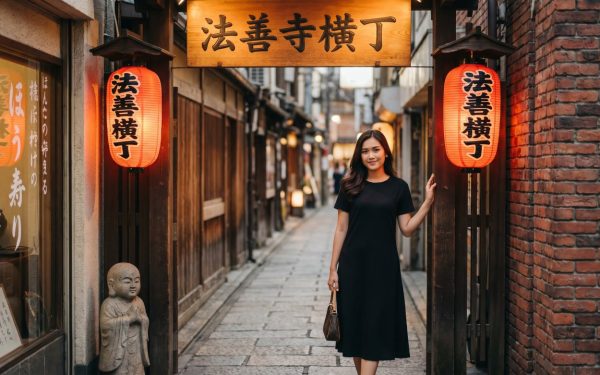
Hozenji Temple and Hozenji Yokocho
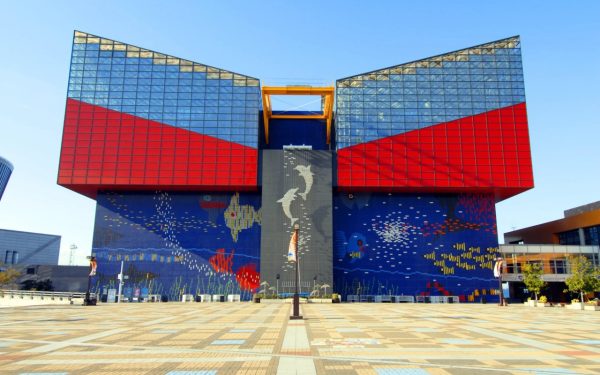
Osaka Aquarium Kaiyukan
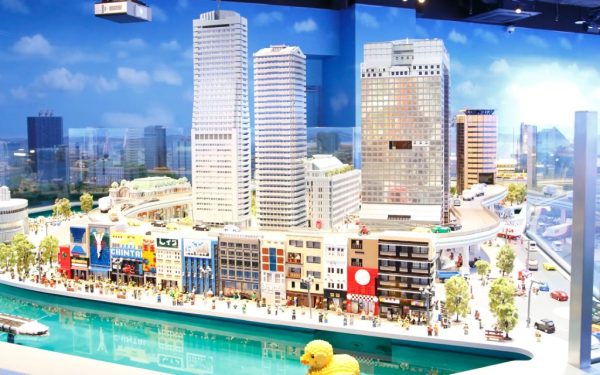
Legoland Discovery Center Osaka
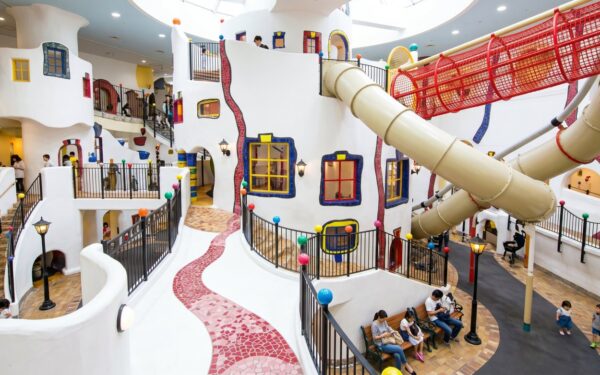
Kids Plaza Osaka
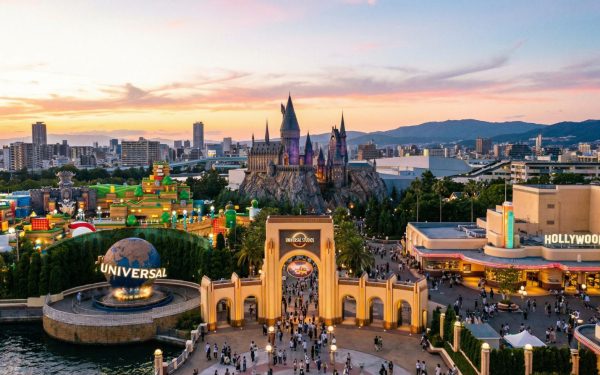
Universal Studios Japan
Den Den Town
Tennoji Zoo