




Hotels in Osaka: Best Hotels in Osaka Across Every Budget and Type
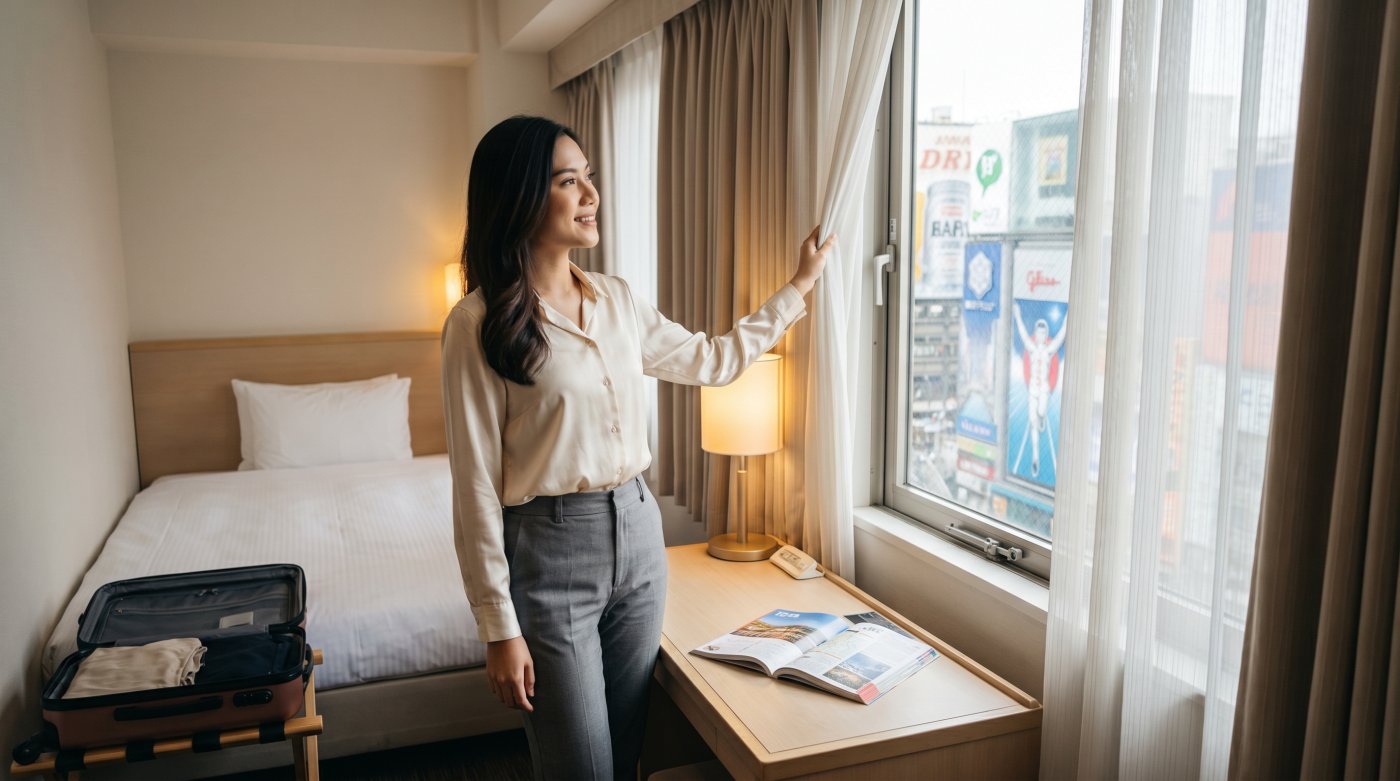
Finding the right place to stay in Osaka is mostly a question of location before price.
The city’s Osaka Metro network is efficient and covers nearly every tourist zone, but transit time still compounds across a multi-day itinerary.
A hotel 15 minutes closer to your first stop of the day is worth more than a slightly nicer room in the wrong direction.
The properties covered here span five accommodation types across three main districts: 15 real options with enough context to match one to your actual plans.
The Three Osaka Neighborhoods Worth Staying In
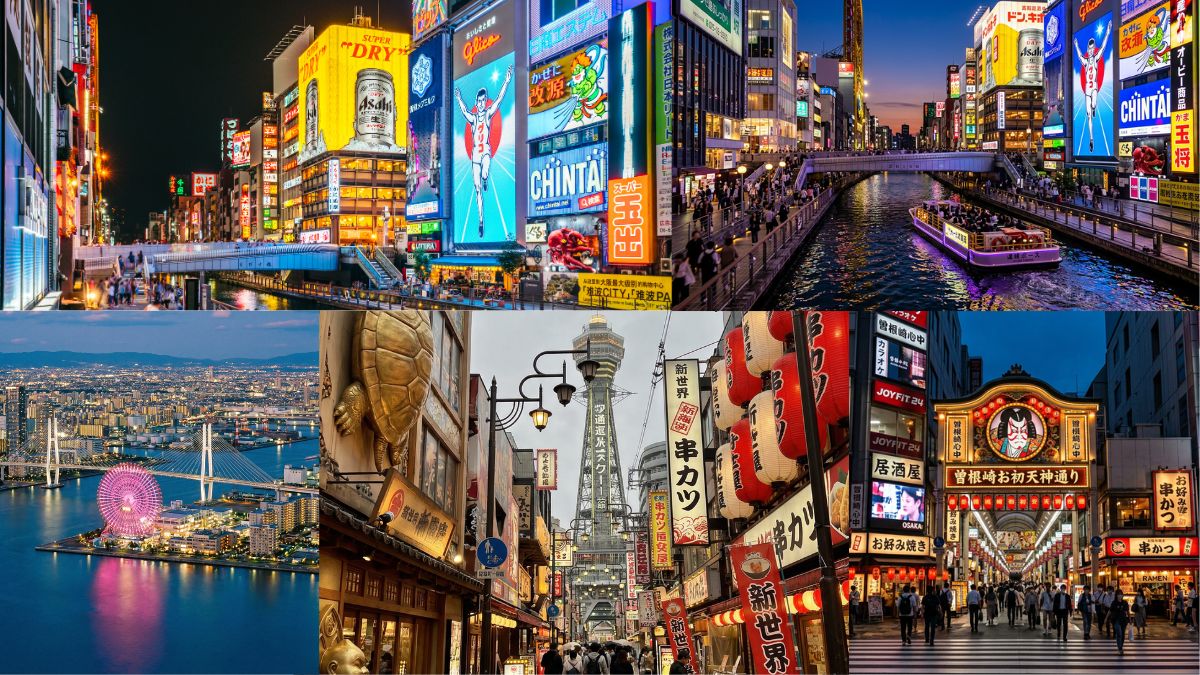
Before getting into specific properties, the area decision is the one that matters most for first-time visitors to Osaka.
- Namba and Minami is the default choice for good reason. The Dotonbori canal, Shinsaibashi-suji arcade, Kuromon Ichiba Market, and the dense cluster of izakayas and street food are all walkable from a Namba hotel. The Osaka Metro’s Midosuji Line runs directly north to Umeda (about 8 minutes) and south to Tennoji (6 minutes) from Namba Station. The tradeoff is noise: the area directly around Dotonbori stays loud until well past midnight, and properties a 5-minute walk from the main strip give you better sleep without adding meaningful transit time.
- Umeda and Kita suits visitors whose itinerary leans north: day trips to Kyoto or Kobe by Hankyu train, early shinkansen departures from Shin-Osaka (one stop away), or anyone who wants efficient access to the Osaka Station complex without fighting Namba crowds each morning. Umeda hotels generally run 10 to 20 percent higher in price than equivalent Namba properties.
- Tennoji and Shinsekai is the practical budget option that also happens to have the most interesting immediate neighborhood. Shitennoji Temple, Isshinji Temple, Abeno Harukas, and the retro Shinsekai district are all within 15 minutes on foot. Hotel rates here average 15 to 25 percent lower than equivalent properties in Namba.
Luxury and Upper Mid-Range Hotels
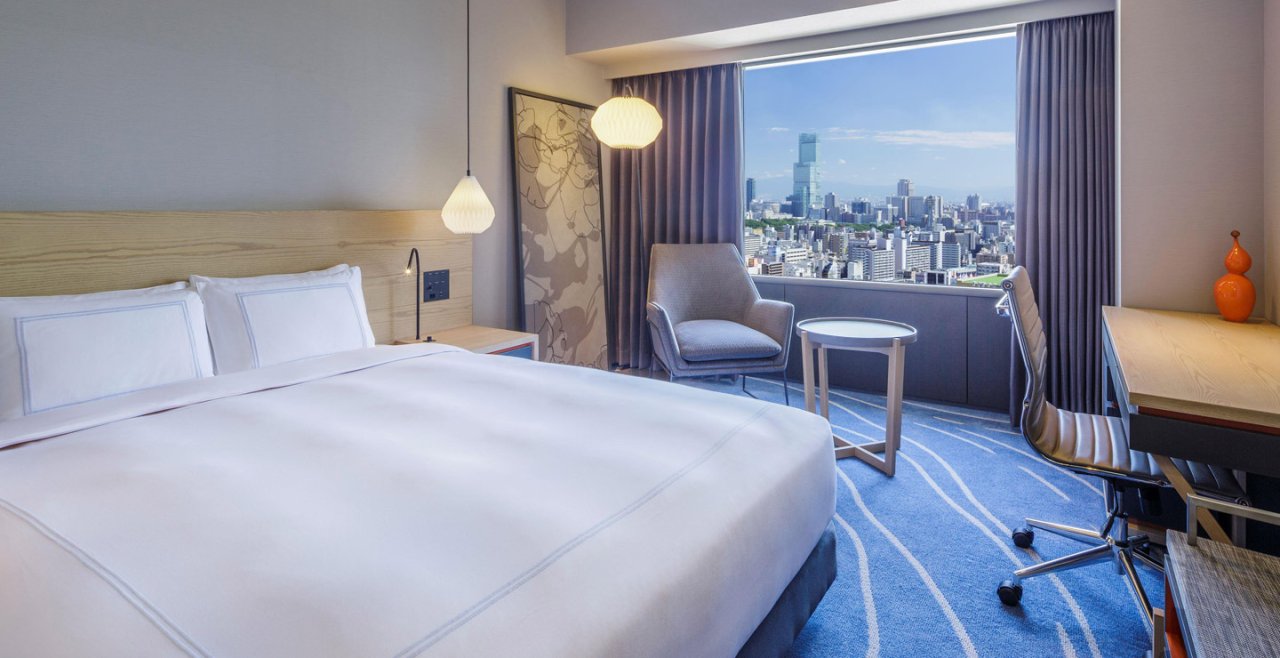
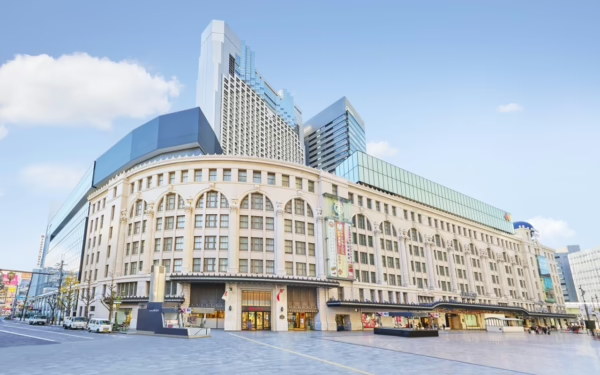
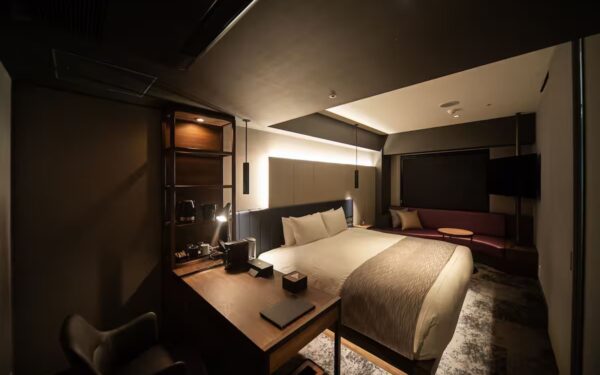
- Swissotel Nankai Osaka occupies floors 16 to 36 of the Nankai South Tower directly above Namba Station. The location is the clearest argument for it: step out of the lobby and you are already on the Dotonbori strip. Rooms face either the city or the Dotonbori canal depending on orientation. The hotel’s F&B options, including the 36th-floor Bellevue Lounge, have a consistent reputation among long-stay business travelers who use the property regularly. For first-time visitors, the combination of Namba location and a genuinely large room footprint by Japanese hotel standards makes it the strongest luxury argument in the Minami area.
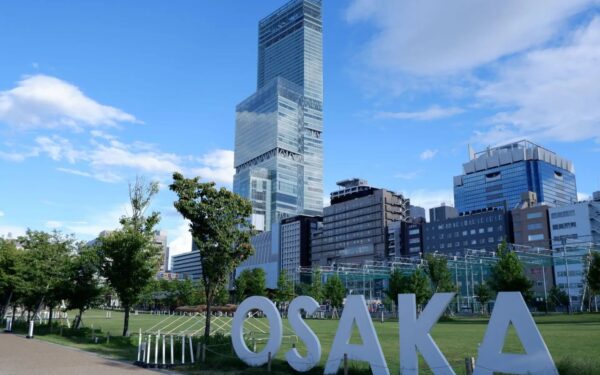
- Marriott Osaka Miyako Hotel sits in the Abeno Harukas complex directly above Tennoji Station, between floors 20 and 57 of Japan’s tallest building. The rooms from the upper floors look north across the entire city toward Osaka Castle and Umeda. Tennoji Station provides direct Metro access on both the Midosuji and Tanimachi lines, making this one of the better-connected luxury hotel locations in Osaka despite sitting in the south. A good option if you want a high-altitude view room at a Marriott points redemption rate.
- Candeo Hotels Osaka The Tower offers a sky bath (tenburo) on the upper floors, an open-air bathing experience with city views that is unusual for an urban business hotel. Candeo positions itself as upper mid-range, with room rates that undercut the Swissotel and Marriott while offering more distinctive amenities than a standard business hotel. Location is in the Namba cluster.
Mid-Range and Business Hotels
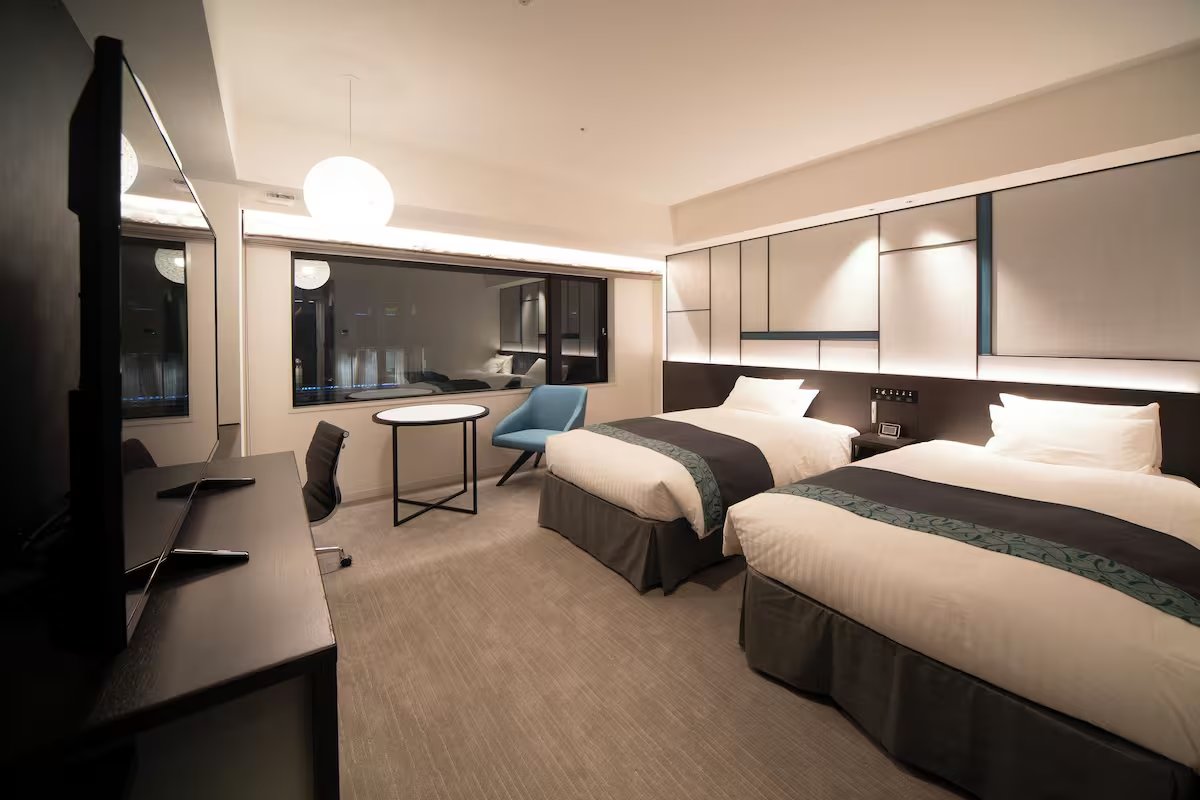
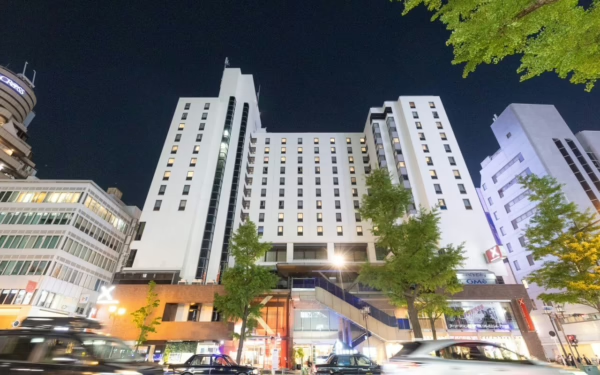
- Hotel Vischio Osaka By Granvia is connected directly to Osaka Station’s Sakurajima Gate in Umeda, making it the most operationally convenient hotel for anyone using Osaka as a Kansai transit base. JR Osaka, Hankyu Umeda, Hanshin Umeda, and four Metro lines are all accessible without going outside. The Granvia group manages several JR-connected hotels across Japan and the Osaka property holds to that standard: clean, efficient, and priced at the upper end of mid-range.
- Cross Hotel Osaka in Shinsaibashi occupies a position between Namba and the American Village shopping district in Minami. The design leans contemporary rather than corporate, which makes it a reasonable mid-range choice for travelers who find the standard business hotel aesthetic wearing over a multi-night stay.
- Best Western Hotel Fino Osaka Shinsaibashi delivers reliable mid-range accommodation in the Shinsaibashi corridor. The Best Western brand manages expectations accurately here: solid rooms, good transit access via Shinsaibashi Station, and no surprises in either direction.
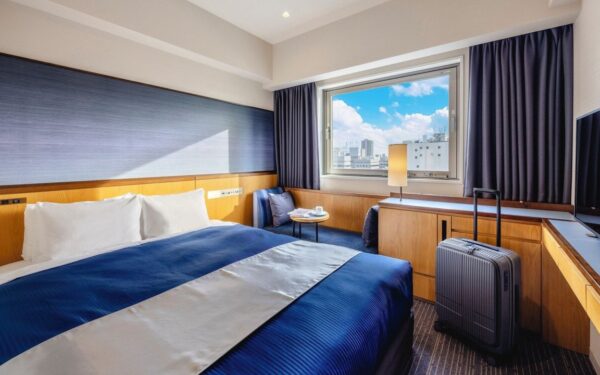
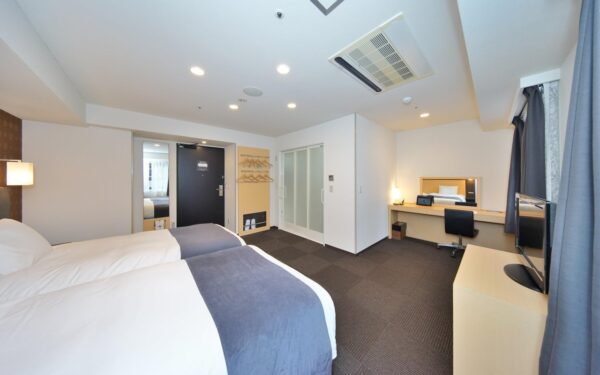
- Hotel Gracery Osaka Namba is a business hotel group with a strong central Namba location. The Gracery brand is well regarded in the mid-range business hotel segment across Japan for room cleanliness and efficient front desk operations. For a straightforward Namba base without boutique pricing, it is a consistently sensible choice.
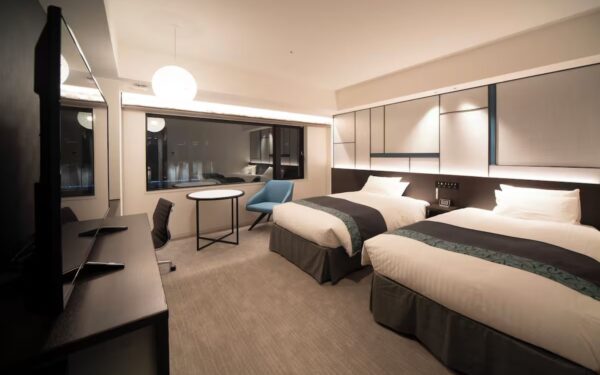
- Grids Premium Hotel Osaka Namba positions itself between a standard business hotel and a designed lifestyle property, with more considered interiors than most in its price band. Located in the Namba cluster with easy Metro access.
- Apa Hotel Osaka Higobashi Ekimae is near Higobashi Station on the Chuo Line in Nishi Ward, slightly west of the Umeda core. APA Hotels are a ubiquitous Japanese business hotel chain known for compact rooms, aggressive pricing, and consistent quality standards across their properties. Higobashi puts you 10 minutes from Umeda by Metro and within walking distance of the Nakanoshima museum island.
Budget Accommodation
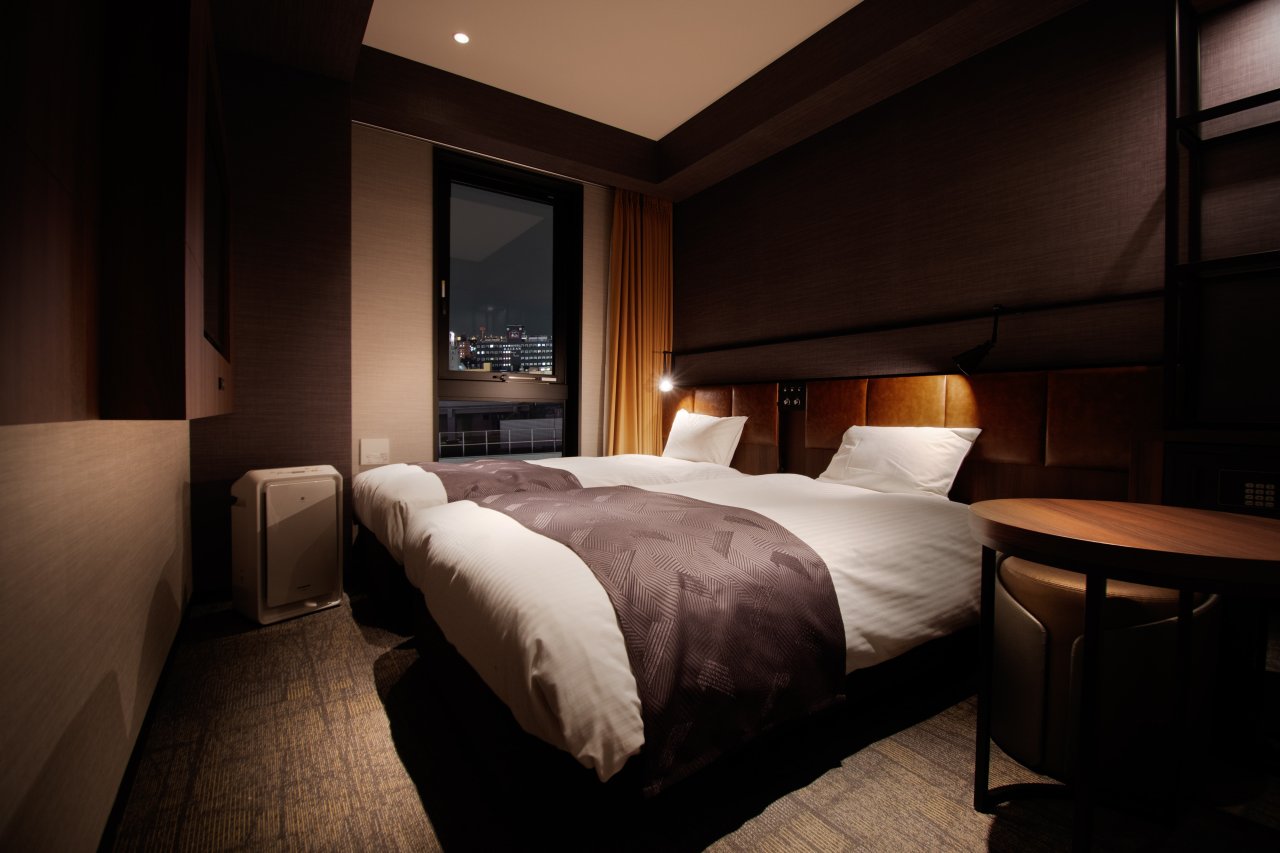
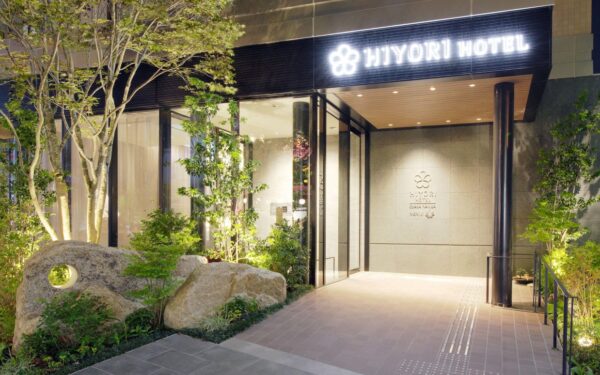
- Hiyori Hotel Osaka Shinsekai is a budget hotel in the Shinsekai neighborhood in Naniwa Ward, adjacent to Tsutenkaku Tower and the kushikatsu restaurant strips. This is the cheapest part of central Osaka to stay in while remaining on the Metro network. Guests who find the Dotonbori tourist density unpleasant and prefer a neighborhood with actual Osaka character will find Shinsekai a more interesting base.
- Hiyori Hotel Osaka Namba Station is the Namba outpost of the same brand, placing budget-level pricing in the premium Namba location. The tradeoff is standard for the category: smaller rooms and fewer amenities than mid-range properties, offset by the location value.
Capsule Hotels
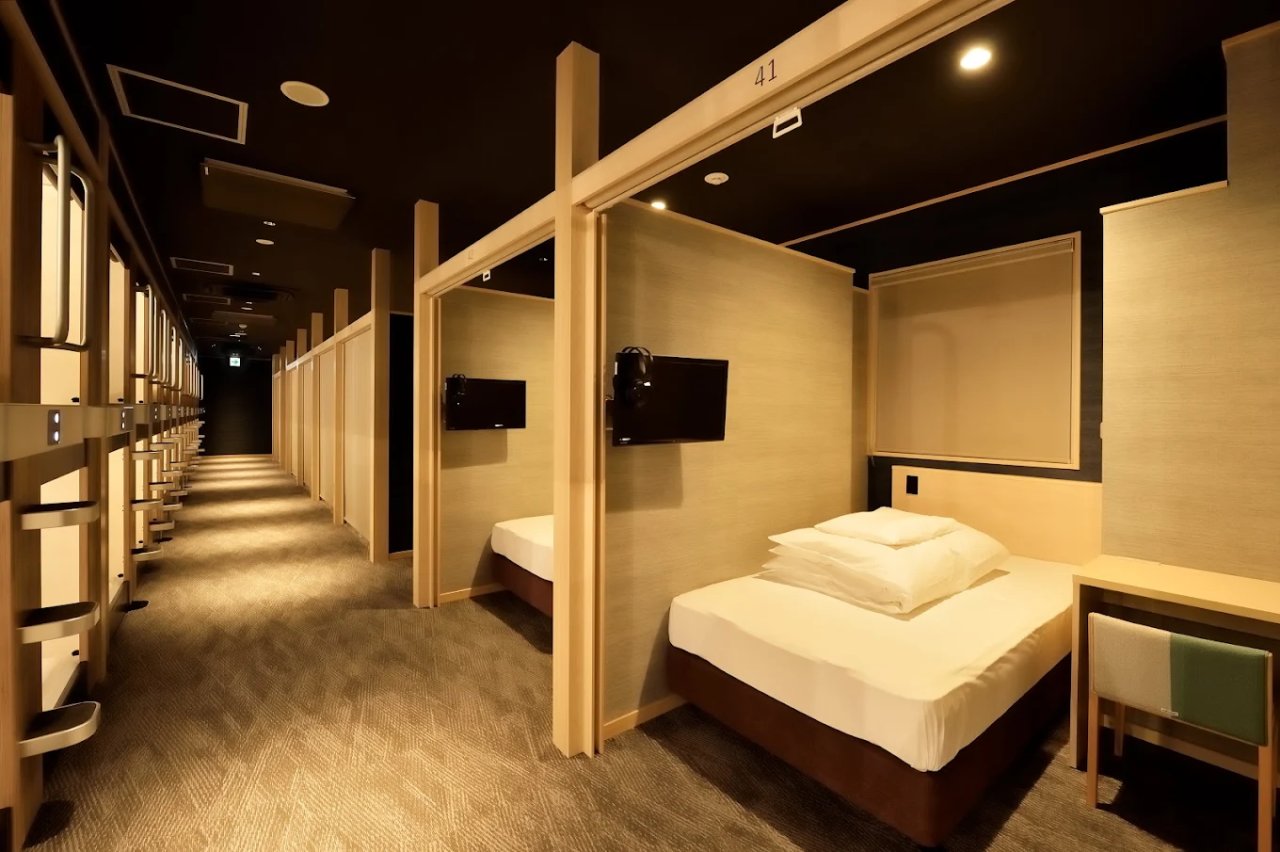
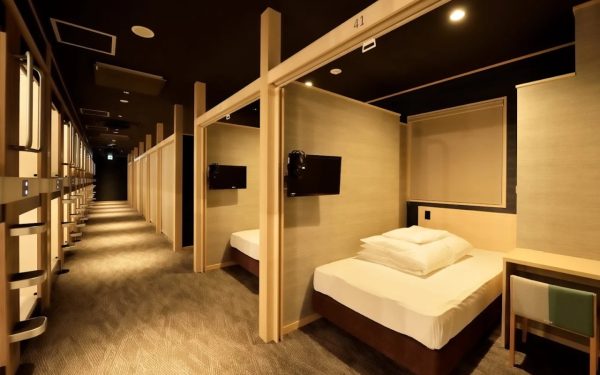
Cabin & Capsule Hotel J-Ship Osaka Namba is a capsule hotel in the Namba area with a nautical theme running through the design.
A standard capsule is roughly 2 meters long, 1 meter wide, and 1 meter high — enough for a mattress, a small screen, charging points, and a privacy curtain.
Shared bathroom and shower facilities are on separate floors.
Prices typically run 2,500 to 4,500 JPY per night depending on the tier.
Capsule hotels are gender-segregated by floor in most Japanese properties, including J-Ship.
Luggage storage is in lockers; large suitcases may not fit and a smaller bag is worth packing for a capsule stay.
Not suitable for anyone who is claustrophobic or a light sleeper; very suitable for solo travelers on a tight schedule who need a clean, cheap base in a central location.
Ryokan
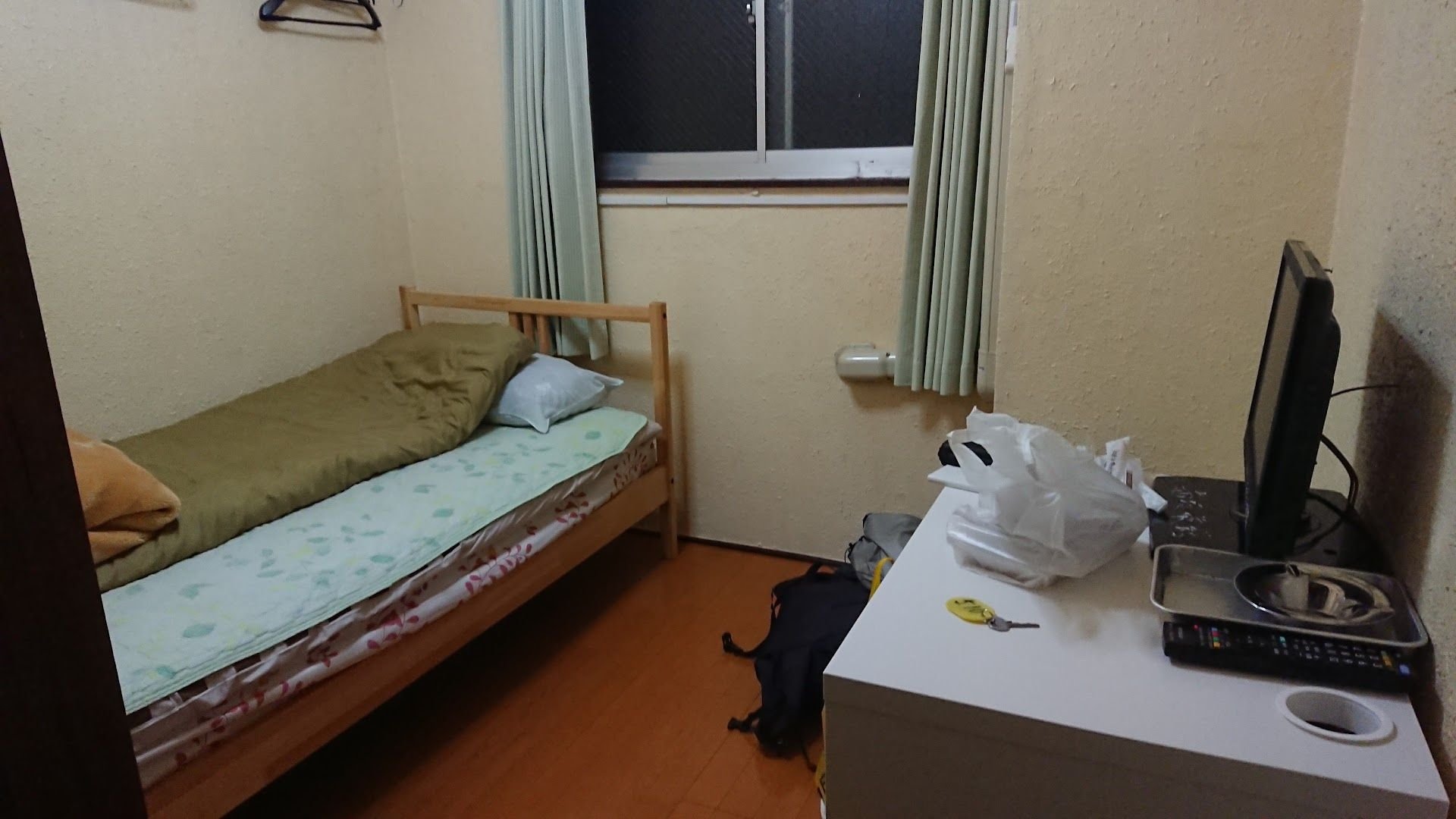
Akasaka Ryokan is a ryokan in Osaka, which warrants honest context: Osaka is not a traditional ryokan city.
The major ryokan culture in the Kansai region sits in Kyoto, Nara, and the hot spring towns of Kinosaki and Arima Onsen.
A ryokan stay in Osaka will not include the onsen bathing experience or the full kaiseki multi-course dinner that defines the classic ryokan format.
What you can expect: a tatami room, a futon laid out on the floor at night, a yukata cotton robe provided for in-room wear, and Japanese breakfast.
The average cost of a mid-range ryokan nationally is around 15,000 to 30,000 JPY per person per night with meals; urban ryokans like Akasaka tend to be lower and more variable.
If a full traditional ryokan experience is a priority, an overnight in Kyoto or a day trip to Arima Onsen from Osaka is the more complete version.
Guesthouses and Hostels
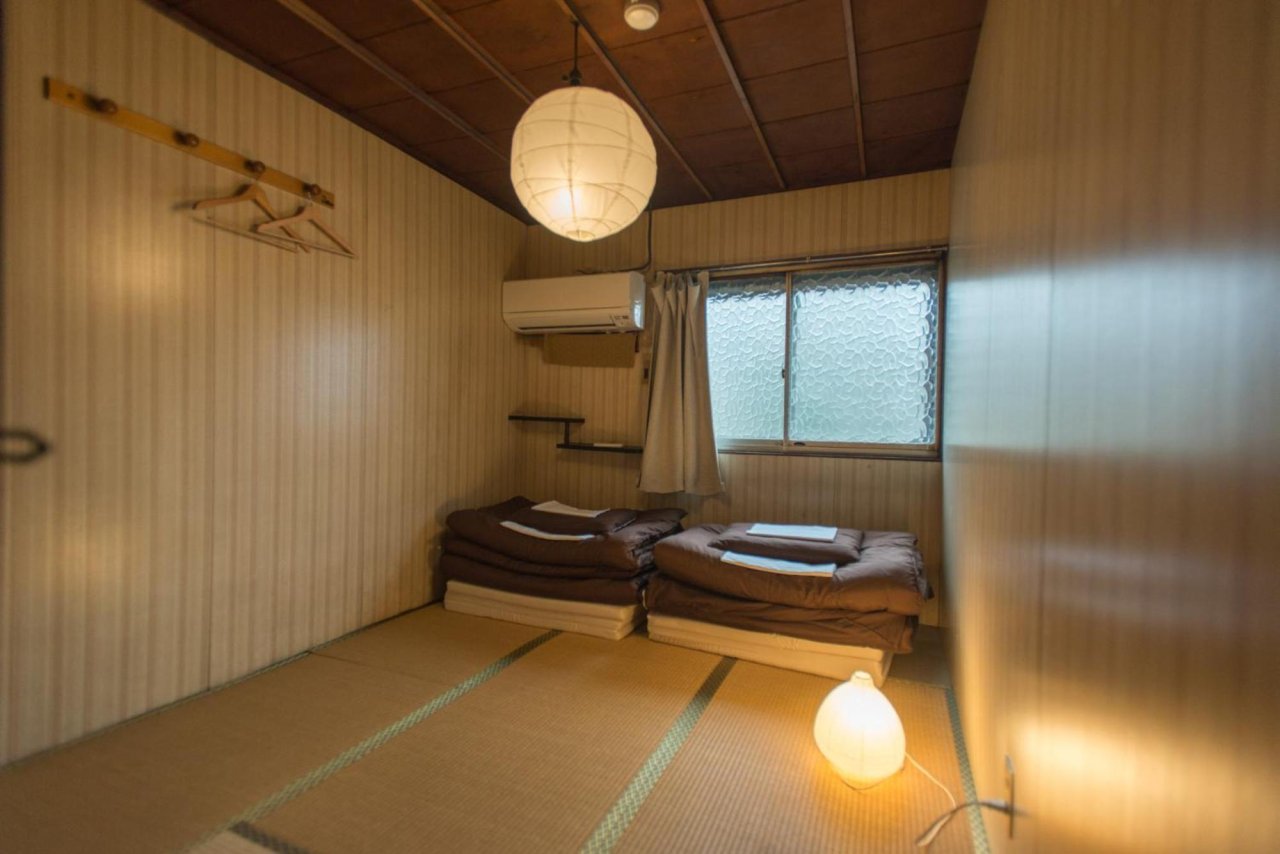
- 123 Guesthouse is a guesthouse option for budget travelers who want private or semi-private rooms without the per-person capsule hotel format. Guesthouses in Japan sit between a hostel and a budget hotel: typically family-run, smaller in scale, and more likely to have a shared kitchen or common room that functions as a social space.
- Air Osaka Hostel is the hostel option for travelers comfortable with dormitory sleeping. Modern hostels in Osaka typically provide individual reading lights, curtained bunks, secure lockers, and shared bathrooms at a price point well below any private room option. A bed in a well-reviewed Osaka hostel typically runs 2,000 to 3,500 JPY per night, making a 3-night stay materially cheaper than equivalent nights in a budget business hotel.
Choosing by Osaka Itinerary, Not Just Budget
The best area to stay in Osaka depends entirely on where you’re spending your time.
A few quick mappings:
If USJ is on your itinerary, Namba gives you direct Osaka Metro Chuo Line access to Bentencho, then JR Yumesaki Line to Sakurajima.
Total transit from a Namba hotel to USJ runs around 30 to 40 minutes.
Umeda is comparable.
If you’re planning to day trip to Kyoto by shinkansen, a hotel near Shin-Osaka Station (one stop north of Umeda on the Midosuji Line) eliminates one transit leg.
Hotel Vischio Osaka By Granvia at JR Osaka Station is 3 minutes from Shin-Osaka by train, making morning departures straightforward.
If the Osaka Metro is your primary transit tool (which it should be for most tourists), every property listed here sits within 10 minutes’ walk of a Metro station on a major line.
The Midosuji Line in particular connects all three main accommodation districts: Umeda, Shinsaibashi/Namba, and Tennoji, running every 3 to 4 minutes during daytime hours.
The Osaka travel budget guide covers realistic nightly accommodation costs across all tiers with current figures if you’re working out a total trip spend.
For a practical room-plus-transport breakdown of each accommodation zone, the Osaka neighborhoods hub maps the character of each district in more detail.