








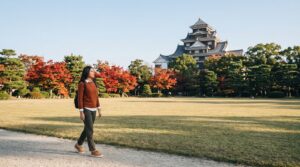
A Kurashiki day trip from Osaka takes about 75 minutes each way from Shin-Osaka. You ride the JR Sanyo Shinkansen to Okayama, then 17 minutes on the JR Sanyo Line, for ¥5,940 one way unreserved. The Bikan canal quarter and the Ohara Museum of Art are the reason to go, and both reward a morning start on any day but Monday.
Getting There (at a glance)
- Sakura, change at Okayama75 min, ¥5,940, JR Pass valid
- Nozomi, change at Okayama75 min, ¥5,940, no JR Pass
- JR locals from Osaka Station via Himeji3 hr, ¥3,410
Kurashiki Day Trip Itinerary from Osaka
08:00
Shin-Osaka Station
08:00
Shin-Osaka Station
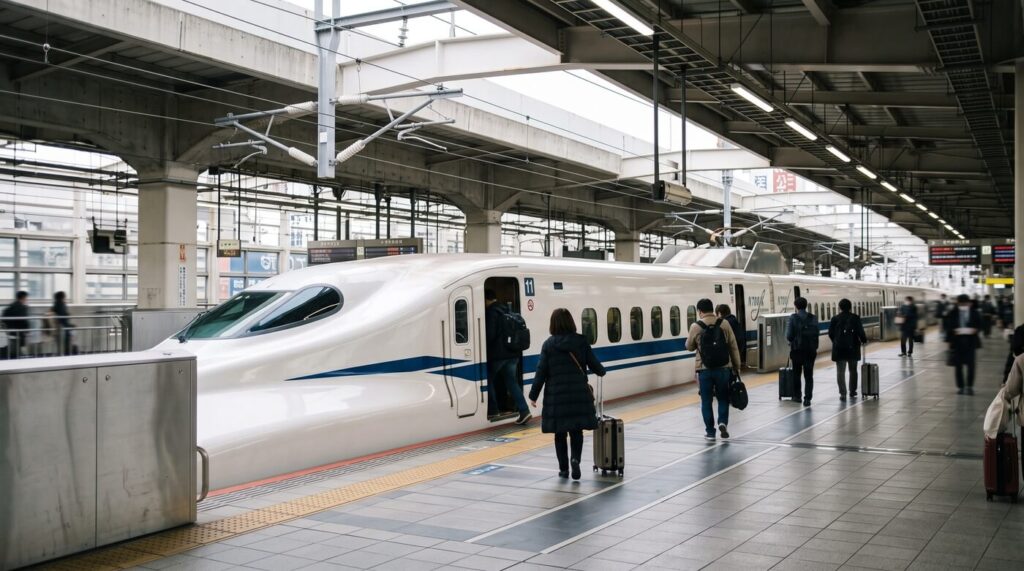
Take a Sakura on the JR Sanyo Shinkansen to Okayama, about 45 to 50 minutes. Buy one ticket through to Kurashiki for ¥5,940 unreserved, then change at Okayama to the JR Sanyo Line for the 17 minute ride. Do not ride on to Shin-Kurashiki, a separate station 8 minutes west of Kurashiki.
TIP
Sakura reserved cars seat two plus two, where every Nozomi row is three plus two.
09:30
Kurashiki-kan Tourist Information
09:30
Kurashiki-kan Tourist Information
Walk 13 minutes from Kurashiki Station to this wooden former town hall from 1917, on the canal. From 09:00 it sells same day tickets for every river boat departure, first come first served. Buy yours before the museum, not after it.
TIP
Each boat seats six, and one boat per departure can be booked online until 17:00 the day before.
09:45
Ohara Museum of Art
09:45
Ohara Museum of Art
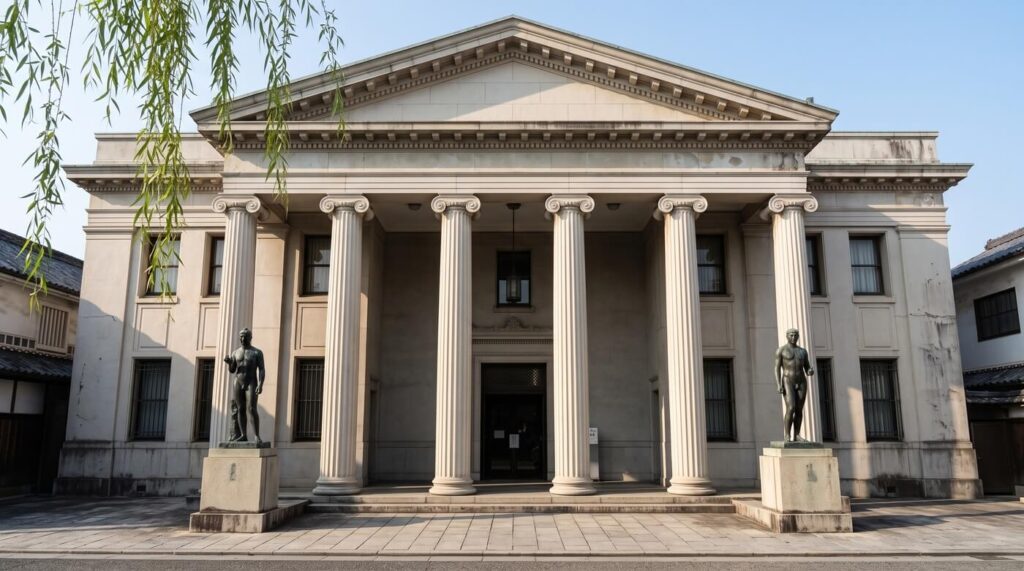
The ¥2,000 ticket covers three buildings, and staff stamp it once at each door. Start in the Main Building, behind its temple style columns, where El Greco's Annunciation hangs after its 2025 restoration. Give the museum two hours and leave your bag at the free storage beside the ticket desk.
TIP
A building you skip stays valid on your ticket for a later day, with no expiry date.
12:00
Kurashiki River Boat
12:00
Kurashiki River Boat
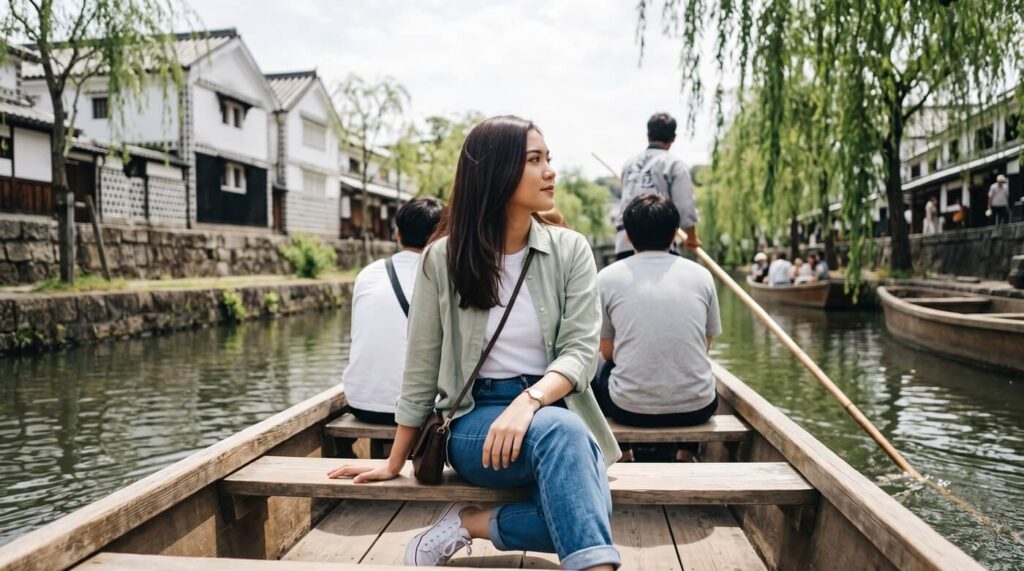
The flat wooden boat runs a short stretch of the Kurashiki River in about 20 minutes while the boatman points out the storehouses. It costs ¥1,000 and leaves every 30 minutes from 09:30.
TIP
From July to September the last boat leaves at 15:00, not 17:00.
12:40
Bukkake Furuichi Nakamise
12:40
Bukkake Furuichi Nakamise
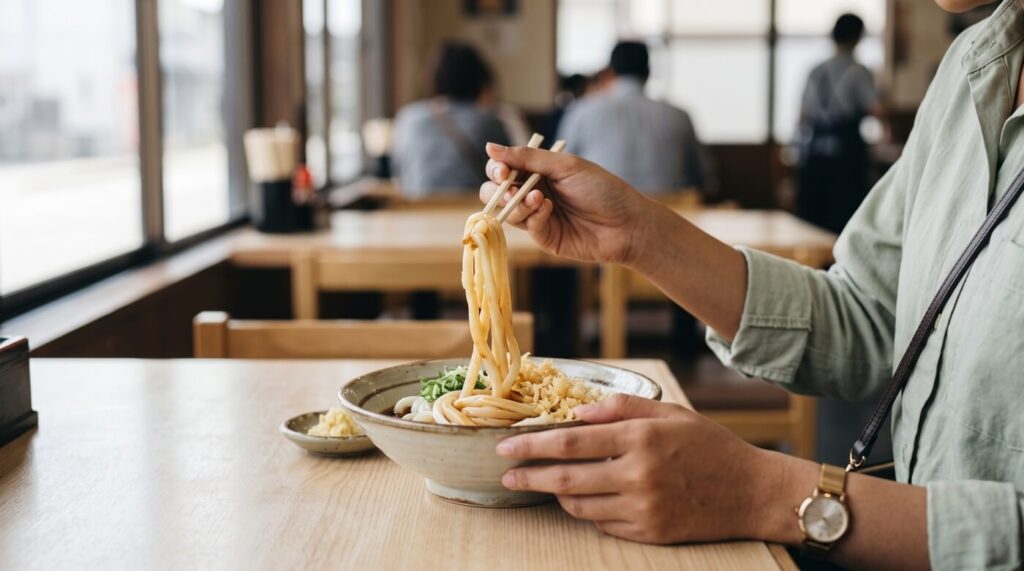
Walk about ten minutes back toward the station for bukkake udon at the Furuichi branch that opened in 1969. A regular bowl costs ¥740, firm noodles under a rich sweet and salty sauce. It serves from 09:00 to 21:00 and lists no regular closing day.
TIP
Last orders are at 20:30, so it also works as dinner before the train.
13:40
Ohashi House
13:40
Ohashi House
This merchant house went up between 1796 and 1799, with a long gatehouse on the street and the main house set back behind it. You can step up into the rooms. Entry is ¥550 and 30 minutes is enough.
TIP
Closed on Fridays from December to February.
14:40
Achi Shrine
14:40
Achi Shrine
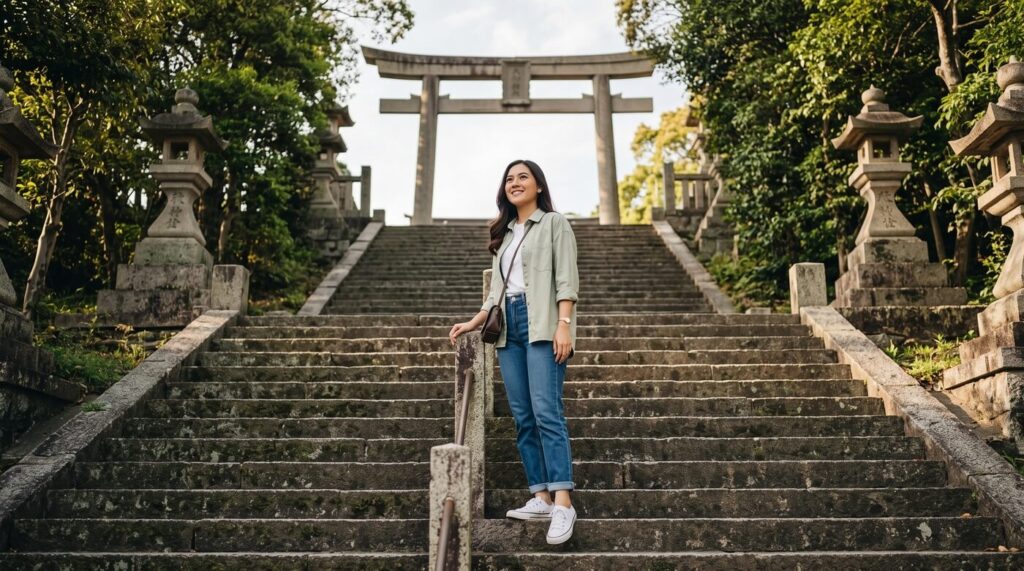
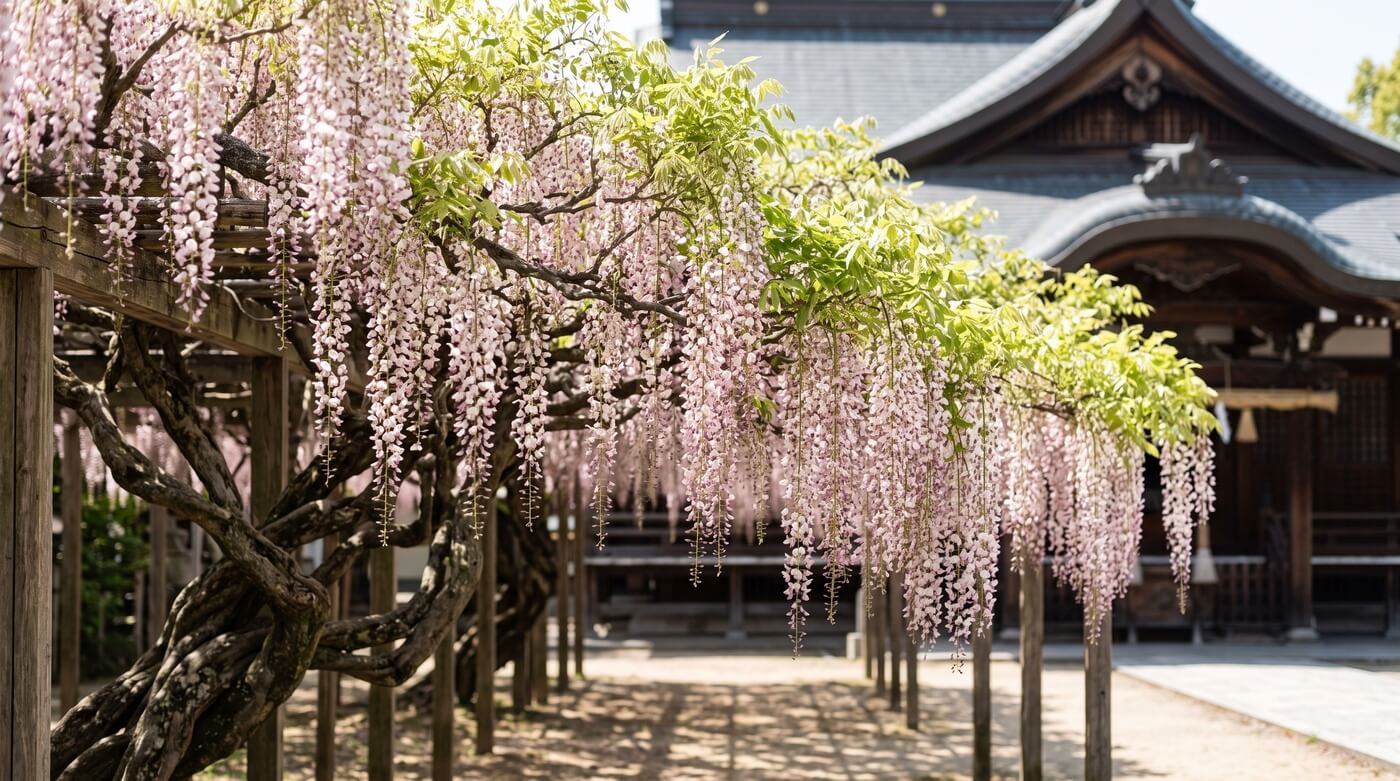
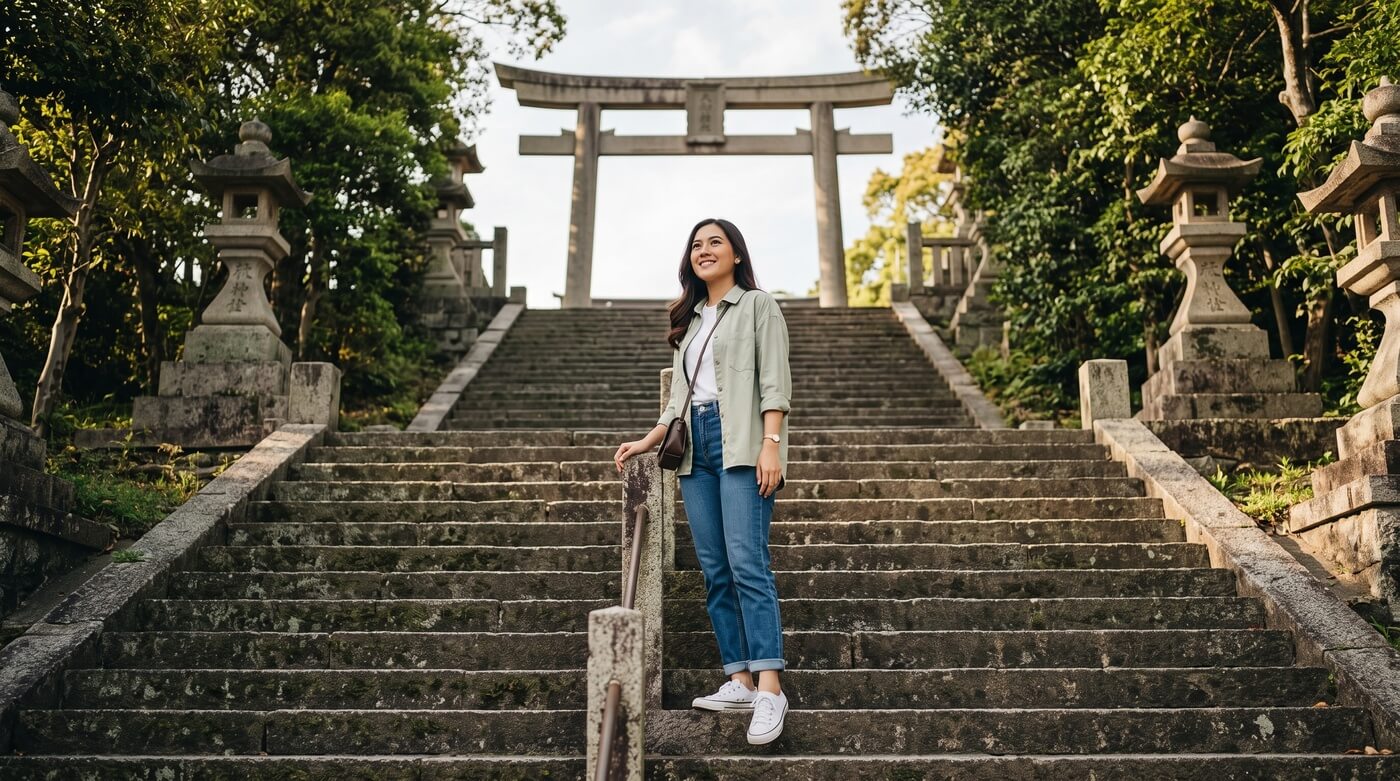
Climb the 88 steps of the first flight to the shrine on Tsurugatayama, a 43 metre hill above the quarter. The Achi no Fuji wisteria, 300 to 500 years old, flowers from late April into early May.
TIP
The precinct looks out over the quarter, with the Ohara Museum below.
15:30
Kurashiki Ivy Square
15:30
Kurashiki Ivy Square
Kurashiki's spinning mill opened here in 1889, on the site of the old magistrate's office. The ivy covered brick reopened as a hotel and shopping complex in 1974. Stay near the canal for the lights, which run from sunset to 21:00 between October and March.
TIP
Kurashiki Coffee Kan has roasted its own beans beside the canal since 1971.
How to Get from Osaka to Kurashiki
| Route | Line | Duration | Cost |
|---|---|---|---|
| JR Sanyo Shinkansen (Sakura) RECOMMENDED | JR Sanyo Shinkansen, then JR Sanyo Line | 75 min | ¥5,940 |
| JR Sanyo Shinkansen (Nozomi or Mizuho) | JR Sanyo Shinkansen, then JR Sanyo Line | 75 min | ¥5,940 |
| JR Sanyo Shinkansen (Hikari) | JR Sanyo Shinkansen, then JR Sanyo Line | 85 min | ¥5,940 |
| JR Special Rapid Service and JR Sanyo Line locals | JR Kobe Line, then JR Sanyo Line via Himeji | 3 hr | ¥3,410 |
JR Sanyo Shinkansen (Sakura)
RECOMMENDED
Line
JR Sanyo Shinkansen, then JR Sanyo Line
Duration
75 min
Cost
¥5,940
JR Sanyo Shinkansen (Nozomi or Mizuho)
Line
JR Sanyo Shinkansen, then JR Sanyo Line
Duration
75 min
Cost
¥5,940
JR Sanyo Shinkansen (Hikari)
Line
JR Sanyo Shinkansen, then JR Sanyo Line
Duration
85 min
Cost
¥5,940
JR Special Rapid Service and JR Sanyo Line locals
Line
JR Kobe Line, then JR Sanyo Line via Himeji
Duration
3 hr
Cost
¥3,410
Day Trip Navigation Map: Osaka → Kurashiki
All stops on this itinerary pinned for easy reference.
🗺️ Kurashiki 倉敷
8 stops
Japan’s first museum of Western art stands on an Edo canal 75 minutes from Shin-Osaka, and it shuts on Mondays.
Kurashiki Day Trip From Osaka: The Complete Guide 2026
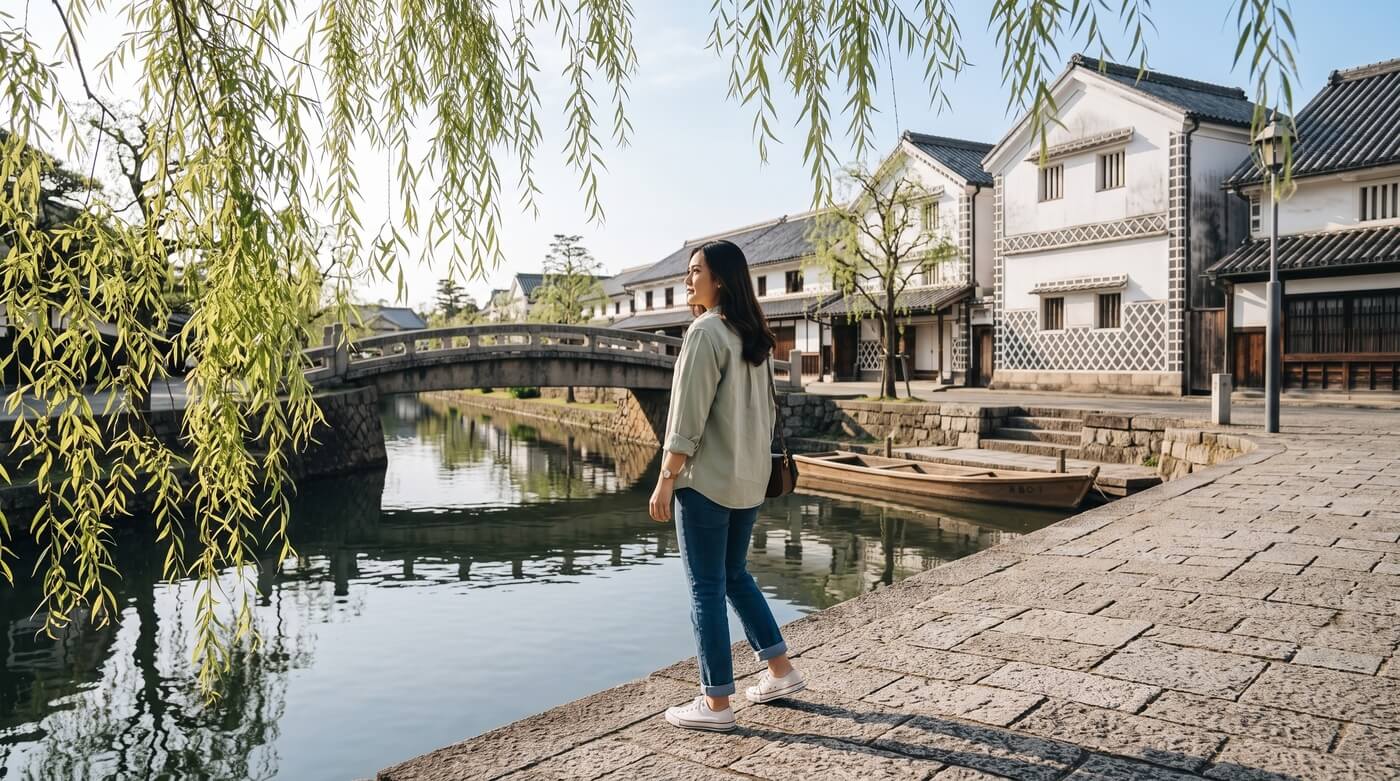
A Kurashiki day trip from Osaka takes about 75 minutes each way from Shin-Osaka. You ride the JR Sanyo Shinkansen to Okayama, then 17 minutes on the JR Sanyo Line, for ¥5,940 one way unreserved.
The Bikan canal quarter and the Ohara Museum of Art are the reason to go, and both reward a morning start on any day but Monday.
Kurashiki is the one day trip from Osaka where the main event is a painting collection. The Ohara Museum of Art opened in 1930 as Japan’s first private museum centred on Western art.
It stands beside an Edo period canal lined with white storehouses. This Explore Osaka guide follows the day in the order that works, because the order is where most visitors lose an hour.
Three mistakes shape the plan below. People get off at Shin-Kurashiki, which is the wrong station.
They arrive on a Monday, when the museum is shut. And they try to buy river boat tickets after lunch, when the next free seat can be hours away.
Key Takeaways
Hide- The JR Sanyo Shinkansen and JR Sanyo Line reach Kurashiki from Shin-Osaka in about 75 minutes for ¥5,940 unreserved.
- Change trains at Okayama. Shin-Kurashiki is a different station 8 minutes west, and going that way costs about ¥1,400 more.
- The Ohara Museum of Art charges ¥2,000 for three buildings and closes on Mondays, except public holidays and in August.
- River boat tickets cost ¥1,000 and go on sale at Kurashiki-kan from 09:00, and each boat seats only six.
- The Japan Rail Pass covers the Sakura but not the Nozomi, while the ¥12,000 Kansai WIDE Area Pass covers both.
- Budget ¥16,000 to ¥21,000 per person, and ¥11,880 of that is the unreserved shinkansen round trip.
- From December to February the museum closes at 15:00, and in January and February the boats run only at weekends and on holidays.
Trip Essentials
Osaka Travel Add-ons
Equip yourself for the ultimate Osaka adventure with the following add-ons, curated just for you.
Flights to Osaka
Powered by Expedia
Airport Transfer
Powered by Klook
ICOCA IC Card
Powered by Klook
Suica IC Card
Powered by Klook
Osaka Tours
Powered by Klook
Luggage Storage
Powered by Radical Storage
Travel Insurance
Powered by VisitorsCoverage
Data Security
Powered by NordVPN

Japan eSIM
Powered by NINJA WiFi
Japan SIM Card
Powered by NINJA WiFi
Pocket WiFi Rental
Powered by NINJA WiFi
Japan eSIM
Powered by Airalo
Is a Day Trip to Kurashiki From Osaka Worth It?
A Kurashiki day trip from Osaka is worth it if you want Western art and an old merchant town more than temples. It costs more than the other classic day trips, and it only works on a day the museum is open.
Kyoto and Nara give you temples and shrines on ordinary trains, for a fraction of the shinkansen fare. A first day trip to Kyoto is still the better choice if you have not been.
On the same Sanyo Shinkansen, the castle day at Himeji sits about 30 minutes out.
Himeji is one great building. Kurashiki is a museum of Western paintings, plus the canal street around it.
Rain also matters here. A wet day cancels the river boat but not the museum, so Kurashiki holds up in the rain better than Himeji’s open castle grounds or Nara’s park.
The canal quarter is flat and paved, which is kinder to a pushchair or a sore knee than Kyoto’s hillside temples.
Skip Kurashiki on a first trip to Japan with Kyoto still unseen. Skip it too if paintings leave you cold, because the canal alone fills about two hours.
That is a thin return on an ¥11,880 train ticket.
Shin-Osaka to Okayama on the Sanyo Shinkansen
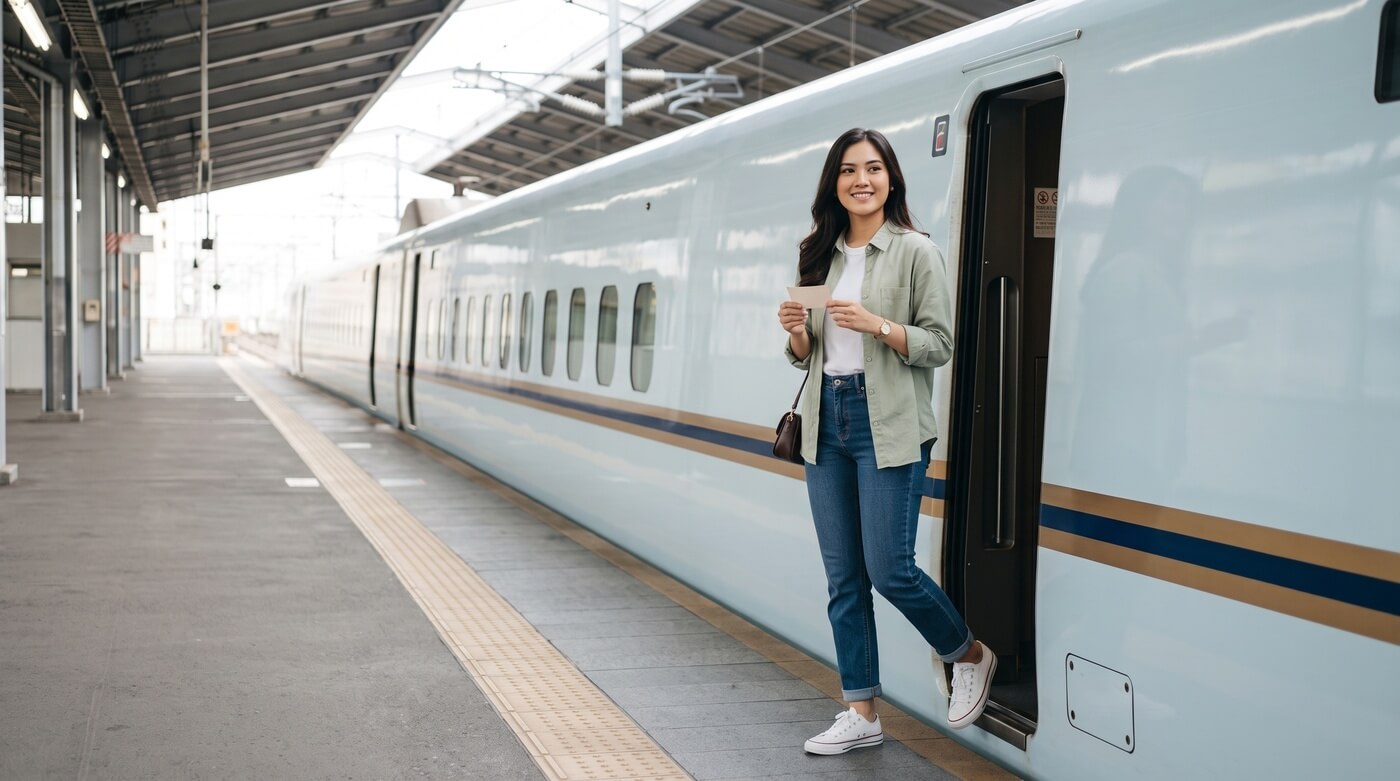
The fastest way from Osaka to Kurashiki is the JR Sanyo Shinkansen from Shin-Osaka to Okayama, then 17 minutes on the JR Sanyo Line. Buy one ticket through to Kurashiki.
It costs ¥5,940 one way unreserved on any shinkansen, and JR West runs every train on the route.
Shin-Osaka is the shinkansen station, and Osaka Station is not. JR calls the city’s main hub Osaka Station, while the Osaka Metro names its stop there Umeda.
They are the same place. From either one, Shin-Osaka is 3 to 7 minutes north, and how the Midosuji Line works covers the Metro side.
| Route | Operator and lines | From | Time | One way unreserved | Japan Rail Pass |
|---|---|---|---|---|---|
| Sakura, change at Okayama | JR West, Sanyo Shinkansen and Sanyo Line | Shin-Osaka | 75 min | ¥5,940 | Covered |
| Nozomi or Mizuho, change at Okayama | JR West, Sanyo Shinkansen and Sanyo Line | Shin-Osaka | 75 min | ¥5,940 | Special ticket needed |
| Hikari, change at Okayama | JR West, Sanyo Shinkansen and Sanyo Line | Shin-Osaka | 85 min | ¥5,940 | Covered |
| JR Special Rapid Service, then locals via Himeji | JR West, Kobe Line and Sanyo Line | Osaka Station | 3 hr | ¥3,410 | Covered |
The Sakura is the one to take. It reaches Okayama in 45 to 50 minutes, as fast as a Nozomi, and leaves Shin-Osaka once or twice an hour.
Its reserved cars seat two plus two, where every Nozomi row is three plus two. A reserved seat adds ¥530 on a Sakura and ¥850 on a Nozomi in the normal season.
The Sakura also keeps its unreserved cars all year. During Golden Week, Obon, and the New Year holidays, JR runs every Nozomi as all reserved.
On those days an unreserved ticket on a Nozomi means standing in the vestibule.
At Okayama, change through the transfer gates and allow about 10 minutes. Kurashiki is the fourth stop on the JR Sanyo Line, and locals run several times an hour.
The Limited Express Yakumo also stops at Kurashiki, but it needs a separate limited express ticket and saves only a few minutes.
Why Shin-Kurashiki Is the Wrong Stop
Shin-Kurashiki is a separate shinkansen station, 8 minutes west of Kurashiki by local train, and it is the wrong place to get off. Only the Hikari and Kodama stop there, so the ride is slower.
You then double back east to Kurashiki Station.
It also costs more. The trip via Shin-Kurashiki comes to ¥7,340 unreserved, about ¥1,400 more than changing at Okayama.
Kurashiki Station is the one for the canal quarter, a 13 minute walk south.
Which Rail Passes Cover Kurashiki
The Japan Rail Pass covers this trip on the Sakura, Hikari, and Kodama, and on the JR Sanyo Line from Okayama. The Nozomi and Mizuho need a special ticket on top of the pass.
But a seven day Japan Rail Pass costs more than four round trips to Kurashiki, so it only pays off if you are also crossing the country.
The Kansai WIDE Area Pass suits this day far better. It costs ¥12,000 for five days in a row and covers the Sanyo Shinkansen between Shin-Osaka and Okayama, Nozomi and Mizuho included.
It also covers the JR Sanyo Line to Kurashiki, and reserved seats come free.
One round trip uses ¥11,880 of the pass’s value, so any second JR day that week puts you ahead. You need a foreign passport and temporary visitor status to buy it.
Two other products do nothing on this route. The Osaka Amazing Pass covers Osaka Metro, the New Tram, Osaka City Bus, and about 40 attractions, all inside Osaka city.
And the KANSAI RAILWAY PASS LITE excludes JR entirely, so it cannot get you onto a single train in this plan.
Osaka Passes
Essential Osaka Travel Passes
Powered by KlookThe passes worth buying before you land — curated for first-timers.
Top Pick
Osaka Amazing Pass
Unlimited subway + free entry to 40+ attractions. The only pass most visitors actually need.
Top Pick
Osaka e-Pass
Attractions-only digital pass. Pair with a Metro Pass if skipping the Amazing Pass.
Transit
Osaka Metro Pass
1 or 2-day unlimited Metro rides. Best standalone transit value if you already have an attractions pass.
Day Trips
JR West Kansai Area Pass (WEST QR)
Unlimited JR trains for 1 to 4 days. Covers Kyoto, Nara, Kobe, and Himeji from Osaka.
Airport
JR Haruka Express
KIX to Umeda/Shin-Osaka in ~50 min. Best if staying in Umeda or heading straight to Kyoto.
Airport
Nankai Rapi:t Express
KIX to Namba in 34 min, reserved seat. Better if staying in Namba or Shinsaibashi.
The Bikan Quarter From 09:30 to Dusk
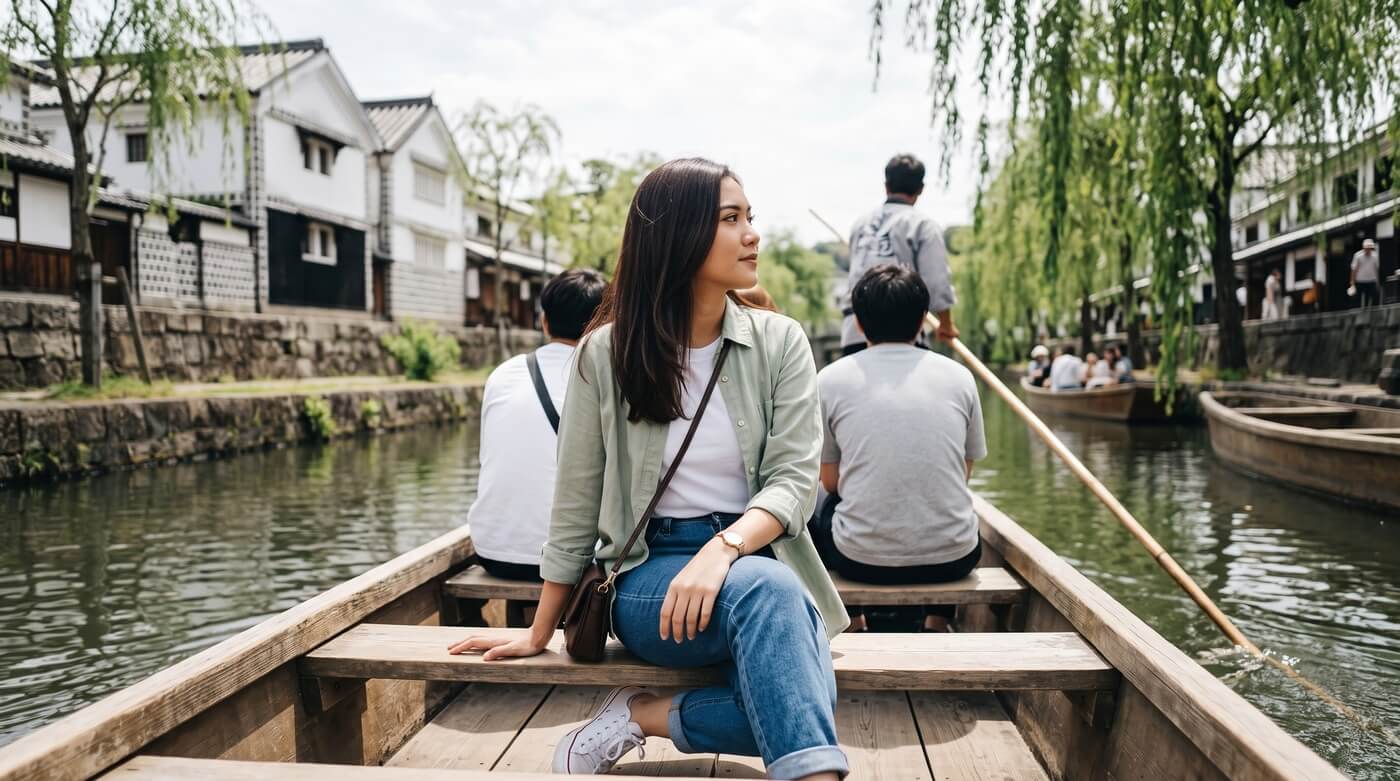
The Bikan Historical Quarter is the canal district south of Kurashiki Station, and the order you see it in matters more than the list of sights. Buy boat tickets first, give the morning to the Ohara Museum of Art, and eat near the station.
Then walk the merchant streets and climb to Achi Shrine.
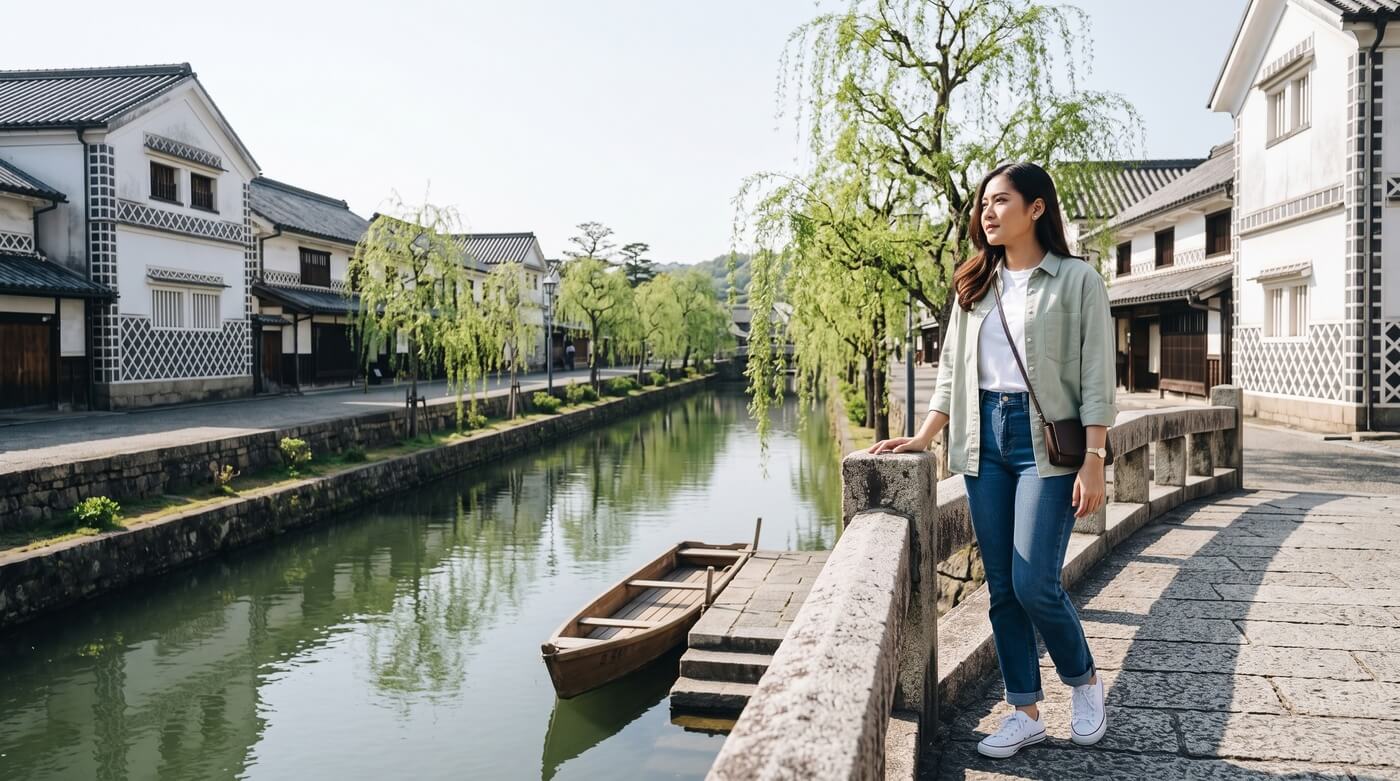
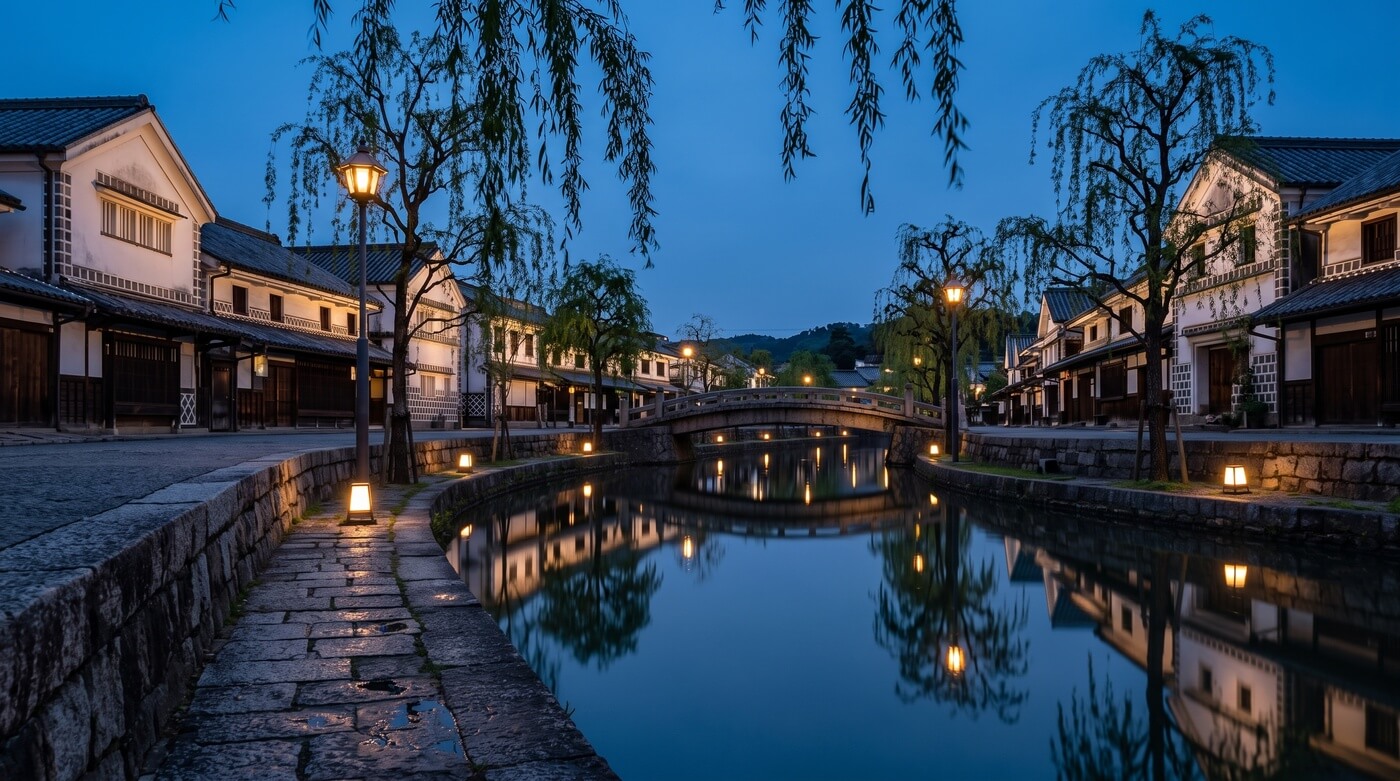
Kurashiki became tenryo, land ruled directly by the shogun, in 1642. Merchants trading rice and cotton lined the Kurashiki River with storehouses of white plaster crossed with black tile.
Those storehouses, the willows, and the stone bridges are what you are walking through all day.
Kurashiki-kan and the Six Seat Boats
From Kurashiki Station, the walk south to the canal takes about 13 minutes. Head first for Kurashiki-kan, a wooden former town hall from 1917 that now houses the tourist information desk.
It opens from 09:00 to 18:00.
Kurashiki-kan sells same day tickets for the Kurashiki River boat from 09:00. It sells every departure of the day at once, first come first served.
Each flat wooden boat seats six, and one or two sail every 30 minutes from 09:30, so the noon and afternoon seats go early.
My advice is to buy a ticket for around noon before you set foot in the museum. The ride costs ¥1,000 and takes about 20 minutes.
It runs a short stretch of the canal while the boatman points out the storehouses.
Since October 2026, you can also book one boat per departure online, from a month ahead until 17:00 the day before. You pay by card.
Rain or strong wind cancels the boat, and Kurashiki-kan refunds the ticket. You cannot open your own sun umbrella on board, so bring a hat instead.
Inside the Ohara Museum of Art
The Ohara Museum of Art opens at 09:00 and closes at 17:00 from March to November, with last entry at 16:30. The adult ticket costs ¥2,000 and covers three buildings.
Under 18s pay ¥500, and preschool children enter free.
Staff stamp your ticket once at each building’s door. A building you skip stays valid on a later day, with no expiry date.
But you cannot go back into a building you have already seen, so finish each one before you leave it.
Ohara Magosaburo founded the museum in 1930, in memory of the painter Kojima Torajiro, who had died the year before. Kojima chose the core of the collection in Europe with Ohara’s backing.
That is how El Greco, Gauguin, Monet, and Matisse came to a canal town in Okayama.
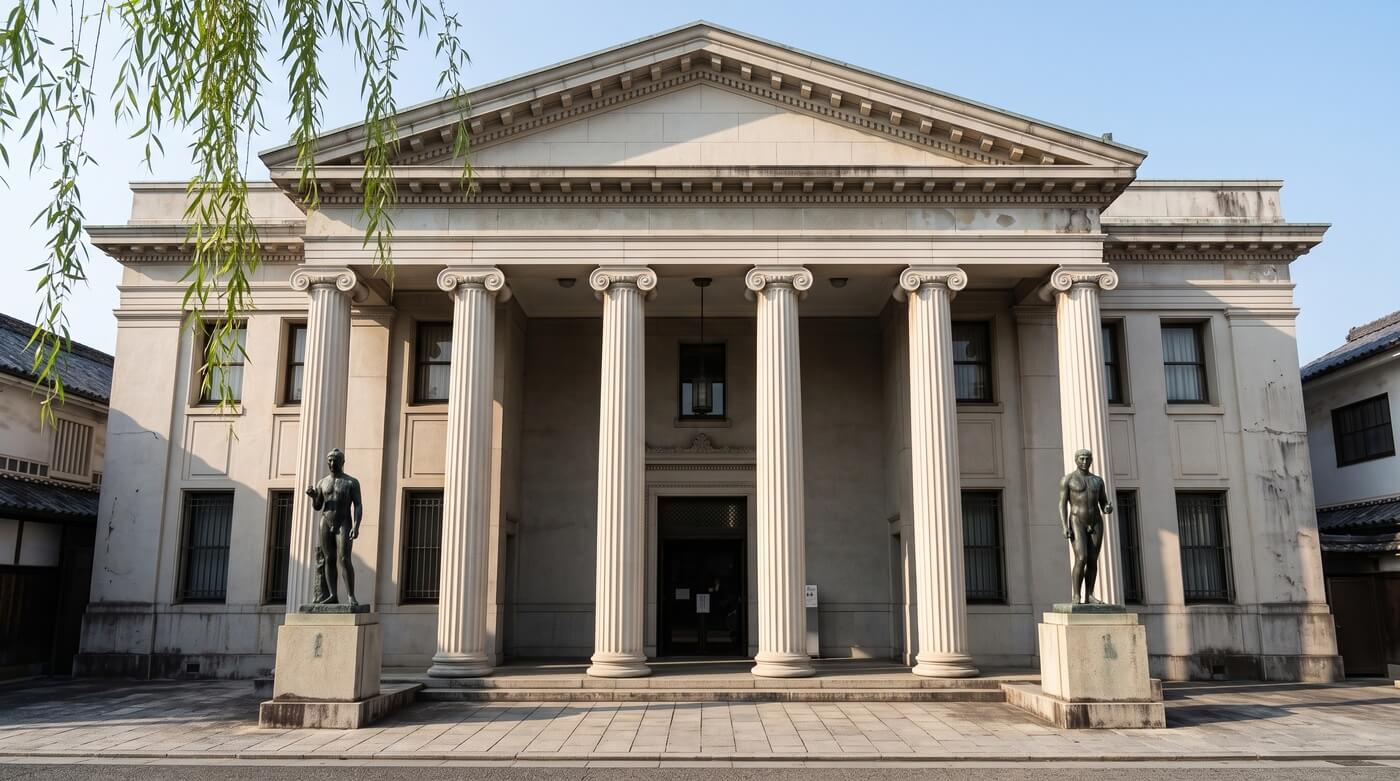
Start in the Main Building, behind the Ionic columns and the two Rodin bronzes at the door. El Greco’s Annunciation hangs here after its 2025 restoration, the first in about 60 years, done with a conservator from the Prado.
An audio guide in English, Chinese, and Korean costs ¥600 and works in the Main Building only.
Next, cross to the Craft Art and Asian Art Gallery, set in converted Ohara family storehouses. It holds woodblock prints by Munakata Shiko and stencil dyeing by Serizawa Keisuke.
The Asian rooms hold Chinese antiquities that Kojima collected. The Kojima Torajiro Memorial Hall, in a former bank a short walk away, opens later, at 10:00, and shows Kojima’s own paintings.
Give all three buildings about two hours. Photography is not allowed inside any of them.
The museum keeps bags free of charge beside the ticket desk and lends wheelchairs and pushchairs for use inside. It takes cards and QR payments as well as cash.
Ohashi House and Achi Shrine After Lunch
Ohashi House is a merchant house finished between 1796 and 1799, on the walk back from lunch near the station. Its long gatehouse faces the street, and the main house sits behind a front yard.
No other house in Kurashiki has that layout.
Entry costs ¥550, and you can step up into the rooms. Thirty minutes is enough.
It opens from 09:00 to 17:00 and closes on Fridays from December to February.
From there, walk up to Achi Shrine on Tsurugatayama, a 43 metre hill on the north edge of the quarter. The first flight alone has 88 steps, which is hard on a bad knee and impossible with a pushchair.
From the precinct you look out over the rooftops, with the Ohara Museum below.
The shrine’s Achi no Fuji is an Akebono wisteria, 300 to 500 years old. It flowers on its trellis from late April into early May, and it is the reason to time a spring visit.
Ivy Square and the Canal Lights
Kurashiki Ivy Square closes the day on the east side of the quarter. Kurashiki’s cotton spinning mill opened here in 1889, on the site of the old magistrate’s office.
The ivy covered red brick reopened in 1974 as a hotel and shops.
For a sit down, Kurashiki Coffee Kan has roasted its own beans beside the canal since 1971. It plays no background music, which makes it the quietest seat in the quarter.
The canal lights come on at sunset and stay on until 22:00 from April to September, and until 21:00 from October to March. Lighting designer Ishii Motoko planned them, and they began in 2005.
After dark the canal costs nothing, and it is the photograph most people came for.
Bukkake Udon Against an Osaka Lunch
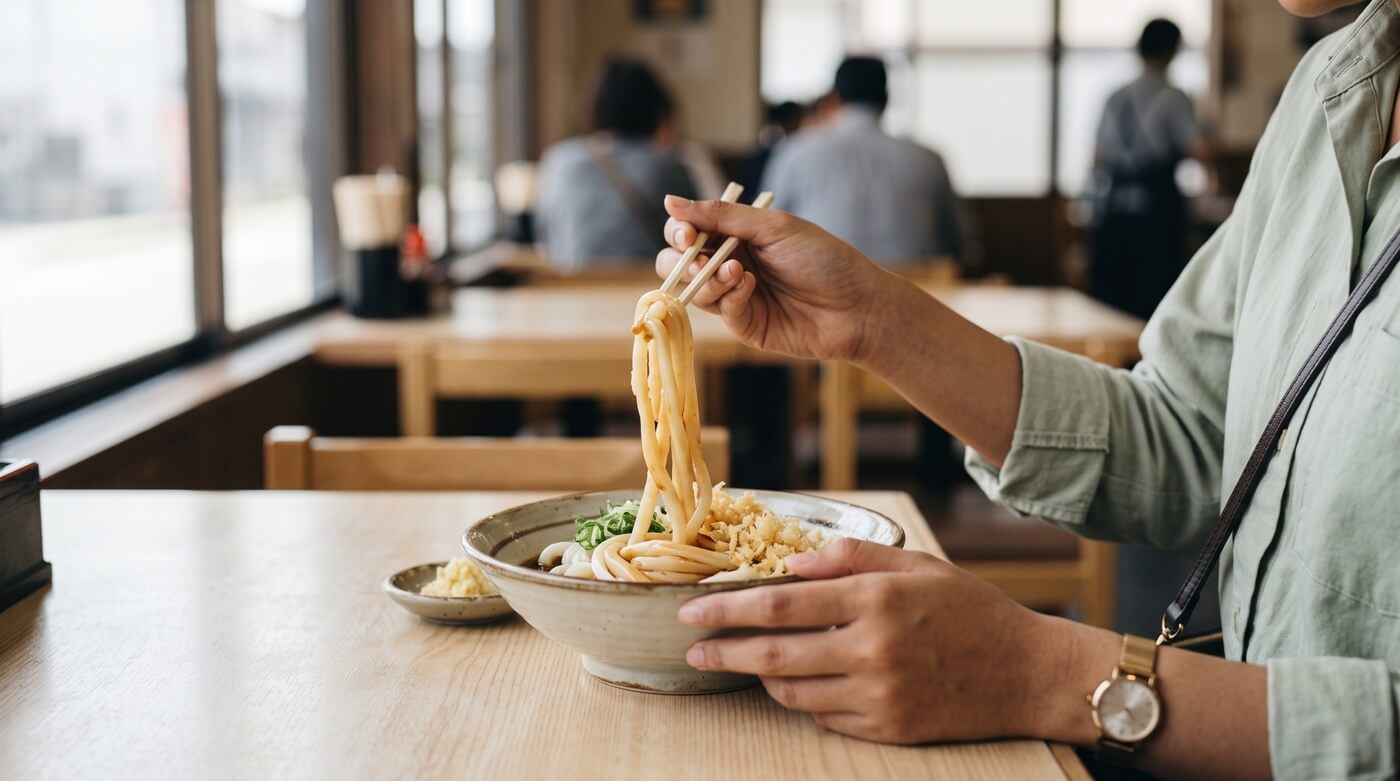
Kurashiki does not beat Osaka on food, and one bowl of udon is the dish worth eating here. Bukkake Furuichi Nakamise, near Kurashiki Station, calls itself the shop where bukkake udon started.
A regular bowl costs ¥740.
In bukkake udon the sauce goes over the noodles, not around them as a soup. Furuichi pours a rich sweet and salty sauce over firm noodles, and this branch opened in 1969.
It has tables on two floors.
The shop serves from 09:00 to 21:00, with last orders at 20:30, and lists no regular closing day. So the same ¥740 bowl works as lunch or as dinner before the train home.
For a proper dinner, save your appetite for Osaka. Beyond udon and coffee, the quarter has little that Osaka does not do better. An okonomiyaki dinner at Mizuno in Dotonbori
is a better way to end this day than a second meal by the canal.
What a Kurashiki Day Costs From ¥16,000
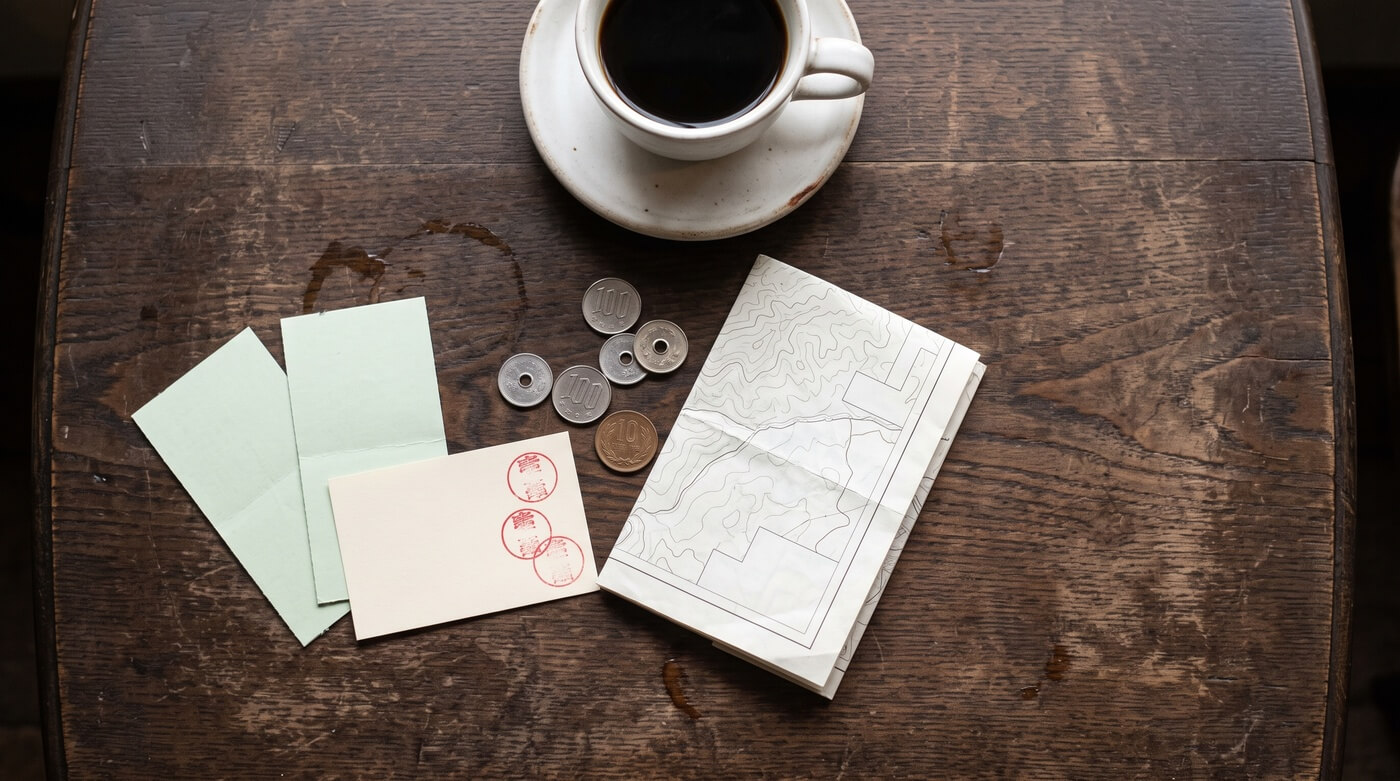
A Kurashiki day trip from Osaka costs ¥16,000 to ¥21,000 per person, and the shinkansen is most of it. The unreserved round trip from Shin-Osaka is ¥11,880.
Everything in the quarter adds ¥4,000 to ¥7,000 on top.
| Item | Low | High |
|---|---|---|
| Shinkansen round trip from Shin-Osaka | ¥11,880 unreserved | ¥13,580 reserved Nozomi |
| Ohara Museum of Art | ¥2,000 | ¥2,000 |
| Kurashiki River boat | ¥1,000 | ¥1,000 |
| Ohashi House | ¥0 | ¥550 |
| Lunch | ¥740 | ¥1,500 |
| Coffee and a snack | ¥700 | ¥1,500 |
| Osaka Metro from Umeda and back | ¥0 | ¥480 |
| Total | ¥16,320 | ¥20,610 |
Lunch and coffee are estimates, and the rest are posted fares and fees. The Osaka Metro Midosuji Line charges ¥240 each way between Umeda and Shin-Osaka.
With a Kansai WIDE Area Pass, the shinkansen line drops out, and the day costs about ¥4,500 to ¥7,000 on top of the pass.
Set against a full Osaka trip budget, this is the expensive transport day of the week. Keep the other days on the Metro and an IC card, and one Kurashiki day stays affordable.
Ohara’s Monday Closure and the Best Months
Late April and October to November are the best times for a Kurashiki day trip from Osaka. Monday is the worst day in any month.
The Ohara Museum of Art closes on Mondays, unless a public holiday falls on one. In August it opens every day.
The river boat adds its own gaps. It skips the second Monday of each month from March to December.
In January and February it runs only at weekends and on public holidays.
Summer shortens the afternoon. From July to September the last boat leaves at 15:00 instead of 17:00.
Winter cuts it further, because from December to February the museum closes at 15:00 and Ohashi House closes on Fridays.
Late April is the best single stretch, when the Achi no Fuji wisteria flowers above the quarter. In autumn the boats return to their 17:00 finish.
The early sunset also brings on the canal lights while you still have time for a train back.
Crowds follow the national holidays. During Golden Week, Obon, and the New Year, the trains fill first, which is why JR makes every Nozomi all reserved on those dates.
Book a Sakura seat ahead if your trip falls on one.
Leave Shin-Osaka Before Eight
Leave Shin-Osaka by 08:00 and you reach the canal around 09:30, when boat tickets are on sale and the museum has just opened. A 10:00 departure still works, but it puts you at the back of the boat queue.
From Namba or Umeda, the Osaka Metro Midosuji Line runs straight to Shin-Osaka, and from Umeda the fare is ¥240. Leave 20 minutes for the Metro and the walk to the shinkansen gates.
Wear shoes with grip for the stone steps at Achi Shrine, and bring a hat, since the boat bans sun umbrellas. Carry a daypack rather than a suitcase.
A daypack fits the museum’s free bag desk, so leave anything larger at your Osaka hotel.
The canal quarter is flat, so a wheelchair or pushchair moves easily between the museum, the canal, and Ohashi House. Only the steps to Achi Shrine rule out both.
The small wooden boat is worth asking about at Kurashiki-kan before you buy. The Ohara Museum can also lend a city wheelchair for use outside, in limited numbers.
Before you book a shinkansen seat, check the Ohara Museum’s calendar for temporary closures. It shut from 9 February to 24 April 2026 for building work, and a long closure like that would empty this whole plan.
Take the Trip for the Ohara Collection
Go to Kurashiki if the Ohara Museum of Art is the reason, and treat the canal as the setting around it. Skip it on a Monday.
Skip it too if Kyoto is still unseen, or if paintings leave you cold.
If castles are what you want from the Sanyo Shinkansen, Himeji is closer and cheaper on the same line. If modern history is the pull, Hiroshima, further west on the same line, carries more weight in a single day.
Within a three day Osaka plan, Kurashiki works best the day after Kyoto, once you have had your fill of temples.
Nozomi and Sakura trains leave Okayama for Shin-Osaka through the evening. Staying for the canal lights costs you nothing but a later dinner.
Frequently Asked Questions (FAQs)
Is Kurashiki worth a day trip from Osaka?
Kurashiki is worth a day trip from Osaka if the Ohara Museum of Art is open, which rules out most Mondays. The museum and the Bikan canal quarter fill about five hours.
The shinkansen round trip from Shin-Osaka costs ¥11,880 unreserved. On a first trip with Kyoto and Nara still unseen, go to those first.
How long do you need in Kurashiki?
Five to six hours covers Kurashiki properly. The Ohara Museum of Art takes about two hours and the river boat takes 20 minutes. Ohashi House and Achi Shrine need about an hour between them.
Add lunch and the canal walk, and a 09:30 arrival leaves you free by mid afternoon, or at dusk if you stay for the lights.
How do you get from Osaka to Kurashiki?
Take the JR Sanyo Shinkansen from Shin-Osaka to Okayama, then the JR Sanyo Line 17 minutes to Kurashiki. The trip takes about 75 minutes and costs ¥5,940 one way unreserved on a single ticket.
Do not ride to Shin-Kurashiki. It is a separate station 8 minutes west of Kurashiki, and going that way costs about ¥1,400 more.
Does the Japan Rail Pass cover the trip to Kurashiki?
The Japan Rail Pass covers the whole trip to Kurashiki on the Sakura, Hikari or Kodama plus the JR Sanyo Line. It does not cover the Nozomi or Mizuho without a special ticket.
A seven day pass costs more than four round trips, so it loses money on a Kansai trip. The ¥12,000 Kansai WIDE Area Pass is the better buy.
Can you visit Kurashiki and Okayama in one day?
Kurashiki and Okayama fit in one day, because you change trains at Okayama anyway. Okayama Korakuen costs ¥500 and sits about 15 minutes by bus from Okayama Station.
From 1 October to 19 March the garden opens 08:00 to 17:00. See it first, then reach Kurashiki by late morning.