


Tennoji is a major commercial and cultural district in Tennoji Ward, Osaka, centered around Tennoji Station, one of the busiest rail interchanges in western Japan served by JR Osaka Loop Line, JR Yamatoji Line, Osaka Metro Midosuji Line, Tanimachi Line, and the Kintetsu Osaka Line.
The district is home to several of Osaka’s most significant cultural and leisure institutions, including Tennoji Zoo (one of Japan’s oldest), Osaka City Museum of Fine Arts, and the expansive Tennoji Park.
The Abeno Harukas skyscraper, connected directly to the station via the Kintetsu department store complex, stands at 300 metres as Japan’s tallest building and houses an observation deck, art museum, and hotel.
The adjacent Abeno and Abeono Harukas area adds a major retail and dining component to the district.
Tennoji sits at the northern edge of Shinsekai and is within easy reach of the Osaka Castle area, making it a practical base for visitors wanting access to southern and central Osaka without paying Namba prices.
Tennoji Guide: Osaka’s Most Underrated Neighborhood
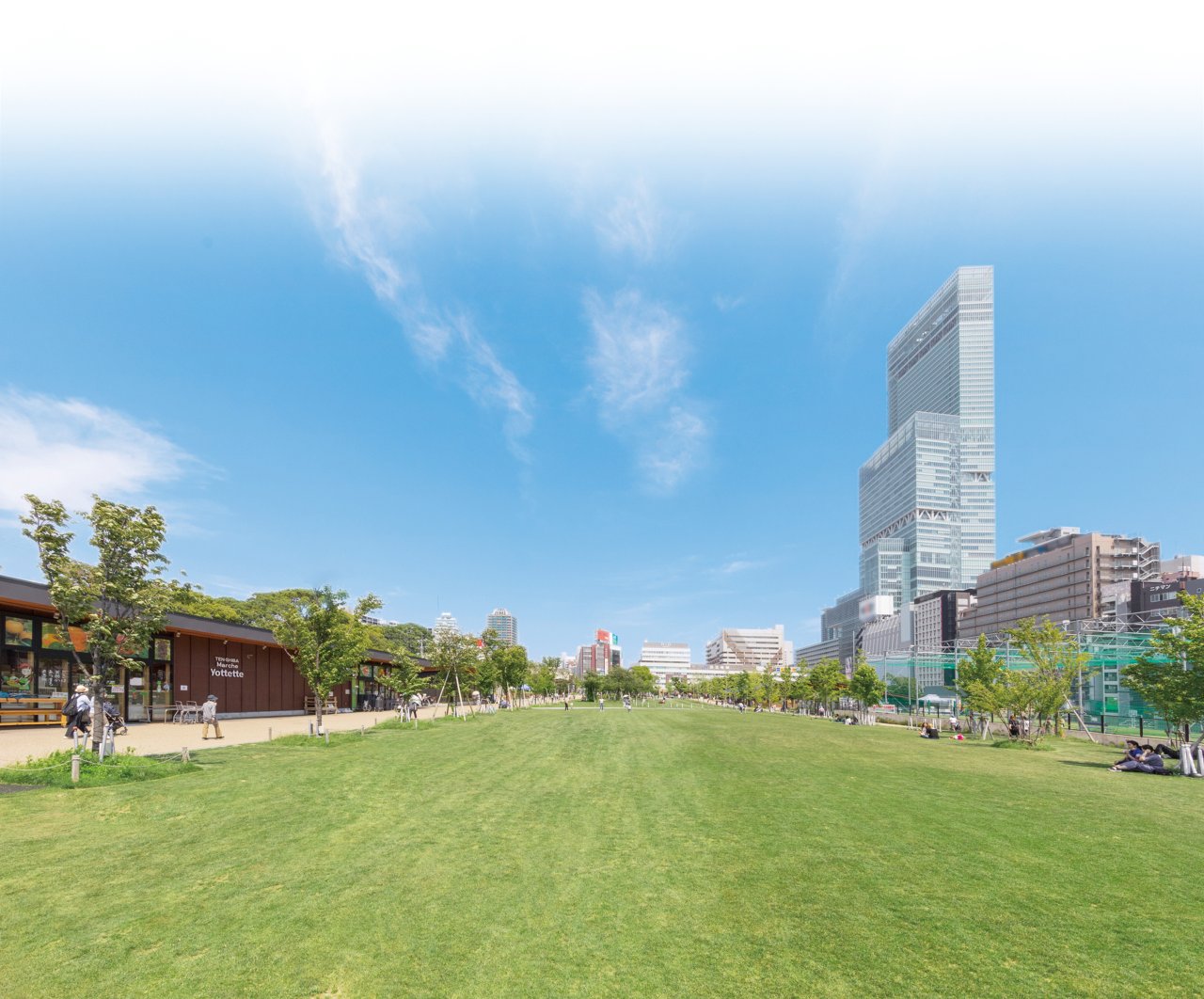
Tennoji sits in the southeast of central Osaka and quietly packs more genuine sightseeing into one district than most visitors realize.
This Tennoji Guide covers everything from Japan’s oldest official Buddhist temple to a 300-meter skyscraper, a zoo, a fine arts museum, and a retro food quarter, all within walking distance of each other.
If you’ve been spending all your time in Dotonbori or Namba, this is the area you’ve been skipping.
Tennoji at a Glance
- Best for: History buffs, families, budget travelers, and anyone tired of tourist crowds
- Nearest stations: JR Tennoji Station (multiple JR lines), Osaka Metro Tennoji Station (Midosuji and Tanimachi lines), Kintetsu Osaka Abenobashi Station
- Walkability rating: High. Most major sights are within a 15-minute walk of Tennoji Station
- Best time to visit: March to May (spring greenery and temple gardens) and October to November (autumn foliage)
Getting to Know Tennoji
Tennoji (天王寺, Tennōji) has one of the more interesting trajectories of any Osaka neighborhood. For much of the 20th century, it was the kind of area that Osaka residents mentioned with a slightly sideways glance, known more for its proximity to the old day-laborer district of Kamagasaki (now formally renamed Airin-chiku) than for anything tourist-friendly.
That reputation has shifted considerably over the past decade, pushed along by the 2014 opening of Abeno Harukas and a steady redevelopment of the streets around Tennoji Station.
The neighborhood’s central axis runs roughly between Tennoji Station to the south and Shitennoji Temple to the north, with Tennoji Park filling much of the space in between. West of the park, the retro entertainment district of Shinsekai brings a very different energy, all faded mid-century neon, kushikatsu smoke, and the tilted silhouette of Tsutenkaku Tower.
It’s that combination of austere Buddhist heritage and cheerfully greasy street culture that makes Tennoji so distinctly Osakan. The neighborhood’s key streets include Abeno-suji, the main commercial corridor running south from the station, and the quieter lanes threading east toward Shitennoji.
The Neighborhood’s Vibe
Tennoji isn’t trying to impress you. That’s part of its appeal.
The streets around the station are functional and lived-in, with the kind of izakayas (Japanese-style pubs) and 100-yen shops that serve local residents rather than tour groups.
Tenshiba, the lawn plaza at the Tennoji Park entrance, has a noticeably local feel: Osaka families spread out on the grass on weekends, students eat lunch on the steps, and small dogs in padded jackets get walked past the fountains.
It’s ordinary in the best possible way.
Top Things to Do in Tennoji
Tennoji’s appeal isn’t about one showpiece attraction. The district works best as a full day of layered experiences, moving from temple grounds to park lawns to observation decks and then settling in for dinner somewhere in Shinsekai.
The sights below are all within a 20-minute walk of each other, which makes it easy to string them together without much planning.
Shitennoji Temple
Shitennoji (四天王寺) was founded in 593 by Prince Shotoku, making it Japan’s first officially state-built Buddhist temple and one of the oldest surviving religious sites in the country. The main complex follows a strict south-to-north axial layout considered one of the earliest examples of formal temple architecture in Japan.
A five-story pagoda anchors the inner precinct, and while the current structures are postwar reconstructions (fire and war have leveled the originals multiple times over the centuries), the scale and atmosphere carry genuine weight.
The outer grounds are free to enter. Admission to the inner precinct (garan) costs 300 yen for adults, and access to the Gokuraku-jodo (Paradise Garden) is an additional 300 yen.
The temple is open from 8:30 to 16:00 (October through March) and 8:30 to 16:30 (April through September). On the 21st and 22nd of each month, the grounds host a large flea market where locals sell antiques, vintage clothing, and secondhand goods.
If your dates align, it’s worth timing your visit around this.
Abeno Harukas
At 300 meters tall, Abeno Harukas (あべのハルカス) is one of Japan’s tallest skyscrapers and the most visible landmark in southern Osaka. It sits directly above Tennoji Station and Kintetsu Osaka Abenobashi Station, which makes it impossible to miss and very easy to access.
The observation deck, Harukas 300, occupies the 58th, 59th, and 60th floors and offers a 360-degree view across the Osaka basin, Osaka Bay to the west, and on clear days, the peaks of the Rokko mountains to the north.
Tickets are purchased on the 16th floor. Adult admission is 2,000 yen; junior and senior high school students pay 1,200 yen; elementary school children pay 700 yen.
The deck is open daily from 9:00 to 22:00, with last admission at 21:30. The building also houses a Kintetsu department store across the lower floors, an Osaka Marriott hotel from the 38th floor up, and the Abeno Harukas Art Museum, which runs rotating exhibitions throughout the year.
Tennoji Park and the Zoo
Tennoji Park (天王寺公園) was established in 1909 and covers roughly 11 hectares between the station and Shinsekai. The park was behind a pay wall until 2015, which is part of why many Osakans have a slightly nostalgic relationship with it now that it’s freely accessible.
The entrance plaza, Tenshiba, is a wide lawn surrounded by cafes and food stalls, pleasant enough for a sit-down without committing to any particular attraction.
Inside the park, the Tennoji Zoo (天王寺動物園) houses around 1,000 animals across 180 species and is a proper neighborhood institution for Osaka families. It’s open Tuesday through Sunday from 9:30 to 17:00 (closed Mondays, last entry 16:00), with extended hours on weekends in May and September.
Adult admission is 500 yen, making it one of the better-value activities in the area. The Osaka City Museum of Fine Arts (大阪市立美術館) sits at the southern end of the park and runs a solid calendar of both permanent and traveling exhibitions, with a particularly strong East Asian art collection.
Tsutenkaku Tower
Tsutenkaku (通天閣, “Tower Reaching Heaven”) is Shinsekai’s defining landmark. The current version, built in 1956, rises 103 meters above the street grid of retro shops and kushikatsu joints.
It’s a functioning observation tower with an admission fee of 1,000 yen for adults (1,800 yen for the premium open-air top floor), and the views are decent though clearly outclassed by Harukas 300. The tower itself is more interesting as a cultural artifact than as an observation spot.
It represents a specific era of Osaka working-class optimism, and the streets immediately around it retain enough of that atmosphere to make the short walk from Tennoji Station feel like a genuine shift in time period.
Keitakuen Garden
Less visited than the zoo or the temple, Keitakuen (慶沢園) is a traditional Japanese strolling garden inside Tennoji Park that was originally designed for the Sumitomo family in the early 20th century and donated to the city in 1925. Admission is 150 yen.
It’s small, maybe 30 minutes to walk properly, but the composition of the central pond, stone lanterns, and clipped pine trees is worth the detour if you’re already in the park. Quiet on weekday mornings.
Where to Eat in Tennoji
Tennoji’s food scene is more honest than photogenic, which suits Osaka well. This is a city that cares about how things taste rather than how they look on a feed.
The area around Shinsekai and Tennoji Station runs on kushikatsu, takoyaki (octopus balls), and cheap standing noodle bars, with a growing layer of proper sit-down restaurants near Abeno-suji. For a deeper look at the city’s wider food culture, the Osaka food guide covers everything from Michelin-starred kaiseki to late-night ramen.
Kushikatsu in Shinsekai
Kushikatsu is the dish this neighborhood owns. The format is simple: ingredients ranging from beef and pork to lotus root, quail egg, and cheese, breaded and deep-fried on skewers, then dipped into a shared communal sauce.
The rule, enforced with near-religious seriousness, is no double-dipping. Kushikatsu Daruma, the chain that originated in Shinsekai, has its flagship just a 4-minute walk from Dobutsuen-mae Station.
Expect to spend around 2,000 to 3,000 yen per person, which gets you a solid run of 10 to 15 skewers plus drinks. The queues outside the main Shinsekai branch move reasonably fast.
Arrive before 12:00 or after 14:00 to avoid the thickest part of the lunchtime crowd.
Abeno-suji Dining Strip
The Abeno-suji corridor south of the station concentrates a lot of the neighborhood’s more polished eating options, including izakaya chains, sushi counters, and Korean barbecue spots. The basement floors of the Kintetsu Department Store at Abeno Harukas and the adjacent Q’s Mall complex contain a solid cross-section of Japanese food court and standalone restaurant options, useful if you want air conditioning and a menu with pictures.
Standing Bars and Konbini Culture
One genuinely Osakan habit worth adopting in Tennoji is the tachinomi (standing drink) culture. Several tiny bars around Shin-Imamiya Station, a five-minute walk west of Tennoji Station, serve cold beer and cheap skewers from early evening.
The format is straightforward: stand at a counter outside, order by pointing, pay in cash. These places don’t have websites or Instagram accounts, which is precisely why they’re worth finding.
Where to Stay in Tennoji
Tennoji is one of Osaka’s better-value areas to base yourself, partly because it’s a major transit hub and partly because it hasn’t attracted the premium pricing that Namba and Shinsaibashi command. For broader options across the city, the where to stay in Osaka guide covers every neighborhood by budget and travel style.
Budget: The Khaosan World Tennoji hostel and COGO Tennoji offer dormitory and private room options from around 3,500 to 6,000 yen per night. Both are a short walk from Tennoji Station and practical rather than stylish.
Cash payments are common at smaller properties, so carry some.
Mid-range: Via Inn Abeno Tennoji (operated by the JR West Group) sits directly above Tennoji Station and combines solid soundproofing with reliable service. Rates typically run 10,000 to 15,000 yen per night for a double.
The convenience alone justifies the slight premium over more peripheral options.
Upper mid-range: The Osaka Marriott Autograph Collection occupies floors 38 to 57 of Abeno Harukas. Rooms start at around 35,000 yen per night and come with city views that you’d otherwise pay 2,000 yen to see from the observation deck.
It’s a logical choice if you want to combine accommodation with skyline access and don’t mind the price point.
Getting There and Getting Around
Tennoji Station is one of Osaka’s most connected transport hubs. JR lines serving the station include the Yamatoji Line, Osaka Loop Line, and the Hanwa Line south toward Kansai International Airport, which makes Tennoji a practical base for airport transit.
The Osaka Metro serves Tennoji on both the Midosuji Line (direct to Namba in about 5 minutes and to Umeda in about 12 minutes) and the Tanimachi Line. Kintetsu Osaka Abenobashi Station connects directly to Nara in around 45 minutes.
Within the neighborhood, almost everything is walkable. Shitennoji Temple is a 12-minute walk north of the station.
Tennoji Park starts immediately northwest of the station exit. The Hankai Tramway, Osaka’s last surviving surface tram line, departs from just outside and connects Tennoji to the southern suburbs in a slow, pleasant way that’s worth doing once for the experience.
IC cards (Suica, ICOCA, or a PiTaPa) work across all transit options in the area and are the simplest way to handle fares.
Practical Tips and Best Time to Visit
Spring (March to May) is the most pleasant time to visit Tennoji. Tennoji Park’s trees and Keitakuen Garden are at their best in late March through April, and the weather stays mild before Osaka’s summer humidity sets in.
Autumn (October to November) is the second best window, with cooler temperatures and the beginning of foliage color in the park. Summer (July to August) is genuinely hot and very humid.
The area is still operational and the zoo has indoor sections, but outdoor temple visiting becomes less comfortable after 10:00.
A few practical notes worth knowing before you go:
- The Tennoji Zoo is closed on Mondays. If you’re visiting at the start of the week, plan around this.
- Shitennoji’s inner precinct closes at 16:00 (October to March) and 16:30 (April to September), earlier than many visitors expect. Don’t leave it for late afternoon.
- Shinsekai restaurants operate on a largely cash-only basis, particularly the smaller kushikatsu counters. Carry at least 3,000 yen in cash when exploring this part of the neighborhood.
- Abeno Harukas observation deck allows same-day tickets from 10 minutes before opening. Evenings (after 19:00) tend to be less crowded and the city lights are genuinely worth the later visit.
- Tennoji Station itself is large and can be confusing on first arrival. The northwest exits lead directly toward the park and Tenshiba; the south exits connect to Abeno-suji and the Kintetsu complex.
If you’re building a multi-day itinerary around southern Osaka, exploring the full range of Osaka neighborhoods is worth doing before you commit to a base. Tennoji’s transport connections make it a sensible anchor for day trips in multiple directions.