






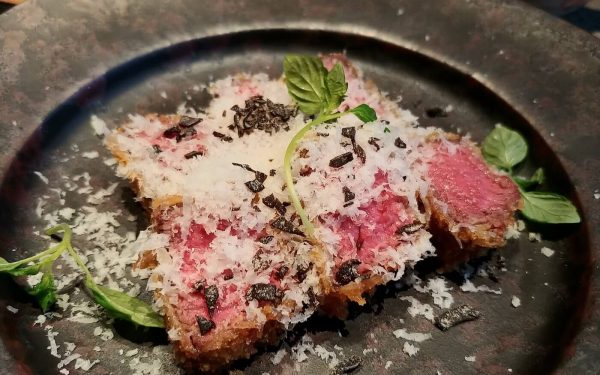
Restaurants in Osaka: What to Eat and Where in Osaka
Osaka has a stronger claim to food culture than almost any other city in Japan.
The phrase kuidaore (“eat until you drop”) originated here, and the city takes it as both a local identity and a reasonable daily objective.
Restaurants in Osaka run from 500 JPY street food eaten standing at a stall to quiet kaiseki counters with multi-course menus.
The 15 places on Explore Osaka cover the range: seven takoyaki shops across the city, Osaka’s most storied kushikatsu chain, a television-famous izakaya, an okonomiyaki institution that has been on Dotonbori since 1945, and a specialty coffee roaster in Horie that is worth knowing about even if you don’t think of yourself as a coffee person.
This is not a ranking.
It’s an organized guide to what the restaurants listed here are actually good for, by cuisine type and by the decisions you’ll actually face when you’re hungry in Osaka.
Takoyaki: Osaka’s Most Competitive Street Food
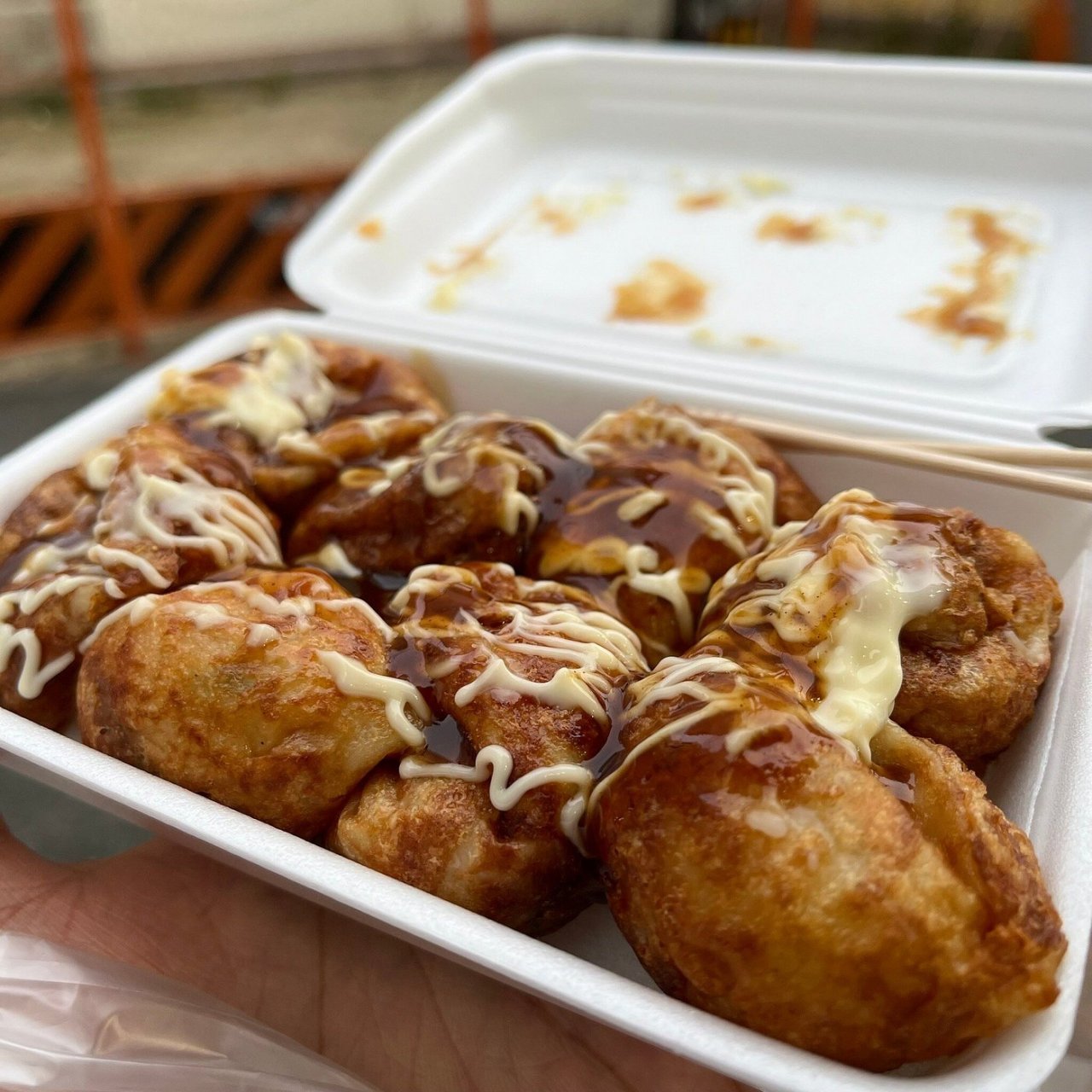
Takoyaki (たこ焼き) was invented in Osaka in 1935 by a street vendor named Tomekichi Endo, who adapted a similar dish from Akashi called akashiyaki and sold the new version from a stall in Namba.
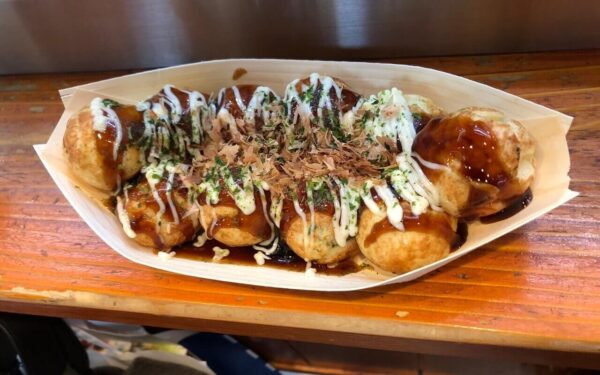
The recipe is simple on paper: a batter of wheat flour, dashi, egg, and soy sauce, cooked in a cast-iron mold with hemispherical cavities, each ball filled with a chunk of octopus (tako), pickled ginger (beni shoga), and tempura scraps (tenkasu).
Finished with takoyaki sauce, mayonnaise, bonito flakes, and dried seaweed.
What separates the good from the mediocre is the texture: crisp exterior, liquid-centered interior, and octopus that is tender rather than rubbery.
Osaka has hundreds of takoyaki vendors.
The ones below have earned their queues.
Kogaryu Takoyaki
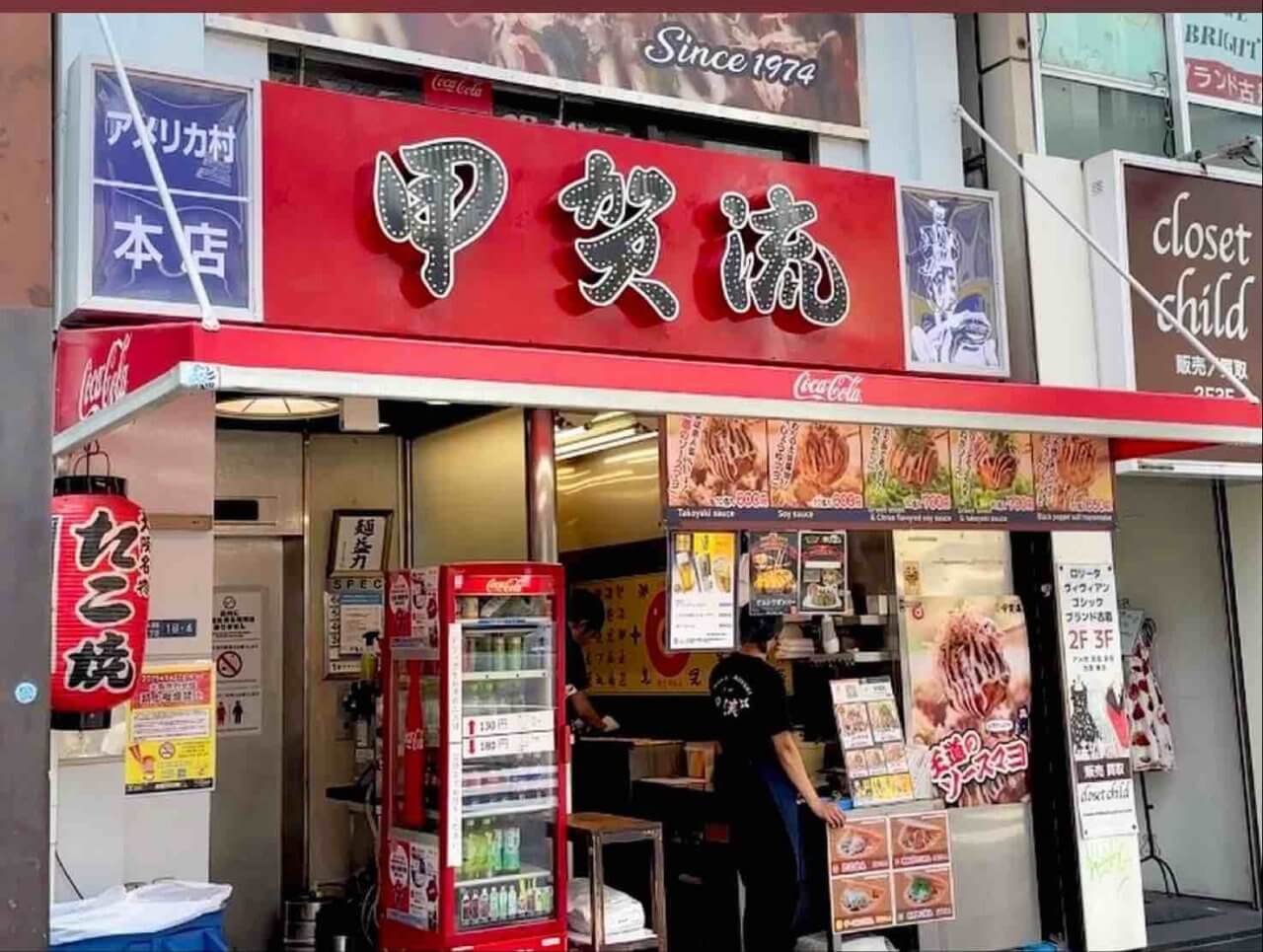
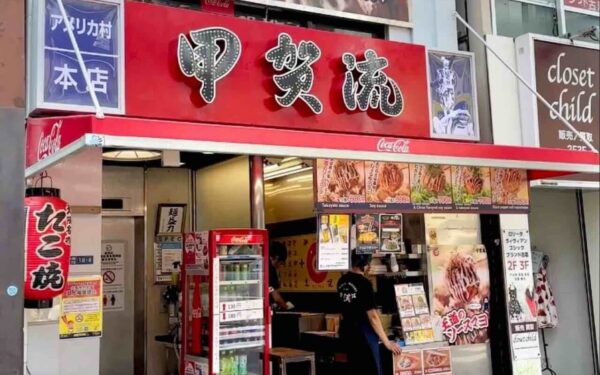
Kogaryu Takoyaki in Amerikamura (American Village), Shinsaibashi, is one of the most consistently cited shops in Osaka for the classic style.
The batter is thinner than most chain versions, the centers stay molten longer, and the Americana-decorated shopfront on Mitsuike Park has been a Shinsaibashi fixture for decades.
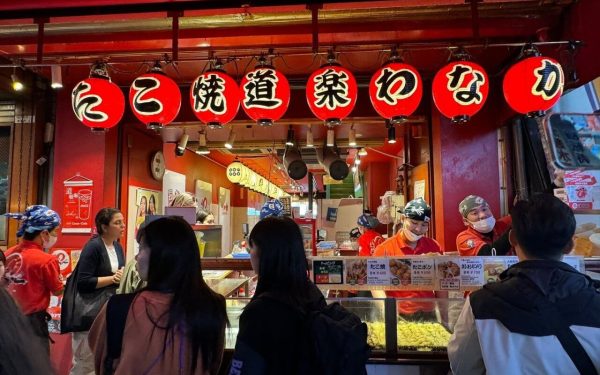
Takoyaki Doraku Wanaka Namba
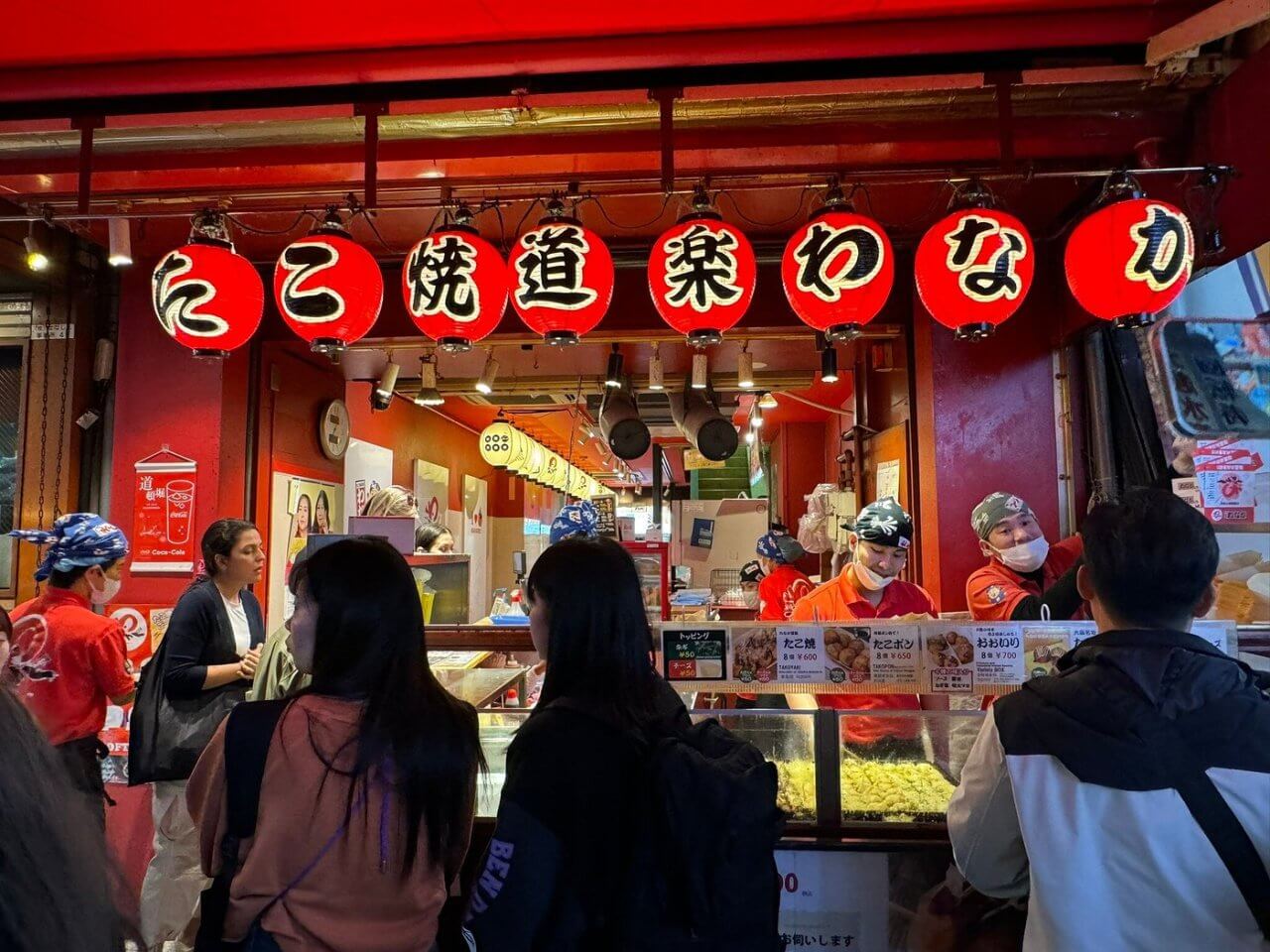
Takoyaki Doraku Wanaka Namba is the Dotonbori branch of a chain that started as a single stall and expanded on the back of a noticeably light, slightly sweet batter.
The Namba location is the most accessible and draws consistent queues.
Worth the wait; not worth arriving at peak lunchtime on a weekend without patience.
Takoya Dotonbori Kukuru
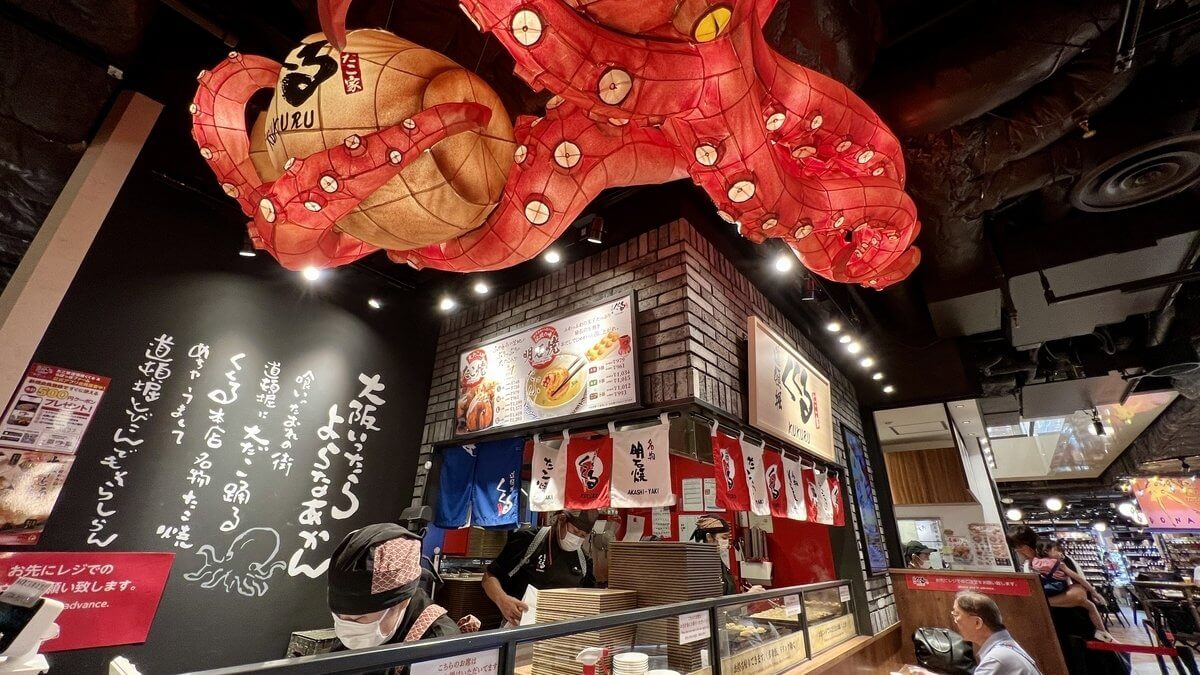
Takoya Dotonbori Kukuru on Dotonbori uses an unusually large piece of octopus relative to most competitors, and the exterior shell is crispier than average.
The shop is known for its theatrical preparation, with the rows of cast-iron molds visible from the street.
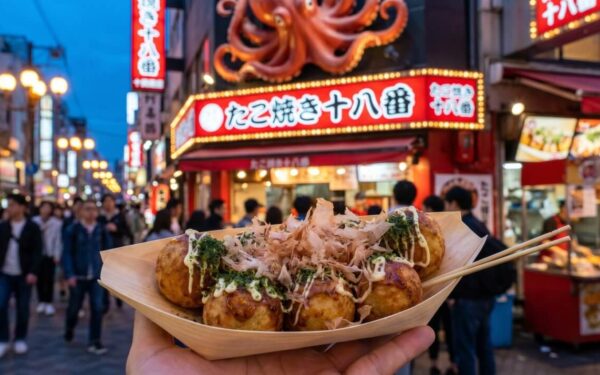
Takoyaki Jyuhachiban Dotonbori
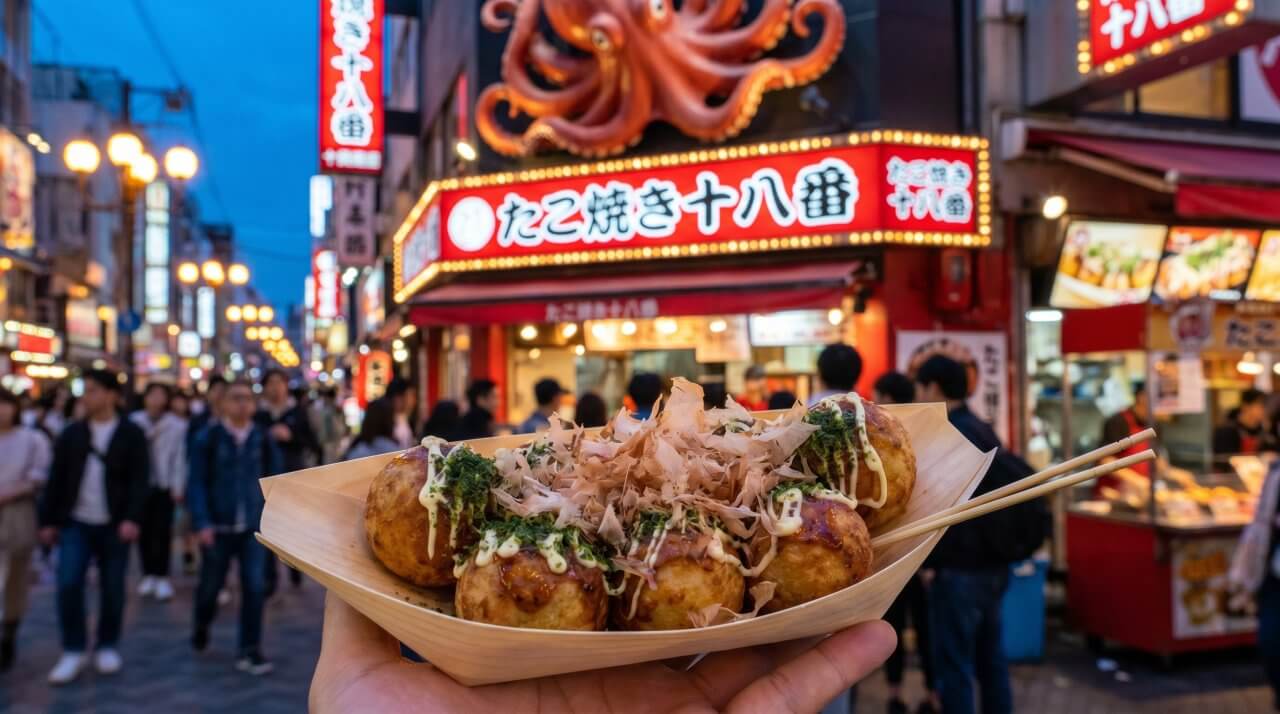
Takoyaki Jyuhachiban Dotonbori is a smaller, less-flagged Dotonbori option that tends to have shorter queues than Kukuru or Wanaka.
The balls here lean toward the softer, more molten style if that is your preference over the crisper versions.
Hanadako
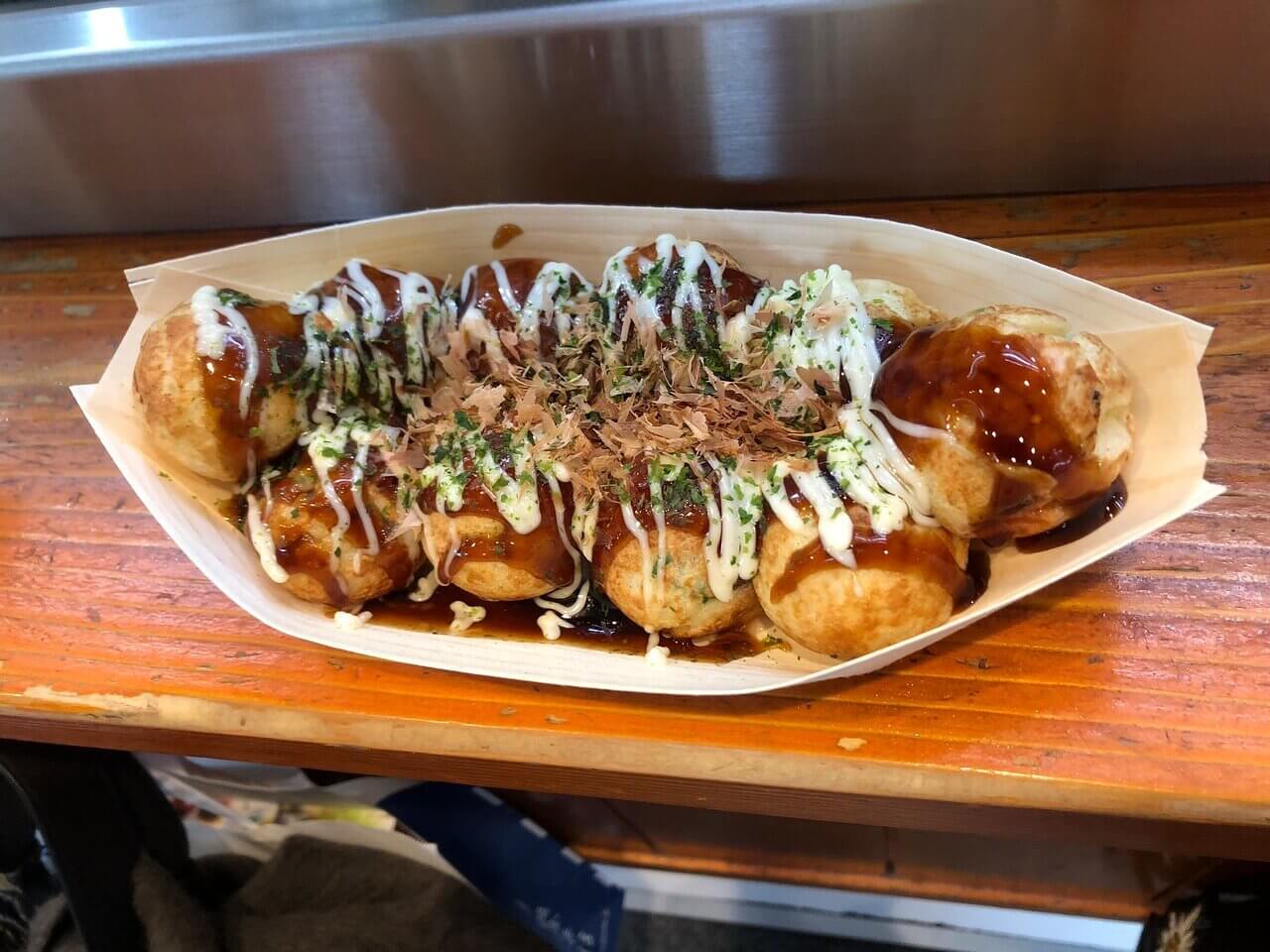
Hanadako in Umeda is the shop to know in the north of the city, a short walk from Osaka Station.
No need to go to Dotonbori specifically for takoyaki if you’re spending the day in Kita Ward.
Abeno Takoyaki
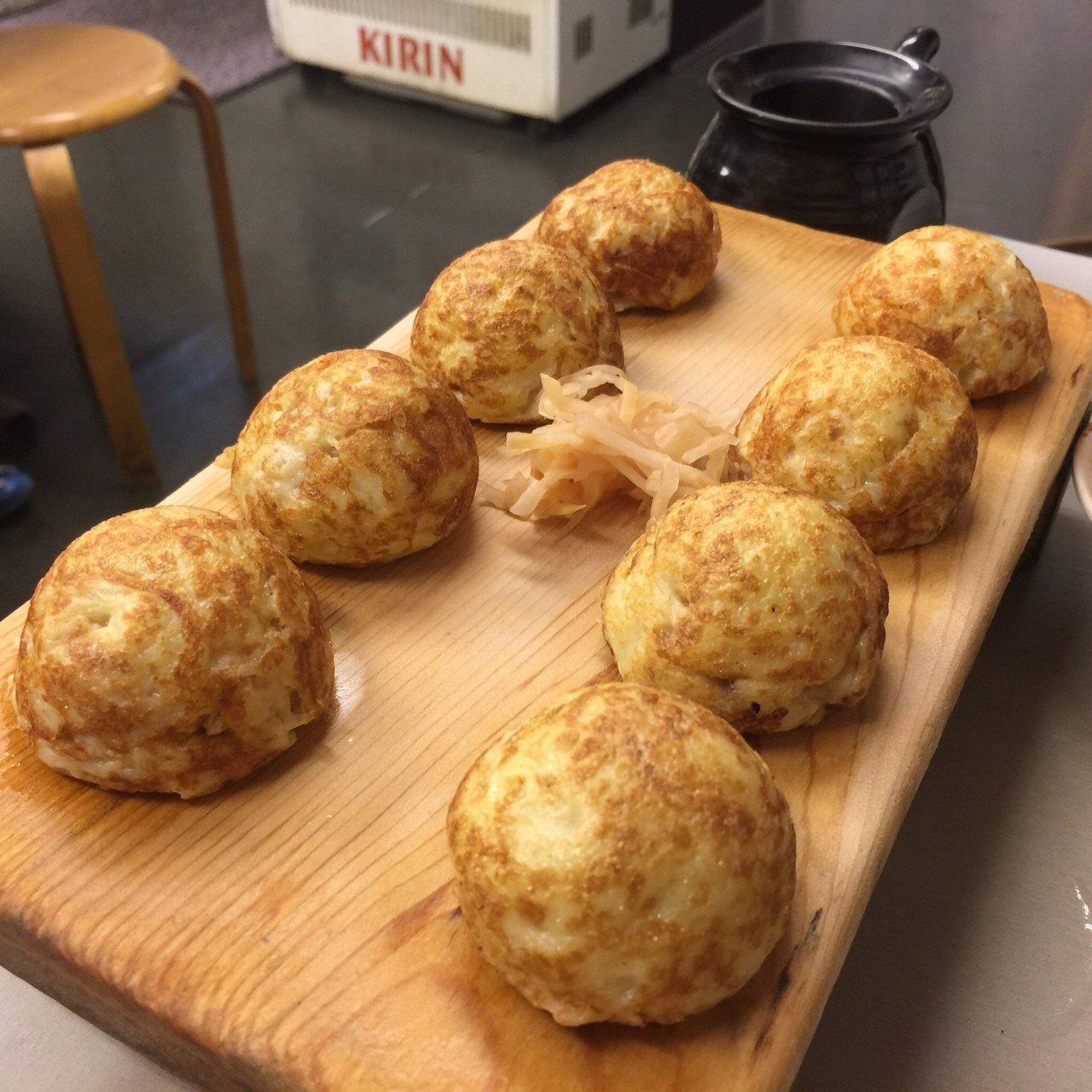
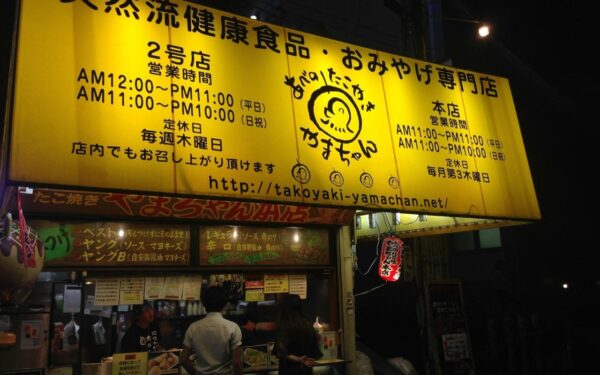
Abeno Takoyaki Yamachan Main Store in the Tennoji and Abeno district is frequently cited as one of the best in the city by locals, partly because it sits outside the Dotonbori tourist circuit.
The main store near Abeno is the original; branches exist elsewhere but the original is worth the specific trip.
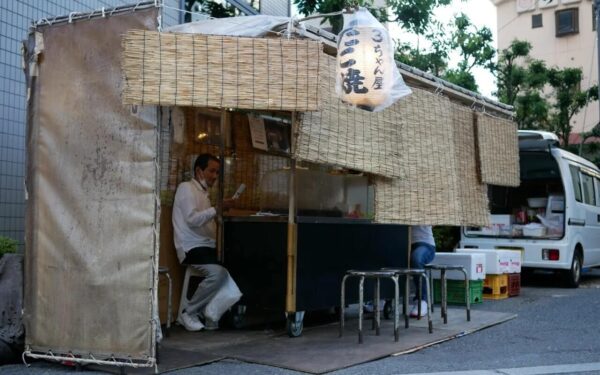
Sanchan-Ya
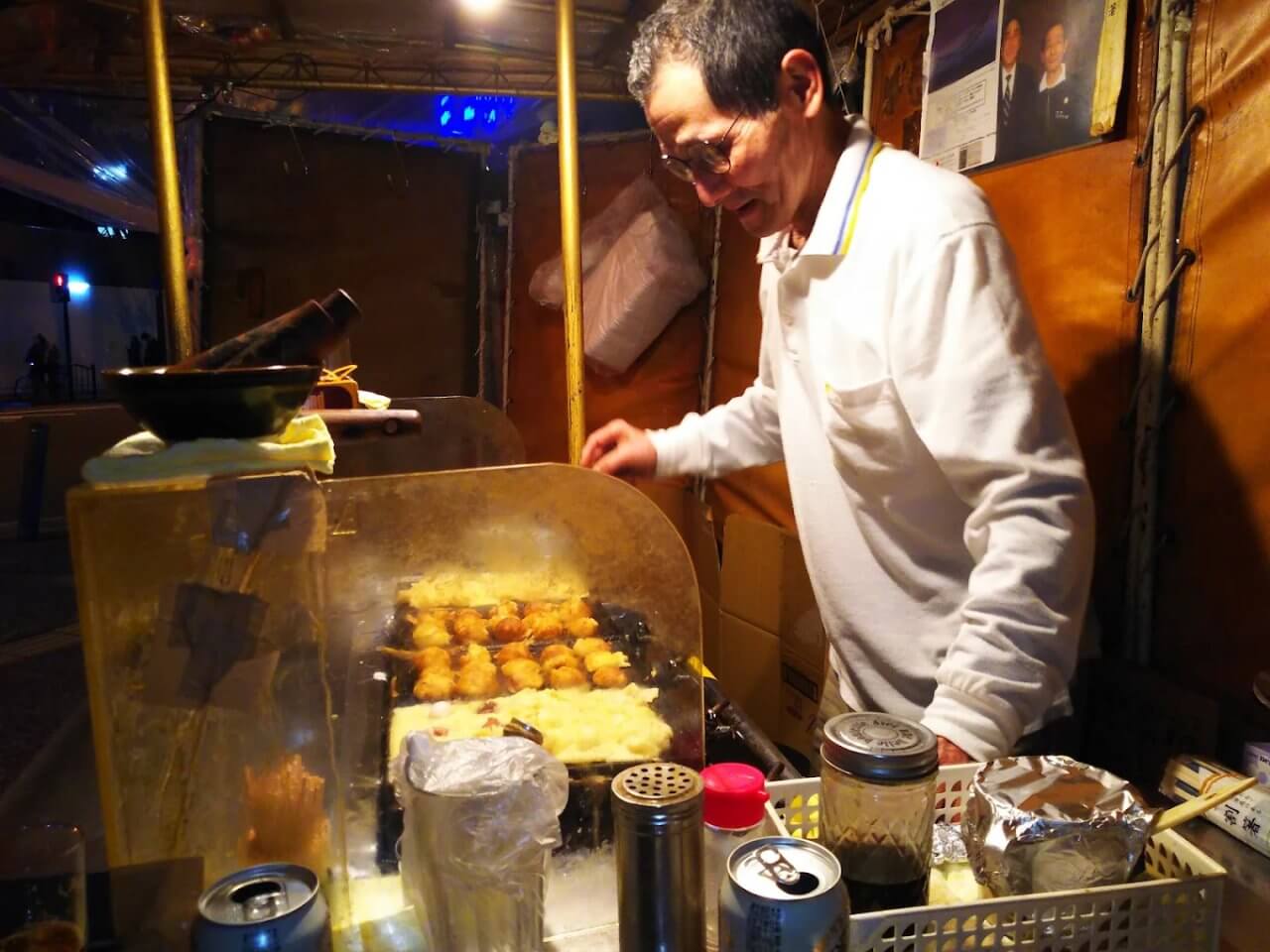
Sanchan-Ya in Nakatsu, one stop north of Umeda on the Midosuji Line, is the quieter residential-neighborhood option.
Lower foot traffic, no performance cooking, and a consistent product that regulars return to rather than tourists photographing.
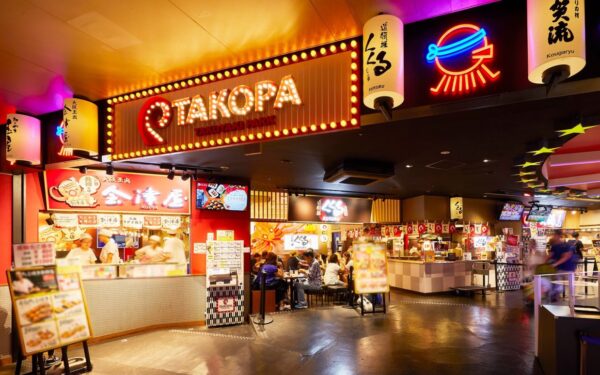
Osaka Takoyaki Park (TAKOPA)
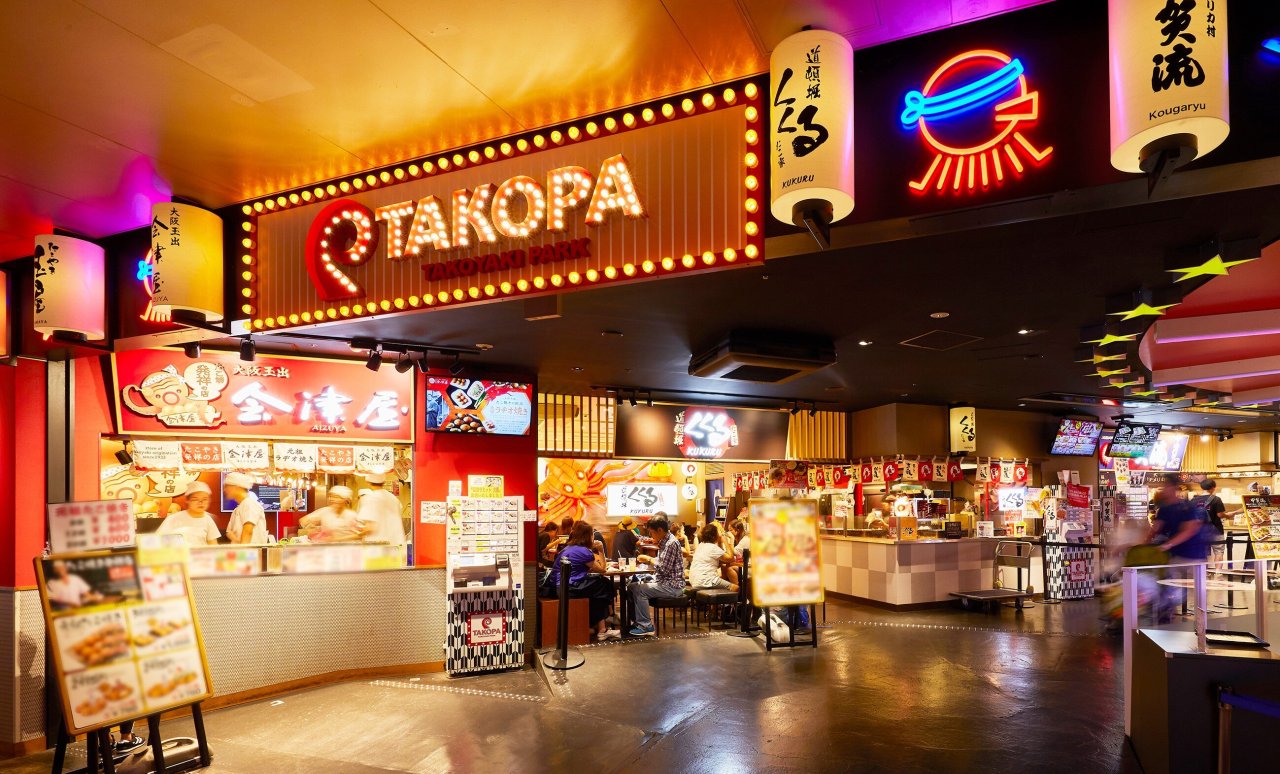
Osaka Takoyaki Park (TAKOPA) at Universal CityWalk, the commercial strip outside Universal Studios Japan, gathers several of Osaka’s name takoyaki shops under one roof.
It is a deliberate tourist construct, but it is genuinely useful if you are spending the day at USJ and want to try multiple styles in one visit without traveling across the city.
Kushikatsu: What to Know Before You Go to Daruma
Kushikatsu (串カツ) is the other dish Osaka owns.
Skewered meat, seafood, or vegetables, coated in breadcrumbs and deep-fried in oil, served with a shared communal dipping sauce.
The rule that defines Osaka kushikatsu culture is simple and non-negotiable: no double-dipping.
You dip once.
If you want more sauce, use the cabbage provided as a scoop.
The sauce bowls are shared, and double-dipping is considered a serious breach of etiquette in any reputable Shinsekai shop.
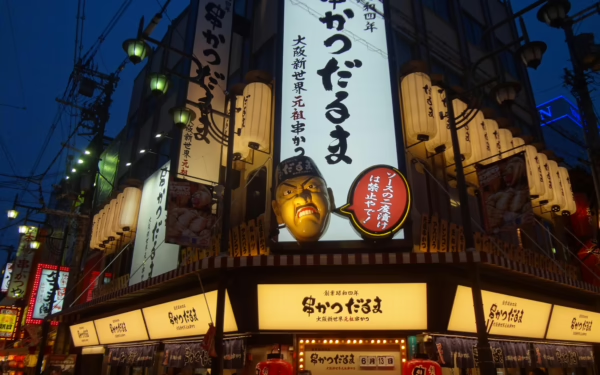
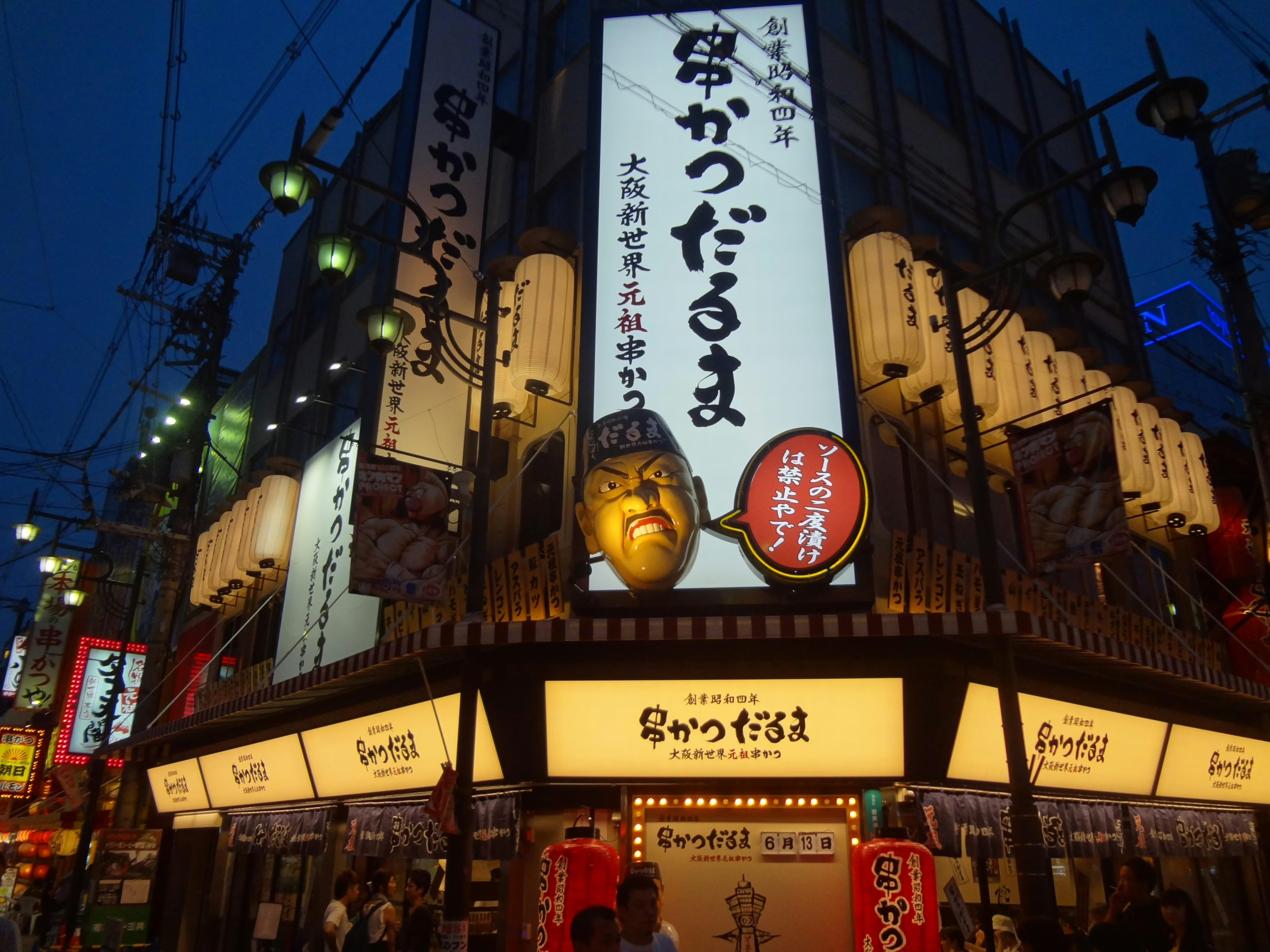
Ganso Kushikatsu Daruma Shinsekai Sohonten is the original Daruma main store in Shinsekai, the retro working-class entertainment district in Naniwa Ward.
Daruma has been serving kushikatsu in Shinsekai since 1929.
The chain has expanded across Osaka and beyond, but the Shinsekai main store is the one worth visiting for the full context: the yellow-and-black tiger-striped signage, the Billiken statue, and the showa-era atmosphere of the surrounding shotengai.
Individual skewers typically run 150 to 300 JPY each.
A satisfying meal costs around 1,500 to 2,500 JPY per person depending on how many rounds you order.
Okonomiyaki: One Institution and Why It Still Matters
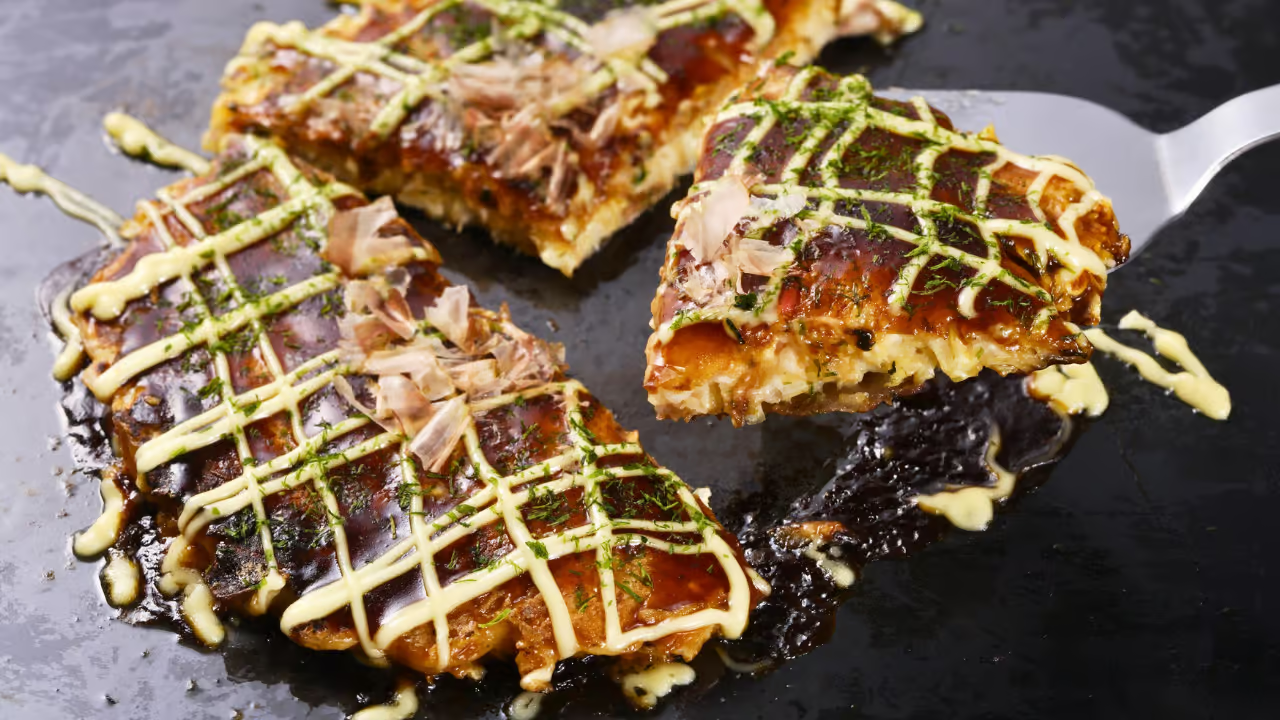
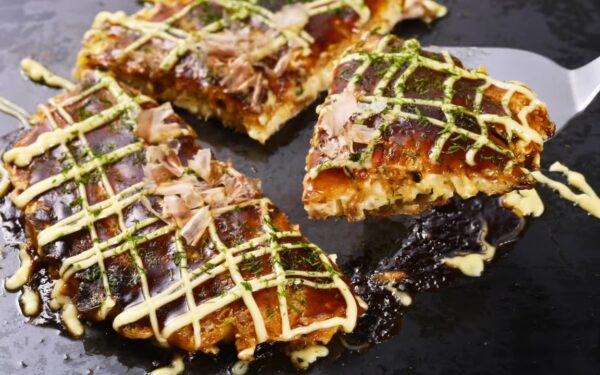
Okonomiyaki (お好み焼き) translates roughly as “grilled as you like it.” The Osaka style uses a batter of flour, nagaimo (mountain yam), dashi, and egg, mixed with shredded cabbage and your choice of additions: pork belly (buta), prawns, squid, mochi, or cheese.
It is cooked on a flat iron griddle, finished with a dark sauce, mayonnaise, dried bonito flakes, and green seaweed powder (aonori).
It is not a pancake in the Western sense: the yam gives the interior a soft, almost custard-like density that surprises most first-time eaters.
Okonomiyaki Mizuno on Dotonbori has been operating at the same address since 1945.
The ground floor counter seats look directly onto the griddle, and the yamaimo (mountain yam) used in the batter is sourced from the same supplier the shop has used for decades.
Queues form from opening, particularly on weekends.
Reservations are not available; the system is walk-in only.
Budget 1,200 to 1,800 JPY per person.
Izakaya: The One That Got on Television
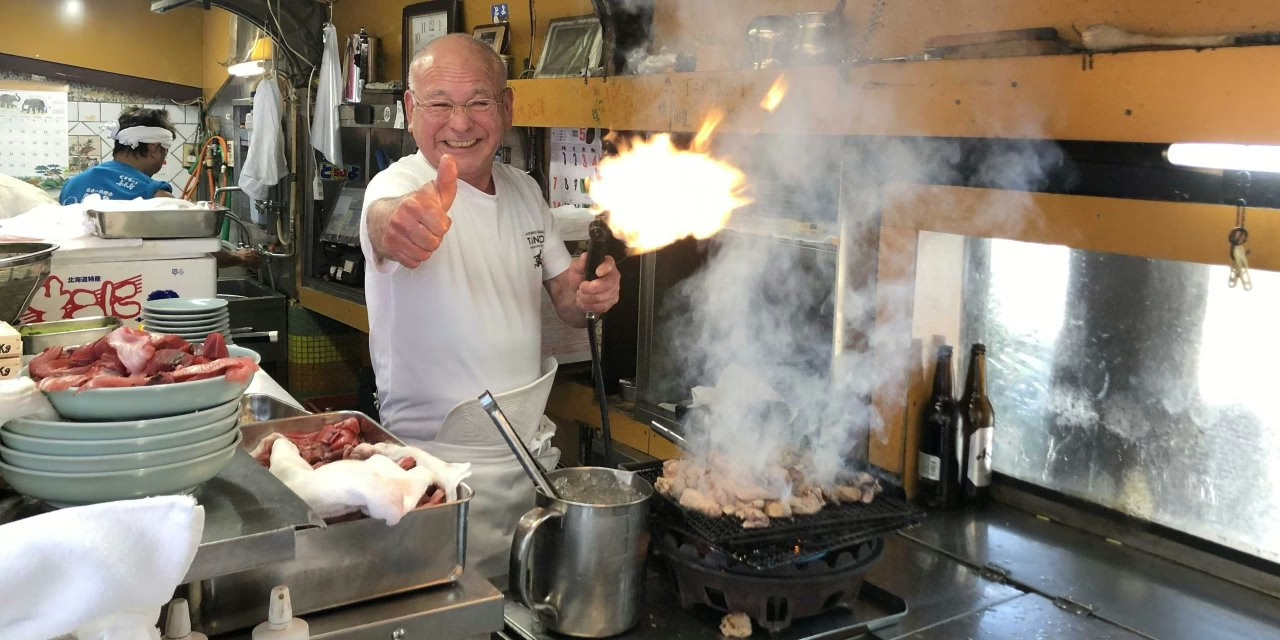
Izakaya Toyo in Kyobashi is the restaurant most likely to appear on a list of things that made Osaka famous on food television.
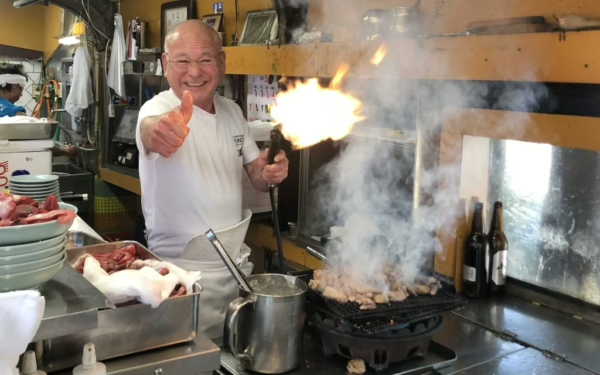
The owner, Toyo-san, became an internet phenomenon for the theatrical way he prepares dishes, including a signature flambéed oyster preparation that has been filmed by visitors from across the world.
The izakaya is small, typically has a wait even on weeknights, and does not take reservations.
Located near Kyobashi Station on the JR Osaka Loop Line, roughly 15 minutes from Namba.
The food itself is well above average izakaya standard, with an emphasis on fresh seafood, grilled items, and the kind of menu that changes based on what Toyo-san feels like cooking.
Budget 3,000 to 5,000 JPY per person including drinks.
Sushi: A Counter Worth Knowing
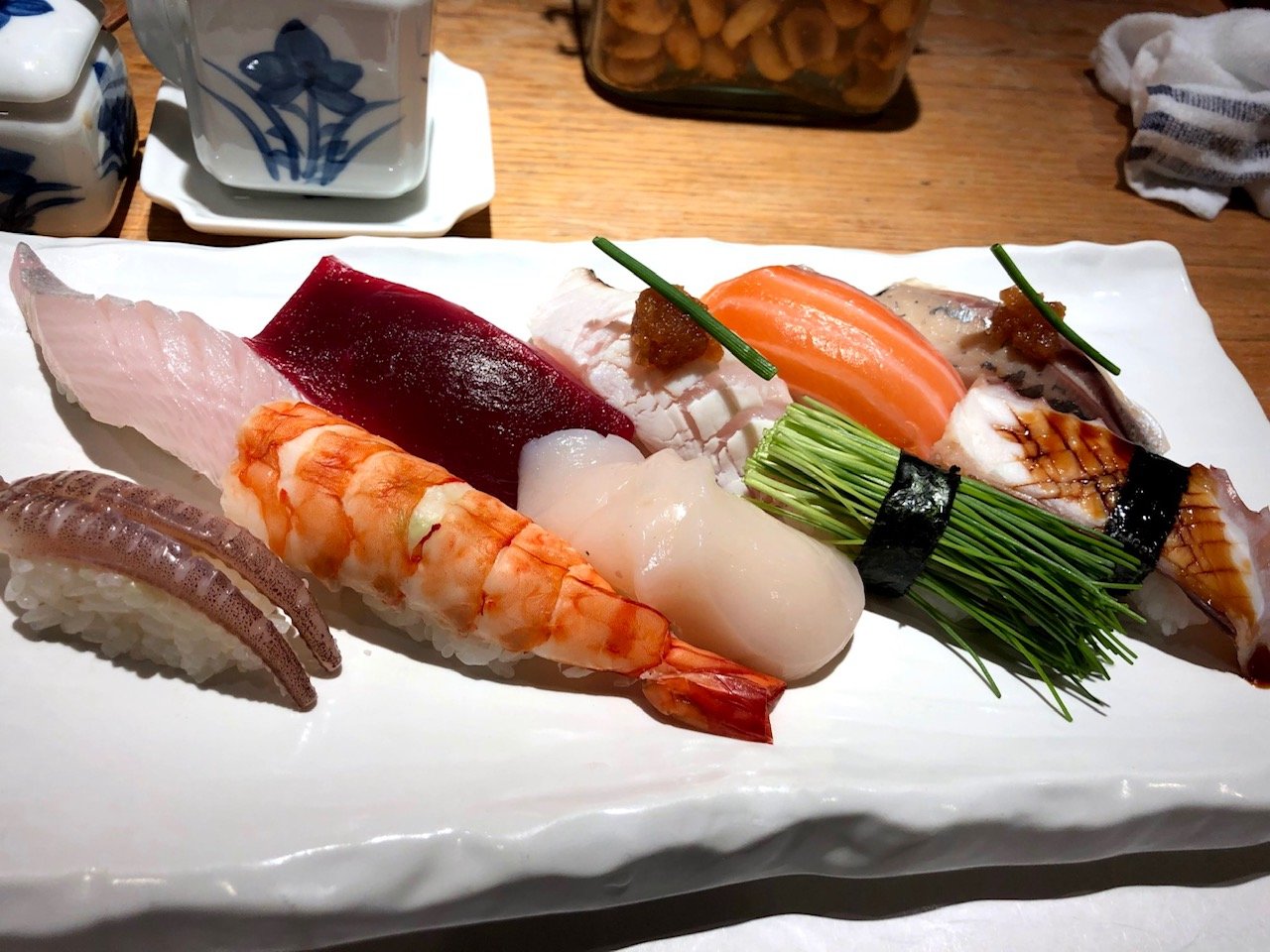
Honto Sushi Kaiba Honten is the kind of Osaka sushi counter that does not generate the tourist traffic of the Dotonbori restaurants but has a consistent local following.
Osaka’s sushi tradition is distinct from Tokyo’s: the city has a longer history with oshizushi (pressed sushi), particularly battera (pressed mackerel sushi) and hakozushi (box sushi), which use cured rather than raw fish and reflect the era before reliable refrigeration.
A full sushi meal in a proper Osaka counter runs 3,000 to 8,000 JPY per person depending on the omakase level.
Cafes and Coffee: Osaka’s Quieter Scene
Osaka’s specialty coffee movement has been building for over a decade, largely below the radar of travel guides focused on food rather than drink.
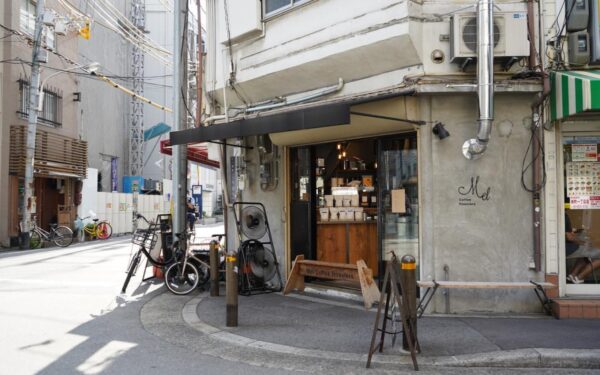
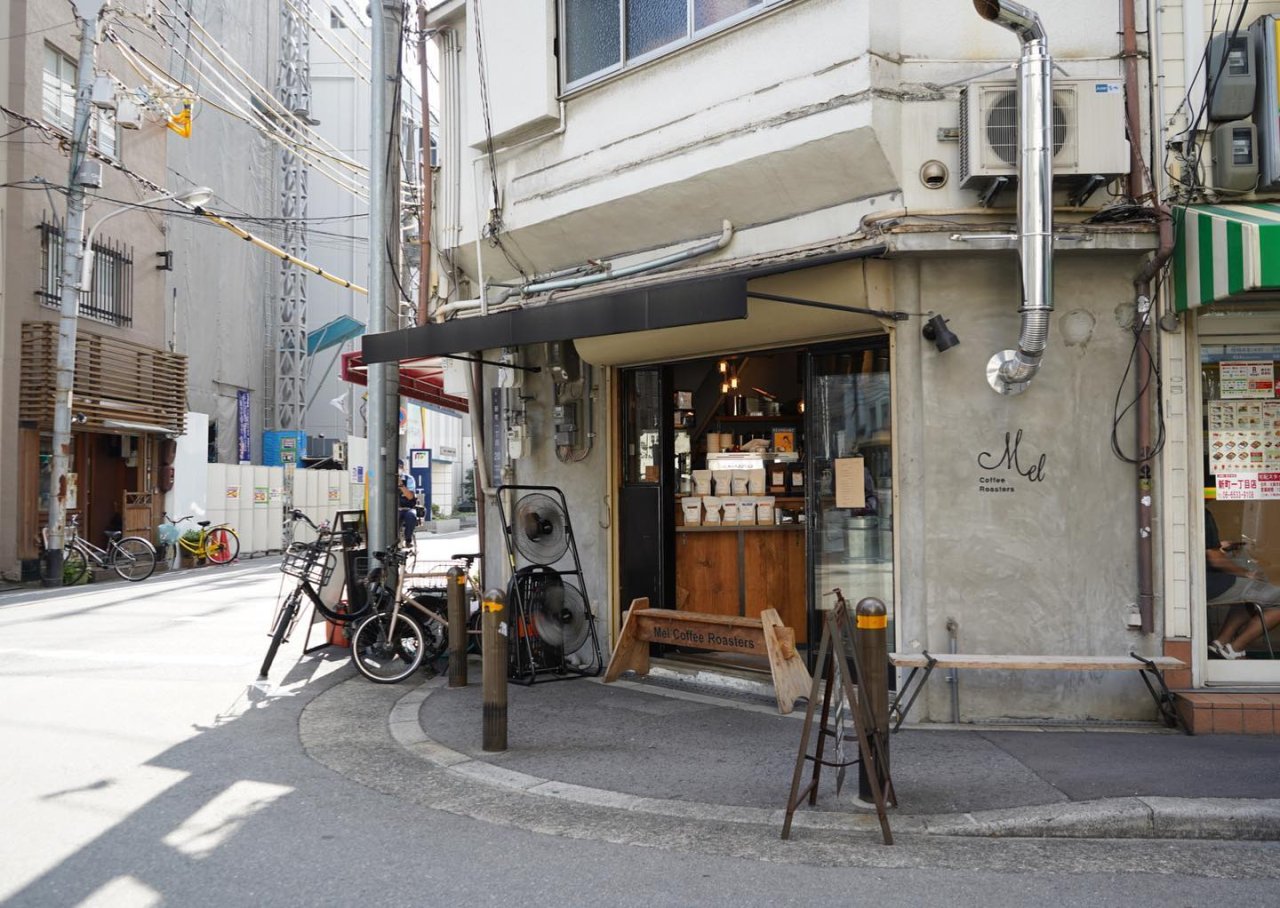
Mel Coffee Roasters in Horie, the design-and-cafe neighborhood south of Shinsaibashi, roasts in-house and operates a small counter that draws a consistent neighborhood clientele.
The space is compact, the roasting philosophy leans toward lighter profiles that highlight origin character, and it functions as a useful anchor point for the Horie neighborhood if you’re already there for the independent shops and galleries.
Horie Toka is also in the Horie area and represents a different side of Osaka’s cafe scene: a quieter, more food-focused space where the coffee is incidental to the overall sit-down experience.
Good option for a working afternoon or a break between the Shinsaibashi and Namba clusters.
A More Recent Addition: KITTE Osaka
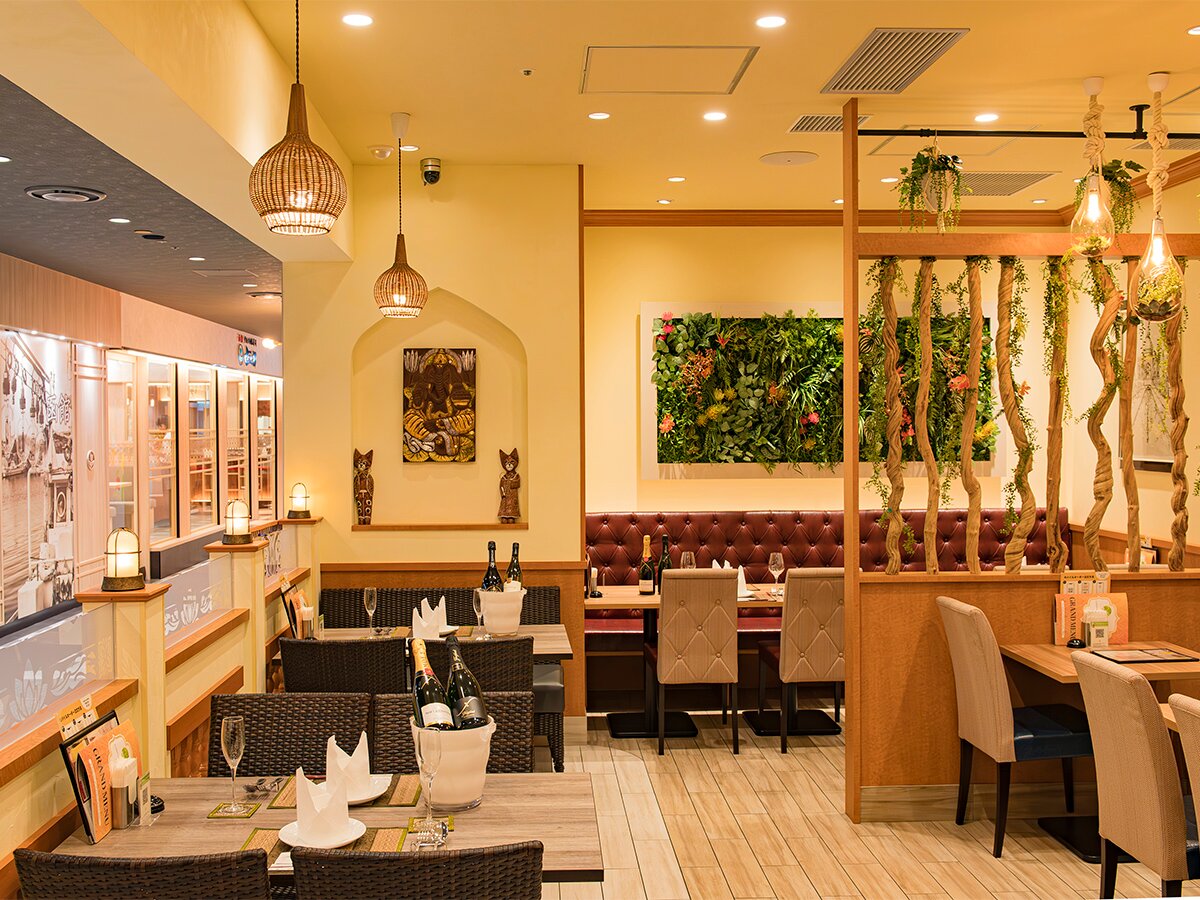
Dip Garden Terrace KITTE Osaka sits inside KITTE Osaka, the commercial and dining complex that opened adjacent to Osaka Station’s new Umekita district.
The Umekita redevelopment is the largest urban regeneration project in Osaka in decades, and the dining floors around the new station plaza have added a substantial number of mid-to-upscale options to the Kita Ward cluster.
Dip Garden Terrace is a useful reference point for eating in the Umeda area without retreating into the standard department store restaurant floors.
How Osaka’s Food Neighborhoods Break Down
The density of restaurants in Osaka concentrates around five areas, and knowing which is which helps you eat strategically rather than wandering:
Dotonbori and Namba is the highest concentration of street food and tourist-facing restaurants in the city.
Takoyaki Doraku Wanaka Namba, Takoya Dotonbori Kukuru, and Okonomiyaki Mizuno all sit within a 10-minute walk of Namba Station.
Queues are longest between 12:00 and 14:00 and again from 18:00 to 20:00.
Shinsekai is the retro district in Naniwa Ward that is the authentic home of kushikatsu culture.
Ganso Kushikatsu Daruma Shinsekai Sohonten is the anchor; the surrounding streets hold dozens of competing kushikatsu shops with outdoor seating and cold beer.
Nearest station: Dobutsuen-mae on the Midosuji or Sakaisuji lines.
Horie (south of Shinsaibashi, west of Shinsaibashi-suji) is where the independent cafes, design shops, and lower-key dining sit.
Mel Coffee Roasters and Horie Toka are both here.
Umeda and Kita Ward covers the north, where Hanadako, Sanchan-Ya in adjacent Nakatsu, and the newer KITTE Osaka complex provide options without requiring a trip to the Namba cluster.
Tennoji and Abeno in the south has Abeno Takoyaki Yamachan as the food anchor, with the surrounding Tennoji area offering strong competition in the ramen and lunch-set categories not yet covered by dedicated pages.
What Osaka Is Actually Known For Eating
The three dishes most associated with Osaka food culture are takoyaki, okonomiyaki, and kushikatsu.
All three are represented in depth on Explore Osaka with dedicated pages.
But the food scene here runs wider than those three pillars.
Osaka has a strong gyoza (pan-fried dumpling) culture, a well-developed ramen scene influenced by its proximity to the Kansai pork bone broth tradition, and a kaiseki (懐石) circuit that is less celebrated than Kyoto’s but serves food at a comparable level at lower prices.
For planning around food specifically, the best time to visit Osaka page covers seasonal food events including the summer festival circuit, when outdoor yatai (food stall) culture is at its peak.
For budget context, the Osaka travel budget guide covers realistic daily food spend across different eating styles, from standing takoyaki to sit-down izakaya dinners.
If you are building an itinerary around eating rather than sightseeing, the three-day Osaka itinerary routes through the main food neighborhoods in an order that avoids unnecessary backtracking between the Shinsekai kushikatsu district, the Dotonbori street food stretch, and the Horie cafe cluster.